
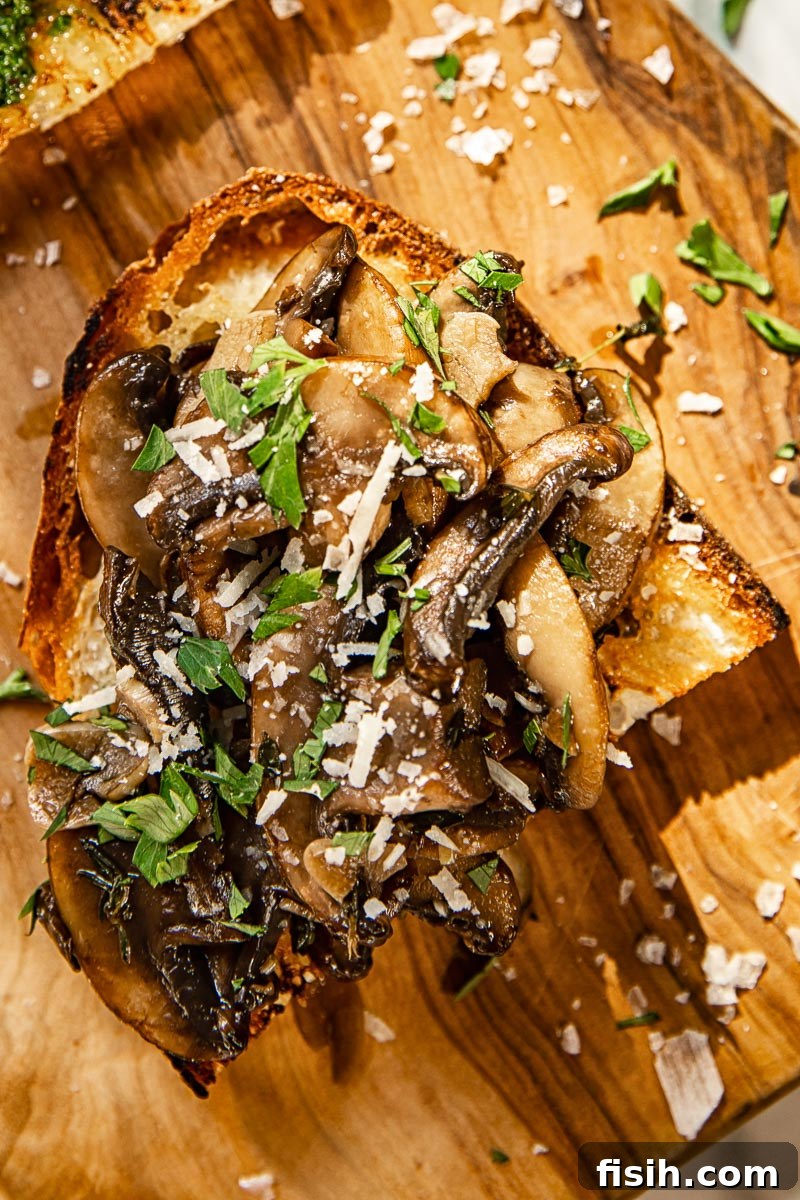
Delicious Portobello Mushroom Crostini: Your Ultimate Guide to an Easy Italian Appetizer
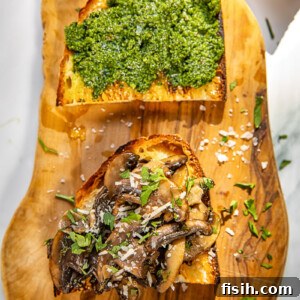
Discover the magic of simple Italian cuisine with this exquisite Portobello Mushroom Crostini recipe. Featuring perfectly toasted sourdough bread generously topped with savory, sautéed portobello mushrooms, this dish is not just a treat for your taste buds but also a healthy and satisfying starter or a delightful snack. Its effortless preparation and rich flavors make it an instant favorite for any gathering or a cozy evening at home.
Looking for more inspired appetizer ideas? Explore our collection of Favourite Party Crostini 4 Ways for endless culinary creativity.
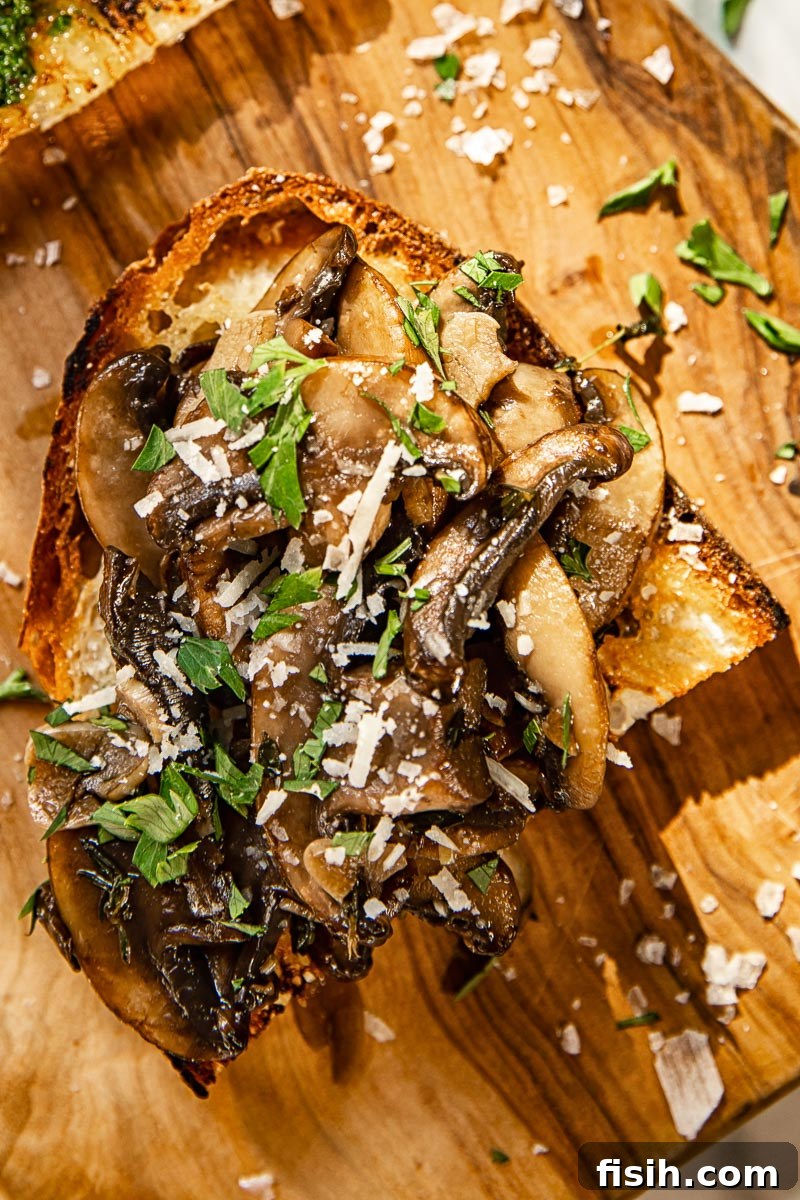
There’s an undeniable allure to Italian cooking, a testament to how the simplest ingredients can be transformed into culinary masterpieces. Take mushrooms on toast, for example. While a familiar concept in many cultures, its Italian counterpart, the mushroom crostini, possesses an elevated charm, especially when savored amidst the picturesque landscapes of Italy. It’s a dish that embodies rustic elegance and heartwarming flavors, proving that extraordinary taste doesn’t require complex techniques or a pantry full of obscure ingredients.
Often, the magic of a holiday meal is inextricably linked to its surroundings. That extra ‘star’ we award food consumed on vacation tends to fade upon returning home, losing its luster without the backdrop of Tuscan hills or Roman piazzas. However, this particular recipe for portobello mushroom crostini defies that phenomenon. These little beauties are just as utterly delicious when prepared in your own kitchen, whether you’re recreating a vacation memory or simply enjoying a weeknight treat. The extra ‘star’ remains, not for the exotic location, but for the sheer ease of preparation and the humble yet powerful simplicity of its high-quality ingredients.
What are Crostini: An Italian Culinary Delight Explained
My fascination with crostini runs deep, and this recipe is a testament to its enduring appeal. Over the years, I’ve had the pleasure of sharing numerous creative ideas for crostini toppings, encouraging culinary exploration. The beauty of crostini lies in its adaptability; there are no stringent rules. Your imagination, paired with the freshest seasonal ingredients, serves as your ultimate guide and inspiration. As a dedicated mushroom enthusiast, utilizing them as a crostini topping was a natural choice, offering an earthy depth that’s universally loved. Yet, I’ve also delighted in pushing the boundaries, venturing into unique combinations like our popular Chicken Caesar Crostini, showcasing the endless possibilities this simple base offers.
But what exactly defines crostini? The word itself is plural, meaning “little crusts,” and refers to small, toasted or grilled slices of bread, typically topped with a variety of savory ingredients. This description might sound strikingly similar to bruschetta, leading many to ponder the distinction between the two. Indeed, it’s a question I’ve often asked myself and my Italian friends, who are always eager to share their culinary wisdom.
The primary difference, as explained by our discerning Italian acquaintances, lies in the type of bread used and its preparation. Bruschetta traditionally employs fresh bread, often a rustic country loaf, which is then toasted or grilled, frequently over an open flame, giving it a smoky char and a chewy interior. Crostini, on the other hand, historically uses bread that has been allowed to dry or go slightly stale before being thinly sliced and toasted. This nuanced distinction speaks volumes about the resourceful nature of Italian culinary traditions, where nothing is wasted and every ingredient is honored.
It’s widely believed that crostini, much like the refreshing Panzanella salad, originated as a clever way to repurpose stale bread, minimizing waste while maximizing flavor. This tradition of frugality and ingenuity is a cornerstone of Italian peasant cooking, which has given us some of the world’s most beloved dishes. While this resourceful origin holds true, modern culinary practices often see bruschetta and crostini used almost interchangeably in restaurants across Italy and beyond. Both are cherished as versatile antipasti, serving as the perfect prelude to a memorable meal or a delightful accompaniment to a glass of wine.
Regardless of their subtle historical differences, both delicacies require good quality, crusty bread to achieve that desirable crispy exterior. For crostini, you have flexibility in your bread choice. A classic baguette can be thinly sliced into perfect rounds, providing a delicate crunch. Alternatively, you might opt for a rustic sourdough boule, cutting larger slices and then halving them for a more substantial, satisfying bite. We’ve enjoyed both variations in authentic Italian trattorias, each offering a unique textural and flavor experience that perfectly complements the rich toppings.
Mastering Mushroom Crostini: Expert Tips and Flavor Enhancements
Creating truly outstanding mushroom crostini, or any Italian dish for that matter, hinges on a philosophy of simplicity and quality. As I often observe, Italians excel at taking humble ingredients and elevating them with minimal fuss. While certain elaborate recipes like Lasagna or Eggplant Parmesan demand time and dedication, the heart of Italian cuisine, especially for dishes like crostini, lies in celebrating the intrinsic flavors of superb components. Here are my top tips for perfecting your mushroom crostini:
- Ingredient Quality is King: For mushroom crostini, this principle is non-negotiable. The foundation of good bread – ideally a flavorful sourdough with a good crust – and genuinely tasty, fresh mushrooms are paramount. These two elements form the core of your dish’s success, so choose them wisely.
- Choosing Your Fungi: While I opted for readily available baby portobello mushrooms for this recipe, their rich, earthy flavor and meaty texture are perfect for crostini. For those seeking a more luxurious or seasonal experience, rare varieties like porcini, chanterelles, or cremini would impart an absolutely outstanding taste, transforming the crostini into a gourmet delight. Don’t be afraid to experiment with different mushroom types if you can source them; each offers a unique contribution to the flavor profile.
- The Secret to Sautéing Mushrooms: A critical step often overlooked is proper mushroom cleaning and preparation. I highly recommend gently brushing off any dirt with a dry kitchen towel or paper towel instead of washing them under water. Mushrooms are like sponges; washing them causes them to absorb water, leading to steaming rather than browning in the pan. By keeping them as dry as possible, you ensure that beautiful golden exterior and intense, concentrated flavor when they are properly sautéed.
- Perfecting the Sauté Technique: When cooking the mushrooms, avoid overcrowding the pan. Overcrowding lowers the pan’s temperature and results in steamed, rather than caramelized, mushrooms. Work in batches if necessary. Allow the mushrooms to sit undisturbed for the initial few minutes over medium-high heat. This crucial step lets them release their moisture and develop a deep, caramelized crust before you begin stirring. This browning is where the magical umami flavor truly develops.
- Deglazing with Wine: The addition of dry white wine, or even Vermouth, isn’t just for fancy flair; it’s a classic culinary technique known as deglazing. As the wine simmers, it lifts all those delicious browned bits (fond) from the bottom of the pan, incorporating them back into the mushrooms and adding layers of complex flavor. Ensure the wine cooks down completely until it’s evaporated, concentrating its essence without making the topping watery.
- Garlic Infusion: Don’t underestimate the power of fresh garlic in Italian cooking. Adding sliced garlic towards the end of the mushroom cooking process ensures its aromatic punch without the risk of burning, which can turn garlic bitter. A gentle rub of a raw garlic clove on the toasted bread before adding the topping provides an additional layer of fresh, sharp flavor that is utterly characteristic of traditional Italian crostini and brightens the entire bite.
- Cheese Choices for the Finish: While Pecorino Romano offers a sharp, salty, and slightly tangy kick that beautifully complements the earthy mushrooms, Parmesan is an excellent alternative for a milder, nuttier finish. Both are hard, aged cheeses that grate beautifully and melt slightly from the residual heat of the mushrooms, creating a delightful texture and flavor contrast.
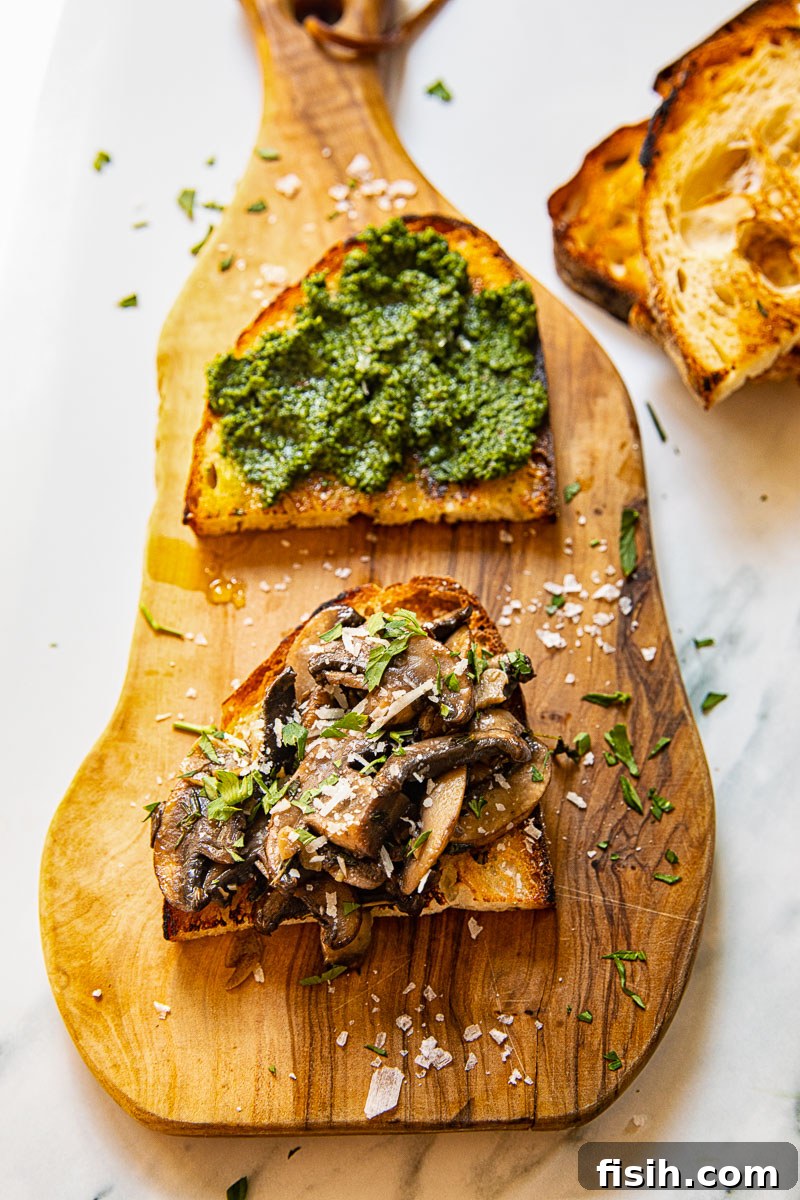
- Elevating with Pesto: If you’re craving an extra layer of flavor and variety, consider adding a dollop of fresh pesto to your crostini. Whether you opt for a vibrant homemade version, like my robust Tuscan Kale Pesto during winter or classic Fresh Basil Pesto in summer, or a quality store-bought jar, pesto introduces a vibrant herby, garlicky note that perfectly complements the mushrooms and adds another dimension to the appetizer.
- Fresh Herbs for a Bright Finish: A sprinkle of freshly chopped parsley not only adds a pop of color, making the crostini visually appealing, but also a burst of fresh, peppery flavor that brightens the entire dish and cuts through the richness of the mushrooms and cheese. Don’t underestimate its simple yet significant impact on the overall taste.
Beyond Portobello: Creative Crostini Variations for Every Palate
While this Portobello Mushroom Crostini recipe is undeniably delicious and a fantastic starting point, the world of crostini is vast and inviting. Once you master the simple technique of preparing the bread base, the possibilities for toppings are truly endless. Let your culinary creativity flow and consider these variations:
- For Mushroom Lovers:
- Truffle Infusion: Drizzle a touch of high-quality truffle oil over your sautéed mushrooms for an incredibly luxurious aroma and taste.
- Creamy Addition: Stir a tablespoon of mascarpone or cream cheese into the warm mushrooms for a richer, creamier topping.
- Herb Medley: Experiment with fresh thyme, rosemary, or a hint of sage along with your parsley for different aromatic profiles.
- Balsamic Glaze: A light drizzle of balsamic glaze (reduced balsamic vinegar) adds a sweet and tangy counterpoint to the savory mushrooms.
- General Crostini Topping Ideas:
- Classic Tomato & Basil: A fresh and vibrant mix of diced ripe tomatoes, fresh basil, garlic, and olive oil – similar to bruschetta but on smaller, crispier bread.
- Olive Tapenade: A savory spread made from finely chopped olives, capers, anchovies (optional), and olive oil.
- Whipped Ricotta with Honey & Pistachio: A sweet-savory option featuring creamy whipped ricotta, a drizzle of honey, and chopped pistachios.
- Prosciutto & Fig: Thin slices of salty prosciutto draped over a fig jam or fresh fig slice, often with a hint of goat cheese or balsamic.
- Pesto & Sun-Dried Tomato: A quick and flavorful combination of store-bought or homemade pesto topped with finely chopped sun-dried tomatoes.
Make-Ahead and Storage Tips for Effortless Entertaining
One of the many advantages of crostini, especially for entertaining, is that several components can be prepared in advance, allowing for quick assembly just before serving. This ensures maximum freshness and crispness, which are crucial for this type of appetizer.
- Toasting the Bread: You can toast the sourdough slices a few hours in advance. Allow them to cool completely before storing them in an airtight container at room temperature. This prevents them from becoming soggy. If they lose a bit of their crispness, a quick refresh in a warm oven for a few minutes will bring them back to life.
- Preparing the Mushrooms: The sautéed portobello mushrooms can also be cooked ahead of time. Once cooled, store them in an airtight container in the refrigerator for up to 2-3 days. Gently reheat them in a pan over medium heat, or even in the microwave, just before assembling the crostini.
- Garlic Rub: The garlic rub should ideally be done just before assembly to ensure the freshest garlic flavor.
- Assembly: For the best texture, always assemble the crostini right before serving. This prevents the bread from becoming soft from the moisture of the topping.
- Leftovers: If you have any assembled crostini leftover, they are best enjoyed immediately. While still edible later, the bread will soften. Leftover mushroom topping can be stored in the refrigerator and repurposed for pasta, omelets, or as a side dish.
The Mushroom Crostini Recipe: Your Guide to Italian Delight
Here’s the full recipe for our delicious Portobello Mushroom Crostini, designed for ease and maximum flavor. Enjoy creating this simple yet elegant Italian appetizer!
Mushroom Crostini
By: Julia Frey of Vikalinka
Prep Time: 10 mins
Cook Time: 15 mins
Total Time: 25 mins
Servings: 4
Toasted sourdough bread is topped with savory sautéed portobello mushrooms, creating a healthy and utterly delicious starter or snack perfect for any occasion.
Ingredients
- 4 slices sourdough bread, cut in half
- 2 tbsp olive oil, divided
- 200g/7 oz portobello mushrooms, cleaned and sliced
- 2 cloves garlic, 1 whole for rubbing, 1 sliced for mushrooms
- Salt and freshly ground black pepper, to taste
- 65ml/1/4 cup dry white wine, or Vermouth
- 2 tbsp Pecorino Romano cheese, grated (or Parmesan)
- 1 tbsp fresh parsley, chopped
Instructions
- Prepare your ingredients: Slice the sourdough bread, then cut each slice in half to create crostini-sized pieces. Clean the portobello mushrooms by gently brushing off any dirt with a paper towel; avoid washing them to prevent waterlogging. Once cleaned, slice the mushrooms evenly.
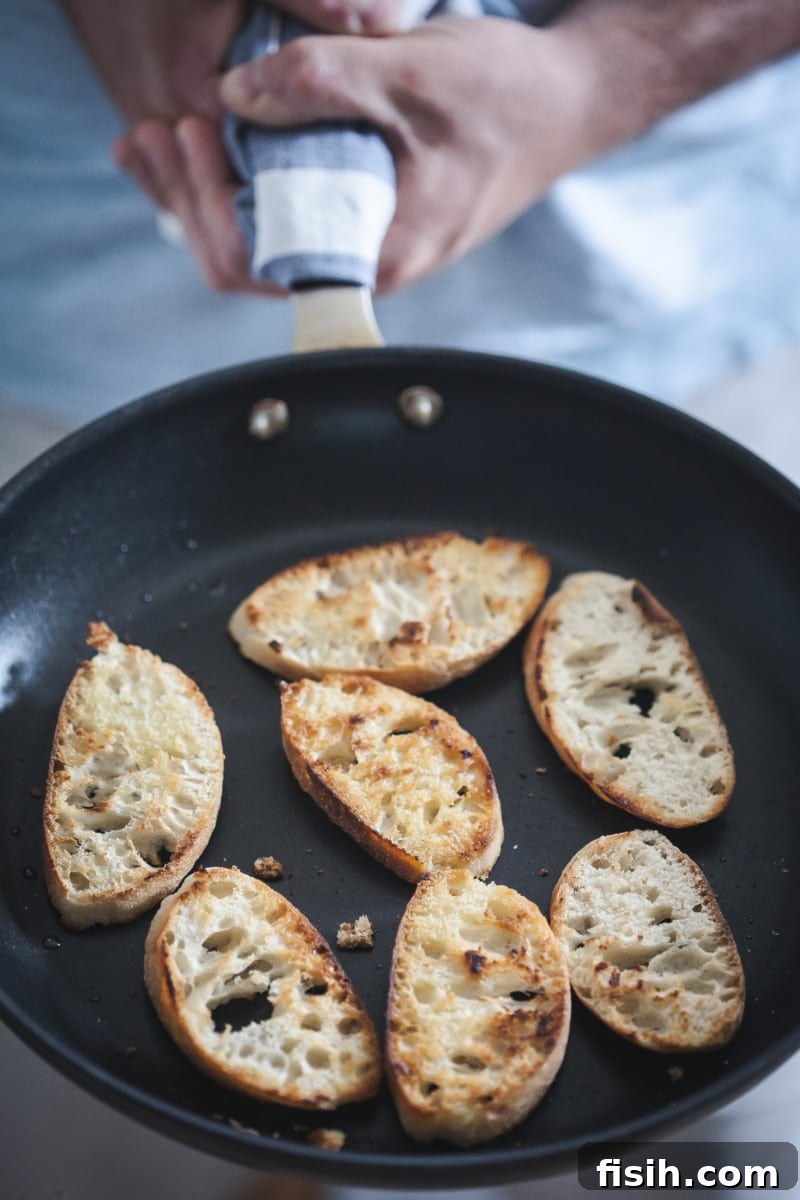
- Toast the bread: Heat 1 tablespoon of olive oil in a frying pan over medium heat. Place the bread slices in the pan and toast them on both sides until they are lightly golden and crisp. This should take about 2-3 minutes per side. Remove the toasted bread from the pan and set it aside.
- Sauté the mushrooms: In the same frying pan, add the remaining 1 tablespoon of olive oil. Add the sliced mushrooms to the hot pan, ensuring not to overcrowd it (cook in batches if necessary). Let the mushrooms cook undisturbed for 3-4 minutes to allow them to brown and release their moisture. Stir and continue to cook for another couple of minutes until they are deeply golden and tender.
- Flavor the mushrooms: Add the sliced garlic to the pan with the mushrooms and season generously with salt and freshly ground black pepper. Pour in the dry white wine (or Vermouth). Allow the wine to simmer and cook down completely until it has evaporated, leaving behind concentrated flavors and a rich glaze on the mushrooms.
- Assemble the crostini: Take one of the reserved garlic cloves, cut it in half, and gently rub the cut side over one surface of each toasted bread slice. This imparts a subtle, fresh garlic aroma. Top each garlic-rubbed crostini with a generous spoonful of the sautéed mushrooms.
- Finish and serve: Sprinkle the assembled mushroom crostini with grated Pecorino Romano cheese (or Parmesan) and a scattering of fresh chopped parsley. Serve immediately to enjoy the crisp texture and warm, savory flavors.
Nutrition Information (Approximate per Serving)
Calories: 273kcal | Carbohydrates: 36g | Protein: 9g | Fat: 9g | Saturated Fat: 2g | Polyunsaturated Fat: 1g | Monounsaturated Fat: 6g | Trans Fat: 0.003g | Cholesterol: 3mg | Sodium: 1003mg | Potassium: 282mg | Fiber: 2g | Sugar: 4g | Vitamin A: 95IU | Vitamin C: 2mg | Calcium: 67mg | Iron: 3mg
Nutrition information is automatically calculated and should be used as an approximation only.
More Italian-Inspired Mushroom Recipes to Explore
- Pan Fried Garlic Mushrooms with Parmesan
- Creamy Tagliatelle with Bacon, Mushrooms and Truffle Oil
- Stuffed Mushrooms with Cream Cheese and Prosciutto
- Vegetarian Mushroom Bolognese
Tried this delightful recipe? We’d love to hear from you! This Portobello Mushroom Crostini is a true celebration of simple, fresh flavors. Let us know how it turned out and share your culinary insights in the comments below! Your feedback helps us grow and inspires other home cooks.