
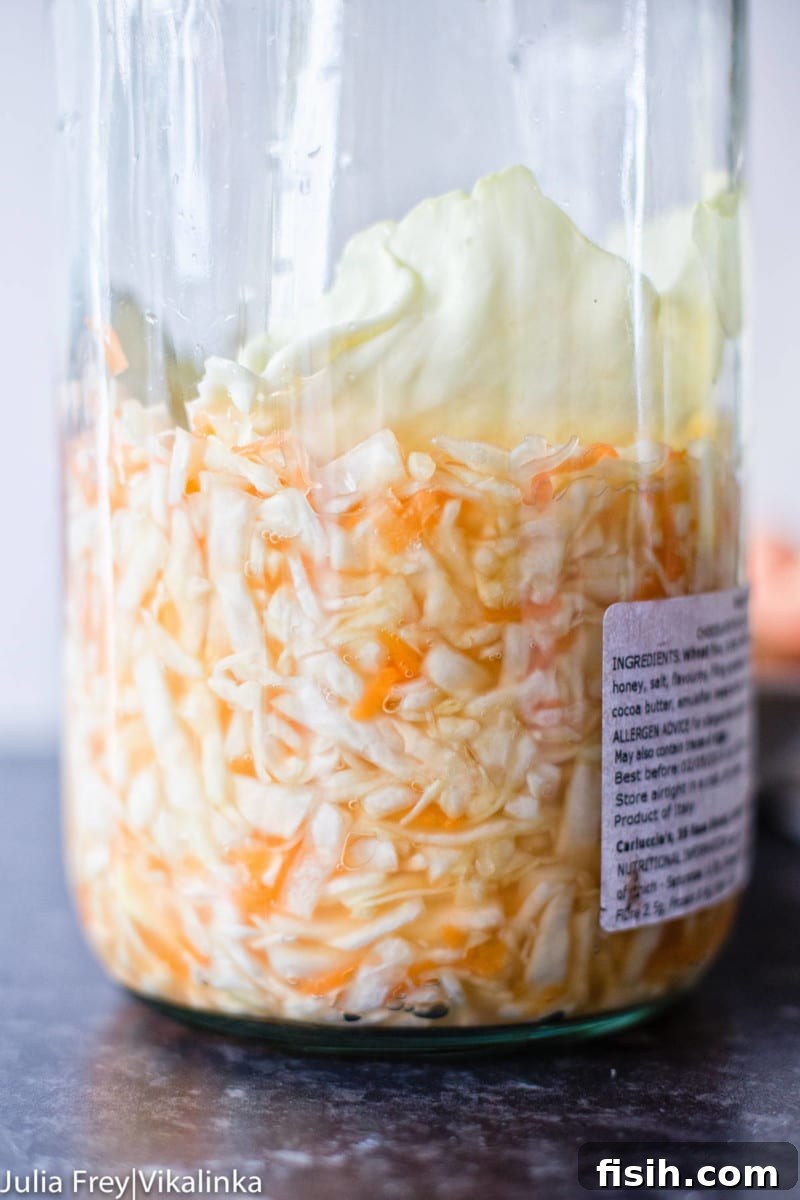
Transforming humble cabbage into a culinary masterpiece, homemade sauerkraut is a crunchy, tangy, and incredibly beneficial fermented delight. This easy, tried-and-true recipe guides you through creating a batch bursting with rich, underrated flavor and an abundance of health advantages. Enjoy it on its own, nestled in sandwiches, mixed into vibrant salads, or as a savory side to countless dishes.
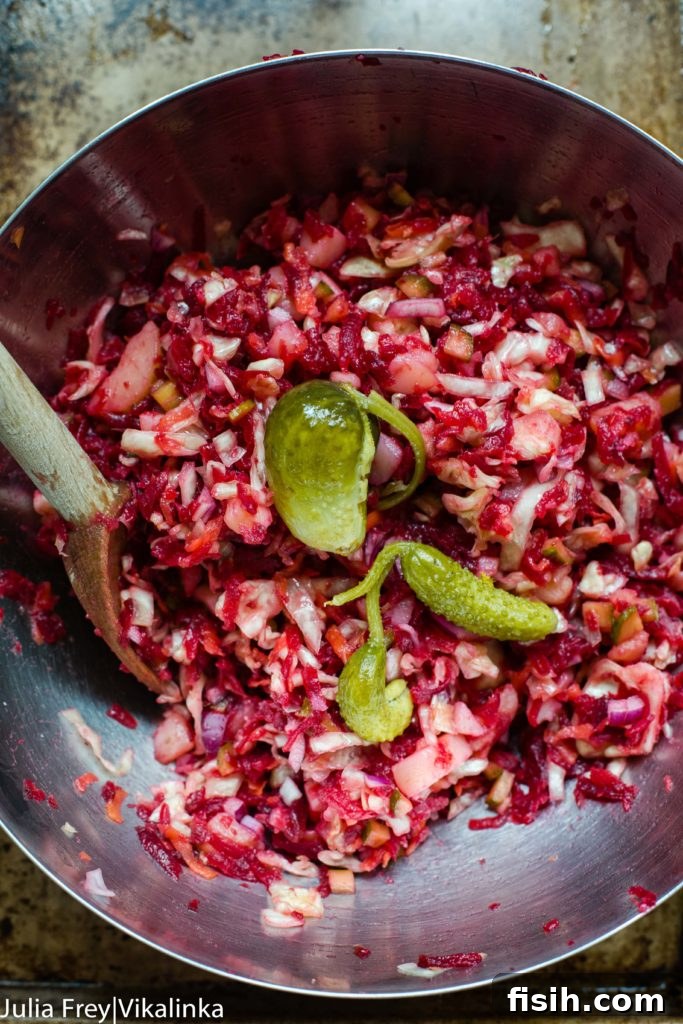
This recipe forms the perfect base for our crisp and flavorful Beet Sauerkraut Salad!
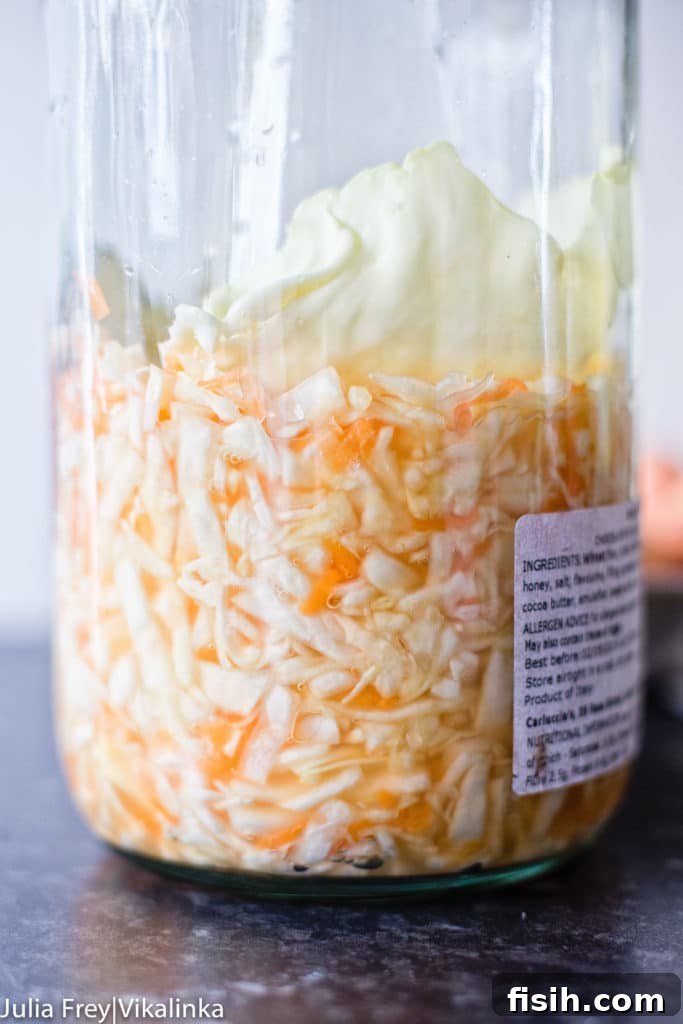
The Enduring Appeal of Fermented Foods: A Culinary Journey
Our world is a treasure trove of diverse and fascinating cuisines, each offering a unique symphony of tastes and textures. While I relish exploring new and exciting global flavors, my heart will always hold a special place for the comforting and nourishing foods I grew up with. Among these cherished traditions, mastering the art of making homemade sauerkraut stands out as a particularly rewarding experience.
I distinctly remember the anticipation and slight trepidation when I first embarked on making this Russian sauerkraut recipe. It was one of the inaugural culinary adventures in my very own kitchen after getting married. For generations, sauerkraut making had been the exclusive domain of all-knowing babushkas, their expertise passed down through whispers and intuition. I questioned whether I could ever replicate the depth of flavor and perfect crunch they effortlessly achieved. To my delightful surprise, the process proved to be as straightforward as boiling an egg, and the outcome was nothing short of spectacular!
This simple act of transforming raw cabbage into a probiotic-rich delicacy quickly became a cherished ritual, connecting me to my heritage and the timeless practice of fermentation. It underscored a profound truth: some of the most profound flavors and health benefits often emerge from the humblest ingredients and the simplest methods.
What is Sauerkraut? Unpacking the Magic of Fermented Cabbage
While I refer to this recipe as “Russian sauerkraut” for familiarity, it’s more accurately known in Eastern Europe as “kvashenaya kapusta.” Sauerkraut, a term widely recognized by English-speaking audiences, simply means “sour cabbage.” However, with the burgeoning global interest in fermentation and wholesome, gut-healthy foods, more people are discovering the wonders of naturally soured ingredients.
At its core, kvashenaya kapusta is a marvel of microbiology: cabbage and carrots fermented by naturally occurring lactic acid bacteria, primarily from the Lactobacillus family. These beneficial microorganisms, also found in yogurt, kefir, and other cultured products, perform a magical transformation. They consume the sugars present in the cabbage and convert them into lactic acid, which acts as a natural preservative and gives sauerkraut its distinctive tangy flavor. This ancient preservation technique not only extends the shelf life of vegetables but also profoundly enhances their nutritional profile and digestibility. It’s a testament to human ingenuity in coaxing maximum goodness from minimal ingredients.
Unlocking the Abundant Health Benefits of Sauerkraut
Beyond its delightful taste, homemade sauerkraut is a nutritional powerhouse, packed with a range of health-boosting properties that make it a true superfood. For centuries, various cultures, particularly throughout Eastern Europe, have revered fermented cabbage for its ability to promote well-being and vitality. Integrating this tangy treat into your diet can offer remarkable benefits:
- A Probiotic Powerhouse: Sauerkraut is a living food, teeming with beneficial probiotic bacteria. These good bacteria colonize your gut, contributing to a healthy microbiome. A balanced gut flora is crucial for optimal digestion, nutrient absorption, and overall digestive comfort, helping to alleviate issues like bloating and indigestion.
- Immune System Support: A significant portion of our immune system resides in the gut. By fostering a healthy gut environment, the probiotics in sauerkraut play a pivotal role in strengthening your immune defenses, helping your body ward off illnesses. Its high Vitamin C content further bolsters this protective effect.
- Rich in Vitamin C: Historically, sauerkraut was indispensable for preventing scurvy during long voyages and harsh winters, thanks to its exceptionally high Vitamin C content. Even today, it remains an excellent natural source of this essential antioxidant, crucial for immune function, skin health, and collagen production.
- Abundant in Fiber: Cabbage itself is a good source of dietary fiber, which remains largely intact during fermentation. Fiber is vital for digestive regularity, satiety, and maintaining healthy blood sugar levels.
- Vitamins and Minerals: In addition to Vitamin C, sauerkraut provides other important nutrients including Vitamin K2, B vitamins, iron, and potassium, all of which contribute to various bodily functions, from bone health to energy metabolism.
- Antioxidant Properties: Cabbage contains various antioxidants, which are compounds that protect your cells from damage caused by free radicals. Fermentation may even enhance the bioavailability of some of these compounds.
- Enhanced Nutrient Absorption: The fermentation process breaks down complex compounds in cabbage, making its nutrients more readily available for your body to absorb.
These myriad benefits are precisely why I decided to reintroduce sauerkraut into my family’s diet a few years ago, in an effort to embrace a healthier lifestyle. The moment I took my first spoonful, I was instantly reminded not just of its incredible health advantages, but also of how deeply I cherished its unique taste. Once I started making it again, I simply couldn’t stop! I sincerely hope this homemade sauerkraut experience becomes just as delightful and beneficial for you.
A Culinary Chameleon: Diverse Ways to Enjoy Your Homemade Sauerkraut
Sauerkraut is far more than just a side dish; it’s a versatile culinary ingredient that has been savored throughout Eastern Europe for centuries. Its bright, tangy profile and satisfying crunch make it an excellent accompaniment to a wide array of meals. Here are some of our favorite ways to enjoy this fermented delight:
- On Its Own: A simple spoonful of cold sauerkraut makes for a refreshing and gut-healthy snack or a vibrant palate cleanser before a meal. Its crisp texture and zesty flavor are truly addictive.
- In Salads: Incorporate sauerkraut into green salads for an extra zing and texture, or use it as the star of the show. Our Beet Sauerkraut Salad is a fantastic example, combining its tang with earthy beets for a nutritious and colorful dish.
- Sandwich Staple: Sauerkraut is legendary in sandwiches. It’s an essential component of the iconic Reuben sandwich, offering a perfect counterpoint to corned beef and Swiss cheese. It also elevates hot dogs, bratwurst, and other deli-style sandwiches.
- Pairing with Meats: The acidity of sauerkraut cuts beautifully through rich, fatty meats. Serve it alongside roasted pork, grilled sausages, or traditional Kielbasa. Our family’s favorite Kielbasa and Sauerkraut recipe perfectly illustrates this harmonious pairing.
- In Soups and Stews: While often enjoyed cold, sauerkraut can be added to hot dishes. It lends depth and a distinctive sour note to hearty stews and traditional soups like this comforting beef and cabbage soup “shchi”. Add it towards the end of cooking to preserve some of its probiotic benefits.
- As a Side Dish: It makes an excellent, low-calorie, and flavorful side to virtually any meal, complementing roasted vegetables, mashed potatoes, or grain bowls.
- Creative Applications: Don’t shy away from experimenting! Add a spoonful to scrambled eggs, mix into potato salad, or use it as a topping for savory pancakes. Its versatility is truly boundless.
Beyond Basic: Exploring Flavor Variations for Your Sauerkraut
The beauty of traditional sauerkraut lies in its simplicity, but also in its incredible adaptability. Describing a single “traditional” sauerkraut can be challenging, as recipes often vary from family to family, each grandma adding her unique touch. The recipe shared here reflects the method my own grandmother perfected, producing a classic, clean flavor profile. However, if you’re looking to diversify your sauerkraut experience, adding spices is a wonderful way to introduce new dimensions of taste. The range of options is vast, but here are some traditional and popular additions:
- Caraway Seeds: Perhaps the most classic addition, caraway seeds impart a warm, slightly licorice-like aroma and flavor that perfectly complements the tanginess of the cabbage. They are a staple in many Central and Eastern European sauerkraut recipes.
- Juniper Berries: These aromatic berries contribute a piney, slightly citrusy, and peppery note that adds complexity and a hint of wildness to your sauerkraut. They pair particularly well with dishes that feature game meats.
- Celery Root (Celeriac): Grated celery root introduces an earthy, nutty, and slightly sweet undertone, adding another layer of vegetable goodness and a unique flavor dimension.
- Dill Seeds: Known for their fresh, slightly pungent flavor, dill seeds bring a distinctly herbaceous note that is both refreshing and traditional, especially in Slavic cuisines.
- Garlic: Minced or sliced garlic cloves can be added for a pungent, aromatic kick that deepens the savory profile of the sauerkraut.
- Ginger: For a warming and slightly spicy variation, thin slices or grated ginger can be incorporated, adding an Asian-inspired twist and additional health benefits.
- Chili Flakes or Fresh Chili: If you enjoy a bit of heat, a pinch of chili flakes or a few slices of fresh chili can add a delightful warmth and gentle spice to your fermented cabbage.
- Bay Leaves: A couple of bay leaves tucked into the jar can infuse the sauerkraut with a subtle, aromatic, and slightly herbaceous background note.
- Apple: For a touch of sweetness and fruitiness, a grated apple can be mixed in. This is a common variation that mellows the sourness and adds a pleasant complexity.
Experiment with these additions or create your own combinations to discover your family’s new favorite sauerkraut flavor. Remember, fermentation is an art, and personal preference is key!
Why Embrace Homemade Sauerkraut?
Choosing to make sauerkraut at home, rather than relying on store-bought versions, offers several compelling advantages:
- Superior Flavor: Homemade sauerkraut often boasts a fresher, more vibrant, and complex flavor profile compared to many commercial varieties, which can sometimes be overly sour or pasteurized.
- Maximized Health Benefits: By controlling the fermentation process, you ensure your sauerkraut is truly raw and unpasteurized, retaining its full spectrum of beneficial live probiotics and enzymes. Many store-bought versions are pasteurized, which kills these valuable microorganisms.
- Control Over Ingredients: You dictate what goes into your jar – fresh, organic cabbage, high-quality non-iodized salt, and any desired additions. This means no artificial preservatives, unwanted additives, or excessive sodium.
- Cost-Effectiveness: Cabbage is an inexpensive vegetable. Making your own sauerkraut is significantly more economical than purchasing artisanal or specialty fermented products.
- A Sense of Accomplishment: There’s immense satisfaction in creating something delicious and nourishing from scratch. The hands-on process connects you to an ancient culinary tradition and empowers you with self-sufficiency in the kitchen.
- Reduced Waste: By fermenting your own produce, you contribute to food preservation and reduce potential food waste.
The journey of making homemade sauerkraut is not just about producing a delicious condiment; it’s about embracing a healthier lifestyle, connecting with culinary traditions, and discovering the simple joy of fermentation.
More Eastern European Recipes to Explore
- Classic Beef Stroganoff
- Authentic Siberian Meat Dumplings (Pelmeni)
- Traditional Borscht (Beet Soup)
- Strawberry Cheesecake Vatrushka Buns
- Healthy Lazy Cabbage Rolls
Homemade Russian Sauerkraut
Print Recipe
Ingredients
- 1kg / 2.5 lbs 1 small head of white cabbage, finely sliced
- 2 carrots, grated
- 1½ tbsp non-iodized salt
- 1 tsp sugar
Instructions
-
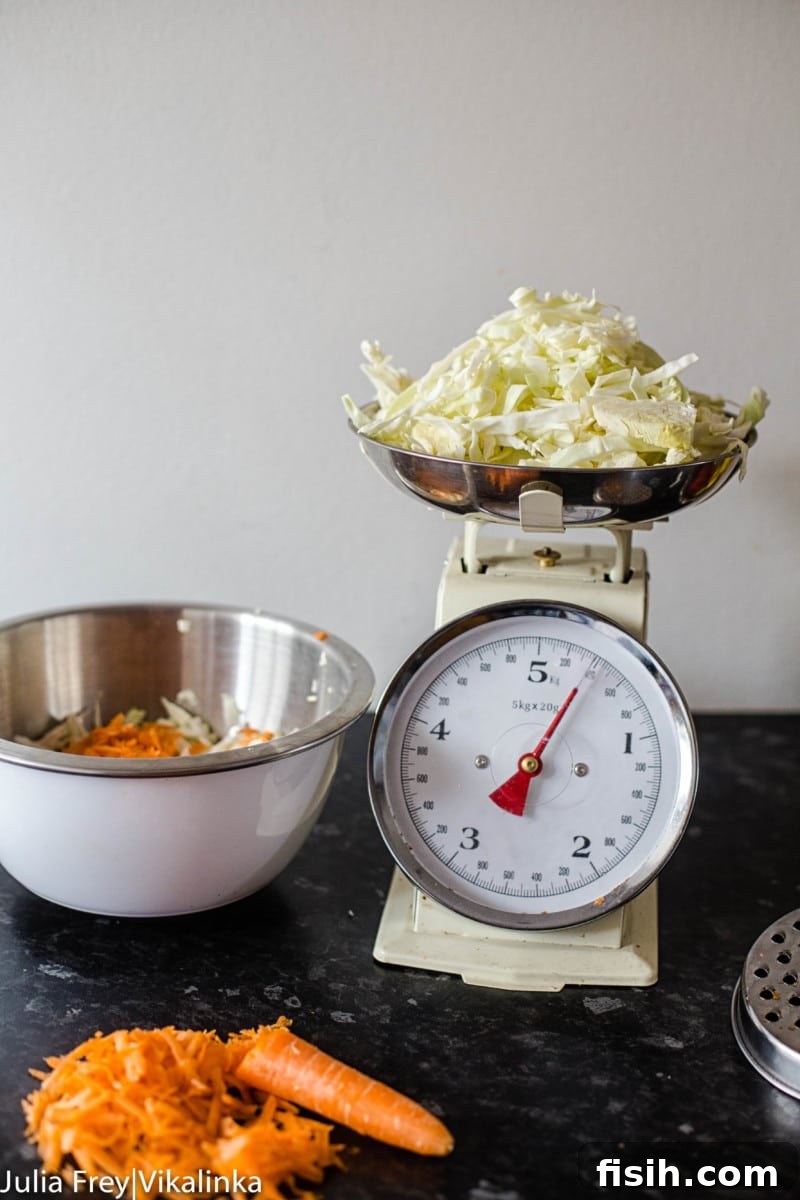
Begin by washing the cabbage thoroughly and peeling the carrots. Carefully remove a large, intact outer cabbage leaf and set it aside; this will be used later. Cut the cabbage in half, then quarter it. With a sharp knife, remove the tough core and any overly rigid outer ribs. Finally, slice the cabbage into approximately 1/4-inch thin strips and grate the carrots.
-
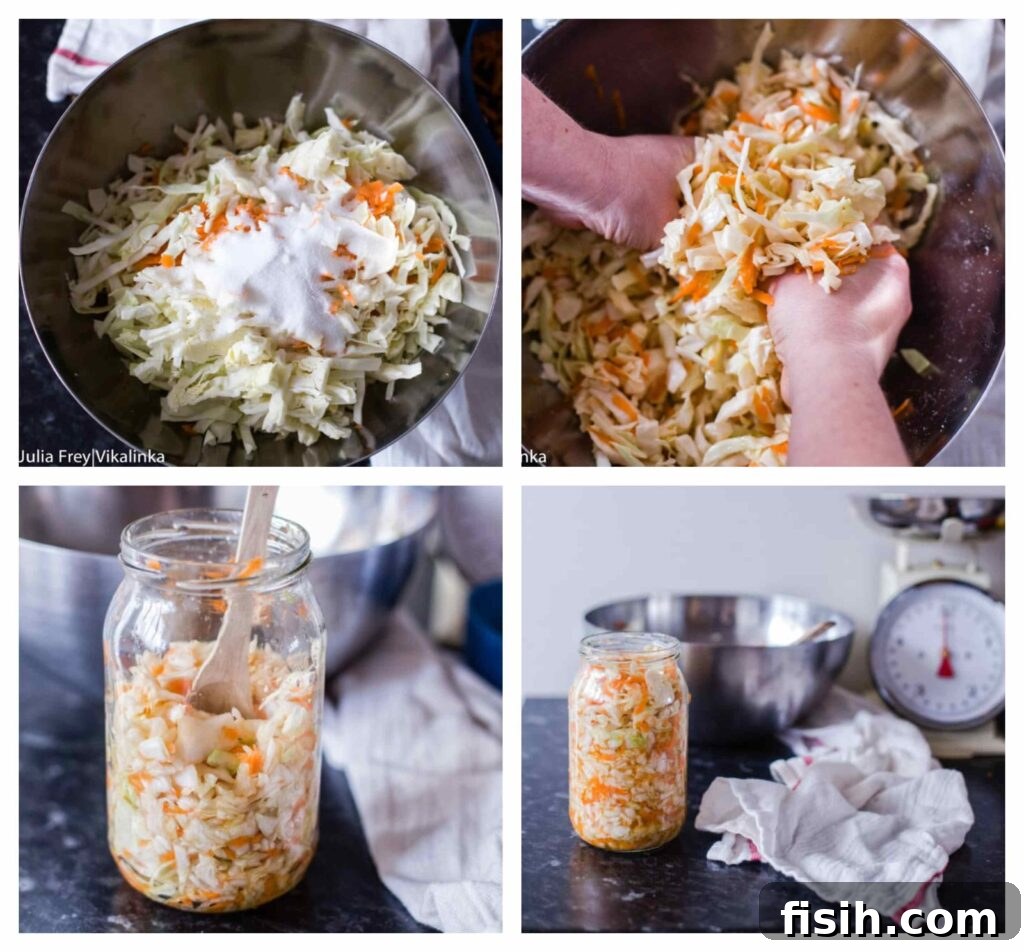
In a spacious mixing bowl, combine the prepared cabbage, grated carrots, salt, and sugar. Now, using your clean hands, begin to vigorously massage these ingredients together. Continue this massaging action for about 2-3 minutes. This crucial step softens the cabbage and helps it release its natural juices, which are essential for the fermentation process.
-
Tightly pack the cabbage and carrot mixture into a thoroughly sterilized jar. Use the handle of a long-handled wooden spoon or a fermentation tamper to press down firmly on the mixture, ensuring it is packed as densely as possible and that more liquid is released. It’s vital that the liquid completely covers the cabbage, creating an anaerobic (oxygen-free) environment that protects it from harmful bacteria. Place the reserved large cabbage leaf over the surface of the packed cabbage, then weigh it down with a smaller, water-filled jar or a fermentation weight. Cover the mouth of the jar with a layer of cheesecloth, secured with a rubber band, to allow airflow while keeping out contaminants. Leave your sauerkraut to ferment at room temperature for approximately 3 days. This period might extend if your home is cooler. Each day, use the handle of a wooden spoon to pierce the cabbage mixture several times to release any trapped gases (a process known as “burping”), then re-cover it with the cheesecloth.
-
Once the desired level of tanginess and fermentation is achieved (typically after 3 days, or when bubbles subside and taste is to your liking), remove the weight and cabbage leaf. Seal the jar tightly with a lid and transfer the sauerkraut to the refrigerator. Refrigeration significantly slows down the fermentation process, preserving its flavor and crunch.
Notes
Nutrition Facts
Nutrition information is automatically calculated and should be used as an approximation.