
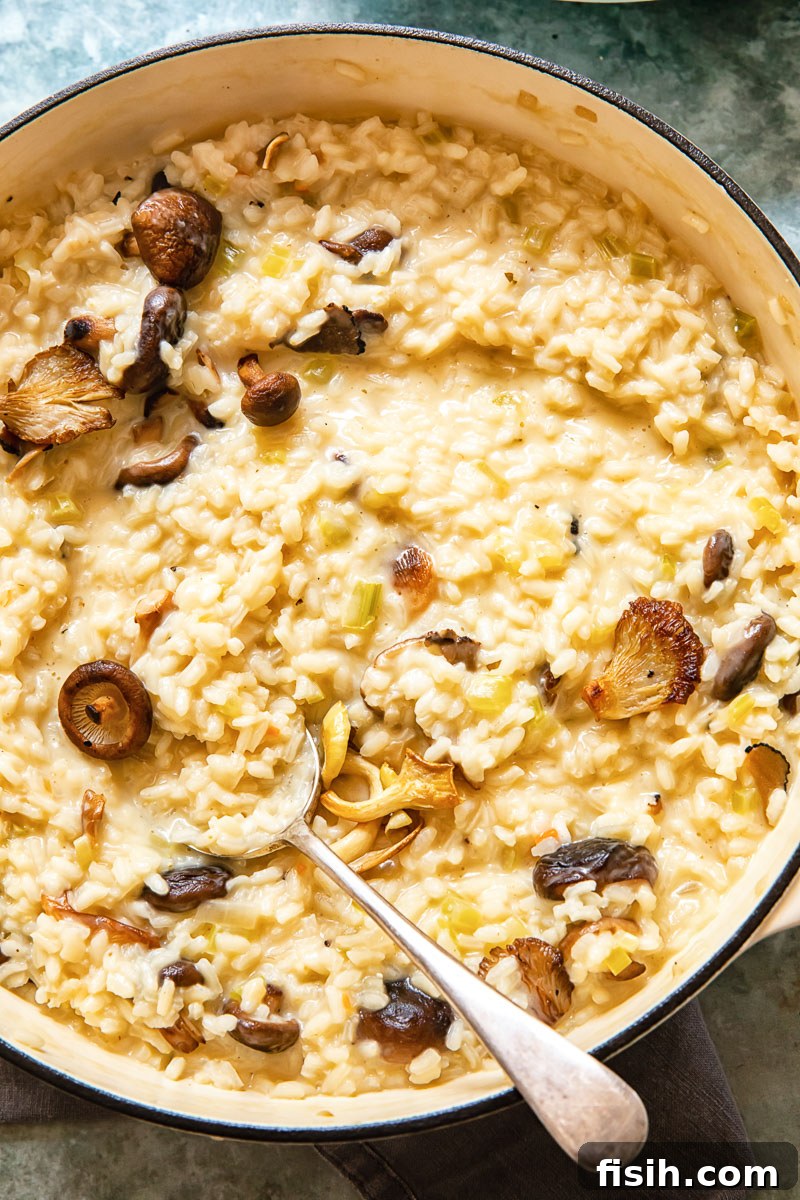
Indulge in the exquisite world of gourmet cooking with this luxurious Truffle Risotto with Wild Mushrooms. More than just a meal, it’s a culinary journey, evoking the serene and earthy beauty of a walk through an ancient, rain-kissed forest. This dish, a true labor of love, is designed for those special moments and discerning palates, embodying elegance and profound flavor. It’s a perfect date-night showstopper, promising an unforgettable experience for anyone who appreciates the unique aroma and rich taste of truffles.
Should your passion for truffles extend beyond this magnificent risotto, or if you simply prefer a pasta delight, don’t miss our creamy tagliatelle with bacon, mushrooms and truffle oil. It offers another fantastic way to enjoy these exquisite ingredients.
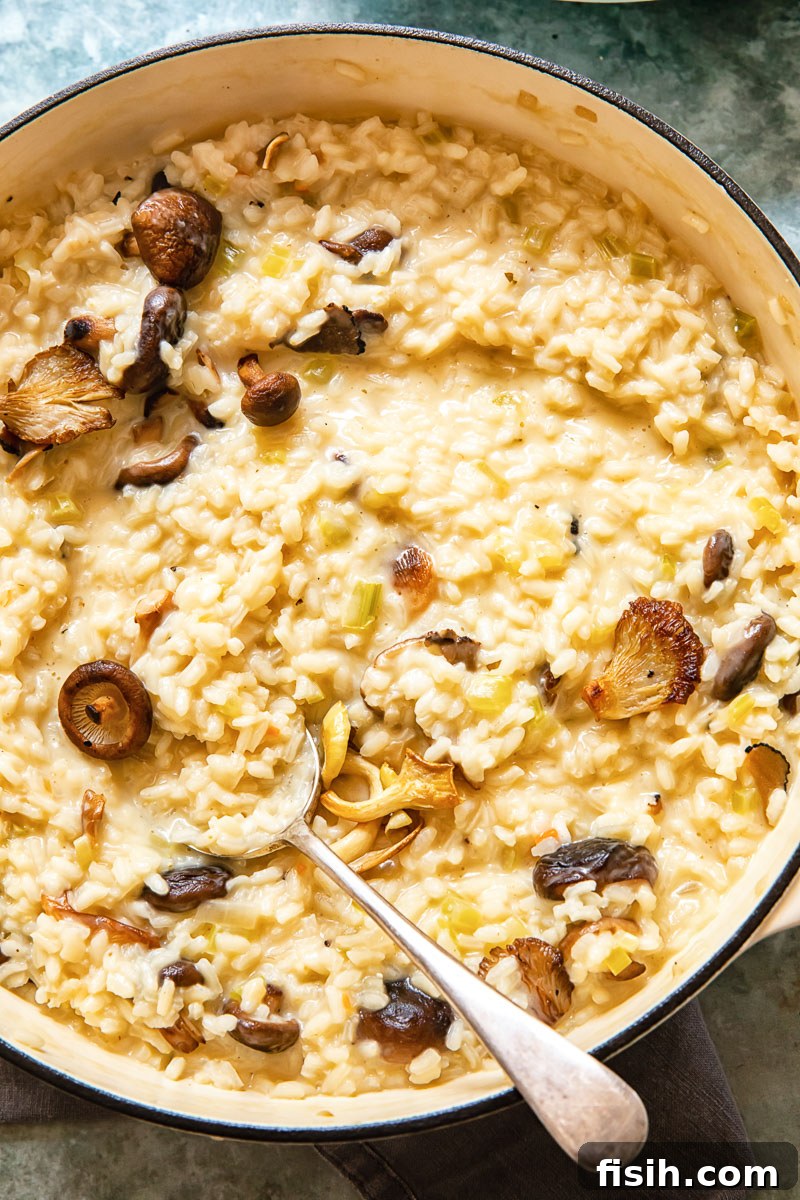
Unveiling the Decadence: Truffle Mushroom Risotto
This truly special black truffle risotto is an ode to indulgence. Every spoonful transports you with the heady, unmistakable fragrance of truffle, harmoniously swirled through pearly, pale risotto grains. Each bite is punctuated by fresh, earthy wild mushrooms, creating a tapestry of textures and flavors that dance on the palate. It’s a dish that not only satisfies the appetite but also captivates the senses, promising a gourmet experience in the comfort of your home.
Risotto has often been unfairly labeled as a painstaking and intimidating meal to prepare. However, this reputation is largely overstated. While it does require attention and patience, it’s far from impossible, and with a few simple techniques, it can be quite enjoyable to make. In fact, many modern methods, like using an Instant Pot, can even simplify the process. But the beauty lies in the perception: your guests will be none the wiser, marveling at your culinary prowess! What better way to express devotion and hospitality than by serving a warm, creamy, and aromatic bowlful of this magnificent truffle and wild mushroom risotto?
The secret to a truly exceptional risotto lies in its rich, velvety texture and the perfect al dente bite of the rice. This dish achieves both, making it a perfect centerpiece for a romantic dinner or a celebratory meal. The combination of luxurious truffles and robust wild mushrooms creates a symphony of umami flavors, making every forkful a moment to savor.
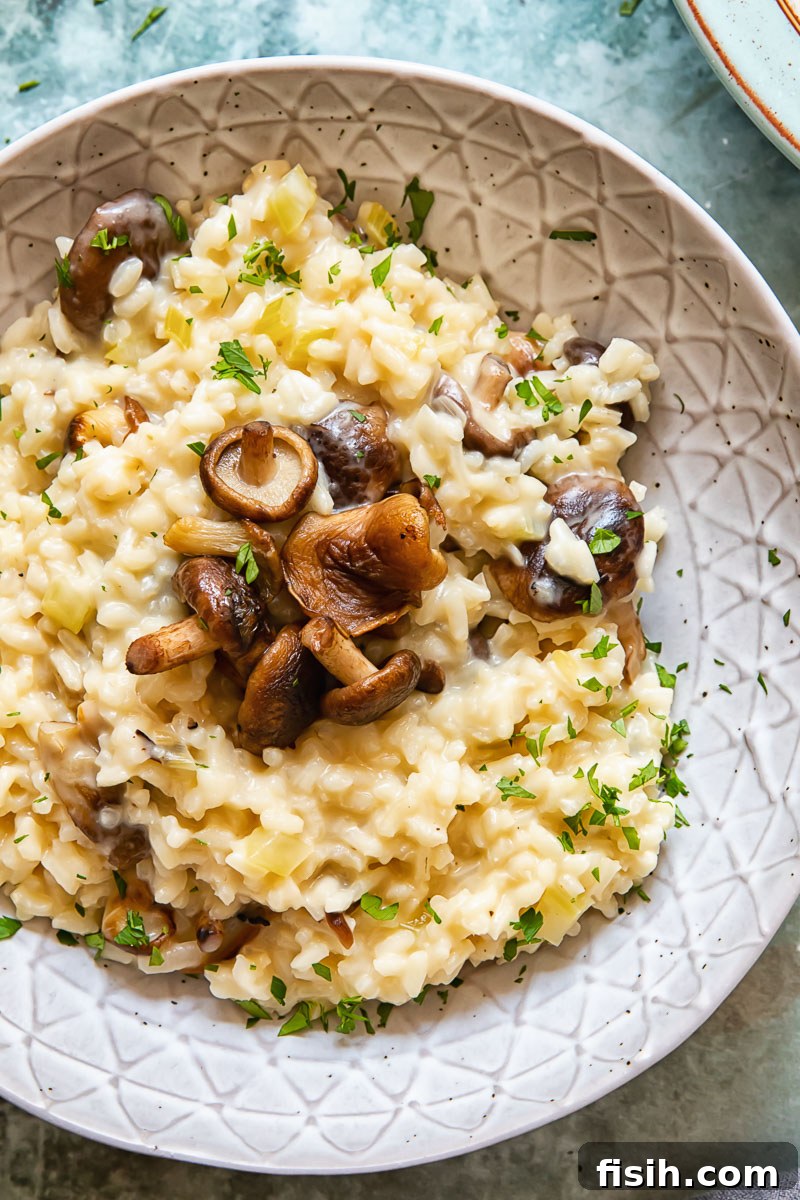
The Foundation: Choosing the Right Rice for Risotto
When crafting a dish as luxurious as truffle and wild mushroom risotto, every ingredient plays a crucial role. It might be tempting to reach for any bag of rice in your pantry, but this is one area where compromise can lead to culinary disappointment. Using typical long-grain rice varieties like basmati or jasmine will not yield the desired creamy consistency; instead, you’ll likely end up with a mushy, unappetizing mushroom porridge. For an authentic and perfectly textured risotto, investing in a proper risotto rice is absolutely essential.
The key to risotto’s signature creaminess lies in the specific starch content of certain short to medium-grain rice varieties. These grains, unlike their long-grain counterparts, release a specific type of starch called amylopectin when agitated during cooking. This amylopectin combines with the cooking liquid to create the smooth, velvety sauce that is the hallmark of a great risotto.
- Arborio Rice: This is the most common and widely available type of risotto rice. Its short, plump grains have a high starch content and are excellent at absorbing liquid while exuding that desirable oozy sauce. Arborio rice is forgiving and a great choice for beginners, consistently delivering a creamy texture and firm center.
- Carnaroli Rice: Often regarded as the “king of rice” by Italian chefs, Carnaroli is a higher-quality, less familiar variety. Its plumper grains boast an even higher starch content and maintain their shape exceptionally well, resulting in an even richer, creamier texture and a distinct al dente bite. It’s more resistant to overcooking, making it a favorite for experienced cooks aiming for perfection.
- Vialone Nano Rice: While not mentioned in the original text, Vialone Nano is another excellent choice, particularly for seafood risottos. It has a medium grain, absorbs liquid readily, and creates a very creamy texture while remaining firm. It’s slightly smaller than Arborio and Carnaroli.
Regardless of which superior risotto rice you choose, there’s one golden rule you must always adhere to: do not wash your risotto rice. The very starch that makes for the sleek, luxurious sauce is precisely what you would be rinsing away. Preserve that precious starch, and you’ll unlock the secret to a perfectly creamy, restaurant-quality truffle risotto every time. Store your chosen rice in an airtight container in a cool, dark place to maintain its freshness and quality.
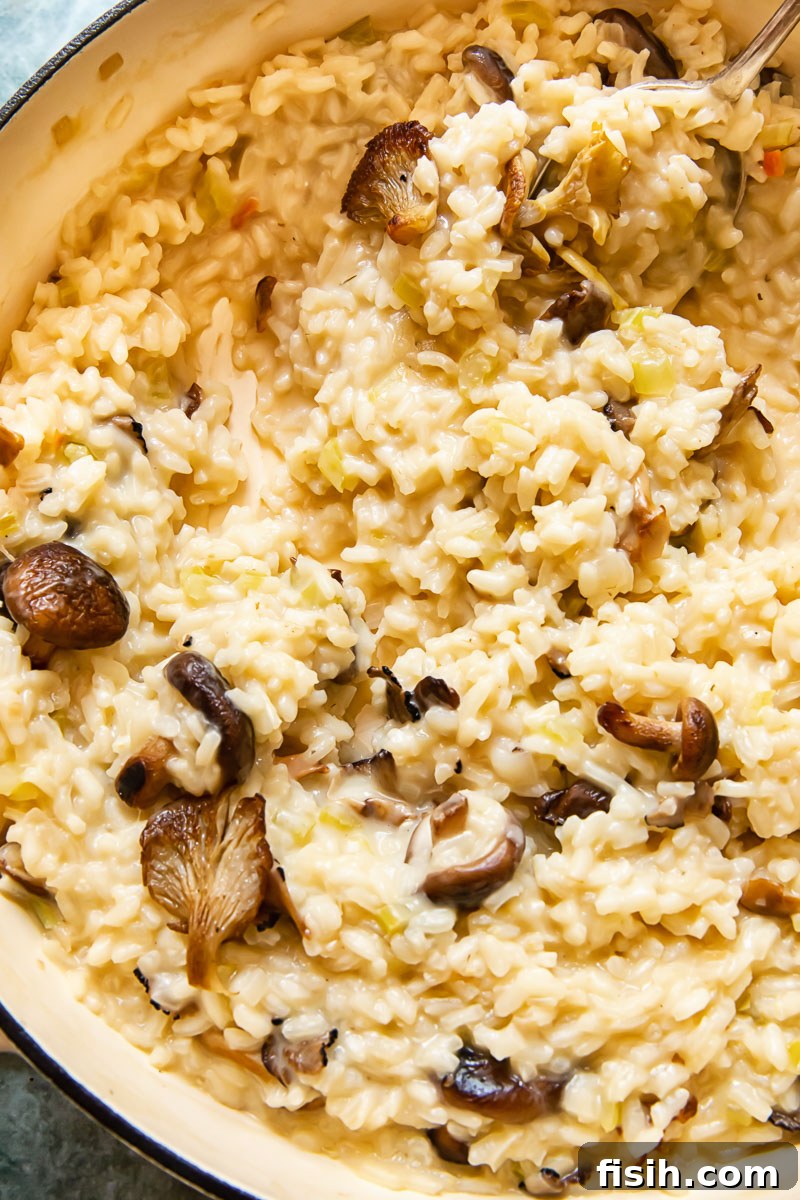
The Diamond of the Kitchen: Sourcing Your Truffles
If this isn’t your first culinary adventure with truffles, you likely have a good idea of what to seek out. But if you find yourself lost in the woods on this luxurious ingredient, allow me to guide you to the heart of truffle selection. Truffles, those aromatic subterranean fungi, are revered globally for their intense, earthy, and often pungent flavors. Originating primarily from regions like Italy, France, and Spain, they grow in symbiotic relationships with tree roots, making them notoriously difficult to cultivate and thus, incredibly precious.
Truffles are generally categorized into two main types: black and white. Each offers a distinct profile, but their cost and availability vary significantly. White truffles (Tuber magnatum pico), predominantly found in Italy, are the rarest and most expensive, known for their powerful garlicky and musky aroma. Their delicate flavor is best enjoyed raw, shaved over a finished dish. For our truffle risotto, however, we turn to the more accessible yet equally opulent black truffles.
Black truffles (such as Tuber melanosporum, the Périgord truffle), while still a luxury, are more widely available and offer a rich, earthy, slightly sweet aroma with notes of hazelnut. They hold up better to gentle cooking, allowing their essence to infuse the risotto beautifully. To incorporate this culinary gem into your dish, truffles are typically sold in several forms:
- Fresh Truffles: These are, without a doubt, the pinnacle of truffle experience. Offering the most potent and authentic aroma, fresh truffles are also the most expensive and perishable. If you decide to splurge, handle them with care. Wrap them individually in a paper towel, place them in an airtight container (ideally with some eggs or rice, which will absorb their aroma), and refrigerate. They should be consumed within 4-5 days to enjoy their peak freshness, making them ideal for a dedicated truffle enthusiast! Always select firm, aromatic truffles without soft spots or mold. Seasonality is key: black truffles are typically available in winter, while summer truffles offer a milder flavor in warmer months.
- Whole Preserved Truffles: This form strikes an excellent balance between quality and convenience, making them a personal favorite for dishes like risotto. Preserved in brine or oil, they reliably deliver a distinct truffle flavor without the extreme cost or short shelf life of fresh truffles. Once opened, they can last up to two weeks in the refrigerator, allowing you to enjoy multiple truffle-infused meals, from your risotto to a simple truffled egg soldier breakfast! They are often sliced or chopped, ready to be incorporated.
- Truffle Flavored Oil or Butter: Approach these products with a discerning eye. While more affordable, many truffle oils are synthetically flavored using compounds like 2,4-dithiapentane, which mimics the truffle aroma but lacks the complexity and depth of real truffles. Always check the label for “real truffle” or inspect the contents for actual truffle pieces. High-quality truffle oils made by infusing real truffles in olive oil can be a great way to add a finishing touch and boost flavor, but synthetic ones can be quite off-putting. Truffle butter, made with real truffle pieces, can be an excellent addition for richness and aroma.
Beyond these primary forms, you might also encounter truffle salt or truffle paste. Truffle salt is fantastic for seasoning, while truffle paste, often a blend of truffles and mushrooms, can add intense flavor to your risotto base. The ultimate goal is to achieve that profound, earthy aroma and taste that only truffles can provide, within your budget and culinary preferences.
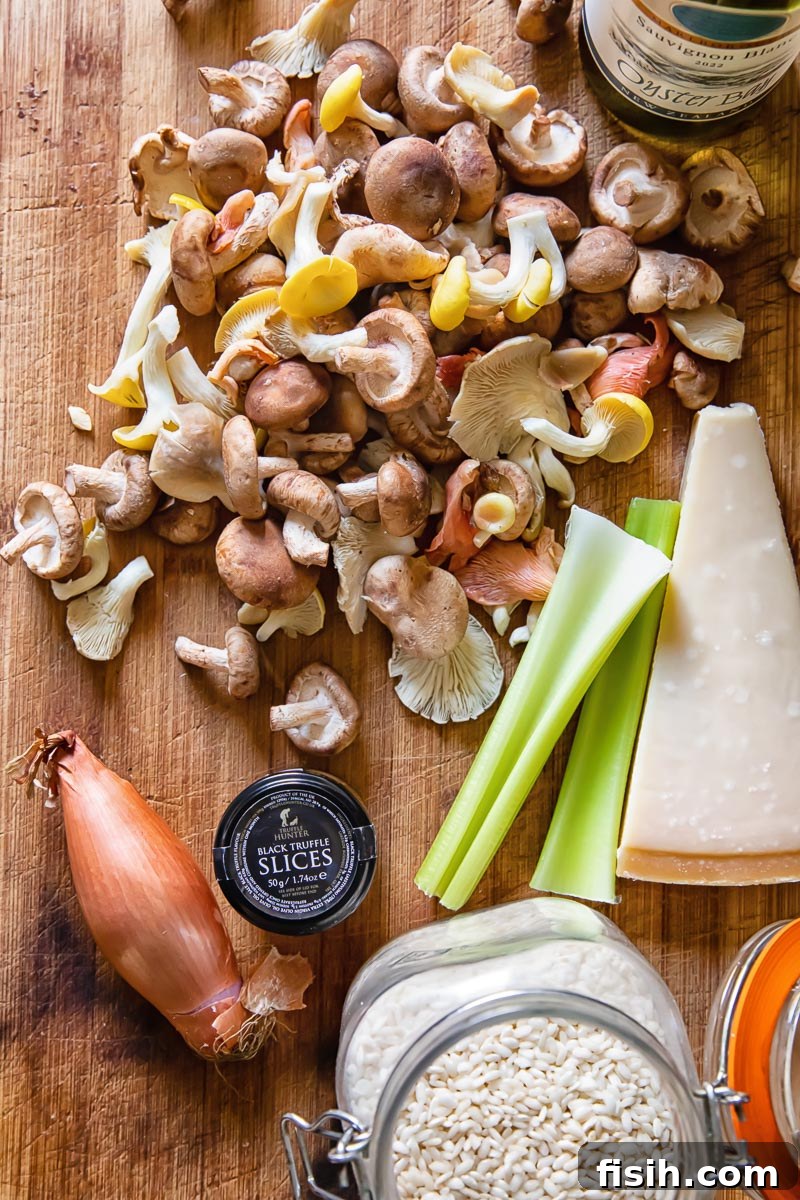
Earthy Delights: Embracing Wild Mushrooms
Mushrooms hold a special place in my culinary repertoire, consistently ranking among my top five favorite ingredients. Their versatility, diverse textures, and profound umami make them an invaluable addition to countless dishes. Wild mushrooms, in particular, bring an exciting dimension to cooking with their incredible variety and distinct characteristics. They are the perfect earthy counterpart to the luxurious truffle, creating a harmonious and deeply satisfying flavor profile in this risotto.
While a convenient pack of mixed wild mushrooms from your local supermarket will certainly work well, venturing into the world of individual varieties can elevate your risotto to new heights. If you have the unique opportunity to forage for your own (always with expert guidance, as some wild mushrooms are poisonous), or find them at a specialty market, consider these excellent choices that pair wonderfully with truffle risotto:
- Shiitake Mushrooms: Known for their deeply earthy and smoky flavor, shiitake mushrooms offer a robust complement to the truffle’s aroma. Their firm, meaty texture provides a satisfying bite and enriches the overall umami of the dish. A truly sublime combination for risotto.
- Porcini Mushrooms: With their intensely nutty and slightly woody flavor, porcini (or Ceps) contribute a significant depth and a substantial, meaty bite. They are prized for their rich aroma. Dried porcini are widely available and, once rehydrated, infuse the dish with incredible flavor; remember to use the soaking liquid as part of your stock for an extra layer of mushroom goodness.
- Chanterelle Mushrooms (Girolles): These beautiful, trumpet-shaped mushrooms are celebrated for their delicate, fruity, and slightly peppery notes, coupled with a pleasant chewy texture. They add a bright, almost apricot-like aroma that beautifully contrasts with the truffle’s earthiness.
- Oyster Mushrooms: Delicate and mild in flavor, oyster mushrooms have a soft, velvety texture that practically melts in your mouth. They are a great choice for adding subtle mushroom essence without overpowering the star ingredients.
- Portobello Mushrooms: Large, flat, and wonderfully chunky, portobello mushrooms boast a hefty, meaty texture and a deep, savory flavor. When sliced and browned, they add a robust presence and satisfying chewiness to the risotto.
As a lifelong mushroom lover, I often incorporate a mixture of these varieties into my risotto recipe, aiming for a complex interplay of textures and flavors. However, feel free to stick to one or two of your favorites if you prefer a more focused mushroom profile. When preparing wild mushrooms, remember to clean them properly – typically brushing off any dirt rather than washing, to prevent them from absorbing too much water. Sautéing them until golden brown before adding them to the risotto is a crucial step that enhances their flavor through the Maillard reaction, concentrating their deliciousness.
Mastering Risotto: Essential Recipe Tips and Notes
Crafting the perfect truffle and wild mushroom risotto is a rewarding culinary endeavor. By keeping a few key principles in mind, you can ensure a restaurant-quality dish every time:
- The Rice is Paramount: The hallmark creamy texture of risotto hinges entirely on your choice of rice. As discussed, a starchy short-grain rice like Arborio or Carnaroli is non-negotiable. Sometimes, packets are simply labeled “risotto rice,” which will also suffice. Remember, never wash the rice – that precious starch is your secret weapon for a luscious sauce.
- Acidity for Brilliance: A touch of acidity is crucial for elevating any risotto. It cuts through the richness and brightens the overall flavor profile. Dry white wine is the classic choice, but if you find yourself cooking with wine more often than drinking it, consider investing in a bottle of Vermouth. It performs the same magic and, once opened, boasts a much longer shelf life.
- Choose the Right Pan: Risotto thrives on consistent heat and moisture retention. For best results, use a large, high-sided saucepan or a Dutch oven. This provides ample surface area for the rice to cook evenly and sufficient depth to contain the liquid and allow for vigorous stirring without spills.
- Embrace a Mushroom Medley: While a single type of mushroom is fine, a mix of wild varieties offers not only a delightful spectrum of textures and flavors but also an appealing visual element. Their diverse shapes and colors against the pale risotto create a truly beautiful and enticing plate. Don’t be afraid to be adventurous with your selection!
- Brown Your Mushrooms: This is a critical step for maximum flavor. It’s essential to brown your mushrooms thoroughly before adding them to the risotto. This process, known as the Maillard reaction, caramelizes their natural sugars, intensifying their earthy flavor and giving them a gorgeous golden hue. Do not overcrowd the pan, as this will steam rather than brown them.
- Keep Your Stock Hot: Always ensure your vegetable or chicken stock is simmering gently on an adjacent burner when you add it to the rice. Adding cold stock will shock the rice, interrupting the cooking process and affecting the starch release, which can lead to a less creamy texture.
- The Art of Stirring and Ladling: Risotto requires consistent but not constant stirring. Stirring helps release the starch and prevents the rice from sticking. Add the hot stock ladle by ladle, allowing each addition to be almost fully absorbed by the rice before adding the next. This gradual process is key to achieving that perfect creamy consistency and al dente bite.
- The Truffle Finale: The delicate, volatile aroma of truffles is best preserved with minimal heat exposure. Therefore, the sliced black truffle should always be added at the very end of the cooking process. It needs only a brief moment to infuse the entire dish with its intoxicating fragrance.
- The “Manteca” Moment: For the ultimate creamy finish, the Italian technique of “mantecare” is vital. This involves stirring in a knob of butter, a generous amount of freshly grated Parmesan cheese, and optionally, a tablespoon of mascarpone cheese just after the last addition of stock and before serving. This emulsifies the sauce, adding unparalleled richness and silkiness.
- Serve Immediately: Risotto is a dish that waits for no one! It continues to cook and absorb liquid even after it’s removed from the heat. For the best texture and flavor, serve it immediately while it’s still warm, creamy, and fluid (“all’onda” – like a wave).
- Visual Guidance: Still feeling a bit nervous about tackling risotto? Let us walk you through the precise steps to make the perfect risotto with this helpful video tutorial.
- Further Reading: For more in-depth insights and advanced techniques on risotto-making, explore our comprehensive guide in this detailed article.
Storage and Creative Leftover Solutions
Truffle risotto is an infinitely satisfying dish, and with its rich flavors, you might find yourself delightfully full before finishing a generous serving. Fortunately, this exquisite truffled risotto can be enjoyed again! If stored properly, leftovers will keep well. Transfer any remaining risotto into an airtight container and refrigerate promptly. It’s best consumed within 3-4 days for optimal freshness and safety.
When it comes to reheating, risotto can sometimes lose its creamy texture and become a bit stiff. To revive its silky consistency, gently reheat it in a saucepan over low heat, gradually stirring in a splash of warm vegetable stock, water, or even a touch more white wine until it returns to its desired creamy state. Avoid microwaving for best results, as it can make the rice gummy.
Beyond simple reheating, leftover risotto offers exciting possibilities for creative culinary ventures:
- Arancini: These classic Italian fried rice balls are a fantastic way to transform leftover risotto. Shape the cooled risotto into balls, optionally stuff with a small cube of mozzarella, coat in breadcrumbs, and deep-fry until golden and crispy.
- Risotto Frittata: Press leftover risotto into a greased baking dish, top with beaten eggs and any additional vegetables or cheese, and bake until set. This makes for a delicious and hearty breakfast or light lunch.
- Risotto Cakes: Form cooled risotto into small patties, pan-fry them until crispy on both sides, and serve with a dollop of sour cream or a fresh herb sauce.
No matter how you choose to enjoy it, this truffle and wild mushroom risotto promises a memorable dining experience, whether fresh from the pan or reimagined as a delightful leftover creation.
Explore More Risotto Creations
If you’ve fallen in love with the art of risotto, here are some other delightful recipes to inspire your next kitchen adventure:
- Spring Asparagus Risotto
- Salmon Risotto with Green Peas
- Chicken Risotto with Mushroom and Thyme
- Prawn Risotto with Tomatoes and Peas
Truffle Risotto with Wild Mushroom
By Julia Frey of Vikalinka
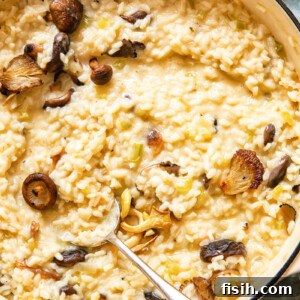
Truffle risotto with wild mushroom recipe has the fragrance of truffle swirled through pearly pale risotto studded with earthy wild mushrooms.
Ingredients
- 2 tbsp olive oil
- 200g / 7oz wild mushrooms, any mix you can find
- 1 large shallot, diced
- 1 celery stalk, diced
- 300g / 1½ cups risotto rice, arborio or carnaroli
- 125ml / 1/2 cup dry white wine
- 1 litre / 4 cups vegetable or chicken stock
- salt to taste
- 25g / 1oz black truffle slices from a jar
- 50g / 1/2 cup Parmesan cheese
- 1 tbsp mascarpone cheese (optional) or butter
Instructions
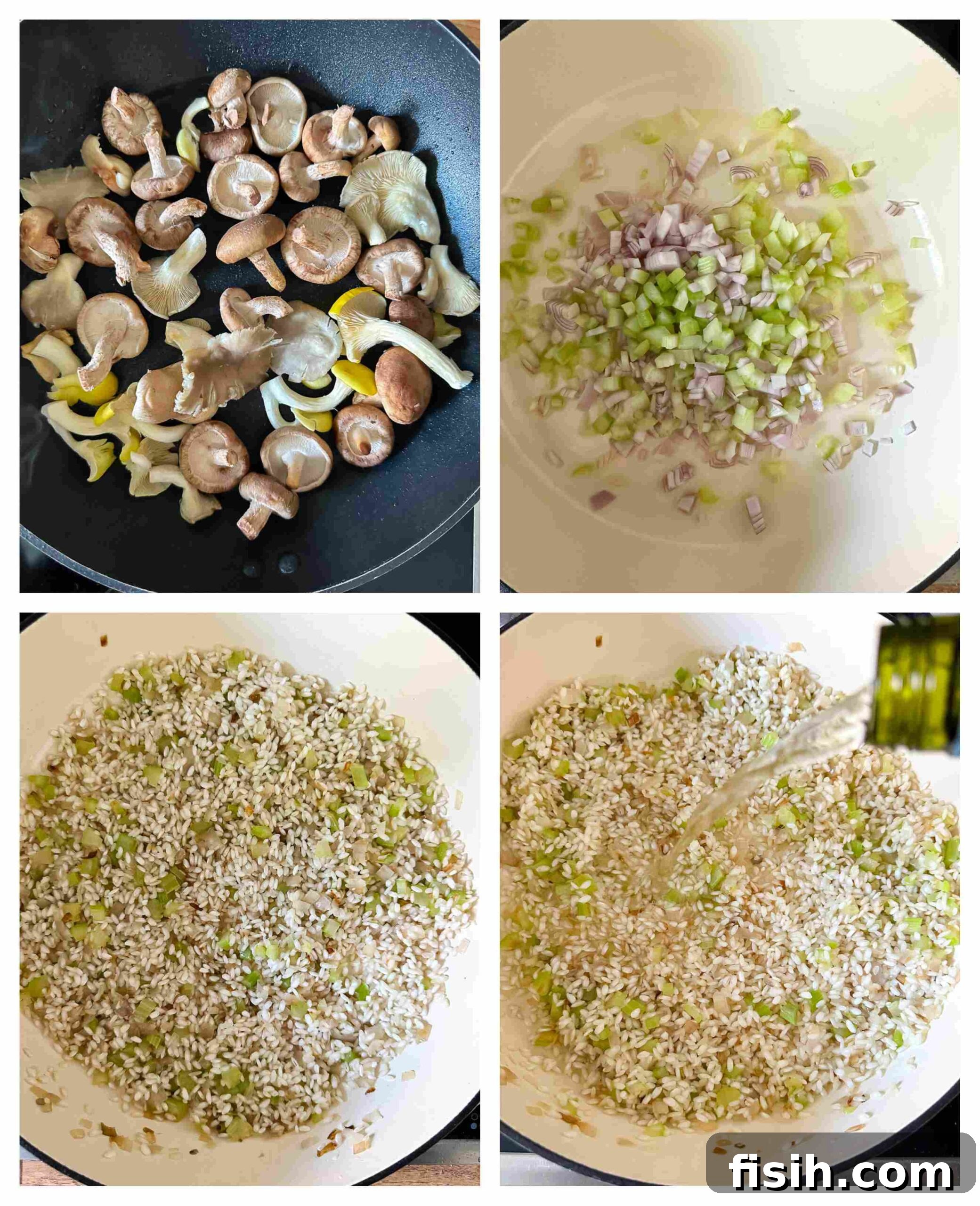
- Heat one tablespoon of olive oil in a large deep pan or in a large saucepan, then add finely diced celery and shallot, sauté over low heat for 10 minutes. Meanwhile, add the remaining tablespoon of olive oil in a frying pan and fry the mushrooms whole or sliced in half if very large over medium high heat for 5 minutes or until golden on the outside, season with salt and cook for a couple of minutes longer. Take off the heat and set aside till needed.
- Once the celery and shallot are softened, add the rice and toast for a couple of minutes until every grain is evenly coated with oil. Pour in the white wine and simmer for a minute until nearly evaporated.
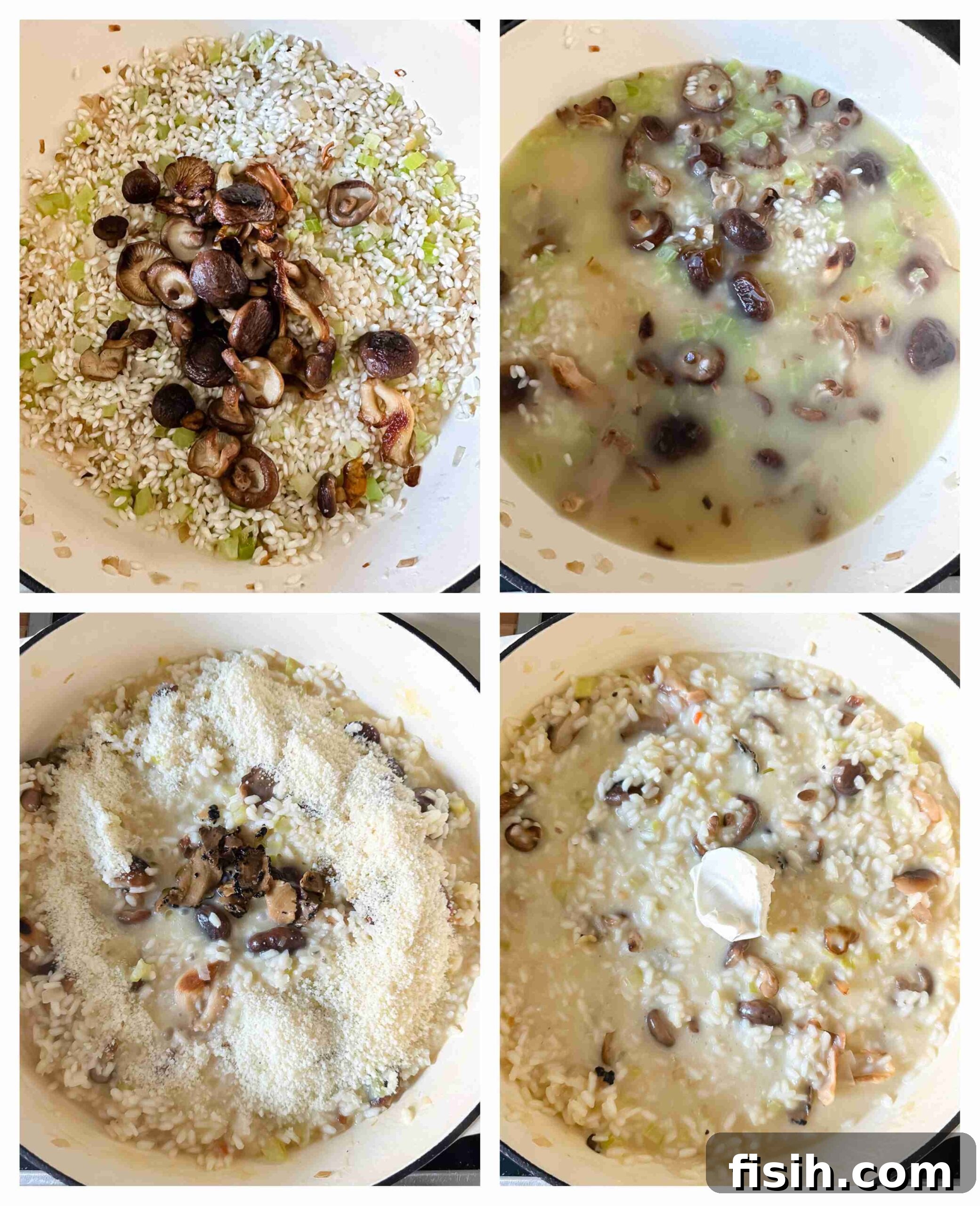
- Pour in a quarter of the stock, so it is just above the rice level and stir, then add the cooked mushrooms and let everything simmer for a few minutes over medium heat. The water should be just above the rice when you first add it. Once you see the water going down add a bit more and stir. Repeat until all water is gone and the rice is cooked but still slightly chewy. Give it a quick stir every time you add more water or stock if using.
- When the rice is cooked to your liking, stir in the black truffle slices, Parmesan cheese, a tablespoon of Mascarpone cheese or butter, stir one more time, cover with a lid and take it off the heat. Let it sit for 5 minutes, then uncover and serve.
Nutrition
Nutrition information is automatically calculated, so should only be used as an approximation.
Tried this recipe? Let us know how it was!