
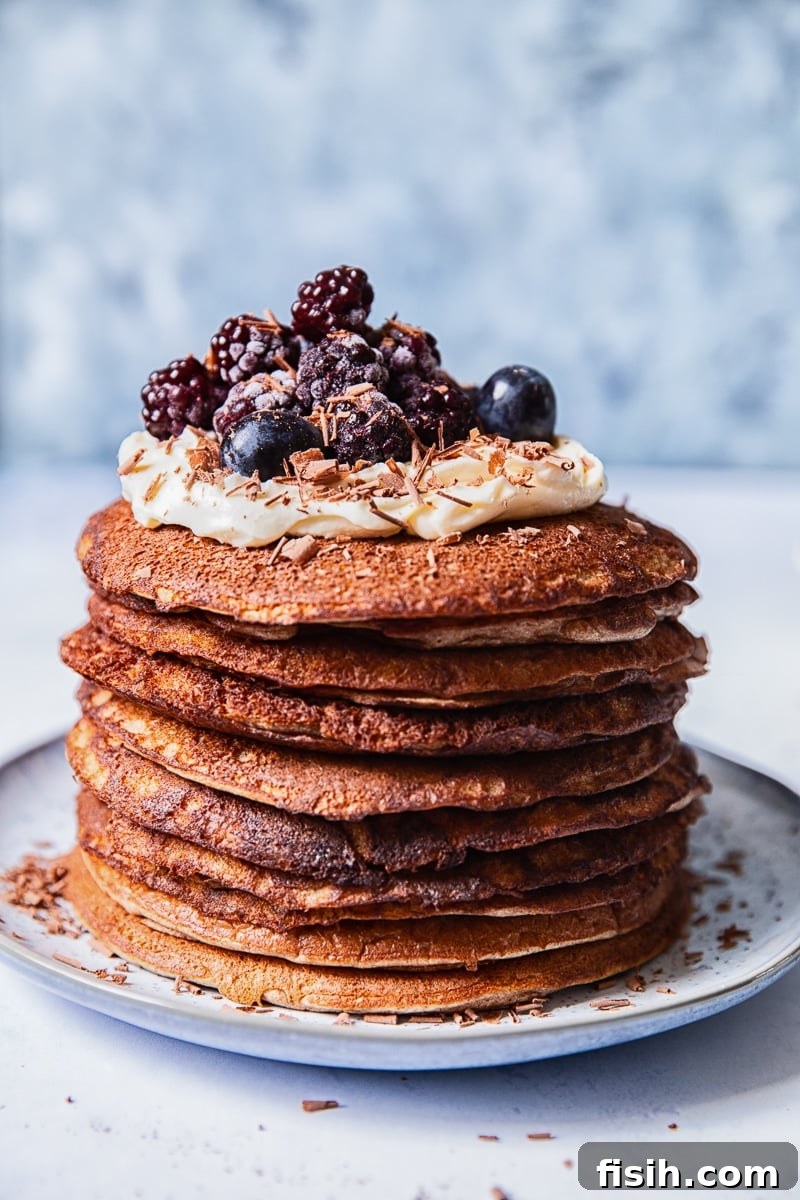
Transform your morning routine with these delightful Buckwheat Pancakes! Exceptionally delicious, incredibly nutritious, and naturally gluten-free, these pancakes are the perfect way to kickstart your day with wholesome goodness and a unique flavor profile.
For those who love the classics, be sure to explore our classic American pancake recipe for a timeless breakfast treat.
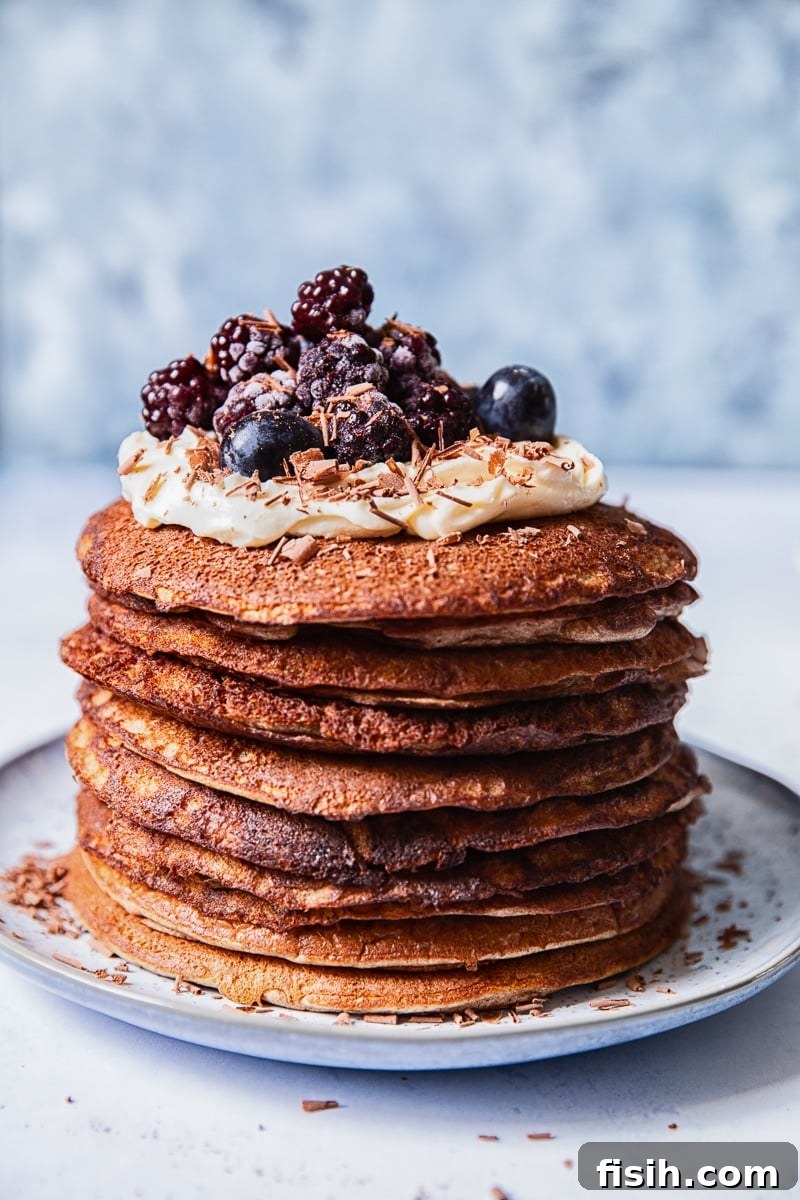
Discover the Wholesome Goodness of Buckwheat Pancakes
For too long, this exceptional buckwheat pancake recipe has patiently awaited its turn on my blog. With a growing list of culinary creations to share, it was challenging to prioritize. However, the time has finally come to unveil this family favorite, and I couldn’t be more excited for you to experience them. If you adore these pancakes as much as we do, you’ll be treated to a breakfast that not only tastes wonderful but also offers an impressive array of nutritional benefits.
These aren’t just any pancakes; they’re a celebration of buckwheat’s unique qualities, crafted to deliver a light, fluffy texture and a distinctive flavor that will elevate your breakfast or brunch menu. Whether you’re navigating a gluten-free diet or simply seeking healthier, more exciting breakfast options, these buckwheat pancakes are a fantastic choice.
Why Buckwheat? Unpacking the Nutritional Powerhouse
What makes these pancakes stand out from conventional recipes? The secret lies in their star ingredient: buckwheat flour. Unlike many pancake recipes that rely on wheat flour, my version is made exclusively with buckwheat flour, ensuring they are naturally gluten-free and suitable for those with celiac disease or gluten sensitivities.
But the benefits of buckwheat extend far beyond its gluten-free status. Buckwheat is often mistaken for a grain due to its culinary uses, but it is actually a pseudocereal – a fruit seed related to rhubarb. This botanical distinction makes it a wonderful addition to grain-free diets. It boasts a unique nutritional profile, rich in protein, complex carbohydrates, dietary fiber, and a spectrum of essential vitamins and minerals.
Specifically, buckwheat is an excellent source of manganese, copper, magnesium, iron, and phosphorus. It also contains powerful antioxidants, including rutin and quercetin, which contribute to its overall health-promoting properties. Its high fiber content aids digestion and promotes satiety, helping you feel fuller for longer and providing sustained energy throughout your morning.
I’ve long been an ardent admirer of buckwheat, exploring its versatility in various dishes on my blog. For a deeper dive into its incredible benefits and how to incorporate it into your diet, I invite you to explore my post on savoury buckwheat breakfast bowls and an in-depth article titled How Do I Eat Buckwheat, where I share countless ways to enjoy this remarkable superfood.
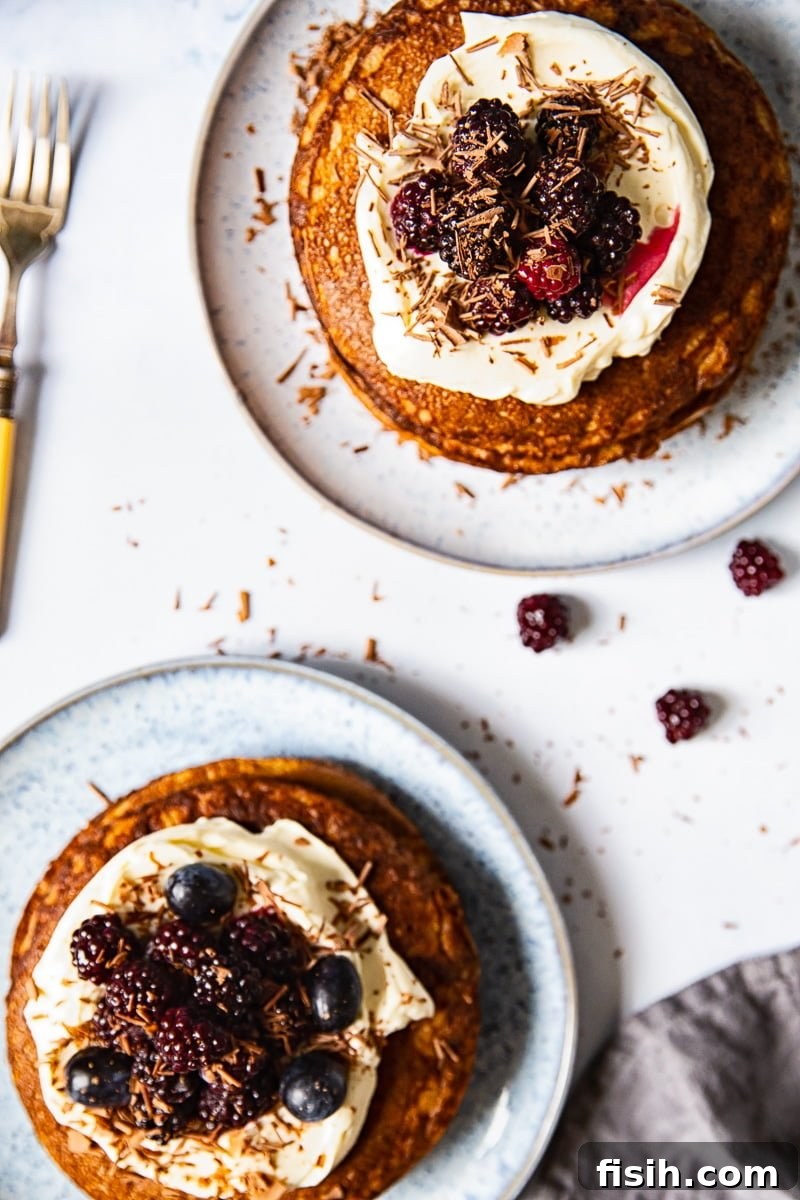
Embracing the Unique Flavor Profile of Buckwheat
While the health benefits of buckwheat are undeniable, some might initially be hesitant about its taste. It’s true that buckwheat flour imparts a distinct, earthy, and pronounced nutty flavor to pancakes, which also gives them their characteristic darker hue. This unique taste might not appeal to everyone at first, especially if you’re accustomed to the milder flavor of traditional wheat flour.
However, the good news is that the taste of buckwheat is often an acquired preference. The more you incorporate it into your diet, the more you’ll likely grow to appreciate and even crave its rich, rustic notes. Many find its robust flavor to be a refreshing change and a delightful addition to their culinary repertoire.
If you’re new to buckwheat or find its flavor a bit too intense initially, there’s a simple solution: seek out light buckwheat flour. This variety is produced by grinding buckwheat groats after the husk has been removed. The husk is largely responsible for the stronger, more robust “buckwheat” taste. Light buckwheat flour, therefore, offers a milder flavor and a lighter color, making it an excellent starting point for those looking to ease into buckwheat’s unique profile.
Expert Tips for Perfect Buckwheat Pancakes
- **Choose the Right Flour:** For a milder flavor and lighter pancake, opt for light buckwheat flour. This type is processed without the husk, which significantly reduces the intense, earthy notes often associated with darker buckwheat flours.
- **Flavor Brighteners:** To complement and lift the inherent richness of buckwheat, incorporate aromatic enhancers. A generous amount of vanilla extract and fresh lemon zest in your batter can work wonders, adding brightness and a subtle fragrance that beautifully balances the pancake’s robust taste.
- **Thoughtful Toppings:** The right toppings can transform your buckwheat pancakes into an indulgent yet wholesome experience. Fresh fruits like berries, sliced bananas, or peaches provide natural sweetness and a refreshing contrast. A sprinkle of heart-healthy dark chocolate shavings, or even a drizzle of chocolate sauce, pairs surprisingly well with buckwheat, creating a decadent balance of flavors. Other excellent choices include Greek yogurt, a drizzle of pure maple syrup or honey, crushed nuts for added texture, or even a dollop of fruit compote.
- **Rest the Batter:** Allow your pancake batter to rest for 5-10 minutes before cooking. This gives the flour time to fully hydrate, resulting in a lighter, fluffier pancake.
- **Even Heat is Key:** Cook pancakes on a medium heat setting. This ensures they cook through evenly without burning the outside. A non-stick pan is ideal and requires less oil.
- **Don’t Overmix:** Mix the batter just until the ingredients are combined. Overmixing can develop the gluten (even in gluten-free flours, it can affect texture slightly) and lead to tougher pancakes.
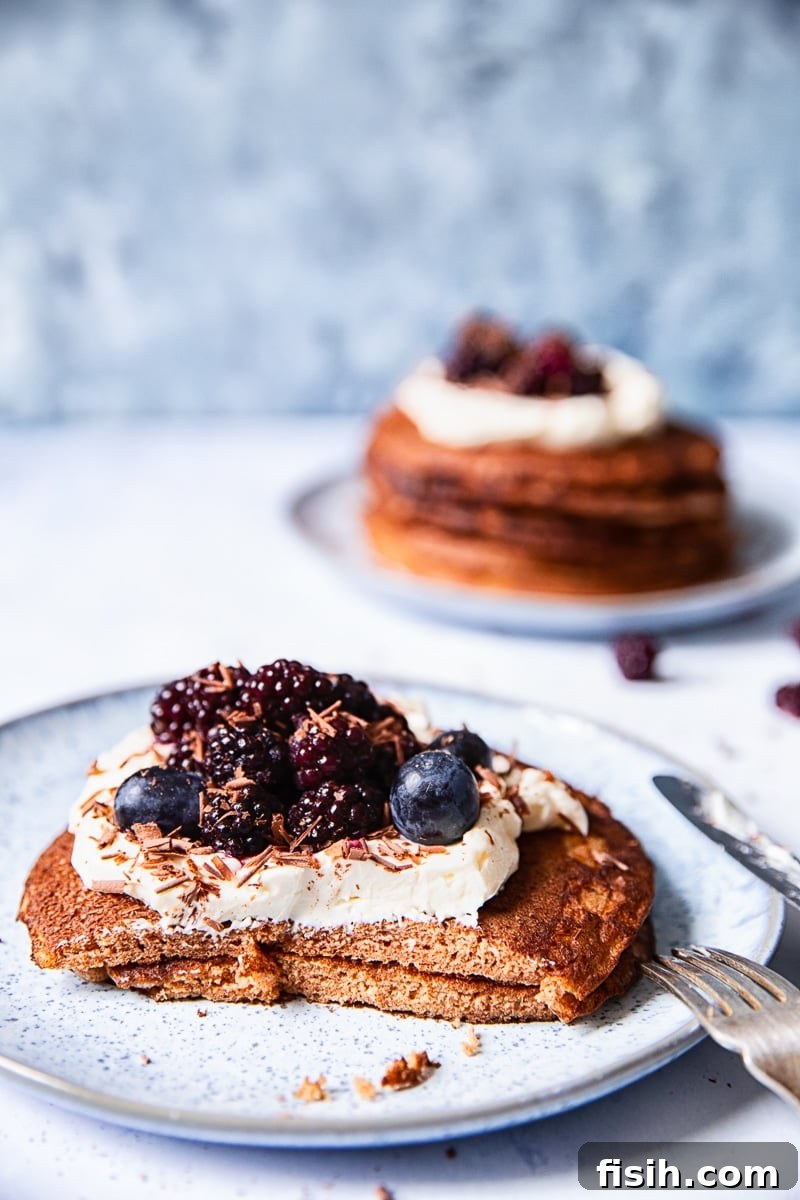
Storage, Reheating, and Maximizing Leftovers
One of the best things about these buckwheat pancakes is how well they store, making them perfect for meal prepping a quick breakfast on busy mornings. If you happen to have any lucky leftovers, they can be stored in an airtight container in the refrigerator for up to 2 to 3 days. To reheat, simply pop them into the microwave for a few seconds until warm, or toast them in a toaster for a slightly crispy edge. Serve with your favorite fresh toppings, and they’ll taste as good as freshly made.
For longer storage, these pancakes freeze beautifully for up to 2 months. Once cooled completely, stack the pancakes with sheets of waxed paper between each one to prevent them from sticking together. Place the stacked pancakes in a sealable container or a freezer-safe bag, and freeze until needed. When you’re ready to enjoy them, you can reheat them directly from frozen in the toaster, oven, or microwave. This method is incredibly convenient for enjoying wholesome pancakes anytime.
More Delicious Pancake Recipes to Explore
If you love experimenting with different pancake varieties, be sure to check out these other fantastic recipes from my kitchen:
- Fluffy Kefir Pancakes (Oladi)
- Wholesome Oatmeal Pancakes with Coconut Cream and Blood Oranges
- Delicate Russian Crepes (Blini)
- Traditional Curd Cheese Pancakes (Syrniki)
Rating: 4 out of 5 stars (based on 1 vote)
Buckwheat Pancakes
By Julia Frey of Vikalinka
Prep Time: 10 mins | Cook Time: 30 mins | Total Time: 40 mins | Servings: 6 people
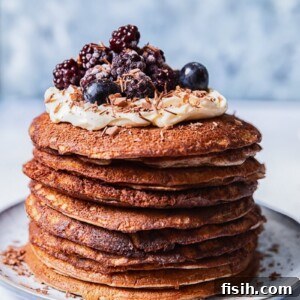
These buckwheat pancakes are everything you’d want your pancakes to be. Delicious, light, fluffy and naturally gluten free!
Equipment
- Mixing bowl
- Non-stick frying pan
Ingredients
- 2 eggs
- 2 cups / 500ml milk
- 2 tsp vanilla extract
- 1 lemon, zest only
- 2 cups / 250g light buckwheat flour
- 1/2 tsp salt
- 3 tsp baking powder
- 1 tsp baking soda
- 3 tbsp sugar
- 4 tbsp butter, melted
Instructions
- In a large bowl, combine the eggs, milk, vanilla, and lemon zest with a whisk until well incorporated.
- Gradually add about one-third of the buckwheat flour to the wet ingredients and mix thoroughly to prevent lumps. Then, add the remaining flour along with the other dry ingredients (salt, baking powder, baking soda, and sugar) and continue to mix until just combined. Finally, stir in the melted butter until the batter is smooth and well blended.
- Heat a non-stick frying pan over medium heat, adding approximately 1 tablespoon of oil. Once hot, pour a ladleful of batter into the center of the pan. Cook until you observe bubbles forming on the surface and the edges appear dry. Carefully flip the pancake and cook for another minute or until golden brown. Repeat this process, adding more oil as needed, until all the batter is used.
- Serve the hot pancakes immediately with your favorite toppings. Classic choices include whipped cream and fresh fruit, but feel free to experiment with yogurt, honey, maple syrup, crushed nuts, fruit compotes, or chocolate shavings.
Notes
This recipe yields approximately 12 pancakes, each around 4-5 inches in diameter.
Nutrition
Calories: 305kcal | Carbohydrates: 40g | Protein: 9g | Fat: 13g | Saturated Fat: 7g | Cholesterol: 83mg | Sodium: 952mg | Potassium: 467mg | Fiber: 4g | Sugar: 11g | Vitamin A: 450IU | Vitamin C: 9.6mg | Calcium: 160mg | Iron: 2.1mg
Nutrition information is automatically calculated and should be used as an approximation only.
Frequently Asked Questions About Buckwheat Pancakes
Are buckwheat pancakes truly gluten-free?
Yes, as long as you use 100% buckwheat flour and ensure there’s no cross-contamination from other flours, buckwheat pancakes are naturally gluten-free. Buckwheat is not a type of wheat and does not contain gluten, making it a safe choice for those with gluten sensitivities or celiac disease.
Can I make these pancakes dairy-free?
Absolutely! To make these buckwheat pancakes dairy-free, simply substitute regular milk with your preferred plant-based milk (such as almond milk, soy milk, oat milk, or coconut milk) and replace the melted butter with a dairy-free butter alternative or a neutral-flavored oil like canola or vegetable oil. The taste and texture will remain wonderfully delicious.
What is the difference between light and dark buckwheat flour?
The primary difference lies in how they are processed. Dark buckwheat flour (sometimes called “whole” buckwheat flour) is made from unhulled groats, meaning the outer husk is left on during grinding. This gives it a stronger, earthier, more robust flavor and a darker color. Light buckwheat flour, on the other hand, is made from hulled groats, resulting in a milder flavor and a lighter, paler color. If you’re new to buckwheat or prefer a less intense taste, light buckwheat flour is a great starting point.
Can I add other ingredients to the batter?
Definitely! These buckwheat pancakes are quite versatile. You can fold in fresh or frozen berries, finely chopped apples, chocolate chips, or even a sprinkle of cinnamon or nutmeg into the batter for added flavor and texture. Just be mindful not to overmix once you add these ingredients.
How do I know when to flip the pancakes?
Look for tell-tale signs: the edges of the pancake should appear set and dry, and bubbles should begin to form and pop on the surface of the batter. Once you see these indicators, it’s generally time to carefully slide your spatula underneath and flip the pancake to cook the other side until golden brown.
Final Thoughts on Your Next Breakfast Adventure
These buckwheat pancakes offer a truly fantastic departure from traditional breakfast fare. They combine incredible nutritional benefits with a unique and satisfying flavor profile that is both rustic and comforting. Whether you’re seeking a healthier, gluten-free alternative or simply looking to broaden your culinary horizons, this recipe is a must-try. I encourage you to experiment with different toppings and make them your own. Prepare a batch this weekend, gather your loved ones, and savor a breakfast experience that’s as nourishing as it is delicious.
We’d love to hear how your buckwheat pancakes turned out! Share your experiences and any creative twists you added in the comments below.