
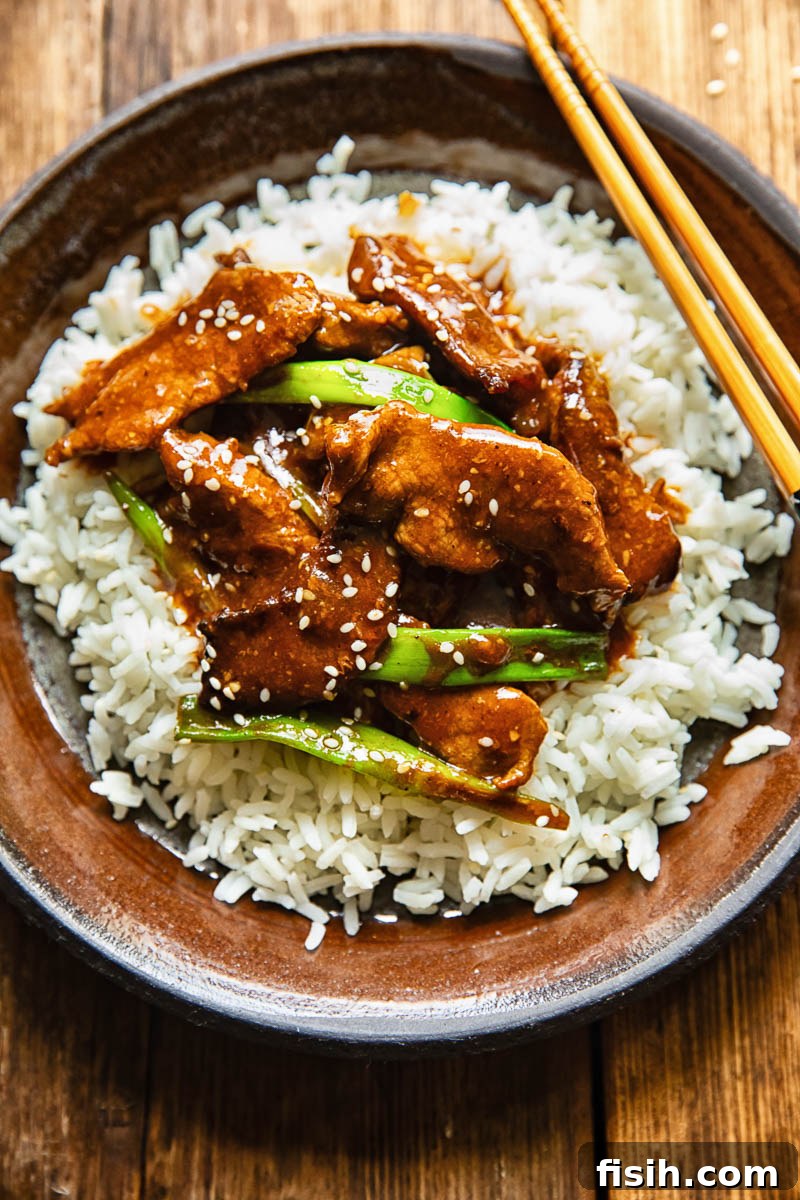
Experience the irresistible allure of Mongolian Beef – a quick, sweet, and savory stir-fry that promises to elevate your weeknight dinner game. This dish features succulent strips of perfectly marinated beef, swiftly fried to perfection with vibrant spring onions, aromatic ginger, and potent garlic, all coated in a rich, glossy sauce. It’s an incredibly fast and straightforward recipe, proving that delicious, restaurant-quality meals are achievable in your own kitchen with minimal effort. Forget tracking down mythical ingredients; the only secret here is smart preparation and swift execution!
The Magic of Stir-Fries: A Lifesaver for Busy Schedules
Stir-fries hold a special place in the hearts of home cooks, especially those juggling busy schedules. They are the epitome of efficiency, delivering a complete, nutritious meal to the table in a fraction of the time it takes for many other dishes. Beyond their speed, stir-fries are celebrated for their vibrant colors, diverse textures, and the ease with which they incorporate a generous serving of fresh vegetables, making healthy eating both simple and delicious. Whether you’re a parent seeking to include more greens in your family’s diet or an individual looking for a speedy yet satisfying dinner, the versatility and flavor of a well-executed stir-fry are truly unmatched. They offer a fantastic opportunity to experiment with different proteins and vegetables, ensuring every meal can feel like a new culinary adventure.
While this Mongolian Beef recipe is universally appealing, if you have very young diners or specific dietary preferences, beef can sometimes be a bit too hearty. For those with baby teeth or a preference for poultry or seafood, consider exploring alternatives like a teriyaki chicken stir-fry, which offers a similar sweet-savory profile with a lighter protein. Alternatively, a speedy sesame shrimp stir-fry provides a delightful seafood option that’s equally quick and bursting with flavor. These variations ensure that everyone at your table can enjoy a fantastic Asian-inspired meal tailored to their tastes.
Unveiling the Origins of Mongolian Beef
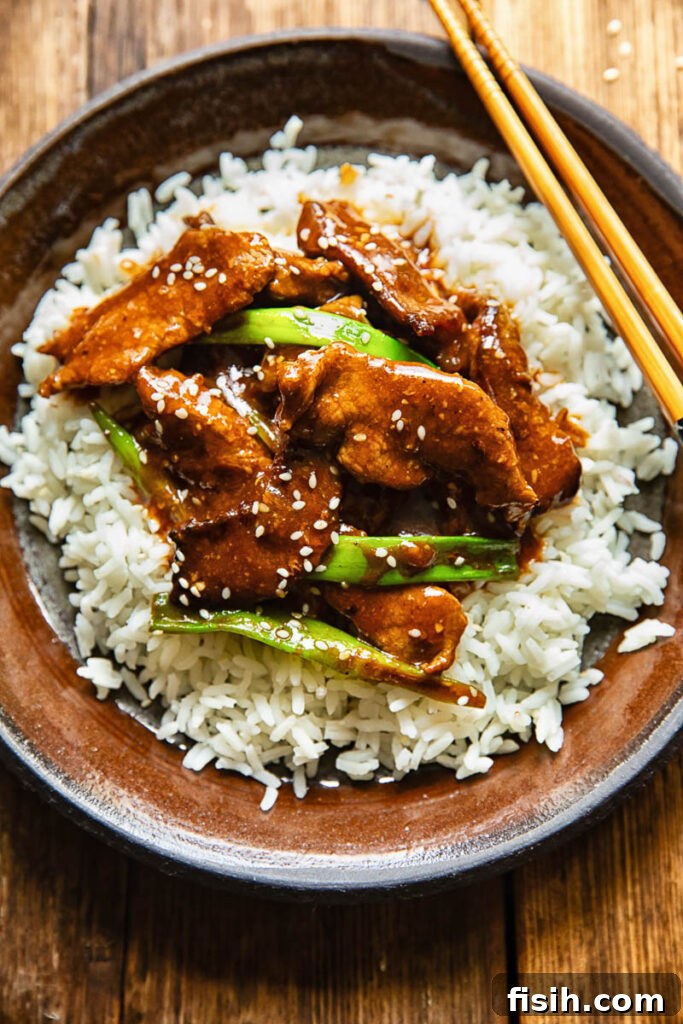
Despite its evocative name, Mongolian Beef actually has no historical ties to Mongolia. This popular dish, characterized by its distinctive sweet and savory flavor profile and tender strips of beef, traces its roots not to the steppes of Central Asia, but to the vibrant culinary scene of Taiwan. It emerged from Chinese restaurants in Taiwan, where chefs created a dish that captured familiar flavors and textures, blending them into something uniquely appealing. While it may not be authentically Mongolian, it shares a common thread with many beloved Chinese beef dishes through its use of thinly sliced, tenderized beef, aromatic spices, and a rich, complex sauce that clings perfectly to every piece.
The journey to creating truly mouthwatering Chinese beef dishes involves a few fundamental techniques that are crucial for achieving that desired tender texture and robust flavor. One of the most important steps is to cut the beef against the grain into thin strips. This technique shortens the muscle fibers, resulting in meat that is incredibly soft and easy to chew, rather than tough and stringy. Many authentic recipes, including this Mongolian Beef, also call for the beef to be marinated. Marinating not only infuses the meat with flavor but also tenderizes it further, preparing it for the intense heat of the wok. For examples of other incredible Chinese beef dishes, consider a classic beef and broccoli stir-fry, where tender beef meets crisp-tender broccoli in a savory sauce, or the comforting broad noodles of chow fun noodles with beef.
Once the beef is perfectly prepared, the stir-frying process brings everything together. It involves quickly cooking the marinated beef alongside aromatic ingredients like finely minced garlic, freshly grated ginger, and bright green spring onions. These aromatics release their fragrances and flavors instantly in the hot wok, building the foundation for the dish. The final touch is a glossy, sweet and savory sauce, often laced with sesame oil, which coats every ingredient, creating a cohesive and utterly delicious meal. Another family favorite that exemplifies these principles is a beef, mushroom, and snow pea stir-fry, showcasing the versatility of these techniques.
The Essential Beef Stir-Fry Marinade: A Deep Dive into Flavor and Tenderness
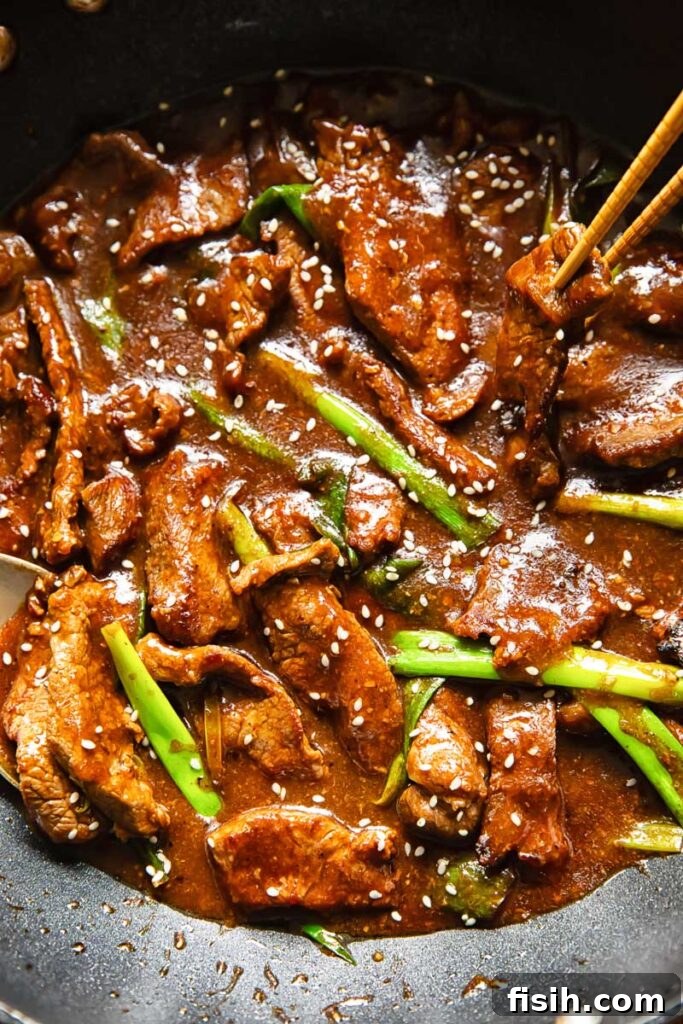
Many home cooks wonder if both a stir-fry sauce and a marinade are truly necessary for a delicious Asian-inspired beef dish. The unequivocal answer is a resounding yes! The marinade is, in fact, one of the most critical components of this recipe, holding a few key secrets that transform ordinary beef into an extraordinary culinary experience. If you’re not already privy to these insights, allow me to illuminate the three powerful functions a proper marinade performs:
- Adds Moisture: When cooking beef at high temperatures in a wok, moisture retention is paramount. The marinade acts as a protective shield, infusing the meat with liquid that helps it remain juicy and tender, preventing it from drying out and becoming tough under intense heat.
- Tenderizes the Meat: This is a game-changer, especially for tougher cuts of beef. Marinades often contain acidic ingredients such as citrus juices, vinegar, or, in the case of this Mongolian Beef, soy sauce. These acidic components work to break down the connective tissues in the meat, making it incredibly tender and palatable. Additionally, ingredients like cornstarch create a protective coating, a technique often referred to as “velvetting,” which further aids in tenderization and moisture retention during cooking.
- Infuses Unforgettable Flavor: Beyond texture, the marinade is your primary vehicle for deep flavor penetration. It allows the beef to absorb the distinct sweet and savory notes that are so characteristic and beloved in Asian cuisine. This pre-flavoring ensures that every bite is bursting with taste, creating a harmonious foundation for the final sauce.
Achieving that iconic sweet and savory balance – a hallmark duality in many Asian dishes – requires a thoughtful combination of ingredients. For this Mongolian Beef marinade, I rely on a simple, easy-to-remember ratio of equal parts key components. This ensures the marinade is neither overwhelmingly sweet nor excessively salty, but rather a perfectly harmonious blend:
- Hoisin Sauce: This thick, dark, and wonderfully aromatic sauce brings a sweet, tangy, and slightly spicy depth to the marinade. Often likened to a Chinese barbecue sauce, it contributes a rich umami foundation.
- Soy Sauce: Essential for its robust savory notes, soy sauce not only provides the necessary saltiness but also plays a crucial role in tenderizing the beef due to its natural acidity and enzymes.
- Cornstarch: A secret weapon in Chinese cooking, cornstarch serves multiple purposes here. It helps to seal in the meat’s natural juices, ensuring tender results. Crucially, it also creates a thin, delicate coating on the beef, which gives the subsequent sauce something substantial to cling to, resulting in that desirable glossy finish.
- Shaoxing Wine: While often listed as optional, I highly recommend including Shaoxing wine. This traditional Chinese cooking wine adds an incomparable depth, complexity, and aromatic lift that truly elevates the dish from good to exceptional. It imparts a subtle, nutty, and slightly sweet flavor that is hard to replicate.
For this recipe, I’ve opted for a good quality sirloin steak, which is inherently quite tender. However, if you choose a tougher, more muscular cut such as flank steak or skirt steak, an extra tenderizing step can be incredibly beneficial. Incorporating about ½ teaspoon of baking soda into your marinade ingredients will significantly aid in the tenderizing process, breaking down those tougher fibers and ensuring a melt-in-your-mouth texture. This technique, sometimes referred to as “velvetting” for its ability to create a silky mouthfeel, is a secret weapon of many Chinese restaurants.
One of the best aspects of this marinade is its efficiency. There’s no need for an overnight stay in the fridge; a mere 30 minutes is sufficient for the flavors to penetrate and the tenderizing action to begin. This means you can marinate the beef while you prep your other ingredients, making this a truly fast and convenient meal perfect for any night of the week.
Essential Recipe Tips and Notes for Stir-Fry Success
- Read the Recipe Thoroughly: It’s incredibly tempting to dive straight into cooking after a quick glance at a recipe, especially when you’re hungry. However, with stir-fries, taking a moment to read through the entire recipe first is crucial. Understanding the flow of the process, identifying when each ingredient is added, and familiarizing yourself with the sequence of steps will make your cooking experience much smoother and more successful.
- “Mise en Place” is Your Best Friend: The French culinary term “mise en place” translates to “everything in its place,” and nowhere is this more vital than with stir-fries. There’s simply no time to pause and chop once the wok is hot. Ensure all your ingredients are measured, finely chopped, sauces mixed, and beef marinated before you even think about turning on the heat. Having everything within arm’s reach will transform your stir-fry experience from a stressful dash to a calm and enjoyable culinary dance.
- The Power of Baking Soda for Tender Beef: As discussed, baking soda is a widely used secret in Chinese cooking for tenderizing meat. If you opt for cuts like skirt or flank steak, which tend to be tougher, incorporating ½ teaspoon of baking soda into your beef marinade is highly recommended. This small addition makes a remarkable difference in creating that signature silky texture. For naturally tender cuts like sirloin or tenderloin, it’s generally not necessary.
- Invest in Shaoxing Wine: If you frequently cook Asian cuisine, Shaoxing (Chinese cooking wine) is a pantry staple worth investing in. It imparts a unique depth and aromatic complexity that elevates dishes to another level. Once opened, store it in the refrigerator to extend its shelf life and keep it fresh for future culinary adventures.
- Convenience is Key with Aromatics: For those busy weeknights when every second counts, don’t hesitate to use pre-minced ginger and garlic. These “cheat’s” ingredients are fantastic time-savers and perform beautifully in stir-fries and curries alike, allowing you to achieve authentic flavors without the hassle of peeling and chopping. Look for them in the produce or international aisles of larger supermarkets or your local Asian grocery store.
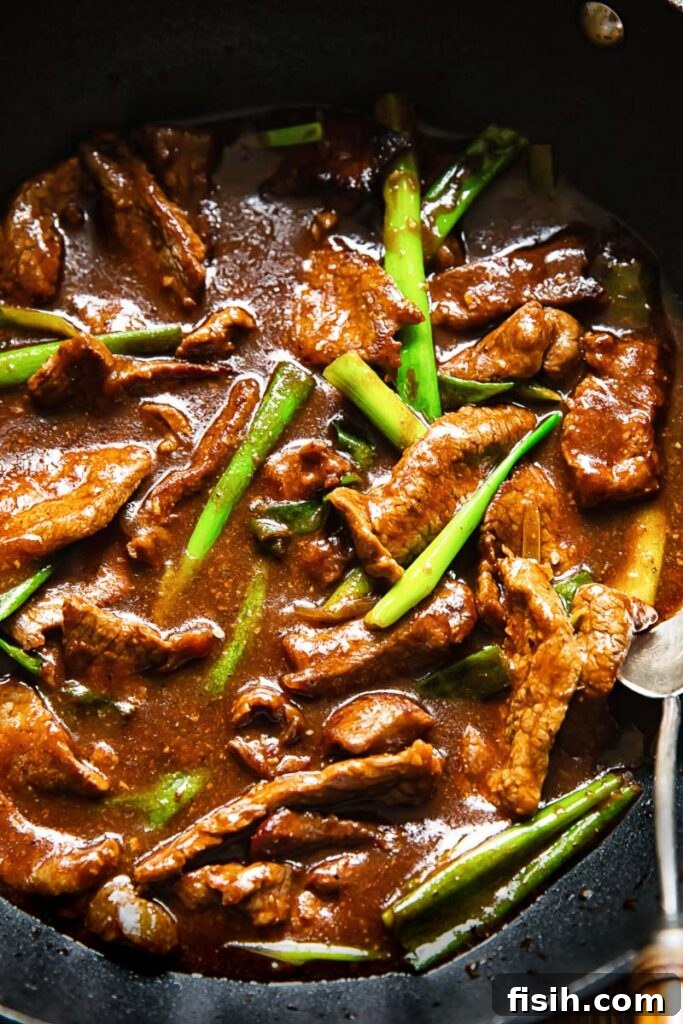
- Embrace High Heat: A fundamental principle of stir-frying is cooking over high heat. Don’t be shy – crank up the heat on your wok or large skillet! This intense heat is essential for quickly searing the beef, locking in juices, and creating that desirable smoky, caramelized crust known as “wok hei,” while keeping the interior tender and succulent.
Perfect Pairings: Serving Suggestions for Mongolian Beef
Mongolian Beef is traditionally served with a generous mound of fluffy white rice, which provides a perfect neutral canvas for the rich, sweet, and savory sauce. While this is a classic and satisfying pairing, don’t let it limit your culinary creativity! Many kids might see this as an opportunity to skip their greens, but in our household, a vibrant side of sautéed Chinese greens is a non-negotiable addition. Whether it’s bok choy, gai lan (Chinese broccoli), or simple blanched snap peas, these vegetables add essential freshness, crunch, and nutritional balance to the meal. Who knows, one day those greens might just get eaten!
For a truly indulgent experience, consider adding a side of deliciously soft, silky, and melt-in-your-mouth miso roasted aubergine (eggplant). Its umami-rich flavors and tender texture perfectly complement the beef. If you’re already fired up the wok and have a little extra time and ingredients, noodles are always a fantastic accompaniment. A quick and easy shrimp chow mein, packed with vegetables and ready in under 30 minutes, can turn this meal into an even more substantial and delightful feast. Other excellent choices include brown rice for added fiber, quinoa, or even lettuce wraps for a lighter, low-carb option that provides a refreshing crunch with every bite.
Storage and Reheating: Enjoying Your Leftovers
The delicious truth about many Asian dishes, including this Mongolian Beef, is that they often taste even better the next day! The flavors have more time to meld and deepen, resulting in an even richer and more complex taste experience. To store your leftover Mongolian Beef, allow it to cool completely before transferring it to an airtight container. It will keep beautifully in the refrigerator for 3 to 4 days. When you’re ready to enjoy it again, simply reheat it gently in the microwave or on the stovetop over medium heat until warmed through. Add a splash of water or broth if the sauce has thickened too much during storage. Prepare to be amazed; your future self will thank you for making extra!
More Asian Recipes to Explore
If you loved the flavors of this Mongolian Beef, you’ll be thrilled to discover more exciting Asian-inspired recipes that are just as easy to make and equally delicious:
- Shrimp Fried Rice: A classic takeout favorite made better at home.
- 10 Minute Honey Garlic Shrimp: Perfect for a super quick and flavorful weeknight meal.
- Miso Noodles with Tenderstem Broccoli: A simple, comforting, and nutrient-packed noodle dish.
- Easy Dan Dan Noodles (Sichuan Flavours at Home): Bring the vibrant, spicy, and savory flavors of Sichuan cuisine to your kitchen.
- Szechuan Chicken: A fiery and delicious chicken dish that’s sure to impress.
Mongolian Beef
By Julia Frey of Vikalinka
Prep: 10 mins | Cook: 10 mins | Total: 20 mins
Servings: 4 people
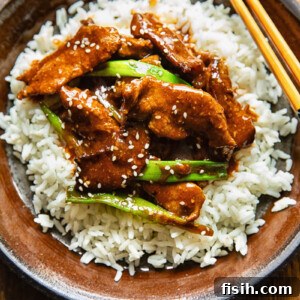
Mongolian beef is sweet and savory, strips of meltingly marinated steak, fried in a flash with vibrant spring onions, ginger, and garlic, creating a quick and irresistible dish.
Equipment
- Wok
Ingredients
For the Beef Marinade
- 450g / 1 lbs sirloin (rump steak in UK), cut against the grain into thin strips
- 1 tbsp hoisin sauce
- 1 tbsp soy sauce
- 1 tbsp corn starch
- 1 tbsp Shaoxing wine (optional, but highly recommended)
- 1 tbsp vegetable oil
- (Optional: ½ tsp baking soda for tougher cuts like flank or skirt steak)
For the Stir-Fry Sauce
- 120ml / 1/2 cup chicken stock
- 1 tbsp corn starch
- 2 tbsp Shaoxing wine
- 1/2 tsp white pepper
- 2 tbsp brown sugar
- 1 tbsp hoisin sauce
For the Stir-Fry
- 1 tbsp vegetable oil
- 1 tbsp minced garlic
- 1 tbsp grated ginger
- 4 green onions, chopped (white and light green parts separated from dark green parts)
- 1 tbsp sesame seeds, for garnish
Instructions
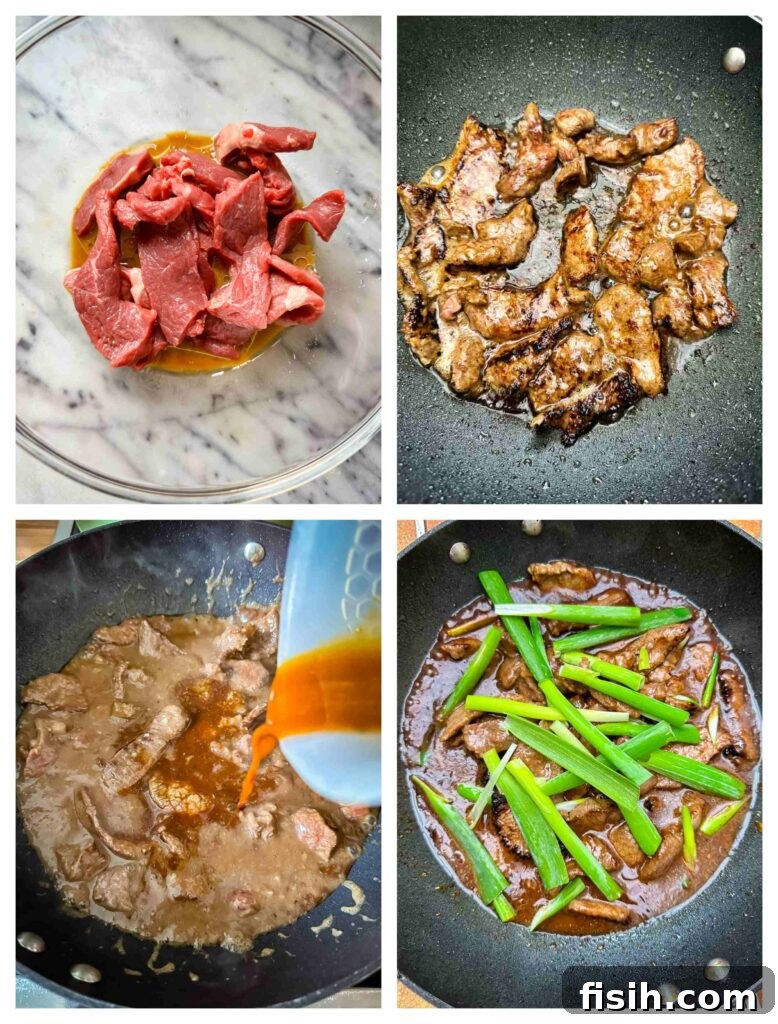
- Begin by preparing the beef. Cut the sirloin steak against the grain into thin, even strips. In a medium bowl, combine the hoisin sauce, soy sauce, cornstarch, Shaoxing wine (if using), and 1 tablespoon of vegetable oil. Add the beef strips to the marinade and toss to ensure each piece is thoroughly coated. Allow the beef to marinate for at least 30 minutes, or while you prepare the remaining ingredients.
- While the beef is marinating, prepare the stir-fry sauce. In a small bowl, whisk together the chicken stock, corn starch, Shaoxing wine, white pepper, brown sugar, and additional hoisin sauce until well combined and smooth. Set this mixture aside.
- Heat a large wok or a heavy-bottomed skillet over high heat until it’s screaming hot. Add 1 tablespoon of vegetable oil. Once the oil is shimmering, carefully add the marinated beef strips in a single layer, ensuring not to overcrowd the pan. Cook the beef for 1-2 minutes per side, until beautifully browned and slightly crispy. Work in batches if necessary to maintain high heat.
- Once all the beef is browned, return it to the wok. Add the minced garlic and grated ginger, stir-frying for another 20-30 seconds until fragrant. Pour the prepared stir-fry sauce into the wok and stir continuously to coat the beef. Bring the sauce to a simmer and cook for 1-2 minutes, or until it thickens to your desired consistency.
- Finally, add the chopped green onions (reserving a few dark green parts for garnish if desired) to the wok and stir to combine. Cook for an additional 30 seconds to allow the onions to slightly soften while still retaining their crunch.
- Remove from heat and serve immediately, sprinkled generously with sesame seeds. Mongolian Beef is traditionally served over a bed of steamed white rice, with optional side vegetables.
Nutrition
Carbohydrates: 17g |
Protein: 27g |
Fat: 7g |
Saturated Fat: 2g |
Polyunsaturated Fat: 1g |
Monounsaturated Fat: 3g |
Cholesterol: 70mg |
Sodium: 494mg |
Potassium: 505mg |
Fiber: 1g |
Sugar: 9g |
Vitamin A: 121IU |
Vitamin C: 3mg |
Calcium: 74mg |
Iron: 3mg
Nutrition information is automatically calculated, so should only be used as an approximation.
Tried this irresistible recipe? Let us know how it turned out in the comments below!