Ultimate Self-Guided Wine Tour: Discovering Campania & The Amalfi Coast
Fancy a self-guided wine tour? It’s not as hard as you think, and a fantastic way to immerse yourself in a new destination. The Amalfi Coast and the entire region of Campania stand out as an exceptional choice, boasting exquisite wines and breathtaking scenery! Join us as we share our expert tips for crafting a truly memorable wine journey through the heart of Southern Italy.
Mad about Italy? Take a look at our travel guide to Rome!
Embrace the Freedom: Why Choose a Self-Guided Wine Tour?
There are few more authentic and enjoyable ways to truly experience an area than by sampling its local produce, especially its wines. While organized wine tours offer undeniable convenience, we often find them to be too restrictive, adhering to rigid schedules and predetermined stops. There’s an undeniable magic in forging your own path, discovering hidden gems, and allowing serendipity to guide your journey through new landscapes and cultures.
Fortunately, embarking on a self-guided wine tour is far less daunting than it might seem. With a touch of meticulous planning and a generous dose of flexibility, anyone can curate their own personalized adventure. This approach not only provides a deeper connection to the local culture and winemaking traditions but also allows you to tailor your itinerary to your specific interests, pace, and budget. Imagine lingering at a charming trattoria longer than planned, or spontaneously pulling over to photograph a stunning vineyard vista – these are the moments that make a self-guided trip truly special.
Campania: The Perfect Canvas for Your Wine Adventure in Southern Italy
If you’re seeking an unparalleled destination for your custom wine tour, we wholeheartedly recommend the captivating region of Campania in Southern Italy. Renowned for its unparalleled natural beauty, a wealth of iconic historical sites, and a truly enviable diversity of wines, Campania promises an experience that will delight any wine enthusiast. This region beautifully combines the allure of world-famous destinations like the Amalfi Coast with a rich, often-undiscovered winemaking heritage.
Nestled in the boot of Italy, Campania is much more than just a gateway to the famous Amalfi Coast. It’s a land shaped by ancient history, fertile volcanic soil (thanks to Mount Vesuvius), and a vibrant culinary tradition that perfectly complements its exceptional wines. From the bustling energy of Naples to the serene vineyards stretching across the interior, Campania offers a rich tapestry of experiences waiting to be discovered, making it an ideal choice for a comprehensive Southern Italy wine holiday.
Unveiling Campania’s Unique Wine Landscape: A Journey for Your Palate
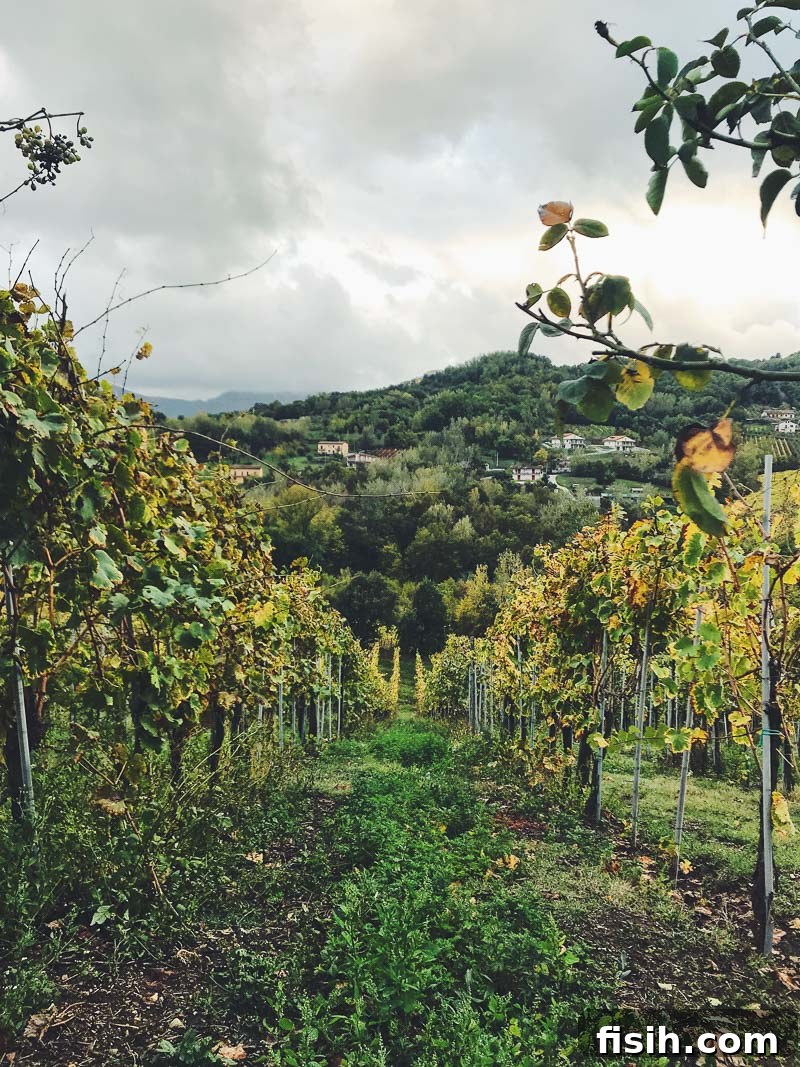
The Campania region boasts an astonishing array of wines, offering an impressive variety that often surprises even seasoned connoisseurs. However, many of these exceptional wines remain relatively unknown on the international stage. Unlike globally recognized varieties such as Chianti or Sangiovese from other Italian regions, Campania’s indigenous wines have historically seen limited export, making them a delightful discovery for those who venture here.
This relative obscurity is a genuine shame, as the wines available are consistently of very high quality, reflecting centuries of winemaking tradition and the unique terroir of the region. Exploring these lesser-known varieties – often crafted from ancient grape varietals unique to Campania – is a core part of the self-guided adventure, offering tastes, aromas, and stories you won’t find on supermarket shelves elsewhere. It’s an opportunity to truly delve into the authentic flavors of Southern Italy.
Understanding Italian Wine Classifications: DOC, DOCG & IGT
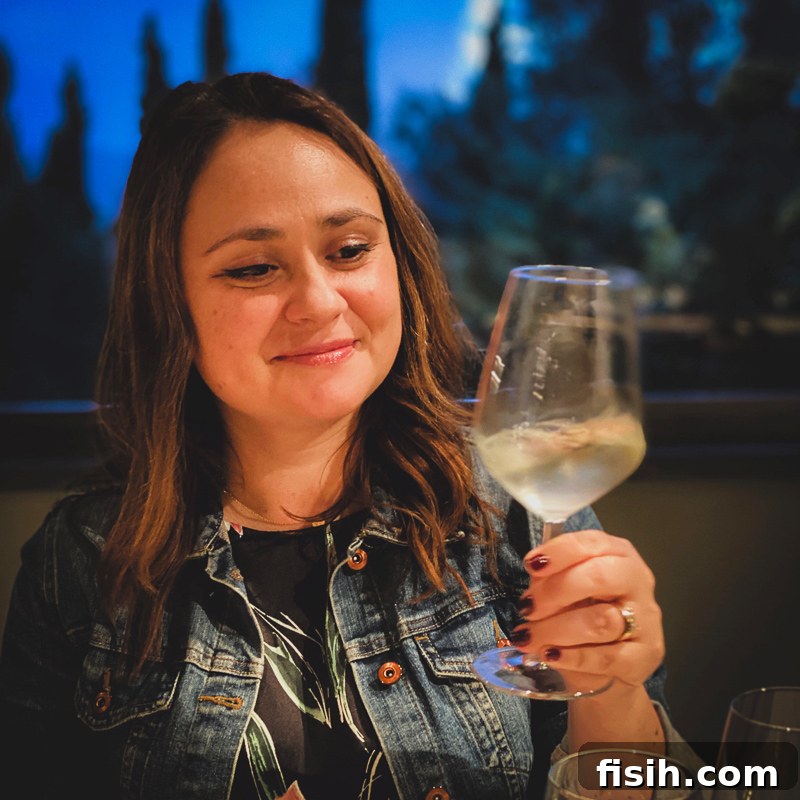
When navigating the world of Italian wines, particularly in a historically rich region like Campania, understanding the classification system can be incredibly helpful for identifying quality and authenticity. The three most prominent designations you’ll encounter are IGT, DOC, and DOCG:
- IGT (Indicazione Geografica Tipica): This classification represents wines from a specific geographical area with fewer restrictions than DOC or DOCG. It allows winemakers more flexibility with grape varieties and production methods, often leading to innovative and excellent quality “Super Tuscan” style wines from other regions, though less common in Campania.
- DOC (Denominazione di Origine Controllata): This certification guarantees that a wine originates from a specific geographical territory and adheres to strict production methods, including permitted grape varieties, yields, and aging requirements. It ensures quality and regional authenticity, acting as a crucial safeguard for traditional Italian winemaking.
- DOCG (Denominazione di Origine Controllata e Garantita): Representing the highest tier of Italian wine classification, DOCG wines meet all DOC requirements but also undergo rigorous tasting panels and are bottled within the region of production. This designation is reserved for Italy’s most prestigious wines and regions, offering an extra layer of quality assurance and often indicating exceptional aging potential.
While these designations are excellent indicators of quality and tradition, it’s important to remember that not all exceptional wines carry them. Many small, dedicated producers craft outstanding wines that may not qualify for DOC or DOCG due to specific varietals, unique production methods, or simply by choice, but are nonetheless very much worth seeking out and enjoying. Part of the joy of a self-guided tour is discovering these delightful hidden gems that offer unique expressions of Campania’s terroir.
Campania’s Star Varietals: A Deep Dive into Taste
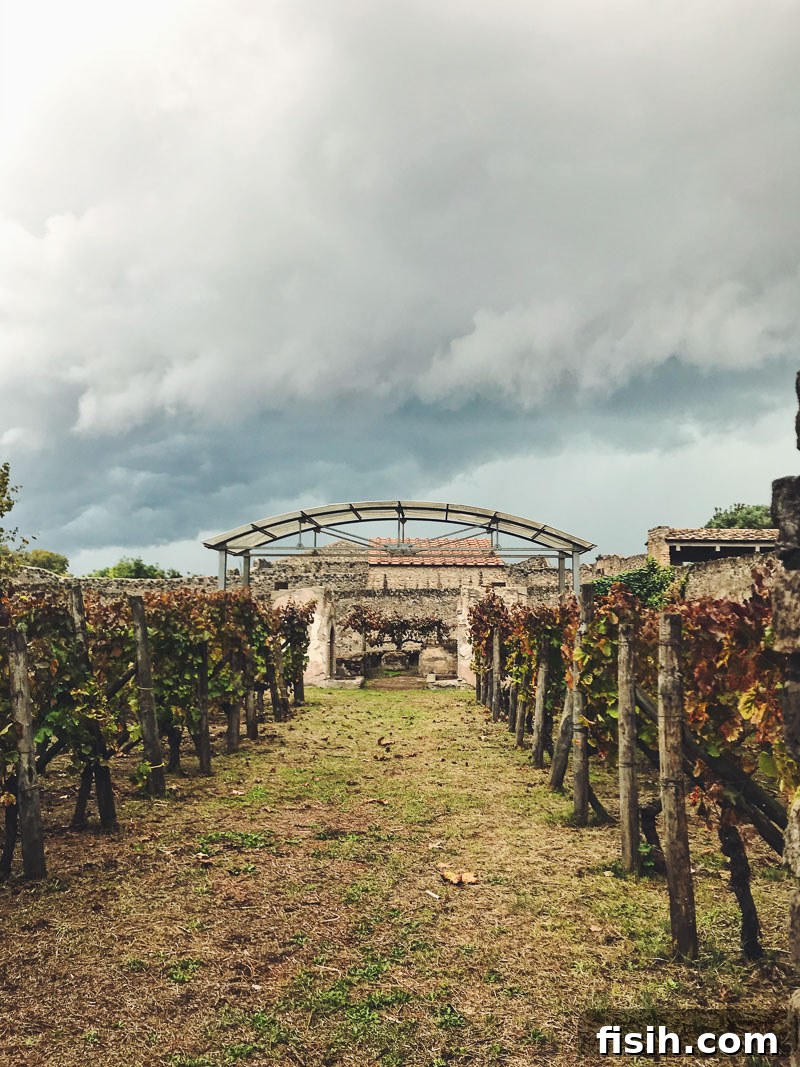
While the Amalfi Coast is particularly celebrated for its crisp, aromatic white wines that perfectly complement the region’s abundant seafood, Campania as a whole offers an impressive and diverse portfolio of both white and red varietals. The volcanic soils, Mediterranean climate, and ancient winemaking traditions converge to produce truly distinctive wines.
Among the reds, Taurasi DOCG stands out as truly fantastic. Often hailed as the “Barolo of the South,” Taurasi is made primarily from the indigenous Aglianico grape, yielding complex, full-bodied wines with excellent aging potential. These powerful reds typically showcase notes of dark cherry, plum, black pepper, tobacco, and earthy undertones, often requiring several years in the bottle to soften and reveal their full character. Another excellent red, also from the versatile Aglianico grape, is Aglianico del Taburno DOCG, offering similar depth and character with its own regional nuances.
For white wine lovers, Campania is a treasure trove of aromatic and mineral-driven varietals. Keep an eye out for these celebrated indigenous grapes:
- Fiano di Avellino DOCG: A highly aromatic white wine, known for its complex bouquet of hazelnut, toasted almond, white flowers, and often a touch of honey. It offers a rich, full body with vibrant acidity and excellent minerality, leading to a long, elegant finish. It ages beautifully.
- Greco di Tufo DOCG: Characterized by its intense aroma of apricots, peaches, citrus zest, and often a distinctive smoky or mineral note, this white wine offers a vibrant acidity and a pleasant textural quality. It’s wonderfully refreshing and expressive of its volcanic terroir.
- Falanghina: Perhaps Campania’s most widespread and versatile white grape, Falanghina wines are typically fresh, crisp, and aromatic, with hints of green apple, white peach, citrus, and delicate floral notes. They are wonderfully refreshing, food-friendly, and perfect as an aperitif.
- Coda di Volpe: Meaning “fox’s tail” due to the grape bunch’s distinctive shape, this varietal produces elegant white wines with delicate floral notes, often a hint of tropical fruit, and a subtle minerality. It’s lighter-bodied and very approachable.
Our personal mission was to try as many of the DOCG and DOC designated wines as we could find, whether at local wineries, well-stocked grocery stores, or authentic trattorias. While we didn’t quite manage to taste every single one (a delightful challenge for a future trip!), the attempt itself was incredibly rewarding. We savored wines from almost every sub-region, each offering a distinct taste profile and a fascinating story tied to its specific origin. This collective tasting experience provided us with an understanding of Campania’s viticulture and its deep cultural roots that few other tours could have offered.
Visiting Wineries: Connecting with the Producers and the Land
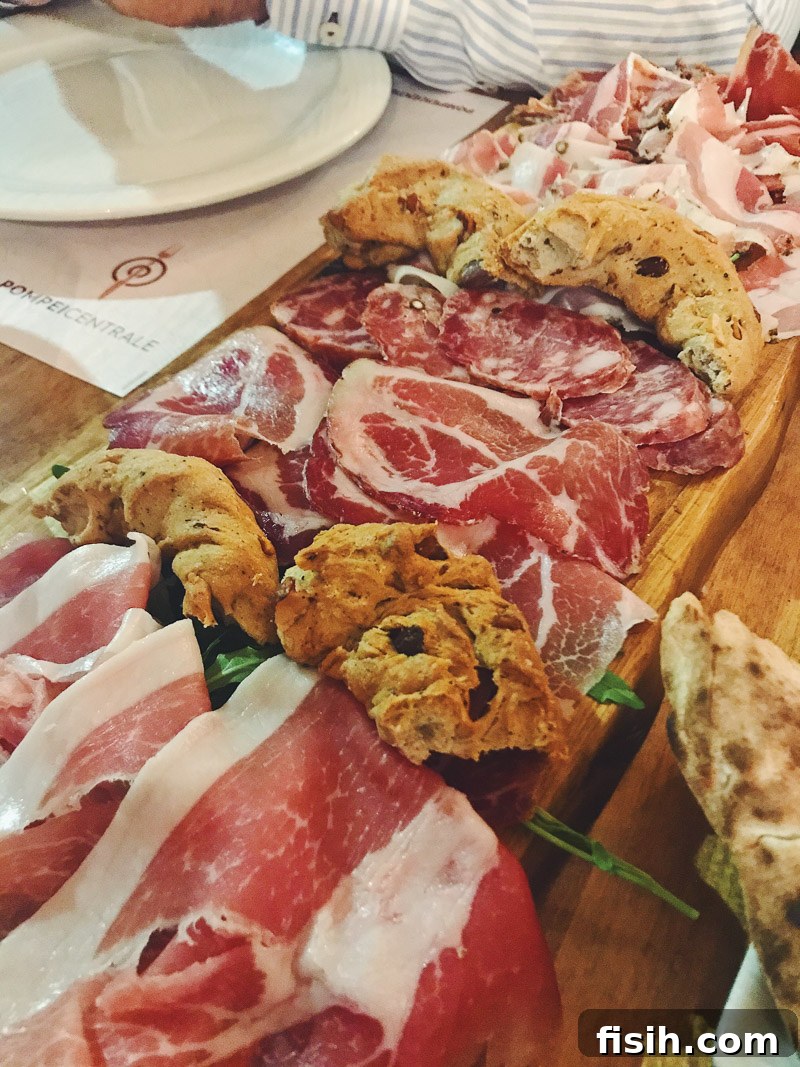
To truly appreciate the diversity in wine production and to explore more of the picturesque Campanian landscape, we made it a point to visit several wineries scattered across the region. Engaging directly with producers offers invaluable insights into the winemaking process, the philosophy behind each bottle, and the deep passion that defines Italian viticulture. There are two primary avenues for gaining expert guidance and experiencing tastings firsthand:
- Participate in Organized Wine Tastings: The region abounds with tasting experiences specifically tailored for tourists. These often provide an excellent introduction to a winery’s portfolio, coupled with a guided tour of their facilities – from fermentation tanks to aging cellars. Many rural tours include a delightful visit to the vineyards themselves, allowing you to walk among the vines and appreciate the terroir firsthand, while urban options typically focus on the cellar and tasting rooms. We found the prices to be quite reasonable, offering great value for the educational and sensory experience. Our top recommendation for a well-rounded and welcoming experience is De Angelis Winery in Sorrento, known for its friendly atmosphere, quality wines, and beautiful setting.
- Directly Contact Wineries for Private Visits: This proactive approach proved to be the absolute highlight of our self-guided journey. We initially had reservations about how our unsolicited requests would be received, but were pleasantly surprised to find local wineries – particularly the smaller, family-run establishments – to be wonderfully hospitable and eager to share their craft. Even if they couldn’t accommodate a full visit due to scheduling, they were often enthusiastic about the idea and happy to recommend alternatives or point us towards other local producers. Our absolute favorite, and the most memorable stop of our tour, was the fabulous Donnachiara Concept Winery in the charming, remote village of Montefalcione. Nestled in one of Campania’s premier wine-producing areas, Donnachiara crafts some of the finest wines we tasted, each telling a unique story and meticulously made with admirable care and dedication. What truly set Donnachiara apart were the owners and winery staff; they were hosts of the highest caliber, generously dedicating far more time than expected to discuss their wines, their winemaking philosophy, and their inspiring vision for the future of their estate. It was a truly brilliant and unforgettable stop that epitomized the warmth of Campanian hospitality.
Ultimately, having some form of expert guidance during tastings is immensely beneficial. These passionate individuals can illuminate the subtle nuances behind each wine, explaining how factors like terroir (the unique combination of soil, climate, and topography), specific grape varietals, and various winemaking techniques impact the final taste and aroma. Fortunately, these experts are plentiful in Campania, and connecting with enthusiasts eager to discuss their craft is remarkably easy and rewarding, adding a profound layer of understanding to your wine appreciation.
Exploring Campania’s Iconic Towns and Cities: Beyond the Vineyards
Beyond its vineyards, Campania offers a vibrant tapestry of historical cities, charming towns, and breathtaking coastal landscapes. Integrating these cultural explorations into your wine tour will create a truly holistic Italian experience, blending gastronomy, history, and natural beauty.
Naples: The Unforgettable Heartbeat of Campania
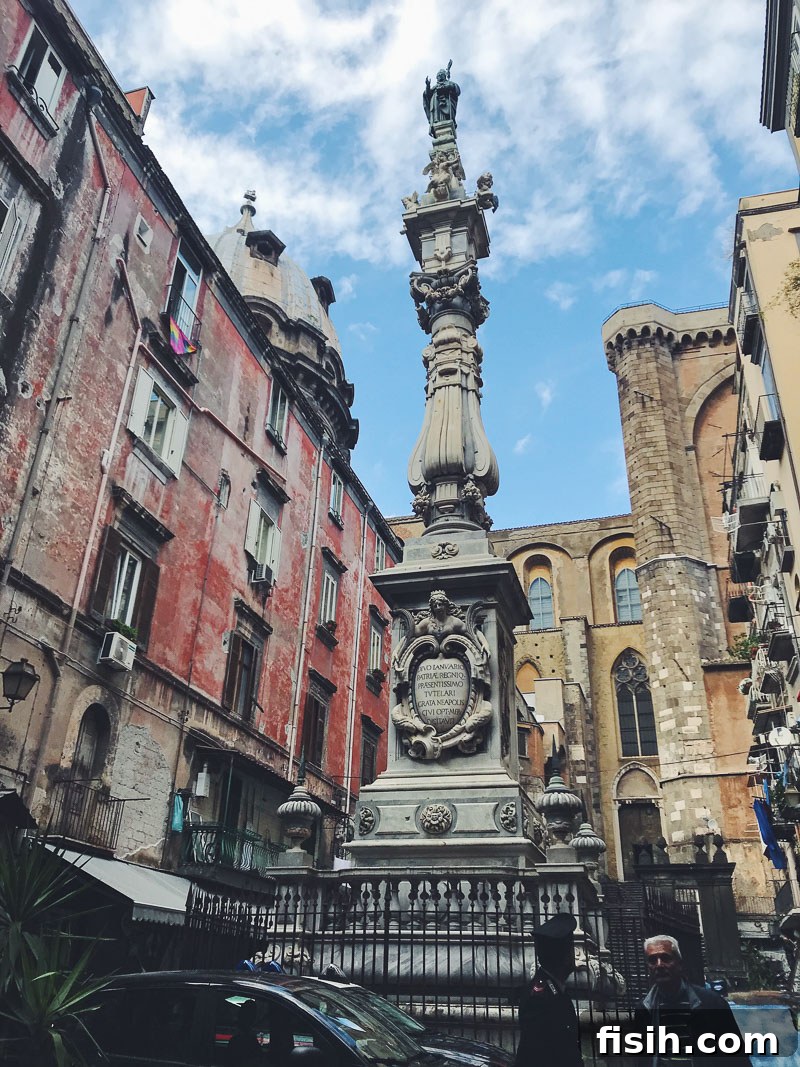
Most journeys to Campania naturally begin in Naples (Napoli), the region’s largest city and home to its primary international airport. It’s an unforgettable introduction to Southern Italy! If you’ve heard tales of Naples being crowded, chaotic, and brimming with an unparalleled energy, you haven’t been misguided – though these descriptions almost certainly understate the vibrant reality. It is a city of magnificent madness, where ancient history collides with modern life, and bustling streets buzz with the energy of a thousand stories. Drivers navigate with a spirited disregard for pedestrian norms, adding to the city’s unique charm and challenge. If you appreciate a city that pulses with raw, authentic life, world-renowned street food (hello, pizza!), and incredible art and history (from the National Archaeological Museum to the underground city), Naples will undoubtedly captivate you. For those who prefer a more serene pace, it might be best to experience its essential highlights and then move on to more relaxed locales. Our group was strongly divided by Naples, so we wholeheartedly encourage you to experience it and form your own unique opinion.
Naples is an excellent transportation hub, easily accessible by train from other parts of Campania and offering convenient connections to the Amalfi Coast via the Circumvesuviana train line to Sorrento. We strongly advise against driving within the city center itself; the intricate, narrow streets and challenging traffic are best navigated by public transport or, ideally, on foot. Arriving by train and exploring on foot is the easiest and most authentic way to truly absorb the city’s unique atmosphere and discover its hidden corners, from ancient underground passages to world-renowned pizzerias. Don’t miss sampling an authentic Neapolitan pizza!
Pompeii: A Glimpse into the Past, Preserved by Vesuvius
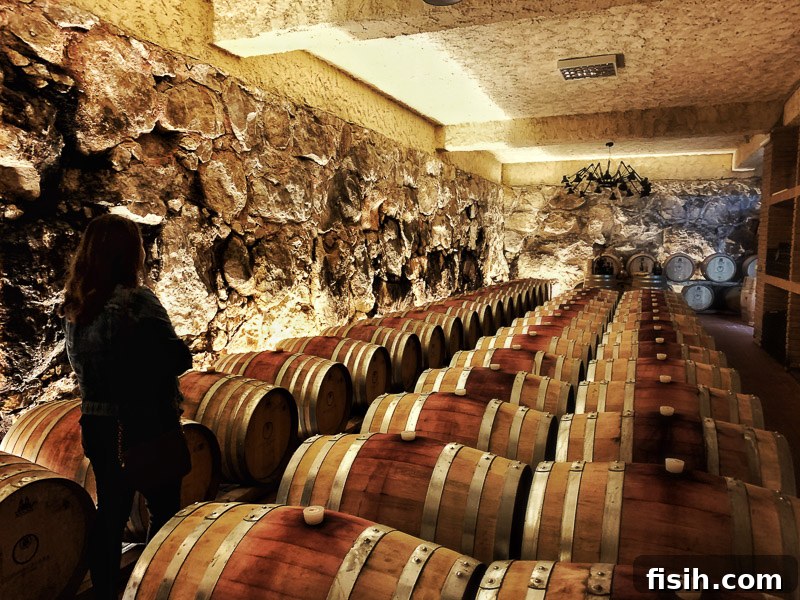
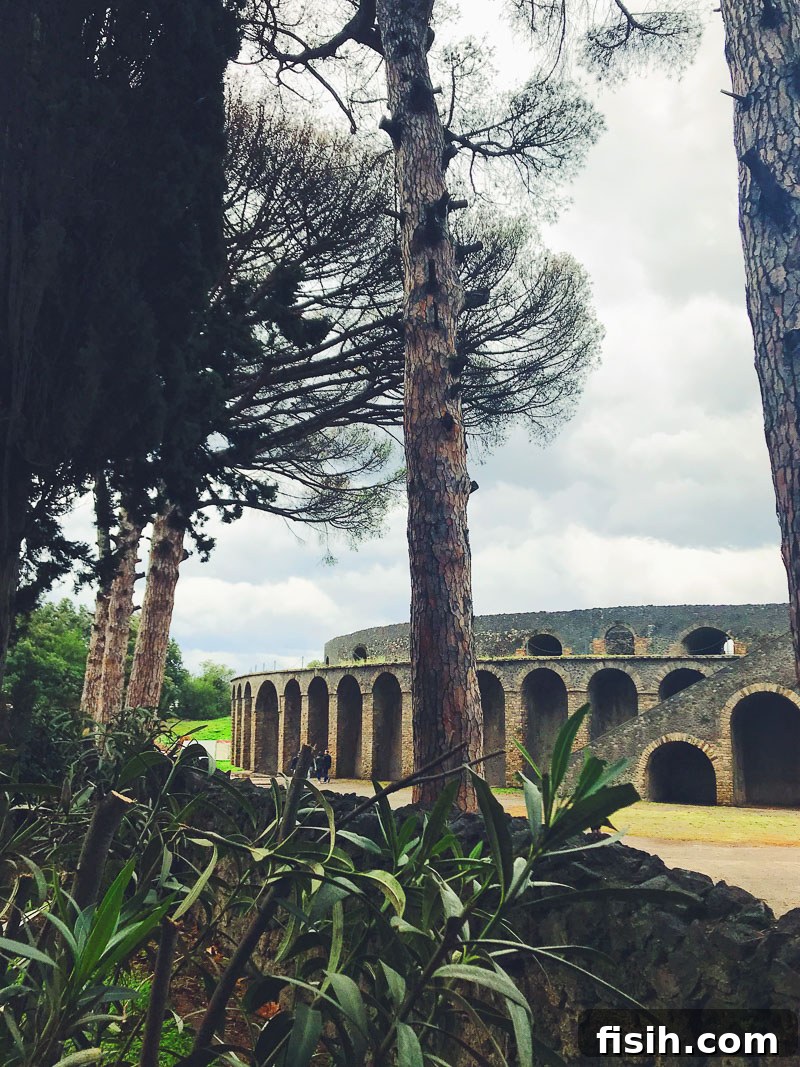
A short, convenient train journey from either Naples or Sorrento lies the legendary city of Pompeii, famously frozen in time by the catastrophic eruption of Mount Vesuvius in 79 AD. While the remarkably preserved ruins are the undeniable main attraction, the modern town of Pompeii remains a vibrant place, albeit not on the grand scale of its Roman predecessor. The central piazza offers an attractive and relatively quiet respite, surrounded by a selection of excellent restaurant choices perfect for recharging after a historical exploration.
We enthusiastically recommend the truly fantastic Mercato Pompeiano, celebrated for its top-quality food and an impressive wine list that perfectly complements the regional cuisine. While restaurants closer to the archaeological site offer convenience, they sometimes come with the slight dip in quality often associated with highly tourist-centric locations. For another worthy dining experience just a short walk from the entrance, we found Venuno Grammi to be an excellent choice.
Dedicate ample time to explore the sprawling ruins of Pompeii. The site is vast and can easily absorb an entire day (4-6 hours minimum is recommended), so plan accordingly. Be sure to bring plenty of water, sunscreen, and snacks, especially during warmer months, as amenities within the site are limited. Comfortable walking shoes are a must for navigating the ancient cobblestone streets. For essential information on opening times, ticket prices, and accessibility, always consult the official website before your visit. Given the sheer scale of the site and the relative scarcity of comprehensive English signage, an audio tour or a guided tour is highly advisable to fully grasp the historical significance and intricate details of what you are seeing. While smartphone apps offering tours are available, the inconsistent cell reception within the ancient city means a dedicated audio guide rented on-site or a pre-downloaded, offline-accessible tour is often a more reliable choice for an uninterrupted learning experience. Consider also visiting Herculaneum for a different perspective on Vesuvius’s destruction, often less crowded than Pompeii.
Sorrento: The Enchanting Gateway to Coastal Beauty
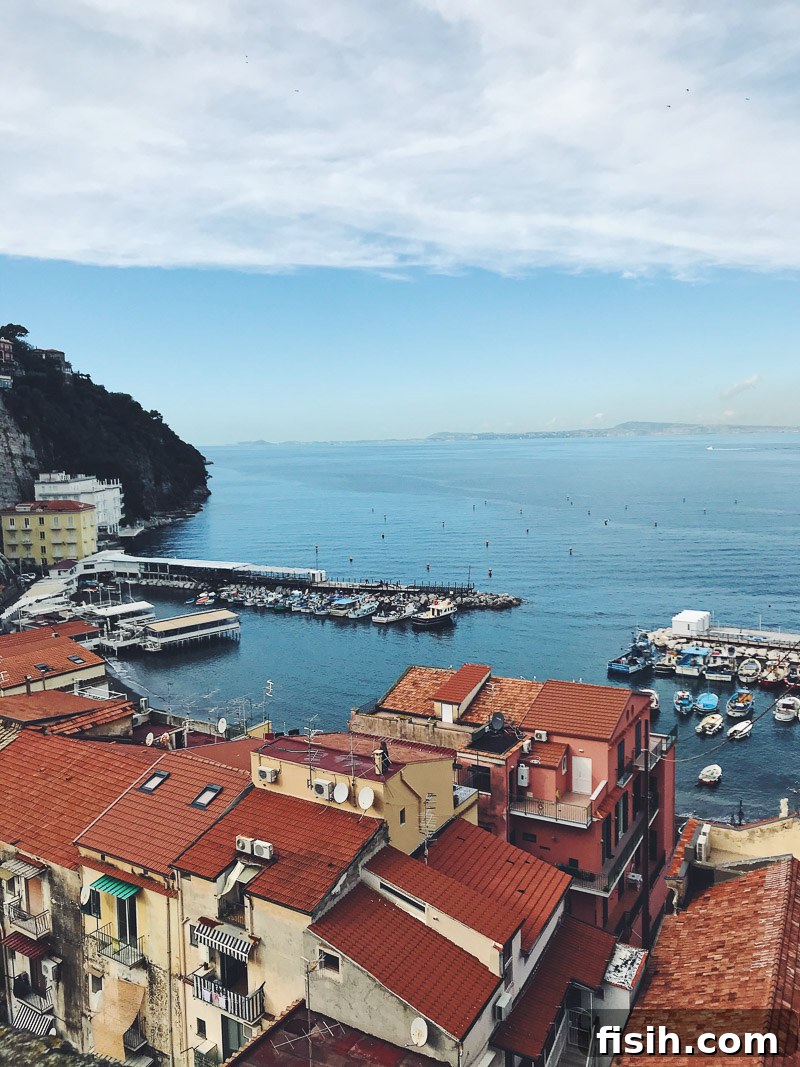
For generations, Sorrento has captured the hearts of writers, artists, and discerning travelers alike, solidifying its place as a quintessential stop on any comprehensive European tour. It is, without a doubt, a truly beautiful city – perfect for leisurely strolls and brimming with a lively, welcoming atmosphere. Serving as an ideal entry point to the world-renowned Amalfi Coast, Sorrento offers breathtaking panoramic views of the Bay of Naples and the imposing silhouette of Mount Vesuvius across the water.
Allow yourself the luxury of getting delightfully lost amidst its winding, cobblestone streets, particularly in the historic center. Here, you’ll uncover tasteful boutique shops selling local crafts, unexpected panoramic viewpoints that beg for a photograph, and numerous opportunities to savor a delicious seafood dinner at a charming trattoria. Don’t forget to sample the famous Limoncello, a sweet and tangy lemon liqueur for which Sorrento is particularly renowned, often made from the region’s prized Femminello Ovale lemons. Sorrento also serves as an excellent base for day trips to Capri, Ischia, and other nearby islands.
Salerno & The Amalfi Coast: A Tapestry of Grandeur
While Salerno, an industrial city with a rich and extensive history dating back to Roman times, may not frequently appear on typical “must-see” tourist lists, it often serves a crucial role as a convenient gateway to the spectacular Amalfi Coast for many visitors, including ourselves. Situated on the eastern side of the Amalfi Coast, opposite Sorrento, Salerno can be a practical starting or ending point if you plan to drive the entire scenic route or wish to access the coast via ferry.
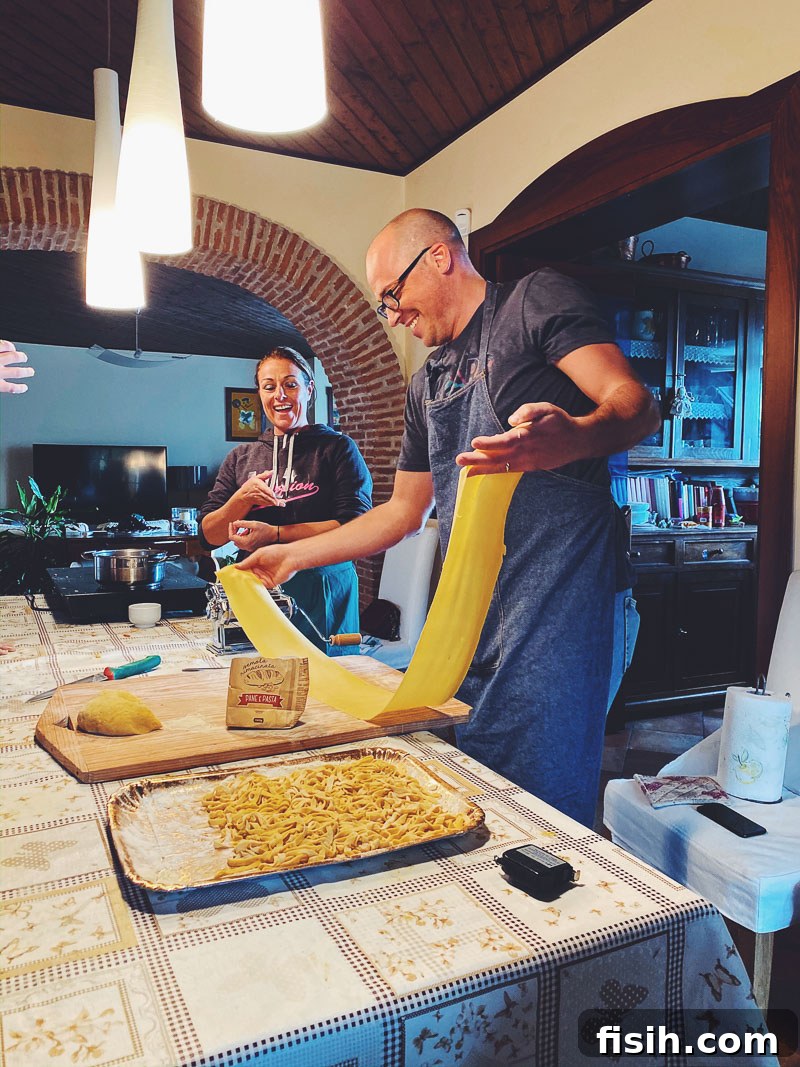
Though it might not boast the same iconic appeal as its coastal neighbors, Salerno does offer a surprising number of worthy activities. For instance, we thoroughly enjoyed a fantastic cooking class discovered through Airbnb, providing an authentic taste of local Campanian cuisine. Its lively Lungomare (promenade), historic medieval district, and impressive Duomo are also pleasant for an evening stroll and cultural exploration.
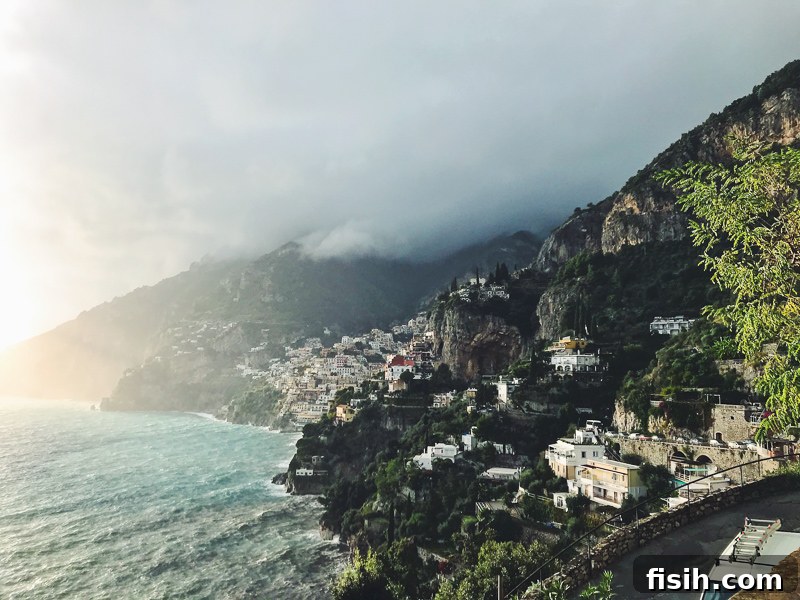
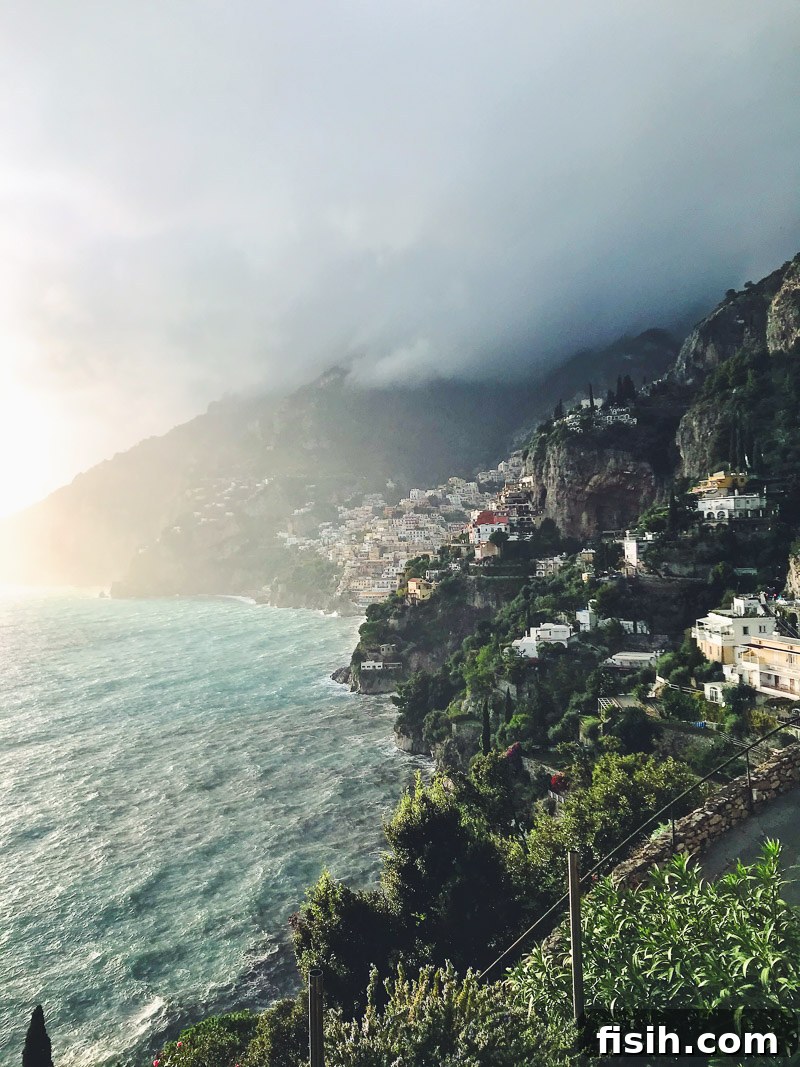
The Amalfi Coast itself is an absolute must-see, a UNESCO World Heritage site that lives up to every superlative. Its dramatic coastline, characterized by rugged cliffs, terraced lemon groves, and pastel-hued villages clinging precariously to the hillsides, is home to some of the most beautiful towns and captivating views in the world. A winding coastal highway, the Strada Statale 163, snakes its way along the entire stretch. While it is undoubtedly a challenging drive with narrow turns, blind corners, and significant traffic during peak season, it is not unmanageable for confident drivers. However, alternative transportation options such as the efficient SITA public bus service or scenic ferry services connecting coastal towns (Amalfi, Positano, Ravello, Maiori, Minori) can often be a more relaxed and equally picturesque way to experience the views without the stress of driving and parking. Trains are not an option directly along the coast itself.
Be prepared to pull over frequently at designated viewpoints to truly soak in the unparalleled vistas – the driver should always keep their eyes on the winding road! Plan stops in several towns along the way. Positano, with its iconic tiered houses cascading down to the sea, is an essential visit for its charm and boutique shopping, but don’t overlook other equally charming destinations like Amalfi (the ancient maritime republic, home of paper-making), Ravello (known for its stunning gardens at Villa Rufolo and Villa Cimbrone, and classical music festivals), and the more tranquil towns of Praiano or Atrani. The sheer number of captivating towns, hidden coves, and breathtaking viewpoints along this stretch makes it impossible to list them all. Therefore, grant yourself ample time, remain flexible with your itinerary, and seize every opportunity to stop, explore, and simply breathe in the beauty. The Amalfi Coast is an unparalleled treasure, and rushing through it would be a disservice to its profound and timeless charm.
Practical Tips for Your Self-Guided Campanian Wine Tour
To ensure your self-guided adventure through Campania and the Amalfi Coast is as smooth and enjoyable as possible, consider these practical tips:
- Accommodation: Book accommodations well in advance, especially during peak season (April-June, September-October). Consider staying in different towns (e.g., Naples for city life, Sorrento for coastal charm and accessibility, a rural agriturismo in the wine country for an immersive experience, and a specific Amalfi Coast town) to minimize daily travel time and experience diverse settings.
- Transportation:
- Within Cities: Utilize public transport (trains, local buses, metro in Naples) and embrace walking. Driving within Naples is strongly discouraged due to congestion and complex traffic rules.
- Between Major Cities: Italy boasts an excellent, efficient train network. The Circumvesuviana train is key for connecting Naples, Pompeii, and Sorrento, offering an affordable and scenic route.
- Amalfi Coast: Driving provides maximum flexibility but can be challenging due to narrow roads, hairpin bends, and limited parking. Consider the efficient SITA public bus service (be prepared for crowded buses in peak season), private transfers for comfort, or scenic ferry services (seasonal, excellent for avoiding traffic and enjoying sea views) for travel between coastal towns. Renting a scooter can also be an adventurous option for navigating the coastal road.
- Best Time to Visit: Spring (April-May) and early Autumn (September-October) offer the most pleasant weather, fewer crowds than the summer peak, and ideal conditions for vineyard visits, hiking, and general sightseeing. Summer (July-August) can be very hot and extremely crowded, especially on the coast and at major attractions.
- Language: While many people in major tourist areas speak English, learning a few basic Italian phrases (e.g., greetings, asking for directions, ordering food/wine) will greatly enhance your experience. Locals genuinely appreciate the effort and it can open doors to more authentic interactions, particularly in smaller towns and family-run wineries.
- Booking Winery Visits: Always book winery tours and tastings in advance, especially for smaller establishments. Emailing or calling directly a few weeks prior is usually sufficient to secure your spot and ensure a personalized experience.
- Pace Yourself: It’s tempting to try and see everything, but Campania is best savored slowly. Build in relaxation time, enjoy long, leisurely lunches, and allow for spontaneous detours to truly absorb the atmosphere and create lasting memories.
- Travel Insurance: As with any international trip, comprehensive travel insurance is highly recommended to cover unforeseen circumstances like medical emergencies, trip cancellations, or lost luggage.
Embarking on a self-guided wine tour through Campania and the Amalfi Coast is more than just a trip; it’s an immersive cultural and sensory journey. From the robust reds born of volcanic soils to the crisp whites perfect for seaside dining, and from the ancient echoes of Pompeii to the vibrant pulse of Naples, this magnificent region promises an adventure that will linger in your memory long after the last sip of Aglianico. Uncork the magic of Southern Italy on your own terms!
Recipes inspired by this glorious part of Italy to bring a taste of Campania home:
- Tomato Salad with Basil and Mozzarella (Insalata Caprese)
- Baked Gnocchi with Meat Sauce and Mozzarella (Gnocchi alla Sorrentina)
- Homemade Fresh Pasta
- Spaghetti alla Puttanesca