
Discover Authentic Russian Eggplant Caviar (Ikra): A Timeless Culinary Delight
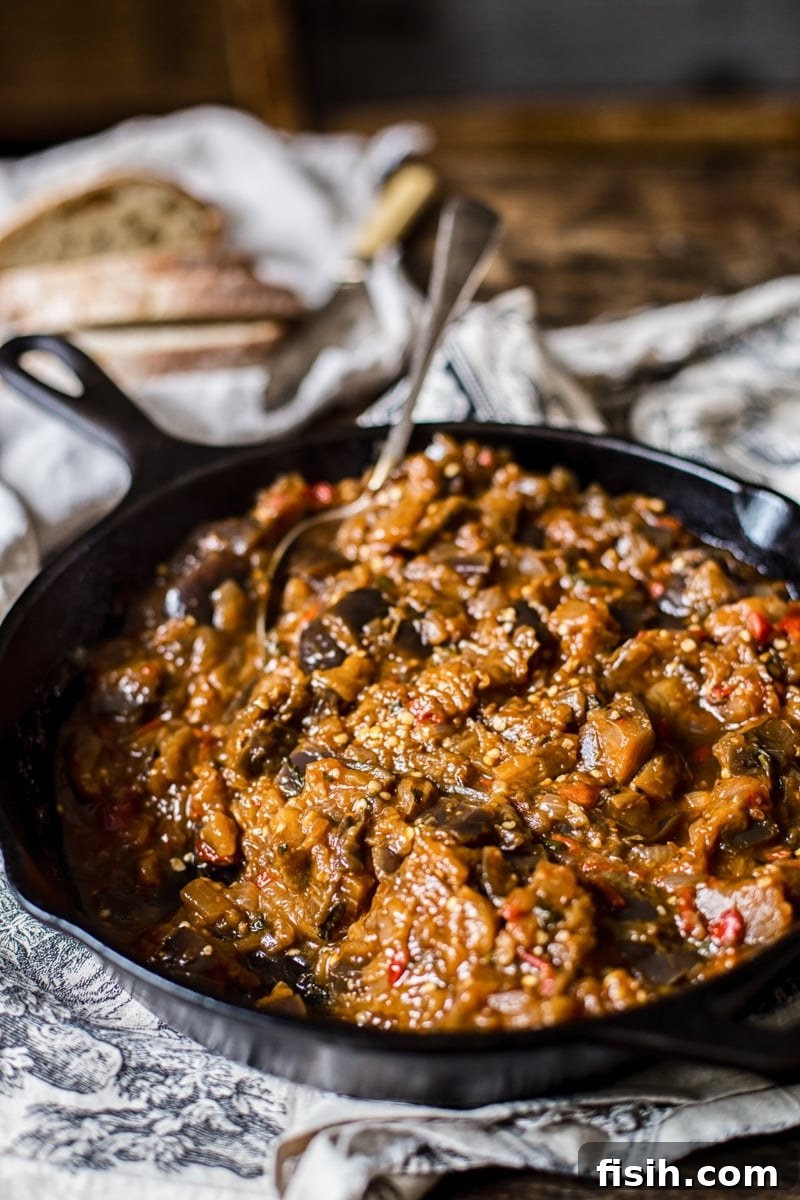
Looking to add a unique and incredibly delicious vegetable dish to your culinary repertoire? Embrace the rich flavors of Eastern Europe with this traditional Russian recipe for Eggplant Caviar, universally known as Ikra (икра). This vibrant spread, bursting with aromatic spices and slow-cooked vegetables, is a true testament to the versatility of eggplant. Perfect served warm or cold, Ikra transforms humble ingredients into a luxurious experience, ideal as a flavorful spread, a versatile dip, or a delightful topping for a variety of dishes, from grilled meats to crusty bread.
Eggplant, often underestimated in Western cuisine, truly shines when prepared with traditional methods. Its unique texture and ability to absorb flavors make it an exceptional base for spreads and dips. For those who appreciate the transformation of this remarkable vegetable, you might also enjoy a Middle Eastern cousin like Baba Ghanoush, but today, our journey takes us to the heart of Russian comfort food.
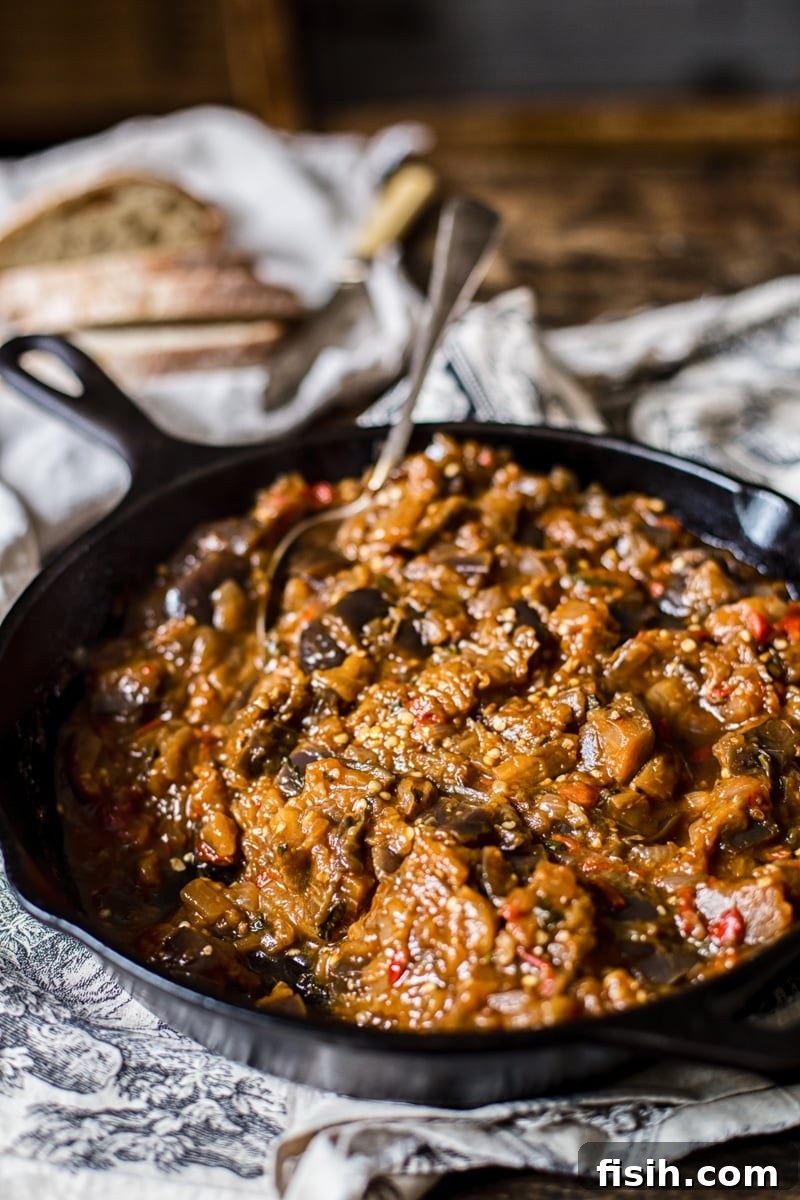
It’s a genuine culinary oversight that many haven’t fully experienced the potential of eggplant. Once you taste this incredible eggplant caviar, your perception of vegetables will be forever altered. This isn’t just food; it’s an experience, a true comfort dish that exemplifies how profoundly delicious vegetable-focused meals can be. Ikra represents the epitome of flavorful home cooking, a dish that nourishes both body and soul.
The recipe I am privileged to share with you today is a heartfelt homage to the eggplant caviar my beloved grandmother used to prepare, capturing the essence and rich flavors I vividly recall from my childhood summers. While every cook brings their unique touch to traditional recipes, this rendition aims to recreate that authentic, comforting taste.
What is Russian Eggplant Ikra: A Culinary Revelation
Eggplant caviar, or ‘baklazhannaya ikra’ as it’s known in Russian, is a deeply cherished summer delicacy not only in Russia but also across many Eastern European countries. However, the beauty of this dish lies in its regional and familial variations. Each cook, whether in a bustling city or a quiet village, infuses their Ikra with a personal touch, making no two recipes exactly alike.
Even within my own family, my mother’s and grandmother’s recipes for Ikra had distinct nuances. This rich diversity primarily stems from the availability of local ingredients throughout the seasons and, more importantly, from individual taste preferences. There’s a wonderful flexibility in traditional Eastern European cooking, where recipes serve more as guiding principles than strict rules, encouraging creativity and adaptation.
While Russian cuisine is sometimes unfairly labeled as ‘bland,’ especially when main courses are considered in isolation, this perception often misses the intricate balance and depth found when meals are served in their entirety. Traditional Russian dining is a symphony of flavors, where main dishes are always accompanied by an array of vibrant sides. These often include refreshing salads, tangy pickles, and earthy fermented foods, all working in harmony to create a truly complex and satisfying culinary experience.
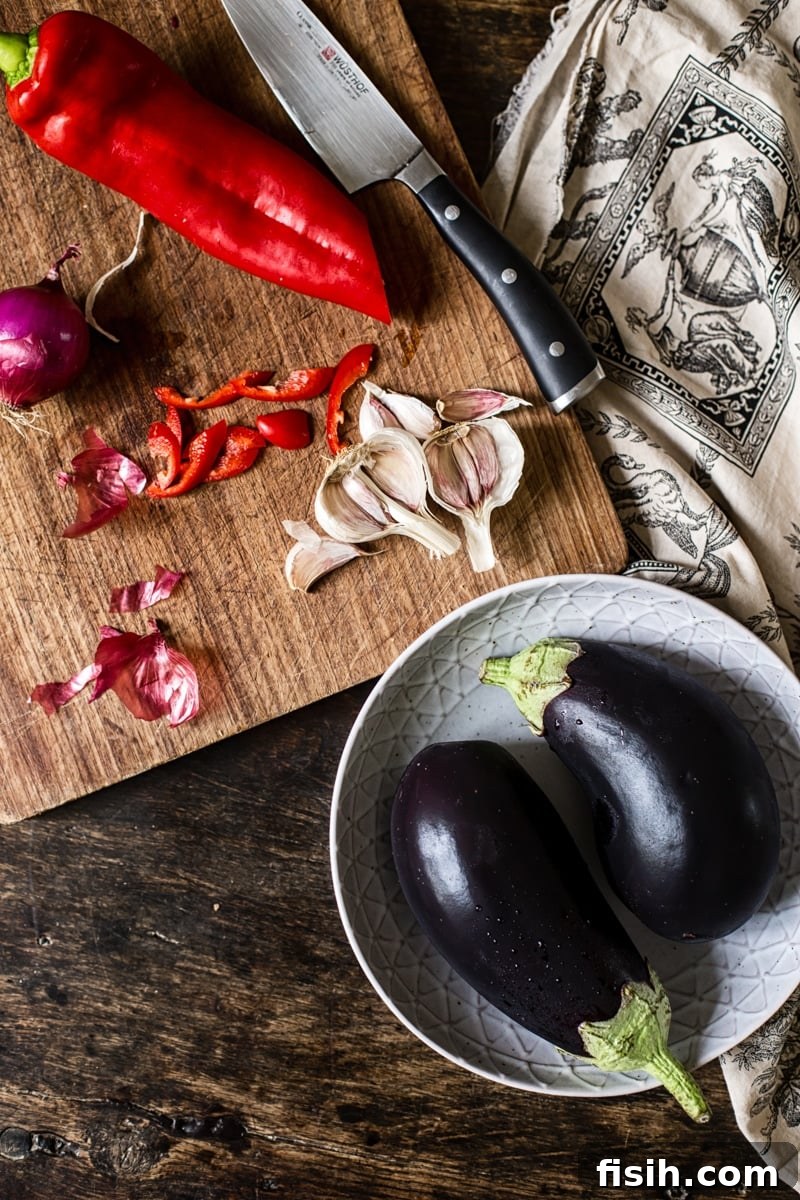
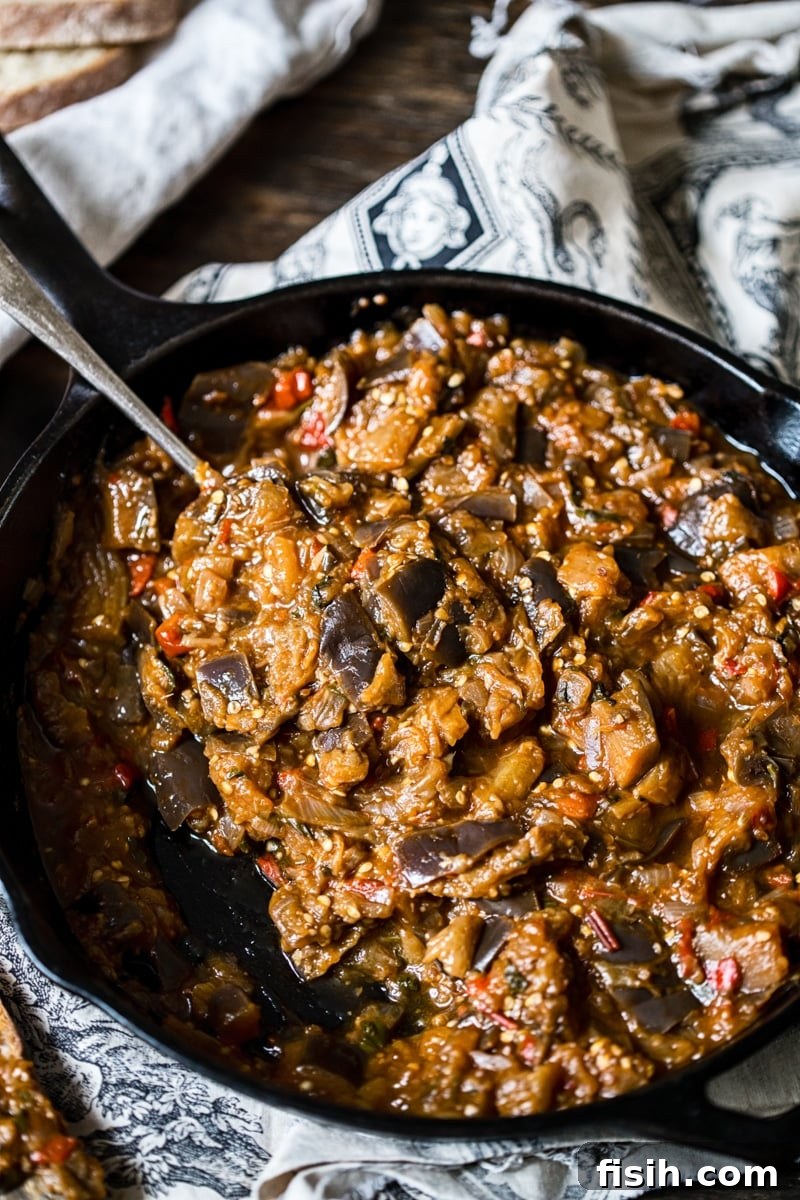
This eggplant caviar (‘ikra’ in Russian) is a quintessential example of such a side dish – it’s a true ‘flavor maker.’ The process begins by slow-cooking eggplants with a foundational medley of garlic, onions, and red peppers over a gentle heat for an extended period. This patient cooking method is crucial, allowing the ingredients to meld beautifully and develop profound depths of flavor.
As the vegetables slowly simmer, the spongy texture of the eggplant gradually softens and collapses, transforming into an incredibly smooth, silky, and spreadable consistency. Throughout this cooking period, all the added ingredients generously infuse the eggplant with their distinct tastes, creating a rich tapestry of savory notes.
Traditionally, classic Ikra recipes might feature a simpler spice profile, often relying on black pepper, fresh dill, and parsley to enhance the natural flavors. However, my grandmother had a secret ingredient that elevated her eggplant caviar to legendary status: cracked coriander seeds. This subtle addition imbued her Ikra with an unparalleled fragrance, a delightfully exotic hint, and an irresistibly delicious character that set it apart. It’s a testament to how small variations can profoundly impact a dish.
To this day, the rhythm of cooking in Eastern Europe remains deeply seasonal. Home cooks instinctively utilize whatever fresh ingredients are abundant during specific times of the year, fostering a dynamic and flexible approach to recipes. This adaptability means that rigidity over exact measurements is rarely a concern; intuition and taste guide the process. Consequently, you’ll encounter a vast spectrum of how this beloved traditional recipe is prepared and enjoyed across different households and regions. While culinary purists might debate the ‘right’ way, the truth is, personal preference reigns supreme in the world of home cooking – and this particular method, inherited from my grandmother, remains my absolute favorite for its exceptional taste and authentic charm.
The Humble Eggplant: A Culinary Chameleon
Beyond its starring role in Russian Ikra, the eggplant boasts a fascinating history and a global culinary presence. Originating in India, this versatile nightshade vegetable has traveled the world, adapting its form and flavor to countless cuisines. From the smoky depths of Middle Eastern baba ghanoush to the hearty layers of Italian parmigiana and the vibrant curries of Southeast Asia, eggplant proves itself a true culinary chameleon. Its ability to absorb flavors makes it a chef’s delight, transforming from a simple vegetable into a rich, complex component of any dish.
For Ikra, the eggplant’s unique texture is paramount. Its spongy flesh acts like a sponge, soaking up the aromatic essences of garlic, onion, and spices, while its inherent mildness provides a perfect canvas for these bolder flavors. This transformation from firm purple fruit to a luscious, silken spread is what makes eggplant caviar so captivating and utterly satisfying.
Expert Recipe Tips for Perfect Ikra
- Eggplant Preparation: The eggplant will need to be cubed before being added to your pot. While some cooks prefer larger pieces and others smaller, the exact size is ultimately a matter of personal preference. My go-to size for achieving the ideal creamy texture without losing substance is approximately 2 1/2 cm (1 inch) cubes.
- Consistency in Cutting: What truly matters is striving for uniformity in the size of your eggplant cubes. This ensures that all pieces cook at roughly the same rate, preventing some from becoming mushy while others remain too firm. Don’t stress over absolute perfection – a little variation is natural – but aim for as much consistency as you can manage.
- Achieving Perfect Tenderness: Before you consider removing the eggplant from the stovetop, always perform a tenderness test. The goal is for the eggplant to be incredibly tender, almost melting. If it still feels even slightly spongy or resistant when pressed, continue cooking it for an additional 20-30 minutes, or until it reaches that desired silky smooth consistency. Patience here is key to the authentic texture of Ikra.
Versatile Serving Suggestions for Eggplant Caviar
The beauty of Russian Eggplant Caviar lies in its incredible versatility. It can effortlessly transition from a humble snack to a sophisticated appetizer or a robust side dish.
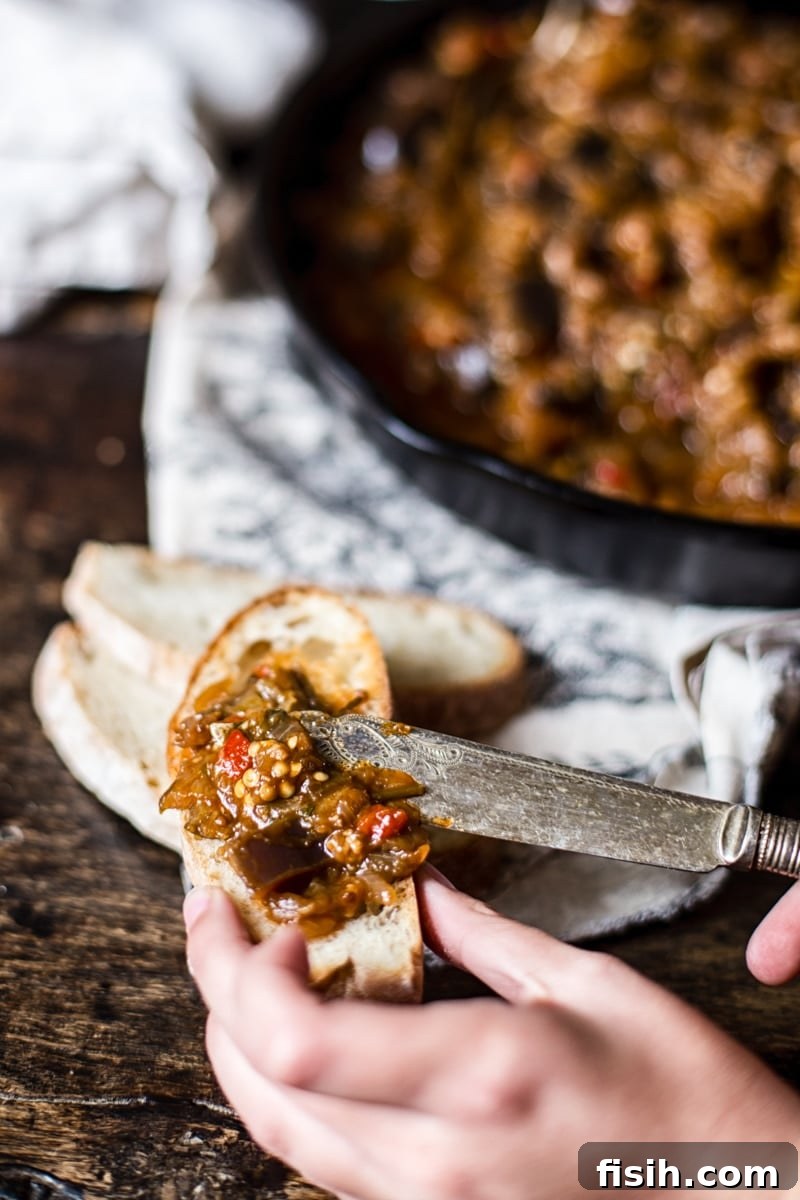
For a light meal, serve Ikra as a delightful side dish alongside any grilled or roasted meat, poultry, or fish. Its rich, savory profile complements proteins beautifully. It also shines as a simple yet satisfying snack, generously spread on crisp crackers or our homemade Sourdough Bread. I’m particularly fond of adding a liberal layer of Ikra to a hearty sandwich, perhaps replacing traditional condiments or pairing wonderfully with creamy cheeses, much like this Goat’s Cheese Sandwich.
Beyond these suggestions, Ikra is a fantastic component for a mezze platter or as part of a spread at a barbecue or picnic. Its robust flavors stand up well to other bold tastes, and it’s equally delicious whether enjoyed straight from the fridge or allowed to come to room temperature. Having a jar of this flavorful eggplant caviar in my fridge has become a staple for those moments when a healthy, satisfying craving strikes. It’s not just a dish; it’s a ready-made solution for effortless gourmet enjoyment.
Storage and Leftovers: Maximizing Your Ikra Enjoyment
One of the many benefits of Russian Eggplant Caviar is how well it stores, making it an excellent candidate for meal prep. Once prepared, allow the Ikra to cool completely to room temperature. This step is crucial for preventing condensation buildup, which can affect its texture and shelf life. Once cooled, transfer the eggplant caviar into an airtight container and store it in the refrigerator. Properly stored, it will maintain its freshness and delightful flavor for 3-4 days.
Since this eggplant caviar is traditionally enjoyed cold, serving leftovers couldn’t be simpler. Just retrieve your desired portion from the fridge and enjoy! There’s no need for reheating, which makes it an ideal grab-and-go snack, an effortless addition to lunchboxes, or a quick appetizer for unexpected guests. Its flavors tend to deepen and meld even further after a day or two in the refrigerator, often tasting even better than freshly made.
Why Homemade Ikra Reigns Supreme
While store-bought versions of eggplant caviar exist, nothing truly compares to the depth of flavor and freshness of homemade Ikra. Crafting this dish at home allows you to control the quality of your ingredients, ensuring ripe, seasonal vegetables are used. It also means you can tailor the spice levels and seasonings to your exact preference, adding more garlic, a hint more coriander, or a touch of chili if you dare. Beyond the taste, the act of slowly simmering the ingredients, filling your kitchen with their intoxicating aromas, is a comforting and rewarding experience in itself. Homemade Ikra isn’t just food; it’s a labor of love that tastes unequivocally better.
Beyond the Basics: Customizing Your Ikra
The beauty of traditional recipes lies in their adaptability, and Ikra is no exception. Once you’ve mastered the classic version, feel free to experiment with additions to make it uniquely yours. Consider incorporating a pinch of smoked paprika for a deeper, more rustic flavor, or a finely diced green chili for a gentle kick. A squeeze of lemon juice or a splash of red wine vinegar just before serving can brighten the flavors and add a pleasant tang. For an even richer texture, some cooks briefly roast the eggplants before simmering, which can add a layer of smoky depth. Don’t hesitate to play with fresh herbs beyond cilantro; a mix of dill, parsley, and even a hint of mint could offer intriguing new dimensions. The kitchen is your canvas, and Ikra is an accommodating masterpiece.
A Taste of Tradition: The Cultural Significance
In many Eastern European households, Ikra is more than just a dish; it’s a symbol of summer’s bounty, a reflection of home, and a centerpiece of shared meals. It evokes memories of family gatherings, long summer days, and the comforting flavors of grandmother’s kitchen. It’s a dish passed down through generations, each iteration carrying stories and traditions. When you prepare and share Russian Eggplant Caviar, you’re not just serving food; you’re participating in a rich cultural narrative, connecting with a culinary heritage that values fresh, wholesome ingredients and the simple joy of coming together around a delicious table.
More Eggplant Recipes to Explore
- Healthy Eggplant Parmesan
- Rustic Three Cheese Eggplant Lasagna
- Harissa Beef Stuffed Eggplant
- Miso Aubergine (Eggplant)
- Roasted Aubergine with Garlic Tahini Sauce
Russian Eggplant Caviar with Cracked Coriander Seeds
Print Recipe
A delicious eggplant spread that is perfect warm or cold, infused with the unique fragrance of cracked coriander seeds!
Equipment
- Cast iron Dutch oven
- Mortar and pestle
- Garlic press
Ingredients
- 2 tbsp olive oil, extra virgin
- 1 large onion, chopped
- 1 large red pepper, sliced
- 4 cloves garlic, minced
- 1 tbsp coriander seeds, cracked
- 4 medium eggplants, cubed (approx. 2 1/2 cm/1″)
- 125ml / 1/2 cup tomato juice
- 2 tbsp ketchup
- 10g / 1/4 cup cilantro, chopped
Instructions
- Begin by heating the extra virgin olive oil in a large cast iron Dutch oven over low heat. Once warm, add the chopped onions and sliced red pepper. Sauté these aromatic vegetables gently for about 15 minutes, allowing them to soften and become translucent without browning. This slow sautéing process builds a foundational layer of sweetness and flavor. Next, stir in the minced garlic and the freshly cracked coriander seeds (easily cracked using a mortar and pestle for maximum aroma). Cook for approximately 1 minute, until the mixture becomes intensely fragrant, filling your kitchen with its enticing scent.
- Now, add the cubed eggplant, tomato juice, and ketchup to the pot. Stir all the ingredients thoroughly to combine, ensuring the eggplant is well coated. Cover the pot with a lid and reduce the heat to a very low simmer. Continue to cook for approximately 1 1/2 hours. During this extended cooking time, the eggplant will break down, and the liquid will significantly reduce, transforming the mixture into a thick, spreadable consistency. It is essential to check on your eggplant caviar every 20 minutes or so, giving it a good stir to prevent it from sticking to the bottom of the pot and ensuring even cooking.
- Once the mixture has reduced considerably and the eggplant has reached a velvety smooth, spreadable texture, remove the lid. Taste the Ikra and season generously with salt as needed to enhance all the vibrant flavors. Finally, stir in the freshly chopped cilantro. If, after 1 1/2 hours, your eggplant still retains a slightly spongy texture, don’t worry – simply continue cooking it, uncovered, for an additional 20-30 minutes, or until it achieves that desired melt-in-your-mouth tenderness.
- Serve your authentic Russian Eggplant Caviar warm as a side, or chilled as a refreshing spread on your favorite bread or crackers. Its versatile nature makes it a perfect addition to any meal or snack.
Notes
- The size of the eggplant pieces can vary depending on your preference; roughly 2 1/2 cm (1 inch) cubes are recommended for this recipe.
- Ensure your eggplant pieces are cut to a consistent size to guarantee they cook evenly.
- Should your eggplant still feel spongy after the initial 1 1/2 hours of cooking, extend the simmering time by another 20-30 minutes, or until it becomes perfectly tender and easily mashed.
Nutrition
Nutrition information is automatically calculated, so should only be used as an approximation.