
What are your most treasured memories with the one you love? For many, these cherished moments often revolve around shared experiences, travel, and, invariably, unforgettable meals. I am incredibly fortunate to have a treasure trove of such memories, but last Valentine’s Day, I chose to meticulously re-create one particular golden memory from our anniversary trip to Paris. While the majority of our blissful days have been spent in much humbler and equally joyful settings, I thought it would be a delightful adventure to reminisce about a few truly glamorous moments that Brad and I have experienced together.
Parisian Dream Recreated: A Culinary Love Story
Our journey to Paris wasn’t just a trip; it was an immersion into a culture steeped in romance, art, and exquisite cuisine. Every street corner whispered tales of history, and every café invited us to linger a little longer. That anniversary dinner in a quaint Parisian bistro remains etched in my mind, a symphony of flavors, aromas, and heartfelt conversation. Re-creating that specific meal wasn’t just about cooking; it was about invoking the spirit of that romantic evening, bringing a piece of Paris right into our home. It was an homage to the city of love and the beautiful bond we share.
Photo Credit: Lisa Gratton of Ophelia Photography.
The Art of French Simplicity: Beyond Haute Cuisine
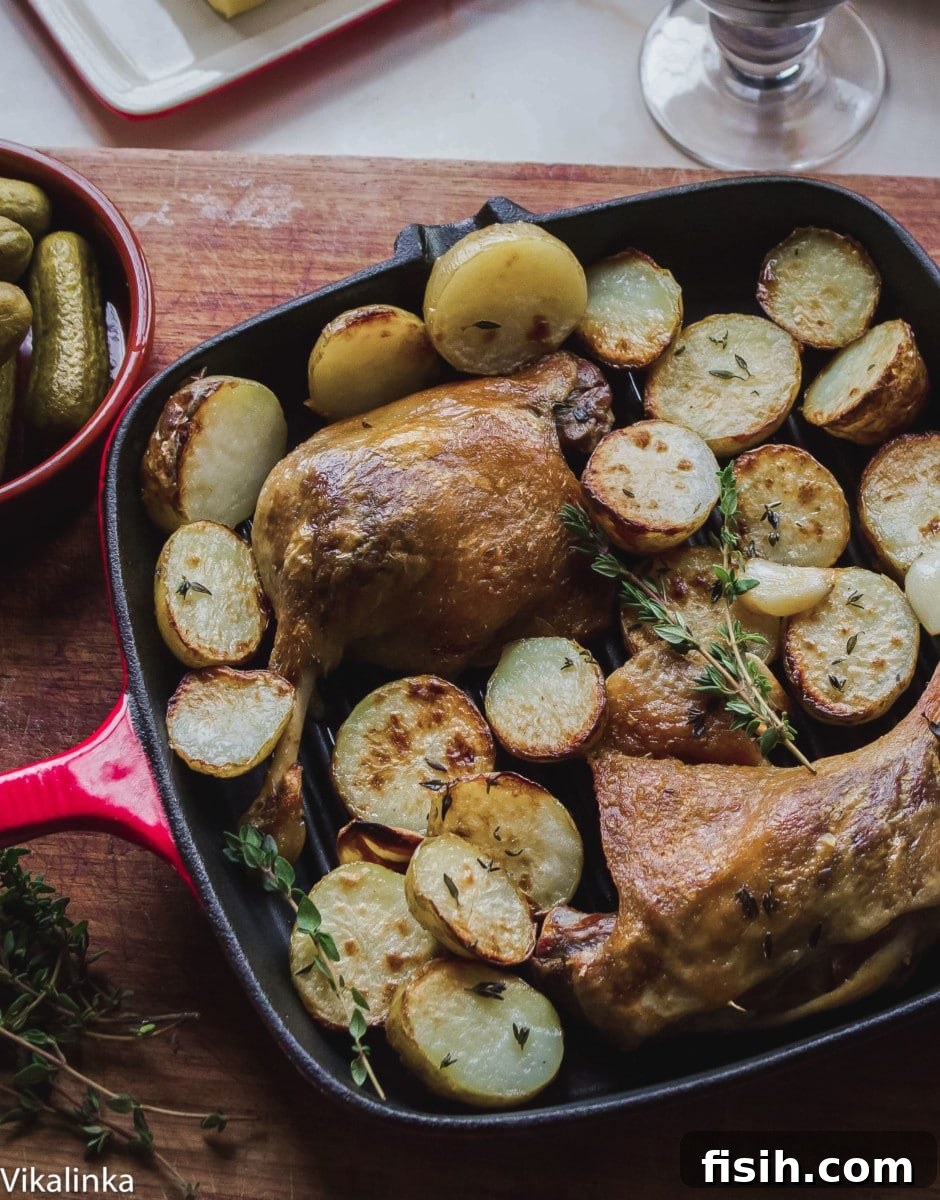
To truly set the scene for our re-imagined Parisian feast, we knew exactly where to begin. Just like our memorable dinner in France, the meal had to start with the foundational elements: crusty bread, rich pâté, and crisp pickles. This simple yet elegant starter immediately transported us back to that charming bistro, where every bite was a celebration of uncomplicated, authentic flavors. These components are more than just appetizers; they are an introduction to the French approach to food – quality ingredients, presented with an understated sophistication that makes every dish feel special.
The goal was to meticulously duplicate the menu from that unforgettable evening, aiming to perfectly capture the cozy ambiance of the French restaurant where we celebrated a decade of marriage. This might sound incredibly ambitious, especially when one considers the global perception of French cuisine as the epitome of culinary art, sophistication, and finesse. Indeed, French cooking often conjures images of complex techniques and elaborate presentations. However, to my delightful surprise, executing this particular French menu was far easier and more enjoyable than anticipated! While French gastronomy certainly encompasses the height of culinary professionalism, it also embraces a pure, earthy tradition of peasant food that is just as, if not more, authentic to the French way of life. These rustic dishes are deliciously gratifying and often surprisingly simple to prepare, making them perfect for home cooks looking to explore genuine French flavors.
Unveiling Duck Confit: A Rustic French Delicacy
Among these truly authentic and satisfying French dishes, Duck Confit stands out as a true gem. In North America, duck confit is typically found only on the menus of upscale restaurants, often perceived as a luxurious, labor-intensive dish reserved for special occasions. However, in many parts of the world, especially in its native France, it is a traditional, rustic dish – far from being perceived as posh. This delightful contradiction highlights its unique appeal: it offers a gourmet experience with humble origins, making it an ideal choice for a romantic dinner that feels both special and deeply comforting.
The term “confit” (pronounced “con-fee”) refers to an ancient French method of cooking and preserving meat in its own fat. Originating hundreds of years ago, long before the advent of refrigeration, this technique was vital for ensuring meat supplies through leaner times. While you might occasionally encounter recipes for “tomato confit” or “pumpkin confit,” these applications are a modern adaptation and a slight misuse of the original, historically rich meaning of the word. Traditionally, confit strictly referred to meat, particularly duck or goose, slowly cooked and then stored submerged in its rendered fat. This process not only preserved the meat but also imparted an incredible tenderness and depth of flavor that is truly unparalleled.
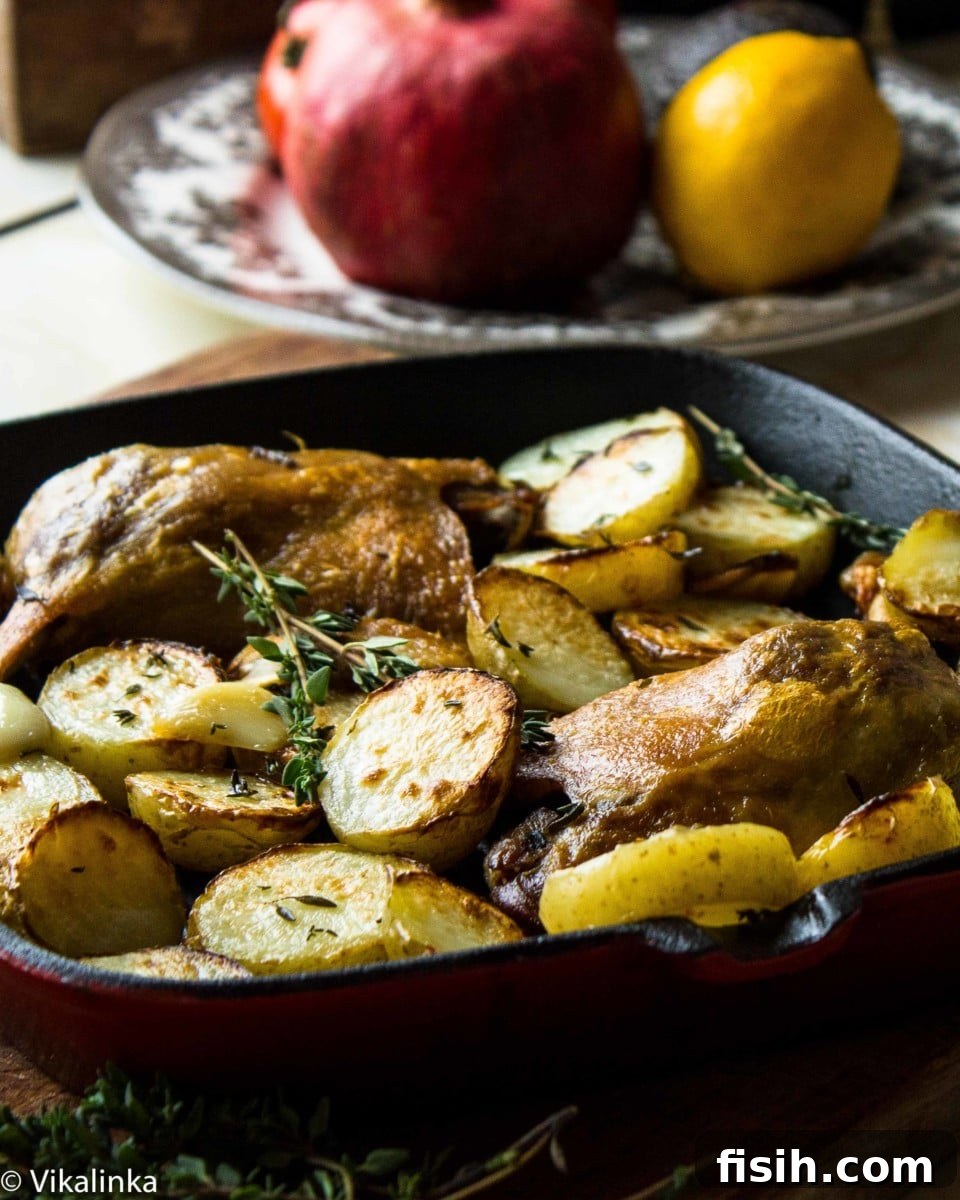
Duck and Roasted Potatoes—for my taste, there is simply no meal more satisfying in the world. While this dish involves several steps, each one is surprisingly simpler than the last, making the entire process approachable for even a novice cook. The magic of confit lies in its transformative power, taking simple ingredients and turning them into something extraordinary.
Crafting Your Own Parisian Experience: Duck Confit Recipe
Ingredients for a Romantic Dinner (Serves 2):
Achieving authentic Duck Confit requires only a few key ingredients, each playing a crucial role in developing its signature flavor and texture. Sourcing quality duck legs and duck fat is paramount for the best results. Don’t be shy about asking your local butcher for advice or special orders if needed.
- Duck legs – 2 large, meaty ones (the tastiest and often most affordable part of the duck). Look for fresh, high-quality duck for optimal flavor.
- Duck fat – Approximately 500 grams (about 1.1 pounds). This is essential for the confit process; it’s what slow-cooks and preserves the duck.
- Thyme – 3-4 sprigs. Fresh thyme adds an earthy, aromatic note that complements the duck beautifully.
- Bay leaf – 2 dried leaves. Another classic aromatic that contributes to the overall complexity.
- Juniper Berries – 4, lightly crushed. These berries impart a subtle piney, citrusy flavor that is traditional in confit.
- Garlic – 2 cloves, split lengthwise. Fresh garlic infuses the duck with a pungent, sweet aroma during the curing process.
- Coarse Salt – 1 tablespoon. Crucial for both curing the duck and enhancing its flavor. Sea salt or kosher salt works best.
- Potatoes – 4-5 medium-sized potatoes. Russet or Yukon Gold varieties are excellent for roasting, providing a creamy interior and crispy exterior.
Step-by-Step Preparation: The Confit Journey
The Night Before: Infusing Flavors
The journey to perfect duck confit begins the evening before your dinner. This crucial overnight step allows the flavors to deeply penetrate the duck meat, tenderizing it and preparing it for the slow cooking process. Start by thoroughly rubbing your duck legs with the coarse salt. Ensure every part of the skin and meat is covered. Then, place the duck legs in a shallow dish. Add the fresh thyme sprigs, bay leaves, lightly crushed juniper berries, and the split garlic cloves. These aromatics will impart an incredible depth of flavor. Cover the dish tightly with plastic wrap and refrigerate overnight. This dry-curing process draws out moisture and seasons the duck from within, a fundamental step for authentic confit.
The Day Of: Slow Cooking Perfection
On the day of your dinner, retrieve the duck from the refrigerator. It is imperative to brush off *all* the salt from the duck legs. Do not skip this step, as any residual salt will make your duck unpleasantly salty. A quick rinse under cold water followed by thorough patting dry with paper towels can also help, ensuring no excess salt remains. Transfer the duck legs and the aromatics (thyme, bay leaf, juniper berries, garlic) from the shallow dish into an oven-proof dish. Now comes the defining moment of confit: completely cover the duck legs with duck fat. I am not exaggerating – the duck legs must be fully submerged, literally “swimming in the fat.”
Before you run away screaming about the amount of fat, allow me to assure you: you will not be consuming all of this fat. The vast majority of it remains in the dish, acting as a gentle cooking medium. The small amount that will eventually crisp up the duck skin is not only delicious but, in moderation, perfectly acceptable as part of a balanced meal. Remember, “confit” is a traditional method of cooking and preserving meat in its own fat, a technique developed centuries ago as a practical means of preservation long before refrigeration existed. This slow, low-temperature cooking in fat renders the meat incredibly tender and succulent, while the fat itself becomes a flavorful byproduct that can be reused for other culinary applications.
With the duck legs submerged, cook them in a preheated oven at a low temperature of 250°F (120°C) for approximately 2 hours. The exact time may vary slightly depending on your oven and the size of the duck legs, but the goal is to achieve fall-off-the-bone tenderness. At the end of this phase, your duck meat should be incredibly tender and juicy, though it might not look particularly appetizing at this stage – it will appear pale and submerged. But don’t worry, the transformation is not yet complete!
The Grand Finale: Crispy Finish & Roasted Potatoes
Carefully remove the oven-proof dish from the oven. Using a pair of tongs, gently lift the duck legs out of the fat and place them on a plate lined with paper towels to pat off any excess fat. This step is crucial for achieving that coveted crispy skin. Next, prepare your potatoes. Slice the potatoes into thick, even pieces. You can pre-boil your potatoes for about 5-7 minutes before roasting to ensure they cook evenly and become perfectly tender at the same time as the duck. While I sometimes skip this step for rustic appeal, pre-boiling guarantees a consistently soft interior. Arrange the par-cooked or raw thickly sliced potatoes in a roasting pan. If desired, you can place a few sliced garlic cloves beneath the duck legs for added flavor. Place the duck legs on top of the potatoes. Drizzle a bit of that delicious rendered duck fat over your potatoes – trust me, nothing else will make them taste quite as good. Sprinkle generously with additional fresh thyme, salt, and freshly ground black pepper.
Roast the duck and potatoes in the oven at a higher temperature of 400°F (200°C) for about 30 minutes, or until the duck skin is beautifully crispy and golden brown, and the potatoes are tender and perfectly caramelized. The aroma filling your kitchen at this stage will be nothing short of divine, a true testament to the magic of French cooking.
The Unforgettable Taste: A Culinary Triumph
This recipe is truly a culinary gem, deceptively simple to execute yet yielding absolutely matchless results. The final dish presents a symphony of textures and flavors: incredibly tender and delicate duck meat that practically melts in your mouth, encased in a gloriously crispy, full-flavored skin. Each bite is a journey to the French countryside, an experience that transcends mere sustenance. The roasted potatoes, cooked in flavorful duck fat and seasoned with thyme, achieve a perfect balance of crispy edges and fluffy interiors, making them the ideal accompaniment to the rich duck.
I must admit, I am profoundly glad that the first time I ever tasted this delicacy was in a restaurant in Paris. Had I known how it was prepared then, with the duck submerged in fat, I might have hesitated! But once I experienced the heavenly taste of this old French country classic, I was determined to do anything to have it again. The richness, the tenderness, the aromatic spices – it all combines to create a dish that is both comforting and profoundly gourmet. To elevate your romantic dinner even further, consider serving your Duck Confit with a simple, crisp green salad dressed with a light vinaigrette to cut through the richness, and a robust glass of French red wine, perhaps a Pinot Noir or a Cabernet Franc, which would beautifully complement the duck’s rich flavors.
Why Duck Confit is a Must-Try
I cannot urge you enough to venture to your local supermarket, butcher, or even connect with a duck farmer or friend – whatever source you use for your food – and purchase a few duck legs. They are often one of the most affordable and certainly the tastiest parts of the bird. This recipe proves that you don’t need exotic ingredients or complex techniques to create a truly luxurious and memorable meal at home. It’s an investment of time, yes, but the hands-on effort is minimal, and the reward is immense. You will not regret trying this authentic French delight. It’s perfect for anniversaries, Valentine’s Day, or any occasion where you want to infuse your meal with a touch of romance and sophisticated simplicity. C’est magnifique!
Note: This delectable Duck Confit recipe was adapted from “Jamie Does France” by the renowned chef Jamie Oliver, proving that even classic French dishes can be made accessible and enjoyable for the home kitchen.