
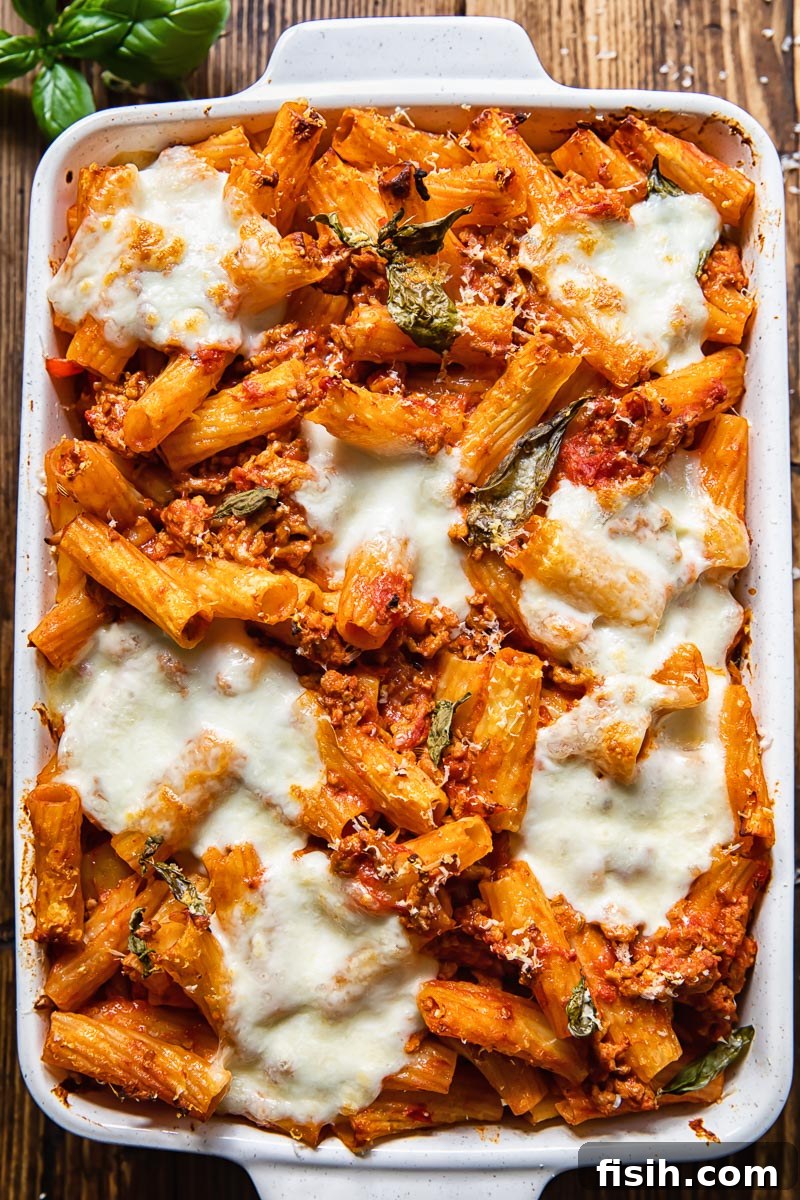
Welcome to the cozy world of Italian comfort food, where every season brings a reason to celebrate pasta. While spring might call for light, fresh preparations, and summer for vibrant, garden-fresh sauces, when the crisp air of autumn descends and winter’s chill sets in, there’s one dish that truly reigns supreme: Pasta al Forno. This isn’t just any baked pasta; it’s a culinary masterpiece that captures the hearty essence of a bubbling, molten lasagna with significantly less effort. Imagine a rich, slow-simmered tomato sauce infused with savory Italian sausage and a subtle hint of fennel seed, generously coating al dente rigatoni, all crowned with a glorious layer of melting, chewy cheese. As the days grow shorter and temperatures drop, Pasta al Forno becomes the ultimate invitation to gather, savor, and warm up from the inside out.
For those who prefer alternatives to pork, a delicious baked ziti offers a beefy, rich, and wonderfully tomatoey experience, proving that the ‘al forno’ method is truly versatile. Whether you opt for sausage or beef, the magic of oven-baked dishes lies in their ability to retain heat longer than their stovetop counterparts. This makes them ideal for chilly evenings and perfect for families with varying dinner schedules, ensuring everyone enjoys a warm, comforting meal at their own pace.
Understanding Pasta al Forno: The Art of Italian Baked Pasta
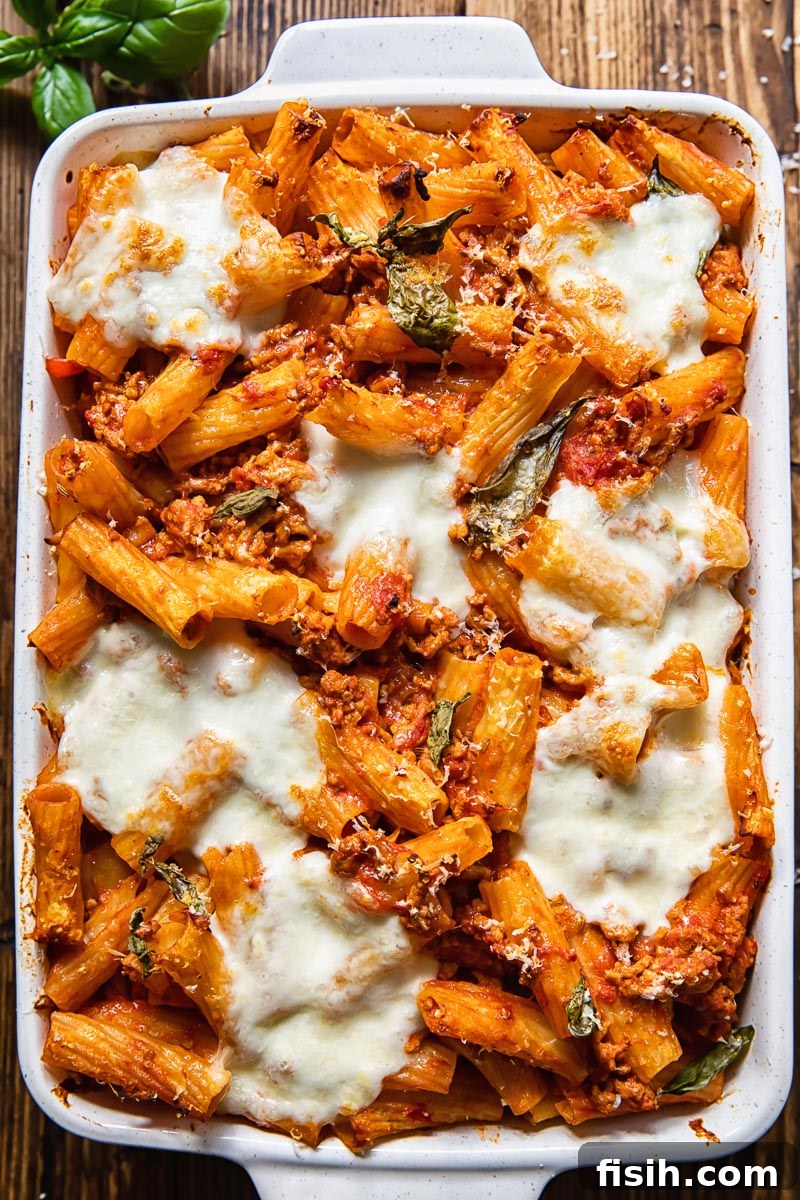
The term “al forno” is Italian for “to the oven,” signifying a cooking method rather than a specific dish. This simple phrase encompasses a wide array of Italian foods prepared by baking, including beloved classics like pizza, various pasta dishes, fish, vegetables (especially eggplant parmigiana), and artisanal bread. At its heart, Pasta al Forno is Italy’s answer to the ultimate pasta bake – a dish deeply rooted in history and communal tradition.
Historically, the “al forno” method gained prominence in Southern Italy during the Middle Ages. In many towns and villages, wood-fired ovens were communal focal points, and families would bring their prepared dishes to be baked. This communal approach fostered a resourceful culinary practice, often transforming leftover pasta from the previous day into a new, hearty meal. Bits of pasta, meat scraps, seasonal vegetables, and leftover cheese would be combined in a casserole dish, then transported to the local oven for a quick, intense blast of heat. The result? A simple yet profoundly satisfying Pasta al Forno, a testament to efficiency and deliciousness.
While this recipe offers a meticulously crafted guide, remember that Pasta al Forno celebrates adaptability. Feel free to use it as a foundation to build your own unique baked pasta, incorporating ingredients you love and have readily available.
Creative Substitutions and Flavorful Variations
One of the true joys of Pasta al Forno lies in its incredible flexibility. This dish is designed to be personalized, allowing you to adapt it to your family’s tastes, dietary preferences, and what’s in season. My version, featuring Italian sausage, is a perennial favorite, especially for its rich flavor and the convenience of store-bought links. However, the possibilities for customization are endless.
Choosing Your Pasta Shape
The right pasta shape is crucial for a successful baked dish. You’ll want sturdy pasta that can withstand being cooked twice—once on the stovetop and again in the oven—and has plenty of nooks and crannies to capture the rich sauce and melted cheese. Shapes like rigatoni (our choice here, known for its ridges and broad tubes), penne, ziti, or even larger shells (conchiglie) work beautifully. These robust shapes not only hold their form but also ensure every bite is bursting with flavor and texture. Avoid delicate, thin pastas that might become mushy under the heat of the oven.
Meat or Meatless: Crafting Your Protein Base
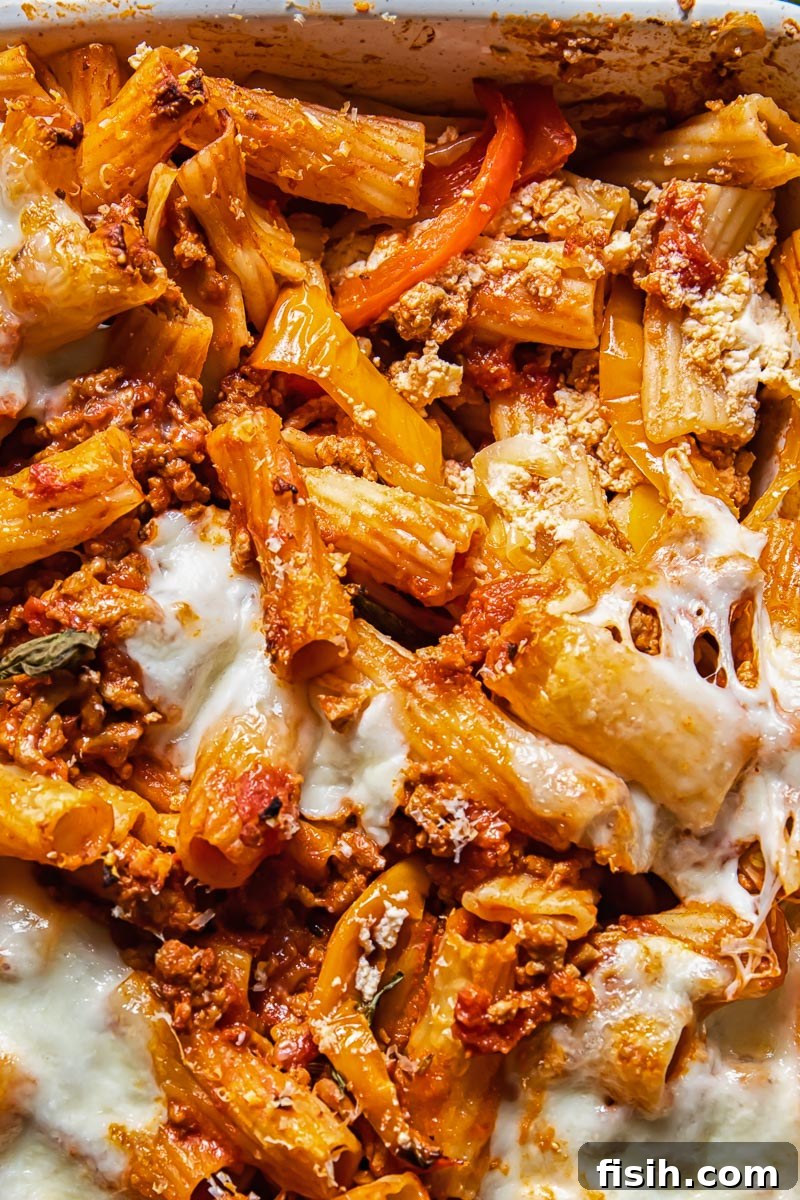
If Italian sausage isn’t your preference, the recipe is easily adapted. Ground beef or pork can be substituted for an intensely rich and meaty sauce. For an even deeper flavor profile, consider a ragù-style blend of half minced beef and half minced pork, slow-cooked to perfection. For poultry lovers, ground chicken or turkey can offer a lighter alternative without sacrificing flavor, especially when seasoned well. Alternatively, for a delightful meat-free experience, embrace the bounty of roasted vegetables. Beyond the bell peppers already in this recipe, adding zucchini, eggplant, mushrooms, or even hearty chickpeas can create a satisfying vegetarian Pasta al Forno that’s rich in texture and nutrients.
The Magic of Cheese and Sauce Enhancements
While mozzarella and Parmesan are classic choices for their melty texture and sharp flavor, don’t hesitate to experiment with other cheeses. A layer of creamy ricotta cheese (as used in this recipe) adds a wonderful softness, while provolone offers a slightly sharper, more piquant note. For a smoky depth, try smoked mozzarella or a hint of smoked gouda. The sauce itself can also be tweaked: a splash of red wine can add complexity, a pinch of red pepper flakes for heat, or fresh herbs like parsley and oregano can brighten the flavors. The inclusion of fennel seeds in this recipe is a particular highlight, adding a distinctive aromatic warmth that complements the sausage and tomato perfectly.
Essential Recipe Tips and Notes for Perfect Pasta al Forno
- Season Your Pasta Water: Always salt your pasta boiling water generously. This is your first and best opportunity to season the pasta itself, preventing it from tasting bland and helping to prevent stickiness. Think of it as seasoning the foundation of your dish.
- Cook Pasta Al Dente: Since the pasta will continue to cook in the oven, it’s crucial to remove it from the boiling water just before it’s fully done – a minute or two shy of al dente. This ensures it doesn’t turn mushy during the baking process, retaining a pleasant chew.
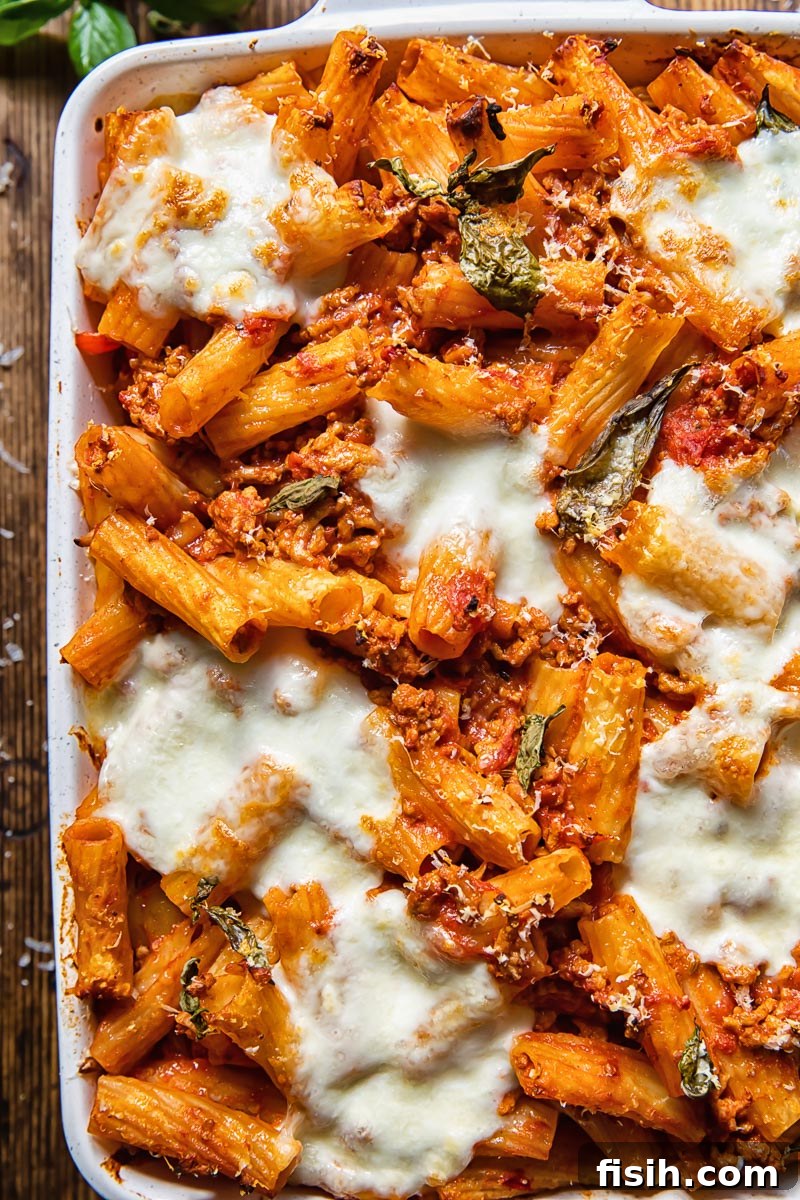
- Choose the Right Pasta: As mentioned, short, ridged, or tubular pasta shapes are ideal. Rigatoni, with its wide tubes and deep ridges, excels at trapping both the hearty sauce and pockets of melted cheese, making every forkful incredibly flavorful. Other excellent choices include penne, ziti, or even large shell pasta.
- Don’t Fear a Runny Sauce: A sauce that seems slightly too thin before baking is exactly what you want. The pasta will absorb a significant amount of liquid as it bakes in the oven, preventing the final dish from drying out. Adding a cup of reserved pasta water to the sauce is a brilliant trick to ensure moisture and bind the sauce beautifully, thanks to the starch it contains.
- Embrace Versatility: This recipe is incredibly adaptable. Don’t feel confined by the ingredient list. Authentic regional variations of Pasta al Forno can include surprising additions like slices of hard-boiled eggs or even small meatballs layered within the dish, adding extra richness and texture.
- The Béchamel Boost: For a truly decadent, lasagna-like experience, consider adding a layer of creamy béchamel sauce instead of or in addition to ricotta cheese. Béchamel lends an unparalleled richness and silkiness that elevates the dish to new heights. You can find excellent béchamel recipes, such as the one used for a chicken lasagna, or opt for a quick and simple, luxuriously creamy Alfredo sauce using just a few ingredients in minutes.
Perfect Pairings: Serving Suggestions for Pasta al Forno
The beauty of this hearty Italian pasta bake is that it truly stands alone as a complete meal, offering a delightful balance of carbohydrates, protein, and vegetables. However, to elevate the dining experience or stretch the servings, consider pairing it with a few complementary sides.
A crusty bread is a must-have for soaking up every last drop of the luscious tomato sauce. A warm, springy focaccia bread, perhaps studded with rosemary and sea salt, makes an excellent companion. Alternatively, a simple baguette or Italian ciabatta provides a perfect textural contrast.
To balance the richness of the pasta, fresh green sides are highly recommended. Steamed or roasted vegetables like crisp green beans with Parmesan cheese or tender roasted Parmesan broccoli infused with garlic and chili are fantastic choices. Their vibrant flavors and slight bitterness cut through the creamy tomato sauce beautifully. For a refreshing counterpoint, an Italian-style salad is ideal. A classic Caprese salad with ripe tomatoes, fresh mozzarella, and aromatic basil, or a rustic Panzanella salad featuring toasted bread and a medley of fresh vegetables, will bring a lively zing of fresh herbs and acidity to your table.
Storage and Leftovers: Enjoying Your Pasta al Forno Longer
Pasta al Forno is an excellent candidate for batch cooking and meal prepping, making it a favorite among busy households. Consider doubling the recipe: enjoy one portion fresh from the oven, and save the other for later.
For freezing, allow the unbaked portion to cool completely after assembly. Once cooled, cover the baking dish tightly with a layer of clingfilm, followed by a layer of aluminum foil, ensuring it’s completely sealed to prevent freezer burn. It will keep beautifully in the freezer for up to four months. When you’re ready to enjoy it, simply transfer it to the refrigerator to defrost overnight before baking according to the recipe instructions.
Any leftover baked Pasta al Forno can also be frozen, provided it cools completely first. Alternatively, refrigerate covered leftovers for up to three days. When reheating, if the pasta appears a little dry, add a splash of water or a bit of chicken broth to the dish before warming it in the oven. This helps to rehydrate the pasta and revive the sauce, ensuring a moist and delicious meal the second time around.
Discover More Baked Pasta Delights
If you love the convenience and comfort of baked pasta dishes, explore these other fantastic recipes:
- Layered Italian Baked Mac and Cheese
- Easy Stuffed Shells with Pesto and Tomato Beef Sauce
- Sausage Pasta Bake with Mozzarella
- Baked Penne alla Vodka with Meatballs
Pasta al Forno
Julia Frey of Vikalinka
10 mins
1 hr 10 mins
6
Ingredients
- 3 bell peppers, red, yellow or orange
- 1 white onion
- 2 tbsp olive oil, divided
- 450 g / 1 lb pasta, such as rigatoni
- 450 g / 1 lb Italian sausage, casings removed
- 1 tsp fennel seeds
- 400 g / 14 oz canned chopped tomatoes
- 500 ml / 2 cups tomato passata, or crushed tomatoes
- 4-5 basil leaves sliced, or 1/2 tsp dried basil
- 1/2 tsp dried oregano
- 250 g / 8 oz ricotta cheese
- 150 g / 5 oz mozzarella cheese, fresh mozzarella balls sliced or shredded mozzarella
- 2 tbsp grated Parmesan cheese
- Salt to taste
Instructions
-
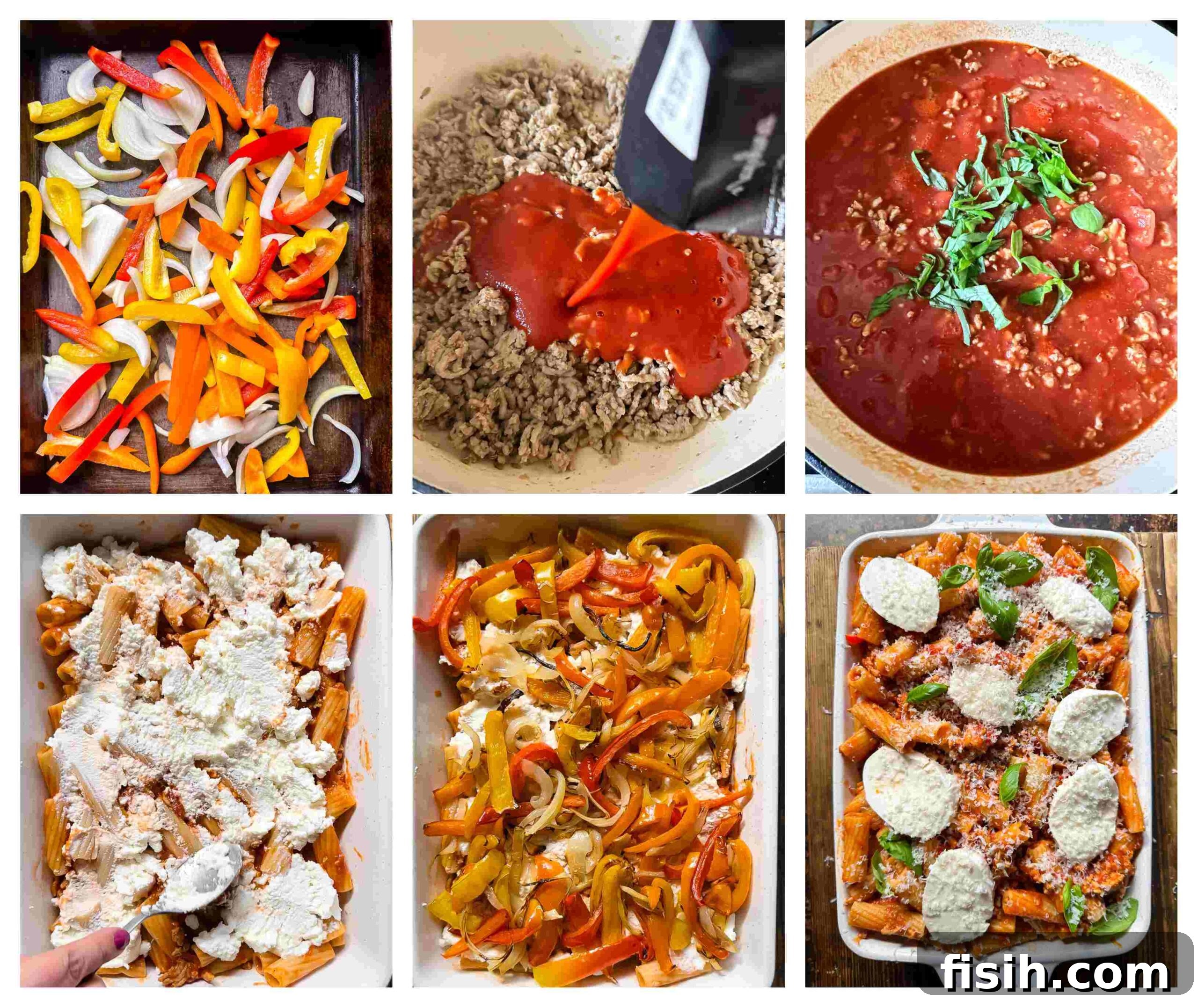
Preheat the oven to 225C/450F. Slice the bell peppers and onions and arrange on a large baking sheet. Sprinkle with 1 tbsp of olive oil, toss to coat, and roast in the preheated oven for 20 minutes until slightly charred and cooked through. Remove the peppers from the oven and turn the temperature down to 190C/375F.
-
Set a large pot of salted water to boil and cook pasta according to package instructions, ensuring it is al dente (slightly firm) as it will continue cooking in the oven.
-
In a large pan, heat 1 tbsp of olive oil. Add the Italian sausages (casings removed), breaking them up with a spoon as they cook until nicely browned. Stir in the fennel seeds and cook for another 30 seconds to toast them. Pour in the canned chopped tomatoes, tomato passata, and 1 cup/250ml of water (you can rinse out the tomato can with this water to get all the goodness).
-
Add the basil, oregano, and a pinch of salt to the sauce. Bring to a boil, then reduce the heat to medium-low, cover with a lid, and simmer for 20 minutes to allow the flavors to meld.
-
Drain the cooked pasta, reserving 1 cup of the starchy pasta water. Add the drained pasta and the reserved pasta water to the simmering sauce and toss gently to ensure the pasta is fully coated.
-
Transfer half of the pasta mixture to a rectangular 9×13 inch baking dish. Spread a layer of ricotta cheese over the pasta, followed by a layer of the roasted bell peppers and onions. Add the remaining half of the pasta mixture. Top with slices of fresh mozzarella balls or an even layer of shredded mozzarella. Scatter a few fresh basil leaves over the top and finish with a generous grating of Parmesan cheese. Bake in the preheated 190C/375F oven for 20-23 minutes, or until the cheese is bubbly and golden, and the pasta is heated through.
Nutrition information is automatically calculated, so should only be used as an approximation.