
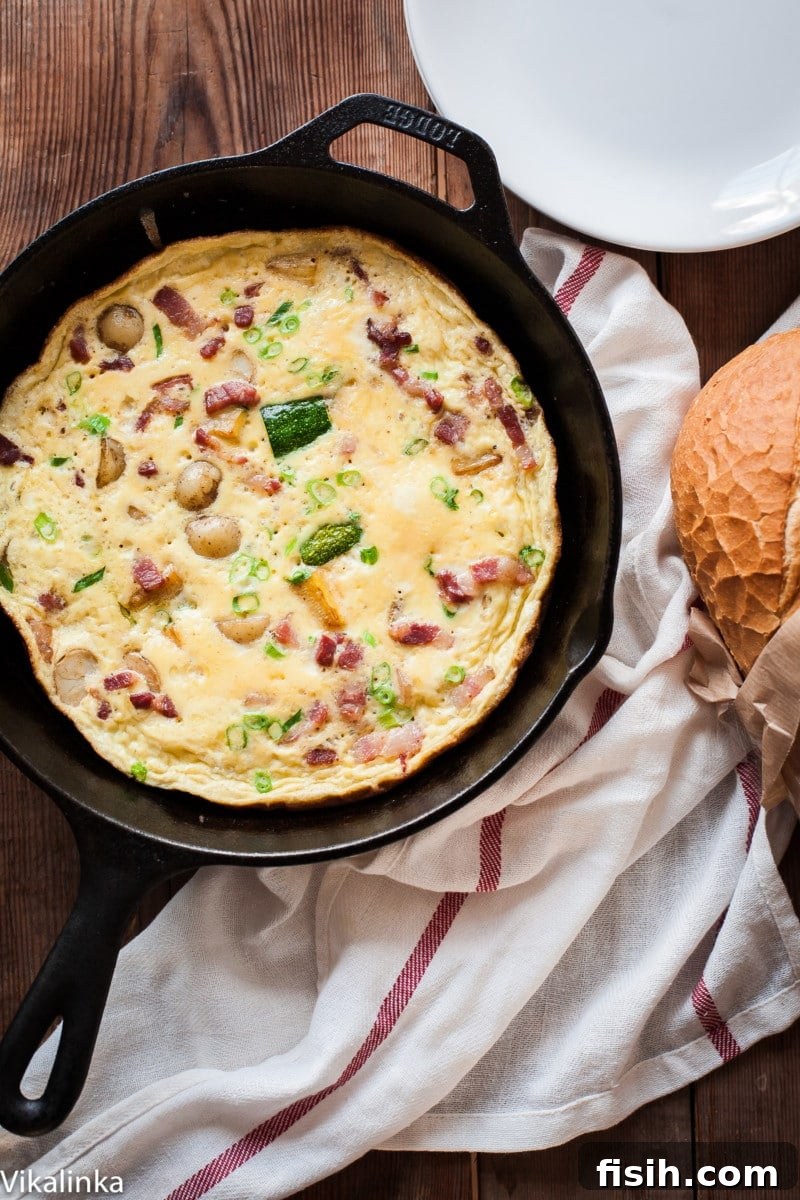
Effortless Omelette: Your Go-To Recipe for a Delicious Bacon, Potato & Zucchini Omelette (No Folding Required!)
Are you ready to conquer your fear of omelette making? This recipe for an easy, no-fold omelette packed with savory bacon, tender potatoes, and fresh zucchini will revolutionize your breakfast, brunch, or even dinner routine. Forget the fuss; embrace the flavor with this satisfying and simple approach to a classic dish.
For those seeking to explore more delightful French classics, you might also enjoy my Croque Monsieur sandwich – another timeless recipe that’s surprisingly easy to master!
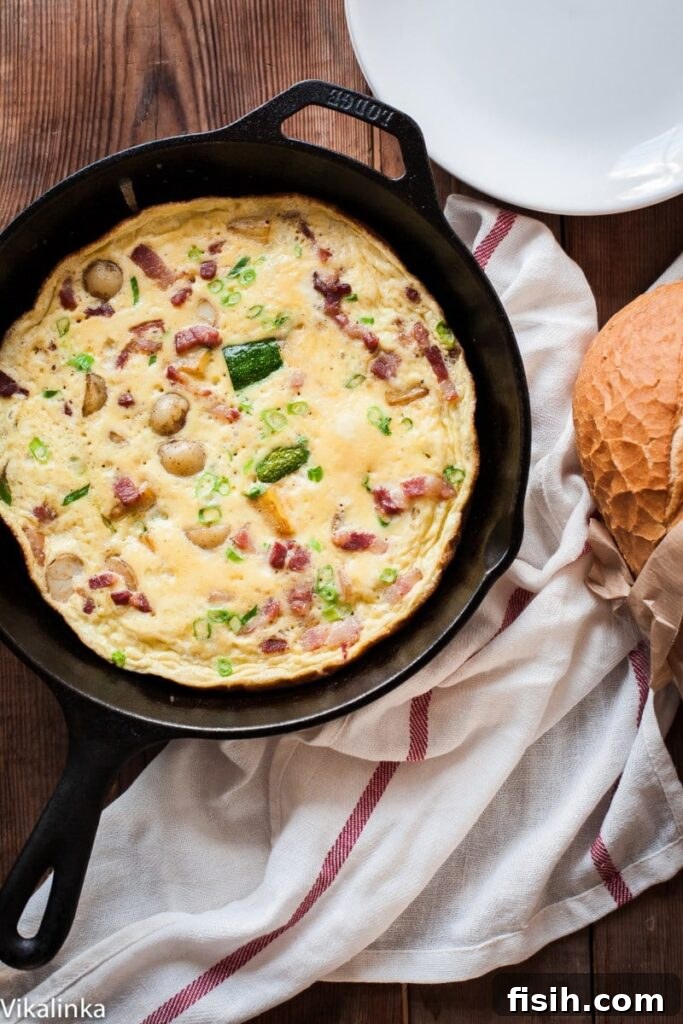
Dispelling the Myth: Omelettes Are Not Fussy!
Omelettes often carry an undeserved reputation for being tricky and intimidating. While mastering the perfectly rolled, fluffy French omelette does indeed require a bit of practice and technique, there’s absolutely no reason why everyday home cooks can’t enjoy this versatile and nutritious dish without the pressure of perfection. In fact, many delicious variations exist that are incredibly forgiving and just as delightful.
My love for omelettes stems from their sheer simplicity, adaptability, and incredible taste. Growing up, a warm, savory omelette was my go-to after-school snack, a comforting and quick meal that always hit the spot. That appreciation has only deepened over the years, and I continue to cherish them as a cornerstone of easy, satisfying cooking.
The Foundation: What Goes into a Basic Omelette?
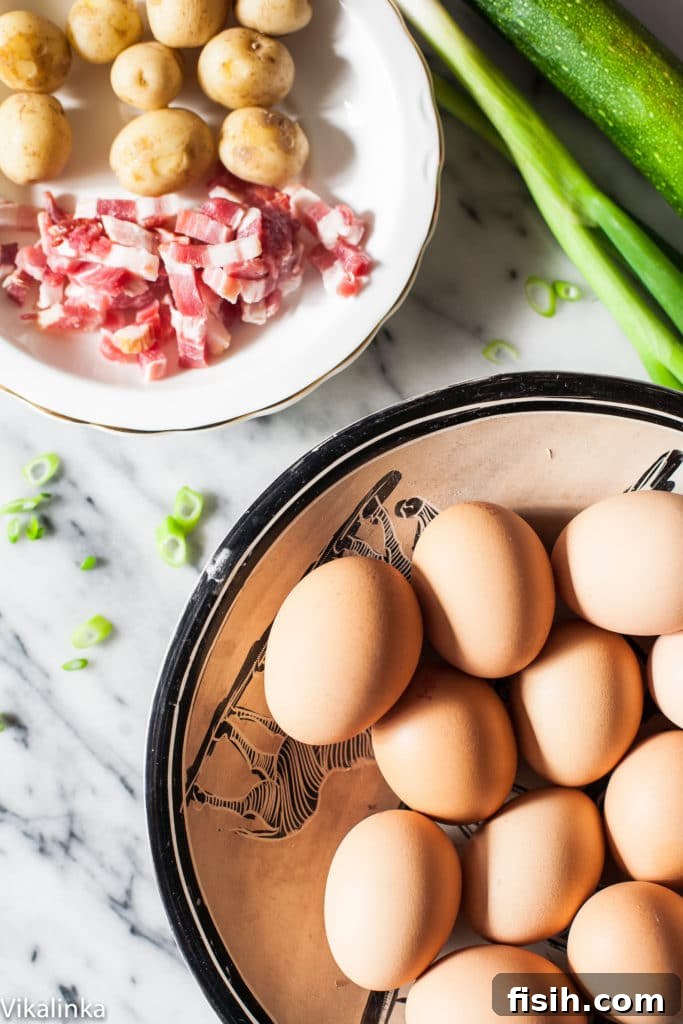
At its heart, a classic omelette is surprisingly simple, requiring just a few core ingredients. The essential building blocks are eggs and a liquid, typically milk or water, along with a generous pinch of salt and pepper for seasoning. The quality of these basic components can significantly impact the final taste and texture of your omelette.
When it comes to the liquid, I personally prefer using whole milk. Its higher fat content contributes to a richer, creamier texture and a more luxurious mouthfeel, making the omelette feel more indulgent. However, if you’re mindful of calories or prefer a lighter consistency, skim milk works perfectly well. Some culinary enthusiasts even advocate for adding a splash of water instead of milk, claiming it produces a lighter, fluffier result by creating more steam during cooking. Ultimately, the choice between milk and water is a matter of personal preference and experimentation. Don’t be afraid to try both to see which you enjoy more!
Beyond the basics, proper seasoning is non-negotiable. A good pinch of salt enhances the natural flavor of the eggs, while freshly ground black pepper adds a subtle warmth and aroma. Remember to season your egg mixture adequately before cooking, as it’s much harder to distribute seasoning evenly once the omelette is in the pan.
The Game-Changer: How to Make a No-Fold Omelette
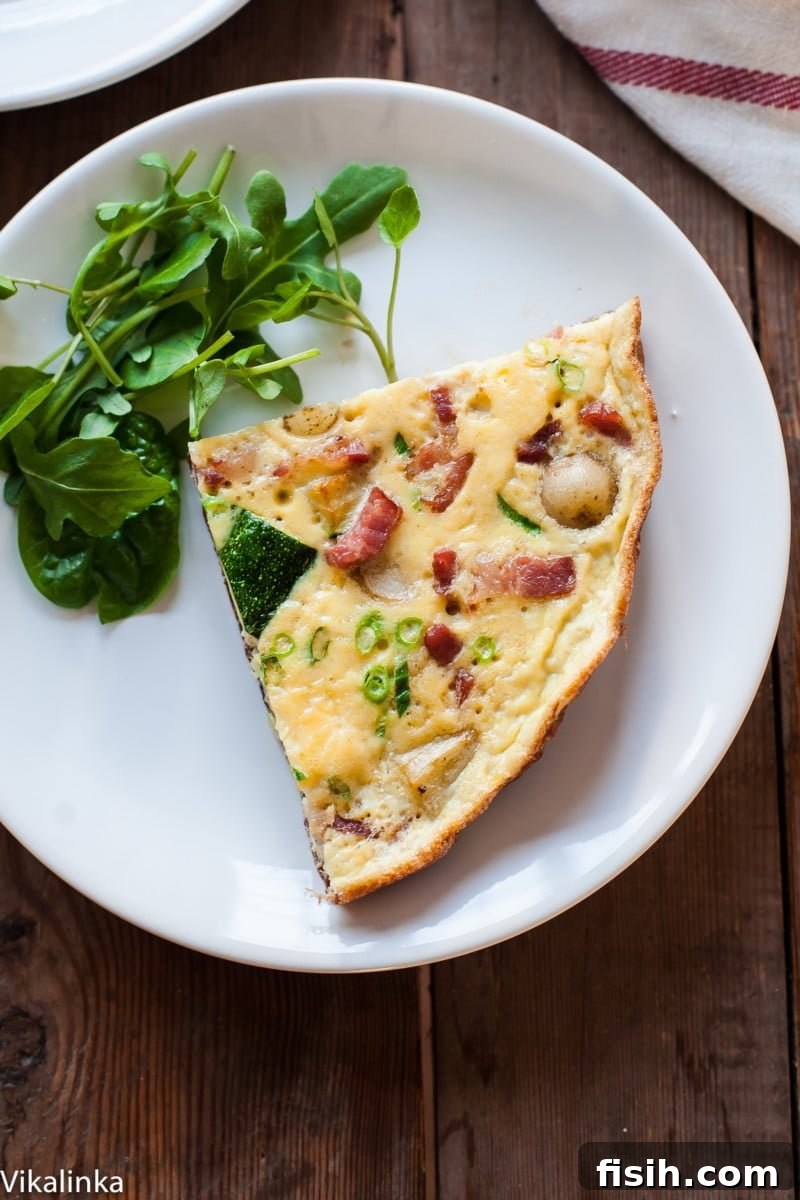
For many, the most daunting aspect of preparing a French omelette is the elusive “fold.” Achieving that perfectly crescent-shaped, tender interior often deters home cooks from attempting this otherwise simple dish. But here’s the liberating truth: you absolutely do not have to fold it!
That’s right, just skip the folding altogether and still enjoy an authentic, deeply satisfying French-style omelette more often. My mother, a seasoned cook, never bothered with the intricate fold, and I’ve proudly followed in her footsteps. What’s more, I recently discovered that even the renowned Barefoot Contessa herself, Ina Garten, bypasses the folding step in her book “Back to Basics.” If Ina Garten, a culinary icon, finds it unnecessary, then why should we mere mortals fuss over it?
The key to a successful omelette, folded or not, lies in two crucial steps. First, whisk your eggs and milk (or water) vigorously until the mixture is light and frothy. This incorporates air, which contributes to a more tender and airy texture in the final product. Second, and equally important, is to have all your ingredients prepped and ready before you even touch the heat. Omelettes cook incredibly quickly, and you won’t have time to chop, peel, or gather anything once the eggs hit the hot pan. Mis en place, as the French say, is paramount here. This ensures a smooth, stress-free cooking experience and prevents overcooked eggs.
Unleash Your Creativity: Endless Omelette Fillings and Variations
One of the most appealing aspects of an omelette is its incredible versatility. The real answer to “what else can you add?” is anything your heart desires and your pantry holds! Eggs are remarkably complementary and pair beautifully with a myriad of ingredients, making omelettes a fantastic way to use up leftovers or experiment with new flavor combinations.
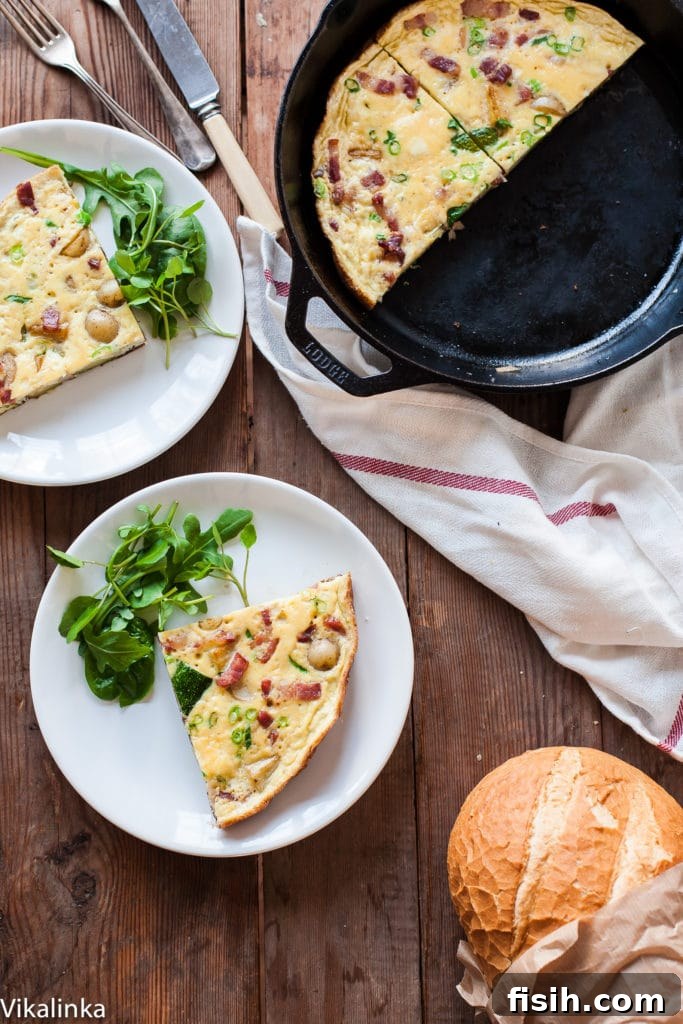
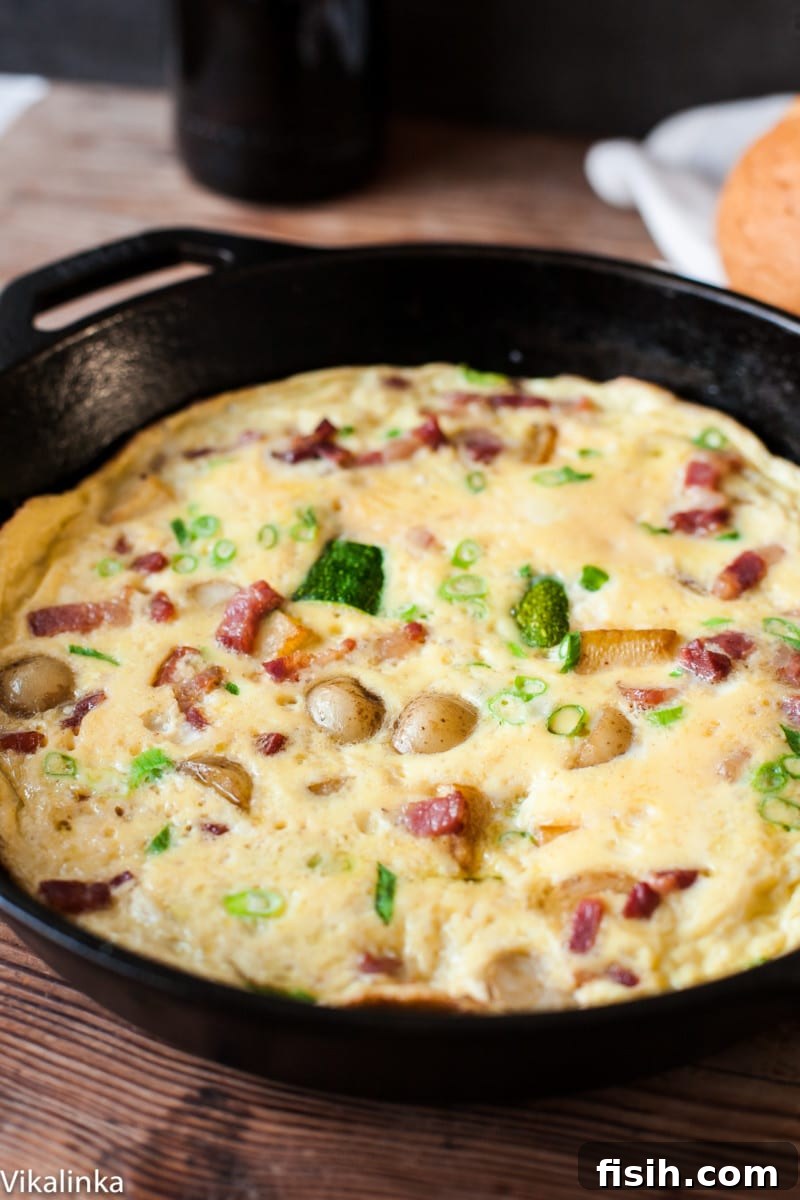
In this particular recipe, I’m suggesting a harmonious trio of classic additions: crispy bacon, tender potatoes, and vibrant zucchini (also known as courgettes). These ingredients create a hearty, flavorful, and wonderfully balanced meal. It’s crucial to remember that since eggs cook very quickly, any substantial fillings like bacon, potatoes, and zucchini need to be pre-cooked before being added to the omelette mixture. This ensures they are fully tender and flavorful by the time the eggs are set.
Beyond the Basics: Exciting Additions
While this specific recipe doesn’t include cheese, it would be an absolutely welcome and delicious addition. My top recommendations would be sharp cheddar for a bold, familiar flavor, or Gruyère for a more sophisticated, nutty, and melty experience. A sprinkle of crumbled feta or goat cheese could also introduce a lovely tangy note.
Fresh herbs are another fantastic way to elevate your omelette. A handful of chopped parsley, fragrant dill, or subtle tarragon can infuse so much brightness and complexity into the dish. Chives offer a delicate oniony flavor without being overpowering, and a touch of fresh basil can be wonderful with certain vegetable combinations.
Don’t stop there! Consider sautéed mushrooms, wilted spinach, diced bell peppers, or caramelized onions for more vegetable variety. For additional protein, cooked ham, shredded chicken, or even smoked salmon can transform your omelette into a truly gourmet experience. The key is not to overcrowd the omelette with too many cold or wet ingredients, as this can prevent the eggs from cooking evenly and might lead to a watery result. Aim for balanced flavors and textures.
An Omelette for Every Occasion: Versatility on Your Plate
Omelettes are truly a culinary chameleon, serving as a quick, nutritious, and incredibly satisfying option for virtually any meal of the day. They transcend the boundaries of breakfast, making delightful and easy choices for brunch, lunch, or even a light, wholesome dinner.
For a complete and balanced meal, especially when enjoyed for lunch or dinner, pairing your hearty omelette with a crisp green salad is a fantastic idea. The freshness and acidity of the salad beautifully complement the richness of the eggs and fillings, creating a harmonious plate. A slice of crusty bread on the side is also wonderful for soaking up any remaining flavors.
If you find yourself feeling a bit more ambitious and eager to delve deeper into the world of French cuisine, I wholeheartedly recommend trying my recipe for Classic Coq au Vin. While a bit more involved than an omelette, it’s a truly rewarding one-pot dinner that showcases the depth and richness of traditional French cooking. But for everyday ease and comfort, this easy omelette with bacon, potatoes, and zucchini remains a beloved and reliable choice.
Rating: 5 out of 5 stars based on 13 votes
French Omelette with Bacon, Potatoes and Zucchini
By Julia Frey of Vikalinka
Prep: 15 mins
Cook: 10 mins
Total: 25 mins
Servings: 2

Print Recipe
This recipe for an easy omelette with bacon, potatoes and zucchini, that you don’t have to fold, is just as delicious and very satisfying!
Equipment
-
Cast iron skillet or non-stick frying pan
Ingredients
- 1 tbsp olive oil
- 50g / 2oz bacon lardons or 4 bacon strips, chopped
- 1 medium potato, boiled and diced
- 1 small courgette/zucchini, cut into 1/2″ dice
- 4 eggs
- 2 tbsp whole milk
- 1 spring onion, sliced
- salt to taste
Instructions
- Prepare all ingredients by chopping and dicing as instructed.
- Heat 1 tbsp of olive oil in a medium-sized pan over medium heat. Add the bacon and cook for about 5 minutes until most of the fat has rendered and the bacon is slightly crispy.
- Remove the cooked bacon from the pan and place it on a paper towel-lined plate to drain. Set aside. In the same pan, add the diced potato and courgettes with a pinch of salt. Cook until they are tender and golden brown, stirring occasionally.
- While the potatoes and courgettes are cooking, whisk the eggs, milk, and a pinch of salt together in a small bowl until frothy.
- Once the vegetables are cooked, pour the whisked egg mixture into the pan. Immediately scatter the cooked bacon bits and sliced spring onion evenly over the eggs. Reduce the heat to low, cover the pan with a lid, and cook for 5-7 minutes, or until the eggs are completely set and lightly golden on the bottom.
- Serve immediately, ideally with a fresh green salad on the side for a complete meal.
Nutrition
Calories: 381 kcal | Carbohydrates: 18g | Protein: 19g | Fat: 26g | Saturated Fat: 7g | Cholesterol: 345mg | Sodium: 316mg | Potassium: 886mg | Fiber: 4g | Sugar: 4g | Vitamin A: 731IU | Vitamin C: 31mg | Calcium: 114mg | Iron: 5mg
Nutrition information is automatically calculated, so should only be used as an approximation.
Tried this recipe? Let us know how it was!