
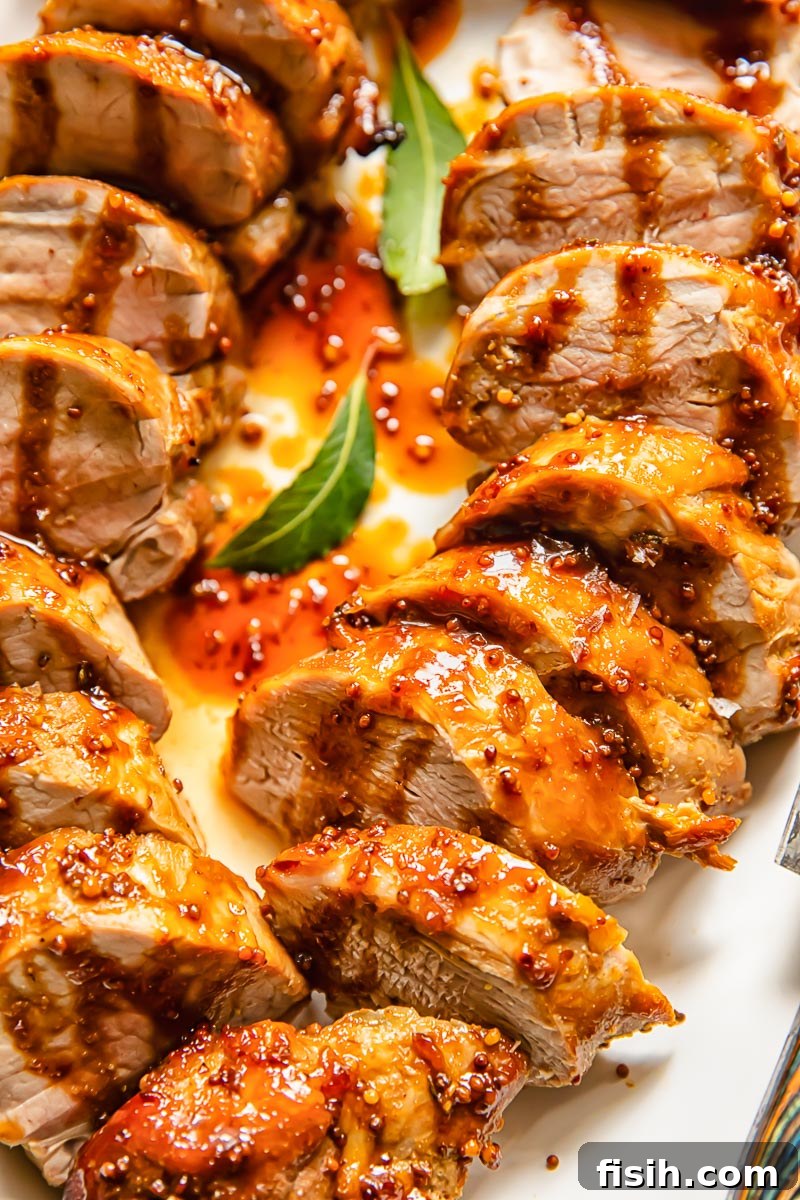
Mustard and molasses glazed pork tenderloin is more than just a midweek treat; it’s a culinary revelation that transforms a simple meal into an extraordinary dining experience. This slender, lean cut of pork cooks to perfection in under 30 minutes, cloaked in a deeply flavored glaze that strikes a mouthwatering balance between sweet and savory, with a delightful hint of tang. It’s the ideal choice for those seeking a quick, elegant, and irresistibly delicious main course.
It’s important to clarify that pork tenderloin is not the same as pork loin. While both are cuts from the pig’s back, they differ significantly in size, fat content, and ideal cooking methods. Pork tenderloin, often called the “pork fillet” or “pork mignon,” is a long, thin, and exceptionally lean muscle. If your preference leans towards a chunkier cut with a more substantial fat cap for slow roasting, then you’d be looking for a classic pork loin recipe. For this dish, we celebrate the tenderloin’s unique qualities, which shine brightest with a swift, high-heat preparation.
The Essence of Pork Tenderloin: Selection and Cooking Principles
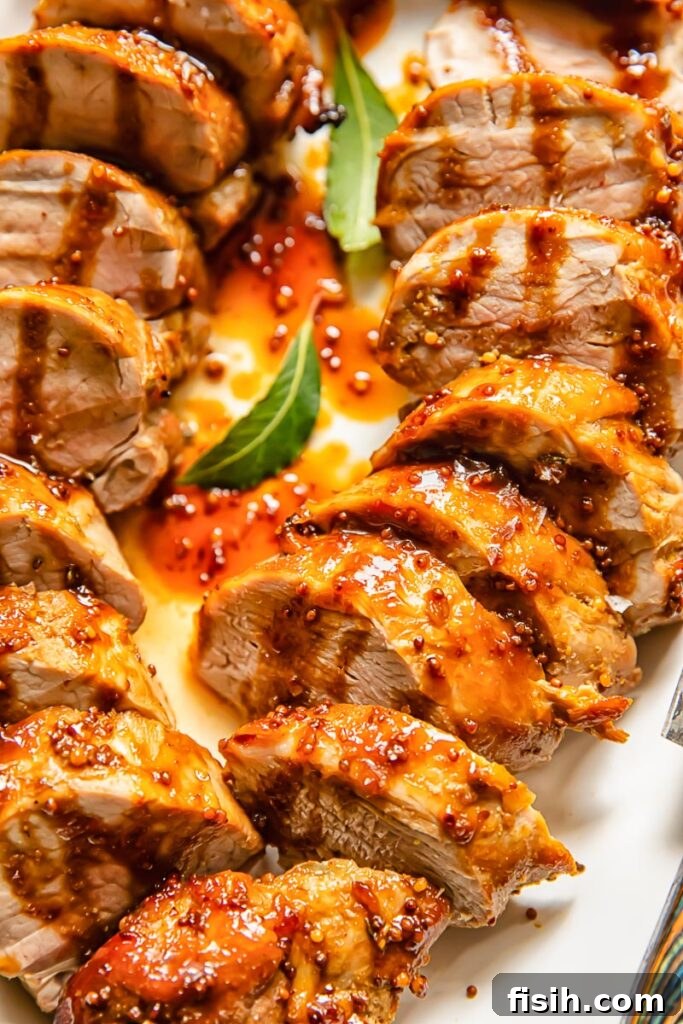
Pork tenderloin is truly a prime cut, often lauded as the “fillet steak of the pork world” – yet, it comes at a fraction of the cost of its beef counterpart. This long, slender, boneless muscle is remarkably lean, containing very little to no fat marbling. This characteristic is paramount when considering how to best prepare it.
Despite being a muscle, the tenderloin is underused during the pig’s life, which is precisely why the meat is so incredibly velvet-soft and tender. Its lack of significant fat means it doesn’t possess the inherent richness or built-in flavor insurance that cuts like pork belly offer. However, far from being a drawback, this quality makes pork tenderloin an exceptionally versatile canvas. Its mild flavor and tender texture mean it eagerly absorbs and showcases the vibrant tastes of rubs, marinades, and especially, the rich glazes it’s paired with.
Unlike many other pork joints that benefit from a “low and slow” cooking approach, pork tenderloin thrives under high heat and rapid cooking. Methods such as grilling, pan-searing, or roasting are ideal to ensure this delicate cut retains its succulent nature and achieves a beautiful exterior crust. For busy weeknights, roasting is often my preferred method; it’s a hands-off approach that allows me to focus on preparing complementary side dishes without constant attention to the main protein.
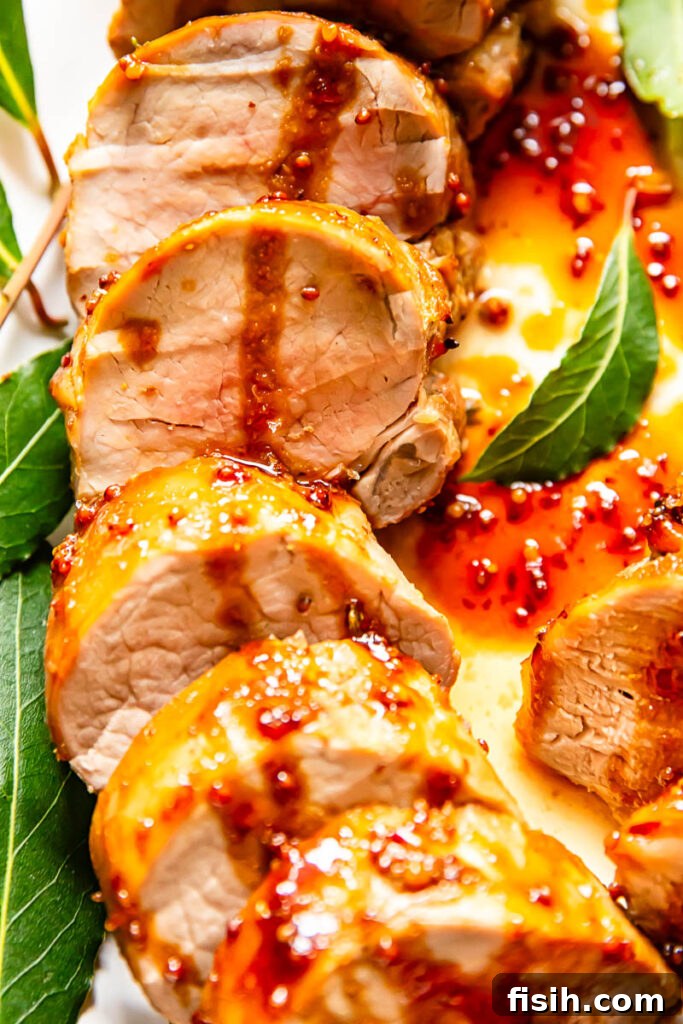
A non-negotiable step after cooking any joint of meat, particularly lean cuts like tenderloin, is to allow it to rest. This crucial resting period, ideally for at least 10-15 minutes, permits the internal juices to redistribute evenly throughout the meat. Skipping this step means those precious juices will seep out onto your cutting board upon slicing, resulting in dry, less flavorful slices. Patience truly is a virtue for perfectly tender and juicy pork tenderloin.
The Magic of the Mustard and Molasses Glaze
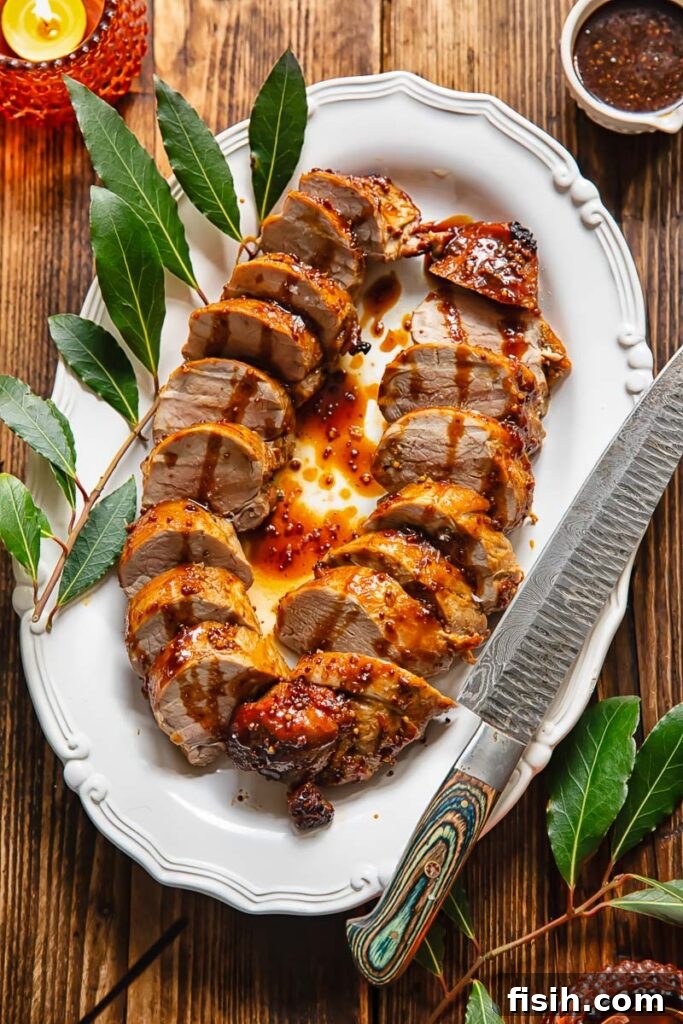
As previously highlighted, due to its mild natural flavor, pork tenderloin truly excels with a little external flavor enhancement. In this recipe, we elevate the tenderloin with a robust, thick, and sticky glaze. This isn’t just about adding taste; the glaze also plays a vital role in sealing in the meat’s natural juices during the high-heat cooking process, contributing to a more succulent final product.
This sweet and savory glaze is genuinely transformative, providing a captivating counterpoint to the pork’s subtle sweetness. The foundation of this glossy, irresistible coating lies in a thoughtful blend of ingredients:
- Unctuous Butter: Adds a foundational richness and helps achieve that desirable sheen.
- Pungent Wholegrain Mustard: I specifically recommend wholegrain mustard for its coarse texture and sharp, tangy bite, which beautifully cuts through the sweetness and provides a lovely pop of flavor.
- Deep Molasses (or Black Treacle in the UK): This key ingredient delivers a complex, deep, and slightly bitter sweetness, along with a distinct, dark caramel hue that is essential to the glaze’s character.
- Sweet Brown Sugar: Complements the molasses, adding a straightforward sweetness and aiding in the caramelization process, creating that coveted sticky finish.
- Aromatic Garlic Powder: A teaspoon of garlic powder enhances the savory depth, ensuring the glaze is not merely sweet but richly aromatic.
- Balancing Salt: Essential for drawing out and intensifying all the flavors, balancing the sweetness and mustard’s tang.
- Citrussy Thyme: A sprinkling of fresh thyme leaves introduces a bright, slightly citrusy, and herbaceous uplift, preventing the glaze from becoming too heavy.
The beauty of this recipe is its simplicity: you simply slather the tenderloins generously with the prepared sauce before roasting. This is a true glaze, designed to coat and caramelize, rather than a marinade that requires prolonged steeping. Therefore, there’s no need for advance preparation; you can mix, glaze, and cook. For an added layer of warm, woody aroma, I also highly recommend adding a few fresh bay leaves to the roasting pan. Pork tenderloin is incredibly receptive to flavors, allowing you to build rich, nuanced profiles with ease.
Essential Recipe Tips for Perfect Pork Tenderloin
- Embrace the Quick Cook: Trust the recipe timings! 20-25 minutes at high heat is genuinely sufficient for this lovely, lean tenderloin. Don’t be tempted to overcook it, as this is the primary culprit behind dry, tough pork.
- Avoid Overcooking at All Costs: Overcooking is the arch-nemesis of pork tenderloin. It will inevitably lead to a tough, stringy, and ultimately disappointing result that loses all its inherent tenderness. Use an instant-read thermometer to ensure it reaches 140-145°F (60-63°C) for a perfect medium-rare to medium, knowing it will continue to cook slightly during resting.
- Flavor is Key: Because of its mild profile, this cut absolutely requires a boost in the flavor department. Glazing, marinating, or rubbing it vigorously with spices is imperative to unlock its full potential. Its inherent “velvet softness” is its biggest draw, and complementary flavors only enhance it.
- Bay Leaves for Aroma: If you have access to fresh bay leaves, don’t hesitate to toss a few sprigs into the roasting pan. They impart a wonderful warm, woody, and subtly aromatic fragrance that perfumes the entire dish without overpowering it. While optional, they add a layer of sophistication.
- The Unforgivable Overlook: Resting: For the juiciest, most tender meat possible, allowing it to rest before slicing is absolutely critical. It’s an unforgivably overlooked step in home cooking, and one that separates a good roast from a truly great one. Resist the urge to cut into it immediately!
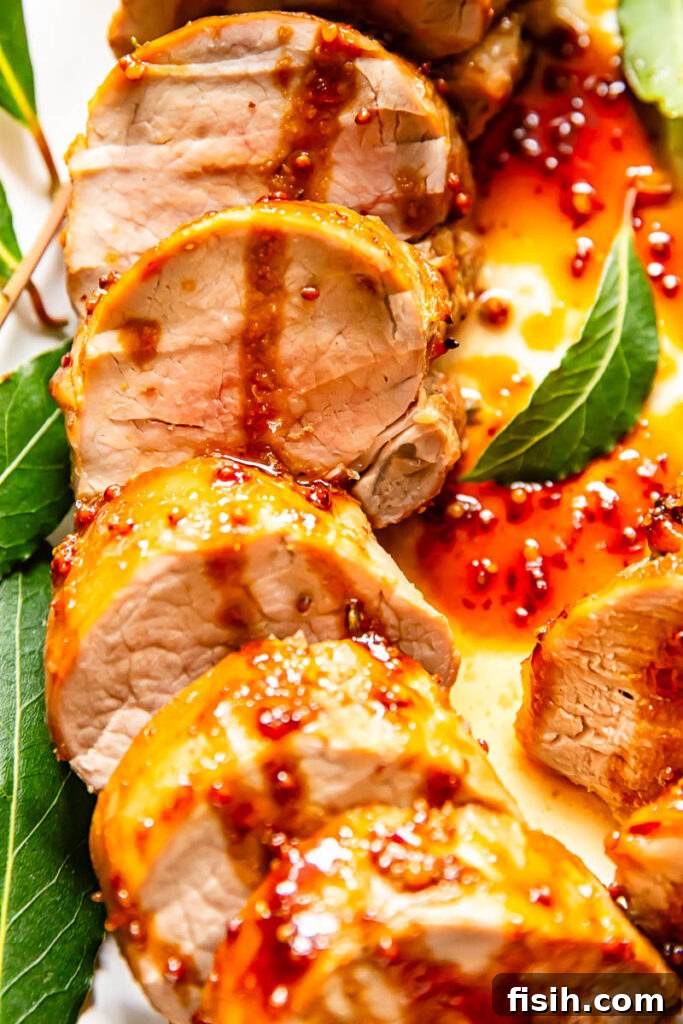
Serving Suggestions for a Complete Meal
This Mustard and Molasses Glazed Pork Tenderloin is essentially a super speedy roast dinner, designed for efficiency without compromising on flavor. To maintain the quick and easy theme, I typically pair it with side dishes that also come together in around the 30-minute mark, ensuring a cohesive and stress-free meal.
For a truly indulgent experience, consider brown butter mashed potatoes. A generous dollop of these creamy, nutty mashed potatoes, smooshed onto a forkful of the sweet and savory glazed pork, creates a mouthful of pure, buttery heaven. Alternatively, if you crave that irresistible crunch, crispy air fryer roast potatoes offer a delightful textural contrast that complements the tender pork beautifully.
To cut through the richness of the syrupy main dish and add a refreshing element, lemon butter green beans bring a bright zest and vibrant color. If you’re feeling a bit more adventurous, miso roasted cabbage wedges are a fantastic choice; they become meltingly soft and infuse the meal with an exotic, umami-rich depth that’s utterly delicious.
And since you’ve saved so much valuable time preparing the main event, why not reward yourself with a classic, comforting dessert? An apple and blackberry brown butter crumble provides the perfect sweet, tart, and warm finish to this impressive yet simple meal, making your weeknight dinner feel like a celebratory feast.
Storage and Creative Leftover Ideas
For some recipes, when I reach this section, I can’t help but chuckle to myself and think, “What leftovers?!” This Mustard and Molasses Glazed Pork Tenderloin is often one of those dishes, a testament to how utterly delicious and appealing it is. However, for those with more impressive restraint than my own family, or if you’re cooking for fewer people, thoughtful storage and creative uses for leftovers are always valuable.
Any leftover pork tenderloin should be kept covered in an airtight container in the fridge, where it will remain fresh and delicious for up to 4 days. Reheating gently in a pan with a splash of broth or in the oven at a low temperature can help retain its moisture. But don’t just reheat! Leftovers are an opportunity for new culinary creations.
This sweetly glazed pork makes an absolutely sublime sandwich filling. If you can slice the medallions even thinner, or roughly chop them, they pair beautifully on a soft white roll with some creamy, tangy celeriac and apple remoulade or a crisp, refreshing winter salad. The contrasting textures and flavors create a gourmet sandwich experience. Beyond sandwiches, consider dicing the cold pork and tossing it into a vibrant green salad, using it as a topping for a quick flatbread pizza, or even incorporating it into a stir-fry during the last few minutes of cooking for a flavorful protein boost. The possibilities are deliciously endless!
More Pork Recipes to Try
- Spanish Meatballs (Albondigas)
- Crispy Honey Soy Pork Belly
- White Bean and Sausage Soup
- Slow Cooker Cuban Pork (Lechon Asado)
Mustard and Molasses Glazed Pork Tenderloin

Ingredients
- 2 tbsp butter
- 2 tbsp wholegrain mustard
- 4 tbsp molasses, or black treacle in UK
- 2 tbsp brown sugar
- 1 tsp garlic powder
- 3-4 sprigs thyme , leaves only or 1/2 tsp dried thyme
- 1 tsp salt
- 2 pork tenderloin, approximately 1 lbs each
- Fresh bay leaves, optional
Instructions
- Preheat the oven to 200C/400F. In a small bowl combine the molasses, butter, brown sugar and thyme leaves, put in the microwave for 30 seconds until the mixture warms up, mix well, then add the mustard, garlic powder and salt.
- Slather the tenderloins with the glaze all over and put in a shallow roasting pan and arrange the fresh bay leaves around the meat. (They will add a lot of aroma to the roast) Cook in the preheated oven for 15 minutes, then take out of the oven and brush more glaze on, cook for 10 minutes longer or until the internal temperature is 60C/140F in the centre of the tenderloin.
- Take out of the oven, loosely cover with tin foil and let it rest for 15 minutes, then slice and serve.
Notes
- 20-25 minutes is enough for this lovely little tenderloin. Trust the recipe and don’t overthink it! Overcooking will lead to a tough and ropey tenderloin.
- This cut needs help with flavour, so it’s vital that you glaze, marinate or rub it. The big draw is its softness.
- I added bay leaves from the bush in the garden for added aroma. It’s warm and woody and smells wonderful, but totally optional.
- Let the meat rest before slicing so it’s as juicy as possible. It’s an unforgivably overlooked step!
Nutrition
Carbohydrates: 11g |
Protein: 94g |
Fat: 19g |
Saturated Fat: 7g |
Polyunsaturated Fat: 3g |
Monounsaturated Fat: 7g |
Trans Fat: 0.3g |
Cholesterol: 302mg |
Sodium: 595mg |
Potassium: 1946mg |
Fiber: 0.2g |
Sugar: 10g |
Vitamin A: 117IU |
Vitamin C: 1mg |
Calcium: 55mg |
Iron: 5mg
Nutrition information is automatically calculated, so should only be used as an approximation.