
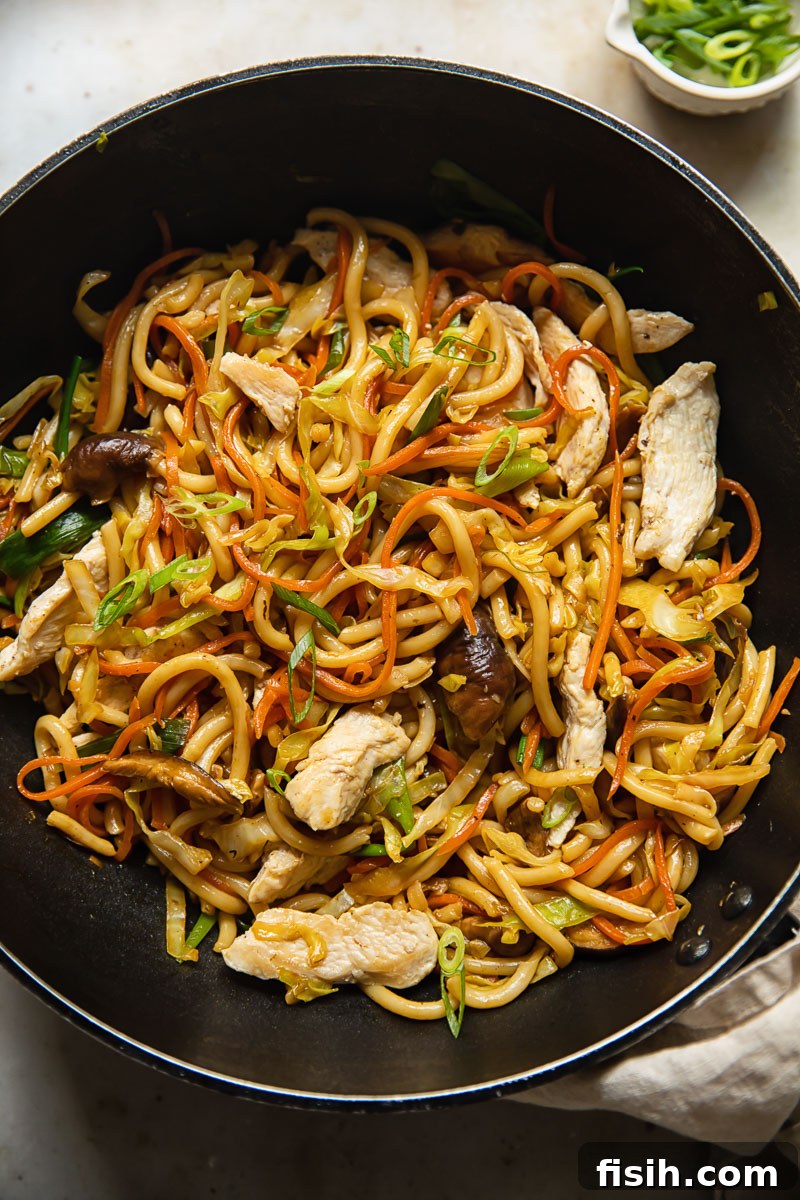
Easy & Authentic Chicken Yaki Udon: Your 20-Minute Takeout Favorite!
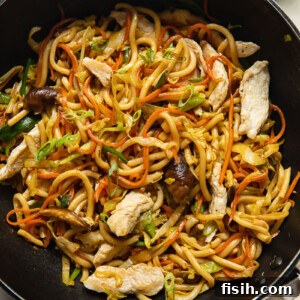
Craving a delicious, restaurant-quality Japanese meal that you can whip up in minutes? Look no further than this incredible Chicken Yaki Udon recipe! Featuring thick, chewy udon noodles stir-fried with tender chicken and crisp vegetables in a rich, savory sauce, this dish is a weeknight warrior’s dream. Forget the long wait times and extra cost of takeout – with just 20 minutes from prep to plate, you’ll be enjoying a homemade feast that rivals your favorite Japanese restaurant.
If you’re a fan of those satisfyingly thick and slurpable udon noodles, you’re in for a treat. This recipe celebrates their unique texture, perfectly complemented by a balanced, umami-packed sauce. It’s so straightforward, even beginner cooks (or enthusiastic teenagers, as I’ve happily discovered!) can master it with ease, making it a fantastic addition to your quick dinner rotation. Once you try this simple homemade version, you might just find yourself skipping the takeout menu altogether.
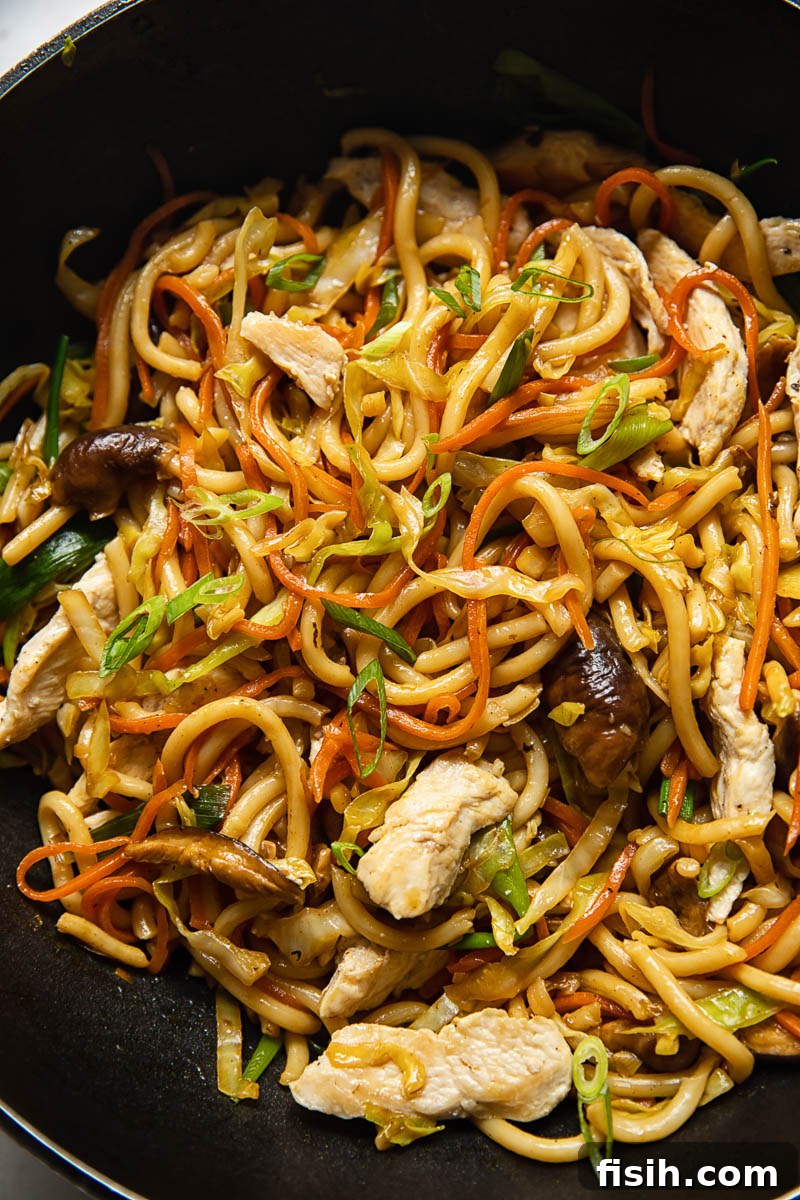
One of the greatest joys of cooking at home is discovering that your cherished Asian takeout dishes are surprisingly simple to recreate. Yaki Udon is a prime example. For years, it was a staple order from our local Japanese spot. Then, we realized how uncomplicated it was to make from scratch. Now, it’s become a beloved family meal that my kids proudly prepare, often boasting that their version is “as good as Mom’s!” And honestly, I couldn’t be prouder.
This recipe transforms fresh ingredients into a vibrant, satisfying meal with minimal effort. The secret lies in fresh, high-quality udon noodles and a perfectly balanced sauce that brings all the elements together. It’s a culinary journey to Japan, right in your own kitchen, delivering incredible flavor without any fuss.
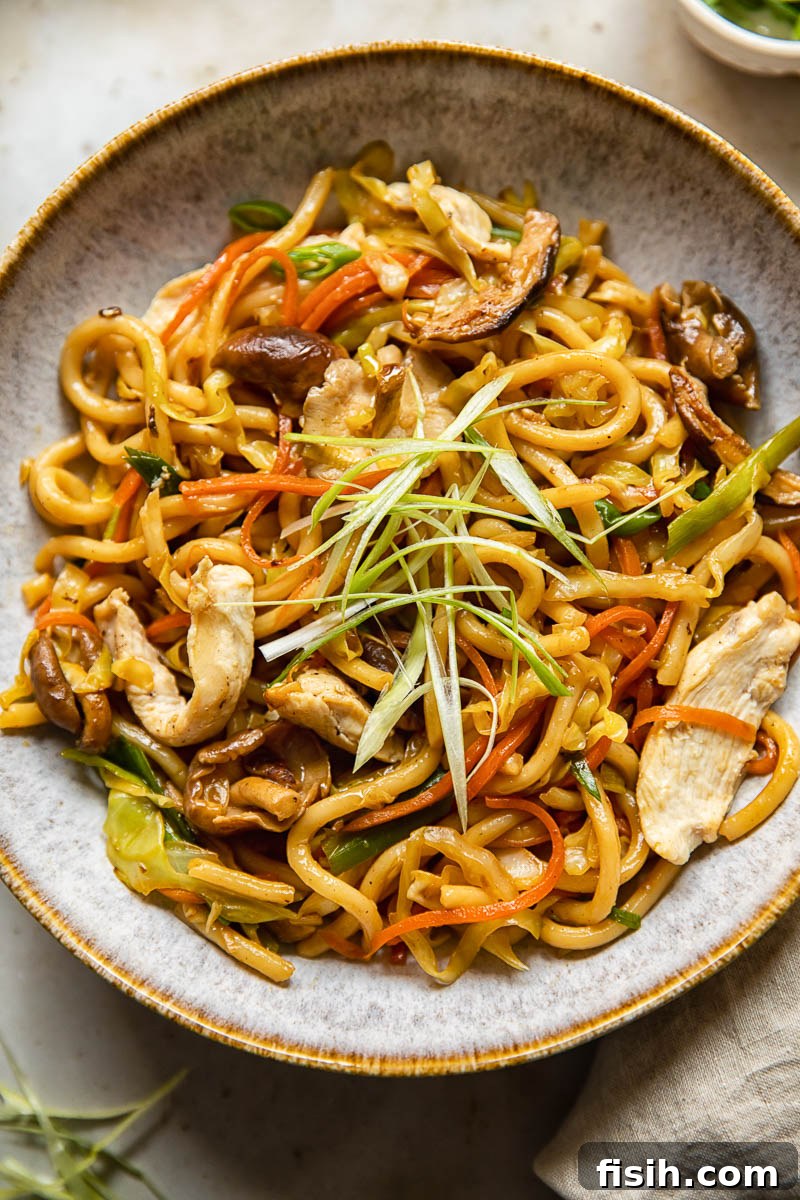
What Exactly is Yaki Udon?
At its heart, Yaki Udon is a classic Japanese stir-fried noodle dish. The term “Yaki” translates to “fried” or “grilled,” while “Udon” refers to the distinctively thick, chewy wheat flour noodles that are the star of this dish. Unlike thinner noodles often used in other stir-fries, udon noodles offer a wonderfully satisfying bite and texture that stands up beautifully to the robust flavors of the sauce and vegetables.
While Yaki Udon enjoys widespread popularity today, its origins are rooted in post-World War II Japan, specifically in Kokura, Fukuoka Prefecture. During a period of food scarcity, with soba noodles in short supply, ingenious cooks substituted them with readily available udon noodles, leading to the creation of this hearty and resourceful dish. It quickly gained popularity as a comforting and filling meal, and its legacy continues to thrive.
Many people compare Yaki Udon to its cousin, Yakisoba. The two share similarities in their stir-fry technique and the inclusion of vegetables and meat. However, the fundamental difference lies in the noodles: Yakisoba uses thinner, ramen-style noodles, whereas Yaki Udon, as its name suggests, exclusively features those delightful thick udon noodles. The sauce base can also vary, with Yaki Udon often leaning on a dashi-based, soy-sauce-forward flavor profile that is slightly different from Yakisoba’s often sweeter, Worcestershire-sauce-heavy seasoning.
The beauty of Yaki Udon also lies in its adaptability. While this recipe features chicken, it’s incredibly versatile. Pork, particularly thinly sliced pork belly, is a traditional choice. Seafood options like shrimp or scallops are also fantastic. And for those seeking a plant-based meal, omitting meat entirely and adding more vegetables or tofu creates a delightful vegetarian Yaki Udon.
Why Choose Homemade Yaki Udon?
Opting to make Yaki Udon at home offers a multitude of benefits that elevate it beyond a simple convenience meal:
- Speed and Efficiency: In just 20 minutes, you can have a fresh, hot meal on the table. This beats delivery times and ensures you’re eating exactly when you want to.
- Healthier Choices: When you cook at home, you control the ingredients. You can reduce sodium, use fresh, high-quality vegetables, and opt for lean proteins, making it a much healthier option than many restaurant versions.
- Cost-Effective: Making Yaki Udon from scratch is significantly cheaper than ordering takeout for the whole family, allowing you to enjoy this delicious dish more often.
- Customization at Your Fingertips: Have picky eaters? Dietary restrictions? Love extra mushrooms or a different protein? Homemade Yaki Udon allows you to tailor every aspect to your preferences. Add more spice, swap vegetables, or include your favorite meat – the possibilities are endless.
- A Fun Family Activity: This recipe is simple enough for older children and teenagers to help with, or even take the lead on, fostering culinary skills and creating cherished family memories.
Essential Ingredients for Perfect Yaki Udon
The success of your Yaki Udon hinges on a few key ingredients. Understanding their role will help you achieve that authentic, irresistible flavor.
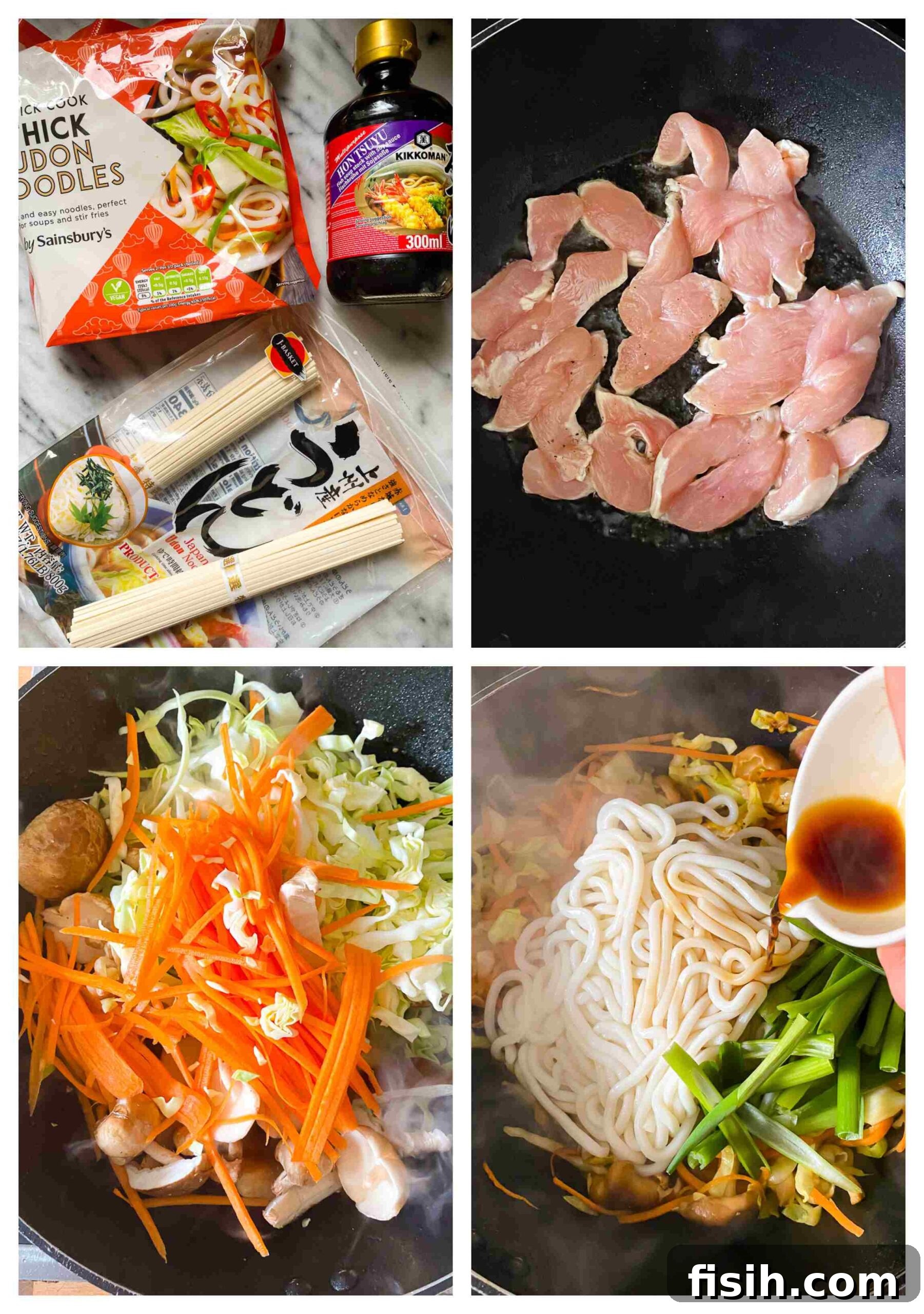
The Star: Udon Noodles
Udon noodles are the backbone of this dish. You typically have two main options:
- Pre-cooked (Fresh) Udon Noodles: These are often found in vacuum-sealed packages in the refrigerated or Asian aisle of your grocery store. They are incredibly convenient as they usually only require a quick rinse or blanch to separate. Be mindful that they can be delicate and sometimes break up if over-tossed, but their soft, chewy texture is fantastic.
- Dried Udon Noodles: Similar to pasta, these require boiling according to package instructions. While they take a little longer to prepare, they tend to hold their shape better during stir-frying. Always rinse them thoroughly after cooking to remove excess starch and prevent sticking.
Whichever type you choose, ensure they are thick and robust enough to stand up to the stir-fry process and absorb the rich sauce.
The Flavor Foundation: The Savory Sauce
The sauce is where the magic happens, transforming simple ingredients into a burst of Japanese flavor. Our sauce relies on three pillars:
- Soy Sauce: The primary seasoning, providing a deep, salty, and umami base. Use a good quality Japanese soy sauce for the best flavor.
- Mirin: A type of sweet Japanese rice wine, mirin adds a subtle sweetness and gloss to the sauce, balancing the savory notes of the soy sauce and dashi. If you don’t have mirin, dry sherry can be a passable substitute, though it will alter the flavor slightly.
- Tsuyu / Dashi Stock: This is the secret weapon for authentic Japanese flavor. Dashi is a fundamental stock in Japanese cuisine, renowned for its umami depth. Tsuyu is a concentrated noodle soup base often made from dashi, soy sauce, and mirin, making it incredibly convenient for dishes like Yaki Udon. If tsuyu isn’t available, a good quality dashi stock (either homemade or from instant granules) is ideal. In a pinch, a splash of Worcestershire sauce can provide a similar savory depth, though it will introduce a different flavor profile.
A final touch of sesame oil at the end adds a wonderful nutty aroma and richness.
Versatile Proteins and Vegetables
This recipe uses chicken breast for a lean and tender protein, but feel free to customize. Thinly sliced pork belly or pork loin are classic choices, as are shrimp or thinly sliced beef. For vegetables, we use a simple mix of white cabbage, shiitake (or button) mushrooms, carrots, and green onions, which provide a delightful combination of crunch, earthiness, and freshness. Don’t hesitate to experiment with other stir-fry friendly vegetables like bell peppers, snap peas, or baby bok choy.
Mastering Your Yaki Udon: Tips for Success
While Yaki Udon is inherently simple, a few expert tips can ensure your dish is consistently delicious and perfectly textured:
- The Power of Dashi/Tsuyu: As mentioned, dashi stock or tsuyu (a concentrated dashi blend) is a game-changer for authentic flavor. It provides a deep umami that’s difficult to replicate. If you’re serious about Japanese cooking, investing in tsuyu is highly recommended. If unavailable, try a good quality chicken or vegetable broth with a touch of soy sauce, or a dash of Worcestershire sauce as a last resort.
- Noodle Nuances: Whether using fresh or dried udon, pay attention to their cooking. If using pre-cooked noodles, they are already soft, so handle them gently during tossing to prevent breakage. Dried noodles should be cooked al dente and rinsed well to prevent clumping.
- Mise en Place is Key: “Mise en place” (everything in its place) is crucial for stir-frying. The cooking process moves incredibly fast, so have all your vegetables sliced, chicken cut, and sauce ingredients measured out *before* you turn on the heat. This prevents overcooking and ensures a smooth, quick stir-fry.
- Prepare Your Mushrooms: If using shiitake mushrooms, always remove the tough, woody stems before slicing them. For smaller shiitakes, you can trim the very end of the stem and keep the rest, but the larger stems are generally unpleasant to chew.
- Protein Flexibility: Don’t feel bound by chicken. Experiment! Thin slices of pork loin or succulent shrimp are superb. You can also use thinly sliced beef or firm tofu for a different spin. The cooking time for different proteins will vary slightly, so adjust accordingly to ensure they are cooked through but not overdone.
- High Heat for Stir-Frying: A hot wok or large pan is essential for achieving that characteristic stir-fry crispness on the vegetables and quick searing of the protein. Ensure your pan is very hot before adding oil and ingredients.
- Don’t Overcrowd the Pan: Cook in batches if necessary, especially if you’re making a larger quantity. Overcrowding the pan lowers the temperature, steaming the ingredients instead of stir-frying them, leading to a less desirable texture.
Yaki Udon Variations & Serving Suggestions
Once you’ve mastered the basic Chicken Yaki Udon, the possibilities for customization are endless!
Customize Your Bowl
- Vegetarian/Vegan Delight: Omit the chicken and add extra vegetables like bell peppers, broccoli florets, or snow peas. Pan-fried tofu or tempeh cubes also make excellent protein substitutes.
- Spicy Kick: For those who love heat, add a dash of sriracha, a pinch of red chili flakes, or a spoonful of gochujang (Korean chili paste) to the sauce.
- Seafood Sensation: Swap the chicken for shrimp, scallops, or a mix of seafood for a lighter, ocean-fresh flavor profile. Cook seafood quickly to avoid overcooking.
- Beef It Up: Thinly sliced beef sirloin or flank steak can be a hearty alternative to chicken or pork.
- Garnishes Galore: Elevate your Yaki Udon with extra garnishes like toasted sesame seeds, a sprinkle of bonito flakes (katsuobushi), a drizzle of chili oil, or a side of pickled ginger (beni shoga).
Perfect Pairings
Yaki Udon is a complete meal on its own, but it pairs wonderfully with a few simple sides:
- Miso Soup: A light, savory miso soup is a classic accompaniment.
- Pickled Vegetables: Japanese pickles (tsukemono) offer a refreshing crunch and tangy contrast.
- Gyoza: Pan-fried or steamed dumplings make for a satisfying appetizer.
Serve Yaki Udon immediately after cooking to enjoy the noodles and vegetables at their best texture. Leftovers can be stored in an airtight container in the refrigerator for 2-3 days and reheated gently on the stovetop or in the microwave.
More Asian Noodle Dishes to Explore
- Easy Shrimp Chow Mein
- Filipino Pancit Canton (Noodles with Pork and Shrimp)
- Chilli Salmon Mee Goreng (Fried Noodles)
- Asian Noodle Salad with Peanut Dressing
Chicken Yaki Udon
Print Recipe
Noodles tossed with simple vegetables and chicken are flavoured by a savoury sauce that is so easy to put together.
Equipment
-
Carbon steel wok
Ingredients
- 300g/10oz pre-cooked Udon noodles, or 150g/5oz dried
- 1 tbsp vegetable oil
- 2 chicken breasts
- salt and pepper to taste
- 100g/1 cup white cabbage, sliced
- 100g/1 cup shiitake mushrooms or button mushrooms
- 1 carrot, julienned
- 3 green onions, green parts cut in 2 inch pieces, white parts sliced
- 2 tbsp soy sauce
- 2 tbsp mirin, or dry sherry
- 1 tbsp tsuyu/dashi stock, or Worcestershire sauce
- 1 tsp sesame oil, optional
Instructions
-
Prepare the vegetables by finely slicing the cabbage, cutting the carrot into thin matchsticks. Remove the tough stems from large shiitake mushrooms and trim the stems for smaller ones, then cut the mushrooms into bite-sized pieces or leave small ones whole. Finally, cut the chicken breasts into bite-sized pieces and season generously with salt and pepper.
-
Cook the udon noodles according to package instructions if using dry noodles. Rinse thoroughly after cooking to remove excess starch and prevent them from sticking together. If using pre-cooked noodles, you can typically skip this step or briefly blanch them if they feel too stiff or compressed.
-
Meanwhile, in a wok or a large pan, heat the vegetable oil over high heat until shimmering. Add the seasoned chicken and cook, stirring frequently, until it’s sealed and lightly browned on the outside, which usually takes about 3-4 minutes. Next, add the prepared vegetables (sliced cabbage, mushrooms, and julienned carrots) along with the sliced white parts of the green onions. Continue stir-frying for 5-7 minutes, ensuring the vegetables are cooked but still retain a pleasant crispness. You will notice the vegetables significantly reduce in volume.
-
Add the cooked udon noodles and the green parts of the green onions to the pan with the chicken and vegetables. Pour in the soy sauce, mirin, and dashi stock (or your chosen substitute). Toss vigorously and continuously for another 2-3 minutes to thoroughly combine all ingredients and heat everything through, allowing the savory sauce to evenly coat the noodles and vegetables. Drizzle with sesame oil just before serving for an added layer of aromatic flavor. Serve immediately while hot.
Nutrition
Calories: 316kcal | Carbohydrates: 30g | Protein: 31g | Fat: 8g | Saturated Fat: 4g | Trans Fat: 1g | Cholesterol: 72mg | Sodium: 1680mg | Potassium: 633mg | Fiber: 4g | Sugar: 7g | Vitamin A: 2696IU | Vitamin C: 13mg | Calcium: 31mg | Iron: 1mg
Nutrition information is automatically calculated and should be used as an approximation.
There you have it – a phenomenal Chicken Yaki Udon recipe that’s fast, flavorful, and incredibly satisfying. This dish proves that enjoying authentic Japanese cuisine doesn’t require hours in the kitchen or a hefty takeout bill. With its simple ingredients, quick cooking process, and endless customization options, it’s bound to become a staple in your household.
So, gather your ingredients, fire up your wok, and get ready to experience the delightful flavors and textures of homemade Yaki Udon. We encourage you to try this recipe and discover the joy of creating delicious Asian takeout favorites right in your own home!