
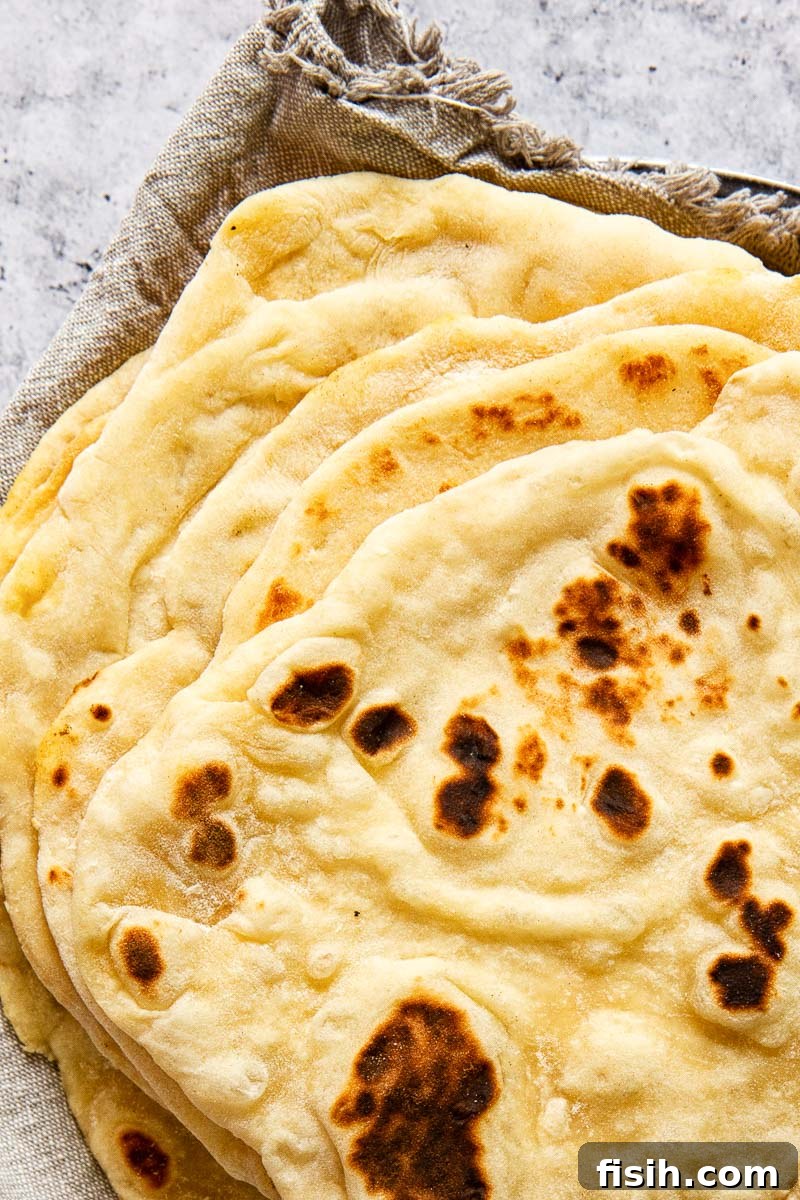
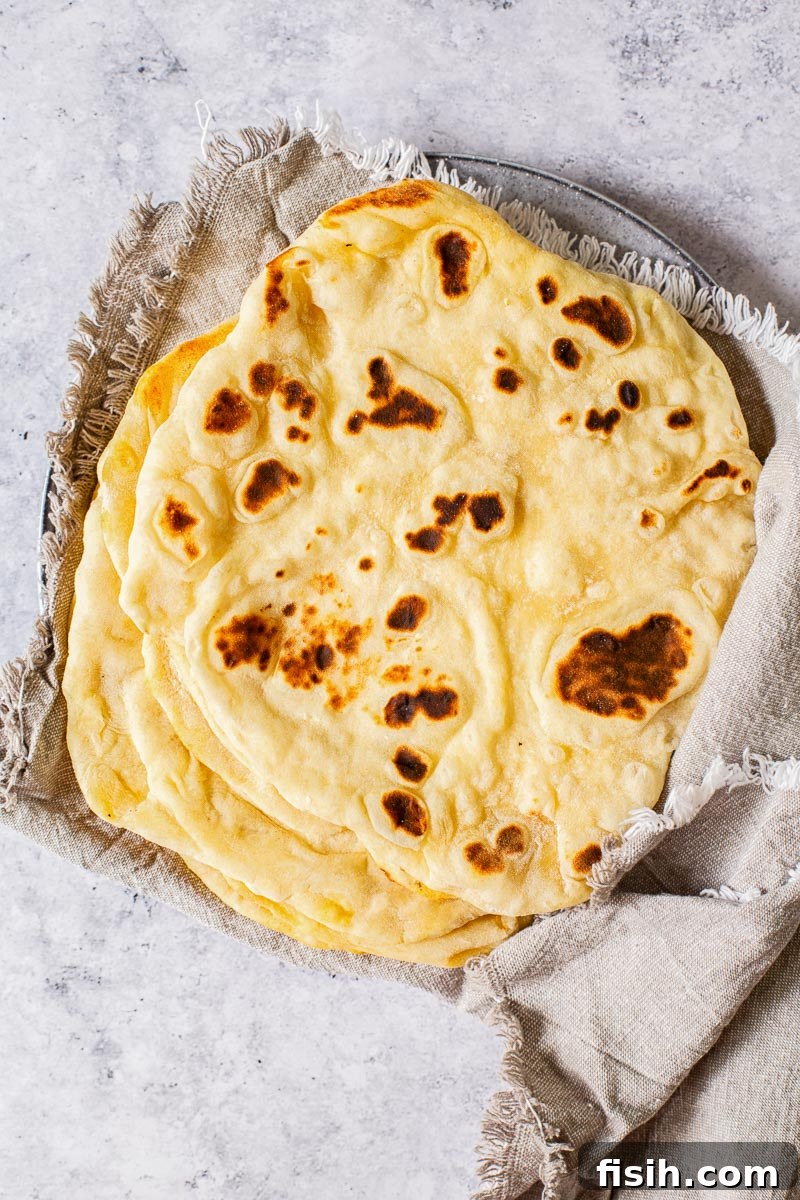
Unlock the secret to crafting the most delightful homemade flatbread with this incredibly easy recipe! Forget complex techniques, special equipment, or even yeast – all you need is a little time and a few pantry staples. In just 30 minutes of active effort, you’ll create a batch of warm, fluffy flatbreads that are endlessly versatile, ready to elevate any meal.
These soft, pliable flatbreads are the ideal companion for wrapping around succulent grilled Chicken Souvlaki, hearty Chicken Shawarma, or even serving alongside a vibrant Mediterranean salad. The possibilities are truly limitless once you master this simple dough!
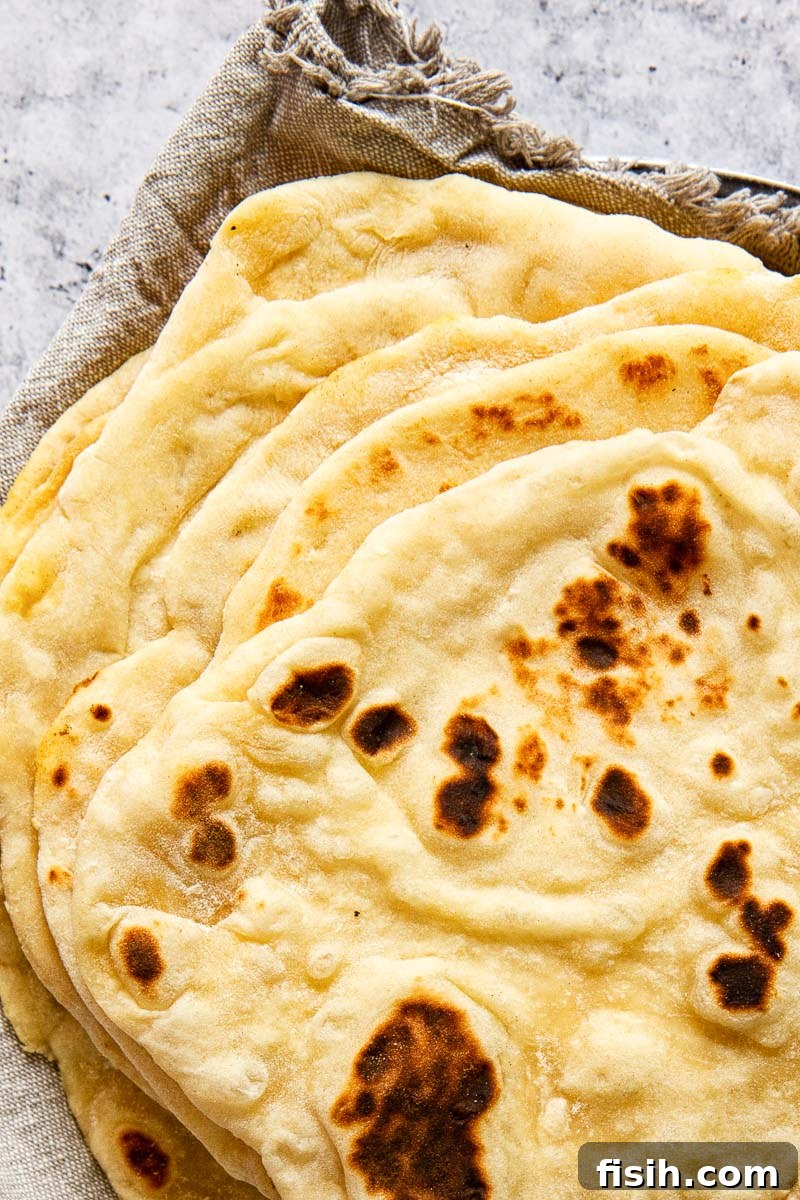
For many, the past few years have introduced us to the satisfying world of bread making. Whether it was a quest for a new hobby or a desire for wholesome homemade goodness, baking has become a comforting activity. While some have delved into the intricacies of sourdough starters or rustic rye loaves, the journey into bread can often seem daunting. Long proofing times, specific kneading techniques, and the elusive nature of yeast can be intimidating. But what if we told you that creating wonderfully soft, flavorful bread could be achieved with minimal fuss and maximum reward?
My own bread-making adventure began with challenging myself to master complex breads like sourdough and robust rye bread. While incredibly rewarding, I soon sought a quicker, more instant gratification in the world of baked goods. That’s when I discovered the true joy of flatbreads, and to my delight, they proved to be incredibly easy to perfect, even on the first attempt!
The Uncomplicated Joy of Flatbread
Flatbread, in its essence, is bread simplified. It’s a staple across countless cultures, celebrated for its versatility and straightforward preparation. Unlike many traditional loaves that rely heavily on yeast and extensive proofing, many flatbreads are designed for speed and simplicity. This particular recipe stands out because it delivers exceptional texture and flavor without any of the usual fuss. It’s truly a game-changer, especially when compared to store-bought varieties that often lack freshness and character.
Imagine warm, freshly made bread, still lightly steaming, with a delicate flakiness that yields to a soft, chewy interior. That’s precisely what you’ll achieve with this recipe. The aroma alone will transform your kitchen into a welcoming bakery. This isn’t just a basic bread; it’s a foundation for countless culinary adventures, from quick lunches to impressive dinners. Its popularity among my readers is a testament to its irresistible appeal and ease, and I’m thrilled to finally share all my tips and tricks with you.
The Magic Behind Our No-Yeast Flatbread
The world of flatbreads is wonderfully diverse, encompassing delights like pita, naan, lavash, roti, and chapati, each with its unique preparation methods. Today’s recipe, however, champions an incredibly quick dough that requires no yeast at all. You might wonder if a yeast-free bread could truly be soft and pliable, or if it would inevitably turn out dense and tough. Rest assured, this recipe defies those expectations!
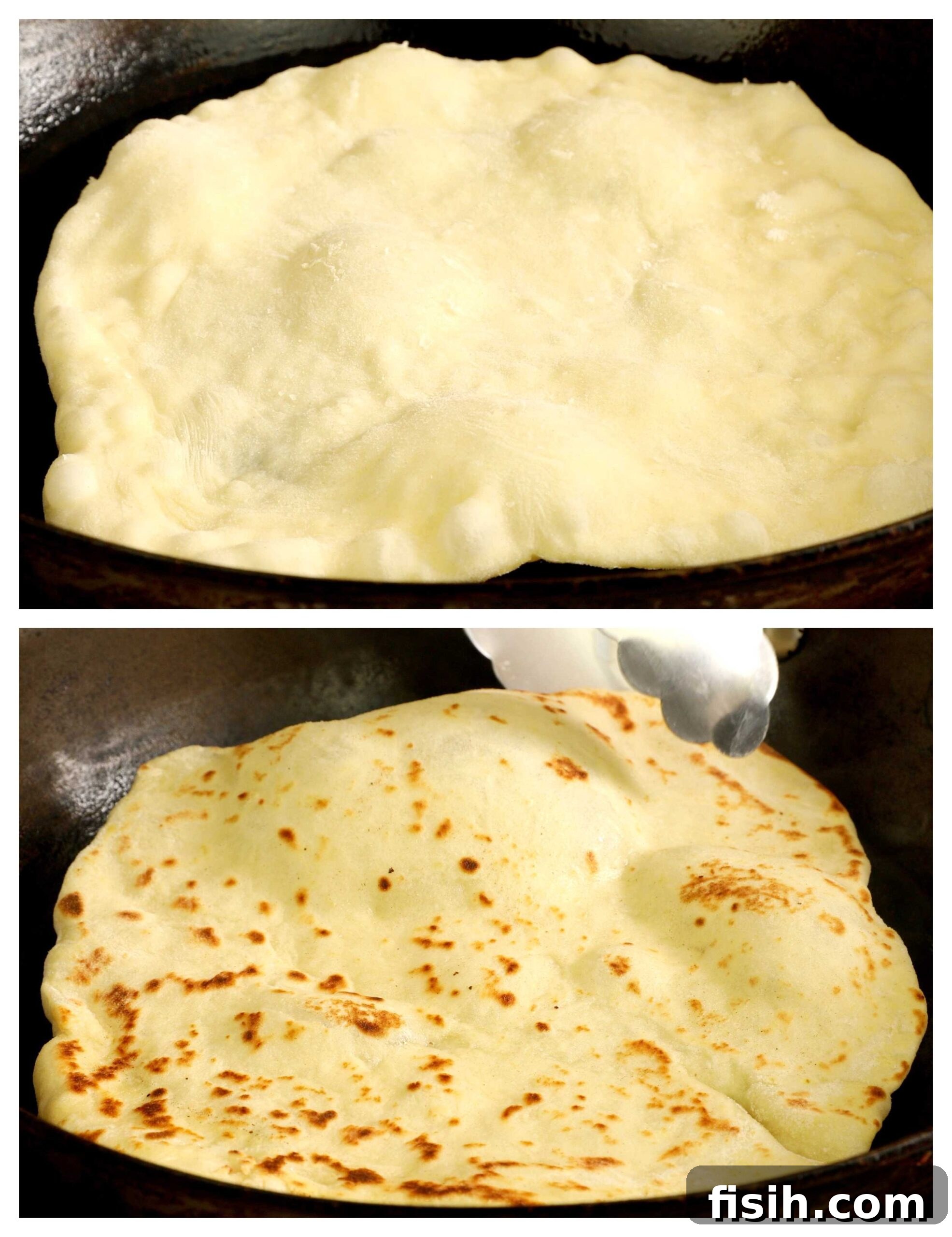
The secret to its remarkable texture lies in two humble yet powerful ingredients: plain yogurt and baking powder. Plain yogurt, particularly full-fat, acts as a tenderizer, imparting a rich moisture and a slight tang that makes the dough incredibly soft and elastic. It contributes to that desirable pliability and flaky texture that often surprises first-time bakers. Baking powder, on the other hand, is our swift leavening agent. When combined with the moisture from the yogurt and the heat of the pan, it creates tiny air pockets that puff up beautifully during cooking, resulting in those captivating large bubbles you’ll see forming on the skillet.
These bubbles are not just for show; they are a visual indicator of the bread’s success, promising a light and airy texture. This combination ensures that even without yeast, your flatbreads will be wonderfully soft, delightfully chewy, and far from flat or lifeless. It’s a testament to how simple ingredients can create extraordinary results.
Mastering the Simple Steps: From Dough to Delight
Making this flatbread is refreshingly straightforward, proving that delicious homemade bread doesn’t have to be an all-day affair. If you opt for self-rising flour, which already contains both baking powder and salt, your ingredient list shrinks to just two: self-rising flour and plain yogurt. It truly doesn’t get much simpler than that!
However, for those who prefer more control over their baking, I recommend using plain bread flour. This allows you to precisely adjust the leavening agent (baking powder) and salt to your taste and specific needs. All-purpose flour is another excellent and widely available option that works beautifully for this recipe. And if you’re looking for a healthier alternative, whole wheat flour can be substituted with equally delicious results, offering a slightly denser texture and nuttier flavor. The choice of flour ultimately depends on your preference and what you have on hand.
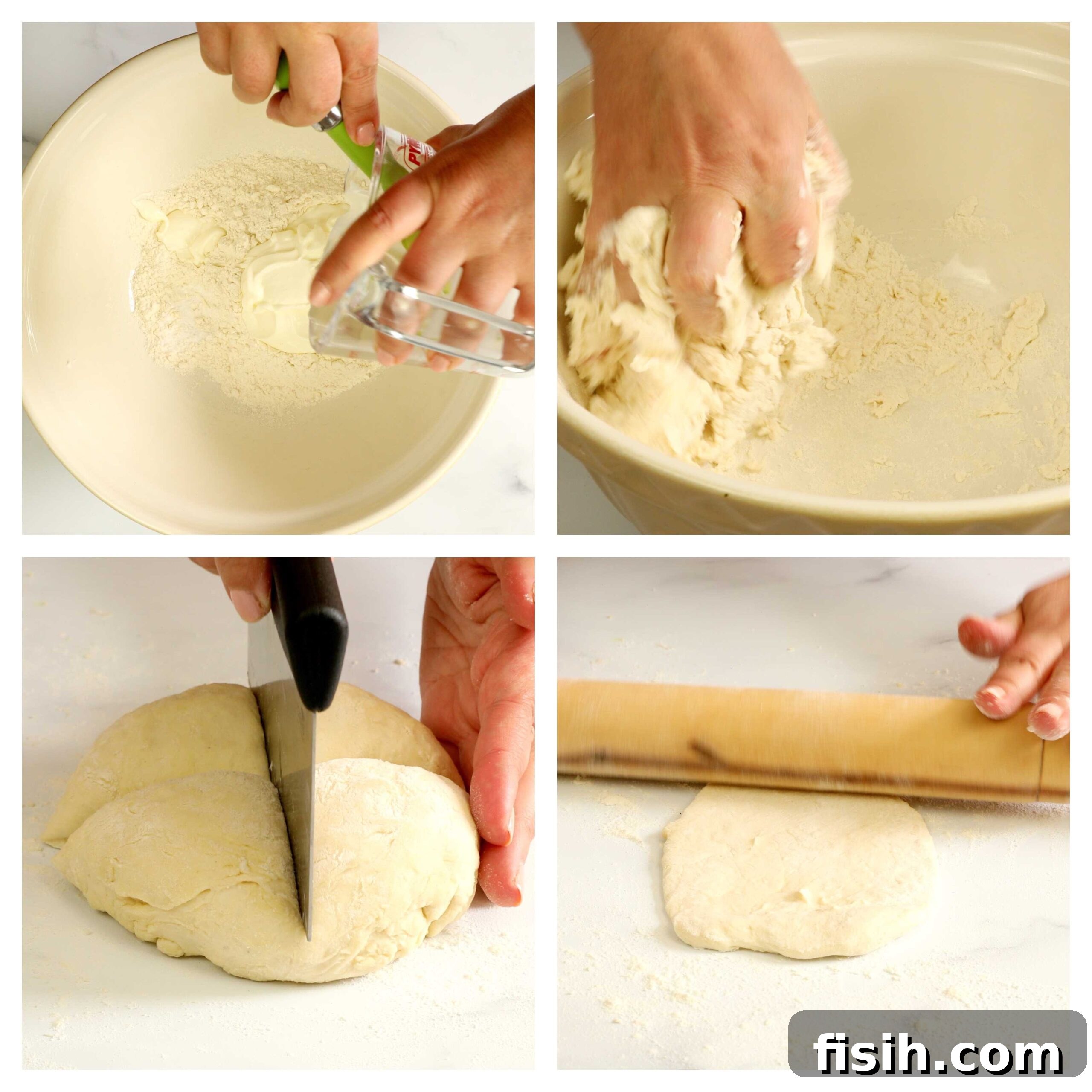
The method itself is a testament to minimalist baking. Begin by combining all your chosen ingredients in a bowl. Knead the mixture lightly until it forms a cohesive dough. There’s no need for extensive kneading or developing gluten structures like in traditional yeast breads. Once the dough comes together, cover it with a clean tea towel and let it rest for a mere 30 minutes. This resting period is crucial, allowing the flour to fully hydrate and the gluten to relax, which will make the dough much easier to roll out thinly.
After resting, divide your dough into 6 to 8 equal portions. On a generously floured surface, take each portion and roll it out into a thin round, about 6-8 inches in diameter. The thinner you roll them, the crispier they’ll be; for a softer, chewier flatbread, aim for a slightly thicker round. Then, the magic happens on a hot skillet. Preheat your frying pan over high heat until it’s screaming hot – you want to see a wisp of smoke. Lightly oil the pan, then carefully place your rolled flatbread. Cook each side for about 1 minute, or until it bubbles up beautifully and develops golden-brown spots. The rapid, high heat is key to achieving that characteristic puff and soft texture.
For an extra burst of flavor and a touch of indulgence, brush your freshly cooked flatbreads with melted butter infused with pressed garlic and a scattering of fresh herbs like parsley, cilantro, or tarragon. This simple step transforms them into an aromatic delight, perfect for immediate enjoyment.
Expert Tips and Notes for Perfect Flatbread
- **Dough Consistency is Key:** It’s important to note that this dough will be inherently sticky, and you will undoubtedly need extra flour when you roll it out into thin rounds. However, resist the urge to add additional flour into the dough itself during the initial mixing phase. Adding too much flour at that stage will result in a tougher, denser, and less enjoyable flatbread. Trust the process; the stickiness is normal, and it will become manageable with sufficient flour on your rolling surface.
- **Heat Management:** Achieving the perfect cook relies heavily on a properly heated pan. Preheat your frying pan over high heat until it’s smoking hot before you start cooking your flatbreads. Using vegetable oil is preferred over olive oil for its higher smoke point, preventing unwanted bitterness. To prepare the pan, dip a bunched-up sheet of paper towel into a small amount of vegetable oil and lightly rub the pan surface. Place your rolled-out bread dough onto this hot, lightly oiled surface. Repeat this oiling process before cooking each individual flatbread to ensure even cooking and prevent sticking.
- **Self-Rising Flour Adjustment:** If you opt to use self-rising flour, remember to omit both the salt and the baking powder from the recipe, as these ingredients are already incorporated into the flour mix.
- **Choosing Your Pan:** I personally achieve fantastic results using a cast iron pan, which offers excellent heat retention and even cooking. However, a good quality non-stick frying pan will work equally well. It’s best to avoid stainless steel pans for this recipe, as the dough is more prone to sticking, which can hinder the crucial “puffing” process.
- **Rolling Technique:** Roll the dough out as thin as you can without tearing it. The thinner the flatbread, the faster it will cook and the more delicate its texture will be. For a slightly chewier bread, you can leave it a bit thicker.
- **Don’t Overcrowd the Pan:** Cook one flatbread at a time to maintain high heat and ensure even cooking. Overcrowding will lower the pan temperature and result in less-than-perfect flatbreads.
Endless Culinary Possibilities: Serving Your Flatbread
The beauty of this easy flatbread recipe lies in its incredible versatility. It effortlessly adapts to a myriad of cuisines and dishes, making it a true kitchen hero. We frequently use it as a stand-in for traditional pita bread in our authentic Greek Souvlaki recipe, where its softness perfectly cradles the flavorful fillings. Beyond that, it’s an ideal accompaniment for succulent Grilled Chicken Kebab, delicate Grilled Shrimp Kebab, and serves as an excellent base for the aromatic Palestinian dish, Chicken Musakhan.
Venture further afield by serving it in place of chapatis with rich and fragrant curries, such as my Indian Meatballs with Curry Sauce. For a lighter, Mediterranean-inspired meal, pair it with my gorgeous Mediterranean Salad with Hummus and Fried Halloumi, using the warm bread to scoop up every delicious bite.
These flatbreads are particularly fantastic when you have something creamy or flavorful to dip them into. Imagine them alongside the rich yolks of Turkish Eggs (Çilbir) or with a classic, velvety Hummus topped with za’atar. They also make for superb wraps, ready to be filled with all your favorite sandwich toppings – grilled vegetables, cheeses, deli meats, or fresh salads – creating a customizable and satisfying meal tailored to your taste. Don’t forget their potential as an accompaniment to comforting soups and stews, perfect for soaking up every last drop of flavorful broth.
For a completely different yet equally delightful application, consider using this flatbread as the base for a homemade flatbread pizza. As I did with my speedy 15-Minute Pizza, these flatbreads bake up with a lovely fluffy crust that’s perfect for piling high with your favorite toppings. Think classic pepperoni and cheese, savory mushrooms with pesto, crumbled sausage, or any combination that sparks your culinary imagination. The possibilities are truly endless!
Storage and Reheating for Maximum Enjoyment
One of the many advantages of these homemade flatbreads is how well they store, ensuring you can enjoy their freshness for days or even weeks. At room temperature, your flatbreads will remain wonderfully soft and flavorful for a couple of days. To keep them at their best, simply store them in an airtight container, tightly wrapped in plastic wrap, or placed in a sealed plastic bag. This prevents them from drying out and maintains their pliable texture.
When you’re ready to enjoy them again, reheating is a breeze. You can quickly warm them in a toaster for a slight crispness, or gently heat them in a dry skillet over medium heat until warmed through and pliable. A few minutes in a preheated oven (around 350°F / 175°C) will also revive them beautifully, making them taste almost as good as freshly made.
For those who like to plan ahead, these flatbreads are excellent candidates for freezing. Make a double batch, let them cool completely, and then stack them with parchment paper in between to prevent sticking. Place the stack in a freezer-safe bag or container, and they will keep well for up to 6 months. When you’re ready to use them, simply thaw them at room temperature or gently reheat from frozen in an oven or on a skillet. Having a stash of these ready-to-go flatbreads in your freezer is a true convenience, perfect for last-minute meals or unexpected guests.
Enjoy the simplicity, versatility, and sheer deliciousness of your homemade flatbreads!
Explore More Homemade Bread Recipes
- Fluffy 2-Hour Hamburger Buns
- Irresistible Garlic Butter Dinner Rolls
- Rustic Honey Buckwheat Soda Bread
- Hearty Homemade Rye Bread
Easy Homemade Flatbread Recipe
Julia Frey of Vikalinka
10 mins
20 mins
1 hr
8
Learn how to make the most delicious homemade flatbread with this easy recipe using just flour and yogurt! No special equipment or skills required, perfect for any home cook.
Equipment
- Non-stick frying pan or
- Cast iron pan
- Rolling pin
- Mixing bowl
Ingredients
- 300g / 2⅓ cup plain flour (all-purpose or bread flour)
- 200g / scant 1 cup plain yogurt (full fat, not Greek yogurt)
- ¾ tbsp baking powder
- ½ tsp salt
- 1 tbsp vegetable oil, for frying
Instructions
-
In a large mixing bowl, combine the flour, plain yogurt, baking powder, and salt. Mix thoroughly and knead lightly until a soft, cohesive dough forms. The dough will be slightly sticky.
-
Cover the dough with a clean tea towel and let it rest at room temperature for 30 minutes. This allows the flour to hydrate and makes the dough easier to work with.
-
Once rested, divide the dough into 6-8 equal portions. Lightly flour your work surface and a rolling pin. Take one portion of dough and roll it out into a thin round, approximately 6-8 inches in diameter.
-
Preheat a heavy-bottomed frying pan (cast iron or non-stick) over high heat until it is smoking hot. Dip a bunched-up sheet of paper towel into a small amount of vegetable oil and lightly rub the surface of the hot pan.
-
Carefully place one rolled flatbread onto the hot pan. Cook on high heat for about 1 minute, or until large bubbles appear on the surface and the bottom is golden brown. Flip the flatbread and cook on the other side for another 20-30 seconds, or until it’s cooked through and has light brown spots.
-
Repeat the process for the remaining dough portions, lightly oiling the pan before each new flatbread is cooked.
-
Serve immediately, perhaps brushed with melted garlic butter and fresh herbs for extra flavor.
Notes
- The dough will be sticky. Use plenty of additional flour on your rolling surface to prevent sticking when shaping the rounds. However, **DO NOT** add extra flour to the dough when mixing, as this will lead to tough, dense flatbreads.
- Ensure you use plain, full-fat yogurt (not Greek yogurt). Greek yogurt is too thick and lacks the necessary moisture for this dough’s consistency.
- For best results, your pan must be smoking hot before you start cooking each flatbread. This high heat is crucial for the flatbread to puff up properly.
- If using self-rising flour, remember to omit the baking powder and salt from the ingredient list, as they are already included in the flour.
- Avoid stainless steel pans as the flatbread is more likely to stick. Cast iron or a good non-stick pan are highly recommended.
Nutrition
Nutrition information is automatically calculated and should only be used as an approximation.