
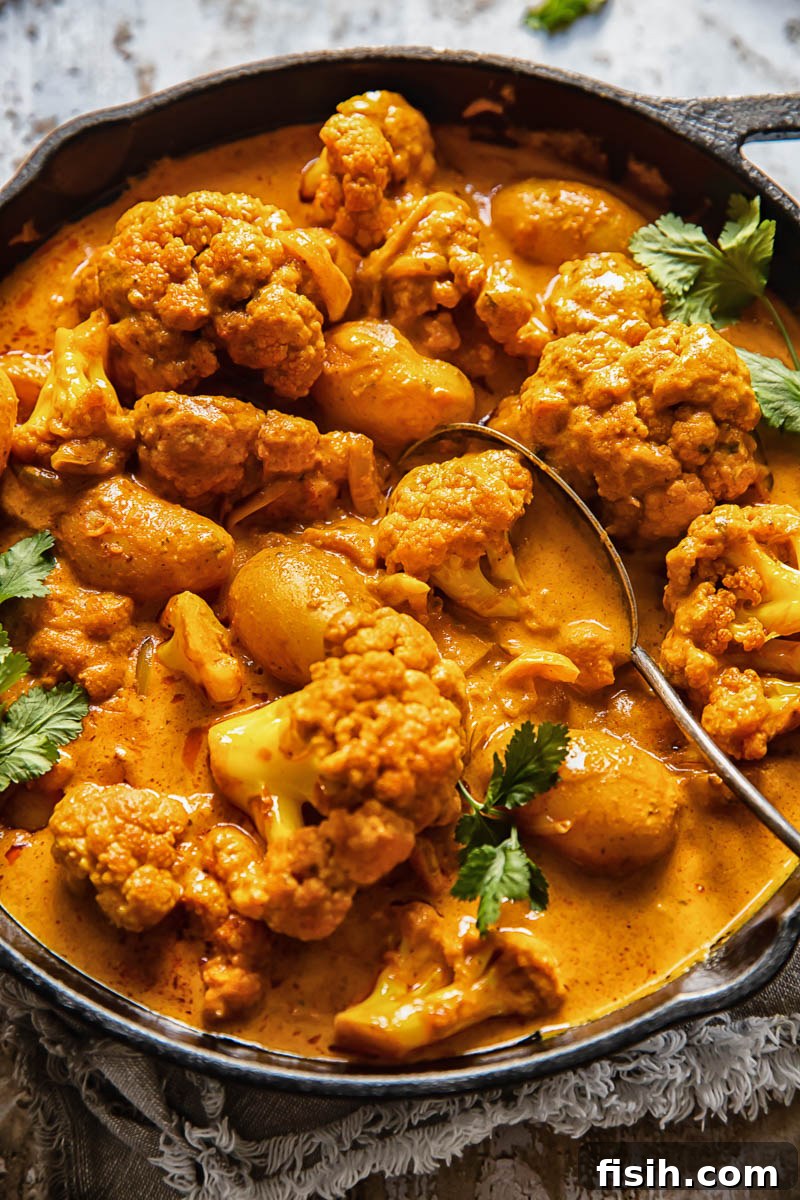
Indulge in the rich, creamy, and vibrant flavors of Vegetable Tikka Masala, a delightful vegetarian curry featuring tender potatoes and cauliflower. This beloved dish, celebrated for its perfect balance of subtle sweetness and a hint of spice, stands as a testament to truly classic comfort food. It’s a meal that captivates the palate with every spoonful, making it an enduring favorite for good reason!
If these incredible flavors entice you, be sure to also explore the timeless taste of traditional chicken tikka masala!
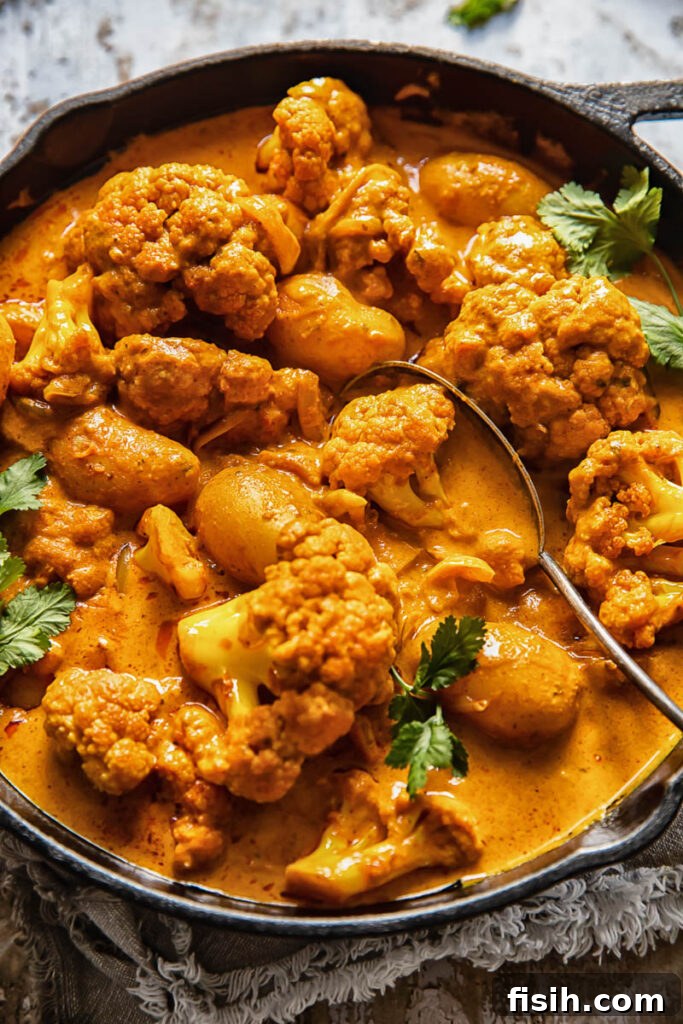
When the evening rolls around and inspiration for dinner wanes, my thoughts often drift to the comforting embrace of a hearty curry. While the convenience of ordering takeout is undeniable, its appeal can quickly diminish, especially when considering the rising costs and often less-than-healthy ingredients. The true magic, however, lies in crafting a spectacular curry right in your own kitchen.
Preparing a flavorful curry at home is not only significantly more economical but also allows for complete control over ingredients, ensuring a wholesome and satisfying meal. A well-made curry has the remarkable ability to transform humble ingredients into a symphony of flavors, creating a culinary experience that belies its simple preparation. This particular Vegetable Tikka Masala is a prime example, promising a deeply satisfying dish without the fuss.
The Hearty Goodness of Cauliflower and Potato Curry
The enduring popularity of Tikka Masala, especially its vegetarian rendition, can largely be attributed to its beautifully restrained yet rich flavor profile. Unlike some spicier curries, it offers a gentle warmth rather than intense heat, making it an excellent choice for family dinners, including those with children, or anyone with a preference for milder cuisine. The subtle sweetness balances perfectly with the aromatic spices, creating a harmonious and approachable taste that appeals to a wide audience.
In this delightful curry, the cauliflower and potatoes are transformed into incredibly tender morsels as they simmer slowly in the luscious Tikka Masala sauce. They diligently absorb every drop of the complex, savory liquid, becoming infused with its delicious essence. While the purist might opt to build the spice blend from individual components, the modern cook will appreciate the incredible convenience and consistent quality offered by a good quality curry paste. Using a premium Tikka Masala paste ensures a foolproof and flavorful result, turning what could be a lengthy process into an effortless culinary achievement.
Unpacking the Enigma: What Exactly is Tikka Masala?
Tikka Masala holds a fascinating culinary identity, proudly wearing the labels of both a distinctly South Asian dish and a beloved British staple. How did this intriguing duality come to be? The story of Tikka Masala begins in the vibrant culinary landscape of the United Kingdom, where it was skillfully crafted by visionary Bangladeshi or Indian chefs. Their goal was to create a curry that would perfectly cater to the evolving British palate, blending traditional Indian spices with a milder, often creamier, finish. This fusion resulted in a flavor profile that quickly garnered widespread adoration, transcending cultural boundaries and securing its place as a global comfort food icon.
Much like many iconic dishes, there isn’t one singular, definitive recipe for Tikka Masala. Its beauty lies in its adaptability and the myriad interpretations it has inspired. You’ll find as many variations as there are cooks, each adding their unique touch. However, most authentic Tikka Masala recipes consistently feature a core set of ingredients: ripe, juicy tomatoes for a foundational tang, a rich dairy component like cream or yogurt (or coconut cream for a dairy-free alternative), and a complex masala spice mix. This spice blend itself is a universe of flavors, varying from region to region and chef to chef. From this versatile base, there’s ample room for creativity, allowing each rendition to become a personalized culinary masterpiece. The sauce is characteristically orange, its hue ranging from a soft golden to a deep reddish-orange, depending on the specific ingredients and spices employed. While traditionally associated with chicken (chicken tikka masala), its robust and adaptable sauce proves absolutely perfect for a wholesome and satisfying vegetarian curry, embracing vegetables like potatoes and cauliflower beautifully.
Essential Ingredients for Your Perfect Tikka Masala
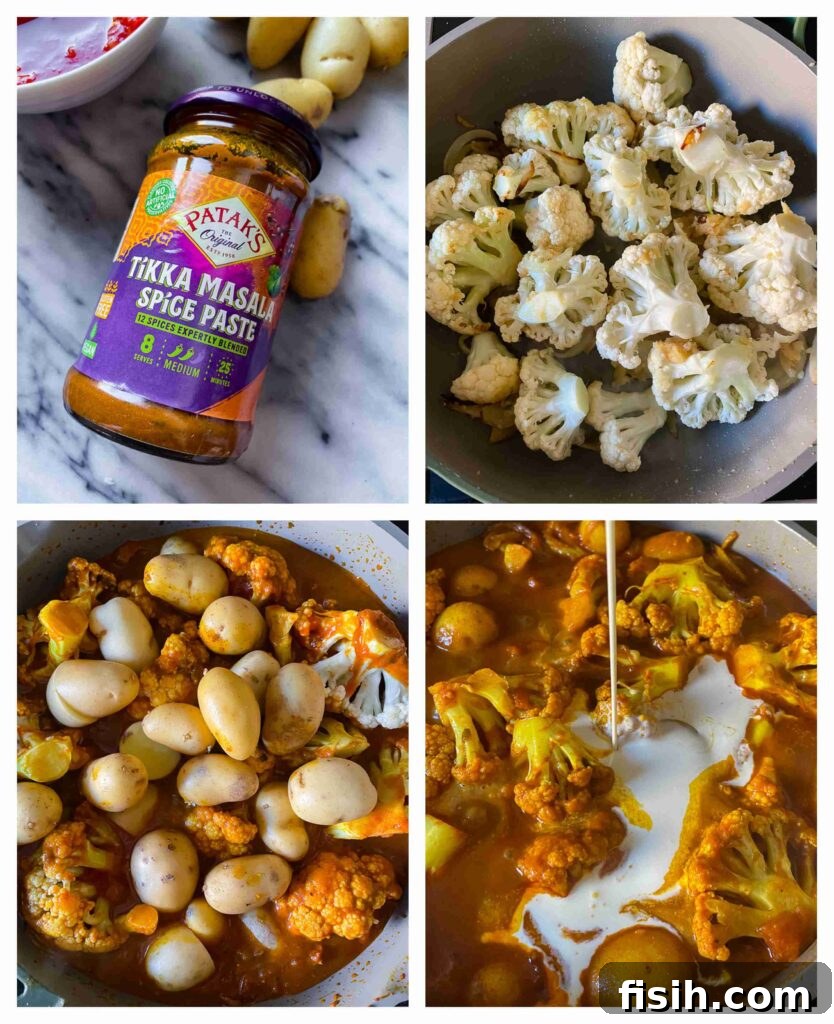
While the allure of meticulously grinding your own spices to personalize every nuance of flavor in a curry is undeniable, the sheer convenience and consistent quality of a premium store-bought curry paste often prove too good to pass up for a busy weeknight meal. This is especially true for our Vegetable Tikka Masala, where the Tikka Masala paste forms the very heart of the dish’s flavor. Therefore, selecting the best quality paste your budget allows is paramount. Brands like Patak’s are widely available and offer excellent results, but feel free to explore other reputable brands stocked in your local international or specialty food aisle.
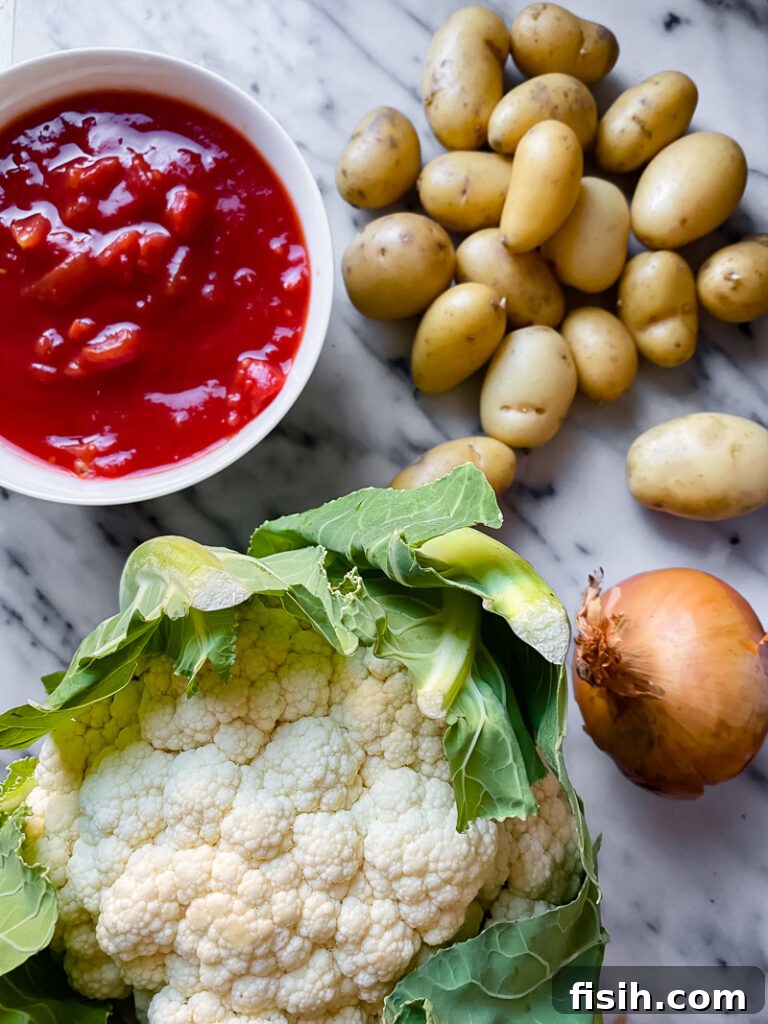
When it comes to the star vegetables, flexibility is key. For this recipe, I utilized delicate baby potatoes, which cook quickly and offer a delightful texture. However, any waxy potato variety will perform admirably. If you’re using larger potatoes, remember to cut them into uniform, bite-sized chunks to ensure even cooking throughout the dish. This prevents some pieces from being undercooked while others turn mushy. Similarly, for the cauliflower, opting for a whole head over pre-cut florets allows you to break it into substantial, large florets. These larger pieces will maintain their integrity and texture better during the simmering process, cooking at a similar rate to the potato chunks and ensuring a pleasant mouthfeel in every bite.
Recipe Tips and Notes for a Flawless Curry
- **Paste vs. Sauce:** Always double-check to ensure you are buying Tikka Masala *paste* and not a pre-made cooking sauce. Pastes are concentrated flavor bases that you build upon, while sauces are ready-to-use liquids, and they are used in very different ways to achieve distinct curry results. The paste delivers a far more authentic and robust flavor profile.
- **Protein Boost/Substitution:** For an added layer of texture and protein, or as a complete substitute for potatoes, canned chickpeas work wonderfully in this recipe. Simply drain and rinse them, adding them to the curry during the last 10-15 minutes of cooking to heat through and absorb the flavors.
- **Potato Selection and Preparation:** While I often use baby potatoes for convenience, any firm, waxy potato variety like red bliss, Yukon Gold, or new potatoes will be perfect. The key is consistent sizing. If using larger potatoes, cut them into roughly 1-inch pieces to ensure they cook evenly and become tender simultaneously with the cauliflower.
- **Cauliflower Florets:** To achieve the best texture and prevent the cauliflower from becoming too soft, break a whole head into large, substantial florets. This ensures they cook at approximately the same rate as the potatoes, contributing a delightful bite to the final dish. Avoid overly small florets, which can overcook quickly.
- **Fat Choice for Authenticity and Dietary Needs:** Ghee, clarified butter, is a traditional fat in South Asian cooking, lending a nutty, rich flavor. However, for those following a vegan diet, or if ghee is unavailable, a neutral cooking oil such as vegetable, canola, or sunflower oil can be used as an excellent substitute without compromising the overall taste significantly.
- **Ginger Shortcut:** Freshly grated ginger provides an undeniable zest. A fantastic time-saving hack is to keep frozen grated ginger on hand. It thaws quickly and integrates seamlessly into the curry, offering convenience without sacrificing flavor. You can often find pre-grated frozen ginger in specialty stores or freeze your own.
- **Adjusting Sweetness and Heat:** The recipe provides a guideline for brown sugar, but feel free to adjust it to your preference. For a tangier curry, you might add a squeeze of lemon juice or a little extra tomato. If you desire a touch of heat, a pinch of chili powder or a finely diced green chili can be stirred in with the ginger and garlic.
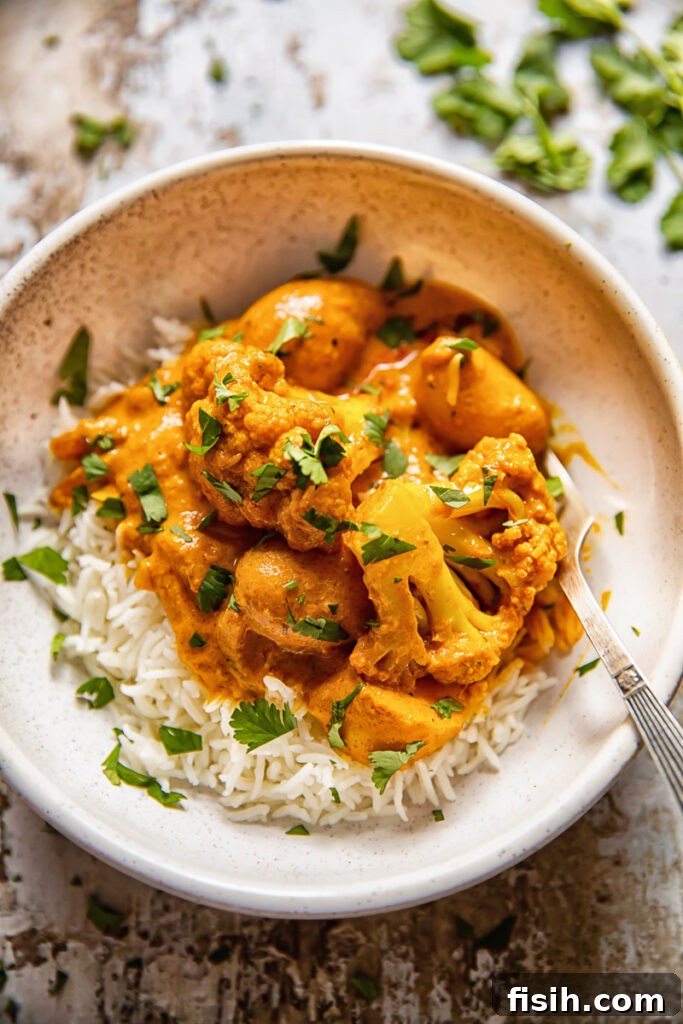
Elevate Your Meal: Delicious Serving Suggestions
It comes as no surprise that I wholeheartedly recommend serving this luscious vegetarian curry with a generous mound of fluffy basmati rice. Its fragrant grains are the perfect canvas for soaking up every drop of the rich Tikka Masala sauce. For those seeking a delightful twist, consider pairing it with my aromatic coconut rice, a comforting bowl of red lentil dal, and warm, pillowy naan bread, ideal for scooping up every last bit of that exquisite sauce.
To further enhance the culinary experience, I often include a dollop of sweet mango chutney or a fiery spicy pickle on the side, providing contrasting flavors that truly awaken the palate. If I’m feeling particularly ambitious and want to create a more expansive Indian feast, a vibrant side dish like saag paneer makes a fantastic addition.
While this vegetarian Tikka Masala stands perfectly well as a satisfying main course, its versatility also makes it an outstanding accompaniment to a larger spread of curries. Its mild yet complex flavor profile complements heartier meat dishes beautifully. Consider serving it alongside rich and savory options such as kofta meatball curry, the robust flavors of chicken rogan josh, or the creamy indulgence of a classic chicken korma. The contrast in textures and flavors will create an unforgettable dining experience.
Storage and Reheating: Enjoying Your Curry Later
One of the many joys of a well-made curry is that it often tastes even better the next day! A bit of time spent resting in the refrigerator allows all the intricate flavors to meld and deepen, transforming into an even more harmonious and delicious dish. This makes our Vegetable Tikka Masala a fantastic option for meal prepping or simply enjoying delicious leftovers.
You can safely store the curry in an airtight container in the refrigerator for 4-5 days. To reheat, gently warm it in the microwave or on the stovetop over medium-low heat. If the sauce has thickened too much during storage, simply add a splash of water or vegetable broth while reheating to restore its luscious consistency. The curry also freezes exceptionally well, making it a perfect candidate for batch cooking. Store individual portions in freezer-safe containers for up to 3 months. While the vegetables may become slightly softer after freezing and thawing, their texture will still be perfectly enjoyable and won’t detract from the overall deliciousness. To reheat from frozen, allow the curry to thaw completely in the refrigerator overnight before warming it as described above.
Explore More Delightful Vegetable Curry Dishes
- Creamy Coconut Lentil Curry with Butternut Squash
- Indulgent Paneer Tikka Masala
- Simplified Cauliflower and Potato Curry ‘Aloo Gobi’
- Hearty Chickpea and Butternut Squash Curry
Vegetable Tikka Masala with Potatoes and Cauliflower
Pin
Ingredients
- 1 tbsp ghee, oil for a vegan option
- 1 onion, sliced
- 1 tbsp ginger, grated
- 2 cloves garlic
- 250g/½lb baby potatoes, or other waxy potatoes; cut larger potatoes in half
- 250g/½lb cauliflower, broken into large florets
- 125ml/½ cup tikka masala paste, not cooking sauce
- 400ml/14 oz canned chopped tomatoes
- 250ml/1 cup water
- 125ml/½ cup single cream, or double cream; coconut milk for a vegan option
- 2-3 tsp brown sugar
- 1 tbsp fresh cilantro/coriander, for garnish
Instructions
-
Begin by heating the ghee or chosen oil in a large, deep pan over medium heat. Add the thinly sliced onion and sauté for approximately 7-10 minutes, stirring occasionally, until it turns beautifully golden brown and caramelized. This browning step is crucial for developing a deep flavor base. Next, add the cauliflower florets to the same pan and continue cooking for about 5 minutes until they start to acquire some golden spots. The cauliflower won’t be fully cooked at this stage, but the initial browning will significantly enhance its flavor and texture in the finished curry.
-
Now, introduce the grated ginger and minced garlic to the pan, cooking them briefly for about 30 seconds until fragrant. Immediately stir in the tikka masala paste and cook for another 30 seconds, ensuring it coats all the vegetables and releases its aromatic oils. Pour in the canned chopped tomatoes and water, stirring well to combine all the ingredients. Add the potatoes to the mixture and bring the curry to a gentle boil. Once boiling, reduce the heat to low, cover the pan tightly with a lid, and let it simmer for 20-25 minutes, or until both the potatoes and cauliflower are wonderfully tender when pierced with a fork.
-
Finally, stir in the cream (or coconut milk for a vegan version) and brown sugar, mixing thoroughly to incorporate. Allow the curry to gently simmer for just one minute more to allow the flavors to meld beautifully. Remove the pan from the heat and serve your creamy, flavorful Vegetable Tikka Masala hot, garnished generously with fresh cilantro/coriander for a burst of freshness.
Nutrition
Nutrition information is automatically calculated, so should only be used as an approximation.
Tried this recipe?Let us know how it was!