Journey into the heart of history, culture, and unparalleled beauty. This comprehensive guide unveils the best places to visit in Rome, ensuring your trip to the Eternal City is nothing short of legendary.
And if the allure of Italy’s charm captures your heart, consider extending your adventure to the breathtaking Amalfi Coast. With its panoramic vistas and renowned wines, it’s a perfect complement to your Roman holiday. Discover our advice for a do-it-yourself wine tour through this magnificent region!
Having explored Italy on numerous occasions, it’s almost bewildering that a visit to Rome wasn’t higher on our list sooner. Rome, after all, stands as one of the very few global cities that consistently graces every serious traveler’s bucket list. Its timeless appeal, rich history, and vibrant culture make it an indispensable destination.
My own personal desire to explore Rome was significantly fueled by the iconic Audrey Hepburn and Gregory Peck classic, ‘Roman Holiday.’ While I usually shy away from embracing clichés, the romanticized image of scooter rides past ancient ruins and secret rendezvous in charming piazzas proved irresistible. Yet, Rome offers far more than cinematic fantasy; it’s a tangible link to a glorious past.
Why wouldn’t one visit Rome? It was the formidable center of an empire that laid the groundwork for countless civilizations to follow, an empire against which all future powers would be measured. Indeed, the ancient proverb “all roads lead to Rome” still resonates with profound truth today. Long before we physically step onto its hallowed ground, Rome exists vividly in our collective imagination and historical consciousness, often through iconic images like the Colosseum gracing desktop backgrounds or wall calendars.
This widespread recognition, however, presents a unique challenge for visitors. The very popularity of such well-known places often means finding oneself immediately swept into the relentless “tourist machine” upon arrival. With millions of visitors converging on its ancient streets, the city, at times, appears more focused on efficiently moving people through its sites than on allowing an authentic, unhurried experience of the mystery and intrigue that should inherently emanate from such a historically profound location.
Truth be told, Rome, despite its undeniable grandeur and monumental settings, didn’t capture my heart in the same intimate way that smaller, less-frequented Italian cities often do. As seasoned independent travelers, prone to frustration when our preferred pace is disrupted, we found Rome to be a particularly challenging city to navigate. While our inclination is always to explore sites at our leisure, the omnipresent long lines at every major attraction convinced us that utilizing guided tours with “skip-the-line” access was a pragmatic necessity.
This investment, though adding to the overall cost, proved to be money well spent, sparing us from extensive waits under the unforgiving Italian sun. However, it’s worth noting that these tour groups often swelled to considerable sizes, making it difficult to fully absorb the guide’s insights, especially in more congested areas. Despite these minor compromises, the sheer scale and beauty of Rome’s treasures make the effort worthwhile.
Unveiling Rome’s Wonders: Essential Sights and Attractions
When it comes to Rome, the difficulty isn’t in finding things to see, but rather in curating a manageable list from an almost endless array of historical and cultural treasures. Here’s our guide to the must-visit places in Rome, designed to help you navigate this magnificent city.
The Ancient Heart of the City: Colosseum, Forum, and Palatine Hill
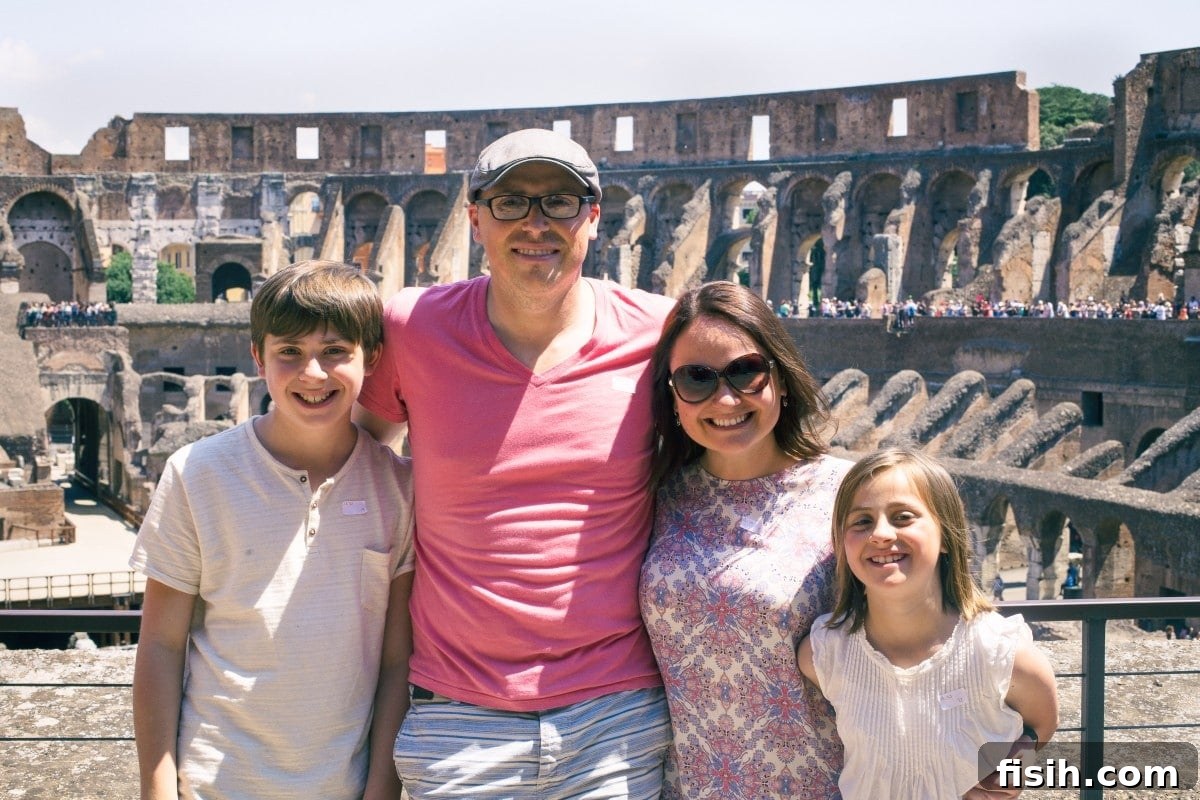
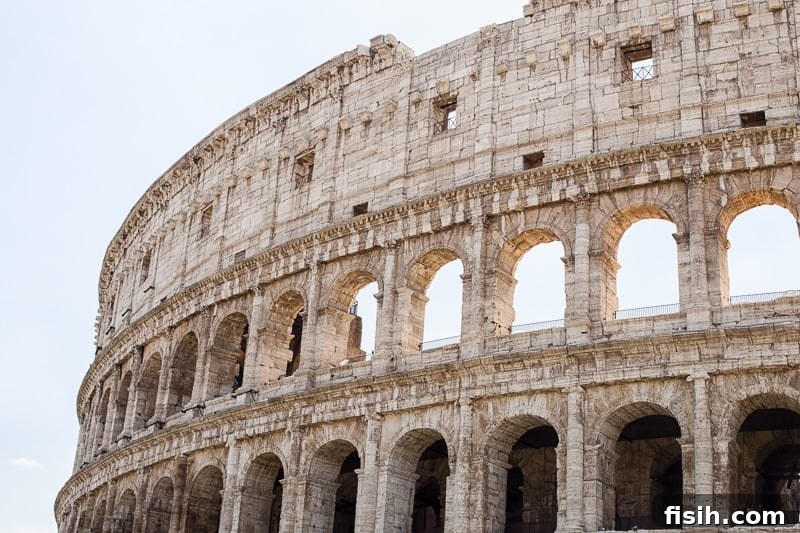
No journey to Rome would be truly complete without immersing oneself in the grandeur of the Colosseum. This iconic amphitheater is every bit as stunning and imposing as its formidable reputation suggests, a true testament to Roman engineering and societal practices. Its sheer scale and historical weight are guaranteed to leave an indelible impression.
However, be prepared for equally epic lines. Joining one of the numerous guided tours to bypass the queues is highly recommended. While it does increase the cost of your visit, it offers invaluable time-saving benefits, preventing you from queuing for hours under the relentless Roman sun just to secure a ticket. We found this investment to be incredibly worthwhile, allowing us more time to explore rather than wait.
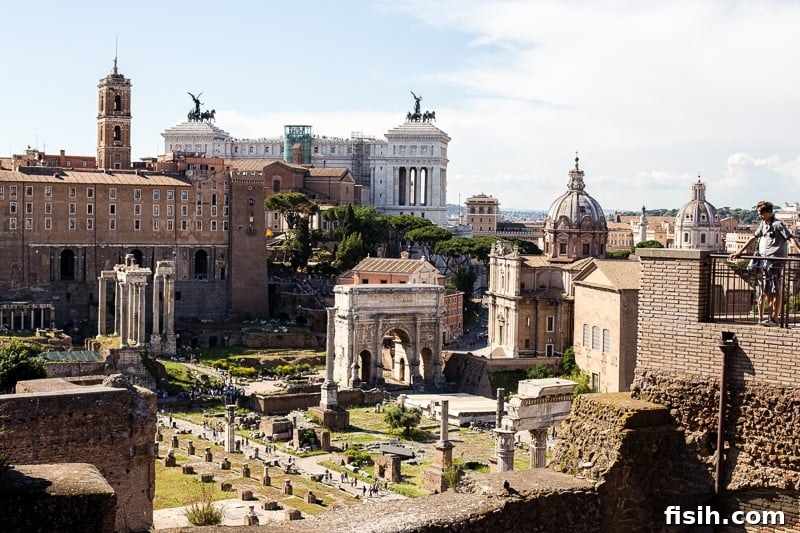
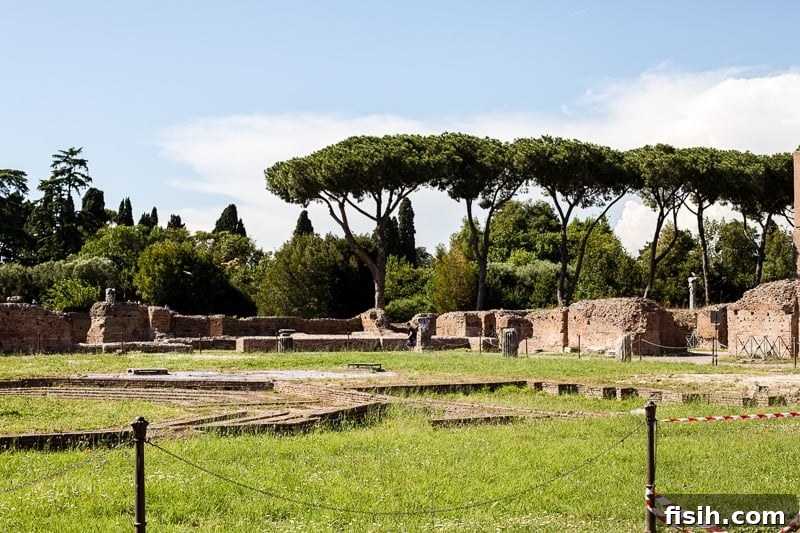
From the Colosseum, a natural progression leads you up the historic Palatine Hill, one of the seven hills of Rome, believed to be the site of Rome’s founding. From here, you’ll descend into the expansive ruins of the Roman Forum, the ancient city’s vibrant political, religious, and commercial heart. You’ll appreciate both sites for their wide-open spaces, offering a sense of perspective and history, and you’ll especially love them for the occasional availability of shade, a welcome reprieve on hot days.
It was in this sprawling complex that we found a guided tour particularly invaluable. A knowledgeable guide brought the fragmented ruins to life, providing essential context to what might otherwise appear as merely a collection of weathered stones. Save ample time and energy to wander and reflect here, allowing the echoes of history to wash over you.
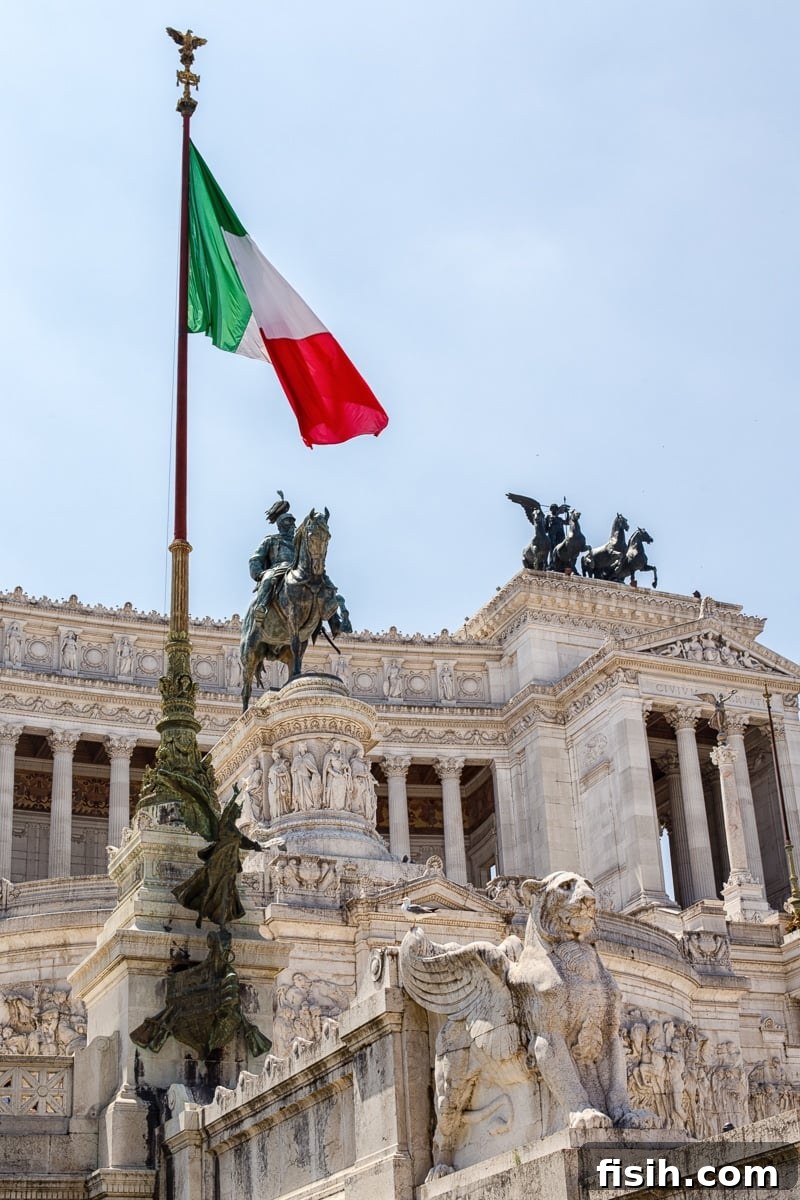
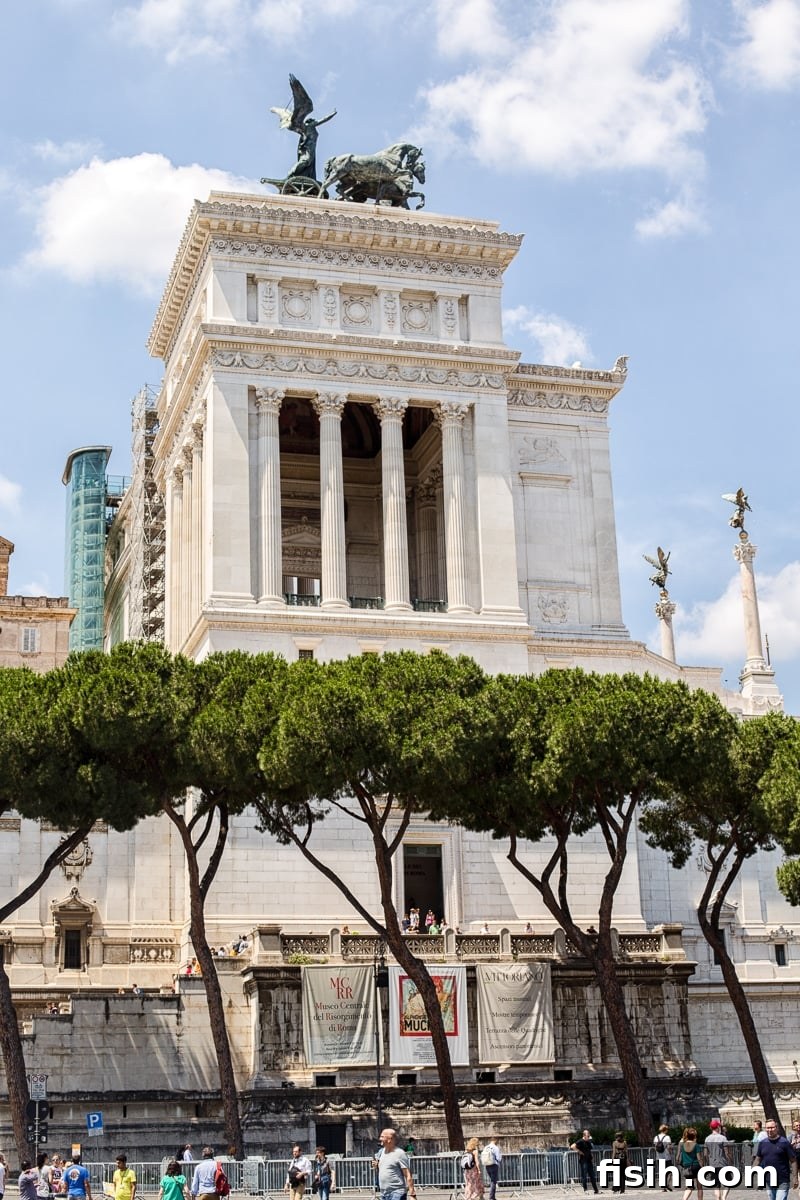
Another monumental structure impossible to miss is the Altar of the Fatherland (Altare della Patria). This rather imposing, brilliant white marble monument stands as a grand tribute to Victor Emmanuel II, the first king of unified Italy, and a memorial to fallen soldiers of the First World War. Affectionately (or perhaps derisively) nicknamed “the Wedding Cake” or “the Typewriter” by some Romans due to its layered, elaborate design, I must confess to finding its scale and artistry quite appealing. Be sure to climb to the very top for some of the most breathtaking panoramic views across the Eternal City.
A Spiritual and Artistic Metropolis: Vatican City
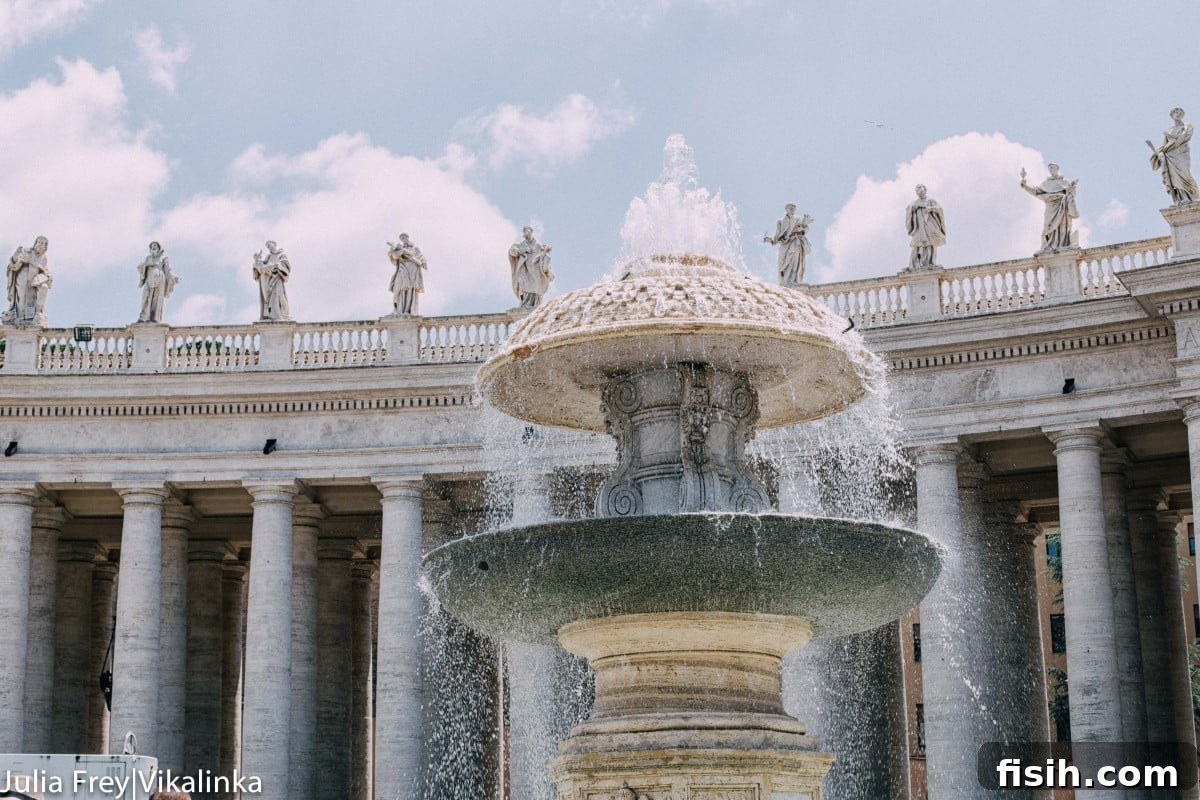
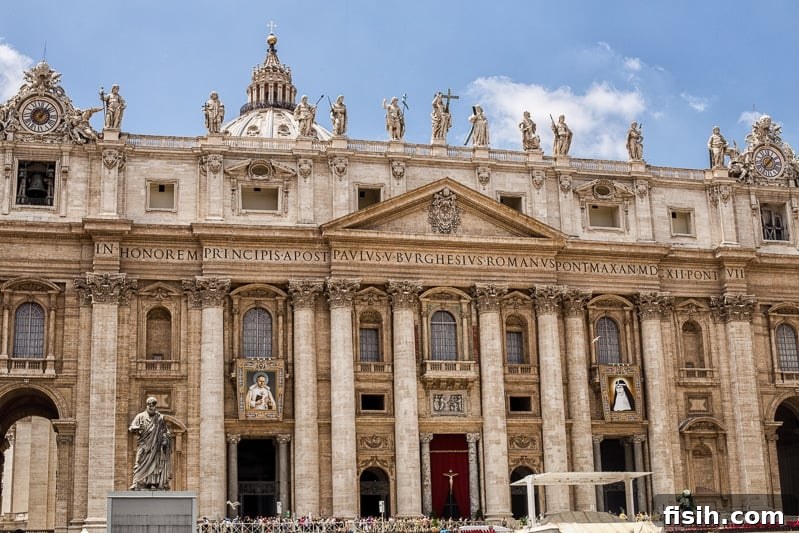
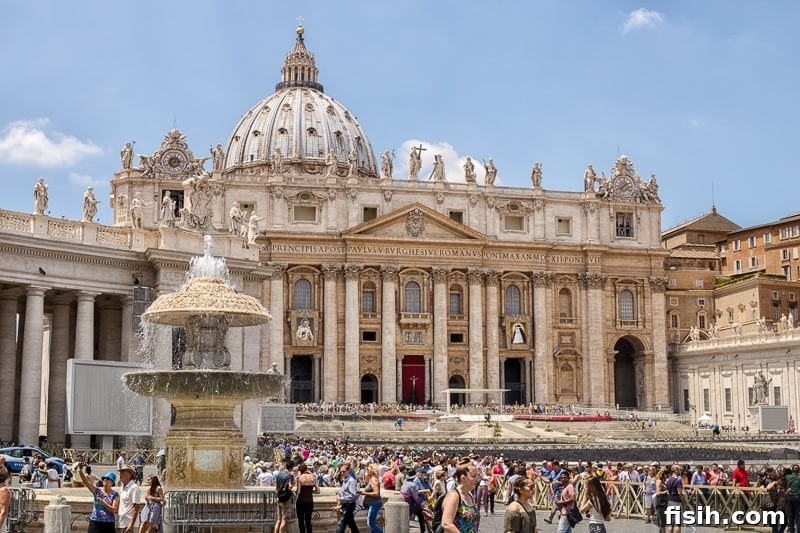
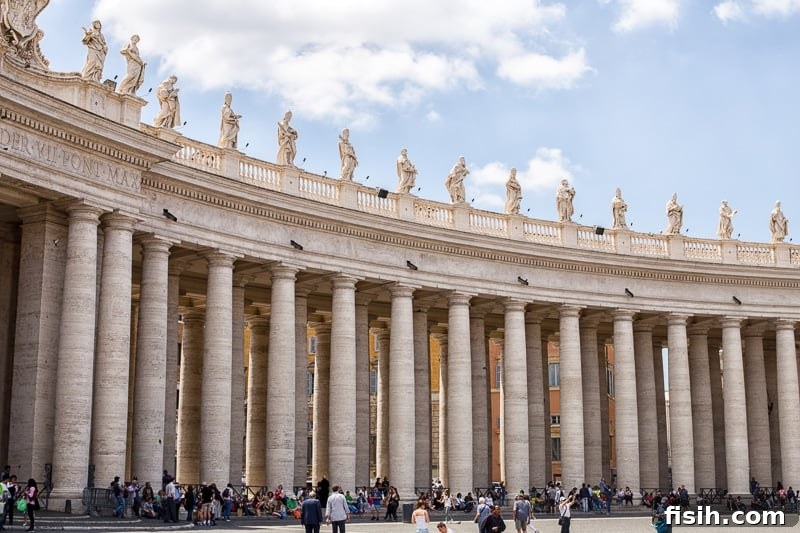
Nestled within Rome, the independent city-state of Vatican City inevitably tops every visitor’s itinerary. However, herein lies the challenge: its immense popularity means it struggles to accommodate the sheer volume of pilgrims and tourists. Despite high hopes for a deeply memorable and reflective visit, the experience can often feel overwhelmingly crowded and, at times, unpleasant.
The primary objective within the Vatican Museums often appears to be ushering as many paying customers through its hallowed halls as efficiently as possible, leading to oppressive throngs in nearly every room. My travel companion, Julia, for instance, was so preoccupied with navigating the dense crowds in the Sistine Chapel that, tragically, she almost forgot to look up and witness Michelangelo’s awe-inspiring ceiling masterpiece. While the Vatican itself—with St. Peter’s Basilica and the Vatican Museums—is undeniably remarkable and resplendent with beauty, the overall visiting experience can, regrettably, leave much to be desired. To mitigate this, consider visiting very early in the morning, booking specialized small-group tours, or exploring during the off-season if possible.
Exploring Beyond the Icons: Hidden Gems and Famous Landmarks
A truly dramatic stop on your Roman itinerary is the Pantheon, an ancient Roman temple, now a church and mausoleum, that is surprisingly free to enter. Its perfectly preserved structure and architectural brilliance are a marvel. The freestanding concrete dome, a masterpiece of ancient engineering, is all the more impressive given the era in which it was constructed. The Romans certainly knew how to build things to last.

Just a short, pleasant stroll away lies the magnificent Trevi Fountain, one of my absolute favorite stops and a place that truly warrants multiple visits. Be sure to experience its Baroque splendor both during the daytime, when the intricate details are bathed in sunlight, and in the evening, when it glows magically under floodlights. Regardless of when you visit, the piazza surrounding the fountain will invariably be throbbing with life and energy, a favorite gathering spot for both tourists and locals.
We particularly enjoyed indulging in some delightful people-watching over a refreshing gelato, finding endless entertainment in observing the occasional enterprising backpacker attempting to discreetly scoop up some of the coins tossed into the fountain by passers-by, perpetuating the charming tradition of ensuring a return to Rome.
The Spanish Steps, a grand Baroque staircase leading from the Piazza di Spagna to the Trinità dei Monti church, are undoubtedly quite beautiful. However, on our last visit, they were unfortunately undergoing extensive renovation, well-protected by builders’ walls. While I can’t personally attest to their immediate charm, the myriad of beautiful photos found online certainly suggest a truly picturesque landmark. They remain a famous meeting point and a perfect spot for people-watching once renovations are complete.
A little further uphill, you’ll discover the serene oasis of Villa Borghese. This expansive and exquisitely landscaped public park offers a welcome refuge from the pervasive heat and urban hustle of central Rome. It’s the perfect place to unwind, enjoy a leisurely picnic, or rent a bike or a pedal-powered go-cart to explore its sprawling grounds and hidden pathways at a quicker pace. Don’t miss the Pincio Terrace for spectacular sunset views over the city.
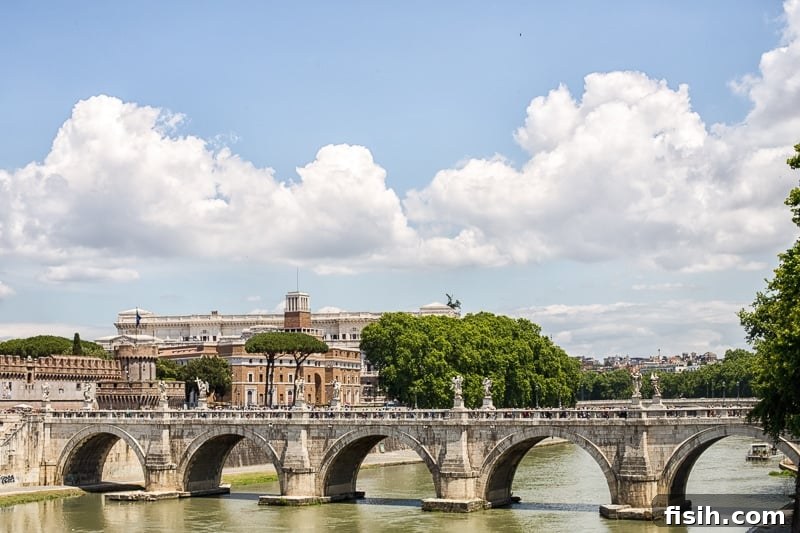
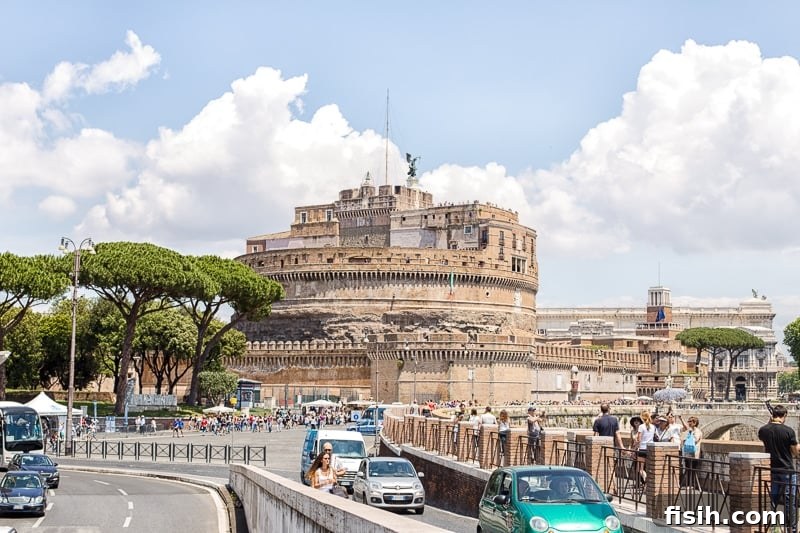
Of course, Rome’s list of attractions extends far beyond these highlights. There are countless other fascinating sites, such as the eerie underground Catacombs, the imposing cylindrical fortress of Castel Sant’Angelo (once Hadrian’s Mausoleum), and more museums and vibrant piazzas than you could ever possibly visit in a single trip. It would become monotonous to list them all, so I’ll leave you with this crucial recommendation: plan your stay meticulously.
Conduct thorough research beforehand to identify your absolute must-see attractions, and mentally prepare for spending a significant amount of time in lines, even with pre-booked tickets. Most importantly, always budget for ample unstructured time to simply wander the charming streets and explore the labyrinthine back alleys. Remember, not every truly memorable sight or authentic experience will be neatly outlined in your guide book; some of Rome’s greatest treasures reveal themselves only to those who dare to stray off the beaten path.
A Gastronomic Journey: Savoring Roman Cuisine
Food in Rome can be a somewhat nuanced subject. In many other countries, the culinary offerings found in the bustling, main tourist-frequented areas of the city would likely be considered perfectly decent and reasonably priced. However, this is Italy – a nation renowned and almost defined by its exquisite cuisine. In such a context, “decent” simply isn’t good enough; Italian food should aspire to be nothing short of amazing.
Alas, cities that attract hordes of tourists often develop a habit of taking shortcuts in their culinary provisions. Much like other globally recognized destinations, there’s often little incentive for establishments in prime tourist spots to create truly exceptional food when they can serve almost anything on a plate with a healthy mark-up and still draw a crowd. This means that for a truly authentic and memorable Italian meal, you might need to venture slightly off the main thoroughfares.
Finding Authentic Flavors: Where to Dine in Rome
If your quest is for the absolute pinnacle of Italian gastronomy, you might find that Rome’s bustling center isn’t always where you’ll discover it. However, this doesn’t mean that mealtimes in the Eternal City will be anything less than enjoyable or memorable. Dining al fresco in the vibrant Piazza Navona offers an unforgettable experience, renowned as much for its breathtaking Baroque fountains and captivating street performers as it is for the meal itself. The same can be said for Piazza Rotonda, where you can leisurely savor your dinner while gazing directly upon the ancient, awe-inspiring Pantheon. Even if the food occasionally falls short of five-star perfection, the unparalleled locations and atmospheric charm are truly unbeatable.
For those seeking the very best food in Rome, locals will almost unanimously point you in the direction of Trastevere. This enchanting, bohemian neighborhood, a walkable distance from the city center for the energetic, or a quick and inexpensive taxi ride, is undeniably worth the short journey. I’ve racked my brain trying to recall the specific names of the restaurants we patronized, but ultimately, it scarcely matters. Trastevere boasts an innumerable array of unpretentious eateries, each serving up down-to-earth, authentic, and utterly delicious food at refreshingly sensible prices.
Everywhere we looked seemed inviting, and although our personal sample size was limited, the neighborhood’s long-standing reputation suggests you are highly unlikely to make a poor choice. Trastevere’s restaurants are typically noisy, vibrant, and bursting with local character – exactly as they should be – and offer brilliant value. Come here to savor classic Roman dishes like Cacio e Pepe, Carbonara, Amatriciana, and Roman-style pizza, and leave feeling like you’ve truly experienced Roman cuisine done right.
(Inspired to recreate the magic of the Italian kitchen at home? Here are some ideas to get you started on your culinary adventure!)
Embracing the Eternal City: A Final Reflection
Reflecting on my Roman experience leaves me with a slight pang of guilt, as I certainly don’t wish to cast a shadow on such a legendary and historically significant city. A visit to Italy – and arguably to Europe itself – would feel profoundly incomplete without a journey to Rome, given the sheer abundance of remarkable places to explore and discover.
The monumental sites themselves, with their breathtaking scale, profound historical importance, and artistic brilliance, have left an indelible mark on my memory. And the Romans themselves, with their inherent charm, lively spirit, and genuine warmth, are every bit as engaging as their storied reputation would suggest. I am undeniably deeply grateful for the privilege and opportunity to have visited this unparalleled destination.
However, if you choose to follow in my footsteps and embark on your own Roman holiday, you would do well to carefully manage your expectations. Be prepared for the inevitable challenges that arise in a place so utterly swarming with tourists. Embrace the crowds as part of the experience, arm yourself with patience, and remember that even with careful planning, some spontaneous detours and unexpected moments are part of Rome’s unique charm. By doing so, you can truly appreciate the Eternal City for all its magnificent complexities.