
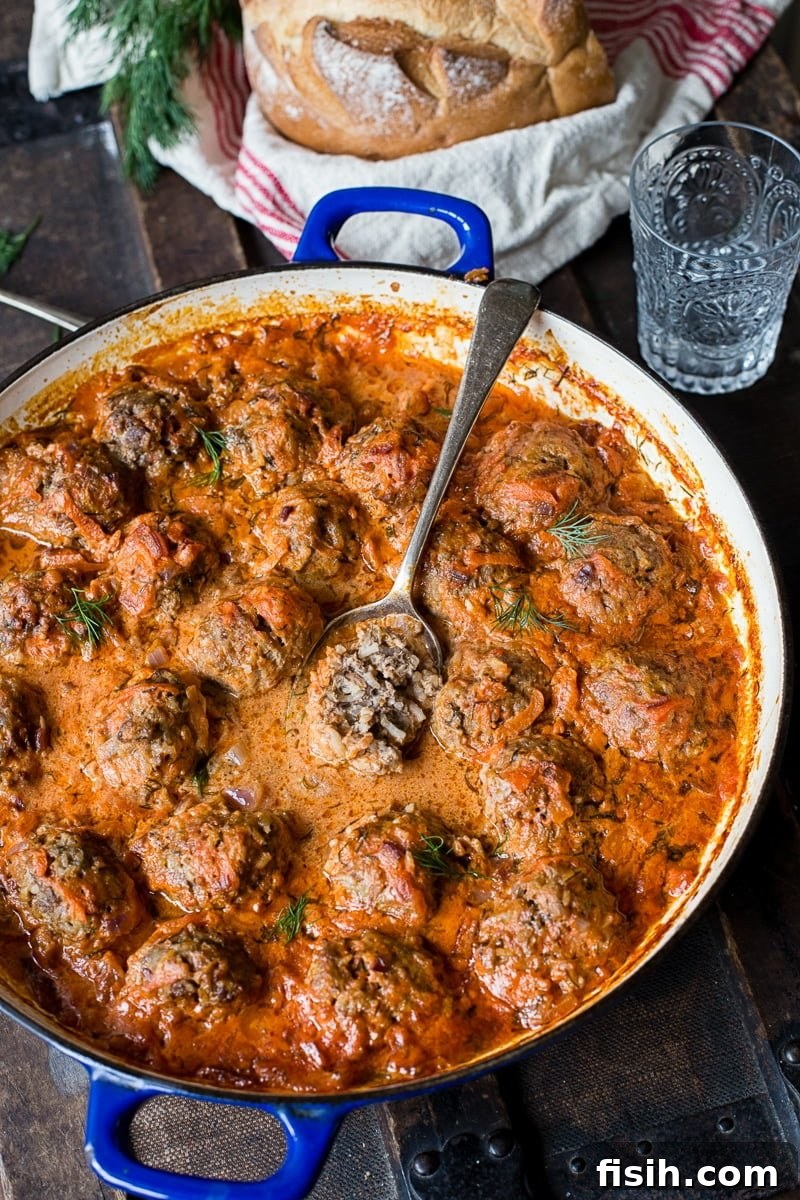
Classic Porcupine Meatballs in Creamy Tomato Sauce: A Beloved Comfort Food Recipe
There are some dishes that simply transcend time, bringing with them a wave of comfort and cherished memories. These delightful Porcupine Meatballs, baked to perfection in a rich, tangy sour cream and tomato sauce, are precisely one such recipe. With their unique appearance and incredibly juicy texture, these meatballs promise to bring warmth and smiles to any dinner table, especially when generously sprinkled with fresh dill. It’s a dish that embodies both deliciousness and a comforting sense of nostalgia, making it an instant family favorite.
For an authentic and truly satisfying meal, these tender meatballs are perfectly complemented by our creamy Mashed Potatoes, which are ideal for soaking up every last drop of the delectable sauce. Alternatively, explore another hearty option with our Baked Mashed Potato Casserole with Mushrooms.
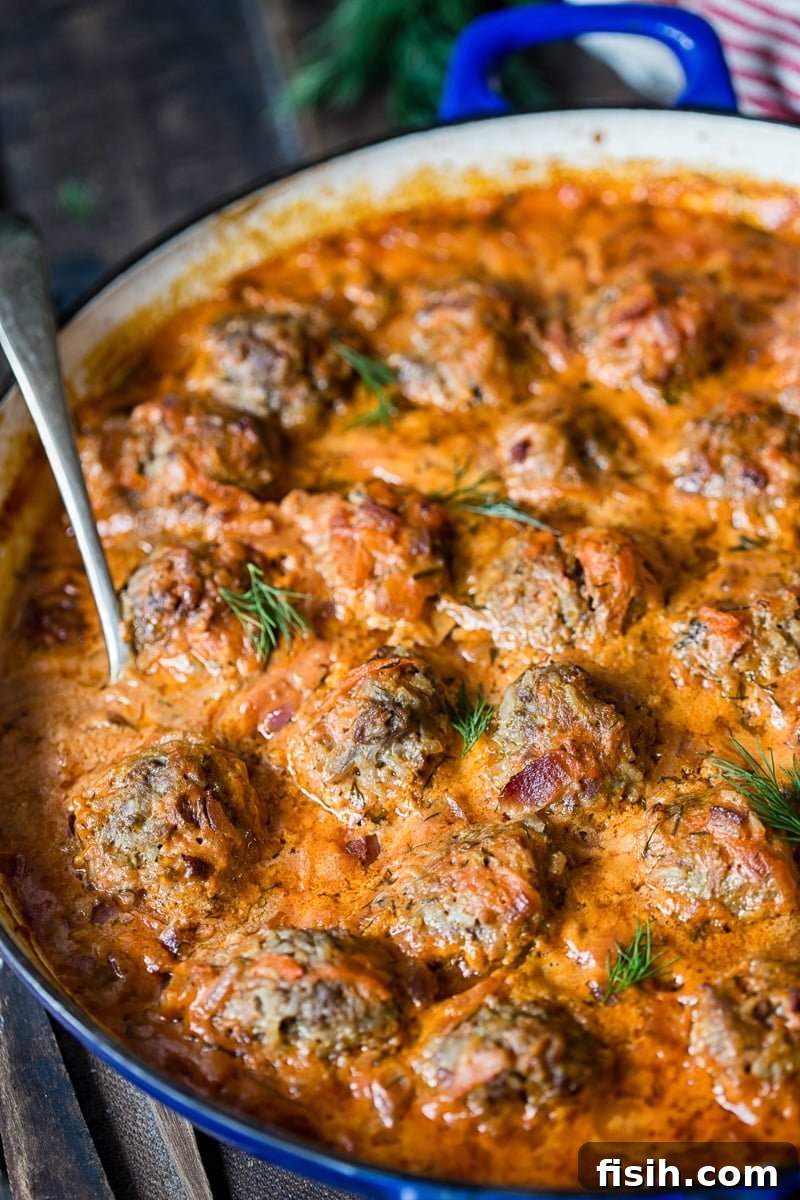
Every now and then, there’s an undeniable pull towards the flavors of childhood. For me, that often means revisiting the classic recipes that filled our home with enticing aromas and satisfied sighs. Just like the traditional Vareniki and the hearty Borscht you might find in my recipe collection, this dish holds a special place in my heart. Today, I’m thrilled to share one more beloved recipe from my upbringing: Porcupine Meatballs baked in a savory sour cream and tomato sauce, lovingly known in Russia as ‘Tefteli’.
My mother frequently prepared these meatballs, and for good reason—they were always met with unanimous approval. The combination of juicy meat and a tangy, creamy sauce made them a guaranteed hit. They pair wonderfully with mashed potatoes, or for a more traditional Eastern European experience, try them with a serving of wholesome buckwheat kasha! This recipe isn’t just about food; it’s about sharing a piece of culinary history and creating new, delicious memories.
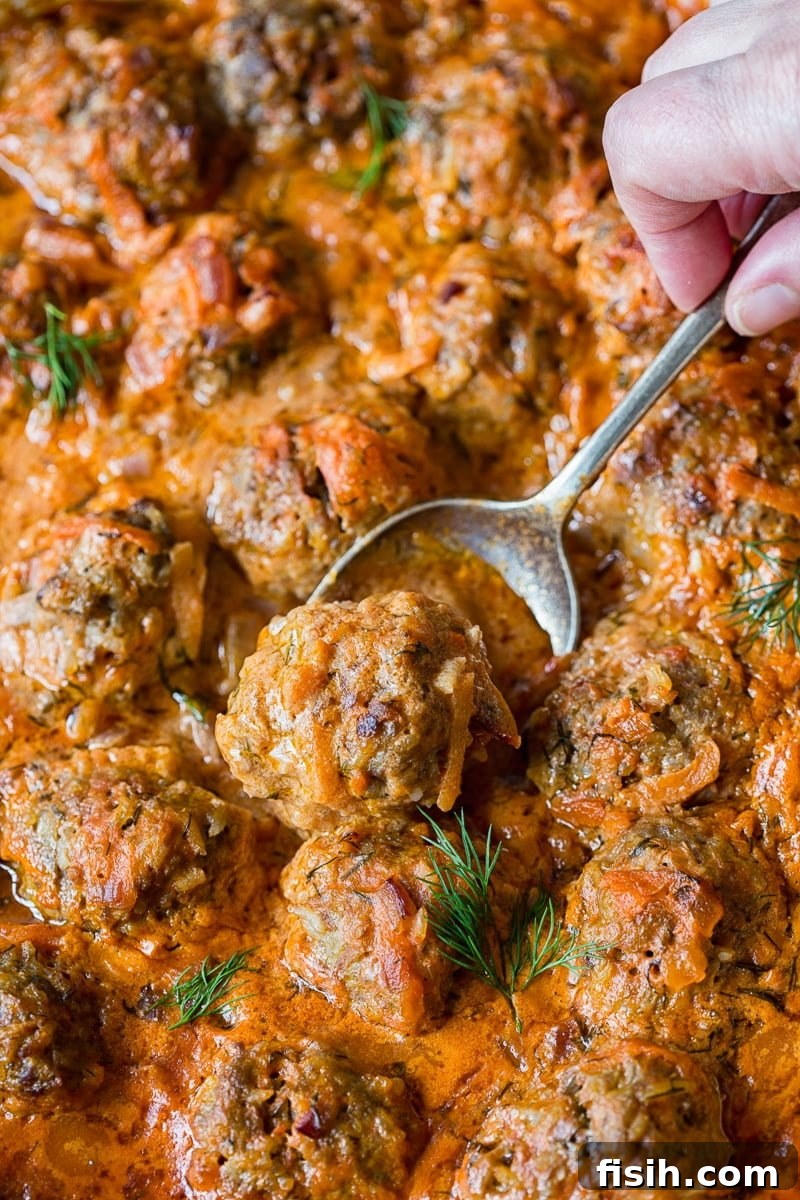
What Exactly Are Porcupine Meatballs?
If you’re new to the wonderful world of porcupine meatballs – or “hedgehog meatballs” as my family affectionately calls them – prepare to discover a dish you’ll undoubtedly adore. These unique meatballs get their intriguing name from the way uncooked rice, mixed into the ground meat, expands and pokes out during baking, resembling the quills of a porcupine. This playful visual makes them an incredibly popular choice, especially among children, adding a touch of whimsy to dinner time.
The magic of these meatballs lies in their simple yet brilliant construction. They’re typically made with a savory combination of ground meat and uncooked rice, which not only gives them their distinctive look but also contributes to their tender texture and helps to stretch the meat further. For the most succulent and flavorful result, my mother always insisted on mixing ground beef with ground pork. This blend creates a richness and moisture that simply cannot be achieved with beef alone. However, if dietary preferences or availability dictate, you can certainly use just ground beef, though you might find the meatballs slightly less juicy and robust in flavor.
Beyond the meatballs themselves, the star of the show is undeniably the creamy tomato sauce they’re cooked in. This luscious sauce smothers each meatball, infusing it with a tangy, rich, and incredibly comforting flavor. While creamy tomato sauces are a culinary staple worldwide, Eastern European versions, like this one, have a distinct depth of flavor, often achieved through slow-cooked aromatic vegetables, creating a truly exceptional experience.
The combination of savory meatballs, tender rice, and that unparalleled creamy tomato sauce elevates this dish from a simple meal to a cherished comfort food. It’s a testament to the power of traditional recipes to bring joy and satisfaction to any meal.
Expert Recipe Tips & Notes for Perfect Porcupine Meatballs
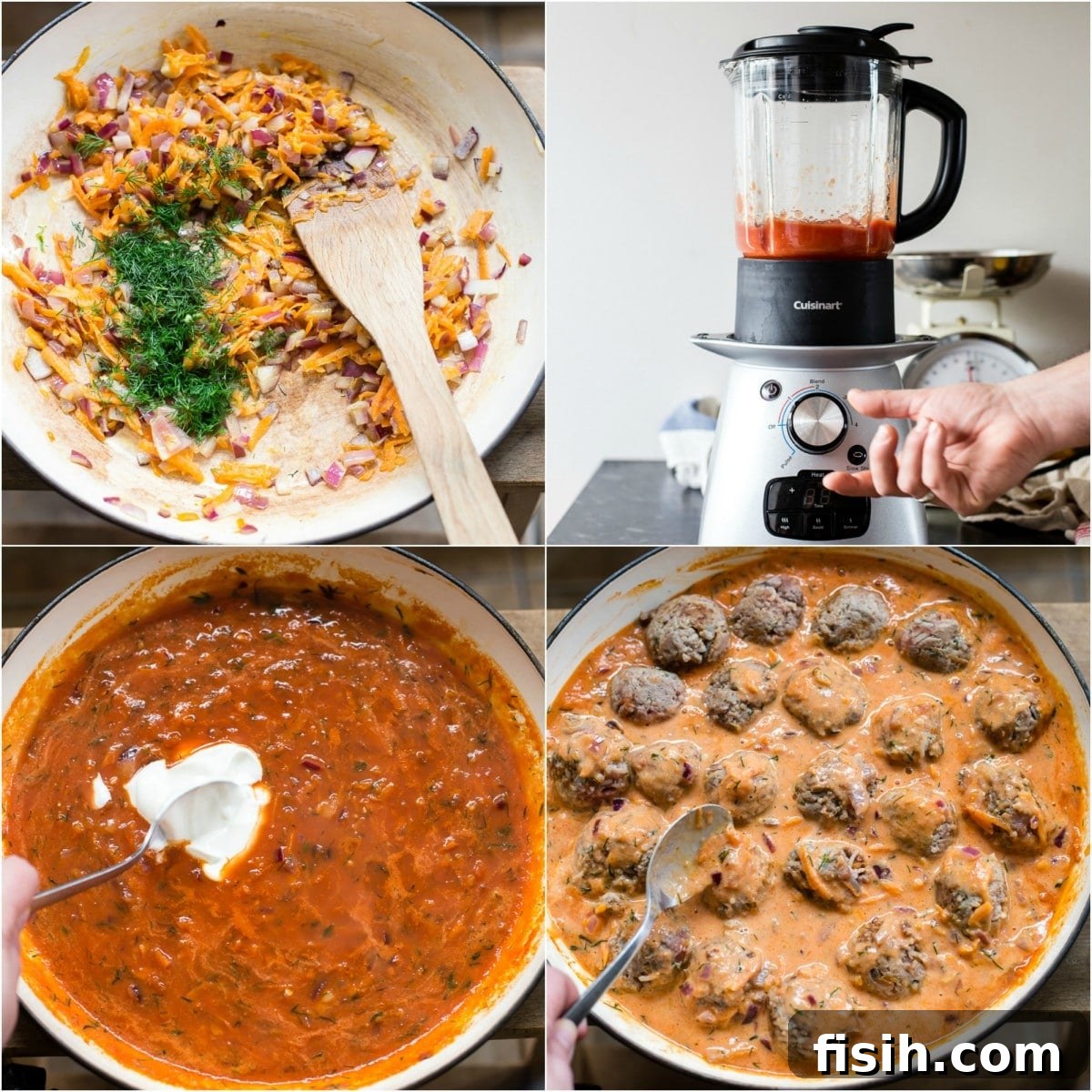
- The Flavor Base: Caramelized Onions and Carrots: One of the secrets to the intensely delicious and slightly sweet taste of many Eastern European sauces, including this one, lies in a carefully prepared onion and carrot base. Don’t rush this step! Sautéing the chopped onions and grated carrots in a mix of oil and butter over low heat for at least 15 minutes allows their natural sugars to release and caramelize. This slow cooking process develops a profound depth of flavor that is absolutely crucial for the authentic taste of the sauce. It’s an investment in flavor that truly pays off.
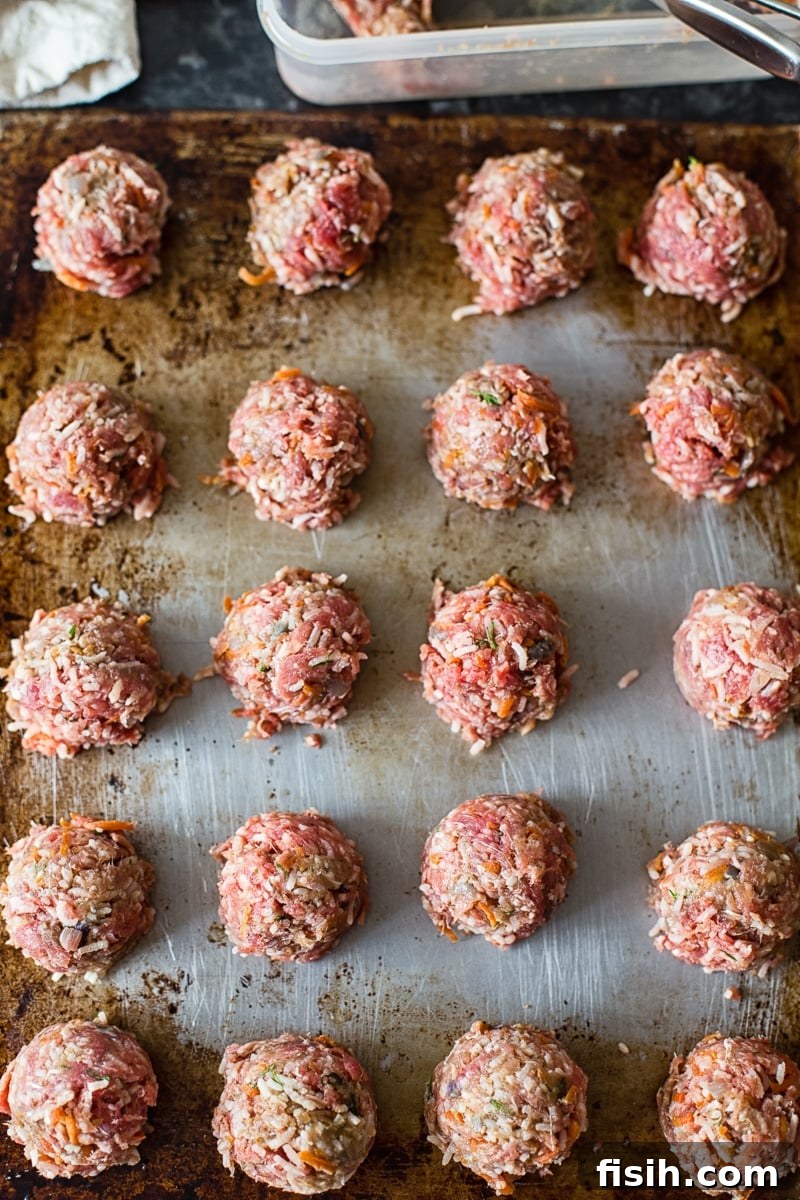
- Crafting the Perfect Meatballs: As previously mentioned, the ideal porcupine meatball is typically made from a combination of ground beef and ground pork. This blend ensures a juicy, tender, and richly flavored result. The key ingredient that gives these meatballs their name is the rice, which should be pre-cooked al dente. Integrating partially cooked rice prevents the meatballs from becoming too dense or falling apart. I also like to further enhance the meatballs’ flavor by incorporating a portion of those sautéed onions and carrots directly into the meat mixture, adding another layer of savory sweetness.
- Browning for Enhanced Flavor and Texture: While the meatballs will ultimately finish cooking in the sauce, don’t skip the crucial step of browning them beforehand. This isn’t about cooking them through, but rather searing the exterior on all sides in a little oil. Browning achieves two vital things: it creates a delicious caramelized crust (the Maillard reaction) that locks in moisture and adds a deeper, more complex flavor to the meatballs. It also helps the meatballs hold their shape better as they braise in the sauce.
- Sour Cream Selection: The choice of sour cream is vital for the sauce’s texture and stability. Always opt for full-fat sour cream. Low-fat varieties contain more water and less fat, making them less stable at high temperatures and prone to curdling or separating when baked in a hot oven. If full-fat sour cream isn’t available or preferred, heavy cream makes an excellent alternative, providing a similar richness and stability to the sauce.
- The Dill Factor: Dill is a quintessential herb in Eastern European cuisine, often finding its way into a wide array of dishes and elevating them with its fresh, slightly tangy, and distinctive flavor. For an authentic taste, fresh dill is highly recommended for both the meatballs and as a garnish for the finished dish. If dill isn’t to your liking, fresh parsley is a wonderful alternative, offering a bright, herbaceous note without overpowering the other flavors.
Delightful Serving Suggestions
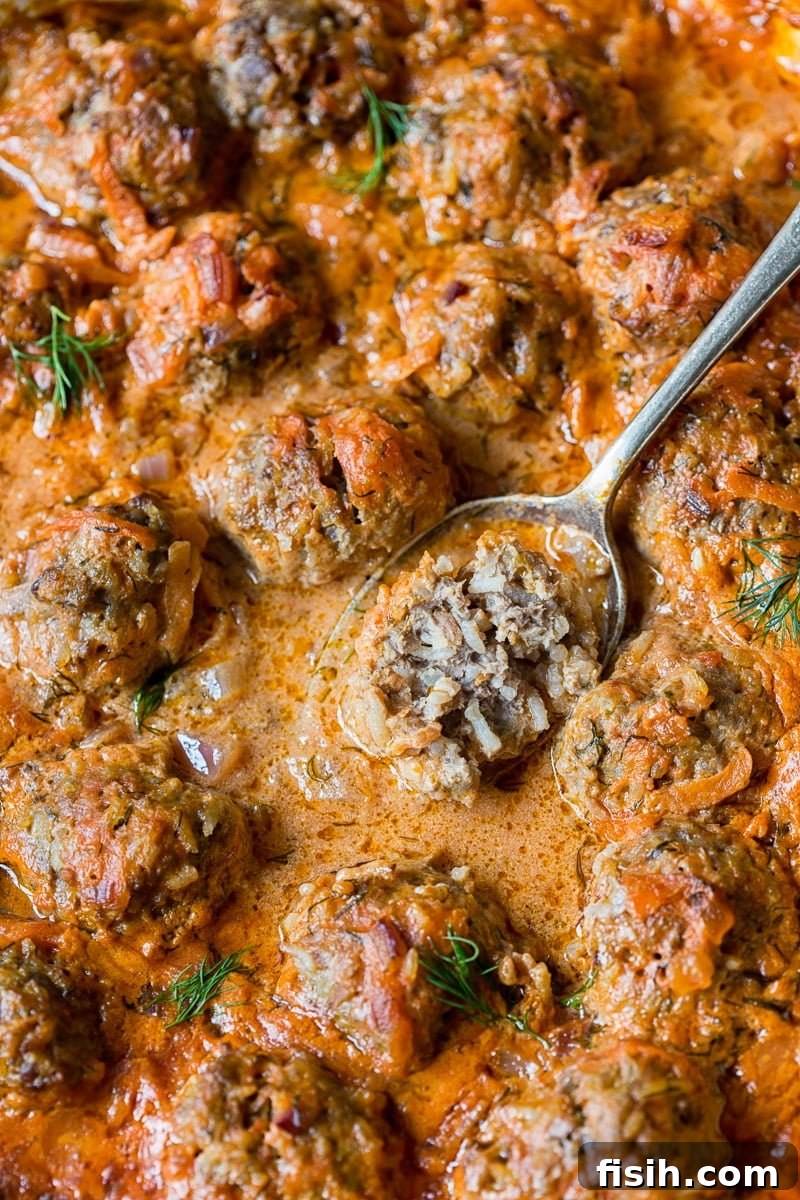
These Porcupine Meatballs, with their rich and flavorful sauce, are incredibly versatile and pair beautifully with a variety of side dishes. However, some combinations are simply classic for a reason. The absolute undisputed champion for soaking up all that creamy, savory goodness is, without a doubt, a generous helping of fluffy, homemade mashed potatoes. The smooth texture of the potatoes provides a perfect contrast to the hearty meatballs, and every bite becomes a symphony of comfort. Don’t forget that final sprinkle of fresh dill over the top for a subtle hint of freshness that brightens the entire dish.
Beyond mashed potatoes, consider serving these meatballs with other traditional Eastern European accompaniments like buckwheat kasha, egg noodles, or even simple steamed rice. For a lighter, refreshing counterpoint to the rich main course, I always enjoy adding a simple, crisp salad. My go-to is a straightforward tomato and cucumber salad, which provides a lovely acidity and crunch that complements the creamy sauce beautifully when serving to family and friends. A slice of crusty bread is also never amiss, perfect for ensuring not a drop of that magnificent sauce goes to waste!
Storage and Leftovers: Maximizing Your Meal
Given the hearty and satisfying nature of porcupine meatballs smothered in this rich tomato sauce, there’s a good chance you might find yourself with some delicious leftovers – and that’s never a bad thing! To keep them fresh and flavorful, transfer any remaining meatballs and sauce into an airtight container and store them in the refrigerator. They will remain delicious for 2-3 days, ready for a quick and easy reheat.
When it comes to freezing, there’s a small caveat for this specific dish. Due to the presence of sour cream in the sauce, freezing and then reheating the cooked meatballs can sometimes lead to an undesirable separation of the cream, resulting in a less pleasant texture. For this reason, I generally advise against freezing the fully cooked meatballs in their sauce.
However, if you’re looking to meal prep, you can absolutely freeze the raw meatballs themselves! Prepare the meatball mixture, roll them into shape, and then arrange them on a baking sheet to freeze solid before transferring them to a freezer-safe bag or container. These uncooked, frozen meatballs can be stored for up to 3 months. When you’re ready to cook them, remember that raw then frozen meatballs need to be completely defrosted in the refrigerator before proceeding with the browning and baking steps, ensuring they cook safely and evenly. Cooked, un-sauced meatballs can also be frozen and reheated directly.
More Meatball Recipes to Try
If you love meatballs as much as we do, you might enjoy exploring these other fantastic recipes:
- Meatballs Stroganoff
- Swedish Meatballs in Cream Sauce
- Bucatini all’Amatriciana
- Meatballs with Marsala Cream Sauce
Porcupine Meatballs in Creamy Tomato Sauce (Tefteli)
Equipment
-
Cast iron Dutch oven
Ingredients
For the Porcupine Meatballs
- 100g / ½ cup rice, uncooked
- 1 tbsp olive oil
- 1 tbsp butter
- 1 large onion, chopped
- 1 large carrot, grated
- 500g / 1 lbs ground beef, extra lean
- 500g / 1 lbs ground pork, extra lean
- 1 tbsp fresh dill, chopped
- 2 tsp salt
- ½ tsp pepper
For the Creamy Tomato Sauce
- 1 tbsp olive oil
- 1 tbsp butter
- 1 large onion, chopped
- 1 large carrot, grated
- 2 cloves of garlic, minced
- 1 tbsp fresh dill, chopped
- 400g / 14oz canned tomatoes
- 250ml / 1 cup chicken stock
- 3 tbsp sour cream, full fat
- salt
Instructions
-
Cook the rice in a generous amount of water, similar to how you would prepare pasta, until it is al dente. The rice should retain a slight bite and not be overly soft; this usually takes about 5 minutes. Drain the rice thoroughly and set it aside to cool slightly.
-
In a large frying pan, heat the olive oil and butter over medium-low heat. Add the chopped onions and grated carrots. Sauté them gently for about 10 minutes until they become tender and translucent. This step helps to sweeten the vegetables and build a foundational flavor.
-
In a spacious mixing bowl, combine the ground beef, ground pork, fresh dill, the sautéed onions and carrots (from step 2), the al dente rice, salt, and pepper. Mix everything thoroughly but gently, ensuring not to overwork the meat. Form the mixture into evenly sized meatballs. In the same frying pan (or a clean one), heat a little oil over medium-high heat and brown the meatballs on all sides. This searing creates a delicious crust and locks in juices, but do not cook them all the way through. Set the browned meatballs aside.
-
For the creamy tomato sauce, in a large, deep oven-safe pan or Dutch oven, heat olive oil and butter over low heat. Add the remaining chopped onions and grated carrots and cook them slowly for at least 15 minutes, stirring occasionally, until they are very tender and nicely caramelized. Stir in the minced garlic and cook for a few more seconds until fragrant. Add the remaining fresh dill, pureed canned tomatoes, and chicken stock. Increase the heat and bring the mixture to a gentle boil, then reduce heat to a simmer.
-
Remove the pan from the heat and stir in the full-fat sour cream until fully incorporated and smooth. Carefully return the browned meatballs to the pan, nestling them into the sauce. Spoon the sauce generously over the meatballs until they are almost fully submerged. If the sauce doesn’t quite cover them, add a little more chicken stock until they are adequately covered.
-
Cover the pan and bake in a preheated oven at 300℉/165℃ for 40 minutes. After 40 minutes, uncover the pan and continue baking for another 10 minutes to allow the sauce to thicken slightly and the meatballs to achieve a beautiful finish. (Baking at a lower temperature helps prevent the sour cream from separating and keeps the sauce smooth.)
Notes
Nutrition
Nutrition information is automatically calculated, so should only be used as an approximation.