
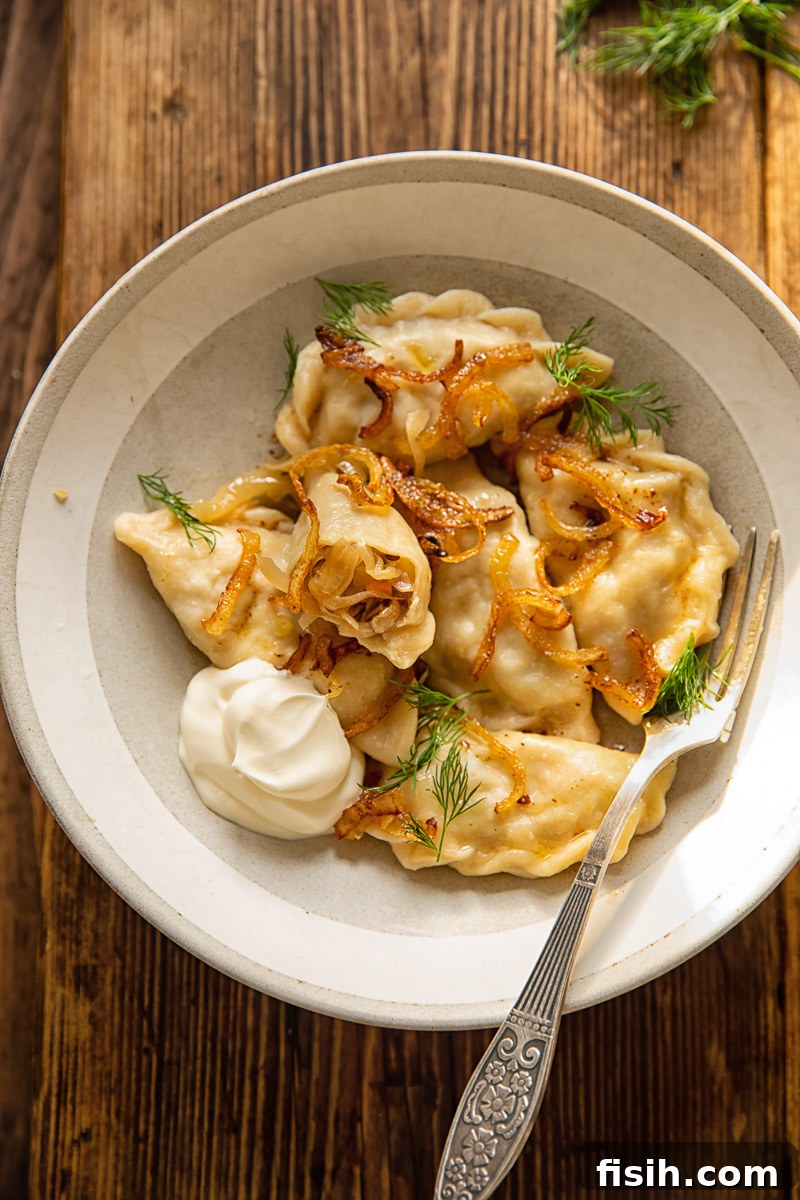
Vareniki, often described as miniature gifts from Ukraine, are delightful parcels of dough filled with either a sweet or savory surprise. Preparing these traditional dumplings is a labor of love, requiring patience and dedication. However, as the saying goes, the best things come to those who wait, and these tangy, earthy, and heartwarming creations are undoubtedly worth every moment of effort. Each half-moon shaped dumpling is a testament to Ukraine’s rich culinary heritage, offering a comforting taste that connects you to generations of tradition.
If you find the art of vareniki preparation captivating, you might also enjoy exploring their beloved dumpling cousins from Eastern Europe. Delve into the rich flavors of Potato, Bacon and Caramelized Onion Pierogi or savor the hearty goodness of Meat Dumplings Pelmeni. Each offers a unique culinary adventure, building upon the shared tradition of delicious stuffed dough.
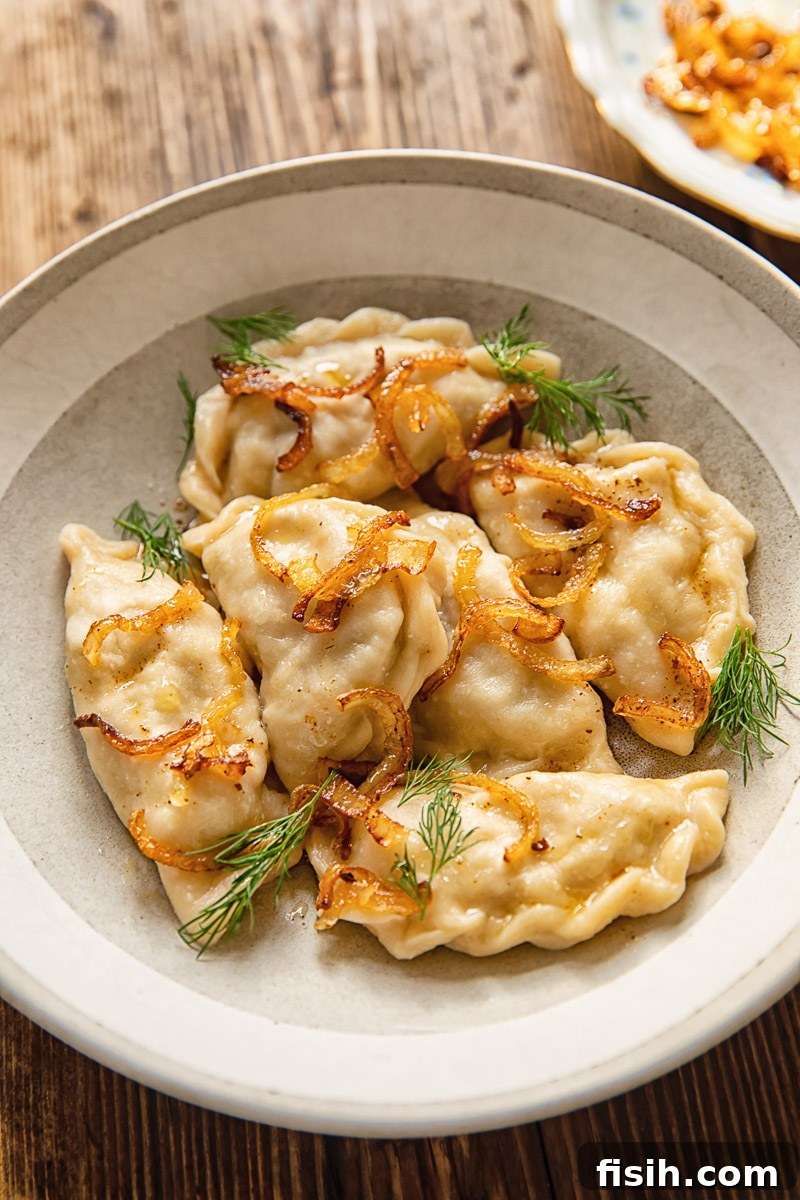
The Enduring Charm of Ukrainian Cuisine: A Personal Connection to Vareniki
My romantic admiration for all things from that corner of the globe runs deep – from the sweeping landscapes and intricate architecture to the profound literary works. And, of course, this passion extends wholeheartedly to the food. Ukraine, a land steeped in a rich history of power, resilience, and occasional loss spanning centuries, holds a special place in my heart. This personal connection is particularly palpable whenever I embark on the journey of making vareniki.
It feels like many lifetimes ago, yet the memories are vivid. I learned the intricate craft of preparing these symbolic half-moon dishes from my mother. My small hands, perfectly sized for folding and meticulously crafting the delicate edges of the dough, were put to good use. Given how time-consuming the process can be, it’s no wonder she enlisted my help! These moments in the kitchen, filled with shared laughter and quiet concentration, forged an unbreakable bond not only between us but also with my heritage.
The recipe for vareniki, therefore, isn’t just a list of ingredients and steps; it’s a legacy, brimming with love and tradition in equal measure. It is my sincere hope that this cherished culinary art will continue to be passed down between mothers and daughters, and indeed, across all family members, for many generations to come. It’s more than just food; it’s a story, a history, and an expression of enduring affection, all wrapped up in a tender package.
What Exactly Are Vareniki? An Introduction to Ukraine’s Signature Dumplings
While the name “vareniki” might be new to some, chances are you’ve already encountered their more internationally renowned relatives: pierogi. Let’s make the proper introductions. Both vareniki and pierogi originate from the heart of Eastern Europe. Both are delectable parcels of dough, typically boiled or pan-fried, offering a comforting bite. Importantly, both can be found in a delightful array of sweet or savory variations, catering to every palate, and they are predominantly vegetarian-friendly dishes, although meat fillings exist.
The distinction often lies in geography and nomenclature. “Vareniki,” or sometimes “varenyky,” is the term predominantly used further east, particularly in Ukraine and Russia, where they hold a place of profound cultural significance. In contrast, “pierogi” is the more common name to the west, in countries such as Poland. Despite the different names, their essence remains the same: a universally beloved, humble, yet deeply satisfying dumpling that brings communities together. It’s truly their pleasure to meet you.
The Eastern European Dumpling Family: Vareniki, Pierogi, and Pelmeni Compared
Beyond vareniki and pierogi, there’s another esteemed member of the Eastern European dumpling family: pelmeni. Who is this intriguing character? Pelmeni is generally considered the strictly meaty cousin of the trio, hailing from the frosty, vast expanses of Siberia. Unlike vareniki and pierogi, pelmeni are almost exclusively savory and often feature raw meat fillings (typically pork, beef, or a mix) that cook simultaneously with the dough when boiled. They are never sweet, offering a distinctly different culinary experience. Now you’re acquainted with the entire beloved dumpling family!
A Bounty of Flavors: Exploring Traditional and Creative Vareniki Fillings
Traditionally, vareniki fillings are often characterized by their simplicity, allowing the quality of each ingredient to shine. Savory vareniki commonly feature humble yet delicious ingredients such as creamy mashed potatoes, tangy curd cheese (known as tvorog), or finely shredded cabbage. These classic fillings are comforting and deeply satisfying. However, I often find joy in elevating and mixing savory flavors to create something truly special. For instance, this recipe showcases a delightful combination of tangy sauerkraut and earthy mushrooms, providing a depth of flavor that is both familiar and exciting. When it comes to sauerkraut, I either prepare my own homemade Russian sauerkraut or source it from a trusted local Eastern European specialty shop, ensuring authentic taste.
Beyond the featured recipe, the possibilities for savory vareniki are endless. You could opt for simple, steamed plain cabbage, or a creamy blend of peas and potato – whatever perfectly suits your family’s unique taste preferences. No matter the savory filling, remember the quintessential accompaniment: a generous dollop of cool, rich sour cream on top, which cuts through the richness and adds a creamy tang. Another perennial favorite in my household is the delightful combination of potato and caramelized onion, offering a sweet and savory harmony.
Sweet vareniki, on the other hand, are a different kind of joy, often gorgeously jammy and bursting with fruit flavor. Traditionally, they are filled with tart sour cherries, which provide a beautiful balance of sweetness and acidity. However, don’t limit yourself! You could experiment with other seasonal stone fruits like plums or apricots, or sweeter berries such as blueberries or strawberries. For an added layer of texture and flavor, these fruit fillings pair wonderfully with the inclusion of crumbly white cheese (tvorog). And, of course, a generous dollop of sour cream remains a must, enhancing both sweet and savory versions with its cooling creaminess.
Expert Tips for Crafting Perfect Vareniki
- Break Down the Process: Since making vareniki is a fairly labor-intensive process, it’s wise to break it down into manageable stages. The filling, for example, can be prepared a day or two in advance, significantly reducing the workload on dumpling-making day.
- Embrace Batch Cooking: You’ll quickly discover how utterly delicious and addictive homemade vareniki are. To ensure you always have a comforting meal on hand, prepare an extra-large batch specifically for the freezer. Future you will be incredibly grateful!
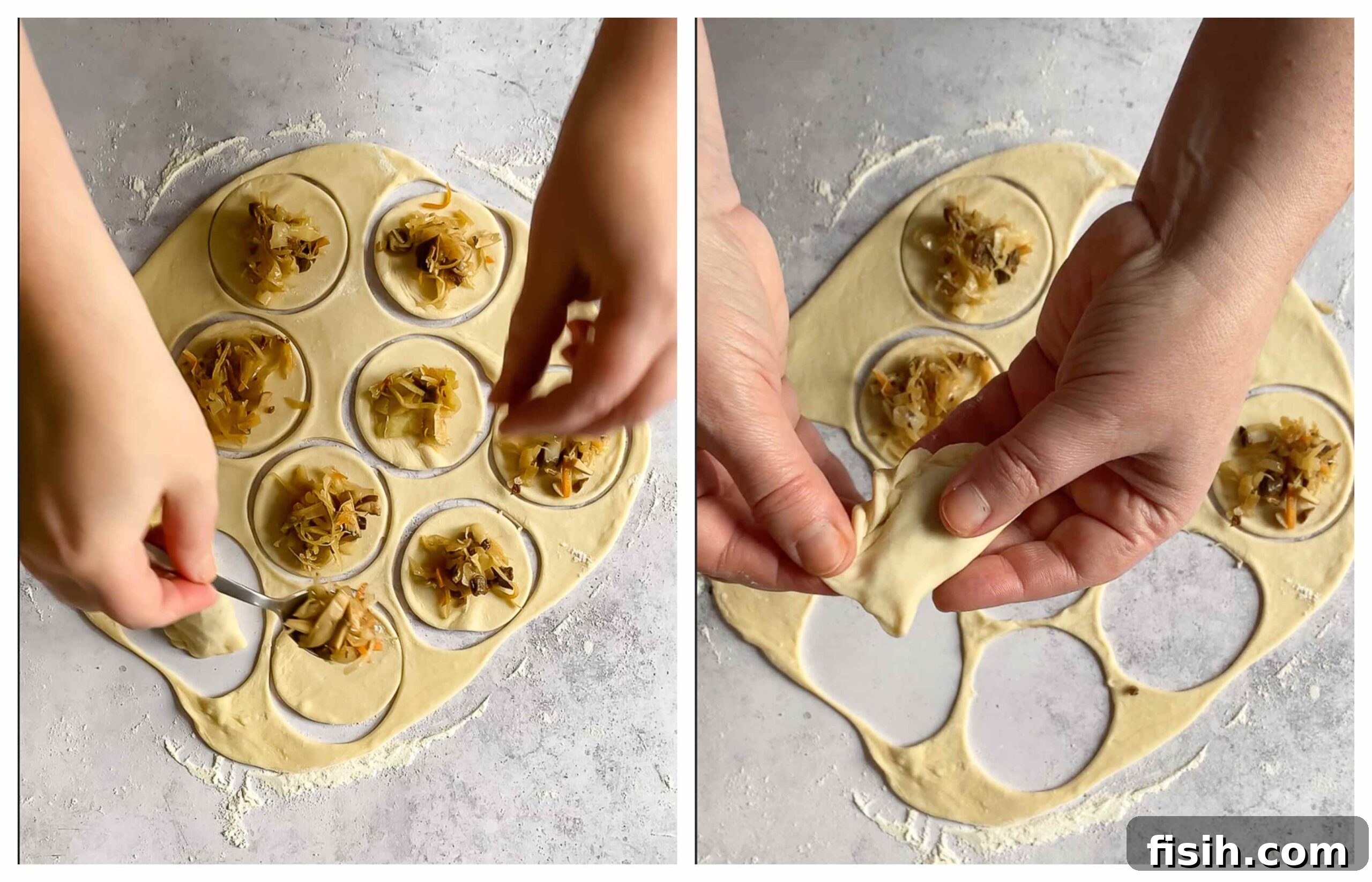
- Handle Sauerkraut Filling with Care: If you’ve previously made potato-filled dumplings, you’ll recall how sticky and easy to pack the filling typically is. Sauerkraut, by nature, is less cohesive and can be a bit more challenging to work with. To comfortably contain this “wilder” filling, I highly recommend using a slightly larger dough circle, around 3.5 inches in diameter.
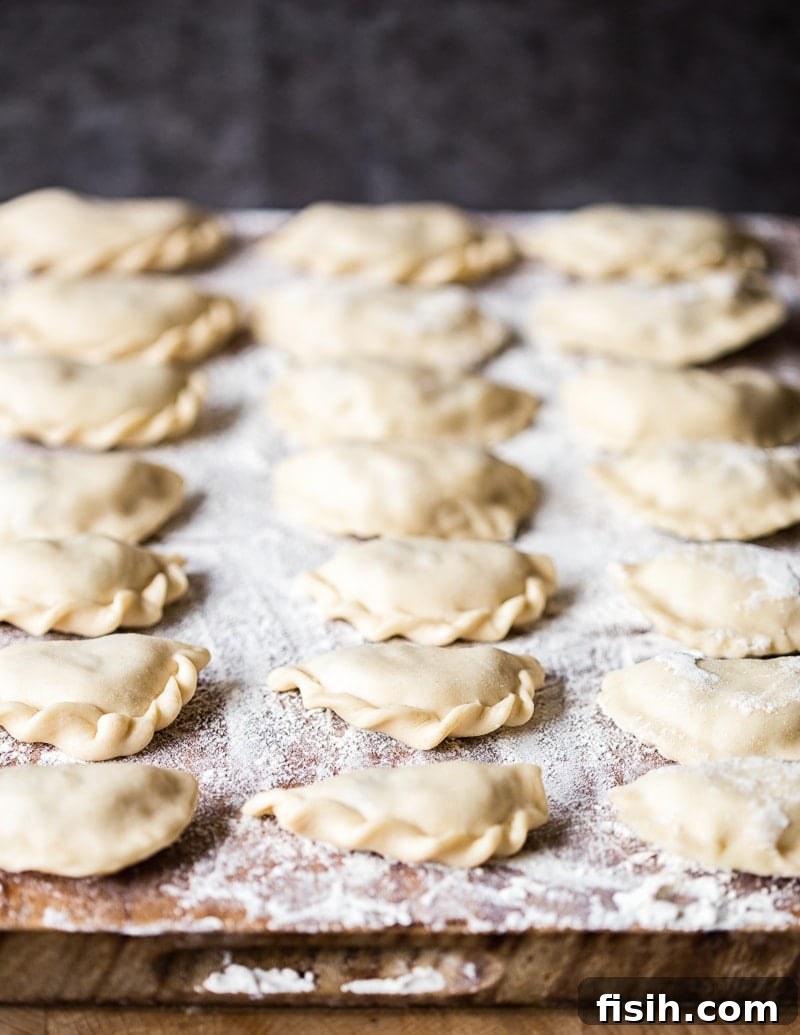
- Mastering the Art of Shaping: Achieving that perfect half-moon shape with a beautiful, ruffled edge takes a bit of practice. Don’t be discouraged if your first few aren’t picture-perfect – you’ll undoubtedly get the hang of it by the thirtieth parcel! For visual guidance, you can refer to my video tutorial to help you get started with the technique.
- Cooking Preferences: In this specific recipe, I prefer to boil the vareniki as I find this method yields the most tender and delicate texture for the dough. However, vareniki are also famously enjoyed fried. If you prefer a crispier exterior, simply pan-fry them in vegetable oil or, for an even richer flavor, use butter until they are golden brown on both sides.
Serving Your Delicious Vareniki: Simple Pleasures and Hearty Pairings
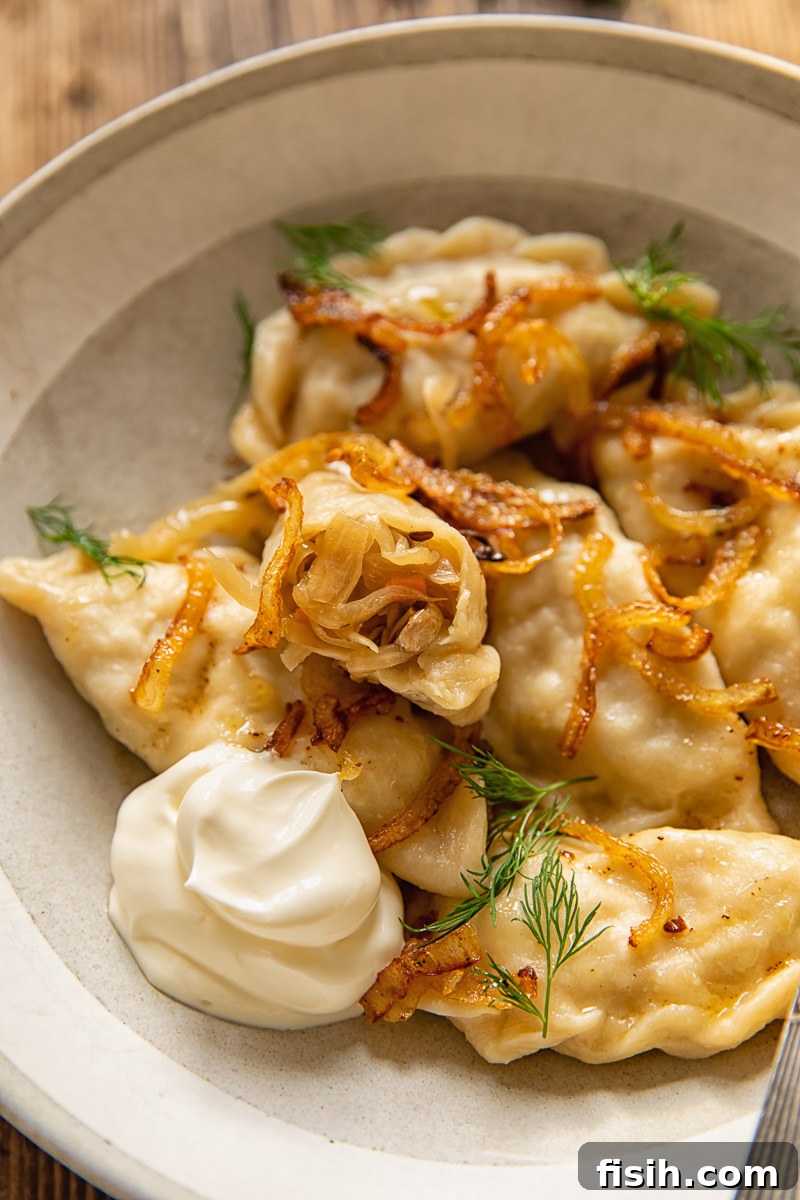
The beauty of vareniki lies in their versatility and their ability to create a deeply satisfying meal with minimal fuss. For the most traditional and beloved serving, simply add a generous dollop of cold sour cream or crème fraîche over your warm vareniki. A sprinkle of fresh dill not only adds a burst of vibrant color but also a wonderful herbaceous aroma that complements the flavors perfectly. For an extra layer of tang and crunch, a side portion of homemade sauerkraut will also go down exceptionally well. It truly doesn’t take much more than these simple additions to create a heartwarming and perfectly satisfying meal that speaks volumes of comfort and tradition.
However, if you’re inclined to put in just a tiny bit more effort for a heartier dish, consider pairing your freshly cooked vareniki with savory sausages. As I’ve done with Pierogi and Kielbasa, pan-frying Polish sausages alongside your dumplings offers a fantastic way to introduce an easy and flavorful variation to this classic Eastern European staple. The robust, smoky notes of the sausage beautifully complement the tender, flavorful dumplings, transforming a simple meal into a more substantial and celebratory feast.
Storage and Leftovers: Maximizing Your Vareniki Enjoyment
Be warned: these delectable dumplings are incredibly irresistible! You might be surprised at just how many you can happily devour in one sitting. And it’s probably for the best to finish them off, as like most fresh pasta, vareniki generally do not keep well once they have been cooked. Their delicate texture can become soggy or tough when refrigerated and reheated. However, this is where the magic of batch cooking and freezing truly shines, because vareniki are absolutely made to be frozen!
If you have the luxury of time, preparing a large batch of vareniki is an excellent culinary investment. Once formed, carefully arrange your uncooked spare dumplings in an airtight container, ensuring they are well-floured and do not stick together. Freeze them solid, and then you’ll have instant comfort food ready whenever cravings strike. Simply cook them directly from frozen in boiling water – no thawing required – for a quick, delicious, and perfectly tender meal in minutes. This method ensures that the joy of homemade vareniki is always within reach, ready to provide warmth and satisfaction in its present form.
More Delicious Ukrainian Recipes to Try
- Cabbage Rolls (Golubtsi)
- Borscht Recipe (Beetroot Soup)
- Stuffed Peppers with Meat and Rice
- Sausage and Sauerkraut
Sauerkraut and Mushroom Vareniki
These Ukrainian vareniki are delicious homemade dumplings filled with sauerkraut, mushrooms and caramelised onions. Makes approximately 45 dumplings.
Ingredients
For the Filling
- 2 onions
- 250 g / 1 2/3 cups sauerkraut
- 2 tbsp butter
- 200g / 7oz chestnut or button mushrooms
- 20g / 1/4 cup dried porcini mushrooms or any other type of dried mushrooms
- Salt to taste
For the Dough
- 450g / 3 1/3 cups all purpose/plain flour
- 1 tsp salt
- 1 egg
- 225ml / 1 cup water
Instructions
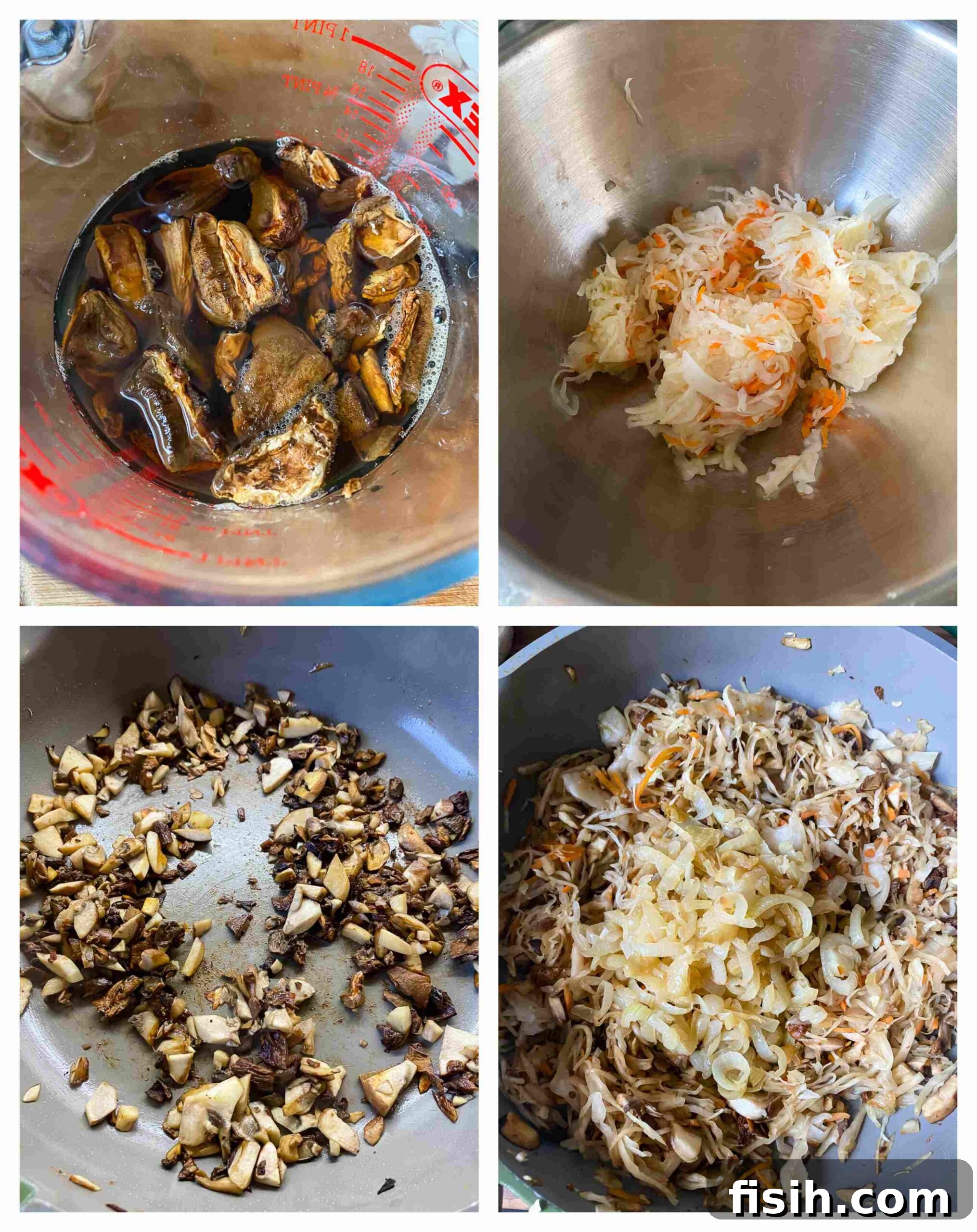
- Start with the filling, which could be made up to 2-3 days ahead. Pour a cup of boiling water over dry porcini mushrooms and let them hydrate for 30 minutes. Slice the onions and start cooking them in 1 tablespoon of melted butter over low heat until soft and caramelised. This should take approximately 20 minutes. The onions should have absolutely no crunch left at the end. They should be golden in color and sweet. Once done remove the onions to a medium sized bowl.
- Remove the liquid from the sauerkraut by squeezing it over a sink. It should be quite dry. Then add to the same bowl with caramelised onions.
- Chop the chestnut mushrooms finely. Remove the rehydrated mushrooms from the liquid and discard the liquid, chop them up as well. Melt a tablespoon of butter in the same pan you used for onions and add both types of mushrooms with a pinch of salt. Cook over medium heat until the mushrooms are slightly golden and there is no liquid left in the pan.
- Add the cooked mushrooms to the bowl with the sauerkraut and caramelised onions and mix to combine. Cool slightly and put in an air tight container, refrigerate till needed.
- Make the dough. In a food processor pulse flour and salt. With the motor running add the egg through the tube and then cold water. Let the processor do its work for a minute until the dough forms around the blade. Transfer the dough into a bowl, cover with a tea towel and let it sit for 30 minutes.
- Cut out circles with a 3-3.5 inch cookie or scone cutter. Put a large spoonful of the filling into each dough circle, slightly off-centre, fold the dough over to form a half-moon shape and pinch the edges shut with your fingertips. If you want a more attractive look go over the edge one more time and this time pinch the edges together using your two fingers and a thumb and twist them to form a ruffled edge.
- Repeat with the remaining dough circles until you run out of both dough and the filling. You should have about 35-45 vareniki. The number will vary depending on how large you make each dumpling.
- Set aside a needed amount of vareniki (4-6 per person) for dinner and freeze the rest in a well floured and air-tight container to prevent sticking.
- Bring a large pot of water to a boil, add salt drop vareniki into rapidly boiling water and stir to prevent sticking to the bottom, once they float to the top, drain and pan fry in butter over medium heat until golden on both sides. Serve with sour cream and crispy fried onions if desired.
- * Cook the remaining vareniki from frozen.
Video
Nutrition
Nutrition information is automatically calculated, so should only be used as an approximation.