
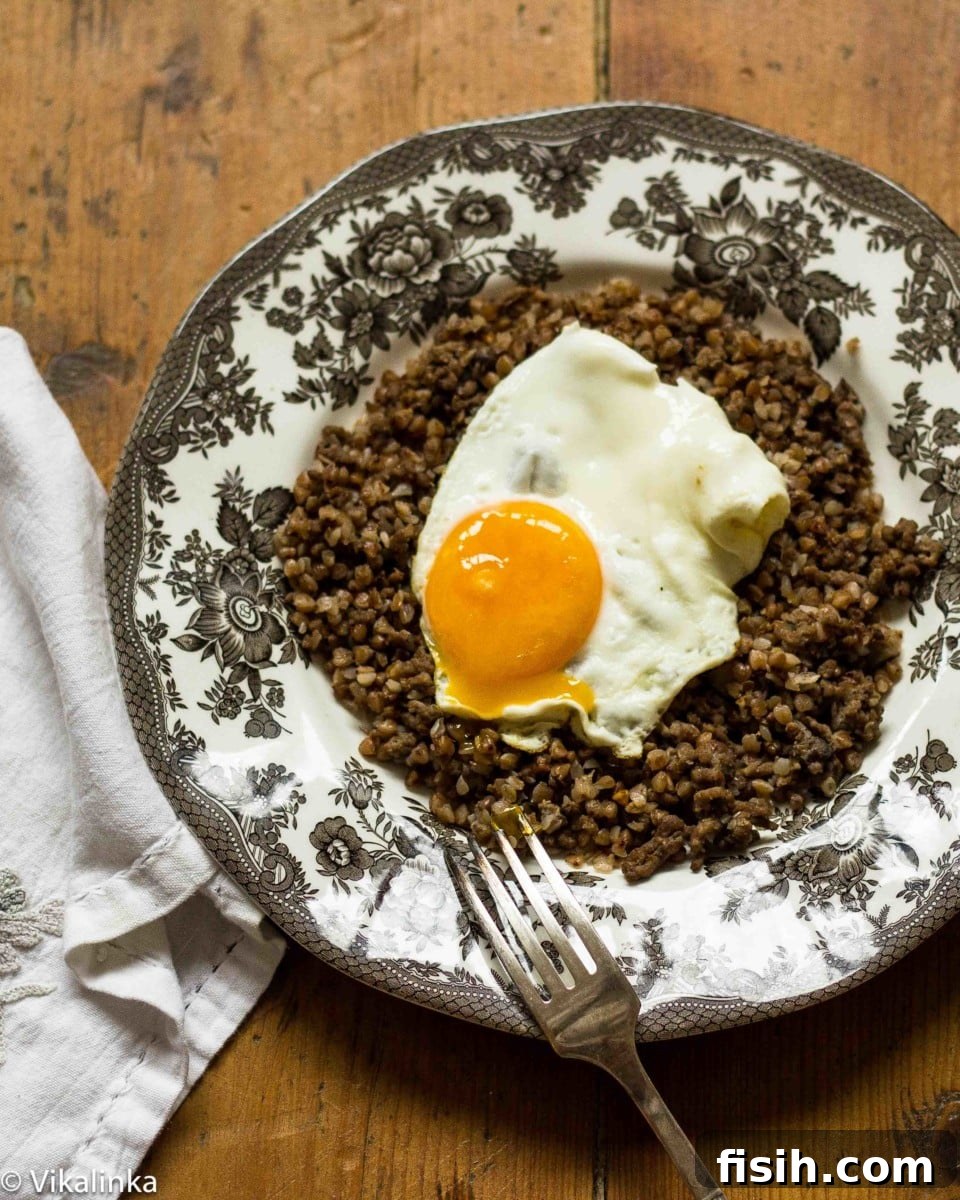
Are you curious about how to effortlessly incorporate a truly remarkable superfood into your diet? Look no further than buckwheat!
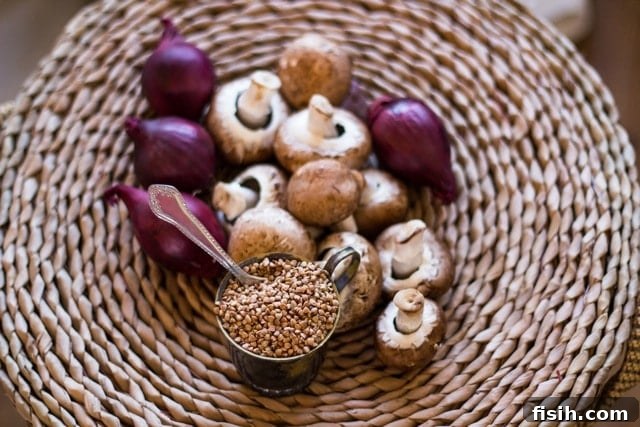
Discovering Buckwheat: The Ancient Gluten-Free Superfood You Need to Try
In a world saturated with the latest “miracle foods” – from quinoa and goji berries to flaxseed – it’s easy to become wary of every new health trend. Like many, I often approach these buzzwords with a healthy dose of skepticism, firmly believing that a varied and balanced diet is the ultimate key to well-being. However, every so often, a truly exceptional food emerges that genuinely deserves the spotlight, and for me, that food is buckwheat. It’s a humble yet powerful ingredient poised to move from health food stores to mainstream supermarkets and, eventually, into pantries worldwide.
Despite its incredible nutritional profile and versatility, buckwheat remains relatively unknown in many parts of the world, particularly North America. Yet, across Eastern Europe, especially in Russia, it has been a cherished staple for centuries – a bedrock of daily diets and a significant part of my own culinary upbringing. This ancient “pseudocereal” (meaning it’s not a true grain but is used similarly) is about to transform your perception of healthy eating, offering a delightful blend of flavor, nutrition, and ease of preparation.
This comprehensive guide will delve into why buckwheat is so special, exploring its impressive health benefits, showcasing its incredible culinary versatility, and revealing the secrets to cooking it perfectly. We’ll also share a beloved family recipe that will undoubtedly become a staple in your kitchen, proving that nutritious eating can be utterly delicious and surprisingly simple.
Why Buckwheat Deserves a Spot in Your Pantry: Unpacking its Health Benefits
Buckwheat is far more than just a gluten-free alternative; it’s a nutritional powerhouse packed with goodness that supports overall health and well-being. Its robust profile makes it a standout ingredient in any diet, offering a wealth of advantages that truly earn it the “superfood” title.
- Gluten-Free Powerhouse: One of buckwheat’s most celebrated attributes is its naturally gluten-free nature. Despite its name, buckwheat is not related to wheat or any other grain; it’s a seed from a plant related to rhubarb, making it an excellent and safe choice for individuals with celiac disease, gluten sensitivity, or those simply looking to reduce their gluten intake. It provides a satisfying texture and earthy flavor often missed in other gluten-free alternatives.
- Protein-Rich for Sustained Energy: Buckwheat boasts an impressive protein content, offering a complete amino acid profile, which is rare for plant-based foods. This means it contains all nine essential amino acids that your body cannot produce on its own. This high-quality protein is vital for muscle repair, growth, and sustained energy levels, making it particularly beneficial for vegetarians, vegans, and active individuals.
- Fiber for Digestive Wellness: Rich in both soluble and insoluble dietary fiber, buckwheat is a champion for digestive health. Fiber aids in regulating bowel movements, preventing constipation, and supporting a healthy gut microbiome. It also contributes to feelings of fullness, which can be beneficial for weight management by reducing overall calorie intake.
- Mineral and Antioxidant Abundance: This humble seed is a treasure trove of essential minerals, including magnesium, manganese, copper, and iron, all crucial for various bodily functions from bone health to energy production. Beyond minerals, buckwheat is loaded with potent antioxidants like rutin and quercetin. Rutin, in particular, is well-known for its ability to strengthen blood vessels, reduce inflammation, and may even help lower cholesterol levels.
- Boosting Heart Health: Regular consumption of buckwheat has been linked to improved cardiovascular health. Its combination of fiber, magnesium, and antioxidants works synergistically to help lower bad cholesterol (LDL), regulate blood pressure, and reduce systemic inflammation, all factors that contribute to a healthy heart.
- Blood Sugar Management: Buckwheat has a low glycemic index, meaning it causes a slower, more gradual rise in blood sugar compared to many other carbohydrates. This makes it an excellent food choice for individuals managing diabetes or anyone looking to maintain stable blood sugar levels, helping to prevent energy crashes and cravings.
Beyond the Bowl: Creative Ways to Enjoy Buckwheat
One of buckwheat’s most endearing qualities is its remarkable versatility in the kitchen. From hearty breakfast porridges to savory dinner entrees and even delicate baked goods, buckwheat can be incorporated into nearly every meal of the day. Its distinctive earthy, nutty flavor profile adds depth and character to a wide array of dishes.
Buckwheat Groats: The Versatile Core
Buckwheat groats are the hulled, unroasted, or roasted kernels of the buckwheat plant, and they are incredibly adaptable. In their roasted form, known as “kasha” in Eastern European cuisine, they become a wonderfully chewy and aromatic foundation for many dishes. You can enjoy a warm, comforting bowl of morning “kasha” (Russian for porridge), traditionally prepared with a splash of milk or butter, serving as a hearty and nutritious start to your day. For lunch, toss cooked groats with fresh vibrant vegetables, herbs, and a light vinaigrette to create a satisfying and nutrient-dense salad. Come dinner time, transform buckwheat groats into a savory pilaf with caramelized onions, sautéed mushrooms, and your choice of protein, or serve them as a wholesome side dish to roasted meats or fish. Leftovers are a true gem; simply reheat them, top with a fried egg, and you’ve got an instant, delicious breakfast or brunch!
Buckwheat Flour: A Gluten-Free Baking Game-Changer
Beyond groats, buckwheat flour offers a fantastic gluten-free alternative for baking. Its unique, slightly robust flavor lends itself beautifully to a variety of baked goods, imparting a distinctive taste that elevates ordinary recipes. Imagine light and fluffy pancakes or crispy waffles made with buckwheat flour, perfect for a leisurely weekend breakfast. It can also be used to create delicious cakes, rustic muffins, and even wholesome breads with a delightful texture and earthy note. In Japanese cuisine, buckwheat flour is famously used to make soba noodles, demonstrating its global culinary reach and adaptability.
The beauty of buckwheat lies not just in its health benefits, but in how effortlessly it can be woven into diverse culinary traditions, adding both nutrition and an exciting flavor dimension. To unlock its full potential, however, it’s essential to understand the different types available and the best methods for preparation.
Understanding Buckwheat Groats: Roasted vs. Unroasted (The Kasha Secret)
When I first moved to North America over 15 years ago, I eagerly sought out buckwheat in local health food stores. While I could recognize the familiar triangular shape of the groats, I was surprised by their pale, almost anaemic grey color – a stark contrast to the rich, inviting brown hue I was accustomed to from my childhood in Russia. This initial discovery taught me a crucial distinction about buckwheat: whether it is roasted or unroasted.
The Magic of Roasted Buckwheat (Kasha)
The buckwheat commonly sold in Russia and Eastern European markets is pre-roasted, often referred to as “kasha.” This roasting process is what gives the groats their characteristic rich brown color, significantly deepens their flavor to a wonderfully nutty and earthy profile, and, most importantly, transforms their cooking properties. Pre-roasted buckwheat holds its shape beautifully when cooked, retaining a satisfying chewiness without becoming a mushy mess. This makes it ideal for savory pilafs, salads, and as a standalone side dish where texture is paramount.
Identifying and Sourcing Your Buckwheat
While unroasted (often lighter in color, sometimes labelled “raw” or “hulled”) buckwheat groats are becoming more widely available and are excellent for making flour or for dishes where a softer, milder texture is desired, many stores now also stock the pre-roasted variety. To ensure you’re getting the authentic, rich flavor and desirable texture for savory applications, specifically look for packages labelled “roasted buckwheat groats” or “kasha.” For the truly authentic and superior quality, I highly recommend checking out Russian or Eastern European grocery stores if you have one nearby. The difference in flavor and texture is genuinely worth the extra effort!
DIY Roasted Buckwheat: If You Can’t Find Kasha
If you only have access to unroasted buckwheat groats but desire the nutty flavor and firm texture of kasha, you can easily roast them yourself at home. Simply spread the raw groats in a single layer on a dry (no oil needed) frying pan over medium heat. Stir continuously for 5-7 minutes until they turn golden brown and emit a wonderfully nutty aroma. Keep a close eye on them to prevent burning. Once roasted, they are ready to be cooked just like pre-roasted kasha, offering you the best of both worlds!
 Mastering the Basics: How to Cook Perfect Buckwheat Groats
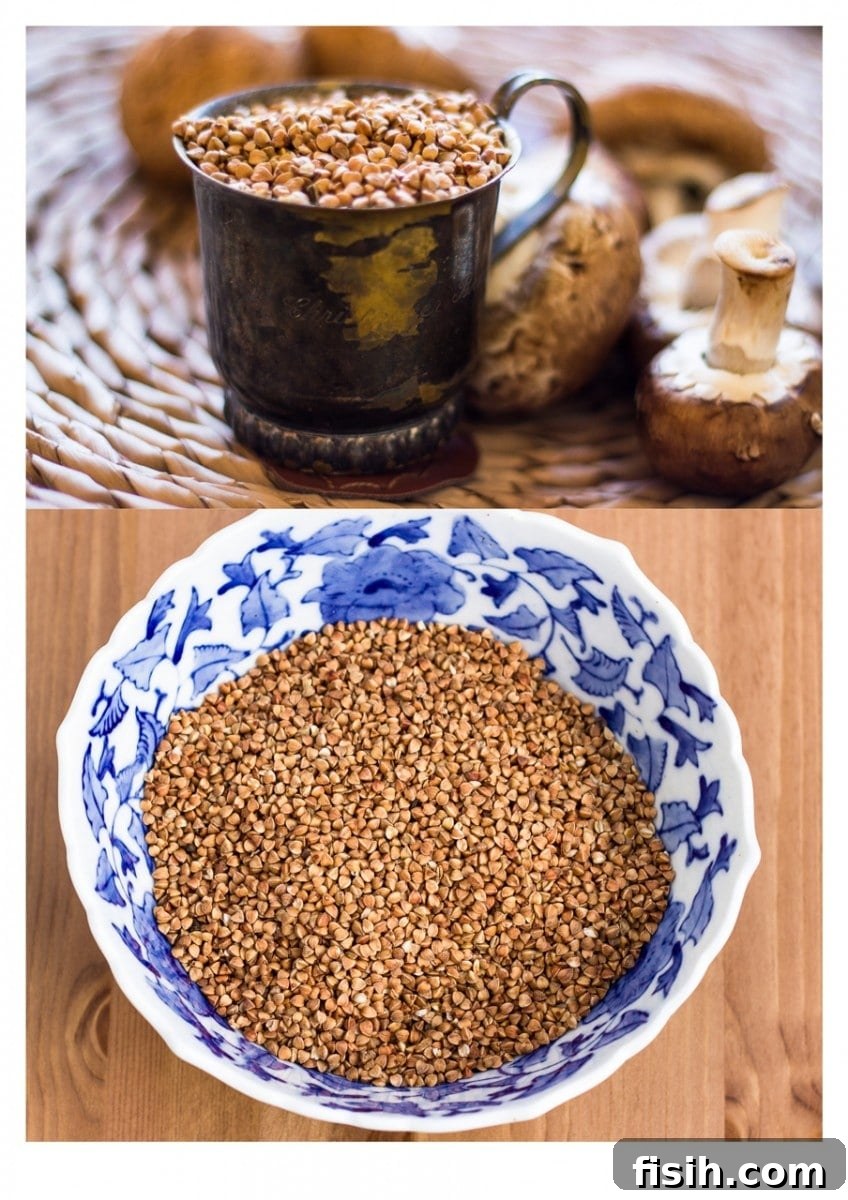 Mastering the Basics: How to Cook Perfect Buckwheat Groats
Cooking buckwheat groats to perfection is surprisingly simple, yet a few key steps can make all the difference between a fluffy, flavorful dish and a bland, sticky one. The basic principle is similar to cooking rice, but with buckwheat’s unique properties, a little attention to detail yields fantastic results.
For standard roasted buckwheat groats, a common ratio is 1 part buckwheat to 2 parts liquid. Begin by thoroughly rinsing your buckwheat under cold water until the water runs clear. This removes any starchy residue or debris, helping to prevent stickiness. Transfer the rinsed groats to a pot, add your chosen liquid (water or broth), and a pinch of salt. Bring it to a boil, then reduce the heat to low, cover the pot tightly, and simmer for about 15-20 minutes. The goal is for the liquid to be fully absorbed and the groats to be tender yet still distinct and slightly firm. Once cooked, the crucial step is to remove the pot from the heat and let it stand, covered, for an additional 10-15 minutes. This allows the buckwheat to steam further, becoming perfectly fluffy and preventing any sogginess. If you have a rice cooker, it’s an incredibly convenient option; just follow your appliance’s instructions for a 1:2 grain-to-water ratio.
This basic method will yield perfectly cooked buckwheat, ready to be incorporated into any meal. Now, let’s explore a specific recipe that is not only incredibly delicious but also a huge hit with my family!
A Family Favorite: Buckwheat with Caramelised Onions and Cremini Mushrooms {Breakfast Edition}
This recipe is a testament to how simple ingredients can create profound flavors. It’s a hearty, nourishing dish that works wonderfully for any meal, but it truly shines as a fulfilling breakfast, especially when topped with a perfectly fried egg. My kids absolutely adore buckwheat prepared this way, which is high praise for a healthy dish!
Ingredients:
- Buckwheat (preferably roasted groats) – 2 cups
- Water – 4 cups (or vegetable/chicken broth for richer flavor)
- Salt – 1/2 teaspoon, plus more to taste
- Cremini/Chestnut Mushrooms – 8-10 ounces (about 250-300g), sliced or diced
- Red Onions – 1 large, finely diced or thinly sliced
- Black Pepper – to taste
- Egg – 1 per person (for serving)
- Unsalted Butter – 2 tablespoons (or olive oil for dairy-free)
Method:
- Prepare the Buckwheat: Rinse your buckwheat groats thoroughly under cold running water in a fine-mesh sieve until the water runs clear. This step is important to remove any dust or fine debris, which helps prevent a gummy texture. For an extra layer of flavor and improved texture, especially if using unroasted groats, dry fry them in a non-stick frying pan over medium heat for 2-3 minutes, stirring constantly until they are lightly toasted and wonderfully fragrant. Transfer the toasted buckwheat to a medium-sized pot. Add 4 cups of water (or broth for a more savory base) and 1/2 teaspoon of salt. Bring the mixture to a rolling boil, then immediately reduce the heat to very low, cover the pot tightly with a lid, and simmer gently for 15-20 minutes, or until all the liquid has been absorbed and the groats are tender yet still possess a pleasant bite.
- Rest and Fluff: Once the cooking time is complete, remove the pot from the heat. Crucially, keep the lid on and let the buckwheat stand undisturbed for an additional 10-15 minutes. This resting period allows the groats to steam further, ensures they become light and fluffy, and prevents any sticky residue. If you prefer, you can also cook buckwheat in your rice cooker; simply follow your appliance’s specific instructions for the grain-to-water ratio, which is typically 1 part grain to 2 parts water.
- Prepare the Aromatics: While your buckwheat is resting, finely dice your red onion and mushrooms. If you prefer a more rustic presentation or enjoy larger pieces of vegetables, feel free to thinly slice them instead. For those aiming to “hide” healthy ingredients from picky eaters (a trick I often employ with my own children!), dicing them finely can help them blend seamlessly into the dish, making the meal more appealing.
- Caramelize the Onions: Place a large frying pan or skillet over medium-high heat. Once the pan is hot, add the butter (or olive oil). As the butter melts, add the diced onions and a generous pinch of salt. The salt will help draw out moisture from the onions, accelerating the caramelization process and enhancing their natural sweetness.
- Sauté to Golden Perfection: Cook the onions slowly, stirring occasionally to prevent them from burning, for about 8-10 minutes. They should gradually soften, turn translucent, and develop a beautiful, deep golden-brown color, signifying they are perfectly sweet and caramelized.
- Add Mushrooms: Once the onions have achieved their caramelized perfection, add the diced or sliced mushrooms to the pan. Sauté them for another 5-7 minutes, stirring periodically, until they release their moisture, shrink slightly, and turn golden brown. Season the mushrooms and onions with additional salt and freshly ground black pepper to taste.
- Combine and Infuse Flavors: Now, add the cooked and fluffed buckwheat to the pan with the aromatic caramelized onions and sautéed mushrooms. Mix everything together gently but thoroughly, ensuring that the savory flavors are evenly distributed throughout the buckwheat. Continue to cook for 2-3 more minutes over medium heat, allowing all the ingredients to reach the same temperature and their flavors to meld beautifully. Taste the mixture and adjust the seasoning as needed to suit your preference.
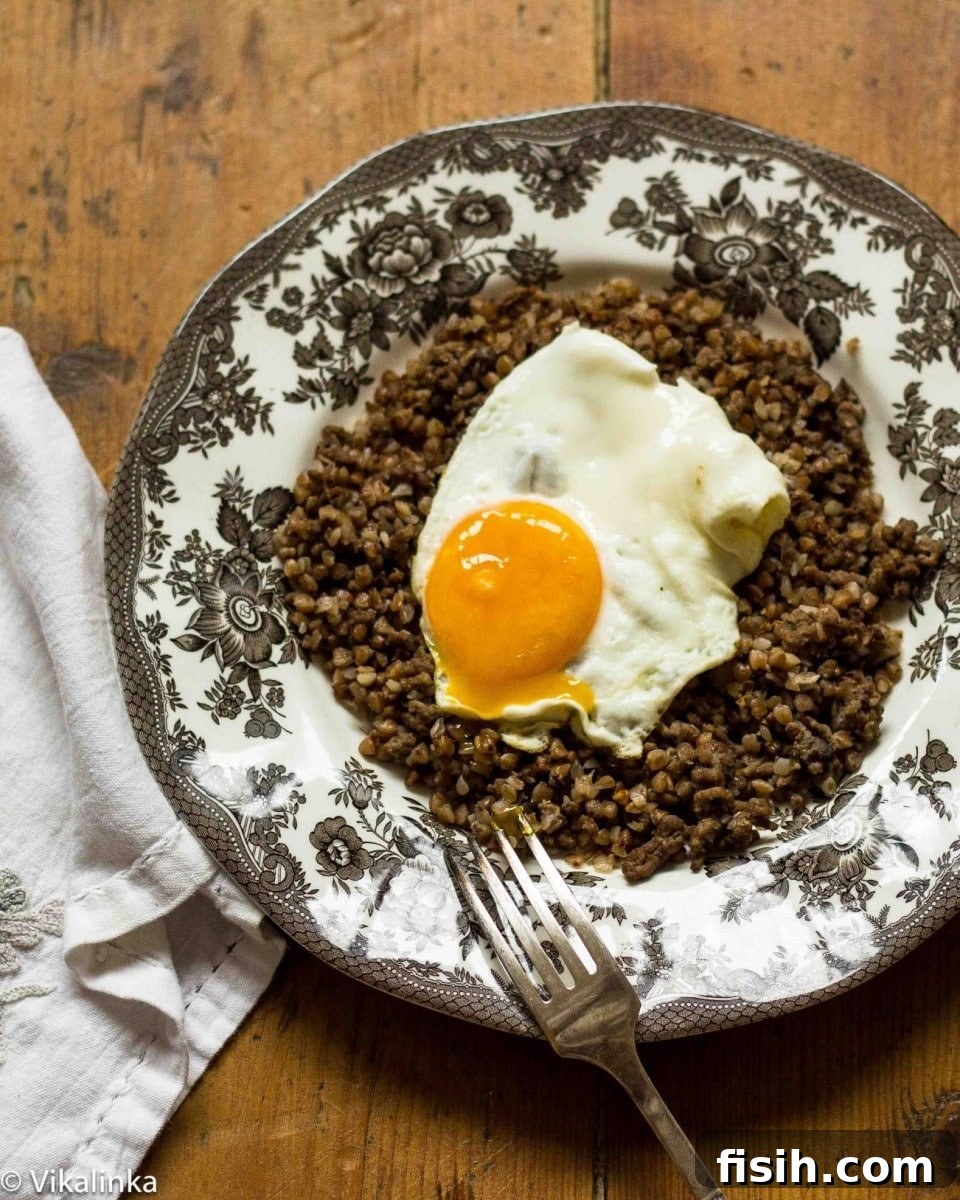
- Serve for Breakfast (or any meal!): This savory buckwheat dish is incredibly versatile and can be enjoyed as a wholesome main course for lunch or dinner, or as a flavorful side dish to any type of meat or fish. However, its true magic shines at breakfast when topped with a freshly fried egg. Simply fry your eggs to your desired doneness – sunny-side up, over easy, or scrambled – and place one invitingly on top of each generous serving of buckwheat. This combination transforms simple leftovers into what can only be described as the “Breakfast of Champions.”

Pro Tip for Enhanced Flavor: While using water to cook buckwheat is perfectly acceptable, especially if you intend to use it in both sweet and savory applications, consider a simple yet impactful swap for savory dishes. Opt for a good quality vegetable or chicken broth instead of water. This quick and easy change will infuse your buckwheat with an incredible depth of umami flavor, elevating your entire dish with minimal extra effort. It’s a fantastic way to make your buckwheat truly sing!
Embrace Buckwheat: Your New Kitchen Staple
Buckwheat is far more than just another health trend; it is an ancient superfood that offers a compelling combination of robust flavor, exceptional nutritional benefits, and remarkable culinary versatility. From its gluten-free nature and rich protein content to its abundance of fiber, minerals, and antioxidants, buckwheat provides a wealth of advantages for anyone seeking to enhance their diet.
Whether you’re exploring new gluten-free options, looking for complete plant-based proteins, or simply seeking to add more wholesome and delicious ingredients to your meals, buckwheat is an invaluable addition to your pantry. Its adaptability allows it to seamlessly integrate into various cuisines and meal types, from comforting breakfast porridges to savory dinner creations like our family-favorite buckwheat with caramelized onions and mushrooms. Don’t let this humble seed remain a secret any longer. Take the leap and discover the profound simplicity and satisfaction that buckwheat can bring to your kitchen. Embrace this wholesome, nutritious, and incredibly flavorful ingredient – it might just become your new everyday staple!