
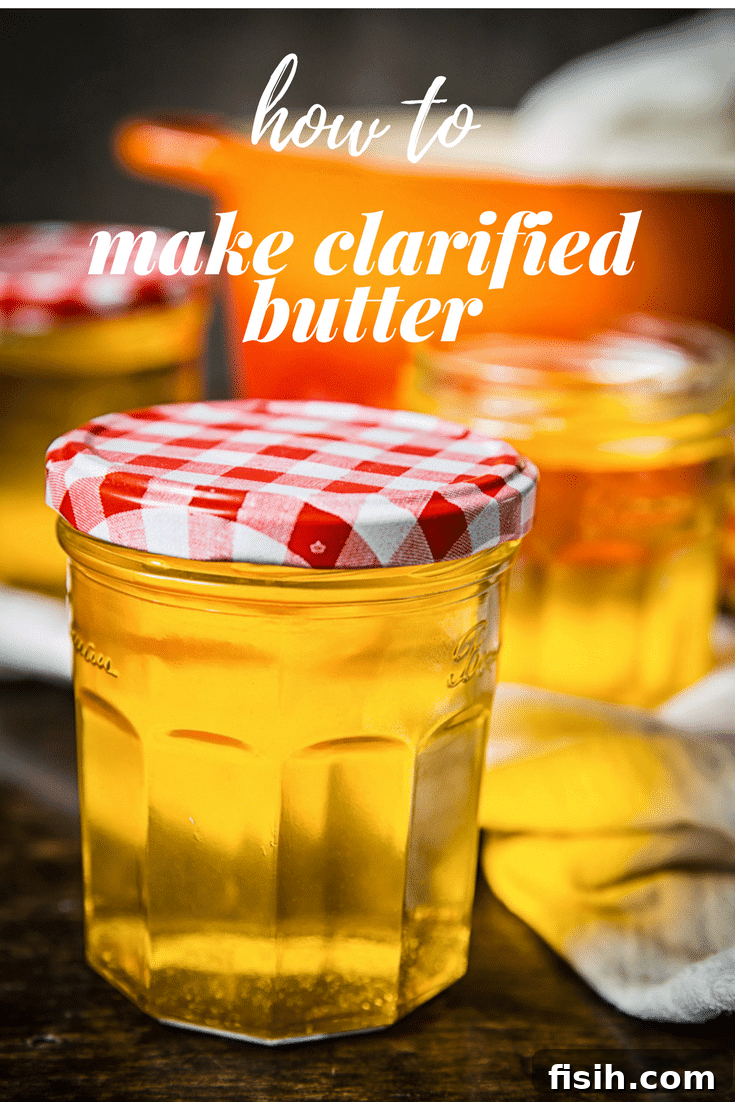
Unlock a culinary secret that will transform your cooking. Whether you’re new to the world of clarified butter or just curious about its magic, you’re about to become a true believer! This golden elixir is surprisingly simple to create at home, requiring just one ingredient, yet it offers infinite possibilities in the kitchen. Prepare to elevate your dishes to a whole new level of flavor and finesse.
Some kitchen techniques offer immense rewards for a little upfront effort, and mastering clarified butter is certainly one of them. Just like making a vibrant Tuscan Kale Pesto from scratch, a small investment of time now will pay dividends in deliciousness later.
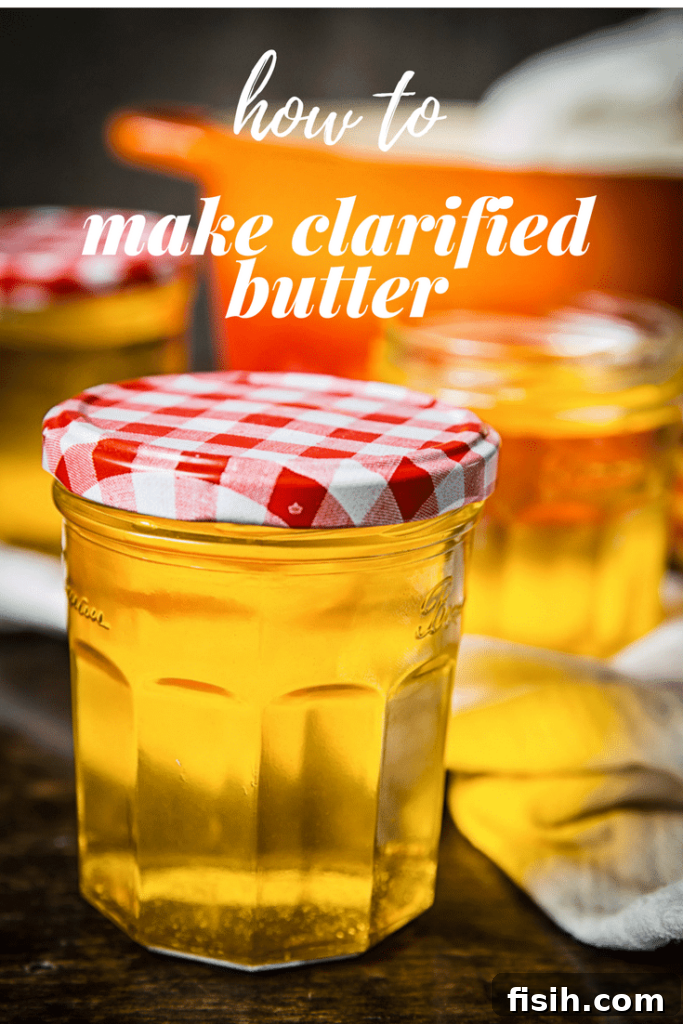
My passion for clarified butter runs deep. It’s a culinary legacy, a skill meticulously passed down from my mother, who treats the process with the utmost seriousness. This cherished tradition has instilled in me a profound appreciation for this versatile ingredient.
However, it seems this enthusiasm might be a bit niche. The other day, after making a fresh batch, I excitedly shared a photo on my Instagram stories. To my surprise, when I polled my followers about their familiarity with clarified butter, a staggering 80% admitted they had no idea what I was talking about! This revelation highlighted a clear need to demystify this incredible kitchen staple.
It’s time for that to change! Clarified butter is far too simple, too versatile, and too delicious to remain a hidden gem. It deserves a place of honor in every home cook’s arsenal, offering a wealth of benefits that can revolutionize everyday cooking and special occasion meals alike. From achieving perfect sears to creating silky smooth sauces, its advantages are undeniable.
What is Clarified Butter? Unveiling Ghee and Its Kin
Perhaps you’ve encountered the term ghee? If so, you’re already very close to understanding clarified butter. These two culinary fats share a profound kinship, differing only in the duration of their cooking process. Clarified butter, often referred to as ‘toplenoe maslo’ in Russian culture, and ghee, widely used in South Asian cuisine, both originate from butter.
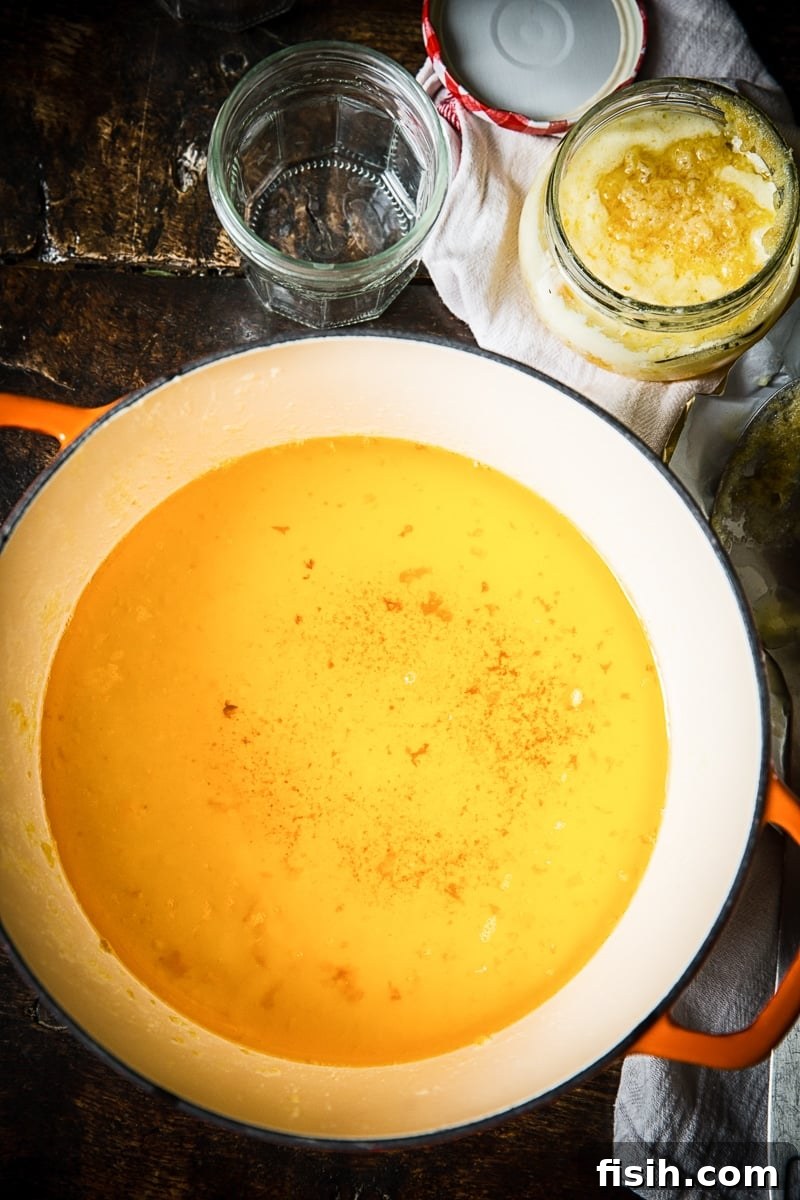
The transformation begins by gently heating butter, causing its water content to evaporate and its milk solids (proteins and lactose) to separate and float to the surface. These milk solids are then carefully skimmed away, leaving behind pure butterfat. This meticulous process yields a golden, amber-colored liquid with a delicate, almost caramelized aroma and flavor that will beautifully perfume your entire kitchen. The subtle sweetness and richness are captivating, making it a truly unique ingredient.
While fundamentally similar, ghee takes this process a step further. It’s cooked for a slightly longer period until the milk solids at the bottom begin to brown and caramelize, infusing the butterfat with a distinctly deeper, nuttier flavor profile. This extra cooking time also contributes to ghee’s more intense aroma and slightly darker hue. Both clarified butter and ghee are invaluable, but understanding this subtle difference allows you to choose the perfect fat for your specific culinary needs.
The Unbeatable Benefits of Clarified Butter
Beyond its simple preparation, clarified butter offers a multitude of advantages that make it an indispensable asset in any kitchen. It’s not just a fancy ingredient; it’s a practical solution to common cooking challenges and a flavor enhancer par excellence.
Superior High Smoke Point for Perfect Cooking
One of the primary benefits of clarifying butter is its significantly increased smoke point. Every fat or oil has a specific temperature at which it begins to break down, smoke, and can even produce harmful compounds. Regular butter, with its milk solids and water, has a relatively low smoke point, making it prone to burning during high-heat cooking. By removing these impurities, clarified butter can withstand much higher temperatures before smoking. This means you can pan-fry, sauté, and sear with butter without it turning black and bitter, allowing for beautifully browned foods and consistent, delicious results every time. Imagine perfectly seared steaks or crispy fried eggs, all infused with rich butter flavor without any burnt notes.
A Dairy-Free Alternative for Sensitive Diets
For individuals with dairy sensitivities, lactose intolerance, or even a dairy allergy, traditional butter can be off-limits. The clarifying process, however, effectively removes almost all of the milk solids, which contain both lactose and casein (the primary proteins responsible for dairy allergies). This makes clarified butter a wonderful, dairy-free alternative that allows those with dietary restrictions to enjoy the unparalleled taste and texture of butter without discomfort. It’s a fantastic way to reintroduce that beloved buttery richness into their diets.
Irresistible Flavor and Aroma
Beyond its functional advantages, clarified butter possesses a truly unique and delicious taste that sets it apart. The gentle heating process and the removal of milk solids concentrate the pure butterfat, creating a richer, nuttier, and slightly sweeter flavor than regular butter. It has an almost caramel-like depth, a pure and clean essence that enhances everything it touches. The aroma alone is enough to tantalize the senses, promising a culinary experience that is both sophisticated and comforting. Once you taste it, you’ll want to incorporate its luxurious flavor into nearly every dish.
Culinary Applications: Where Clarified Butter Shines
The versatility of clarified butter in the kitchen is truly remarkable. Its high smoke point and pure flavor make it ideal for a wide array of cooking methods and recipes. Here are just a few ways you can incorporate this golden liquid into your culinary repertoire:
- Perfect Frying and Sautéing: Its high smoke point makes it perfect for frying and sautéing, ensuring a beautiful golden crust without burning. Try frying steak, chicken, fish, or vegetables in clarified butter for an incredible depth of flavor. You’ll achieve a crispy exterior and tender interior every time.
- Foundation for Exquisite Sauces: Clarified butter is the essential base for classic emulsion sauces like Hollandaise and Béarnaise. Its stability and pure flavor ensure these delicate sauces emulsify perfectly and hold their structure beautifully. Imagine homemade Eggs Benedict with a rich, silky Hollandaise — pure breakfast bliss!
- Fluffy Popcorn: For movie night perfection, ditch the oil and pop your corn in clarified butter. The result is popcorn with an intensely buttery flavor that you simply can’t achieve with regular butter or oil. Drizzle a little extra on top after popping for an indulgent treat.
- Gourmet Grilled Cheese: Elevate a simple grilled cheese sandwich by spreading clarified butter on the outside of your bread before grilling. It creates an incredibly crispy, golden crust with an unmatched savory butter flavor. Prepare for the ultimate comfort food experience!
- Baking Brilliance: Substitute clarified butter for regular butter or other fats in recipes where you want a pure, intense butter flavor without the moisture of milk solids. It can create flakier pie crusts, richer cookies, and more delicate pastries.
- Roasting Vegetables: Toss root vegetables or delicate greens with clarified butter before roasting. It helps them caramelize beautifully and develop a rich, savory sweetness.
- Dipping Sauce: Serve warm clarified butter as an elegant dipping sauce for steamed lobster, crab, or artichokes. Its clean, rich flavor complements these delicate foods perfectly.
- Indian Cuisine (Ghee): While technically ghee, clarified butter is an excellent substitute in many Indian dishes, providing that authentic richness and aroma for curries, dals, and various stir-fries.
Expert Tips for Clarified Butter Success
Achieving perfect clarified butter is easy when you keep a few key tips in mind. These simple guidelines will ensure your homemade butterfat is of the highest quality, ready to enhance all your culinary creations.
- Choose High-Quality Butter: The quality of your clarified butter directly depends on the quality of the butter you start with. Always opt for unsalted butter with a high fat content, ideally at least 80% fat. Avoid low-fat or reduced-fat butter, as they contain more water and additives, which will yield less pure butterfat and can affect the final flavor and consistency. European-style butters are often a great choice due to their higher fat percentage.
- Don’t Discard the Milk Solids: While the primary goal is to separate the butterfat, the skimmed-off milk solids are far from waste! These caramelized bits carry a wonderful, concentrated butter flavor. They can be a delicious addition to various dishes. Try stirring them into soups or broths for extra richness, folding them into scrambled eggs for a savory boost, or even spreading them on toast for a unique treat. They add a depth of umami that you won’t want to miss.
- Use a Heavy-Bottomed Pot: A cast iron pot or any other thick-walled saucepan is ideal for clarifying butter. The heavy bottom ensures even heat distribution, preventing the butter from scorching and allowing for a slow, gentle melting process. This controlled heat is crucial for separating the components effectively without burning the milk solids prematurely.
- Low and Slow is Key: Patience is a virtue when making clarified butter. Cook it over the lowest possible heat. This gentle simmering allows the water to evaporate slowly and the milk solids to separate cleanly without rapidly browning or sticking to the bottom. Rushing the process can lead to burnt bits and a less pure product.
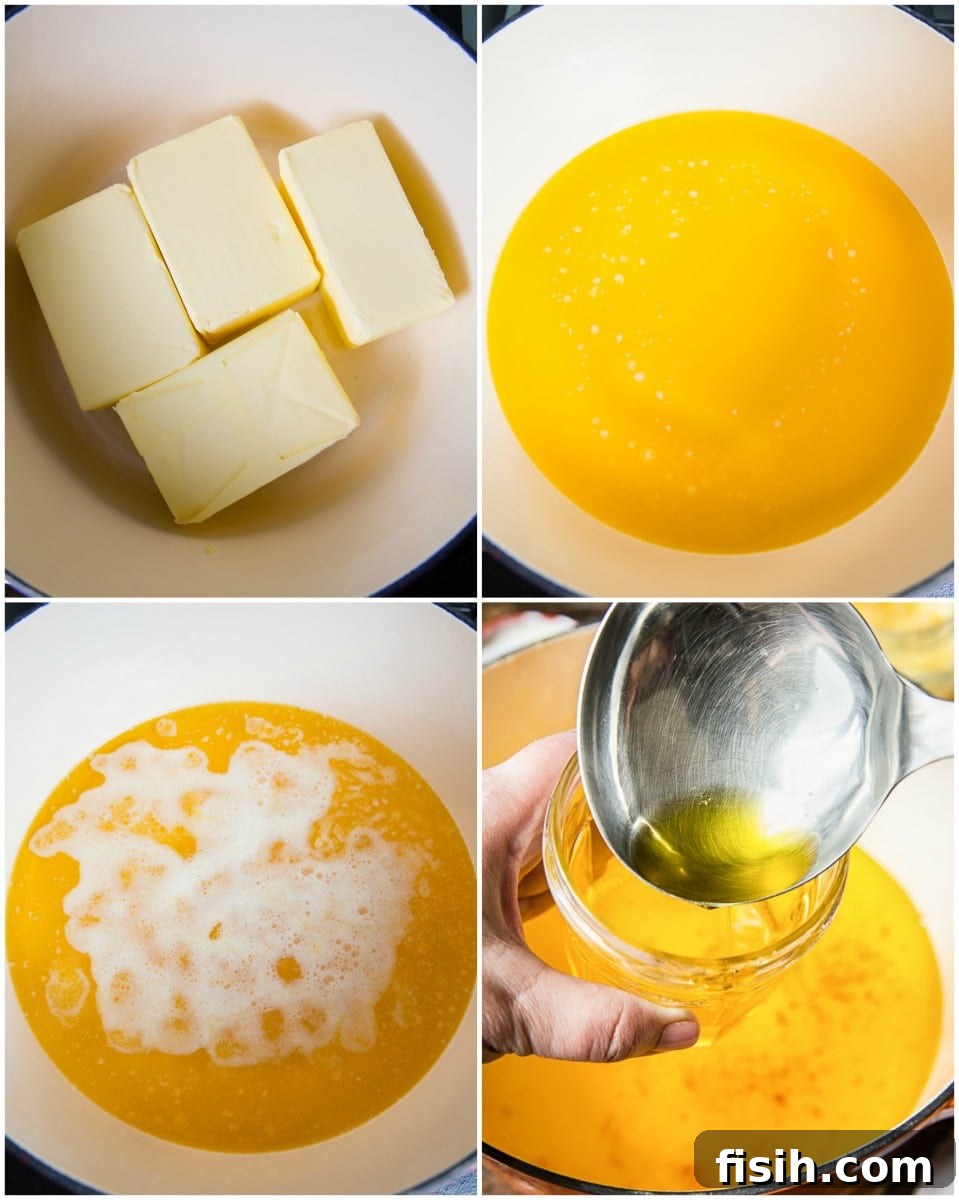
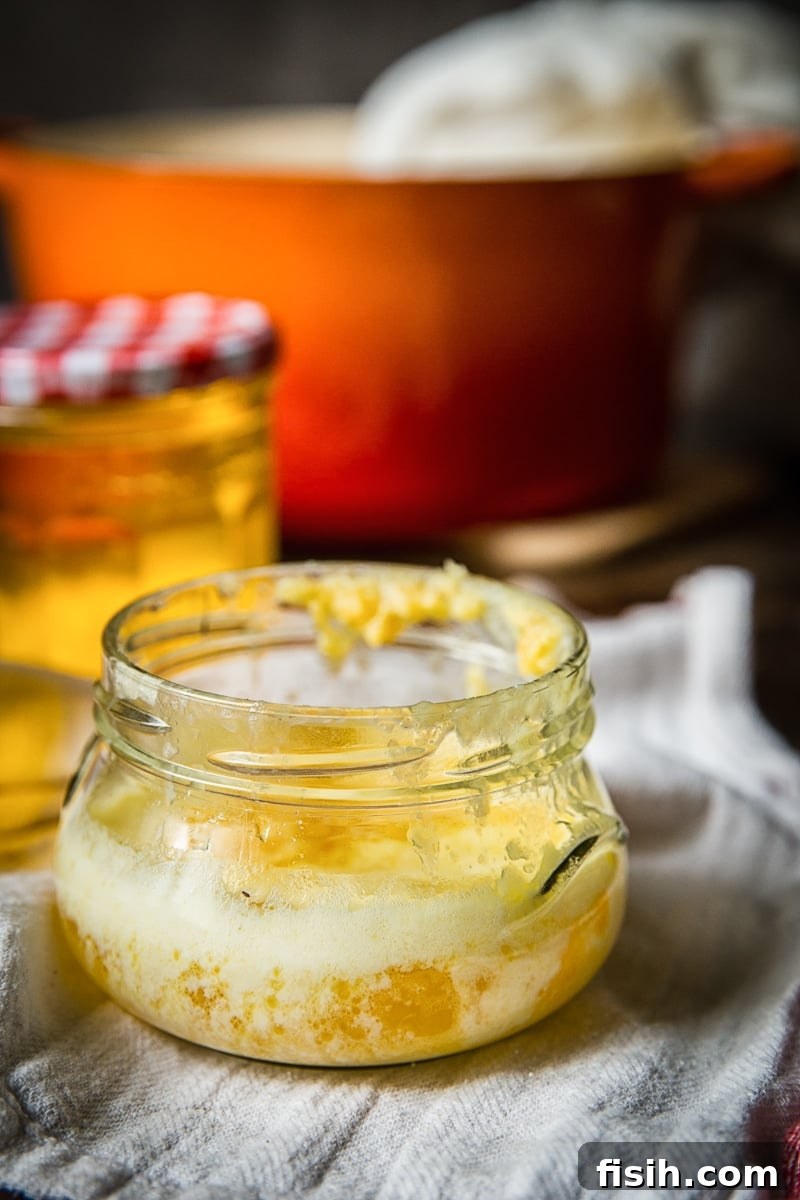
- Observe the Stages: Pay attention to the visual cues. Initially, foam will form on top. As the butter continues to cook, this foam will subside, and the milk solids will begin to separate – some floating, some sinking. The butterfat will turn a clear, golden amber color, and you should be able to see through it to the bottom of the pot. A nutty aroma will develop as it nears completion.
- Straining for Purity: For the purest clarified butter, especially for the final pour, strain it through several layers of cheesecloth or a fine-mesh sieve lined with cheesecloth. This step ensures that any lingering milk solids or sediment are removed, resulting in a perfectly clear and clean butterfat.
Storage Solutions for Long-Lasting Clarified Butter
One of the many benefits of clarifying butter is its extended shelf life. By removing the water and milk solids, you eliminate the components most susceptible to spoilage, allowing the butterfat to remain fresh for much longer than regular butter.
For short-term storage, clarified butter does not necessarily require refrigeration. You can store it in an airtight container in a cool, dark pantry or cupboard for up to 2 months. Ensure the container is completely sealed to prevent oxidation and absorption of other odors. This non-refrigerated storage is particularly convenient for frequent use, as it keeps the butter in a soft, spreadable state.
If you plan to keep your clarified butter for an extended period, refrigeration is an excellent option. When stored in an airtight container in the refrigerator, it can remain fresh for 6 months or even longer. While in the fridge, you will notice that the clarified butter solidifies and becomes firm, similar to regular butter. This is completely normal and expected. Simply bring it back to room temperature for a short while, and it will quickly soften, ready for use.
For the longest possible shelf life, clarified butter can be frozen. Stored in freezer-safe, airtight containers, it can last for up to a year without losing its quality or flavor. When ready to use, simply thaw it in the refrigerator overnight or at room temperature. This makes it perfect for making large batches and ensuring you always have this golden staple on hand.
Recipes That Benefit from Clarified Butter
Once you have a jar of homemade clarified butter, you’ll find countless ways to put it to good use. Here are some fantastic recipes where clarified butter truly shines:
- Eggs Benedict with Hollandaise Sauce: The classic breakfast dish, elevated by the perfect Hollandaise.
- Beef Fillet with Easy Bearnaise Sauce: A luxurious pairing, where the Bearnaise gains immense richness.
- Nepalese Red Lentil Dahl: An authentic touch that deepens the savory flavors.
- Butter Chicken Curry: Essential for achieving that signature rich, velvety texture and flavor.
How to Make Clarified Butter
Julia Frey of Vikalinka
5 mins
1 hr
1 hr
750ml / 3 cups
Equipment
-
Dutch oven or heavy-bottomed pot
-
Fine-mesh sieve or cheesecloth
-
Clean jars for storage
Ingredients
- 1kg / 2lbs unsalted butter, no less than 80% fat content
Instructions
-
Place the unsalted butter into a cast iron pot or any heavy-bottomed, thick-walled pot. Melt the butter slowly over the absolute lowest heat setting possible. Avoid stirring too much. As the butter melts, foam will form on the surface, and milk solids will begin to separate and rise to the top.
-
Gently skim off the foam and milk solids that float to the top using a spoon or a fine-mesh skimmer. Continue this process, allowing the butter to simmer gently and undisturbed. The water content will evaporate, and the remaining milk solids will gradually sink to the bottom and slightly brown, contributing to the butter’s nutty flavor.
-
Keep cooking until the butterfat is a clear, translucent amber color. You should be able to clearly see the bottom of the pot through the liquid. A nutty, slightly sweet aroma will fill your kitchen. For 2 lbs of butter, this usually takes about 45-50 minutes (roughly 25 minutes per pound). Once it reaches this stage, remove the pot from the heat.
-
Carefully ladle the clarified butter into clean, dry jars. For the very last portion, or if you prefer extra purity, pour the butter through a fine-mesh sieve lined with a few layers of cheesecloth to filter out any remaining sediment or browned milk solids. Let the clarified butter cool completely before sealing the jars.
Notes
- This recipe yields approximately 750 ml (3 cups) of clarified butter from 1kg (2 lbs) of unsalted butter.
- Always use butter with at least 80% fat content. Low-fat or reduced-fat butter contains too much water and additives, which will not clarify properly and will yield a poor result.
- Do not discard the skimmed-off milk solids! They are infused with a delicious buttery flavor and can be added to soups, broths, scrambled eggs, or even used as a spread on toast for an extra burst of flavor.
Nutrition
Carbohydrates: 0.004g |
Protein: 0.1g |
Fat: 5g |
Saturated Fat: 3g |
Polyunsaturated Fat: 0.2g |
Monounsaturated Fat: 1g |
Trans Fat: 0.2g |
Cholesterol: 14mg |
Sodium: 1mg |
Potassium: 2mg |
Sugar: 0.004g |
Vitamin A: 167IU |
Calcium: 2mg |
Iron: 0.001mg
Nutrition information is automatically calculated, so should only be used as an approximation.