
Falling head over heels for Spain is an instantaneous, almost magical experience. From the moment you step onto its sun-drenched soil and allow yourself to truly absorb the vibrant beauty and intoxicating aromas that permeate the air, you are utterly captivated. Having journeyed from the bustling, relentless pace of London, it was hardly surprising that we found ourselves completely enchanted by the genuine warmth of the locals and their wonderfully relaxed, unhurried way of life. And then, of course, there’s the food – because, let’s be honest, the unparalleled culinary delights are a significant reason why you’re here, aren’t they?
As you embark on this flavorful journey with us, I’ve brought along a collection of cherished photographs, some captured with my trusty Canon, others with my ever-present iPhone. That larger camera, while superb, does tend to become quite a weighty companion after a day of enthusiastic exploration and incessant clicking!
Valencia: The Birthplace of Paella and a Culinary Awakening
Our Spanish odyssey commenced in the magnificent city of Valencia, a coastal gem renowned globally as the true birthplace of Paella. This iconic dish, known to the world as Paella Valenciana, is far more than just a meal; it’s a vibrant tapestry of flavors and colors, traditionally featuring a harmonious blend of tender chicken and succulent seafood, all infused with the golden glow and exquisite aroma of saffron. To this day, saffron remains one of the world’s most precious spices, its value often rivaling that of gold, lending an unparalleled depth and luxury to every bite of authentic Paella.
Experiencing Paella in its homeland, prepared with the freshest local ingredients, was an absolute revelation. The depth of flavor achieved through careful preparation and quality produce is simply incomparable. Should you be inspired to recreate this culinary masterpiece in your own kitchen, I’ve previously shared my rendition of this traditional dish, utilizing authentic local ingredients to capture its true essence. You can discover the full recipe and more memories from our journey in one of my previous posts.
The Vibrant Palette of Spanish Cuisine: Simple, Yet Profoundly Flavorful
If pressed to encapsulate the essence of Spanish food, the words of a former colleague, who spent several years immersing himself in the culture while teaching in Spain, immediately spring to mind. He aptly summarized their culinary philosophy by saying, “Spanish food is either yellow, orange, or red and very simple.” While this description might sound unassuming, it masks the profound depth of flavor and culinary artistry found within its simplicity. Spanish dishes are indeed characterized by their vibrant hues, often derived from natural ingredients like saffron, paprika, and ripe tomatoes, but “simple” certainly does not mean “plain.” Instead, it signifies a profound respect for fresh, high-quality ingredients, allowing their natural flavors to shine through with minimal fuss. This approach results in an authentic and intensely satisfying dining experience that truly speaks to the soul of the country.
Savoring the Spanish Spirit: Sangria and Social Sipping
One evening, as we settled into a charming local eatery, a friendly waiter approached and, with a knowing smile, inquired if I desired my Sangria “grande” or “pequeño.” Given the balmy Spanish evening and the convivial atmosphere, it’s not hard to guess which option I enthusiastically embraced! The allure of a large, refreshing glass of Sangria, brimming with fresh fruit and infused with the spirit of Spain, was utterly irresistible. Sangria is more than just a drink; it’s a social ritual, a symbol of relaxation and shared enjoyment that perfectly complements the Spanish dining experience.
Key Ingredients and Unforgettable Flavors: Chorizo and Jamón Serrano
Spanish food is a dazzling display of vibrant tastes and captivating aesthetics, often surprising first-time visitors who might, mistakenly, expect similarities with Mexican cuisine. While both are rich and flavorful, their profiles are distinctly different, with Spanish dishes typically relying less on fiery heat and more on robust, earthy flavors. Perhaps the most celebrated and frequently utilized ingredient in the Spanish pantry is chorizo. This versatile, spiced pork sausage, available in both cured and fresh varieties, is a powerhouse of flavor. We quickly discovered that when cooking with chorizo, additional spices are often superfluous; its inherent blend of smoked paprika and garlic delivers an incredibly potent and satisfying flavor punch all on its own, instantly elevating any dish it graces.
However, my personal culinary obsession in Spain quickly became Jamón Serrano, a dry-cured ham that shares a delightful kinship with its Italian cousin, Prosciutto Crudo. Its delicate, savory flavor and melt-in-your-mouth texture are utterly addictive. A particular joy was seeing my children embrace it with equal enthusiasm. This unexpected passion for Jamón Serrano, alongside the overall kid-friendly nature of Spanish cuisine, made Spain an incredibly easy and enjoyable country to travel through with our little ones. There’s nothing quite like the sight of Mitchell happily devouring his second breakfast – a simple yet perfect combination of crusty bread and thin slices of Jamón Serrano, often accompanied by a fresh tomato dip that captures the essence of Spanish simplicity.
The Spanish Lifestyle: A Recipe for Longevity and Joy
The Spanish diet is a quintessential example of the renowned Mediterranean lifestyle, characterized by an abundance of fresh fruits, crisp salads, a variety of fish, and the omnipresent, heart-healthy olive oil. It is no mere coincidence that Spain boasts one of the highest life expectancies in Europe. This longevity is often attributed to their balanced diet, rich in antioxidants and healthy fats, coupled with a lifestyle that prioritizes social connections, physical activity, and a deep appreciation for enjoying the present moment. Despite facing economic challenges and higher unemployment rates in recent times, Spaniards possess an admirable ability to discern and prioritize what truly matters: savoring life’s simple pleasures and maintaining a positive outlook, regardless of circumstances. This inherent resilience and zest for life are palpable in their daily routines, especially around their meal tables.
A Day in Spanish Meals: From Gentle Mornings to Late-Night Tapas
A typical Spanish day unfolds with a distinct rhythm of meals, each playing a significant role in the social fabric and culinary experience.
Breakfast: A Gentle Start
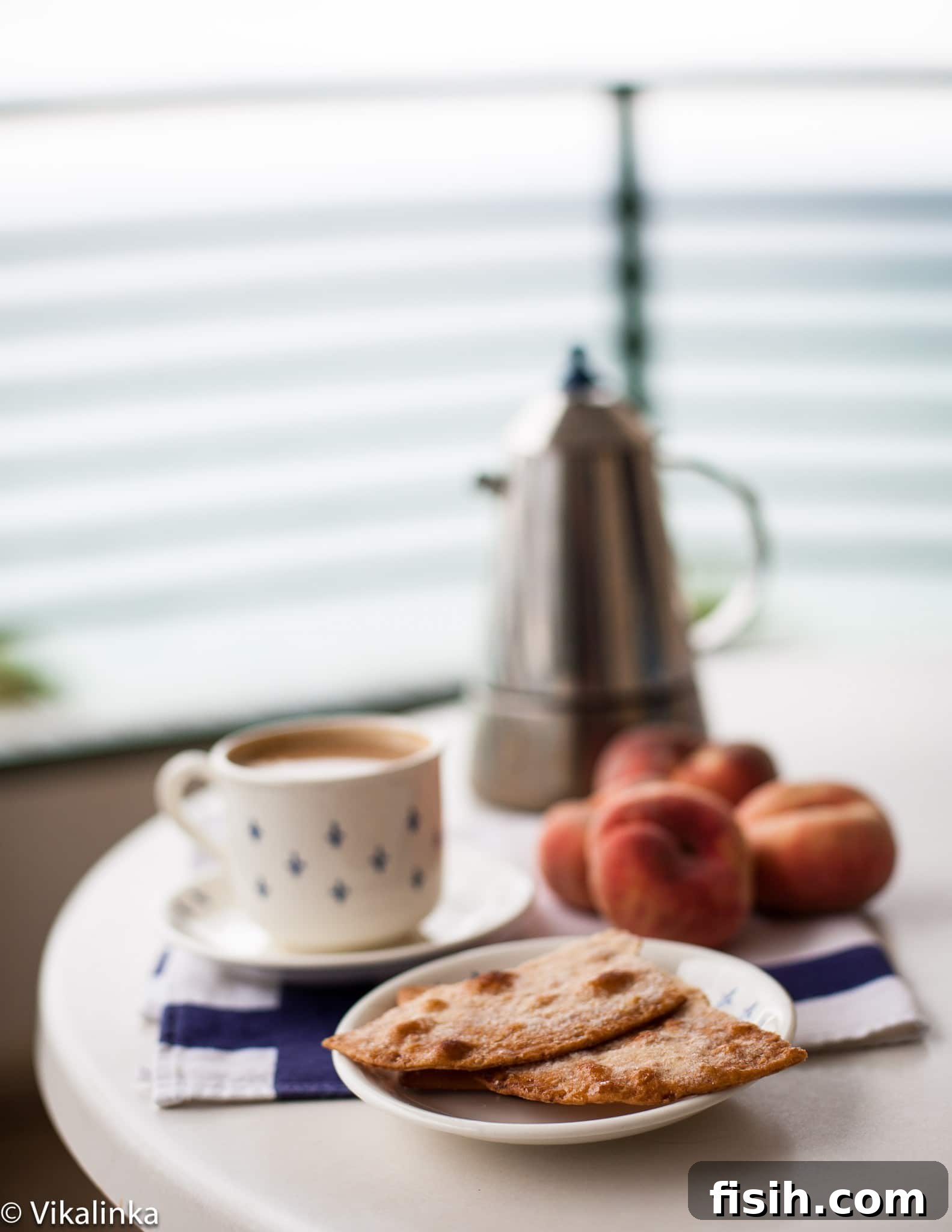
Mornings in Spain generally begin with a lighter fare. The most common breakfast consists of a strong coffee, often a café con leche (coffee with milk), paired with a freshly baked croissant or a slice of toast. Sometimes, you might find a “tostada con tomate,” a simple yet delicious toasted bread rubbed with garlic, topped with grated fresh tomato, and drizzled with olive oil – a wonderfully fresh and invigorating way to start the day.
After a leisurely breakfast, it’s not uncommon to witness the aftermath of a satisfied family enjoying their morning meal. Can you believe a family of four could leave behind such a charming, scattered scene, testament to a truly relaxed start to the day?
Lunch: The Grand Affair
Then comes lunch, undeniably the most significant meal of the day in Spain. It’s typically enjoyed between 2 and 4 in the afternoon, a slow, multi-course affair designed for maximum enjoyment and social interaction. This long, drawn-out meal is a cornerstone of Spanish daily life, often followed by a brief siesta or a relaxed afternoon. On our final day, we savored a memorable lunch experience that perfectly encapsulated this tradition, presented in two delightful courses.
First, we indulged in a generous portion of Paella, alongside fragrant Garlic Rice with Shrimp, each bite a testament to fresh, local seafood and expert seasoning. Accompanying these savory delights was my generously sized mojito – the perfect refreshing counterpoint to the rich flavors of the meal.
The second course presented an equally impressive spread: succulent Lamb Sirloin served with delectable Parmesan Potatoes, and perfectly Panfried Fish accompanied by grilled zucchini, tender eggplant slices, and wonderfully charred Padrón peppers. This variety and quality underscored the Spanish commitment to a diverse and satisfying main meal. Our adventurous children, after sampling many new and exciting foreign dishes throughout our trip, opted for a universally comforting giant cheeseburger. Sometimes, even the most curious young palates need a touch of home comfort!
Merienda: A Sweet Interlude
Mid-afternoon often brings the “merienda,” a light snack or treat designed to tide one over between the late lunch and even later supper. On one memorable occasion, we discovered an unexpected delight: a variety of macarons, curiously sold at McDonald’s. It just goes to show how even global brands adapt to local tastes and customs – a truly fascinating, and delicious, revelation!
Supper: Light Bites and Late Evenings
Supper in Spain, known as “cena,” is traditionally much lighter than lunch and typically enjoyed quite late, often between 9 and 11 in the evening. It’s a time for more relaxed, often social, dining. It’s common to opt for a fresh salad, a simple sandwich, or, most delightfully, a varied selection of tapas. We particularly cherished our suppers featuring an exquisite array of cured meats, slices of rich Manchego cheese, briny olives, and perfectly ripe sliced tomatoes and peppers, all lightly drizzled with the freshest lemon juice and golden olive oil. The sheer quality of Spanish produce means that vegetables taste incredibly vibrant, requiring nothing more than this simple, elegant dressing to enhance their natural goodness.
The Social Heart of Spain: Tapas Bars
Throughout our travels, a common and utterly delightful sight was the bustling tapas bar. These lively establishments are more than just places to eat; they are social hubs where friends and families gather to share small plates, lively conversation, and the true spirit of Spanish hospitality. In cities like Valencia, tapas bars are an integral part of the urban landscape, offering a window into the local way of life and an irresistible invitation to partake in the communal joy of food.
Beyond the Plate: Spain’s Natural Bounty and Timeless Charm
As much as I adore the rich flavors of cured meats and artisanal cheeses, my heart was truly stolen by the abundance of fresh, vibrant vegetables and succulent fruits. Oh, how I cherish a land where orange trees flourish along the sidewalks, their ripe fruit not just for consumption but sometimes even playfully repurposed by restaurant owners as charming paperweights, preventing napkins from fluttering away in the gentle breeze. This everyday sight perfectly encapsulates Spain’s effortless connection to nature’s bounty and its relaxed, inventive spirit.
It’s a country where the landscapes effortlessly transition from sun-drenched coastlines to picturesque rural vistas, unfolding like this, compelling you to pause, breathe, and simply soak in the breathtaking beauty. These are the moments when time seems to slow, inviting us to truly connect with each other, with our surroundings, and to indulge in simple pleasures like a perfectly scooped, delicious ice cream.
Why Spain Captivates: A Timeless Allure
Without a doubt, Spain has unequivocally charmed its way deep into our hearts. Its unparalleled blend of exquisite cuisine, vibrant culture, leisurely lifestyle, and breathtaking landscapes creates an irresistible allure that stays with you long after you’ve departed. The memories of shared meals, impromptu conversations, and the warmth of the Spanish sun will forever call us back. We are certain that this is not a farewell, but merely an “hasta luego” – until next time. We will most definitely be back to explore more of its wonders, savor more of its flavors, and once again embrace its unique, captivating spirit.