
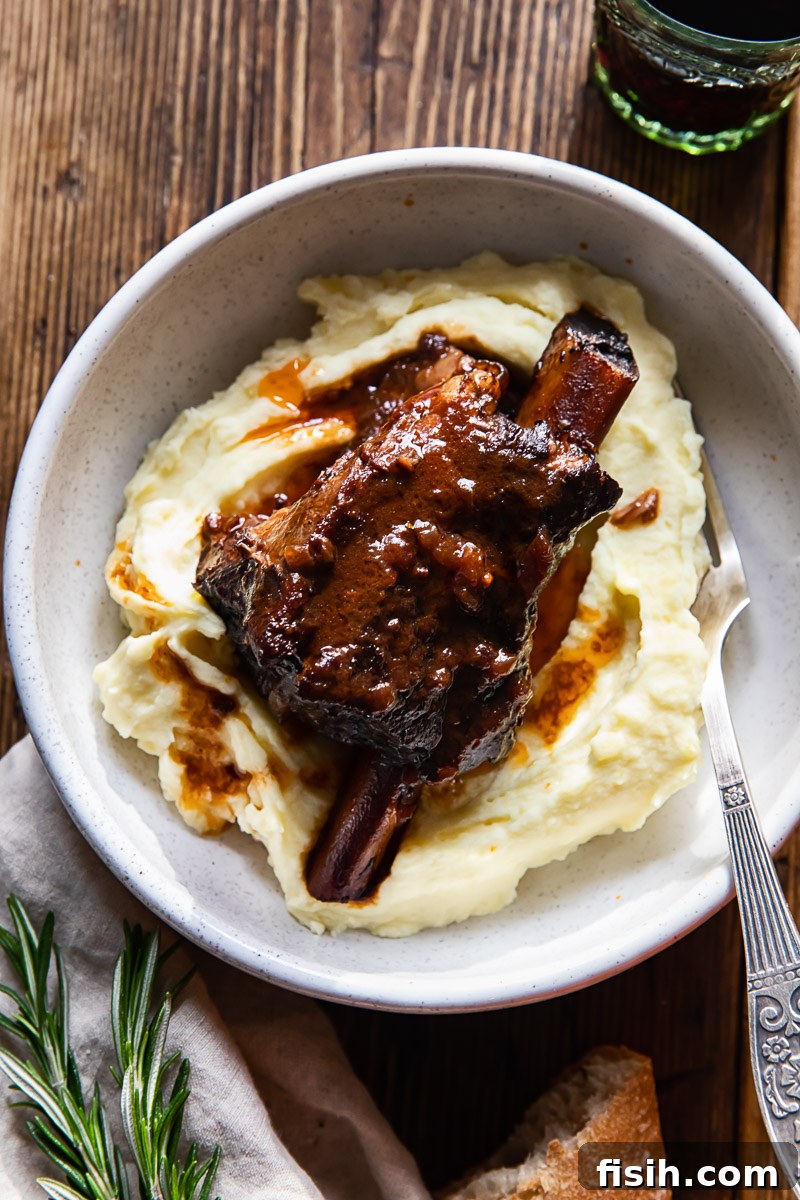
Slow-Cooked Perfection: Melt-in-Your-Mouth Red Wine Braised Beef Short Ribs
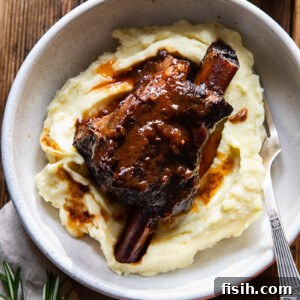
There are few dishes that deliver the profound comfort and robust flavor of perfectly braised beef short ribs. Imagine tender, succulent meat falling off the bone, enveloped in a rich, aromatic red wine sauce that has been slow-cooked to perfection. This recipe for red wine braised beef short ribs promises exactly that: a culinary experience that is both bold and incredibly satisfying, turning tough cuts into a melt-in-your-mouth masterpiece.
The best part? While the incredible depth of flavor suggests hours of intricate work, the hands-on time for this recipe is remarkably minimal. In just about 20 minutes of active preparation, you can set these magnificent ribs to slowly braise, allowing the oven to do most of the heavy lifting. This gives you ample time to relax, savoring the tantalizing aromas that will fill your home, anticipating one of the coziest and most flavorful winter meals you can imagine. This is slow-cooked beef at its absolute finest!
If you love the rich flavors of slow-braised meat, you might also enjoy exploring something with a delightful twist: Gochujang Short Ribs.
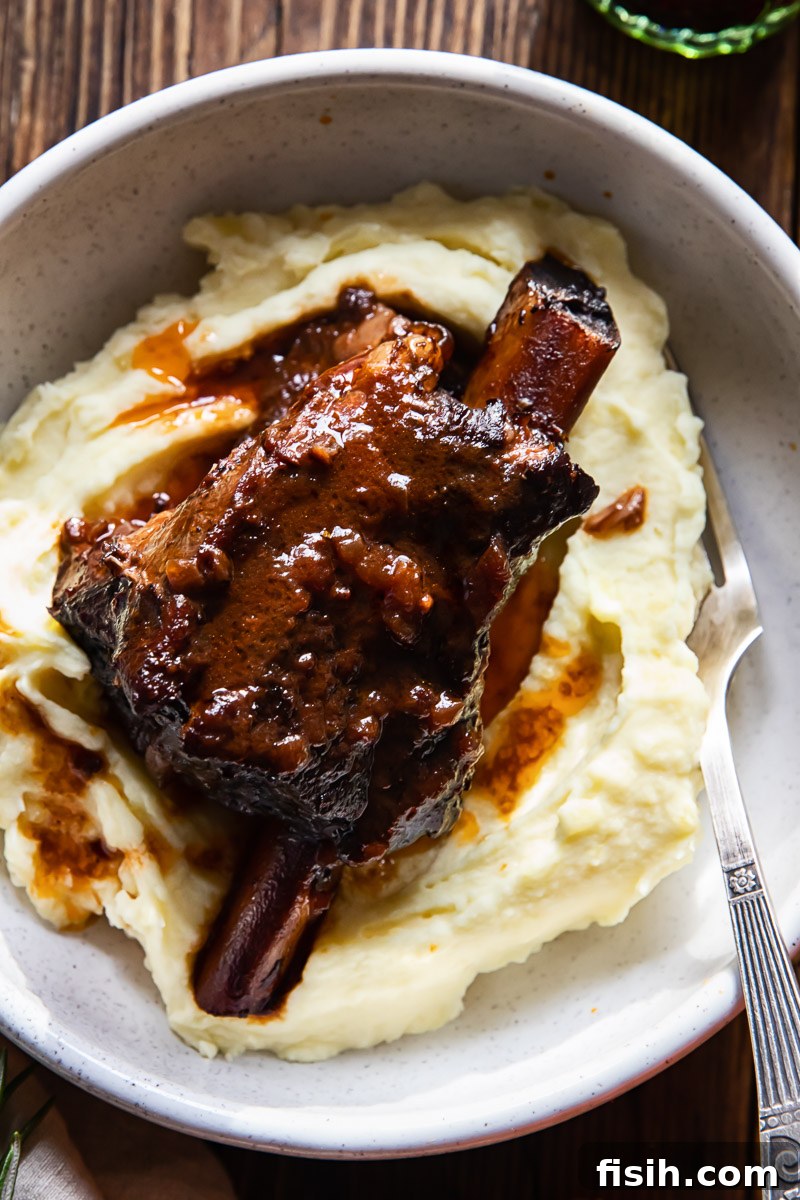
Why Braising is the Ultimate Method for Beef Short Ribs
There’s a reason chefs and home cooks alike turn to braising when it comes to cuts like beef short ribs. This time-honored cooking method is truly the best way to transform what would otherwise be a tough piece of meat into something unbelievably tender and flavorful. And by “hours,” we mean a minimum of two and a half to three hours, or even longer if you opt for a lower oven temperature.
Despite its gourmet reputation, braising is far from fussy. The beauty of this recipe lies in its simplicity. After a quick initial sear and combining a few key ingredients, the vast majority of the cooking occurs without your direct involvement. All you need to do is place your seasoned ribs into a preheated oven with a flavorful liquid, and then simply sit back and let time work its magic.

What Exactly is Braising? Unveiling the Ancient Culinary Technique
Braising is a term often heard in professional kitchens, but it’s a cooking method that has been practiced for centuries by home cooks around the world, long before it earned its fancy name. At its core, braising is a combination cooking method that involves first searing food at a high temperature, then finishing it in a covered pot with a small amount of liquid over a low heat for a long period.
This technique was specifically developed to transform tougher cuts of meat, rich in connective tissue, into incredibly tender and succulent dishes. Beef short ribs, with their abundance of collagen, are ideal candidates for braising. The low, slow heat gently breaks down these tough fibers and converts the collagen into gelatin, resulting in that desirable melt-in-your-mouth texture.
While beef is a classic choice, many other meats benefit from braising. You can braise tender chicken, rich lamb, or flavorful pork. However, it’s best to avoid cuts that are already naturally tender, such as beef tenderloin, as they can become dry with prolonged cooking.
Braising isn’t just for meat! It’s also a fantastic way to coax deep, complex flavors from vegetables. For instance, Braised Red Cabbage is a beloved family side dish, especially popular during the holiday season, offering a sweet and tangy counterpoint to rich mains.
The choice of braising liquid is crucial, serving a dual purpose: it tenderizes the meat while infusing it with layers of flavor. For these short ribs, we’ve opted for a robust combination of dry red wine and tomato passata (or crushed tomatoes), fortified with sautéed onions, garlic, fragrant bay leaves, and fresh rosemary. This simple yet highly effective combination creates a deeply savory and satisfying sauce that perfectly complements the rich beef.
Beef Short Ribs: A Cut Above the Rest for Slow Cooking
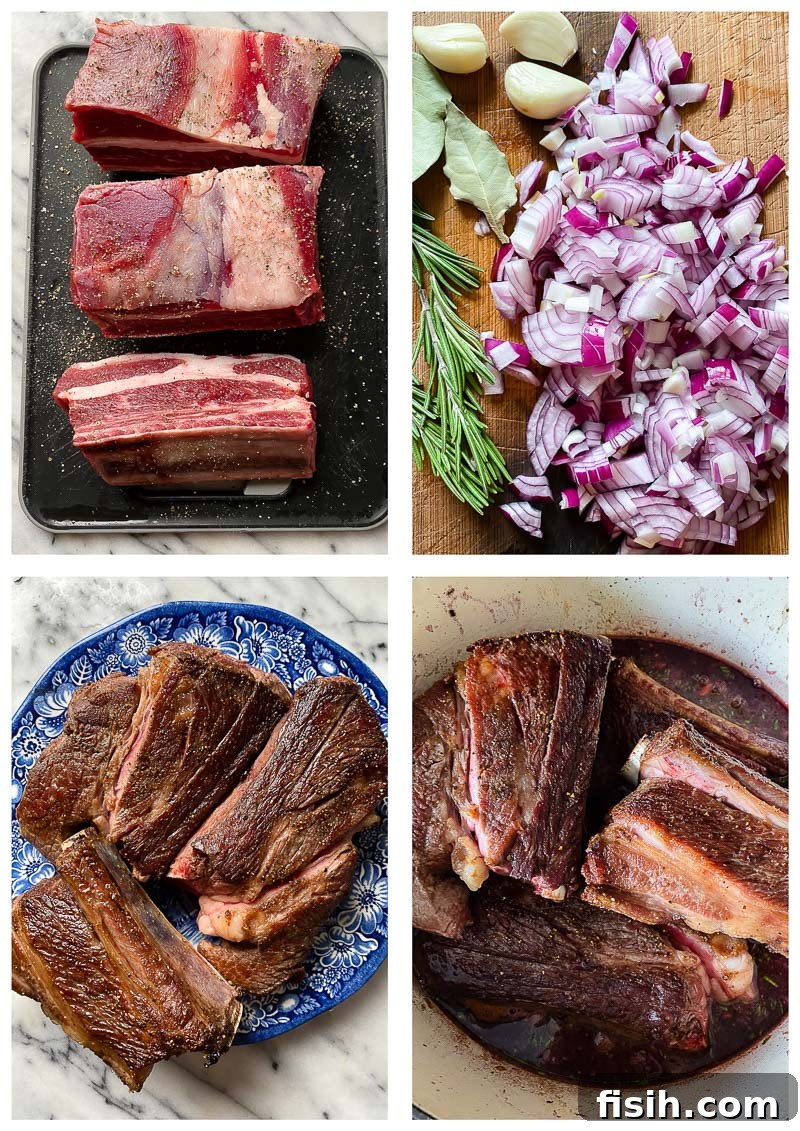
If you’re not intimately familiar with beef short ribs, prepare to be introduced to a true star of comfort food! Short ribs are derived from the lower ribcage of a cow, specifically from the plate, brisket, and chuck sections, adjacent to where you’d find cuts like brisket. This area is a working muscle, which means the meat is rich in connective tissue and boasts an impressive amount of marbling – intramuscular fat that renders beautifully during long cooking processes.
Types of Short Ribs: English Cut vs. Flanken Style
- English Cut: These are typically cut across the bone, resulting in thick, meaty blocks of rib with a single bone. This is the most common cut for braising and is what this recipe primarily refers to. The bone adds immense flavor and helps the meat stay moist during the long cooking process.
- Flanken Style: These are cut across the bones, usually thin slices of rib containing 3-4 bone sections. Often used for grilling or quick cooking in Korean BBQ, they can also be braised for a different presentation and faster tenderization due due to their thinner cut.
Because of their inherent structure and marbling, beef short ribs absolutely demand a long and slow cooking method. This extended cooking time allows the tough connective tissues to break down and the marbling to melt, infusing the meat with incredible richness and yielding that wonderfully tender texture we crave. When given the time they need, short ribs release an unparalleled depth of savory flavor.
You can sometimes find English-cut short ribs in the meat aisle of a well-stocked grocery store, but your local butcher is often the best resource. A butcher can not only ensure you get the freshest, highest-quality cut but can also trim them to the perfect size for your recipe, ensuring consistent cooking and presentation.
Expert Tips and Tricks for Perfect Braised Beef Short Ribs
- Size Matters: When planning, a general rule of thumb is one short rib per person. However, cuts vary greatly by region. For instance, short ribs sold in the UK can be quite large (e.g., 3 ribs weighing 1 kilo / 2.2 pounds). If you have very large ribs, you can remove the meat from the bones once cooked and easily split each rib into two generous servings.
- Don’t Skip the Sear: While it might seem like an extra, messy step, thoroughly browning the ribs in oil over high heat before braising is crucial. This process, known as the Maillard reaction, creates a caramelized crust that locks in juices and develops a significantly deeper, more robust, and complex flavor in your final dish.
- Aromatic Alternatives: This recipe calls for fresh rosemary and bay leaves, which impart a classic, earthy aroma. Feel free to experiment with other hardy herbs like fresh or dried thyme, or a blend of your favorite robust herbs. Just remember that dried herbs can lose potency over time, so ensure yours are still fragrant.
- Wine Wisdom: If the strong flavor of red wine is too intense for your palate, you can easily moderate it. Instead of using 2 cups (480ml) of pure red wine, you can dilute it with beef stock. A common split is 1 cup (240ml) red wine and 1 cup (240ml) beef stock, but feel free to adjust the proportion to your personal taste.
- Choose Your Vessel Wisely: We highly recommend using a heavy-bottomed This is an affiliate link.cast iron pot or Dutch Oven. Its superior heat retention and even heat distribution are unmatched, ensuring the ribs braise consistently and emerge meltingly tender.
- Slow Cooker Option: For ultimate convenience, these ribs can also be cooked in a This is an affiliate link.slow cooker. Follow all the initial steps (browning, sautéing aromatics) on the stovetop, then transfer everything to your slow cooker. Cook on LOW for approximately 8 hours, or until the meat is fork-tender.
- Deglazing for Depth: After browning the ribs and sautéing the aromatics, deglaze the pot with a splash of red wine or stock. Scrape up all the flavorful browned bits from the bottom of the pot; these bits are packed with umami and will significantly enhance the depth of your sauce.
- Resting Period: Once cooked, allow the short ribs to rest in their sauce for 10-15 minutes before serving. This helps the juices redistribute, resulting in even more tender and flavorful meat.
- Sauce Reduction: If you find your braising liquid a little thin after cooking, you can remove the ribs and vegetables, then reduce the sauce over medium-high heat on the stovetop until it reaches your desired consistency. Taste and adjust seasonings as needed.
Serving Suggestions: Completing Your Comfort Food Feast
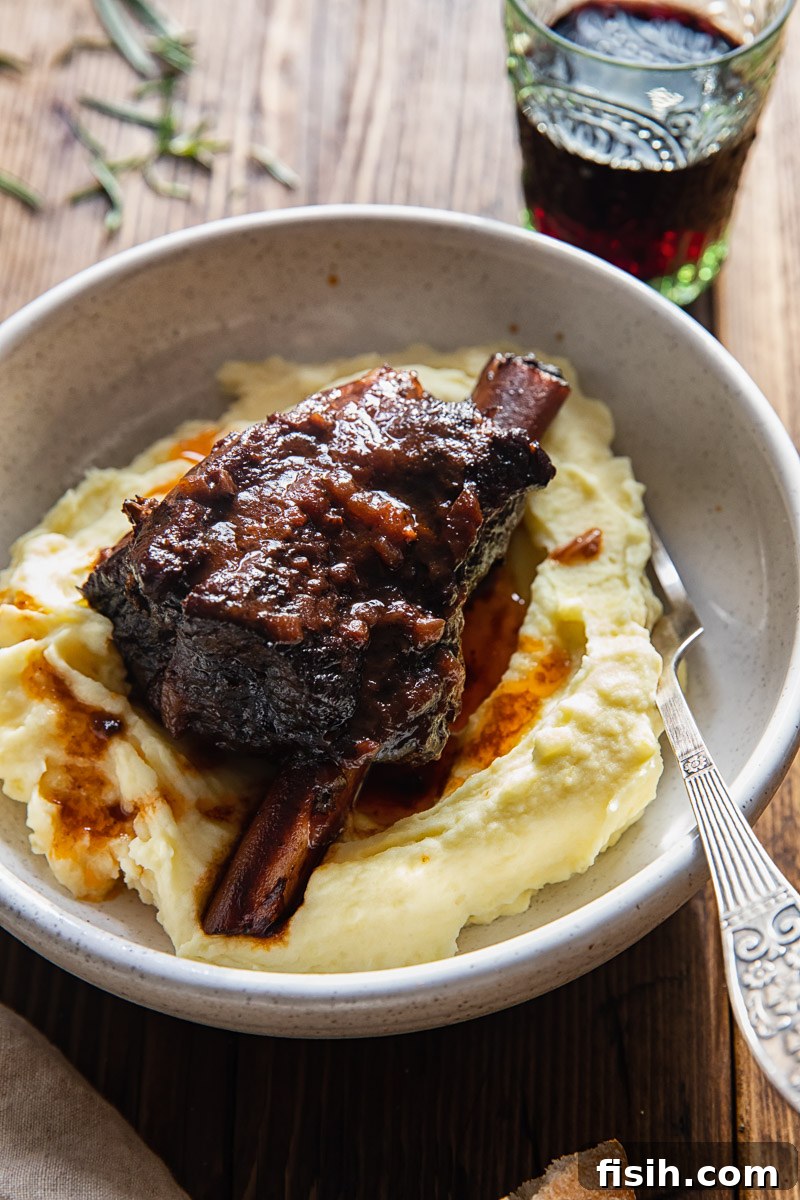
These magnificent braised short ribs are a dish that practically begs for a luxurious foundation. Fortunately, we have just the thing: a dreamy bed of mashed potatoes, made extra rich and nutty with a hint of brown butter. The creamy potatoes perfectly absorb the decadent red wine sauce, creating an irresistible combination.
To balance the richness of the meat and sauce, you’ll want something fresh and vibrant on the side. A simple, crisp garden salad with a light vinaigrette would be an excellent choice. For a more sophisticated pairing that complements the deep, savory flavors, consider roasted Tenderstem broccoli with a lemon-garlic vinaigrette, or a side of sweet and tangy braised red cabbage. These options provide delightful textural and flavor contrasts that round out the meal beautifully.
Storage and Leftovers: Even Better the Next Day!
One of the many joys of braised dishes is that the flavors often deepen and become even more complex and delicious after a night in the refrigerator. To store, transfer the short ribs and their luscious sauce to an This is an affiliate link.airtight container and refrigerate for 2-3 days. The fat will solidify on top, which you can easily skim off before reheating if desired.
For longer storage, these braised short ribs freeze exceptionally well. Place them in an airtight, freezer-safe container or heavy-duty freezer bags. They can be frozen for up to 2 months. When you’re ready to enjoy them again, defrost the ribs overnight in the refrigerator before reheating.
To reheat, gently warm the short ribs and sauce on the stovetop over medium heat. If the sauce seems too thick, add a splash of water or beef stock to loosen it. Continue to cook until the meat is heated through and the sauce is bubbling gently. This makes for a fantastic make-ahead meal that tastes incredible on busy weeknights!
More Braised Meat Recipes to Explore
If you’ve fallen in love with the magic of braising, here are some other fantastic recipes to try:
- Beef Bourguignon
- Beef Brisket with Guinness Gravy
- French Chicken Casserole a la Normande
- Cuban Pork Lechon Asado
- Braised Chicken in Creamy Sage Sauce
Braised Beef Short Ribs
Julia Frey of Vikalinka
20 minutes
2 hours 30 minutes
2 hours 50 minutes
6
Equipment
-
This is an affiliate link.Cast iron Dutch oven
Ingredients
- Salt and pepper
- 1 tbsp This is an affiliate link.olive oil
- 2¼kg / 5lbs beef short ribs
- 1 onion, diced
- 3 cloves garlic, sliced
- 4 sprigs fresh rosemary, or 1 tsp dried rosemary
- 500ml / 2 cups dry red wine
- 250ml / 1 cup tomato passata/canned crushed tomatoes
- 2 This is an affiliate link.bay leaves
Instructions
-
Preheat your oven to 180°C/350°F. Generously season the beef short ribs all over with salt and freshly ground black pepper. Heat the olive oil in a large, deep Dutch oven or oven-safe pot over high heat until shimmering. Carefully add the short ribs, in batches if necessary to avoid overcrowding, and brown them deeply on all sides. This searing step is crucial for developing rich flavor. Once browned, remove the ribs to a plate and set aside.
-
Reduce the heat to low. To the same pot (with the residual fat and browned bits), add the diced onion and cook gently for about 5 minutes until softened and translucent, scraping up any fond from the bottom of the pot. Stir in the chopped rosemary and sliced garlic, cooking for another 30 seconds until fragrant. Pour in the red wine, tomato passata (or crushed tomatoes), and add the bay leaves. Bring the mixture to a gentle simmer. Carefully return the browned short ribs to the Dutch oven; they should be partially submerged in the liquid. Cover the pot tightly with a lid and transfer it to the preheated oven. Cook for 2.5 hours, or until the short ribs are incredibly tender and can be easily pulled from the bone with a fork.
-
Alternatively, for a set-it-and-forget-it approach, you can cook these short ribs in a slow cooker. Follow all the stovetop preparation steps as written (preheating the oven is not necessary in this case). After returning the ribs to the pot with the braising liquid, transfer everything to your slow cooker. Cook on the LOW setting for approximately 8 hours, or until the meat is wonderfully tender.
Notes
- The initial step of browning the ribs in oil on high heat before braising is essential for creating a deep, robust flavor profile. Do not skip this step!
- If you prefer a less intense red wine flavor, you can substitute a portion of the red wine with beef stock. Maintain the total liquid amount (2 cups/480ml), adjusting the wine-to-stock ratio to your liking.
- This recipe is also perfectly adaptable for a slow cooker. Complete all the initial browning and sautéing steps on the stovetop, then transfer to your slow cooker and cook on LOW for 8 hours instead of using the oven.
Nutrition
Carbohydrates: 7g |
Protein: 54g |
Fat: 31g |
Saturated Fat: 12g |
Polyunsaturated Fat: 1g |
Monounsaturated Fat: 14g |
Cholesterol: 163mg |
Sodium: 1011mg |
Potassium: 1141mg |
Fiber: 1g |
Sugar: 3g |
Vitamin A: 94IU |
Vitamin C: 6mg |
Calcium: 44mg |
Iron: 7mg
Nutrition information is automatically calculated, so should only be used as an approximation.
Tried this recipe?Let us know how it was!
There you have it – a comprehensive guide to creating truly unforgettable red wine braised beef short ribs. This recipe isn’t just about cooking; it’s about embracing the slower pace of life, enjoying the process, and ultimately, savoring a meal that nourishes both body and soul. Whether you’re planning a cozy dinner for two or hosting a gathering, these short ribs are guaranteed to impress with their profound flavors and fall-apart tenderness. Dive into the art of braising and discover your new favorite comfort food!