
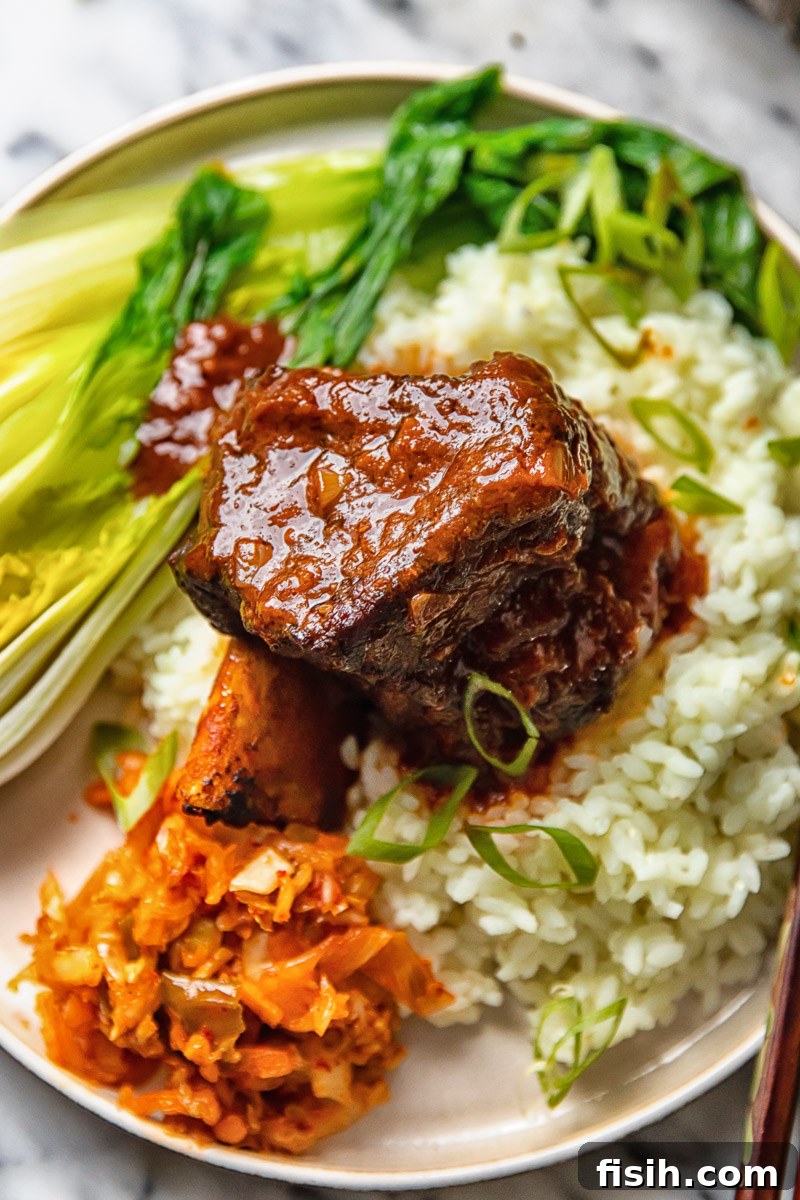
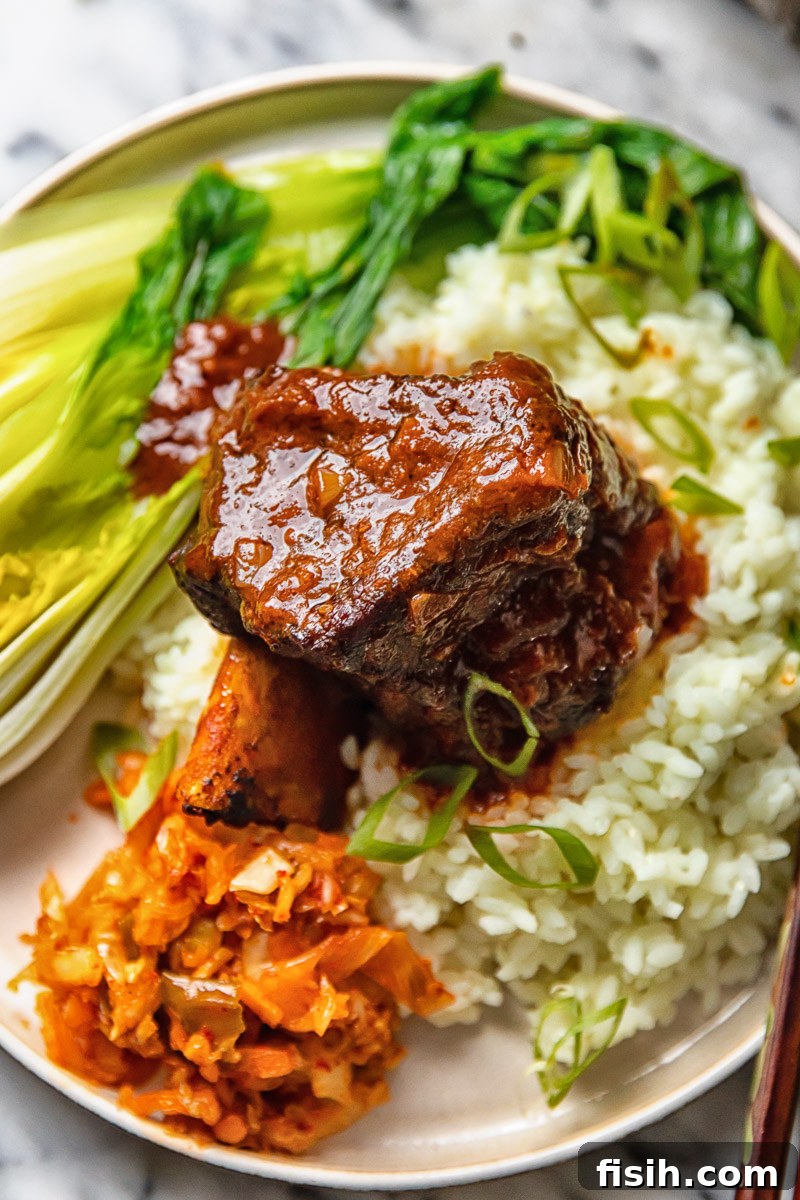
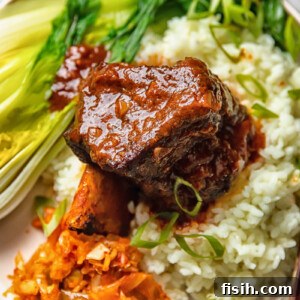
Experience the rich, deeply satisfying flavors of these Korean-inspired short ribs, slow-cooked to melt-in-your-mouth perfection. This dish promises a culinary journey that will leave your taste buds singing and your senses fully engaged. While the name might sound exotic, the preparation is surprisingly straightforward, with the most challenging part being the patient wait as the tantalizing aromas fill your home, signaling a truly exceptional meal in the making.
To perfectly complement the luxurious, meaty notes of these ribs, consider serving them alongside a vibrant and zesty Korean Carrot Salad, or for those who crave an extra layer of bold flavor and spice, a generous helping of piquant kimchi. Both options cut through the richness beautifully, creating a balanced and unforgettable dining experience.
Discovering the Magic of Korean Short Ribs
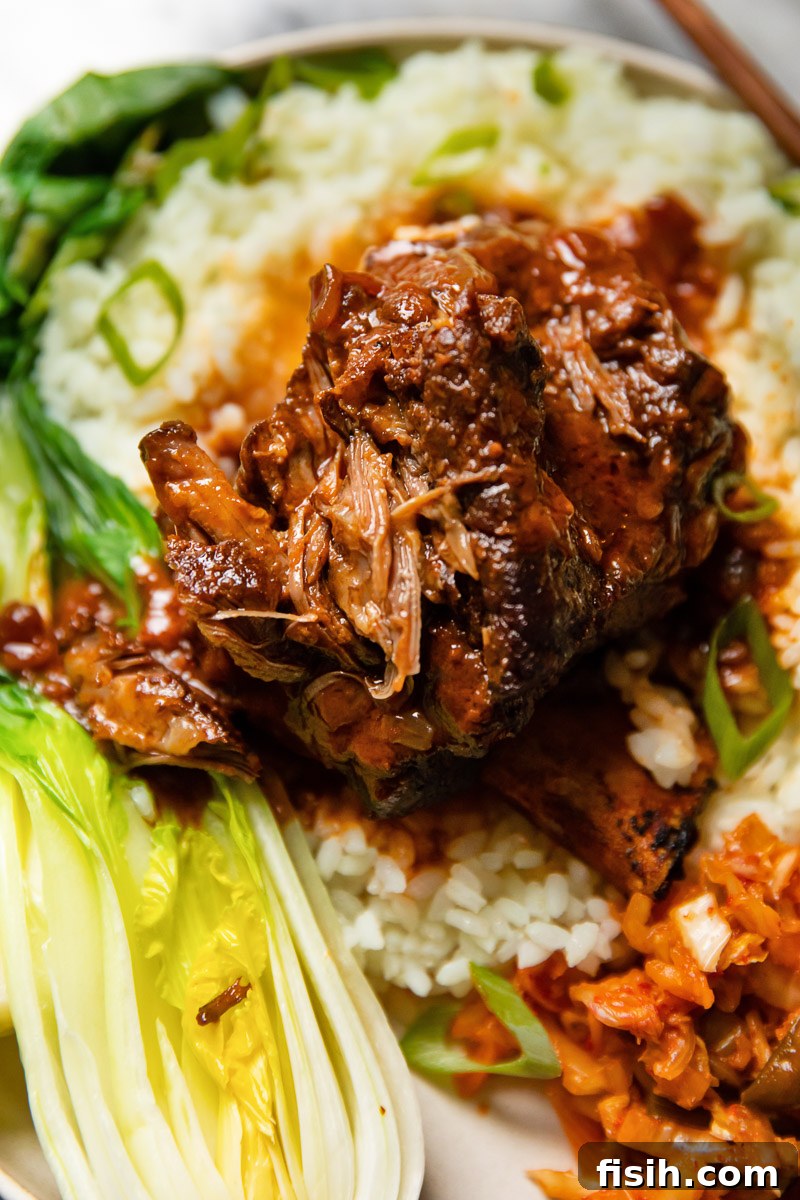
My passion for Asian cuisine runs deep, a love affair nurtured over many years. In Western culinary traditions, we often envision Asian meals centered around vast bowls of rice or mountains of noodles, with meat playing a supporting role. However, these slow-cooked Korean short ribs stand proudly as the undisputed star of the show. Traditionally, a dish as exquisite as this, often known as Galbi Jjim in Korea, is reserved for significant celebrations – a joyous wedding, a milestone birthday, or, in my recent experience, a heartfelt family homecoming.
There’s a special kind of warmth that only home cooking can provide, particularly when it’s prepared for those you cherish most. My eldest son is currently away at university, navigating his first year many hours and a significant distance from home. The yearning for his presence is constant and profound. So, when the opportunity arose for his weekend return, I knew exactly what culinary masterpiece would perfectly mark the occasion: these tender, braised beef short ribs.
As the ribs simmered gently, the enticing aromas of garlic, ginger, and spicy gochujang began to weave their way through every corner of the house. Each fragrant puff served only to heighten my anticipation for his arrival, making the wait almost unbearable! And I wasn’t the only one caught in the grip of impatience. It required every ounce of my maternal resolve to guard the pot, protecting its precious contents from my equally eager husband, who was very tempted to sneak an early taste! But as with all truly great things, these slow-cooked short ribs are absolutely worth the wait, much like my wonderful boy.
Crafting Authentic Korean Short Ribs: The Gochujang Difference
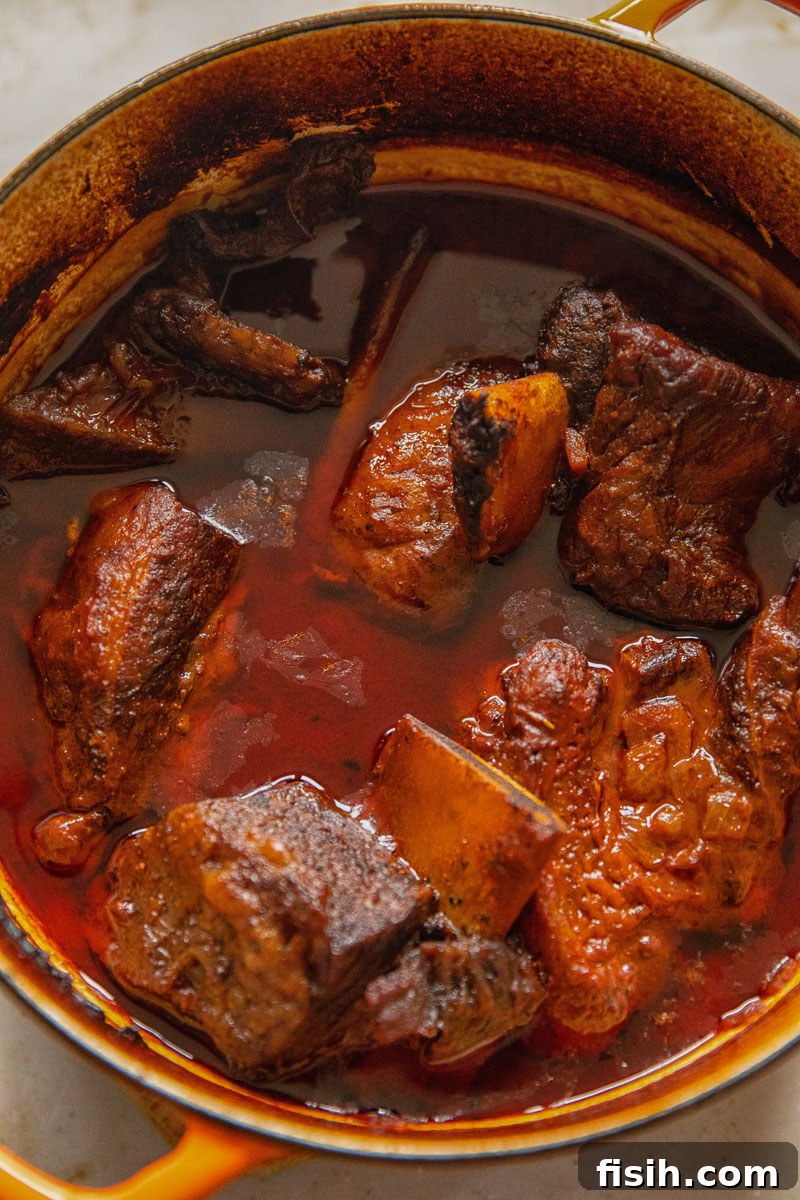
The very soul of this recipe, its Korean essence, stems from the remarkable ingredient known as This is an affiliate link.gochujang paste. The term itself is fascinating: “Gochu” translates to chilli pepper, while “jang” refers to any Korean fermented bean paste. This deep red paste delivers a distinctive fiery kick, balanced beautifully by an underlying sweetness and a profound umami depth that is truly unique. It’s a flavor powerhouse, an essential pillar in many beloved Korean dishes, and the secret behind the irresistible appeal of these short ribs.
In developing this specific recipe, I’ve chosen to subtly temper gochujang’s intense potency, ensuring a more universally appealing yet still incredibly rich and indulgent braise. By introducing tomato passata and a touch of red wine, the sauce achieves a smoother, less aggressive profile, allowing the complex notes of the gochujang to shine without overwhelming the palate. This thoughtful balance results in a dish that is both deeply comforting and sophisticated, appealing to a wide range of tastes.
Choosing Your Cut: The Art of the Short Rib
When it comes to selecting the perfect short ribs, those still attached to the bone offer a distinct advantage. The bone imparts a profound depth of flavor to the braising liquid, contributing to that luxurious, unctuous texture and the sublime, slick, melted marrow mouthfeel that makes slow-cooked dishes so desirable. This is why most traditional recipes will explicitly call for bone-in short ribs. However, if bone-in ribs are unavailable, don’t despair; boneless short ribs can certainly be used, though you might find the final dish slightly less rich in flavor and texture.
And there’s a good reason they’re called “short ribs.” These cuts are typically about the length of a thumb, generously encased in succulent meat, with the rib bone often just protruding from one end. This natural handle makes them surprisingly easy to manage, especially when chopsticks prove too challenging!
You’ll notice that short ribs inherently come with a decent amount of fat marbled throughout. This often makes them a more economical choice compared to other rib cuts, and some might mistakenly assume this means less flavor. However, in my culinary philosophy, this very fat content is precisely what makes them an exceptional choice for slow cooking. Traditional Korean preparations might advise you to trim away excess fat or even par-boil the ribs in aromatic water to render it. But I am a staunch advocate for embracing the fat. It’s a key player in developing that rich, deep flavor, contributes to an incredibly silken texture, and ultimately makes the dish far more sumptuous. Why, after all, would we want to waste such a valuable component?
Expert Tips for the Best Braised Korean Short Ribs
- Portion Control: Ribs can vary significantly in size. While many recipes suggest one rib per person, typically weighing around 200g (just under half a pound), those found in the UK, for instance, are often quite substantial. If yours are particularly large, don’t hesitate to remove the meat from the bone after cooking and split them into more manageable, individual portions.
- Searing for Flavor: I always recommend rendering the fat from the short ribs by searing them thoroughly at the beginning of the cooking process. This crucial step not only creates a magnificent crust on the meat but also provides a flavorful fat in which to sauté your aromatics like onions. Be warned: this step can cause some spitting, so wearing an apron is highly advisable! It’s a small price to pay for the robust depth of flavor it adds.
- Braising Liquid Variations: My recipe incorporates dry red wine into the braising liquid, which adds a wonderful complexity. However, if red wine isn’t to your taste or simply unavailable, you can substitute it with an equal amount of good quality beef stock. A common approach is a 1:1 ratio of wine to stock, or adjust it to your personal preference.
- The Power of the Pot: A This is an affiliate link.Dutch oven or a sturdy cast iron pot truly shines in this recipe. These heavy-bottomed vessels are the closest modern descendants of ancient cooking pots, known for their ability to distribute heat evenly and maintain consistent temperatures. Using one will gently persuade the meat to become incredibly tender, practically melting off the bone, while allowing all the rich flavors to meld together deliciously. It’s a cooking method perfected over centuries, and the results speak for themselves.
- Slow Cooker Convenience: Life sometimes dictates that we can’t ‘pot-sit’ for 2.5 hours. If you own a This is an affiliate link.slow cooker, you can easily adapt this recipe. Follow the initial steps for searing and preparing the braising liquid, then transfer everything to your crock pot and set it to cook on low for approximately 8 hours. The result will be just as tender and flavorful!
- Sodium Balance: Keep in mind that This is an affiliate link.Gochujang naturally contains a considerable amount of salt. To ensure a perfectly balanced flavor profile and to manage sodium levels, I opt for a low-sodium soy sauce. This allows the unique taste of gochujang to shine through without making the dish overly salty.
- Gochujang Substitute: While it’s challenging to fully replicate the distinct fermented, spicy-sweet funk of gochujang, a decent alternative can be created in a pinch. Try mixing This is an affiliate link.Sriracha with a tablespoon of honey or brown sugar. This combination will provide a similar sweet and spicy kick, offering a respectable stand-in for the primary ingredient.
Storage, Leftovers, and Reheating Korean Short Ribs
One of the true joys of slow-cooked dishes like these Korean short ribs is how beautifully they develop in flavor over time. This is a dish that only intensifies overnight, returning even more punchy and delicious in its second round. If you find yourself with any glorious leftovers, ensure they are covered super tightly – this not only preserves their freshness but also prevents those potent aromas from permeating other foods in your refrigerator. Stored correctly, they will keep perfectly for 2-3 days in the fridge.
For longer storage, these ribs also freeze wonderfully. Simply transfer them into an This is an affiliate link.airtight container and they will maintain their quality in the freezer for up to 2 months. When you’re ready to enjoy them again, remember to defrost them thoroughly in the refrigerator overnight to ensure even thawing.
To reheat, the best method is to place the ribs and their sauce back onto the hob with a small splash of water (just a tablespoon or two to prevent sticking). Cook over a medium heat, stirring gently, until the ribs are heated all the way through and the sauce is bubbling. This method ensures they remain succulent and flavorful, just as they were on the first day.
Frequently Asked Questions About Korean Short Ribs
What exactly are “short ribs”?
Short ribs are a cut of beef taken from the brisket, chuck, plate, or rib area of beef cattle. They consist of a short portion of the rib bone, which is often attached to a generous amount of tender, marbled meat. Their rich marbling and connective tissue make them ideal for slow-cooking methods like braising, as this breaks down the tough fibers into incredibly tender, flavorful meat.
What is Gochujang and where can I buy it?
Gochujang is a savory, sweet, and spicy fermented Korean chili paste made from gochutgaru (Korean chili powder), glutinous rice, meju (fermented soybean powder), yeotgireum (barley malt powder), and salt. It’s a staple in Korean cuisine, providing a unique depth of flavor that is both spicy and complex. You can typically find gochujang in the international aisle of larger supermarkets, Asian grocery stores, or readily available online.
Can I make Korean short ribs ahead of time?
Absolutely! This dish is an excellent candidate for making ahead. In fact, many people find that the flavors deepen and meld even more beautifully after a day or two in the refrigerator. Prepare the ribs as instructed, allow them to cool completely, then store them in an airtight container in the fridge. Reheat gently on the stovetop or in the oven when ready to serve.
How spicy are these Gochujang short ribs?
This recipe is designed to offer a balanced level of spice. While gochujang itself is spicy, the addition of tomato passata and red wine mellows its intensity, creating a rich, flavorful sauce with a pleasant warmth rather than an overpowering heat. If you prefer a milder dish, you can slightly reduce the amount of gochujang. For those who love extra heat, feel free to add a little more gochujang or a pinch of red pepper flakes at the end.
What kind of red wine is best for braising?
For braising, a dry red wine is generally preferred. Good options include Merlot, Cabernet Sauvignon, Pinot Noir, or even a Zinfandel. Choose a wine that you would enjoy drinking on its own, but it doesn’t need to be an expensive bottle. The alcohol cooks off, leaving behind its complex fruit notes and acidity which help tenderize the meat and deepen the sauce’s flavor.
More Slow-Cooked Beef Recipes
If you’ve fallen in love with the comforting warmth and deep flavors of slow-cooked beef, be sure to explore these other fantastic recipes that celebrate the magic of low-and-slow cooking:
- Slow Cooked Beef Pot Roast with Gravy
- Braised Beef Short Ribs
- Beef Bourguignon
- Irish Beef Stew
Gochujang Short Ribs
Pin
Equipment
-
This is an affiliate link.Cast iron Dutch oven
Ingredients
- 5lbs/4 beef short ribs, large
- 1/2 tsp salt
- 1 tbsp vegetable oil
- 1 onion
- 2-3 cloves garlic
- 1 tbsp grated ginger
- 2 tbsp less salt soy sauce
- 125ml/1/2 cup This is an affiliate link.tomato passata/crushed tomatoes
- 500ml/2 cups dry red wine, Merlot, Cabernet Sauvignon, etc.
- 125ml/1/2 cup water
- 2 tbsp This is an affiliate link.Gochujang paste
Instructions
-
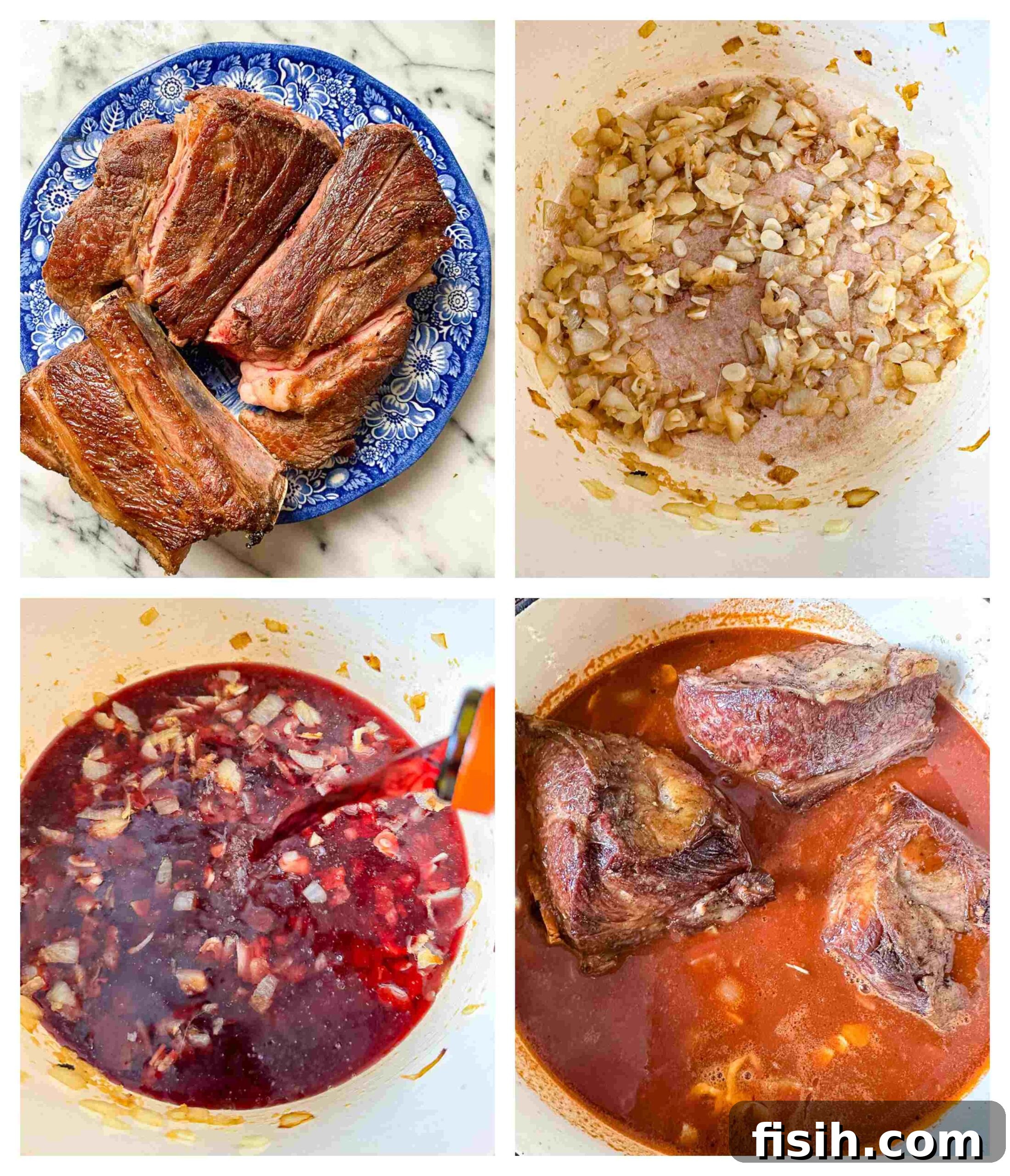
Preheat your oven to 180C/350F. Generously season the beef short ribs with salt and pepper. Heat the vegetable oil in a large, deep Dutch oven or oven-safe pot over high heat. Carefully add the ribs and brown them thoroughly on all sides until a beautiful crust forms. Remove the browned ribs to a plate and set aside.
-
In the same pot, reduce the heat to low and add the diced onion. Cook gently for about 5 minutes until softened and translucent, scraping up any browned bits from the bottom of the pot. Stir in the sliced garlic and grated ginger and cook for another 30 seconds until fragrant. Pour in the low-sodium soy sauce, tomato passata (or crushed tomatoes), dry red wine, water, and the gochujang paste. Mix everything well to combine, ensuring the gochujang is fully dissolved into the liquid. Return the seared short ribs to the Dutch oven, nestling them into the braising liquid so they are partially submerged. Cover the pot with a tight-fitting lid and transfer it to your preheated oven. Cook for 2.5 hours, or until the meat is incredibly tender and can be easily pulled from the bones with a fork.
-
For an alternative cooking method, you can prepare these short ribs in a slow cooker. Follow the recipe as written, completing the searing of the ribs and the preparation of the braising liquid. Instead of placing the pot in the oven, transfer all ingredients to your slow cooker. Cook on the LOW setting for approximately 8 hours, or until the ribs reach that desired fall-off-the-bone tenderness.
Nutrition
Nutrition information is automatically calculated, so should only be used as an approximation.
Tried this recipe?Let us know how it was!