
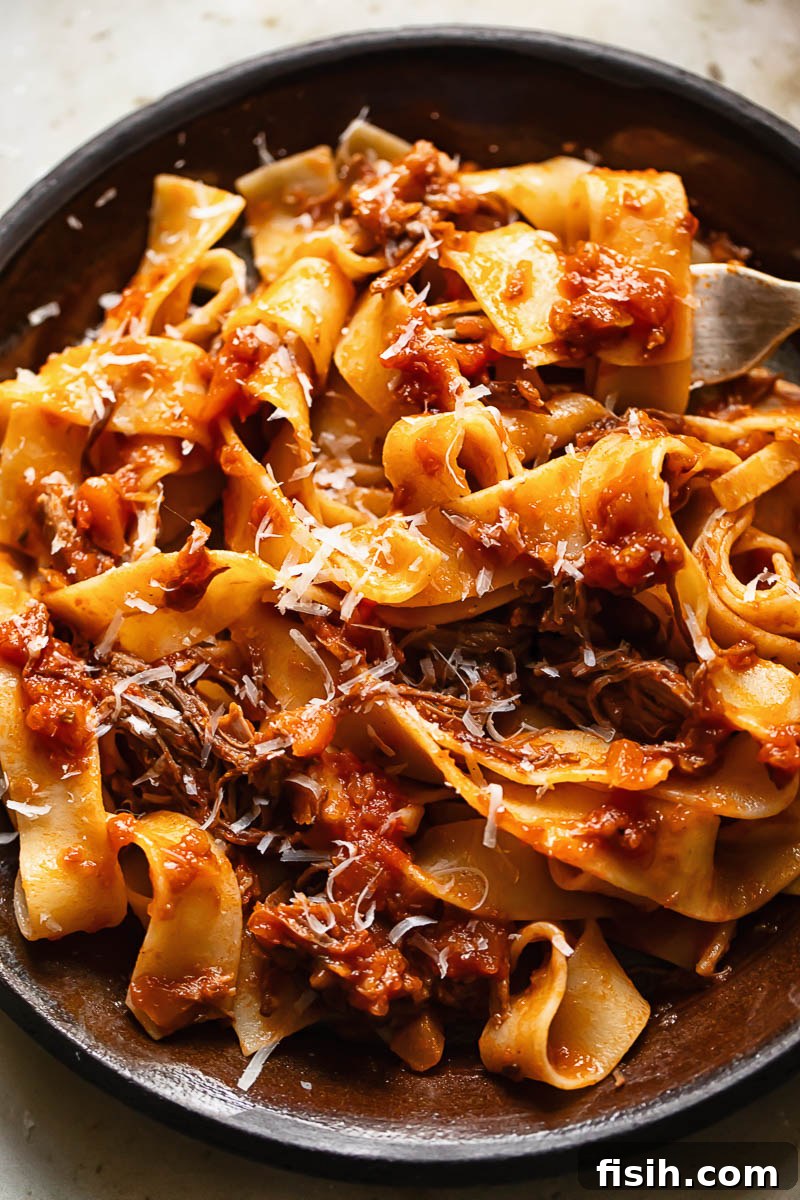
The Ultimate Beef Short Rib Ragu: A Luxurious Slow-Cooked Italian Classic
Discover the secret to making an unbelievably rich and comforting beef short rib ragu. This classic Italian meat sauce is not only easy to prepare with a short list of familiar ingredients but also demands minimal effort from you. While it slowly simmers for hours, transforming into a deeply flavorful, fall-off-the-bone masterpiece, your oven does all the hard work. The incredible reward? A swoon-worthy, hearty meat sauce perfect for coating wide, flat pasta, promising a full and utterly satisfied belly every time.
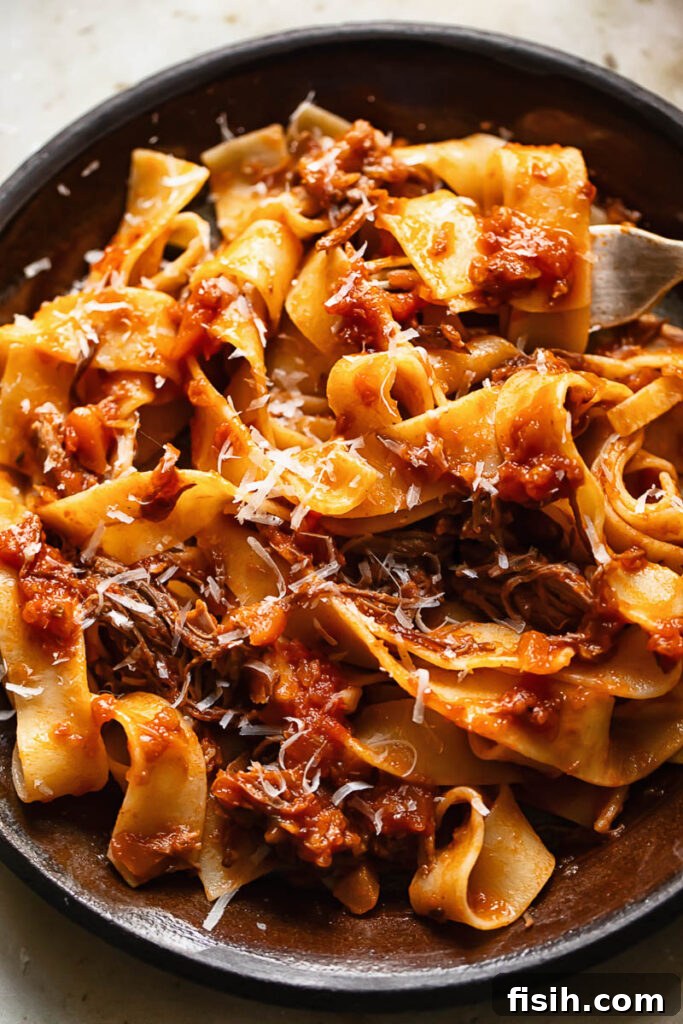
As the chill of winter still lingers, there’s nothing quite as inviting as a recipe that fills your home with warmth and irresistible aromas. Long stretches of oven time not only heat the house and promise a radiating meal from the inside out, but they also grant you the luxury of cozying up with a hot cup of tea while the magic happens. This beef short rib ragu is the quintessential comfort food, delivering a “wow” factor with surprising ease.
Understanding Ragu: More Than Just a Meat Sauce
The term “ragu” is frequently used but can sometimes be a source of confusion. Simply put, ragu is a rich, slow-cooked meat sauce, often served with pasta. Its versatility is truly remarkable, as it can be crafted from various meats – from succulent, fall-off-the-bone beef short ribs, as featured in this traditional Italian recipe, to ground beef and pork (like a classic Tuscan ragu), and even more adventurous options such as chicken, duck, or wild boar. Each choice brings its unique character to the sauce, creating a depth of flavor that can only be achieved through patient cooking.
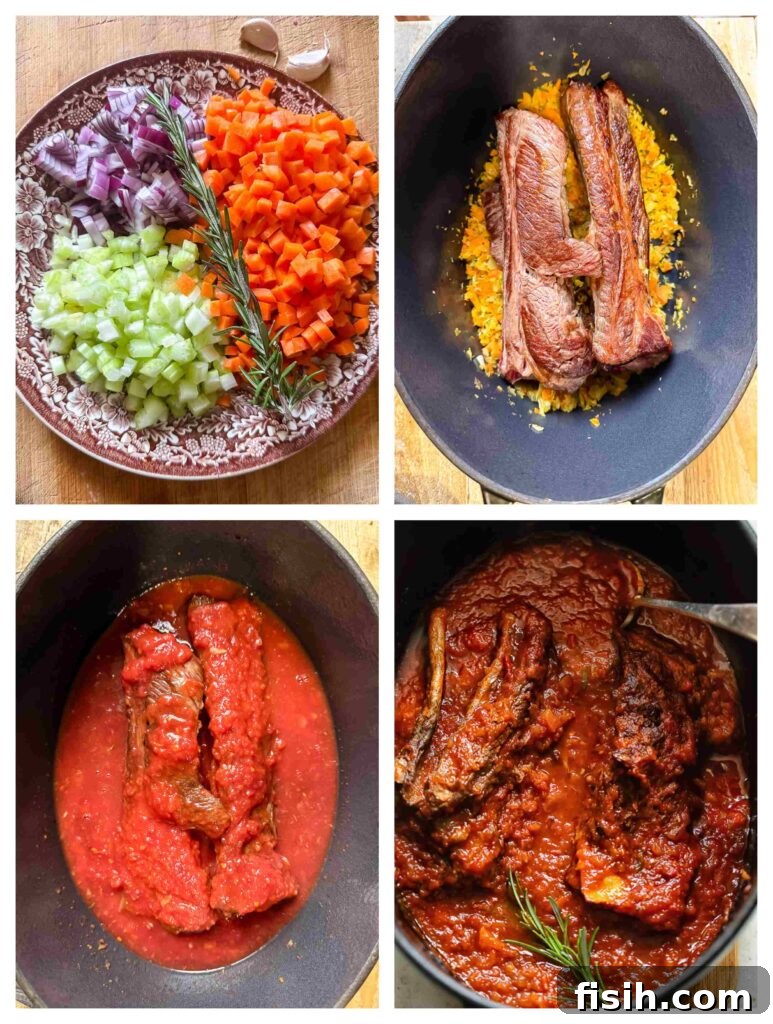
At the heart of almost every authentic ragu, soup, or stew lies the essential aromatic base known as soffritto. This foundational mixture typically consists of finely diced carrots, onions, and celery. The term soffritto literally translates to “slow fried,” a crucial detail that highlights the importance of gently cooking these vegetables over low heat. This slow rendering process allows their natural sugars to caramelize and their earthy flavors to fully release, creating a complex and sweet foundation that deeply infuses the meat and ultimately enriches the entire sauce.
Finally, ragu demands time – but thankfully, “time” doesn’t necessarily equate to “effort” from the cook! This particular beef ragu boasts a blissful 3.5-hour cook time during which the oven handles all the heavy lifting. This means you gain 3.5 hours back in your day to pursue other activities, whether it’s relaxing, catching up on chores, or simply enjoying the comforting scent filling your kitchen.
Beyond its traditional role draped over pasta, beef ragu opens up a cornucopia of culinary possibilities. Transform your perfectly slow-cooked meat sauce into a spectacular lasagna, use it as a hearty filling for stuffed shells, or elevate stuffed peppers with its rich flavor. For those who enjoy a little heat, consider adding a touch of ‘nduja to your ragu pasta for a delightfully spicier version.
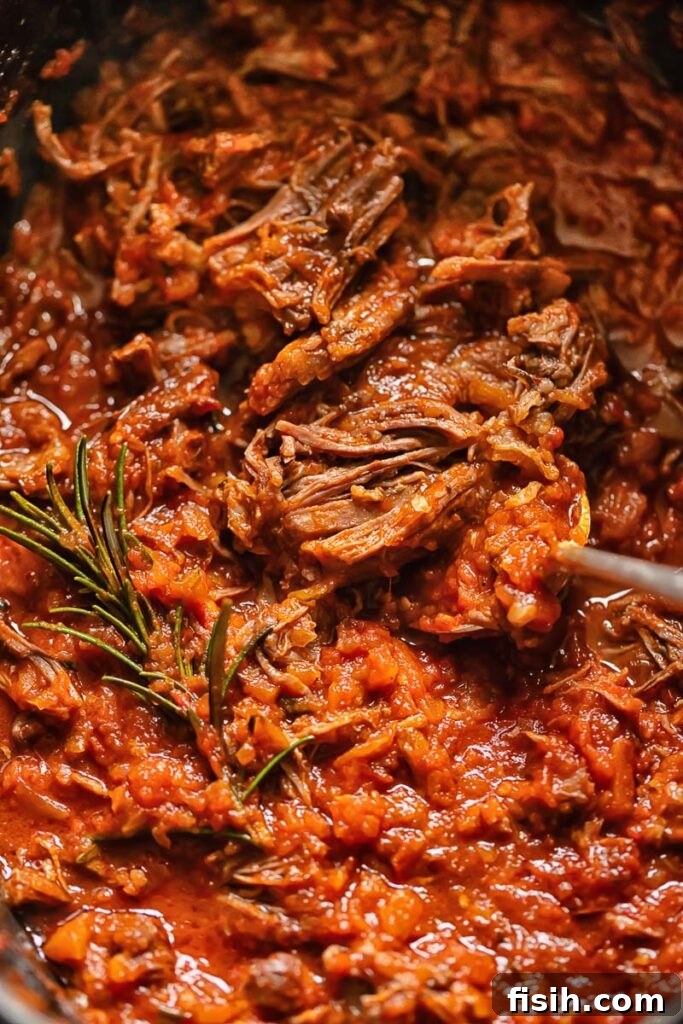
Mastering Beef Short Ribs: The Secret to Tender, Flavorful Ragu
Beef short ribs, often confused with spare ribs (which come from a different part of the cow), are a culinary treasure. Known for being relatively inexpensive, exquisitely fatty, and brimming with intense beefy flavor, they are perfectly suited for long, slow braising. This cooking method breaks down their tough connective tissues, rendering them incredibly tender and creating a gelatinous richness that elevates any sauce.
The first step to a magnificent short rib ragu begins with selecting the right ribs. Look for cuts that are well-marbled with fat throughout the meat, indicating excellent flavor and tenderness. There should also be a thin layer of visible fat, but ensure it doesn’t overpower the meat itself. While fat is essential for flavor and moisture, excessive amounts can be trimmed off if necessary. Remember, fat is your friend in a slow-cooked dish like ragu; it melts into the sauce, contributing to its luxurious texture and deep flavor profile.
Once you’ve chosen your ribs, follow these four simple, yet crucial, rules for cooking them to perfection:
- Brown Thoroughly: Before introducing any other ingredients, it is imperative to sear the short ribs on all sides until they develop a deep, golden-brown crust. This critical step, known as the Maillard reaction, creates incredible depth of flavor and caramelization that cannot be achieved otherwise. Don’t discard the flavorful fond (the browned bits at the bottom of the pan) left behind; this will become the base for sautéing your vegetables, carrying all that rich beef essence into your soffritto.
- Braise Patiently: Braising involves covering the seared meat in a flavorful liquid and cooking it slowly in a sealed environment. For this beef ragu, dry red wine is the braising liquid of choice. Red wine, particularly varietals like Chianti or Shiraz, possesses tannins and acidity that beautifully complement and enhance the robust, earthy notes of beef, drawing out its best qualities.
- Cook Low: Resist the temptation to crank up the heat to speed up the cooking process. Cooking at a high temperature will only dry out the meat and prevent the collagen from slowly breaking down. A low, consistent temperature is key to achieving that melt-in-your-mouth tenderness.
- Cook Slow: This is arguably the most important rule. Extended cooking time allows all the ingredients ample opportunity to meld and transform. The fat and collagen within the short ribs will slowly dissolve, moistening the meat and enriching the sauce. The beef will become so tender it literally falls from the bones. Simultaneously, the vegetables in the soffritto will disintegrate into the sauce, thickening it naturally and infusing it with their complex sweetness. The result is a deeply satisfying, cohesive pot of steaming, meaty sauce where every component contributes to a harmonious whole.
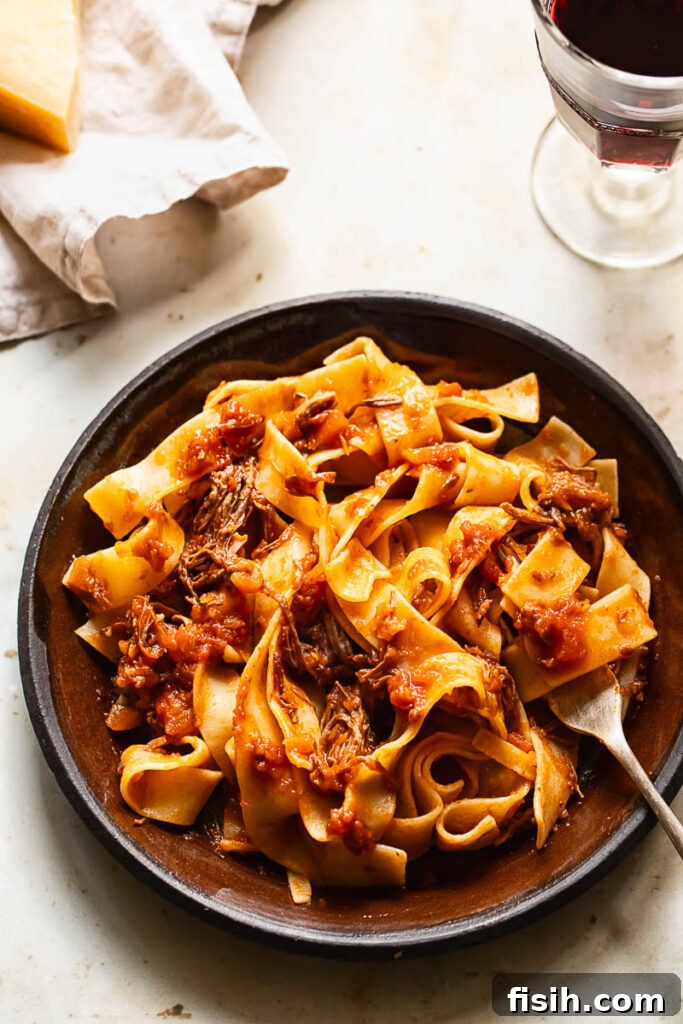
Recipe Tips and Notes for an Unforgettable Ragu
- Fat Management: While short ribs are naturally fatty, a good balance is key. In this ragu recipe, I recommend trimming off any excessively visible fat from the ribs. This ensures you benefit from the flavor-enhancing marbling within the meat without the sauce becoming overly greasy. The internal fat will render beautifully and keep the dish moist and slick.
- Tomato Choice: Your choice of tomatoes can influence the texture of your sauce. Use passata for a smoother, more refined ragu, or opt for crushed tomatoes if you prefer a chunkier, more rustic consistency. Both work wonderfully, so choose based on your personal preference.
- Transforming Tinned Tomatoes: If you only have whole or diced tinned tomatoes on hand, don’t worry! A quick pulse in a food processor will break them down to a smooth, passata-like texture, making them perfect for this recipe.
- Monitoring the Sauce: The 3.5-hour cooking time allows the meat to reach peak shreddability. It’s a good idea to peek into the pot every now and then, especially during the second half of cooking. If the sauce level seems a little low or appears to be drying out, simply add a splash of water or a bit more red wine (if you’re using it) to maintain optimal moisture.
- Wine Alternatives: If you prefer not to cook with wine, it can easily be substituted with water or beef broth. Rest assured, the slow cooking of the aromatic vegetables and herbs, combined with the inherent flavor of the beef, will still deliver a deeply satisfying and flavorful sauce.
- Pasta Pairing: I’ve used pappardelle pasta for its broad, flat ribbons that perfectly cradle the hearty sauce. However, common options like rigatoni or even tagliatelle are excellent choices. The key is to select a “muscular” pasta – one with a good surface area and chew that can stand up to the richness and substantial texture of the ragu. Avoid delicate, thin pastas that might get lost in the sauce.
Serving Suggestions for a Hearty Beef Ragu Experience
Italian beef short rib ragu is a truly robust and satisfying dish. It’s unapologetically meat-heavy, delightfully uncomplicated, and best served in generous, hearty portions. While its rich character might suggest a “macho” meal, it is, of course, a universally beloved dish that can be enjoyed by everyone. There’s just something about its deep flavors and substantial texture that calls for an equally robust accompaniment.
For me, the ideal partner for this ragu is always pappardelle. These wide, flat pasta ribbons are truly magnificent. Imagine God’s shoelaces – they are designed to bear weight, specifically the glorious weight of slow-cooked beef and its clinging sauce. Forget stringy spaghetti, tiny grainy orzo, or dainty ditalini; for this ragu, you need a substantial pasta with a good chew, one that can truly stand up to the richness of the sauce and help scoop up every delectable morsel.
Beyond a ludicrously generous grating of fresh Parmesan cheese, this beef ragu honestly needs very little else. Its inherent simplicity and depth of flavor are its greatest strengths. However, as someone who struggles to serve any meal without a side of fresh vegetables or a crisp salad, I always recommend a simple accompaniment. To keep prep low and effort minimal, consider serving it alongside easy lemon butter green beans or tender broccoli with lemon and garlic. These light, bright sides offer a perfect contrast to the rich meat sauce.
Finally, and this might seem like overkill, don’t forget the bread! Whether it’s a crusty farmhouse loaf or fragrant garlic bread, it’s an absolute essential. After you’ve savored every tender shred of beef and slurped up all the pasta, you’ll inevitably be left with a tantalizing puddle of rich ragu sauce on your plate. In that moment, you’ll be profoundly grateful for a handy hunk of bread to soak up every last drop, ensuring no flavor goes to waste.
Storage and Leftovers: Maximizing Flavor and Convenience
One of the many joys of beef ragu is how its flavor deepens and intensifies overnight. Thanks to its rich foundation of aromatic vegetables, garlic, herbs, and wine, the sauce truly benefits from time to meld and mature. This makes beef short rib ragu an ideal “get-ahead” recipe – perfect for preparing a day in advance for even richer taste, or for making a large batch to enjoy now and later.
For future meals, consider doubling the recipe to ensure you have plenty for easy weeknight dinners or to stash away for a quick, luxurious meal. When storing in the fridge, always keep the ragu separate from any cooked pasta. Transfer the cooled sauce into an airtight container, where it will continue to meld its brooding flavors for 2-3 days. The same storage guidelines apply to any leftovers you might have after a meal.
For longer-term storage, beef short rib ragu freezes exceptionally well. Portion the cooled sauce into freezer-safe containers and store for up to two months. When you’re ready to enjoy it again, simply defrost the ragu in the fridge overnight. Reheat it gently on the stovetop over low heat, stirring occasionally, while you cook a fresh batch of pasta. If the sauce seems a bit too thick after reheating, a splash of the starchy pasta water will help loosen it to the perfect consistency.
More Delicious Pasta Recipes to Explore
If you’ve loved this beef short rib ragu, you might enjoy exploring some of our other pasta creations:
- Basil Pesto Pasta
- Italian Sausage and Kale Orzo
- Creamy Mustard Chicken Pasta
- Beef Tomato Pasta Sauce with ‘Nduja
Beef Short Rib Ragu
By Julia Frey of Vikalinka
Prep: 15 mins
Cook: 3 hrs 45 mins
Total: 4 hrs
Servings: 8 people
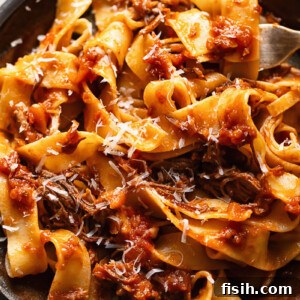
This easy beef short rib ragu recipe delivers a swoon-worthy, rich meat sauce that clings perfectly to flat pasta, making it an instant favorite.
Ingredients
- 1.5 kg / 3 lbs beef short ribs
- 2 tbsp olive oil
- 1 large sprig fresh rosemary, stems discarded and leaves finely chopped
- 1 large onion, peeled
- 3 cloves garlic, peeled
- 2 carrots, peeled
- 1-2 celery stalks
- 250ml / 1 cup dry red wine (such as Chianti or Shiraz), or water for substitution
- 2 x 400g / 28 oz canned chopped tomatoes, or passata
- 375ml / 1.5 cups water
- 1 tsp salt
Instructions
- Finely chop the onion, carrots, and celery. Mince the garlic and finely chop the rosemary leaves. For speed, you can pulse these vegetables in a food processor until minced but not pureed. Set aside.
- Pat the beef short ribs dry and trim any excessive visible fat. Season them generously with salt. Heat 1 tablespoon of olive oil in a large Dutch oven or oven-safe pot over medium-high heat. Sear the short ribs on all sides until deeply golden brown. Remove the ribs from the pot and set aside.
- Reduce the heat to low. Add the remaining 1 tablespoon of olive oil to the same pot, along with the chopped vegetables and rosemary. Sauté gently for 7-10 minutes, stirring occasionally, until the vegetables are softened and fragrant.
- Return the seared short ribs to the pot, nestling them among the sautéed vegetables. Add the canned chopped tomatoes (or passata), red wine (or water), water, and salt. Stir to combine the liquids and vegetables around the ribs.
- Cover the pot with a tight-fitting lid and transfer it to a preheated oven at 160°C (325°F). Cook for 3.5 hours.
- Around the halfway mark, check on the ragu. Gently flip the short ribs and, if the sauce appears to be reducing too much or drying out, add a splash of water or a bit more wine. Continue cooking until the meat is incredibly tender and easily falls off the bones.
- Once cooked, carefully remove the bones from the pot. Using two forks, shred the succulent beef directly into the rich sauce. Stir well to ensure the meat is thoroughly combined with the ragu.
- Just before serving, bring a large pot of salted water to a rolling boil. Cook 1 pound of your preferred pasta (such as pappardelle or rigatoni) according to package directions until al dente.
- Drain the cooked pasta and add it directly to the pot with the beef short rib ragu. Toss to coat the pasta evenly with the sauce. Serve immediately, generously sprinkled with freshly grated Parmesan cheese.
Nutrition Information
Calories: 325kcal | Carbohydrates: 8g | Protein: 27g | Fat: 18g | Saturated Fat: 6g | Polyunsaturated Fat: 1g | Monounsaturated Fat: 9g | Cholesterol: 81mg | Sodium: 540mg | Potassium: 764mg | Fiber: 2g | Sugar: 4g | Vitamin A: 2691IU | Vitamin C: 12mg | Calcium: 56mg | Iron: 4mg
Nutrition information is automatically calculated and should be used as an approximation.
Tried this incredible recipe?
We’d love to hear how it turned out for you! Share your experience and feedback in the comments section below.