
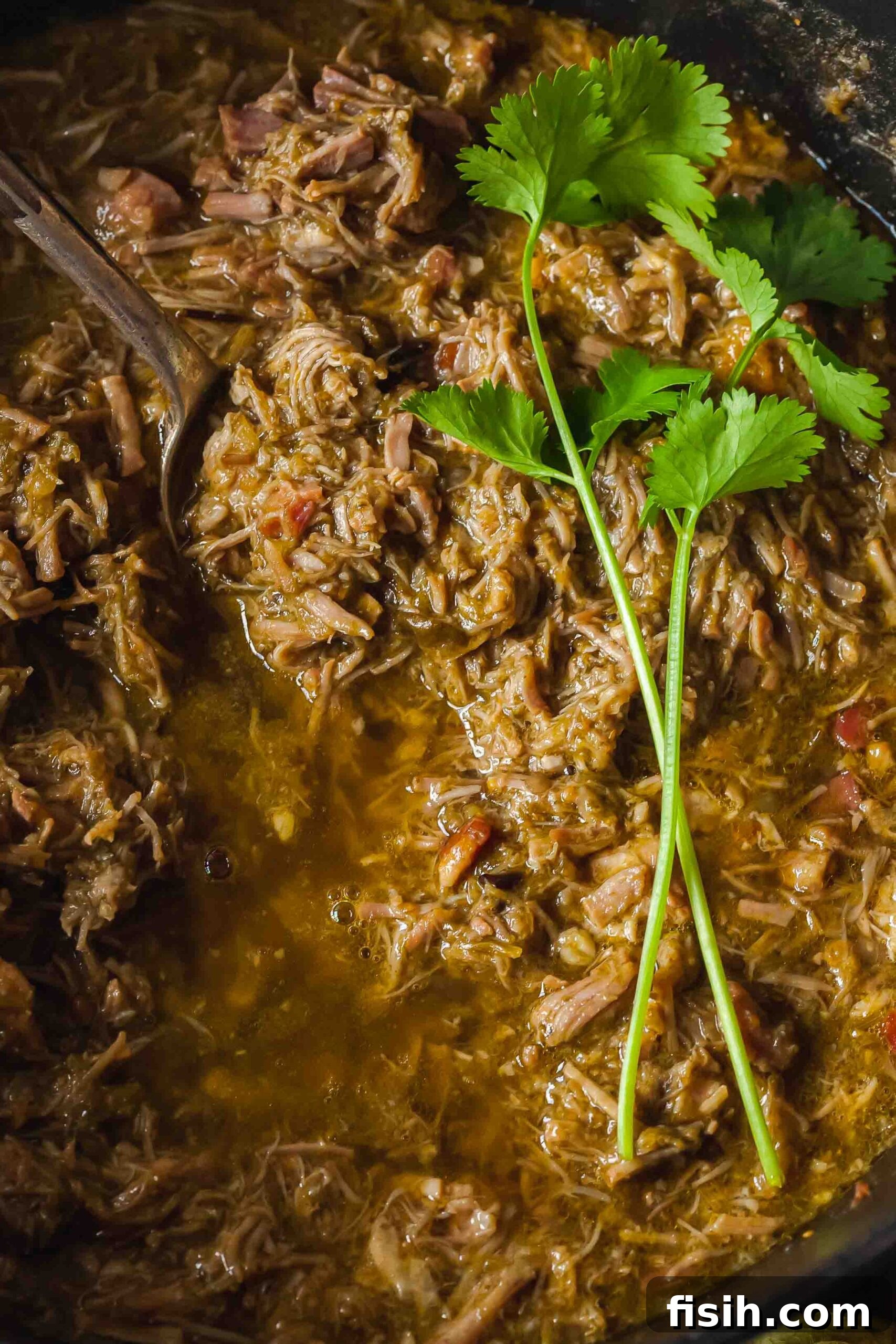
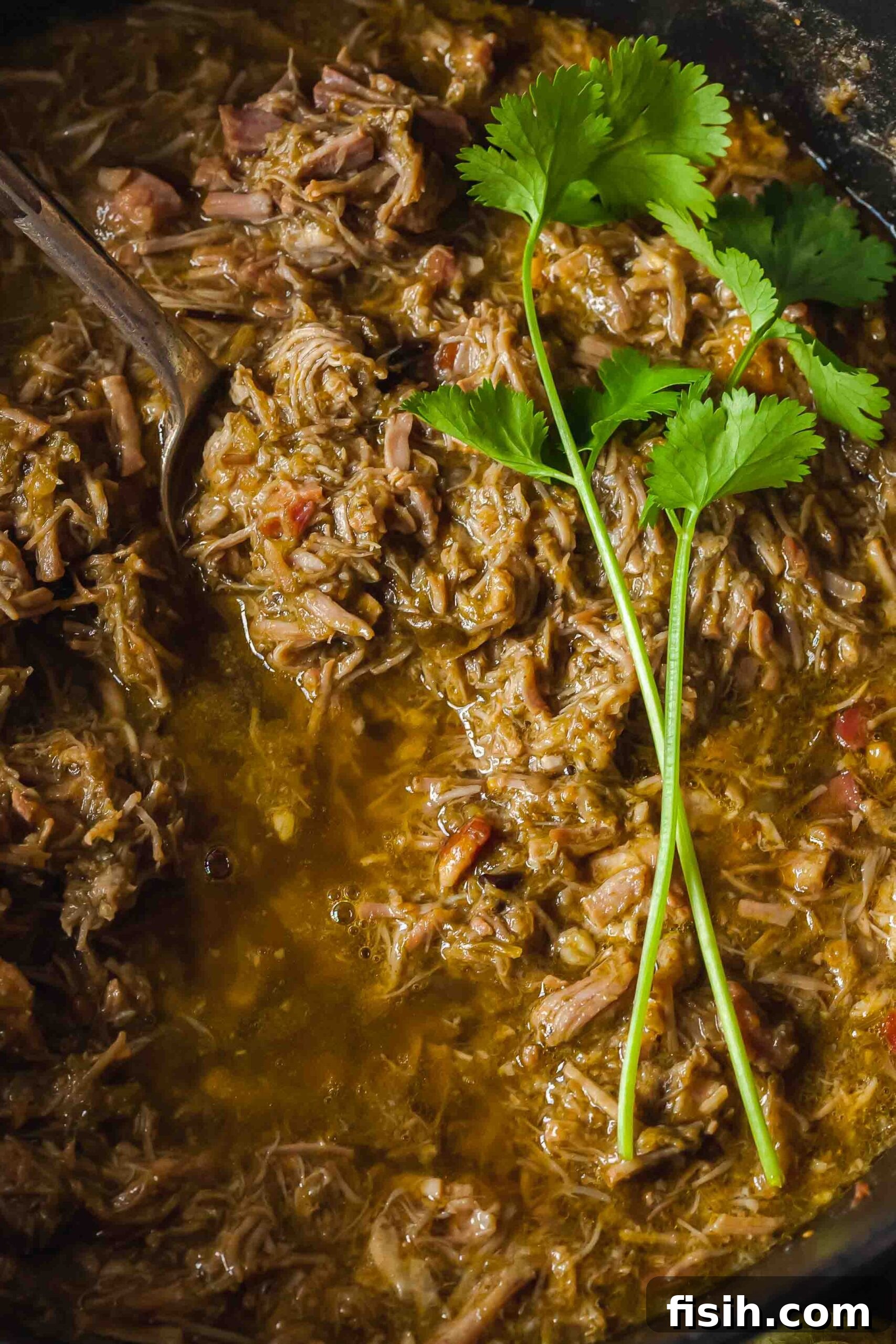
Imagine a dish that truly defines comfort, rich with layers of savory, tangy, and subtly spicy flavors, all simmered to perfection. This Chile Verde is precisely that: a slow-cooked masterpiece featuring succulent pork shoulder, vibrant green chilies, and tangy tomatillos, creating a stew that’s both deeply satisfying and wonderfully warm. It’s a taste of authentic Mexican-American cuisine, perfected for your home kitchen.
For those who adore robust, hearty stews, the unique profile of Chile Verde is an absolute must-try. If these flavors call to you, be sure to explore our Crowd-Pleasing Chili Recipe for another guaranteed family favorite that’s simple and always hits the spot.
The Quest for Authentic Mexican Flavors Abroad
While I generally cherish living in England, there are moments when I find myself longing for certain culinary experiences – specifically, the vibrant and diverse flavors of quality Mexican food. The bustling energy of its cities is fantastic, but the scarcity of truly authentic Mexican cuisine often leaves me with a yearning that only a homemade dish can satisfy.
Fortunately, this is a culinary craving that’s easily remedied within the comfort of my own kitchen. By turning to time-tested recipes, I can recreate those beloved tastes, transforming my home into a haven for rich, authentic flavors. Our Slow Cooker Pulled Pork Tacos are a unanimous family favorite, as are the irresistible Pulled Lamb Birria Tacos. Both are always served alongside a refreshing salsa, whether it’s our zesty 5-Minute Blender Salsa Fresca or a classic Pico de Gallo.
And now, I’m thrilled to share my ultimate Chile Verde recipe. It’s carefully crafted to be as close to the original Mexican classic as possible, using ingredients readily available even across the ocean, without compromising on that deeply satisfying taste and comforting heat.
Understanding Chile Verde: A Culinary Masterpiece
Chile Verde, often simply called green chili, is a cornerstone of Mexican-American cuisine, celebrated for its robust flavor and characteristic verdant hue. Traditionally, this slow-cooked stew features tender pork shoulder, tangy tomatillos, and a selection of green chilies, all working in harmony to create a truly unforgettable dish. Its origin lies in the northern regions of Mexico and the American Southwest, where it has evolved into a beloved comfort food, often served with tortillas, rice, or even as a hearty breakfast.
The beauty of Chile Verde lies in its simplicity and the depth of flavor achieved through extended simmering. The process allows the ingredients to meld beautifully, transforming humble components into a complex and aromatic stew. While exotic for some regions, the core ingredients – especially tomatillos – are crucial to its authentic profile. However, culinary creativity often means adapting when traditional items are hard to come by, leading to ingenious substitutions that still capture the essence of the dish.
Key Ingredients: Crafting the Perfect Green Hue and Flavor
One of the biggest challenges when making authentic Mexican dishes outside of North America is sourcing specific ingredients, especially tomatillos and certain varieties of green chilies. But don’t despair! My recipe is a testament to how easily these challenges can be overcome without sacrificing flavor or authenticity.
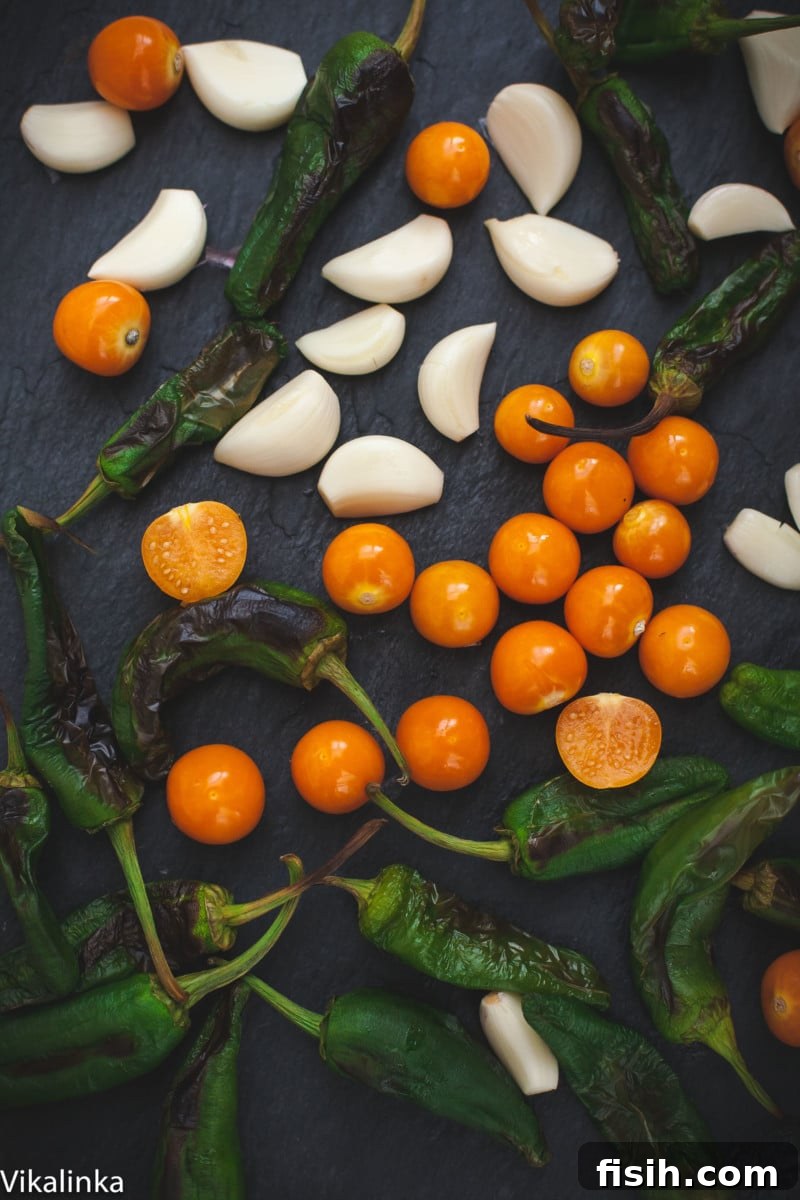
- The Verdant Base: Tomatillos (or Physalis): Traditionally, Chile Verde relies on tomatillos, which are small, green fruits resembling unripe tomatoes, encased in a papery husk. They provide a distinctive tart and slightly citrusy flavor that is essential to the stew’s brightness. While common in North America, finding fresh tomatillos in European supermarkets can be a real treasure hunt. The ingenious solution? Physalis, also known as Cape Gooseberries. These small, golden-orange fruits, often used in desserts, are closely related to tomatillos and offer a similar tangy profile. While physalis won’t contribute the signature green color, they bring the crucial tartness that makes Chile Verde sing.
- The Heat and Color: Green Chilies (Poblano, Padron, and Jalapeño): For the green color and a range of heat, green chilies are paramount. Poblano peppers are traditionally used for their mild heat and earthy flavor. Since poblanos can also be hard to find, I turn to padron peppers. These Spanish peppers are mostly mild but occasionally surprise you with a spicy kick, adding an exciting element to the dish. Broiling them until their skins blister deepens their flavor and makes them an excellent substitute. To ensure a consistent level of heat and a vibrant green punch, finely chopped jalapeno peppers are also included. Remember to remove their seeds and membranes for a milder experience, or leave some in if you prefer more fire.
- The Hearty Foundation: Pork Shoulder or Butt: The choice of meat is critical for a truly tender and flavorful Chile Verde. Pork shoulder (also known as pork butt) is ideal. Its generous marbling and connective tissue break down beautifully during slow cooking, resulting in melt-in-your-mouth tenderness and a rich, gelatinous texture that enriches the stew. Avoid leaner cuts like loin or tenderloin, as they can dry out and lack the depth of flavor required for this dish. Cubing the pork and searing it at high heat before simmering creates a crucial layer of flavor through the Maillard reaction, developing complex savory notes.
- Aromatic Essentials: Onion and Garlic: These foundational ingredients build the aromatic base of the stew. A single chopped onion and a generous amount of minced garlic (I recommend 1-2 heads for maximum flavor) provide a pungent, savory backdrop that complements the richness of the pork and the tang of the tomatillos/physalis.
- Smoky Undertones: Pork Lardons or Bacon: A small amount of chopped pork lardons or bacon is fried until crispy, rendering its fat and imparting a subtle smoky flavor to the stew. This initial step also provides a flavorful fat base for sautéing the aromatics.
- Earthy Warmth: Cumin: This classic Mexican spice brings an earthy, warm, and slightly pungent flavor that is quintessential to Chile Verde. Just one tablespoon is enough to tie all the flavors together.
- Liquid and Seasoning: Water and Salt: Water forms the liquid base of the stew, allowing the ingredients to simmer gently and the flavors to deepen. Salt, of course, enhances all the other flavors and should be adjusted to taste.
The Art of Slow Cooking: Unlocking Deep Flavors
Having navigated the specifics of our key ingredients, you’ll be pleased to know that crafting this Chile Verde is surprisingly straightforward. It’s largely a “set it and forget it” style of cooking, but the results are anything but simple. The magic happens during the long, gentle simmer, where flavors develop, pork becomes incredibly tender, and the entire stew transforms into a harmonious blend of savory, tangy, and spicy notes.
Here are my essential tips for achieving the most flavorful and comforting Chile Verde:
- Broil for Depth: Always broil your padron (or poblano) peppers until their skins are visibly blistered. This crucial step not only deepens their flavor, imparting a subtle smokiness, but also tenderizes them, preparing them to release their essence into the stew. Keep a close eye to prevent burning.
- Smoke and Sizzle: Begin by rendering a small amount of chopped bacon or pork lardons. The smoky fat created from this step forms a rich foundation, infusing the entire dish with an irresistible aroma and depth of flavor.
- Choose Your Cut Wisely: Opt for fattier, tougher cuts of pork like shoulder or butt. These cuts are packed with connective tissue and marbling, which, when slow-cooked, break down into gelatin, creating an incredibly tender texture and a naturally thickened, luxurious sauce. Steer clear of lean cuts such as loin or tenderloin, which will dry out and become tough.
- Brown for Brilliance: Before adding any liquid, thoroughly brown your cubed pork over high heat. This creates a beautiful caramelization on the meat’s surface, a process known as the Maillard reaction. This reaction develops hundreds of complex flavor compounds, adding an unparalleled richness and depth to your stew that cannot be achieved by simply boiling the meat.
- Amp Up the Aromatics: Don’t be shy with the aromatics. Use generous amounts of minced garlic (1-2 heads for this recipe) and a few finely chopped jalapeños (adjusting to your spice preference) to create a bold and vibrant flavor profile. Removing the seeds and membranes from the jalapeños will temper the heat while retaining their fresh, peppery taste.
- Slow and Steady Wins the Race: Whether you’re cooking on the stovetop or in the oven, the key is a very low and slow cooking process. On the stovetop, set it to the lowest possible simmer. If using the oven, cook at a gentle 250°F (120°C) for approximately 5 hours. This extended cooking time allows the pork to become fall-apart tender and all the flavors to marry beautifully, creating a complex and cohesive stew.
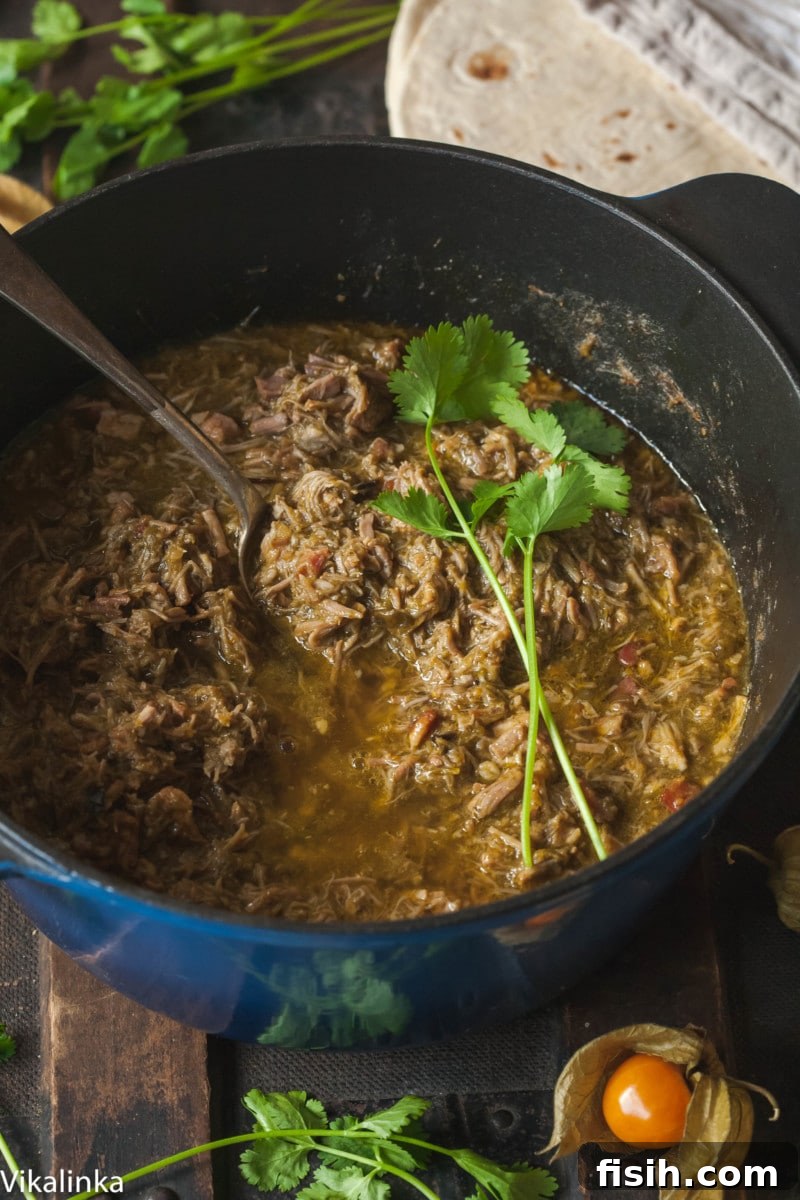
The magic of slow cooking is truly transformative. It’s responsible for the deep, complex flavor of this Chile Verde. As the ingredients gently simmer together for hours, they seamlessly blend, enriching each other in a beautiful and spicy medley. The pork, in particular, undergoes a remarkable transformation, becoming incredibly tender and easy to shred, absorbing all the wonderful flavors of the broth.
While I prefer the control and even heat distribution of my This is an affiliate link.Dutch oven on the stovetop for this recipe, it’s also perfectly suited for a This is an affiliate link.slow cooker. If using a crock pot, simply set it to “Low” and cook for 8 hours, or “High” for 4-5 hours, depending on your appliance and schedule. The long cooking time is the secret to its unparalleled tenderness and depth of flavor, regardless of the method you choose.
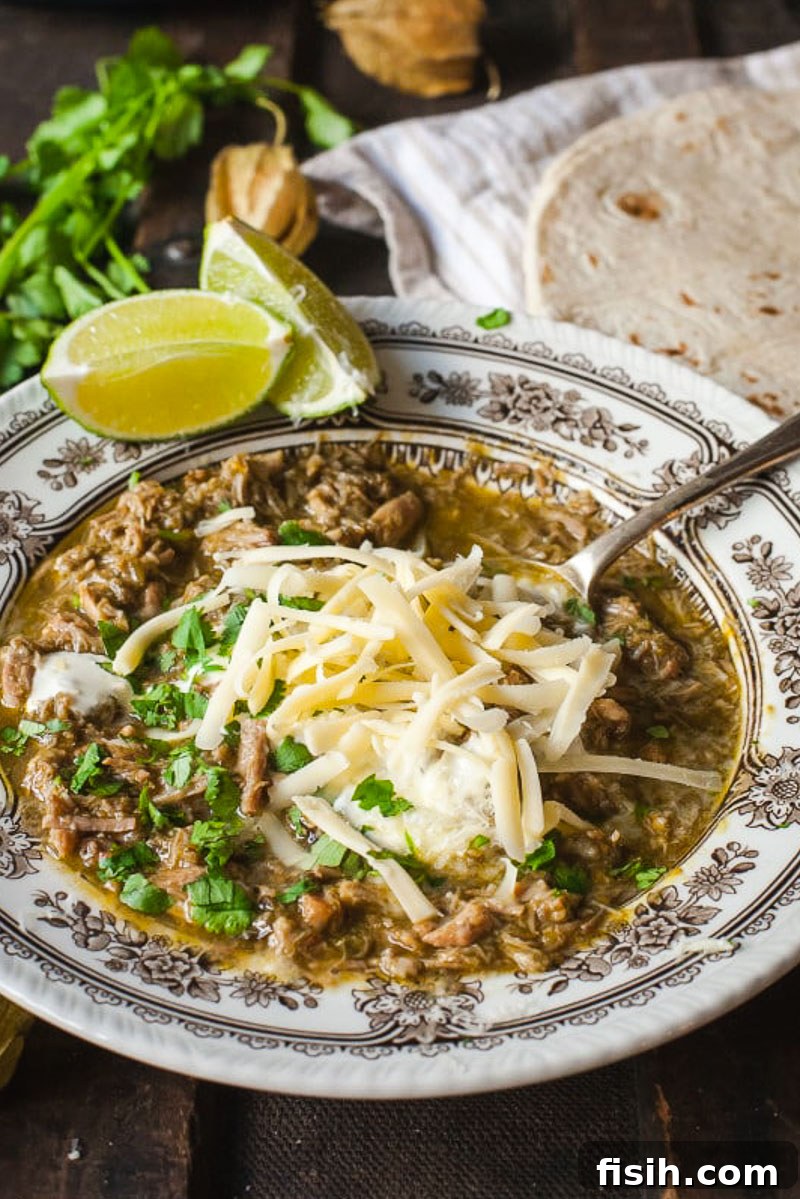
Serving Your Chile Verde Masterpiece
One of the many joys of Chile Verde is its incredible versatility. This hearty stew can be enjoyed in numerous ways, making it a perfect dish for any meal or occasion:
- Classic Comfort: Serve it traditionally over a bed of fluffy steamed rice. The rice absorbs the rich, spicy sauce beautifully, making each spoonful a delight.
- Taco & Burrito Filler Extraordinaire: The shredded pork from the Chile Verde makes an exceptional filling for tacos and burritos. Spoon it into warm tortillas, add your favorite toppings, and create a meal bursting with flavor.
- Quesadilla Perfection: Take your quesadillas to the next level by using the succulent Chile Verde meat as a filling, perhaps with some extra cheese. Grill until golden and enjoy a truly satisfying bite.
- Elevated Enchiladas: For a twist, use the Chile Verde as a filling for enchiladas, topping them with more green sauce and cheese before baking.
- Breakfast Brilliance: Don’t overlook it for breakfast! Incorporate leftover Chile Verde into breakfast burritos or serve alongside fried eggs for a hearty start to your day.
- Hearty Sidekick: It pairs wonderfully with a slice of cornbread, perfect for soaking up every last drop of the flavorful sauce.
No matter how you choose to serve it, we highly recommend topping your Chile Verde with a dollop of cool sour cream or Mexican crema, a generous sprinkle of grated cheese (Monterey Jack or Cotija are excellent choices), and a vibrant scattering of chopped fresh cilantro. These toppings add a wonderful contrast in texture and flavor, elevating the entire dish from delicious to truly unforgettable.
Storage and Leftovers: Easy Meal Prep
Unless you’re feeding a large crowd, this recipe is quite generous and will likely result in delicious leftovers. And that’s fantastic, because Chile Verde often tastes even better the next day as the flavors continue to meld and deepen! Proper storage ensures you can enjoy your homemade comfort food for days to come.
- Refrigeration: Store any leftover Chile Verde in an This is an affiliate link.airtight container in the refrigerator for 3-4 days. Ensure it cools down completely before transferring it to the container.
- Freezing for Longer Enjoyment: Chile Verde freezes exceptionally well, making it perfect for meal prepping. Transfer cooled stew to freezer-safe bags or containers, leaving a little headspace for expansion. It will maintain its peak flavor and texture in your freezer for up to one month, though it will remain perfectly safe to eat for up to 3 months. For best results, thaw overnight in the refrigerator before reheating.
- Reheating Tips: To reheat, gently warm the stew on the stovetop over medium-low heat, stirring occasionally, until heated through. If it seems too thick, you can add a splash of water or broth to achieve your desired consistency. Microwaving is also an option for individual portions, stirring halfway through for even heating.
More Mexican-Inspired Recipes to Try
- Best Ground Beef Tacos
- Chicken Chilaquiles with Warm Corn Salsa
- Fish Tacos with Blackberry Chilli Lime Salsa
- Black Bean and Corn Salsa
Rating: 5 out of 5 stars from 5 votes
Chile Verde (Green Chili)
Julia Frey of Vikalinka
10 mins
4 hrs 15 mins
4 hrs 25 mins
10
Equipment
-
This is an affiliate link.Dutch oven
Ingredients
- 50g / 2-3 strips pork lardons or bacon, chopped
- 1 onion, chopped
- 1-2 heads garlic, minced
- 150g / 1½ cups tomatillos or physalis, halved
- 150g / 5oz poblano peppers or padron peppers, approximately 15 peppers
- 2-3 jalapeno peppers, finely chopped, seeds and membranes removed
- 2 lbs pork shoulder or butt, cubed
- 50g / 1/2 cup cilantro/coriander, chopped
- 1 tbsp cumin
- 2 tsp salt
- 1½ litre water
Instructions
-
Set your oven setting to broil and move the rack so it’s approximately 6 inches away from the heating element.
-
Place padron peppers on a baking sheet and broil for 3-5 minutes until their skins are blistered and slightly charred. Monitor closely to prevent burning. Remove from the oven and set aside.
-
In a deep cast iron pot or Dutch oven, fry the pork lardons or bacon over medium-high heat until all visible fat has rendered and the lardons are crispy. Remove the lardons and set aside, leaving the rendered fat in the pot. Then, add the chopped onion, minced garlic, halved physalis (or tomatillos if using), and finely chopped jalapeno peppers. Cook for about 5 minutes over medium heat until softened and fragrant. Remove this mixture from the pot and set aside with the lardons.
-
To the same pot, add the large pork cubes and sear them on all sides over high heat until well-browned. Return the reserved lardons and cooked vegetables to the pot. Stir in the broiled padron peppers, chopped cilantro, cumin, salt, and water.
-
Bring the mixture to a boil, then immediately reduce the heat to the lowest possible setting. Cover the pot with a lid and simmer gently for 4-5 hours, or until the pork is fall-apart tender. Approximately 30 minutes before the total cooking time is complete, carefully remove all the pork from the pot using a slotted spoon and place it in a separate bowl. Using two forks, shred the pork, then return it to the pot to finish cooking and absorb the flavors of the stew.
Notes
- Alternatively, you can cook this chili in a slow cooker for 8 hours on LOW or 4-5 hours on HIGH.
- Serve over steamed rice, topped with shredded cheese, or use as a filling for burritos and tacos.
Nutrition
Carbohydrates: 5g |
Protein: 12g |
Fat: 6g |
Saturated Fat: 2g |
Cholesterol: 40mg |
Sodium: 545mg |
Potassium: 296mg |
Fiber: 1g |
Sugar: 1g |
Vitamin A: 539IU |
Vitamin C: 21mg |
Calcium: 27mg |
Iron: 1mg
Nutrition information is automatically calculated, so should only be used as an approximation.