
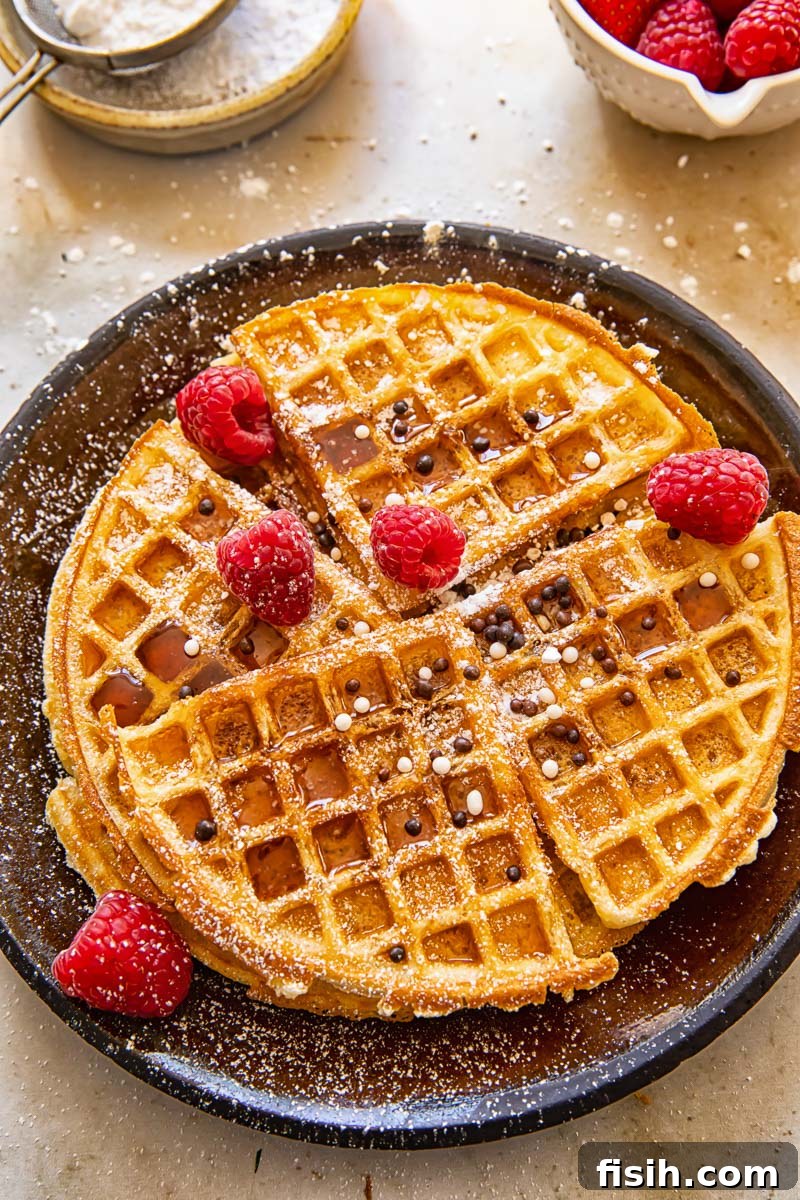
Mastering the Art of Belgian Waffles: Your Guide to Crispy, Fluffy Perfection
Get ready to transform your breakfast routine into a celebration! Belgian waffles are synonymous with indulgence, a golden treat universally recognized as the ultimate celebratory breakfast or brunch. Forget mediocre, soggy attempts; this guide will show you how to craft the most golden, crunchiest, and unbelievably fluffy wonder waffles right in your own kitchen. Prepare to impress your taste buds and those of your loved ones with every glorious bite!
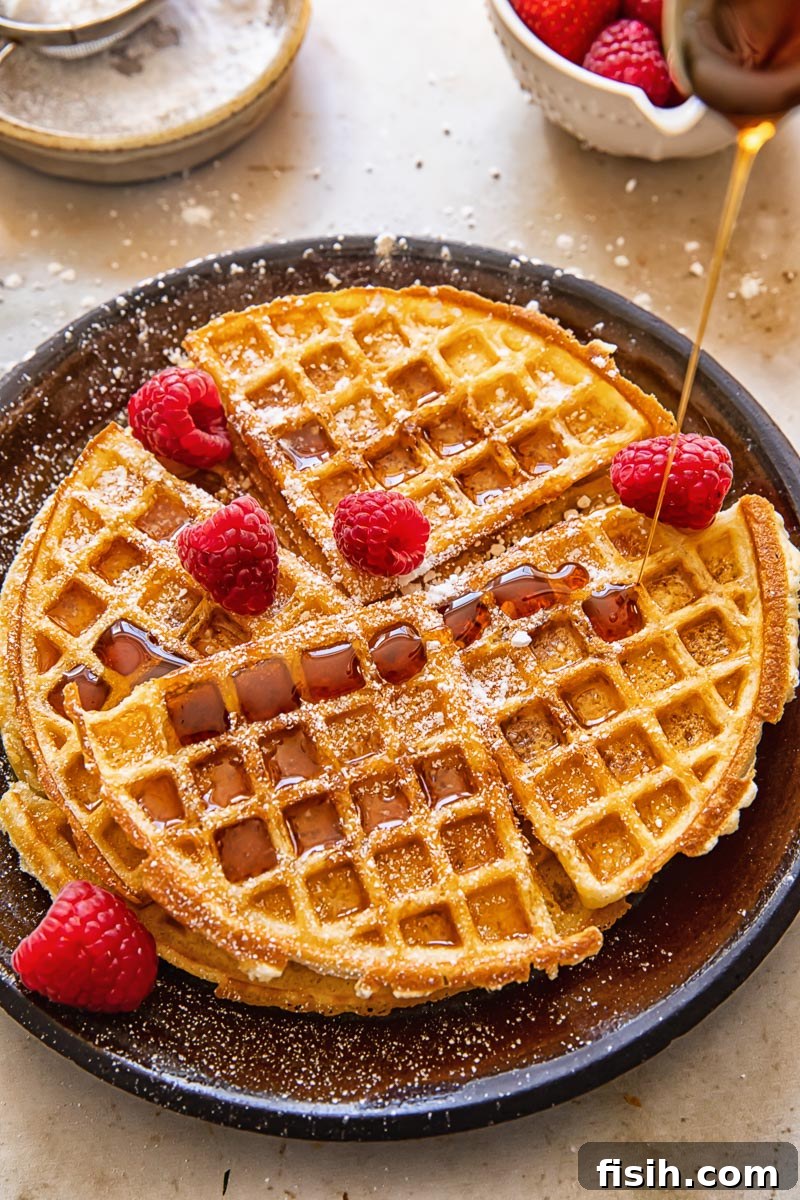
The Belgian Waffle Phenomenon: A Culinary Journey
The history of waffles is surprisingly ancient, with roots tracing back to Ancient Greece, where simple flour-and-water wafers, known as obleios, were cooked between hot metal plates and offered as blessings. These early incarnations evolved through the Middle Ages in Europe, transforming into various thin, crisp cakes. However, the modern Belgian waffle, as we know and love it, truly captured global attention much later.
Its explosive popularity in the United States began in the early 1960s, largely thanks to two Belgian entrepreneurs. One, Walter Cleyman, introduced them at the 1962 Seattle World’s Fair, though it was Maurice Vermersch who famously brought them to the 1964 New York World’s Fair. Initially called “Brussels Waffles,” Vermersch wisely changed the name to “Belgian Waffles” to simplify geographical understanding for American consumers. Selling for just a dollar each, topped with mounds of whipped cream and fresh strawberries, these thick, deep-grooved waffles with their signature crunchy golden shell and airy, fluffy interior quickly became an international sensation.
What Makes a Belgian Waffle Unique?
While many cultures boast their own waffle variations, the classic Belgian waffle is instantly recognizable. Its defining features include generous, mattress-like dimensions and distinct deep pockets, perfectly designed to cradle an abundance of delicious toppings. These deep grooves are not merely aesthetic; they play a crucial role in creating a waffle that is simultaneously crispy on the outside and wonderfully light and airy within. Unlike many American counterparts, traditional Belgian waffles often incorporate yeast or stiffly beaten egg whites, contributing to their remarkable pillow-soft texture and characteristic lightness.
It’s important to note that even within Belgium, there are two primary styles:
- Brussels Waffles: These are the rectangular, crisp, and lighter waffles most commonly associated with “Belgian waffles” outside of Belgium. They are typically made with a yeast-leavened batter and have a neutral flavor, making them ideal for both sweet and savory toppings.
- Liège Waffles: Hailing from the city of Liège, these are denser, chewier, and significantly sweeter. Made from a brioche-like dough, they feature chunks of pearl sugar that caramelize on the hot iron, creating a delightful crunchy crust and bursts of sweetness. They are often enjoyed plain or with minimal toppings.
A World of Waffles: Other Delightful Varieties
Beyond Belgium, the world offers a tempting array of waffle styles, each with its unique charm:
- Dutch Stroopwafels: These aren’t cooked in a traditional waffle iron but rather pressed into a thin, round pattern. Two incredibly thin, dark waffle discs are sandwiched together with a gooey, warm caramel syrup. They are snack-sized and perfect for enjoying on the go, often placed over a hot cup of coffee or tea to warm the caramel.
- Swedish Waffles: Delicate, thin, and often heart-shaped, these waffles are crisp and light, almost like a lace cookie. They are typically served with a dollop of whipped cream and lingonberry jam, making them a dainty and elegant treat, especially popular during afternoon tea or celebrations like Waffle Day.
- American Waffles: While often inspired by Belgian waffles, American versions typically use baking powder (and sometimes buttermilk) as a leavening agent rather than yeast or whipped egg whites. This often results in a denser, slightly less deep waffle. Buttermilk adds a subtle tang and contributes to a tender crumb, making them a beloved breakfast staple across the U.S.
Each variety offers a distinct experience, from the rich and chewy Liège to the light and crispy Swedish, but for an iconic breakfast of celebration, the classic Brussels-style Belgian waffle remains unmatched.
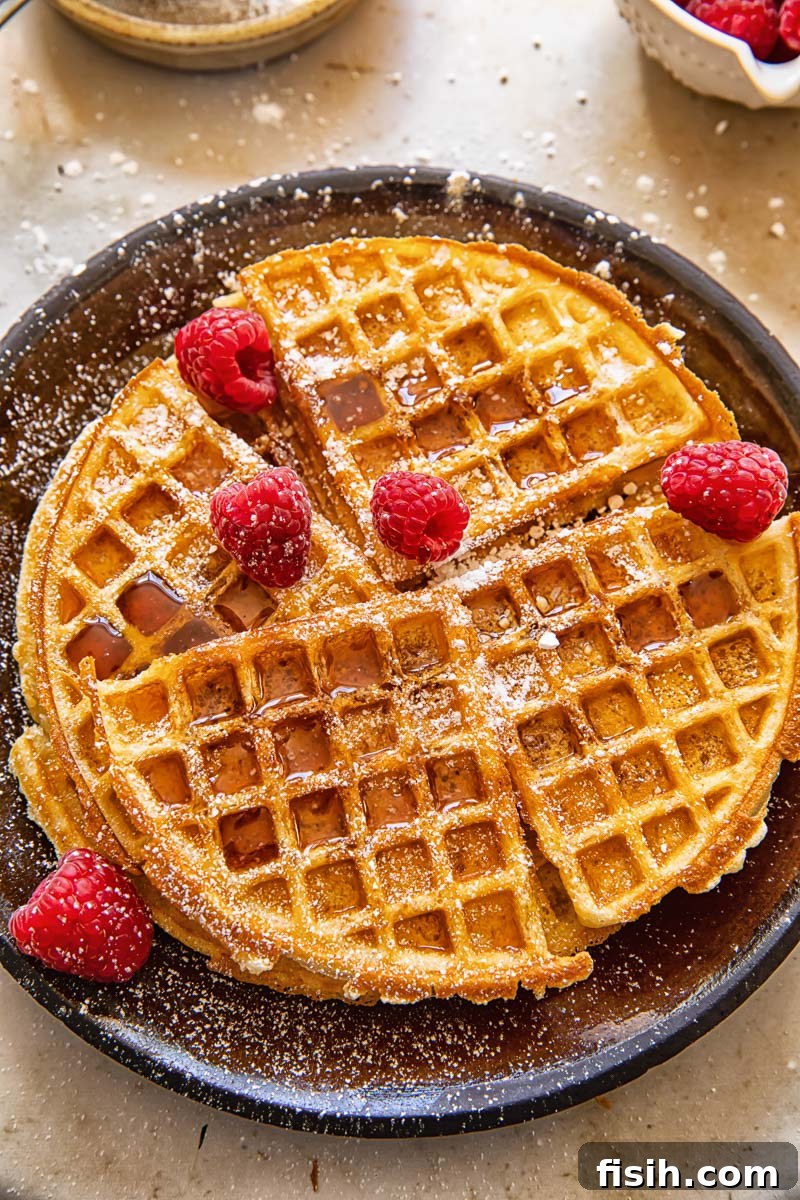
The Science Behind the Batter: Waffles vs. Pancakes
At first glance, waffle and pancake batters seem remarkably similar, sharing core ingredients like flour, eggs, and milk. Yet, the final products are distinctly different: one a fluffy, crispy wonder, the other a tender, flat disc. The magic lies in subtle yet crucial distinctions in ingredients, ratios, and preparation techniques. Have you ever tried to make waffles with a pancake recipe? The results likely fell flat, quite literally!
Key Differences in Ingredients and Texture
So, what makes a Belgian waffle batter capable of such structural integrity and delightful texture, while pancake batter yields a softer, more pliable result?
- Eggs are Separated for Waffles: This is a game-changer for Belgian waffles. The egg yolks are mixed into the wet ingredients, contributing richness and flavor. Crucially, the egg whites are beaten separately until stiff peaks form and then gently folded into the batter. This process incorporates a significant amount of air, which expands during cooking, creating the signature light, airy, and fluffy interior of a Belgian waffle. Traditional pancake recipes, especially European crêpes, simply whisk all egg components together, resulting in a denser texture.
- Indulgent Additions: Belgian waffle recipes typically include more sugar and butter than their pancake counterparts. This isn’t just for flavor. The sugar caramelizes against the hot waffle iron, forming that irresistible golden-brown, crispy exterior. The added butter contributes to richness, flavor, and helps achieve that desired crispiness. European pancake recipes often contain less sugar, relying on toppings for sweetness, which means they brown but rarely achieve a crunch.
- Leavening Power: While both use leavening agents, Belgian waffles often employ a more robust amount of baking powder (or yeast for authentic Brussels waffles) to achieve their impressive height and airy structure. The thicker batter also better traps these expanding gases.
- Batter Consistency: Waffle batter is notably thicker and “oozier” than pancake batter. This density is essential for it to hold its shape within the deep grooves of a waffle iron without flowing out. Pancake batter, in contrast, is typically runnier, designed to spread easily into a thin, perfect circle in a frying pan. This thinner consistency also means less air is trapped, contributing to their flatter profile.
These precise differences ensure that each bite of a Belgian waffle delivers that satisfying contrast of a crisp shell giving way to a pillow-soft interior, a texture rarely achieved by a simple pancake batter. For days when you’re craving a different kind of pancake, these Buckwheat Pancakes offer an understated and healthy alternative. And if you’re curious about the American pancake style, explore our Classic American Pancakes recipe. To truly achieve Belgian waffle perfection, investing in a quality waffle maker designed for deep grids is highly recommended.
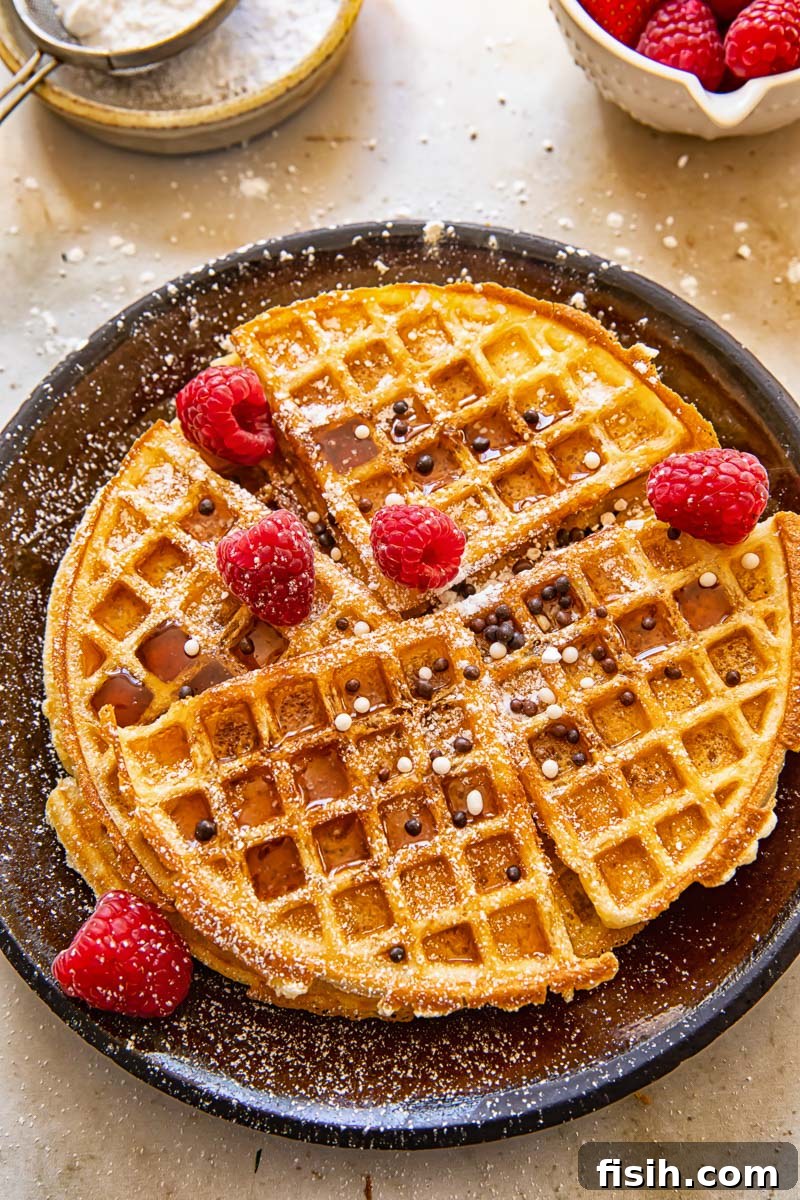
Unleash Your Creativity: The Ultimate Waffle Topping Guide
Here’s where the real fun begins: toppings! Belgian waffles are a blank canvas, inviting you to unleash your culinary imagination. There are truly no limits, no “waffle rules” to constrain your creativity. You can go delightfully sweet, surprisingly savory, or even daringly combine both worlds for an unforgettable flavor explosion. Here are some inspirations, ranging from timeless classics to adventurous innovations, to get your topping juices flowing:
- Classic Indulgences: You can’t go wrong with the original pairing of fresh strawberries and a cloud of fluffy whipped cream. Add a drizzle of rich maple syrup for pure bliss.
- Fresh and Fruity: For a lighter, healthier twist, top your waffles with creamy Greek yogurt, sliced bananas, and a handful of juicy blueberries or other seasonal berries. A sprinkle of granola adds texture.
- Breakfast Bonanza: Transform your waffle into a hearty breakfast plate by adding crispy sausage patties, perfectly cooked eggs (fried, scrambled, or poached), and strips of smoky bacon.
- Gourmet Brunch: Elevate your waffles to a sophisticated brunch dish with perfectly poached eggs Benedict, draped in a luxurious hollandaise sauce, and paired with slices of good quality ham. (Find our easy Hollandaise sauce recipe here.)
- Unexpected & Exciting: For the adventurous palate, try a savory waffle with crispy fried chicken, creamy avocado slices, a vibrant salsa, and a dollop of cool sour cream. A true Southern-inspired delight!
- Decadent Desserts: Turn your waffles into an irresistible dessert. Our waffle ice cream sandwiches are a phenomenal choice, or simply top with a scoop of your favorite ice cream, chocolate sauce, and sprinkles.
- Rich Syrups & Sauces: Don’t forget the power of a good syrup! Beyond maple, consider warm chocolate fudge, caramel, berry compotes, or even a spiced apple butter. Nuts, toasted coconut, and chocolate chips can add further layers of flavor and texture.
Feel free to mix and match any of these ideas. Add a scoop of ice cream to your savory chicken waffle, or sprinkle some bacon bits over your fruit and whipped cream. In the waffle game, there is absolutely no judgment – only delicious discovery!
Achieving Waffle Perfection: Expert Tips and Notes
- Egg Separation is Key: Yes, you absolutely must separate the egg yolks from the whites! Whisking the whites to stiff peaks and gently folding them into the batter is the secret to that signature crunchy outside and ethereal fluffy inside. Skipping this step means sacrificing the hallmark texture of a true Belgian waffle.
- Invest in Quality: If you are a true waffle enthusiast, it’s worth investing in a good quality waffle maker. It truly makes all the difference in achieving consistent heat, even browning, and reliable crispiness.
- Preheat Thoroughly: Your waffle iron must be piping hot when you pour in the batter. A well-heated iron ensures instant caramelization on the surface, locking in moisture and delivering that irresistible crunch. Always do a test waffle first to adjust the cooking time or temperature setting for your desired lightness or darkness.
- Keep Waffles Warm: No one enjoys a lukewarm, flabby waffle. As you cook batches, preheat your oven to a low temperature (around 100°C / 200°F) and place cooked waffles directly onto a wire rack set over a baking sheet. This keeps them toasty and crisp while you finish the rest.
- Don’t Overmix the Batter: Mix your wet and dry ingredients just until combined. A few lumps are perfectly fine and even desirable. Overmixing develops gluten, which can lead to tough, dense waffles instead of light and tender ones.
- Let the Batter Rest: For optimal results, allow your waffle batter to rest for 5-10 minutes (or even up to 30 minutes) before cooking. This allows the flour to fully hydrate and the leavening agents to begin activating, resulting in a lighter texture.
- Grease Lightly (or not at all): Modern non-stick waffle makers often require very little oil after the initial seasoning. If you do grease, a light brush of neutral oil or a quick spray with non-stick spray is usually sufficient. Too much oil can make the waffles greasy rather than crisp.
Storage and Reheating: Your Belgian Waffle Stash
Leftovers? Unlikely, if you have a hungry crowd! But Belgian waffles are excellent candidates for batch cooking and freezing, allowing you to enjoy a quick, gourmet breakfast anytime without the prep work. This makes them a perfect make-ahead option for busy mornings.
To prepare for freezing, cook the waffles until they are just done and lightly golden, but not yet crispy. Allow them to cool completely on a wire rack. Once cooled, stack them with squares of baking parchment between each waffle (or in pairs/threes). Place the stacks into a freezer-safe bag or airtight container. They will keep beautifully in the freezer for up to 3 months.
When you’re ready to enjoy them, there’s no need to defrost. Simply preheat your oven to 175°C (350°F). Arrange the frozen waffles in a single layer on a baking tray and bake for about 10-15 minutes, or until they are thoroughly heated through and their edges turn deliciously crispy. Some people suggest toasting them directly in a toaster, but this can require some trial and error to get the right crispness without burning, so the oven method is often more reliable for consistent results.
Frequently Asked Questions About Belgian Waffles
- Q: What is the main difference between a Belgian waffle and a regular (American) waffle?
- A: The primary differences lie in the batter and the iron. Belgian waffles typically use a lighter, airier batter, often leavened with yeast or stiffly beaten egg whites, giving them a distinct fluffy interior. They are cooked in waffle irons with deeper, larger grids, resulting in thicker waffles with more prominent pockets and a crispier exterior compared to the denser, shallower-gridded American waffles, which usually use baking powder and buttermilk.
- Q: Can I use pancake batter to make waffles?
- A: While technically possible, it’s generally not recommended if you desire the authentic Belgian waffle experience. Pancake batter is usually thinner and lacks the higher fat (butter) and sugar content, and the specific leavening technique (whipped egg whites) needed to achieve the signature crispiness and deep, airy pockets of a Belgian waffle. The resulting “waffles” would likely be softer and less structurally robust.
- Q: How do I ensure my Belgian waffles are crispy?
- A: Achieving crispiness involves several key steps: (1) Ensure your waffle maker is fully preheated to a high temperature before adding batter. (2) Don’t skimp on sugar and butter in the recipe, as these caramelize to create a crisp crust. (3) Properly whisked egg whites folded into the batter create a light texture that allows for better crisping. (4) Avoid opening the waffle maker too early; let it cook until steam largely stops escaping and the indicator light (if any) signals readiness.
- Q: Can I prepare Belgian waffle batter in advance?
- A: Yes, you can. You can prepare the batter (excluding the folded-in egg whites) and store it in an airtight container in the refrigerator for up to 1-2 days. Just before cooking, gently fold in the freshly beaten egg whites to maintain the airy texture. If your recipe uses yeast, some find that an overnight rise in the fridge can actually enhance flavor and texture.
- Q: What are the best toppings for Belgian waffles?
- A: The possibilities are endless! Classic toppings include fresh berries and whipped cream, or maple syrup. For a savory twist, try fried chicken, bacon, or a poached egg. Other popular choices include chocolate sauce, caramel, fresh fruit, nuts, ice cream, or even savory combinations like ham and cheese. Don’t be afraid to get creative!
More Delicious Breakfast and Brunch Ideas
- Russian Crepes Blini Recipe
- Oatmeal Pancakes
- Kefir Pancakes “Oladi”
- Blueberry and Limoncello Blintzes
- Cinnamon Sourdough French Toast
Belgian Waffles Recipe
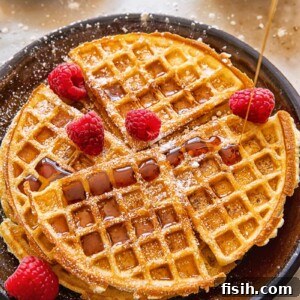
The ultimate recipe for golden, crunchy, and irresistibly fluffy Belgian waffles, perfect for any celebration or a delightful weekend breakfast.
By: Julia Frey of Vikalinka
Prep Time: 20 mins
Cook Time: 20 mins
Total Time: 40 mins
Servings: 6 (makes approximately 10 waffles)
Equipment
- Waffle maker (recommended for deep grids)
- Two large mixing bowls
- Electric mixer (highly recommended for egg whites)
- Whisk or spatula
Ingredients
- 250g / 2 cups plain/all purpose flour
- 150g / 3/4 cup granulated sugar
- 3½ tsp baking powder
- 2 large eggs, separated
- 350ml / 1½ cups whole milk
- 250g / 1 cup melted butter
- 1-2 tsp vanilla extract
Instructions
- Begin by separating the egg whites from the egg yolks, placing them into two separate large mixing bowls.
- In the bowl with the egg yolks, add the whole milk, melted butter, and vanilla extract. Whisk these wet ingredients together until they are well combined.
- In a third (or clean) large bowl, combine the dry ingredients: flour, granulated sugar, and baking powder. Whisk them together thoroughly to ensure the leavening agents are evenly distributed.
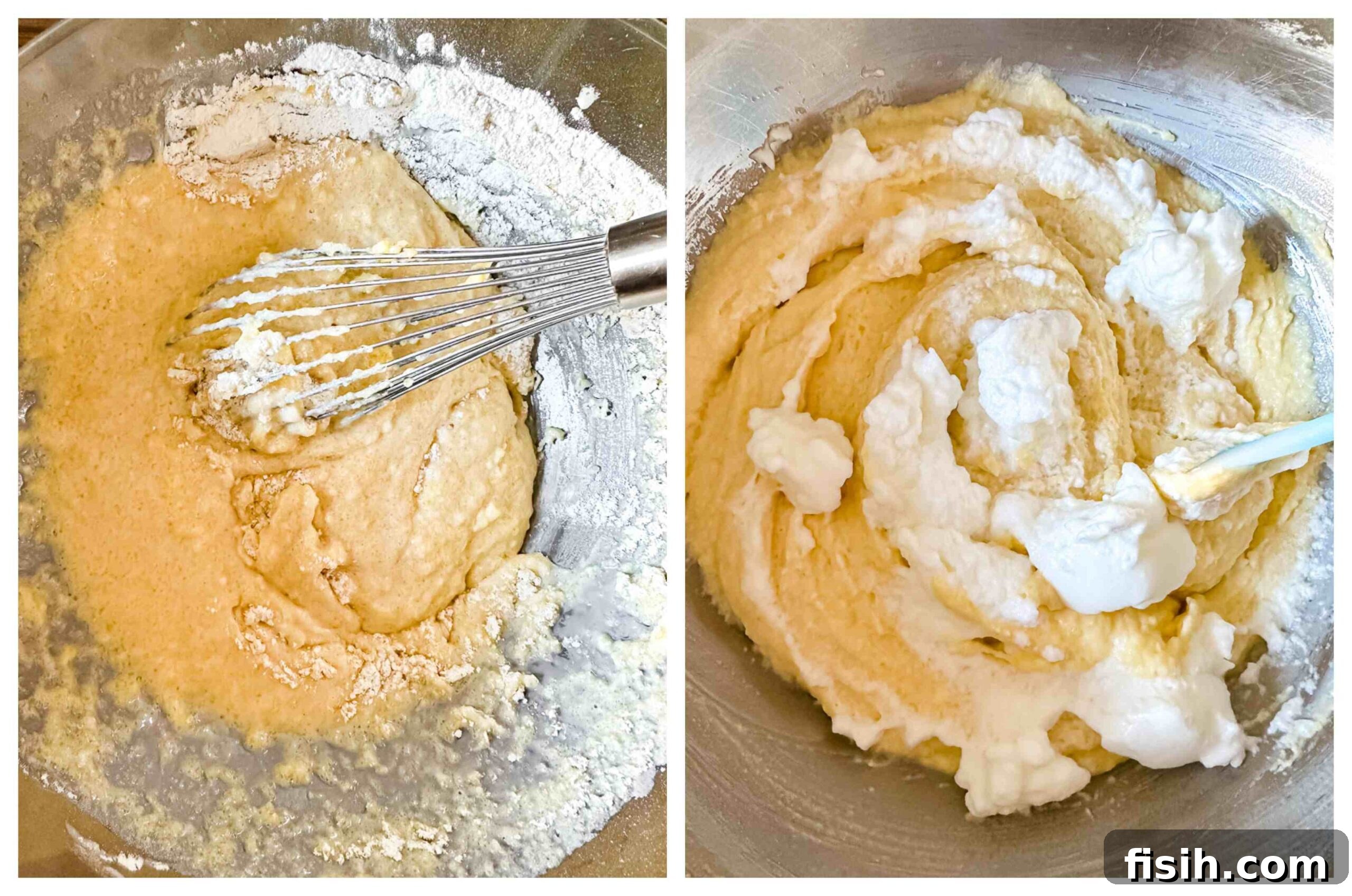
- Pour the wet egg yolk mixture into the dry flour mixture. Stir gently with a whisk or spatula until just combined. Be careful not to overmix; a few lumps are perfectly acceptable and help prevent tough waffles.
- Using an electric mixer (or a hand whisk and strong arm!), beat the egg whites in their separate bowl until stiff, glossy peaks form. The whites should hold their shape when you lift the whisk.
- Gently fold the beaten egg whites into the waffle batter. Use a soft, deliberate motion to incorporate them without deflating the air you’ve worked so hard to create. Mix until just combined and no large streaks of white remain.
- Preheat your waffle maker according to the manufacturer’s instructions until it’s very hot. Lightly brush the grids with a little oil or non-stick spray, especially for the first waffle, to prevent sticking.
- Pour approximately 1/2 cup of batter onto the center of the preheated waffle iron. (The exact amount may vary based on your waffle maker’s size; adjust after your first test waffle.)
- Close the lid and cook until the waffles are golden brown and wonderfully crispy, typically 3-5 minutes. Most waffle makers will stop steaming or have an indicator light when done.
- Carefully remove the cooked waffle and serve immediately with your chosen toppings. If cooking multiple waffles, keep finished ones warm and crisp in a low oven (100°C / 200°F) on a wire rack while you prepare the rest. This recipe yields approximately 10 delicious Belgian waffles.
Nutrition Information
Nutrition information is automatically calculated and should only be used as an approximation.
- Calories: 608 kcal
- Carbohydrates: 61g
- Protein: 8g
- Fat: 38g
- Saturated Fat: 23g
- Polyunsaturated Fat: 2g
- Monounsaturated Fat: 10g
- Trans Fat: 1g
- Cholesterol: 151mg
- Sodium: 315mg
- Potassium: 401mg
- Fiber: 1g
- Sugar: 28g
- Vitamin A: 1218 IU
- Calcium: 200mg
- Iron: 2mg
Tried this recipe?
We’d love to hear how your Belgian waffles turned out! Share your experience, tips, and favorite toppings in the comments section below. Your feedback helps us and other home cooks create more delicious memories!