
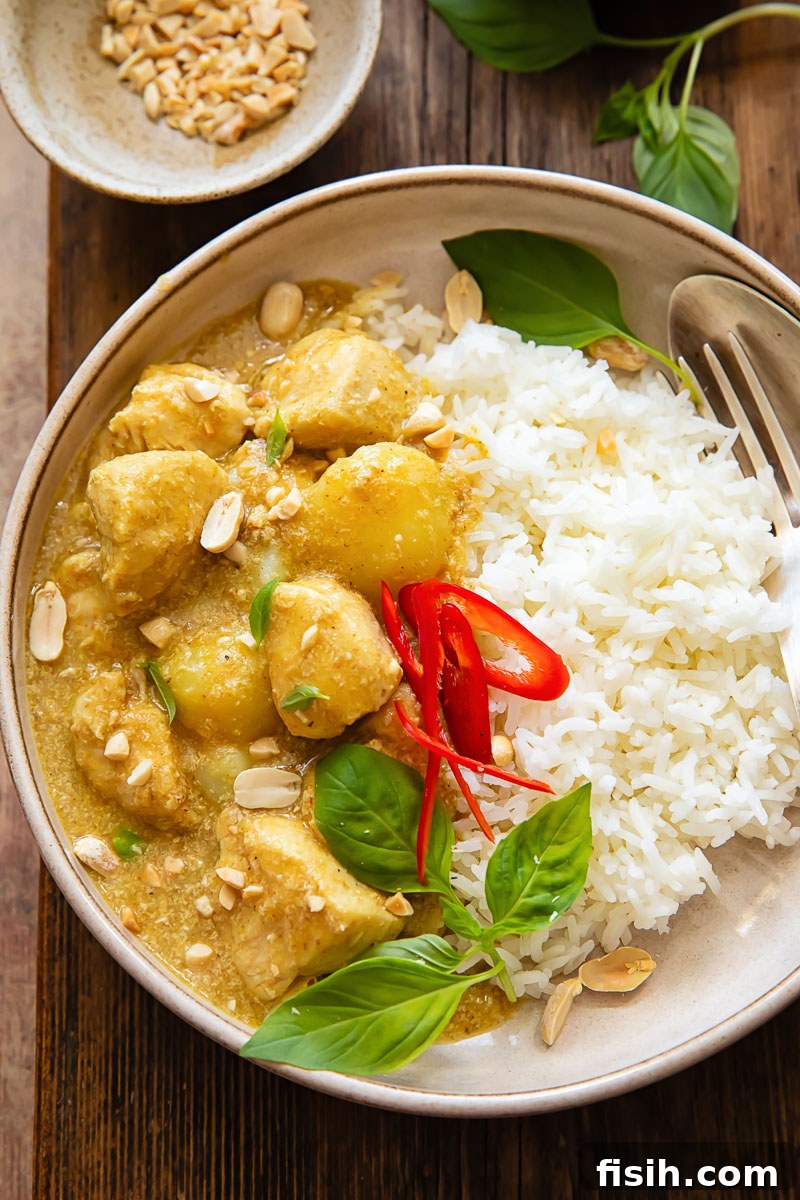
Experience the comforting embrace of a classic Thai Yellow Chicken Curry with Potatoes. This famously mild and wonderfully aromatic dish offers a gentle introduction to the vibrant world of Thai cuisine. Sweetened with creamy coconut milk, enriched with tender, lightly spiced potatoes, and finished with a satisfying crunch of peanuts, it’s a meal that promises warmth and flavor without overwhelming heat. Best of all, it’s a dream for busy weeknights – a single-pan wonder ready in just 35 minutes!
For those already familiar with the intricate flavors of Thai curries, perhaps you’re ready to explore beyond? Thai soups offer a lighter, yet equally comforting alternative. Imagine brothy noodle recipes, perfect for a lighter lunch or a soothing meal on a chilly day. This classic Thai chicken noodle soup, fragrant with fresh lime and bright tomatoes, offers a spicy kick for a warming winter treat.
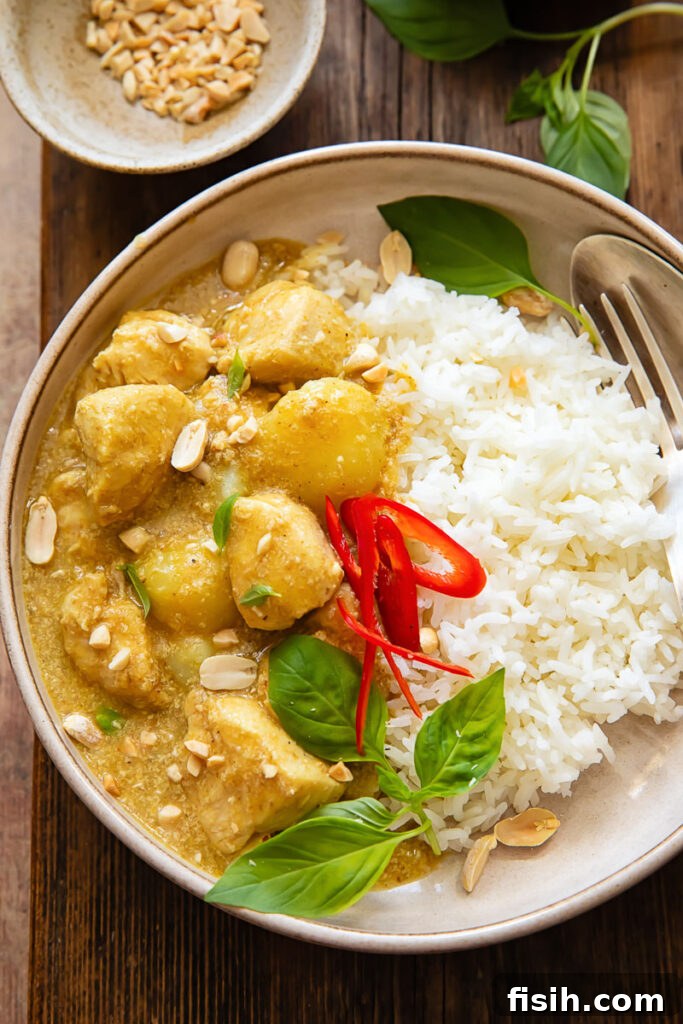
Navigating the diverse landscape of Thai curries can often feel like approaching a set of traffic lights, each color guiding you to a distinct flavor and spice level. This simple system serves as an excellent compass for anyone new to Thai culinary adventures.
Green curry typically holds the reputation for being the spiciest. Its intense heat comes from a generous quantity of fresh, finely chopped green bird’s eye chilies. If your palate is sensitive to heat, this might be the signal to proceed with caution or perhaps, bypass it for now.
Red curry sits comfortably in the middle of this spice spectrum. While it still delivers a significant punch with its fresh red chilies, they are generally less fiery than their green counterparts. It’s an ideal choice if you enjoy a noticeable warmth but prefer not to challenge extreme levels of spice.
And then there’s yellow curry – a beacon of mellow warmth and rich flavor. It uses the fewest red chilies compared to its siblings, and its heat is further softened by the luxurious addition of coconut milk. This makes yellow curry an excellent starting point for anyone exploring Thai cuisine, allowing you to savor the complex flavors and decide which spice level you might feel brave enough to try next time.
Understanding Thai Yellow Curry: A Mild Masterpiece
Although I haven’t yet had the pleasure of traveling to Thailand, extensive research has unveiled many fascinating insights into its cuisine. One such tidbit that delights the former English teacher in me is the linguistic origin of “yellow curry.” In Thai, it’s known as Gaeng Karee. Intriguingly, this translates literally to “curry curry” in English. The term ‘Gaeng’ generally refers to Thai curry-like soups or stews, encompassing dishes like red or green curry. ‘Karee,’ on the other hand, specifically denotes the spices and flavorings commonly associated with Indian-style curries. This fascinating etymology highlights the dish’s historical roots and influences.
Indeed, a look at the classic Thai yellow curry recipe reveals a delightful blend of both worlds. You’ll find familiar spices like coriander, cumin, ginger, and garlic—all cornerstones of Indian culinary traditions. And, of course, the vibrant star of the show: turmeric. This golden spice not only imbues the sauce with its signature ochre color but also lends the curry its very name: “yellow.”
Historically, yellow curry holds a special place in Thai culinary culture, particularly among Thai Muslims. Its flavors resonate deeply within their cuisine, which is why you will almost exclusively find this dish prepared with either chicken or beef, never pork, adhering to dietary traditions.
However, the beauty of yellow curry lies in its versatility. You can easily adapt this dish to suit your preferences, incorporating any protein you enjoy, even delicate white fish. The fundamental elements that define this curry are yellow curry paste, rich coconut milk, comforting potatoes, and crunchy peanuts for texture. While I haven’t included them in my recipe, yellow curry is also incredibly amenable to various vegetables. Bell peppers add sweetness and crunch, bamboo shoots provide an earthy note, while green beans or mushrooms would integrate seamlessly, enhancing both flavor and nutritional value.
For convenience and authentic flavor, I confidently recommend using a good quality store-bought yellow curry paste. There’s no need to make it from scratch unless you truly desire to. When choosing a paste, prioritize those produced in Thailand. These pastes are renowned for their potency and authentic flavor profile, which will undoubtedly elevate your finished dish to restaurant-quality standards. Mae Ploy is a widely respected brand that I often use and highly recommend.
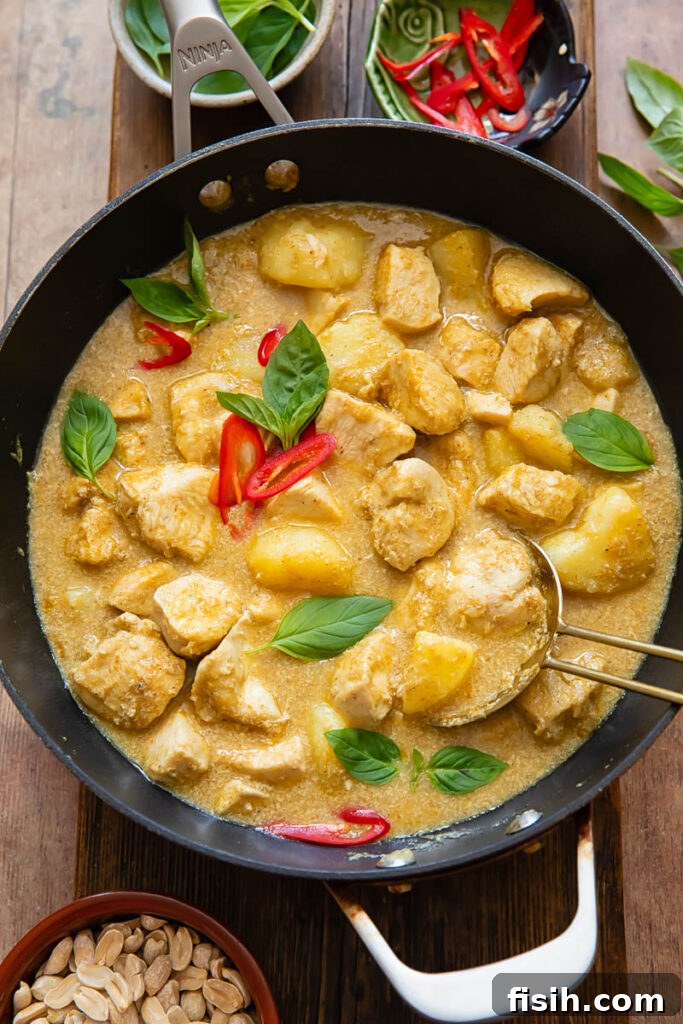
Expert Tips for a Perfect Yellow Chicken Curry
- Unlike the fiery red and green curries, yellow chicken curry is not designed to be chili-heavy. Its gorgeous golden tones are a result of the gentle warmth of mild spices, predominantly turmeric, rather than an intense heat from chilies.
- When selecting your chicken for this delightful chicken and potato curry, you have the choice between breast or thighs. My personal preference leans towards succulent, skinless, boneless thighs. They are inherently more forgiving and less prone to drying out compared to an overcooked chicken breast, ensuring every bite is tender and juicy.
- **Important Note:** If you’re using chicken that was previously frozen and has been thawed, be aware that it will release a significant amount of liquid into your curry sauce as it cooks. This means your sauce may take a little longer to thicken to the desired consistency. Plan for a few extra minutes of simmering time if using thawed chicken.
- For consistently authentic flavor, I recommend using a high-quality Thai yellow curry paste. My go-to is Mae Ploy, and I typically use 3 tablespoons. This brand is exported directly from Thailand, guaranteeing a genuine flavor profile. You can often find it in larger Asian supermarkets or readily available online.
- It’s worth noting that the potency of curry pastes can vary significantly between different brands. If you opt for a brand other than Mae Ploy, you might need to adjust the measurement. Start with a slightly smaller amount and add more to taste until you achieve your preferred level of flavor and mild spice.
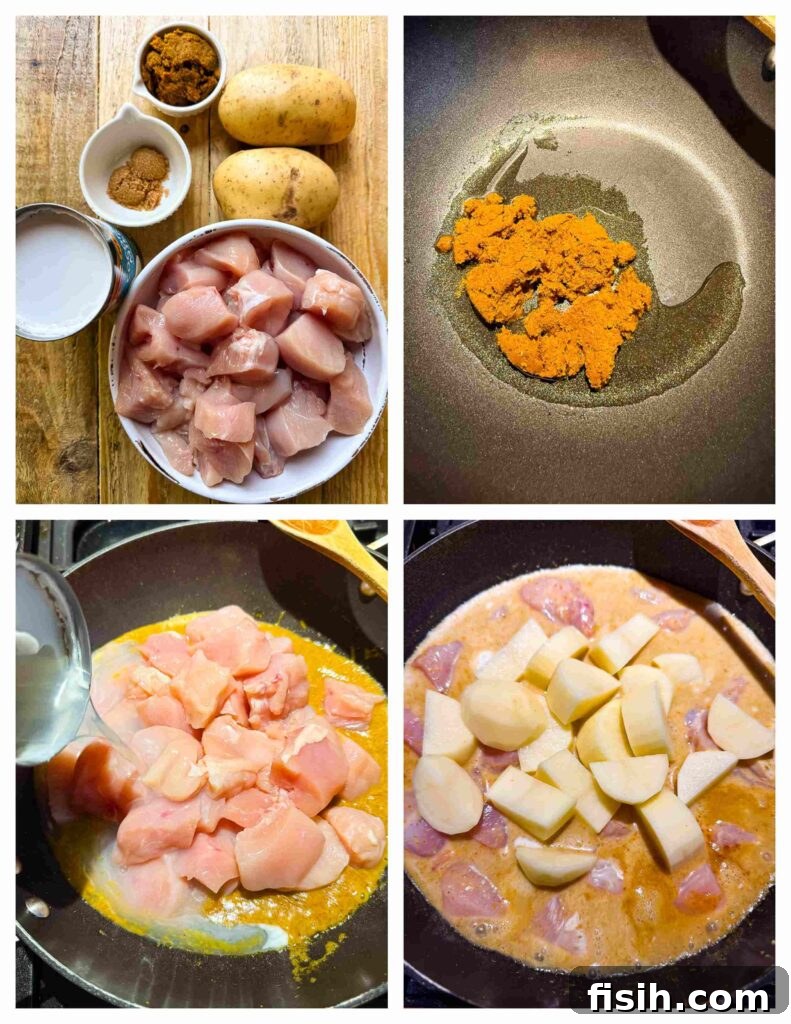
- To enhance the depth of flavor, take the time to stir-fry your curry paste in oil for about a minute before adding the coconut milk. This process “blooms” the spices, releasing their full aroma and creating a richer, more complex base for your curry.
- Don’t rush the simmering process. Allow the curry to gently simmer until the potatoes are fork-tender and the chicken is thoroughly cooked through. This also gives the flavors time to meld beautifully.
Elevate Your Meal: Delicious Serving Suggestions
Transform your weekly dinner into a delightful “fakeout” night with a spread of Thai delights alongside your Yellow Chicken and Potato Curry. Here’s a menu designed to impress and satisfy:
Exquisite Starters
Thai Green Papaya Salad (Som Tam). No Thai meal feels complete without this vibrant and refreshing salad! It’s an unexpectedly delicious combination of unripe green papaya, crisp green beans, and sweet cherry tomatoes, all tossed with crunchy peanuts and drenched in a zesty, sprightly dressing. Its bright, tangy flavors provide a wonderful contrast to the richness of the curry.
Thai Fish Cakes. Forget the ordinary; these are my supersize take on the beloved classic deep-fried street food, tod mun pla. Crafted with fresh salmon and infused with fragrant Asian aromatics, these fish cakes are satisfyingly meaty and uniquely potato-free, offering a perfect chewy texture and savory flavor.
Creating a Thai Feast: Complementary Mains
Why stop at just one main course when you can create an authentic Thai feast? To offer a delightful contrast to the mild and creamy chicken and potato curry, consider adding another dimension of flavor to your table. A fiery red fish curry could provide a thrilling kick, or a hearty, meat-free green curry, packed with fresh vegetables, makes for a vibrant and lighter option.
And, of course, no Thai curry is complete without the perfect rice. Depending on the region in Thailand, you’ll typically be served either fragrant jasmine rice or sticky rice (khao niew). Jasmine rice is known for its delicate aroma, fluffy texture, and brilliant white grains, making it a popular choice. Sticky rice, on the other hand, is glutinous, wonderfully chewy, and possesses an almost iridescent sheen. While both are traditional, I personally lean towards the lighter, more aromatic jasmine rice as an ideal accompaniment to curry.
If you’re looking to elevate your rice beyond plain white, consider these delicious options: a hands-off instant pot coconut rice, which infuses every grain with sweet, tropical notes, or a bright and zesty cilantro lime rice, offering a refreshing counterpoint to the rich curry.
Storage and Leftovers: Enjoying Your Curry Later
One of the many joys of cooking curry is how wonderfully it tastes the next day. Leftover chicken and potato curry will keep beautifully in the refrigerator when stored in an airtight container for 3-4 days. In fact, like many curries, the flavors tend to develop and deepen over time, meaning it often tastes even more delicious on Day 2 or Day 3 than it did when first prepared.
However, when it comes to storing leftover rice, opinions can vary quite significantly. The U.S. Food and Drug Administration (FDA) generally suggests that cooked rice can be safely stored in the fridge for 3-4 days. In contrast, the UK Food Standards Agency advises a stricter guideline of only one day. Aligning with the more cautious approach, I personally prefer to cook a fresh batch of rice if more than 24 hours have passed since the original batch was made, just to be on the safe side.
More Delicious Curry Recipes to Explore
- Chicken Korma
- Butter Salmon Curry
- Sweet Potato and Lentil Curry
- Beef Short Rib Massaman Curry
Yellow Chicken Curry
By Julia Frey of Vikalinka
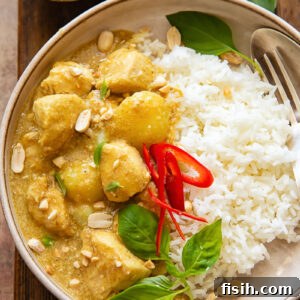
Sweet with coconut milk, familiar with soft potatoes and topped with crunchy peanuts, this curry is a soft intro to fiery Thai food.
Ingredients
- 3 tbsp Thai yellow curry paste
- 1 tbsp vegetable oil
- 400ml / 14 oz coconut milk
- 1kg / 2 lbs chicken breasts, cubed or skinless boneless chicken thighs
- 2 medium potatoes, peeled and cubed
- 2 tsp brown sugar, or cane sugar
- 4-5 Thai basil leaves, optional
- 2 tbsp peanuts, chopped
Instructions
- Heat the oil in a large pan and add the yellow curry paste. Stir-fry for about 1 minute until soft and fragrant. Then pour in the coconut milk and bring to a simmer.
- Add the cubed chicken and potatoes. Continue simmering the curry for 15-20 minutes, or until both the chicken and potatoes are fully cooked and the sauce has thickened to your liking. Stir in the sugar and remove from heat.
- Serve immediately with jasmine rice and garnish with fresh Thai basil leaves and chopped peanuts.
Notes
- Unlike the spicier red and green varieties, yellow curry gets its beautiful golden hue from turmeric rather than heat-packed chilies.
- For this curry with potatoes, both chicken breast and thighs work well. I lean towards boneless, skinless thighs myself since they stay moist and tender.
- Note that previously frozen chicken will release extra moisture as it cooks, which means your sauce will need additional time to reach the right consistency.
- Mae Ploy Thai yellow curry paste is my go-to brand for this recipe, and I use 3 tablespoons. Since it’s imported directly from Thailand, the flavor profile is reliably authentic.
- Keep in mind that different curry paste brands vary in intensity, so you may need to adjust the amount to match your preferred taste.
Nutrition
Nutrition information is automatically calculated, so should only be used as an approximation.
Tried this recipe?Let us know how it was!