
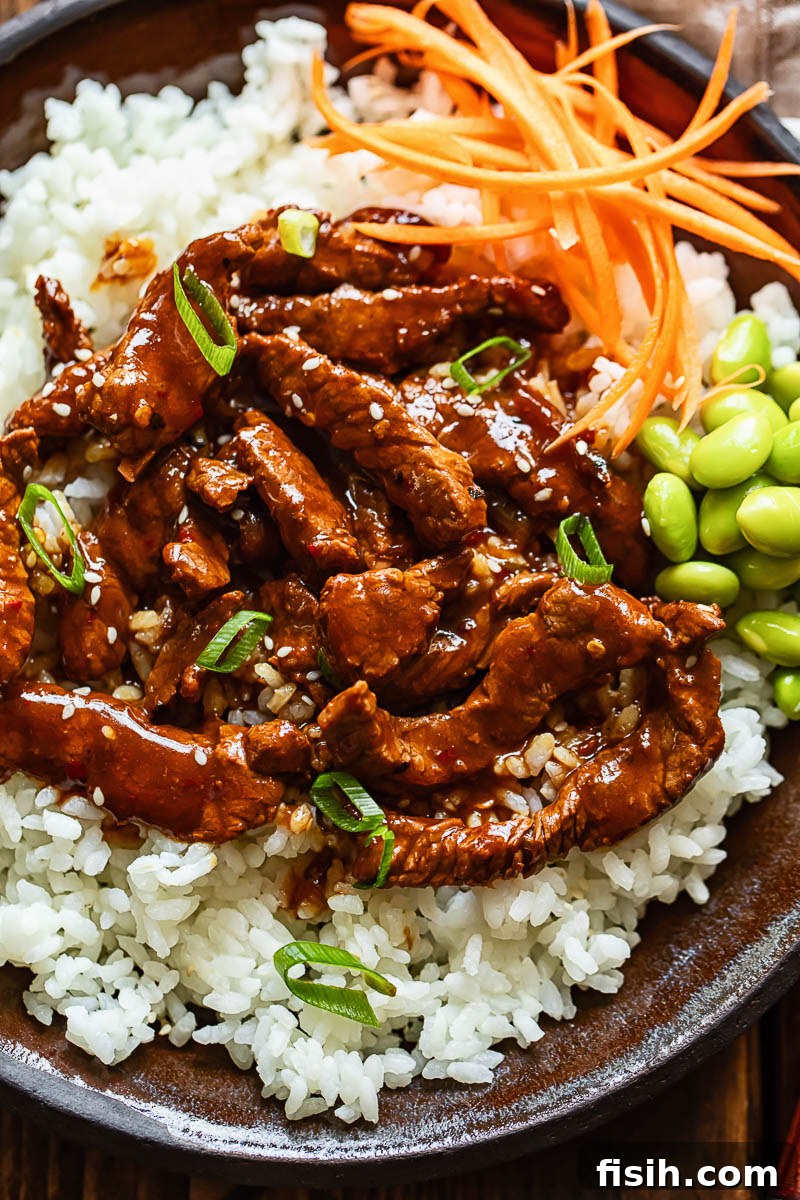
Imagine succulent strips of beef, masterfully marinated to achieve that perfect balance of sweet and savory, then quickly stir-fried to tender perfection alongside crisp green onions and a hint of aromatic sesame oil. This homemade beef teriyaki isn’t just a meal; it’s an experience that far surpasses your typical takeout, and it comes together faster than any delivery service could manage. So, what are you waiting for? Let’s get cooking!
The beauty of teriyaki lies in its versatile flavor profile. If red meat isn’t your preference, don’t fret! These delightful flavors translate beautifully to other proteins. For instance, our Teriyaki Salmon and Bok Choy recipe offers a fantastic alternative, proving just how adaptable this beloved Japanese sauce can be.
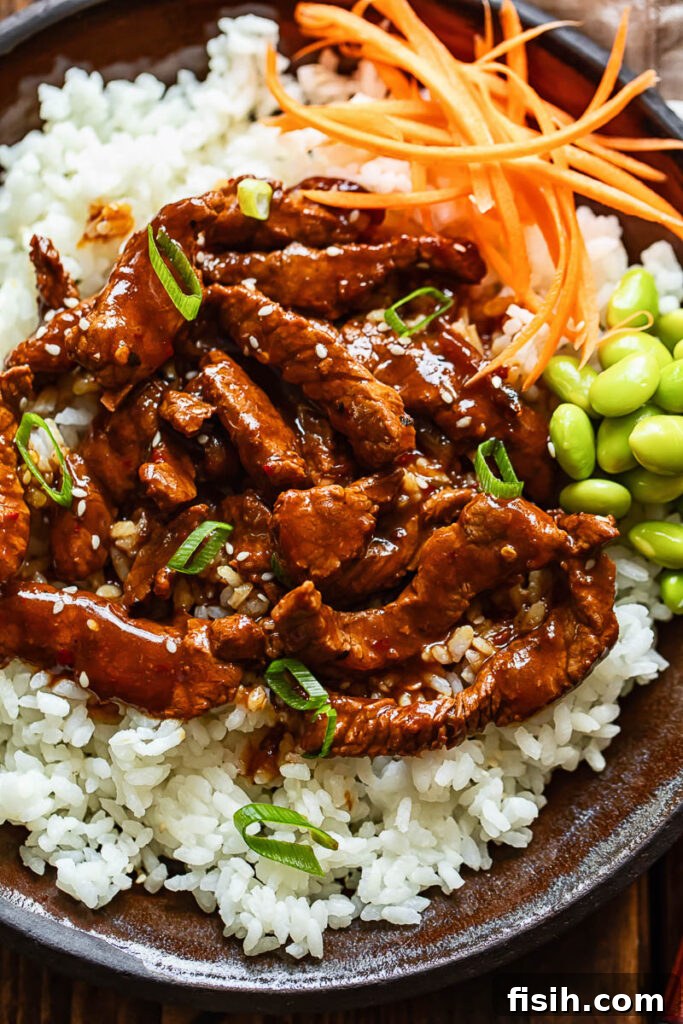
Recently, a compelling statistic caught my eye: nearly half (49%) of Brits order takeaway up to four times a week! This astounding figure, reported by Ninja UK, reinvigorated my personal culinary mission to revolutionize takeout at home. This project began way back in 2012 with a simple yet satisfying Shrimp Stir Fry, and it continues to evolve with exciting new dishes.
Like many families, we adore the convenience and comfort of a good takeaway. However, the financial strain of this weekly indulgence (and no, we’re not part of that 49%!) has become increasingly unsustainable in the current economic climate. Beyond the cost, mass-produced takeaway food isn’t exactly renowned for its health benefits or transparent ingredient lists.
Armed with years of firsthand dining experience and my trusty wok, I was convinced I could successfully recreate many of our cherished takeaway favorites right in our own kitchen. The goal was twofold: drastically cut down on costs and eliminate any questionable additives or excessive fats often found in commercial versions. The journey has been incredibly rewarding, bringing delicious, healthier meals to our table.
The latest triumph on our ever-expanding “fakeout” menu is this incredibly flavorful teriyaki beef stir-fry. It proudly joins other popular dishes like our Mongolian Beef, a quick and easy Shrimp Chow Mein, and the ever-popular Salt and Pepper Shrimp. We’re always eager to expand our repertoire, so feel free to send in your requests for future fakeout recipes!
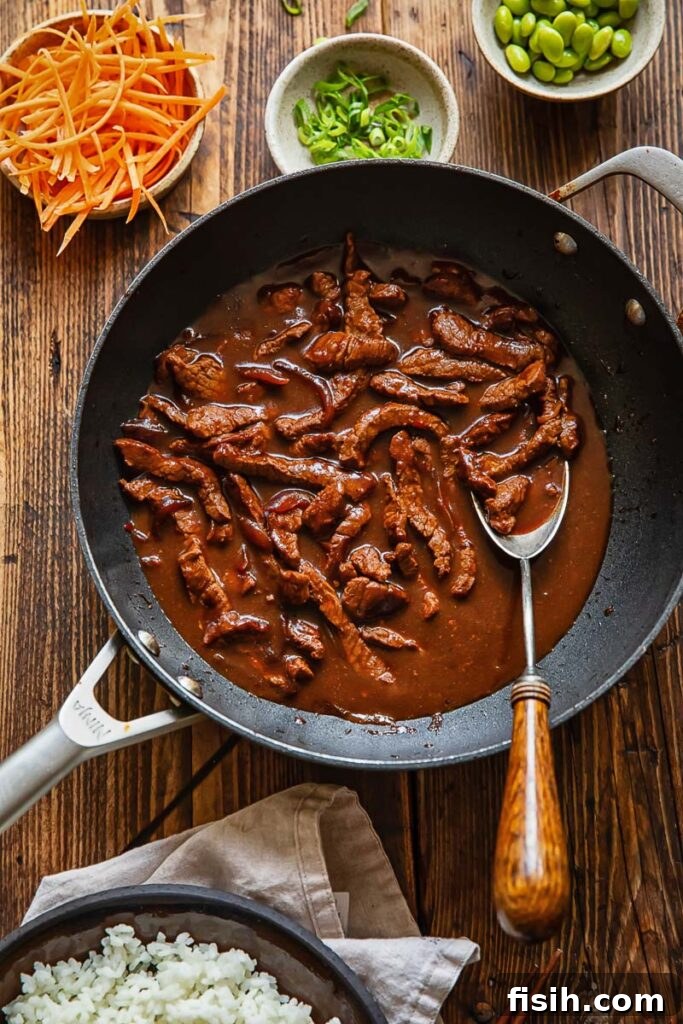
The Art of the Beef Stir-Fry: Achieving Perfect Tenderness
While I enjoy experimenting with various proteins, beef undoubtedly holds a special place as my favorite for stir-frying. It’s the delightful texture – incredibly soft and juicy – that truly elevates the dish. However, achieving this perfect texture isn’t just luck; it largely depends on the cut of beef you select and, crucially, the marination process, which we’ll delve into shortly.
For this Japanese-inspired cooking method, I highly recommend using beef steak. Cuts like sirloin, flank, or even rib-eye are ideal because they are naturally tender and cook very quickly. These characteristics are precisely what you need for a successful stir-fry, where speed and high heat are key.
You don’t necessarily need to splurge on the most expensive cuts. Opt for what best suits your budget, but exercise caution when choosing cheaper options. Some cuts, while excellent for slow roasting or braising, can become tough and dry when subjected to the rapid, high-heat cooking of a stir-fry. Look for cuts with good marbling and a fine grain for the best results.
Once you’ve selected your steak, the next critical step is to slice it correctly. Cut the beef into thin, bite-sized strips, ensuring they are uniform in size. This seemingly simple step accomplishes two vital things:
- Firstly, it significantly increases the surface area of the meat, allowing it to absorb more of that delicious marinade, infusing it with maximum flavor.
- Secondly, thin, uniform strips ensure that the beef cooks quickly and evenly in the searing heat of the wok, preventing some pieces from overcooking while others remain underdone.
When you’re ready to use your wok, approaching the stir-fry in distinct stages is crucial for optimal results. This method helps build layers of flavor and ensures each component is cooked perfectly:
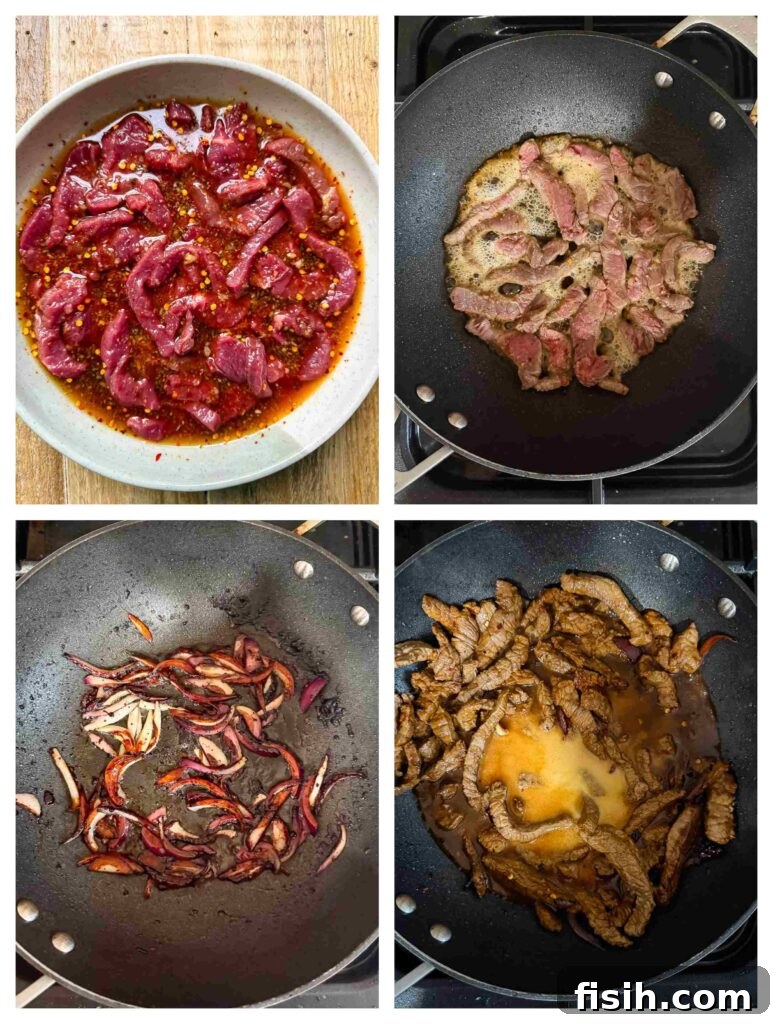
- **Brown the meat first:** Quickly sear the marinated beef strips in batches until nicely browned on the outside. Then, remove them from the wok and set aside.
- **Sauté the aromatics and vegetables:** Next, add your red onions (and any other desired quick-cooking vegetables) to the wok and sauté until they are fragrant and slightly tender-crisp.
- **Reintroduce the beef and create the sauce:** Bring the seared beef back into the wok. Pour in the reserved marinade, beef stock, and the cornstarch slurry. Stir continuously until the sauce thickens to a glossy consistency.
- **Finish with flavor:** Just before serving, stir in the vibrant green onions and a drizzle of sesame oil for a final touch of aroma and freshness.
Browning the beef is more than just a cosmetic step; it’s essential for sealing in the meat’s natural moisture, which keeps it tender and juicy. It also contributes to a subtle, desirable caramelization, adding depth to the overall flavor. The key here is not to overcrowd your pan. Cook the beef in small batches to ensure consistent, high heat and proper searing. If you add too much beef at once, the temperature of the pan will drop, causing the meat to steam rather than fry.
Steaming the beef will result in limp, soggy strips lacking in flavor and texture. Frying, on the other hand, allows the outside to develop a slight “al dente” crispness while the interior remains wonderfully soft and perfectly cooked, creating a delightful contrast with every bite.
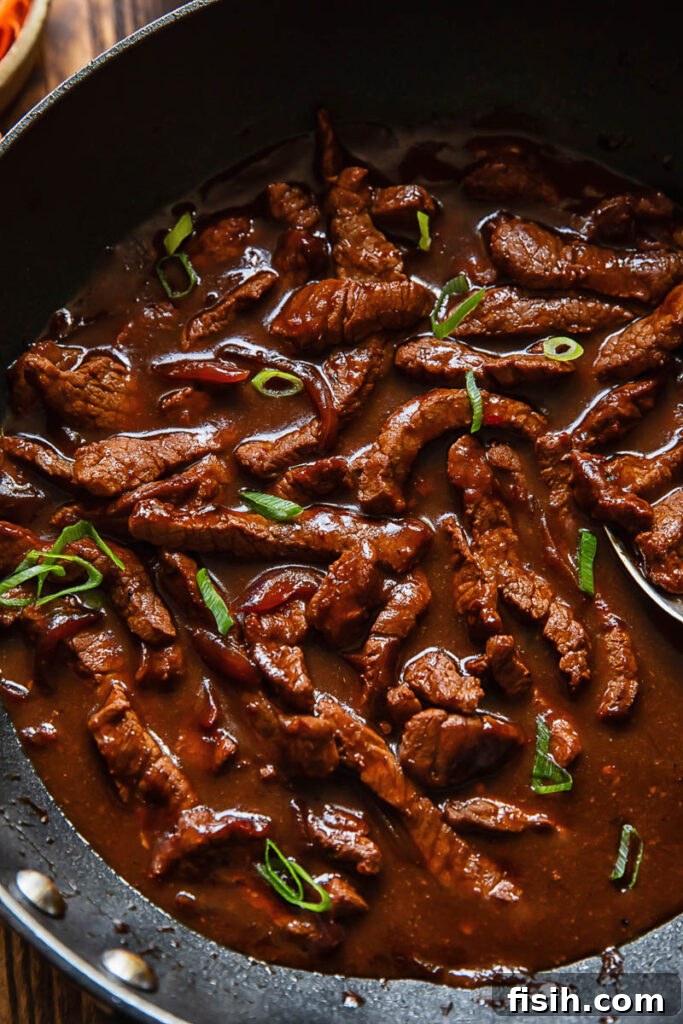
Crafting the Irresistible Teriyaki Marinade: Sweet, Salty, and Shiny
The very word “teriyaki” offers a delightful hint about the dish’s essence. It’s traditionally broken down into two Japanese words: “teri,” meaning “shine” or “lustre,” and “yaki,” referring to “grilling” or “broiling.” While our preparation method here is a stir-fry rather than grilling, rest assured, this dish will certainly embody that characteristic “shine” and rich, glossy appeal. The marinade is the heart and soul of this dish, responsible for both its captivating flavor and its beautiful appearance.
A truly authentic and delicious teriyaki marinade recipe hinges on a few cornerstone ingredients that create that unmistakable sweet and salty submission. These typically include soy sauce for its deep umami and saltiness, mirin (a sweet rice wine) for its subtle sweetness and glossy finish, and a form of sugar (in my recipe, I prefer honey for its nuanced flavor). It is this precise combination that bestows upon the dish its appealing gleam and tantalizingly balanced sweet and savory profile.
To further enhance the depth and complexity of the marinade, various aromatics are added. I’ve opted for the classic combination of fresh ginger and garlic, which provide a warm, pungent backbone. A generous pinch of chili flakes adds a delightful hint of heat, perfectly complementing the sweetness and cutting through the richness of the beef.
While it might be tempting to rush the marinating process, this is where the true magic happens. I strongly advocate for starting the marinade a day in advance, allowing the beef to luxuriate in the flavorful mixture overnight in the fridge. You might think marinating solely serves to impart flavor into the meat, but there’s a crucial additional benefit, especially when working with beef.
The mirin, along with the rice vinegar present in our teriyaki marinade, contains acidic properties. These acids play a vital role in tenderizing the beef by gently breaking down the tougher muscle fibers. Simultaneously, the marinade works to trap in the beef’s natural juiciness, ensuring that each strip remains moist and succulent during the high-heat cooking process. Therefore, the longer you allow the beef to marinate – ideally overnight – the more likely you are to achieve mouthfuls of dreamily soft, exquisitely tender beef, bursting with rich, complex sauce.
Expert Recipe Tips for Perfect Teriyaki
- **Maximize Flavor with Time:** The secret to an exceptionally flavorful and tender beef teriyaki is ample marinating time. In this recipe, I recommend marinating the beef overnight for optimal flavor penetration and texture. If your schedule is tight, ensure a minimum of one hour of marination to still achieve noticeable results.
- **Safe and Savory Sauce:** The marinade is not only for tenderizing the beef but also forms the base of your delicious sauce! Yes, it is perfectly safe to use the marinade after it has had raw beef in it. The key is to ensure that when cooking, the liquid reaches a full rolling boil and then simmers for at least five minutes. This critical step effectively destroys any potential bacteria, making it safe and delicious.
- **The Golden Rule of Stir-Frying: Mise en Place:** The most indispensable tip for any stir-fry recipe is to practice “mise en place” – have all your ingredients prepared and within easy reach of your wok before you even begin cooking. This means all vegetables chopped, sauces mixed, and beef marinated and ready to go. Stir-frying is a rapid process, and you won’t have time to chop or measure once the heat is on.
- **Embrace High Heat:** Teriyaki dishes are traditionally grilled or broiled, which imparts a wonderful char and caramelization. Replicate this effect in your stir-fry by setting your heat to high. This high temperature is essential for searing the beef quickly and developing that desirable slight char and smoky flavor without overcooking the interior.
- **Versatility is Key: Protein Substitutions:** While beef is fantastic, teriyaki flavors are incredibly versatile. Feel free to substitute the beef with other proteins such as flaky salmon, rich duck, savory Teriyaki Meatballs, or tender Teriyaki Chicken. Adjust cooking times as necessary for different proteins.
- **Boost Your Veggie Content:** I’ve kept it simple with onions in this recipe, but you can easily elevate the nutritional content and add vibrant colors by incorporating a variety of vegetables.
- **Choose Wisely, Prep Smartly:** When adding extra vegetables, select those that cook quickly, such as bell peppers, snow peas, or zucchini (courgette). For sturdier vegetables like carrots or broccoli, it’s best to blanch or steam them briefly first to soften them slightly before adding them to the stir-fry. This ensures they cook evenly and maintain a pleasant, tender-crisp texture in the final dish.
Delightful Serving Suggestions for Your Beef Teriyaki
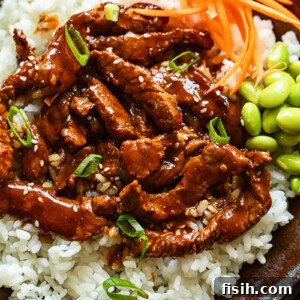
With a hands-on cooking time of just 15 minutes for the main event, the thought of adding elaborate starters and sides might seem daunting. However, complementing your flavorful beef teriyaki is easier than you think! Here are a few low-demand ideas that can be prepped in advance or require minimal last-minute effort, ensuring a complete and satisfying meal:
- **Fluffy White Rice:** The quintessential accompaniment. Cook a batch of plain white rice just before you fire up your wok. Once cooked, simply cover it with a cloth to keep it warm and fluffy until you’re ready to serve. For an extra touch of flavor and convenience, consider making Coconut Rice, which can be prepared in an Instant Pot and held warm until needed.
- **Simple Egg Noodles:** Another classic pairing. Egg noodles can boil briefly in a pot on the back burner while you focus on the stir-fry, requiring very little attention. If you’re feeling ambitious and can manage two woks simultaneously, our Miso Noodles with Tenderstem Broccoli offers a fantastic all-in-one side, combining both noodles and greens.
- **Roasted Miso-Glazed Vegetables:** At my table, vegetables are non-negotiable! For a truly hands-off side, try either of these oven-prepared miso-glazed recipes: silky Miso Eggplant/Aubergine or sweet and savory Miso Roasted Carrots. These can be roasted in the oven while you prepare the stir-fry, ready to serve as soon as your main dish is complete.
Storage and Leftovers: Flavor That Gets Better with Time
Stir-fries are truly a gift when it comes to leftovers! The reason lies in all those punchy aromatics – the garlic, ginger, chili, and soy sauce – that get extra time to meld, deepen, and settle into the meat and vegetables. This means that a day or two after cooking, the flavors often become even more robust and harmonious, making for an even more delicious second meal.
To store your homemade teriyaki beef stir-fry, simply transfer it to an airtight container. It will keep beautifully in the refrigerator for up to 4 days. When you’re ready to enjoy it again, reheating is straightforward. You can gently warm it on the stovetop over medium heat until heated through, or use the microwave for quick convenience (typically about 90 seconds, stirring halfway, until piping hot). Reheat any accompanying rice or noodles separately for the best texture.
More Delicious Asian-Inspired Recipes to Try
- Shrimp Fried Rice
- Singapore Noodles
- Beef Short Rib Massaman Curry
- Quick Gochujang Noodles with Beef
Beef Teriyaki
Julia Frey of Vikalinka
10 mins
15 mins
1 hr 25 mins
4 people
Equipment
-
Carbon steel wok
Ingredients
For the marinade
- 4 tbsp mirin
- 4 tbsp soy sauce, I use Kikkoman
- 4 tbsp rice vinegar
- 2 tsp fresh grated ginger
- 2 cloves garlic, pressed
- 1/2 tsp red chilli flakes
- 1 tbsp honey, or 2 tsp sugar
For the teriyaki beef stir fry
- 500g / 1 lb beef steak, cut into thin strips
- 2 tbsp vegetable oil
- 4 green onions, sliced
- 1 small red onion, sliced
- 2 tsp sesame oil
- 125ml / 1/2 cup beef stock
- 2 tsp corn starch, diluted in a little water
Instructions
-
The night before, prepare the marinade by combining mirin, soy sauce, rice vinegar, fresh grated ginger, pressed garlic, red chilli flakes, and honey in a wide, shallow bowl. Add the beef strips, mix thoroughly to coat, then cover with plastic wrap and refrigerate until the next day. For those desperately short on time, marinate the beef for at least one hour.
-
Before you begin cooking the stir-fry, ensure all your vegetables are washed, cut, and sliced, and have them ready to go (mise en place).
-
Heat a large pan or a wok over medium-high heat, then add the vegetable oil. Remove the beef from the marinade (reserving the marinade, you should have approximately ⅔ cup / 175 ml) and brown it over high heat for 1-2 minutes on each side. Work in batches to avoid overcrowding the pan, which would cause the beef to steam instead of sear. Once seared, transfer the browned beef to a clean bowl and set it aside.
-
In the same pan, add the sliced red onion and stir-fry over high heat for about 3 minutes until it has developed a bit of color but still retains some crunch.
-
Return the beef to the pan along with the reserved marinade and beef stock. Bring the mixture to a gentle simmer. Next, add the cornstarch diluted in water and stir continuously until the sauce thickens to a glossy consistency. Continue simmering for 5 minutes. Finally, stir in the sesame oil and most of the sliced green onions, combining well. Remove from the heat immediately. Serve hot, garnished with a sprinkle of sesame seeds and accompanied by sticky white rice or noodles.
Nutrition
Carbohydrates: 18g |
Protein: 28g |
Fat: 20g |
Saturated Fat: 8g |
Polyunsaturated Fat: 2g |
Monounsaturated Fat: 9g |
Cholesterol: 76mg |
Sodium: 1271mg |
Potassium: 523mg |
Fiber: 1g |
Sugar: 10g |
Vitamin A: 213IU |
Vitamin C: 5mg |
Calcium: 35mg |
Iron: 3mg
Nutrition information is automatically calculated, so should only be used as an approximation.