
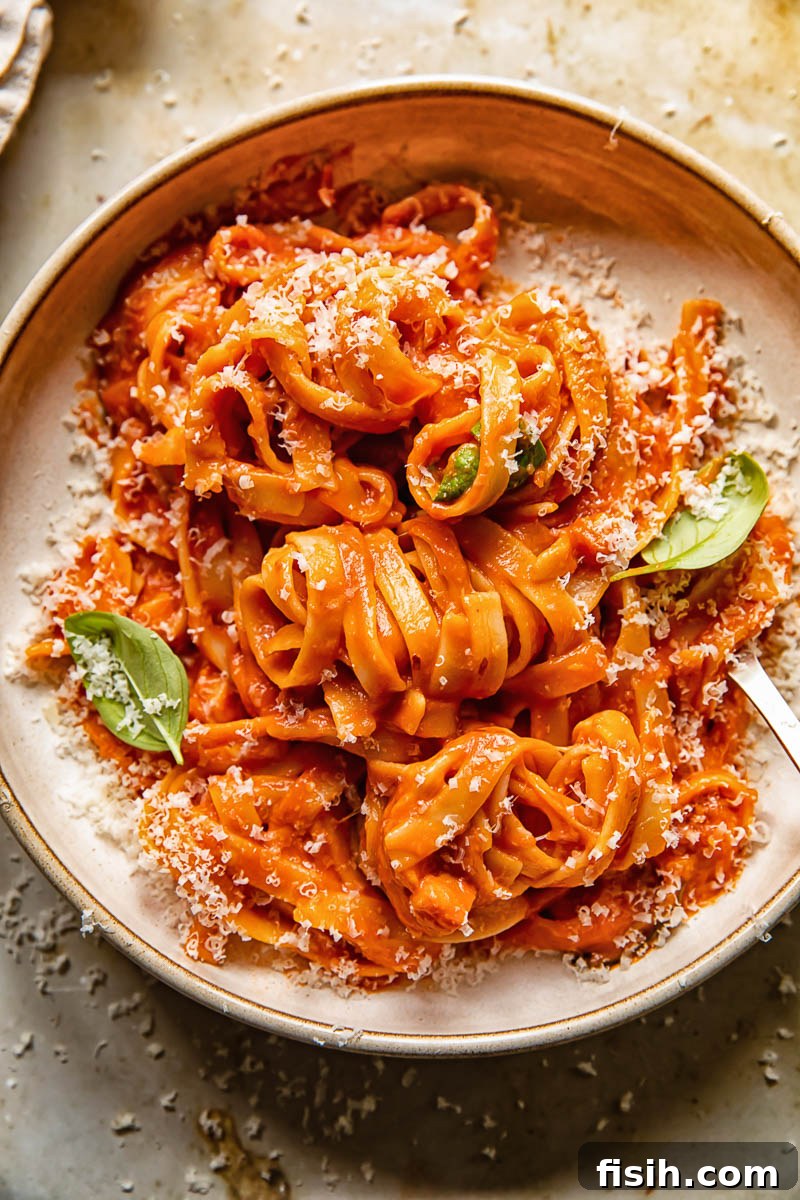
Welcome to a culinary journey that brings the heart of Italy straight to your kitchen table. This **Italian Tagliatelle with Pancetta, Basil, and Mozzarella** in a luscious, simple tomato sauce is more than just a quick meal; it’s a vibrant expression of Italian tradition, designed to bring gourmet flavor to your busiest weeknights. Crafted for efficiency without compromising on taste, this pasta dish can be on your table in just 20 minutes, offering a delightful escape to the Mediterranean with every forkful. For a perfect accompaniment, consider serving this exquisite pasta with our refreshing Tuscan Panzanella Salad, a vibrant mix of ripe tomatoes, crisp bread, and fresh basil that complements the rich pasta beautifully. If you’re looking for a slightly different creamy pasta experience, explore our equally delightful Creamy Pasta with Pancetta and Peas.
The Essence of Quick Italian Cooking
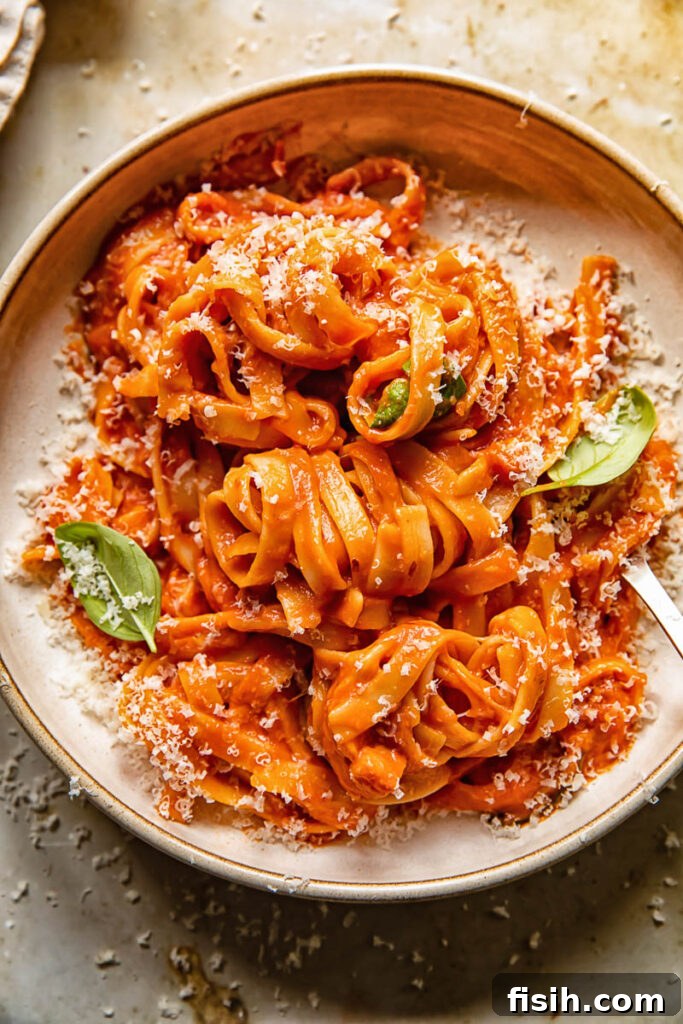
In the culinary world, one can truly never have too many simple pasta recipes, especially when they deliver such extraordinary results in minimal time. This Tagliatelle with Pancetta, Basil, and Mozzarella is a testament to that philosophy. Imagine a dish that requires only 20 minutes from start to finish, yet tastes as though it simmered for hours. The secret lies in its perfectly balanced, deeply flavorful yet incredibly simple sauce. Crisp, savory pancetta provides a rich foundation, while fresh basil infuses aromatic notes, and creamy mozzarella melts into silken ribbons, binding everything together in a vibrant, rich tomato embrace. It’s a combination that truly embodies culinary perfection and can be mastered by even novice cooks.
The inspiration for this particular recipe stems directly from Italy, observed firsthand through the effortless preparation by a local friend. Italian cooking philosophy, at its core, champions the quality of ingredients over the complexity of the cooking process. This tagliatelle dish perfectly encapsulates this belief. By focusing on a few beautiful, high-quality components – premium pasta, fresh tomatoes, savory pancetta, fragrant basil, and rich mozzarella – stellar results are achieved. The sauce, while simple, is robust and satisfying, showcasing how humble ingredients can transform into something truly magnificent. For those eager to delve deeper into the nuances of crafting the perfect tomato sauce, our recipe for Homemade Tomato Basil Spaghetti Sauce offers more detailed insights and techniques.

What is Tagliatelle? A Pasta Primer
If you’ve ever wondered about the origins and characteristics of tagliatelle, you’ll be delighted to know it shares a close kinship with another popular pasta shape: fettuccine. While both are broad, flat pasta ribbons, their names typically hail from different Italian regions – tagliatelle from Emilia-Romagna and Marche, and fettuccine predominantly from Lazio (Rome). Despite their regional distinctions, they are virtually interchangeable in most recipes. The most common difference you might observe is that tagliatelle often comes bundled in small nests, while fettuccine is usually sold in straight strands. This aesthetic variation, however, does not affect their culinary application, making them perfect substitutes for one another.
Tagliatelle is a traditional pasta shape, celebrated for generations across Italy for its remarkable ability to capture and hold rich, robust sauces. Its long, flat surface provides an ideal canvas for thicker, heartier preparations, much like a classic ragu or the creamy, tomato-rich sauce featured in this recipe. The wider noodle ensures that every strand is coated generously, delivering a full burst of flavor with each bite. For another beloved example of this pasta’s versatility, consider my personal favorite, a creamy tagliatelle pasta recipe with bacon, portobello mushrooms, and truffle oil. Its substantial texture makes it incredibly satisfying and a perfect foundation for a truly comforting meal. Understanding the nuances of pasta shapes, from delicate angel hair to robust tagliatelle, is key to elevating your home cooking. High-quality homemade fresh pasta also provides an unparalleled experience, offering a superior texture and taste that truly shines in simple preparations like this one.
Mastering Italian Pasta: Essential Tips and Notes
Crafting truly authentic Italian pasta dishes involves more than just following a recipe; it’s about understanding and applying a few fundamental principles. These tips will help you achieve restaurant-quality results in your home kitchen, ensuring your Tagliatelle with Pancetta, Basil, and Mozzarella is nothing short of spectacular.
Choosing Your Ingredients Wisely
- **Pancetta Perfection (or a Worthy Substitute):** While pancetta offers a distinct, delicately cured flavor that truly elevates this dish, don’t let its absence deter you. If authentic pancetta is hard to find, a good quality, thickly cut unsmoked bacon can serve as an excellent substitute. The key is to choose bacon that is cubed, not thinly sliced, allowing it to render its fat and achieve that desirable crispy texture, much like pancetta.
- **The Importance of Quality Pasta:** Not all pasta is created equal, and this can make a world of difference in your final dish. Always seek out pasta produced in Italy, or brands that explicitly state “100% durum semolina” or “100% durum wheat.” This type of pasta holds its shape better, cooks more evenly, and achieves the coveted al dente texture that is essential for Italian cuisine. Cheap, low-quality pasta can become mushy and lose its structural integrity, detracting from the overall experience.
- **Freshly Grated Cheese is Non-Negotiable:** Forget the pre-grated, powdery Parmesan. For an authentic and intensely flavorful experience, invest in real Parmesan cheese (Parmigiano-Reggiano) or Grana Padano. While a block of cheese may cost a bit more upfront, its superior flavor means you’ll need significantly less to achieve a profound impact on your dish. The aroma and nutty notes of freshly grated cheese are simply unparalleled, transforming a good pasta dish into a great one.
Cooking Pasta the Italian Way
- **The Salty Water Secret:** Always cook your pasta in a large pot of generously salted water. The water should be as salty as the sea, as this is the only opportunity to truly season the pasta from within. Unsalted water will yield bland, tasteless pasta, regardless of how flavorful your sauce is. Furthermore, ensuring a large volume of water allows the pasta to move freely, preventing sticking and ensuring even cooking.
- **Achieving Al Dente Perfection:** This is perhaps the most crucial rule of Italian pasta cooking. “Al dente” translates to “to the tooth,” meaning the pasta should be firm to the bite, with a slight resistance in the center, not soft or mushy like noodles in a soup. Cook your pasta one minute less than the package instructions suggest, as it will continue to cook slightly when combined with the hot sauce. This ensures it retains its delightful chewiness.
- **The Unbreakable Rule: Marrying Pasta and Sauce:** In Italy, pasta is NEVER served by simply spooning sauce on top of plain pasta at the table. The magic happens when hot, al dente pasta is immediately drained and tossed directly into the hot sauce in the pan. Stir vigorously to ensure every strand is thoroughly coated. This process allows the pasta to absorb the sauce’s flavors, and the starches released from the pasta create a beautiful emulsification, thickening the sauce and binding everything together into a harmonious, flavorful whole. Do it the Italian way for truly exceptional results!
The Mozzarella Transformation
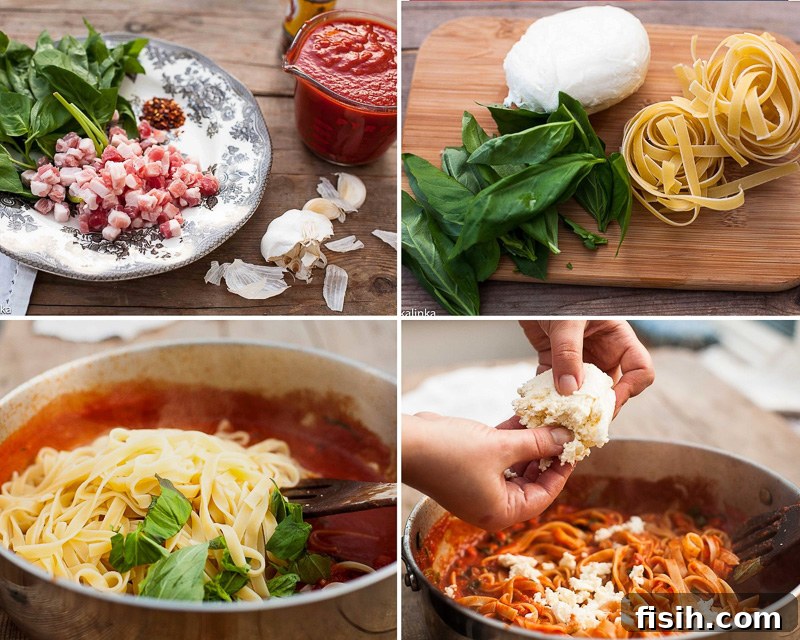
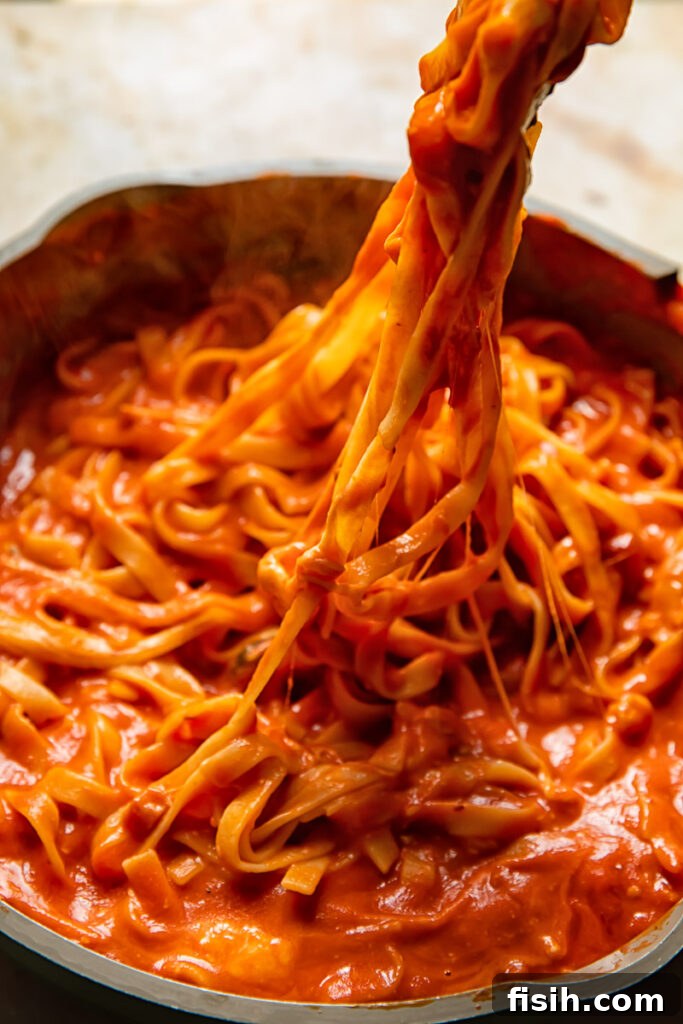
- **Integrating Fresh Mozzarella:** Once your al dente pasta is combined with the hot sauce, tear fresh mozzarella bits directly into the pan. Stir gently over low heat. You’ll notice the cheese immediately begin to melt, creating creamy, luscious ribbons throughout the sauce. Continue stirring until the cheese is mostly incorporated, and the sauce’s color shifts from a bright red to a softer, more inviting orange hue. Don’t worry if a few smaller pieces remain unmelted; they add a delightful texture. This step only takes a couple of minutes, so be quick to prevent overcooking the pasta.
Italian Food: A Healthy Perspective
- It’s a common misconception that Italian food is inherently high in calories, often perpetuated by renditions outside of Italy. The truth is, authentic Italian cooking emphasizes balance and high-quality, fresh ingredients in moderate portions. This recipe is a perfect example: it uses a mere 100g (1/2 cup) of pancetta and 125g (4 oz) of fresh mozzarella for an entire recipe that comfortably serves four people. This demonstrates that delicious, satisfying Italian meals can be wonderfully balanced and far from overly indulgent.
Perfect Pairings: Serving Suggestions
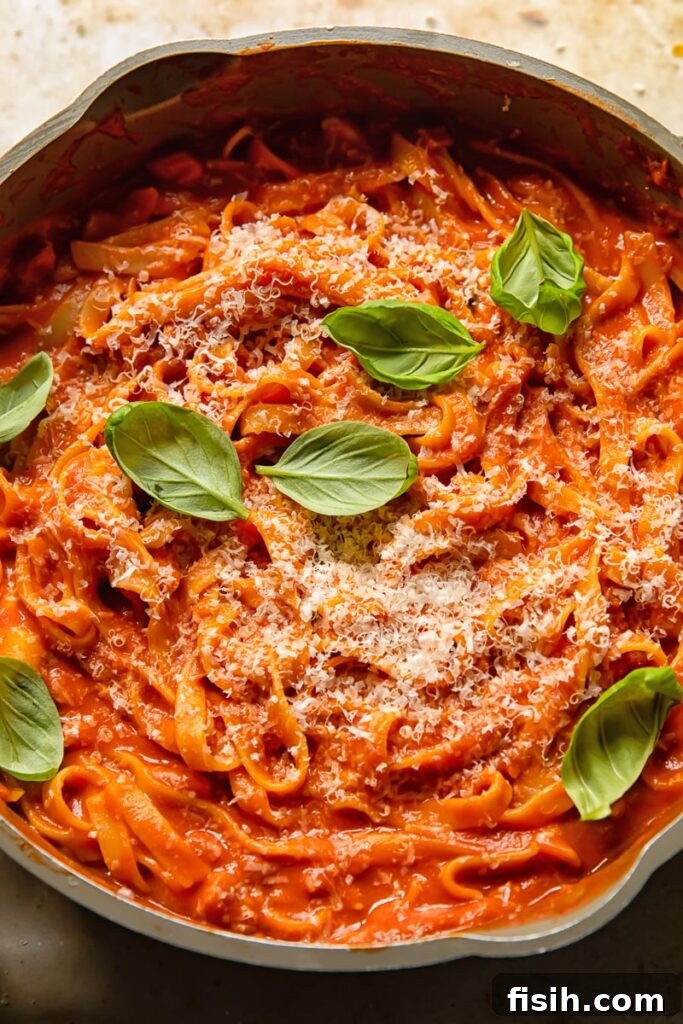
To fully appreciate the delightful flavors of this Tagliatelle with Pancetta, Basil, and Mozzarella, proper serving and thoughtful accompaniments are key. A freshly grated shower of Parmesan cheese over each serving is non-negotiable. Not only does it introduce a wonderful salty, nutty depth, but its complex umami notes also enhance and amplify the flavors of the entire dish.
For a quick and satisfying midweek meal, this pasta dish shines on its own, perhaps needing only a simple side garden salad or a vibrant Caprese Salad with ripe tomatoes, fresh mozzarella, and aromatic basil. A slice of good quality bread, such as a homemade focaccia, is also highly recommended for soaking up every last drop of the delicious sauce. Don’t forget to offer a small dish of premium olive oil and balsamic vinegar for dipping your bread, a quintessential Italian custom. Alternatively, crispy air fryer garlic bread makes an amazing and popular addition, providing a delightful crunch and pungent garlic flavor.
When you find yourself with a little more time and a desire to create a more elaborate Italian dining experience, this tagliatelle recipe can easily anchor a multi-course meal. Begin your dinner with my exquisite Bruschetta recipe, offering a trio of fresh, vibrant toppings that awaken the palate. For a flavorful and nutritious side dish, consider serving roasted Parmesan broccoli with sun-dried tomatoes and garlic chillies. Its savory notes and tender texture perfectly complement the richness of the pasta, completing a truly memorable Italian feast. And of course, a glass of a crisp white wine like Pinot Grigio or a light-bodied red like Chianti would perfectly round out this Mediterranean experience.
Storage and Leftovers: Best Practices
While we all strive for culinary perfection, sometimes leftovers are an unavoidable reality. However, when it comes to pasta, enjoying it fresh is almost always the ideal scenario. Even perfectly cooked al dente pasta has a tendency to soften and lose its ideal texture once refrigerated. The delicate chewiness often gives way to a slightly mushier consistency upon reheating, which can detract from the initial delight of the dish.
For this particular tagliatelle recipe, the fresh mozzarella incorporated into the sauce presents an additional challenge for leftovers. Once cooled, fresh mozzarella tends to harden and change its texture, losing its creamy, stretchy qualities. This is precisely why the recipe wisely uses a modest 250g (1/2 lb) of pasta, making it easier to consume the entire dish in one sitting and avoid compromises in quality. In general, freezing pasta is not recommended, as it can severely alter the pasta’s texture, often resulting in an overly soft or crumbly mouthfeel once thawed and reheated.
Despite these considerations, if you do find yourself with extra pasta, rest assured that it can be safely stored. Transfer any leftovers into an airtight container and refrigerate for up to three days. When it’s time to reheat, you have a couple of options: gently warm it in the microwave, stirring occasionally, or reheat it on the stovetop in a pan over low heat. To help refresh the pasta and prevent it from drying out, add a small splash of water or a bit of chicken or vegetable broth during reheating. This helps to rehydrate the sauce and revive some of the dish’s original appeal. Remember, wasting food is never an option in our kitchen, so even reheated, these leftovers can still offer a comforting and delicious meal.
More Simple Pasta Recipes for Your Repertoire
- Quick Roasted Cherry Tomato and Basil Pasta
- Sun-dried Tomato Pasta with Chicken
- Pasta with Smoked Salmon
- Tomato and Mascarpone Pasta Sauce
- Pasta e Piselli
★
★
★
★
Tagliatelle with Pancetta, Basil and Mozzarella
Ingredients
- 250g/8 oz tagliatelle or fettuccine
- 1 tbsp olive oil
- 5-6 leaves fresh basil , or 1 tsp dried basil
- 2 cloves garlic, minced
- 100g/1/2 cup pancetta, cubed (or unsmoked bacon, cubed not sliced)
- 1/4 tsp red chilli flakes, optional
- 500ml/2 cups Italian Passata, or canned crushed tomatoes
- salt and pepper to taste
- 125g/4 oz fresh mozzarella
- Parmesan cheese for serving
Instructions
-
Set a large pot filled with water and bring it to a boil. When it boils, add a good pinch of salt and the pasta. Cook for 1 minute less than your package suggests (cooking time typically varies between 7-10 minutes). Remember, the pasta will continue to cook slightly when combined with the hot sauce.
-
While your pasta is cooking, heat 1 tbsp of olive oil in a large pan over medium heat. Cook the cubed pancetta until it’s crispy and most of the fat has rendered. Add the minced garlic and a pinch of chilli flakes (if using) and cook for just 1 minute until fragrant. Then, stir in half of the fresh basil and the passata (or crushed tomatoes). Bring the sauce to a boil, then reduce the heat and let it simmer gently until the pasta is cooked.
-
Once your pasta is cooked al dente, drain it thoroughly. Immediately transfer the hot pasta into the pan with the simmering sauce, along with the remaining fresh basil leaves. I prefer to tear the basil leaves rather than slice them, as larger pieces release more aromatic oils.
-
Next, tear your fresh mozzarella ball with your hands directly into the pan with the pasta and sauce.
-
Gently stir the fresh mozzarella into your pasta over low heat until the cheese begins to melt and becomes stringy. This will only take a couple of minutes. Remove from the heat as soon as the mozzarella is mostly melted and incorporated into the sauce (it’s perfectly fine to have a few smaller unmelted pieces).
-
Serve immediately, topped with a generous sprinkle of freshly grated Parmesan cheese.
Notes
- Thickly cut, good quality unsmoked bacon can be used as a substitute for pancetta.
- For the best results, look for pasta made in Italy or pasta labeled as 100% durum semolina or 100% durum wheat. Always cook pasta in a large pot of generously salted water; this is essential for flavoring the pasta from within and ensuring it cooks properly without crowding.
- Always use real Parmesan cheese (Parmigiano-Reggiano) or Grana Padano and grate it yourself. While it costs more than pre-grated options, the intense flavor means you’ll use less for a superior taste.
- In Italy, pasta is always mixed with the hot sauce immediately after draining. This crucial step allows the pasta to absorb the sauce’s flavors and helps create a perfectly emulsified, cohesive dish.
- Cook pasta al dente, ensuring it has a slight firmness when bitten. Using high-quality Italian or durum pasta makes achieving this texture much easier.
- Add fresh mozzarella to the hot pasta and sauce, stirring until it begins to melt and blend, creating creamy ribbons. The sauce will change from a bright red to a more orange hue as the cheese incorporates.
Nutrition
Carbohydrates: 57g |
Protein: 21g |
Fat: 23g |
Saturated Fat: 9g |
Polyunsaturated Fat: 3g |
Monounsaturated Fat: 10g |
Trans Fat: 0.1g |
Cholesterol: 94mg |
Sodium: 703mg |
Potassium: 785mg |
Fiber: 5g |
Sugar: 8g |
Vitamin A: 967IU |
Vitamin C: 14mg |
Calcium: 208mg |
Iron: 4mg
Nutrition information is automatically calculated, so should only be used as an approximation.