
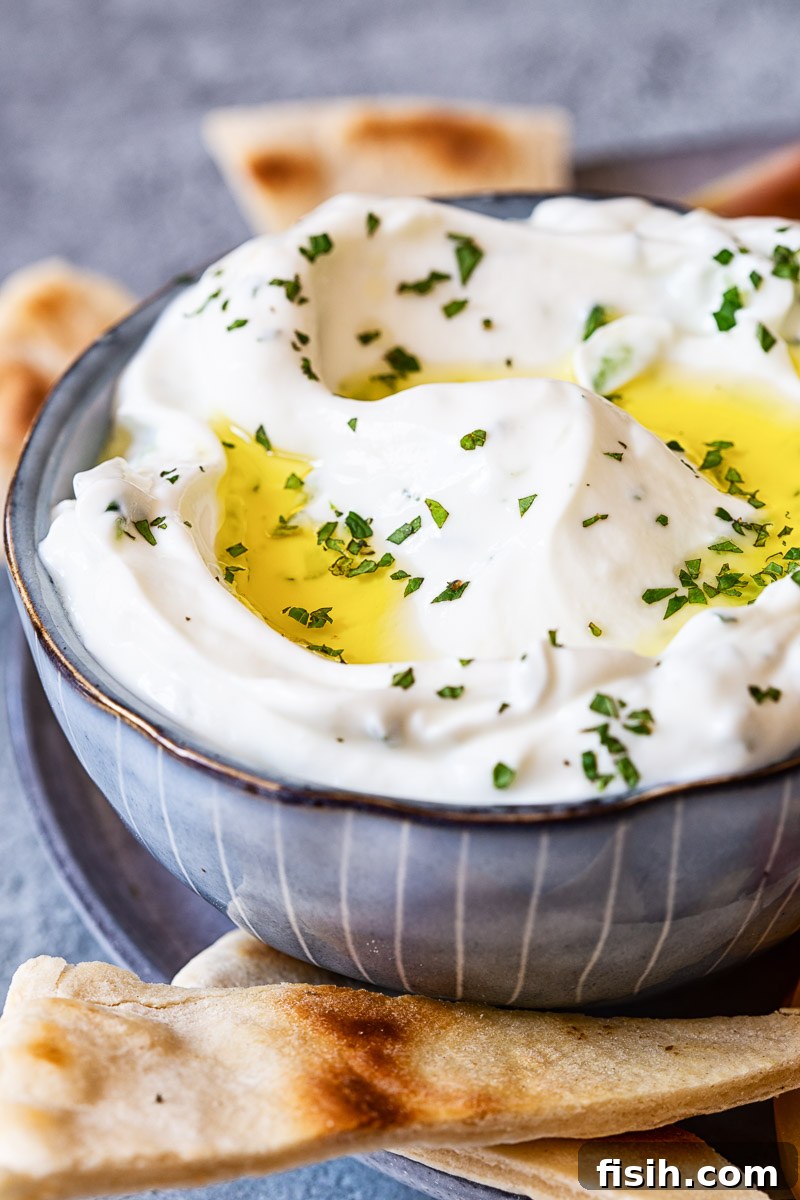
Greek Tzatziki: A Refreshing Homemade Delight for Every Occasion
Discover the unparalleled taste of freshly made Greek Tzatziki sauce, a vibrant and refreshing condiment that transforms any meal. Crafted with simple, wholesome ingredients like creamy Greek yogurt, crisp grated cucumber, pungent garlic, bright lemon juice, and aromatic mint, this dip is incredibly easy to prepare at home. While store-bought versions exist, nothing compares to the authentic flavor and silky texture of a homemade batch.
Tzatziki’s versatility makes it a kitchen essential. It’s the perfect companion for grilled meats, especially Chicken Souvlaki and savory Flatbread. But its uses extend far beyond, making it a staple for healthy snacking, mezze platters, and even as a light salad dressing. If you appreciate the fresh, bold flavors of Greek cuisine, then mastering this traditional dip is an excellent starting point, perhaps alongside an epic Moussaka.
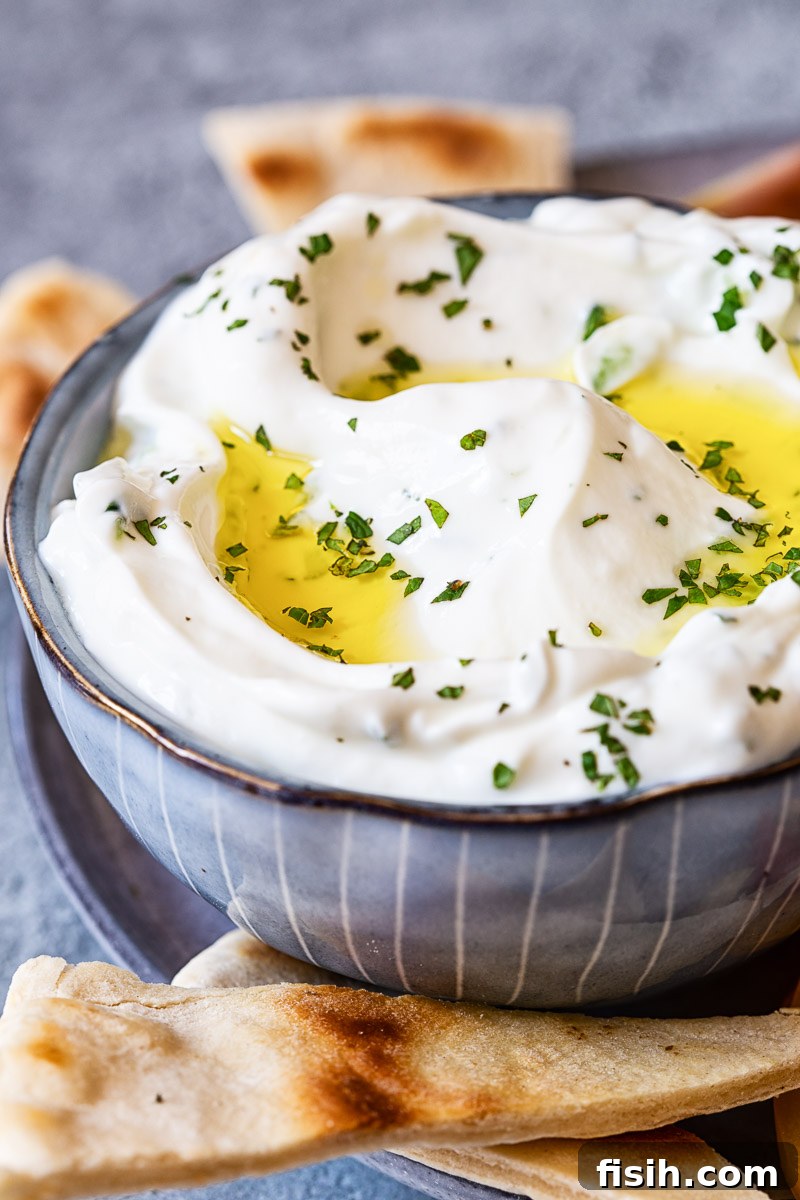
Why Homemade Tzatziki is Always Best
In the rush of modern life, convenience often leads us to rely on pre-packaged foods. While many supermarkets offer tzatziki, the homemade version stands in a league of its own. The difference lies in the unparalleled freshness of the ingredients and the absence of artificial preservatives or stabilizers often found in commercial products. When you make tzatziki from scratch, you control the quality and quantity of each component, ensuring a vibrant flavor profile and a smooth, creamy texture that simply cannot be replicated by mass production.
Homemade tzatziki allows you to adjust the garlic intensity, the tartness of the lemon, and the herbaceous notes of mint to perfectly suit your palate. This control over customization means you can craft a dip that is truly tailored to your preferences, making every spoonful a delightful experience. Moreover, the simple act of preparing it yourself brings a sense of satisfaction and a deeper connection to the food you consume, embodying the spirit of wholesome, home-cooked meals.
The Perfect Summer Companion and Healthy Snack
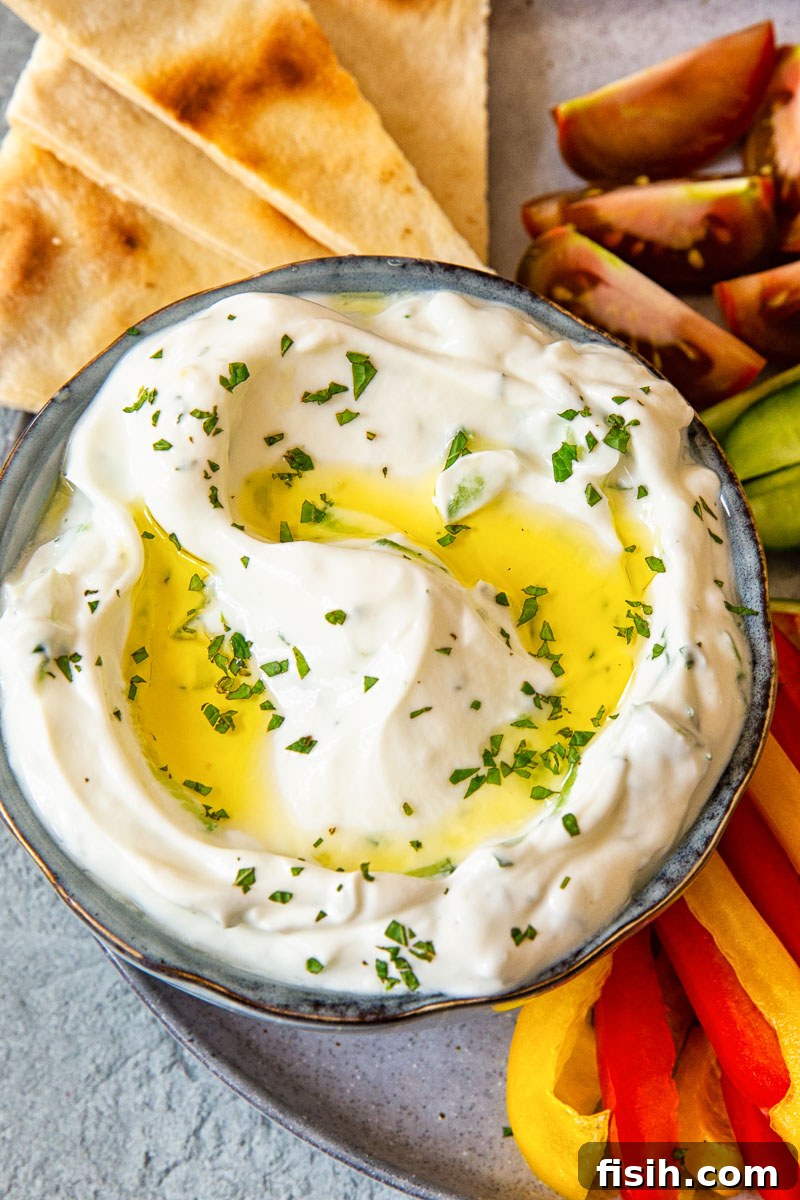
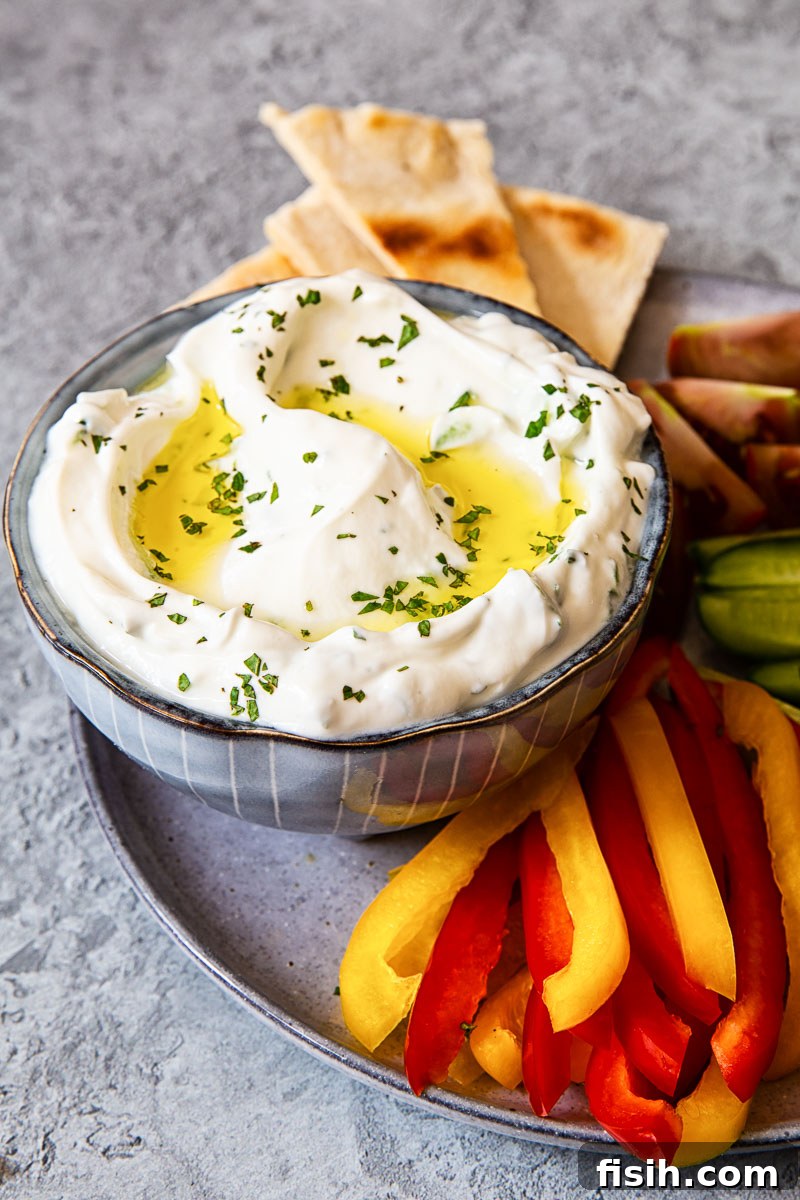
Summertime calls for light, refreshing dishes that require minimal time in a hot kitchen. Tzatziki perfectly fits this bill, offering a cool and invigorating escape from the heat. As a nutritious dip, it’s an excellent choice for families, especially for teenagers who need healthy, satisfying snacks to fuel their active lifestyles. Pairing tzatziki with an assortment of crisp, cut vegetables like bell peppers, carrot sticks, and cherry tomatoes transforms it into an irresistible and wholesome snack that kids and adults alike will adore.
Beyond tzatziki, other vibrant dips like Lemony Edamame and Butter Bean Hummus or Creamy Cilantro and Walnut Dip are fantastic options for keeping hunger at bay with delicious and nutrient-rich choices. Having a container of homemade tzatziki readily available in the fridge ensures that healthy snacking is always within reach, promoting well-being without compromising on taste.
A Culinary Journey: The Fascinating History of Tzatziki
Tzatziki is undeniably a cornerstone of Greek culinary identity, yet its origins tell a fascinating story that spans continents and centuries. While deeply ingrained in Greek tradition, historical research suggests that this garlicky yogurt and cucumber dip journeyed to Greece from India, traversing the vast expanse of the Ottoman Empire. Its distant predecessor is believed to be the cooling Indian raita, a yogurt-based accompaniment often served with fiery curries to provide a refreshing contrast.
Over time, as the concept traveled west, the recipe evolved, adapting to the local palates and available ingredients of the regions it encountered. In Greece, it transformed into the beloved tzatziki we cherish today, with distinct additions like dill, and a stronger emphasis on garlic and olive oil. Despite these adaptations, the fundamental purpose of the dip remained consistent: to offer a tangy, cooling counterbalance to rich, often grilled, savory dishes. This historical journey highlights the interconnectedness of culinary traditions and how dishes can be reimagined and embraced anew in different cultures, becoming an integral part of their heritage.
This cultural evolution explains why tzatziki pairs so perfectly with quintessential Greek and Mediterranean dishes. It’s no coincidence that you’ll typically find it generously slathered over succulent Chicken or Pork Souvlaki, or nestled within the folds of warm pita bread alongside tender Lamb Gyros. Its bright, tangy profile cuts through the richness of the meat, cleansing the palate and enhancing the overall dining experience.
Crafting Your Own Tzatziki: A Simple Guide to Perfection
Making authentic Greek tzatziki at home is surprisingly simple and requires minimal effort, typically taking just about 5-10 minutes of active preparation time. The key to its creamy texture and vibrant flavor lies in a few crucial steps and the quality of your ingredients.
The Foundation: Creamy Greek Yogurt
The base of any good tzatziki is thick, strained Greek yogurt. Its rich, tangy profile provides the perfect canvas for the other flavors. Whether you opt for full-fat, low-fat, or non-fat yogurt, ensure it is the genuine thick, strained variety. The thickness prevents a watery dip and contributes to that luscious mouthfeel. If you only have regular plain yogurt, you can strain it yourself through a cheesecloth-lined sieve overnight in the refrigerator to achieve the desired consistency.
Cucumber Preparation: The Secret to No-Watery Dip
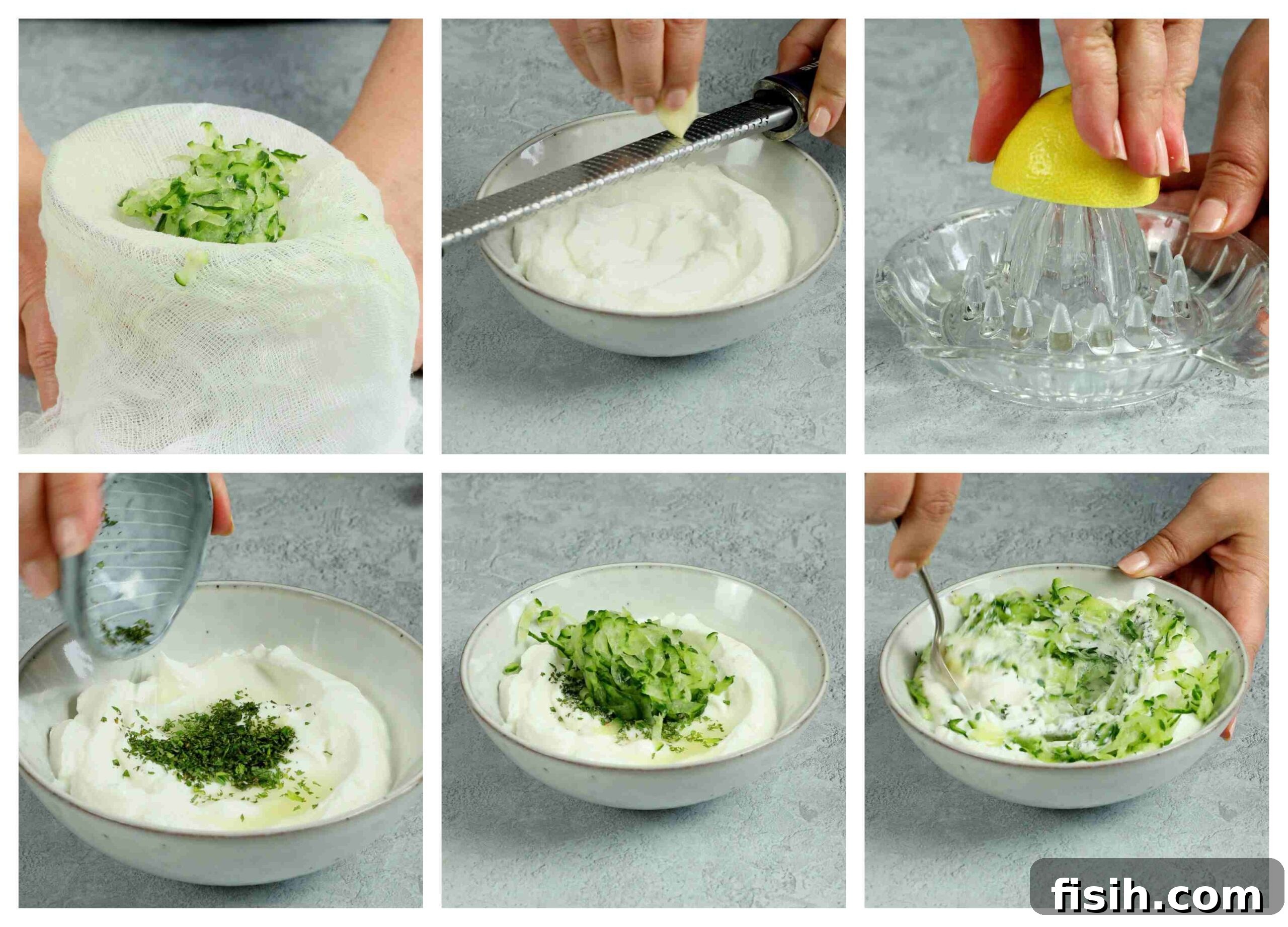
The most critical step in preventing a watery tzatziki is properly preparing the cucumber. Start by grating your cucumber. English or Persian cucumbers work wonderfully due to their milder flavor and fewer seeds. Once grated, place the cucumber in a clean kitchen towel or several layers of cheesecloth and squeeze out as much liquid as possible. This step is non-negotiable! Skipping it will result in a runny dip that lacks the desired creamy consistency. Discard the squeezed liquid.
Bringing the Flavors Together
Once your cucumber is prepped and your yogurt is ready, the rest is a breeze. In a medium-sized bowl, combine the thick Greek yogurt with the well-drained grated cucumber. Next, finely grate or mince fresh garlic cloves. The amount can be adjusted to your preference – a small clove for a subtle hint, or more for a bolder, spicier kick. Add the fresh juice of half a lemon, which provides a crucial tangy brightness.
Fresh mint is traditionally used and offers an unparalleled aromatic freshness. Finely chop fresh mint leaves, or if fresh mint is unavailable, a smaller amount of dried mint will also work. Season generously with salt to taste; salt not only enhances the flavors but also helps draw out any remaining moisture from the cucumber. A final drizzle of high-quality extra virgin olive oil adds a rich, fruity note and a beautiful sheen to the dip.
The Importance of Resting
After mixing all the ingredients, resist the urge to dive in immediately! Allow the tzatziki to rest in the refrigerator for at least 30 minutes, or ideally an hour. This crucial resting period allows the flavors to meld and deepen, transforming individual ingredients into a harmonious and incredibly delicious dip. The mint, garlic, and lemon will infuse the yogurt and cucumber, creating that signature tzatziki taste.
(Video placeholder: A video demonstrating the steps for making Greek Tzatziki Sauce would typically appear here.)
Versatile Serving Suggestions for Your Homemade Tzatziki
Tzatziki’s refreshing and tangy profile makes it an incredibly versatile dip and condiment. While it’s famously paired with grilled meats like souvlaki, gyros, and kebabs, its culinary applications are endless.
- The Ultimate Vegetable Dip: As mentioned, it excels as a dip for a vibrant array of raw vegetables. Think crisp red, yellow, and green bell peppers, crunchy carrot sticks, cool cucumber slices, cherry tomatoes, radishes, or even blanched broccoli florets. It’s a fantastic way to encourage healthy eating!
- Enhance Your Meals: Serve it alongside roasted potatoes or baked fish for a burst of freshness. Spread it inside pita pockets, wraps, or sandwiches instead of mayonnaise for a lighter, more flavorful alternative.
- Mediterranean Mezze: Feature it prominently on a mezze platter with olives, feta cheese, hummus, and crusty bread for an authentic Mediterranean experience.
- Salad Dressing Alternative: Thin it out slightly with a little extra lemon juice or water to create a creamy, tangy salad dressing for green salads or grain bowls.
Its light and refreshing qualities make it an absolute delight, complementing a wide range of flavors without being overly heavy.
Storage Secrets for Lasting Freshness
One of the many advantages of homemade tzatziki is its excellent shelf life. Once prepared, this delightful dip can be stored in the refrigerator for up to a week. To maintain its freshness and prevent it from absorbing other odors from your fridge, always keep it in an airtight container or covered tightly with plastic wrap directly touching the surface of the dip.
Since tzatziki is typically enjoyed cold, it makes for a wonderful make-ahead option. Preparing a batch at the beginning of the week ensures you always have a quick, healthy, and lean snack or condiment on hand, ready to elevate any meal or satisfy sudden cravings.
More Favorite Summer Dips to Explore
If you love the refreshing appeal of tzatziki, you’ll surely enjoy these other delectable summer dips:
- Whipped Feta and Ricotta Dip with Mint Pistachio Pesto
- Hummus with Grilled Eggplant
- Smoky Baba Ganoush
- Whipped Feta Dip with Everything Bagel Seasoning
Greek Tzatziki Recipe
Rating: 5 out of 5 stars from 3 votes
By Julia Frey of Vikalinka
Prep Time: 10 mins | Total Time: 10 mins | Servings: 8

Delicious Greek Tzatziki is a refreshing sauce you can easily make at home. Grated cucumber, garlic and lemon juice mixed into yogurt.
Ingredients
- 250ml/1 cup Greek plain yogurt (e.g., Fage), full fat, low fat or non fat
- 50g/1/3 cup grated cucumber
- 1 small clove garlic, grated or minced
- 1/2 tsp fresh mint, finely chopped, or 1/4 tsp dried mint
- Juice of 1/2 lemon
- Salt to taste
- 1 tbsp extra virgin olive oil
Instructions
- Grate the cucumber. Place the grated cucumber in a clean kitchen cloth or cheesecloth and squeeze out as much liquid as possible. Discard the liquid. This is a crucial step to prevent a watery dip.
- In a medium bowl, combine the thick Greek yogurt, grated or pressed garlic, fresh lemon juice, well-drained grated cucumber, and finely chopped fresh mint (or dried mint).
- Season generously with salt to taste. Stir all ingredients together until well combined.
- Let the tzatziki stand in the refrigerator for at least 30 minutes (or up to an hour) to allow the flavors to meld and deepen.
- Before serving, transfer the tzatziki to a serving dish and drizzle with good quality extra virgin olive oil. Optionally, sprinkle with additional fresh mint for garnish.
Video
(Video placeholder: A video demonstrating the steps for making Greek Tzatziki Sauce would typically appear here.)
Nutrition Information
Calories: 41kcal | Carbohydrates: 2g | Protein: 3g | Fat: 2g | Saturated Fat: 1g | Cholesterol: 2mg | Sodium: 13mg | Potassium: 9mg | Fiber: 1g | Sugar: 1g | Vitamin A: 18IU | Vitamin C: 1mg | Calcium: 37mg
Nutrition information is automatically calculated and should only be used as an approximation.
Tried this recipe? Let us know how it was!