
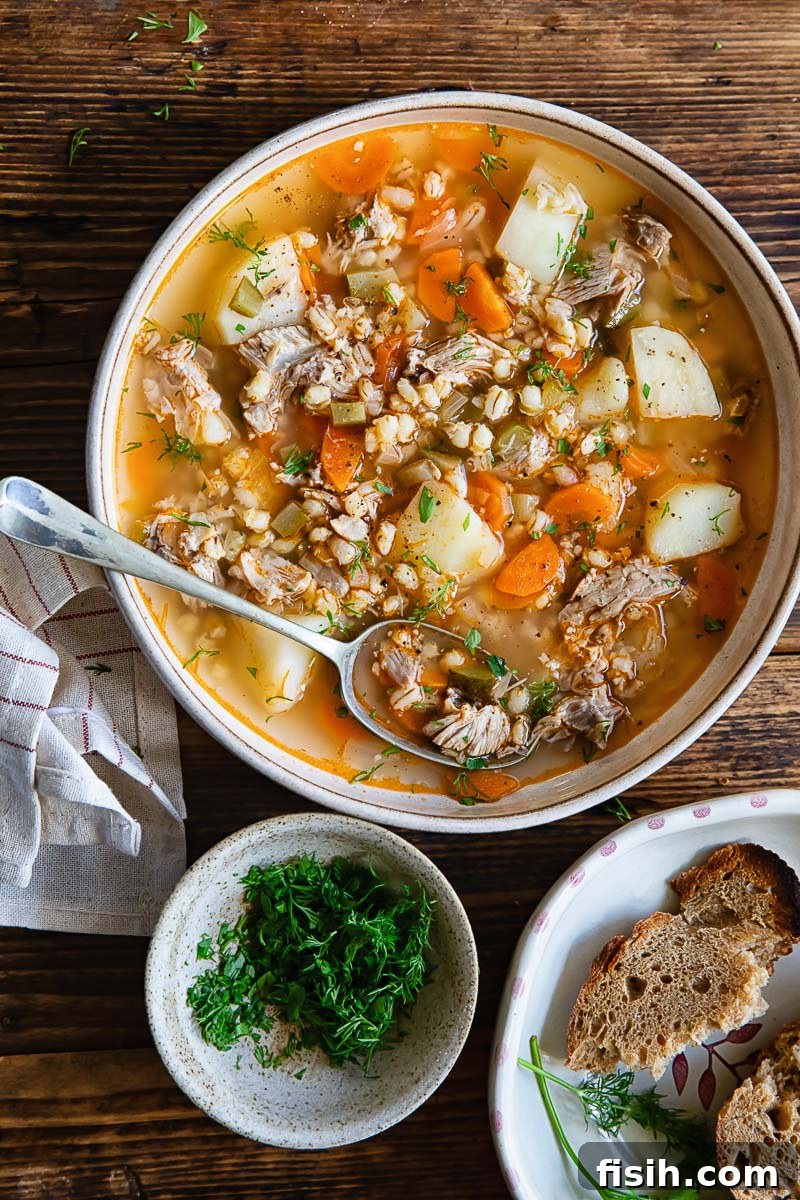
Rassolnik: The Ultimate Tangy & Hearty Dill Pickle Soup Experience
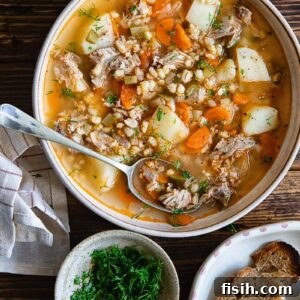
For lovers of bold flavors and comforting meals, Rassolnik Dill Pickle Soup is an absolute must-try. This traditional Eastern European masterpiece brings together tender, slowly cooked pork ribs, chunky potatoes, and chewy pearl barley, all immersed in a delightfully tangy and savory broth. Each spoonful is a harmonious blend of rich meatiness, earthy vegetables, and the bright, briny kick of pickles, creating a truly unique and satisfying culinary experience.
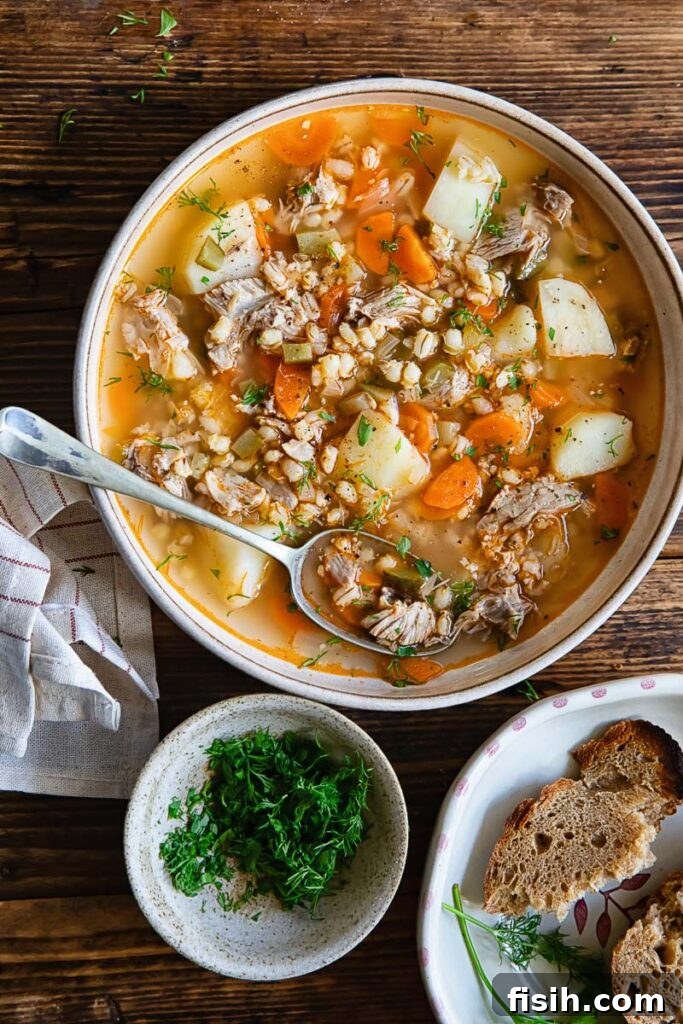
A Culinary Journey into Eastern European Flavors
Eastern European cuisine is renowned for its heartiness, ingenious use of seasonal ingredients, and the transformative power of fermentation. Rooted in traditions that emphasized preservation and maximizing flavor from humble ingredients, these dishes offer deep, complex tastes that truly nourish the soul. Rassolnik stands as a shining example of this culinary heritage, combining rich meats and tangy pickles in a robust soup that warms you from the inside out.
If you’re drawn to the unique charm of thick, hearty stews and soups featuring rich meats and fermented vegetables, you’ll find a kindred spirit in Rassolnik. This soup embodies the very essence of Eastern European cooking. Should your palate crave further exploration of these vibrant flavors, I highly recommend delving into Russian Sweet and Sour Beef Stew (Solyanka), Polish Kielbasa and Sauerkraut, or my mother’s Ukrainian Borscht, another fantastic pork rib soup made with a flavorful pork stock.
The Wholesome Goodness of Barley and Fermented Pickles
Why Barley is a Soup Star
There’s an undeniable wholesomeness to a soup made with barley, which is why it’s a staple in many traditional recipes. Pearl barley, in particular, adds a wonderful chewy texture and a subtle, earthy flavor that complements the other ingredients beautifully. Beyond its delightful mouthfeel, barley is a nutritional powerhouse, packed with fiber, essential minerals, and vitamins. It contributes to satiety, making Rassolnik a truly filling and wholesome meal. If you appreciate the wholesome depth barley brings to a dish, or wish to explore its versatility further, be sure to check out my Beef Barley Soup recipe.
The Magic of Fermented Vegetables
Growing up, my pantry shelves were consistently lined with an array of fermented vegetables: pickled cucumbers, peppers, mushrooms, beets, cauliflower, and cabbage. In those days, pickling was a vital method of food preservation, ensuring fresh produce could last through long winters. Today, while still appreciated for its longevity, fermented food has gained widespread recognition for its significant health benefits, especially for gut health.
The star of Rassolnik, the dill pickle, brings not just its signature tang but also the probiotic benefits of fermentation to the table. And here’s a fun fact: the briny liquid from pickled vegetables is an incredibly effective hangover cure! So, why not prepare a double batch of this invigorating Rassolnik dill pickle soup? You can freeze portions, ensuring you have a ready-made, restorative remedy waiting for you whenever it’s most needed. It’s a testament to how traditional ingredients offer both comfort and unexpected benefits.
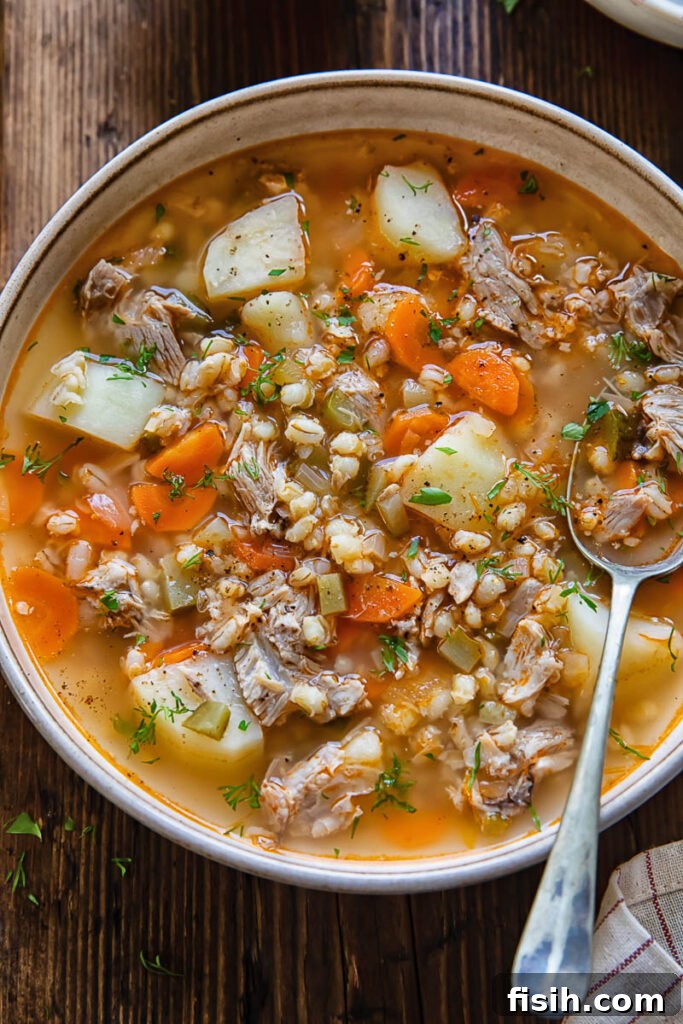
Crafting Your Rassolnik: A Step-by-Step Guide
Creating a truly authentic and delicious Rassolnik involves a few key steps, each contributing to the soup’s rich and complex flavor profile. Follow this guide to achieve the perfect balance of tangy, savory, and hearty goodness.
- Building a Flavorful Stock: The foundation of any great soup is its stock. For Rassolnik, pork ribs are gently steeped with aromatic vegetables like onion, carrot, celery, bay leaves, and peppercorns. This slow cooking process extracts maximum flavor and results in a wonderfully unctuous, gelatinous, and clear broth. Once the ribs are tender and the stock is rich, allow it to cool slightly, then carefully strip the succulent meat from the bones, cutting it into bite-sized pieces. Discard the bones and vegetables, as their essence has already been imparted.
- Perfectly Cooked Pearl Barley: Preparing the barley correctly is crucial for the soup’s texture. First, rinse the pearl barley thoroughly under cold water to remove any excess starch. This prevents the soup from becoming overly thick or claggy. Next, cook the barley separately in a medium pot of cold water, bringing it to a boil and simmering for about 10 minutes. This partial cooking ensures the barley pearls remain distinct and chewy within the soup. Drain and rinse with cold water again, then set aside.
- Bringing the Soup Base to Life: With your rich pork stock and perfectly prepared barley ready, it’s time to assemble the main body of the soup. Pour the strained stock into a large soup pot and bring it to a gentle simmer. Add the shredded cooked pork, the partially cooked pearl barley, and cubed potatoes. Season with a good pinch of salt and let it cook for approximately 10 minutes, allowing the potatoes to soften and the flavors to begin melding.
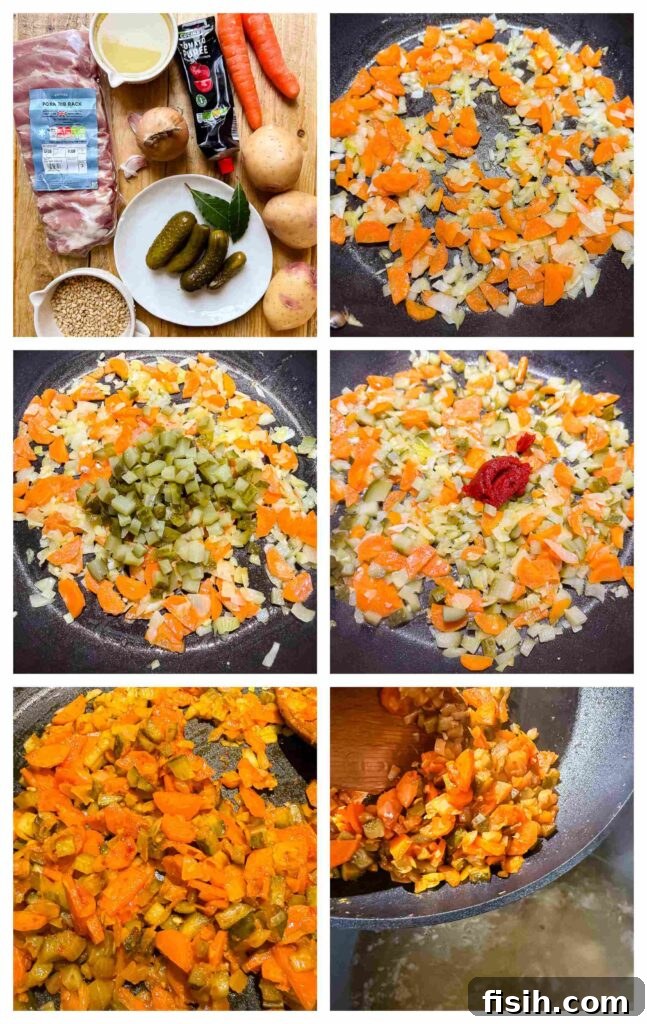
- Sautéing for Depth of Flavor: This step is where much of the soup’s aromatic complexity develops. In a separate pan, melt a tablespoon of butter and sauté chopped onions and diced carrots for about 5 minutes until they begin to soften and caramelize. Then, add minced garlic and the diced dill pickles, continuing to sauté over low heat for another 5 minutes. The caramelization created here adds a crucial depth that simply boiling these ingredients would not achieve. Finally, stir in a tablespoon of tomato paste, which adds a subtle sweetness and richness.
- The Essential Pickle Brine Finish: Once the sautéed vegetables are ready, scrape them into the simmering soup pot. Now, for the star ingredient that defines Rassolnik: pour in the dill pickle brine. The vinegary notes from the brine will enliven the entire soup, providing a bright, tangy zip and a fantastic contrast to the pleasantly oily, savory stock. Continue to cook for another 5-10 minutes, or until the barley is fully cooked through and the potatoes are fork-tender. Taste and adjust seasoning with salt and black pepper as needed. Remove from heat, cover, and let it rest for about 15 minutes before serving. This crucial resting period allows all the incredible flavors to meld together beautifully. Serve generously, garnished with fresh dill or parsley.
- Eggplant Caviar (Ikra): A delicious and savory spread perfect for slathering generously on slices of your chosen bread. It adds another layer of authentic flavor.
- Dumplings Pelmeni: These delightful parcels, typically stuffed with a flavorful mix of beef and pork, are the Russian equivalent of a savory pasta pocket. Alternatively, try the vegetarian Vareniki (just omit the bacon for a fully vegetarian option). Both are universally loved and make an excellent accompaniment, ensuring no one goes hungry!
- Georgian Soup Kharcho
- Herby Chicken Gnocchi Soup
- Lentil Spinach Soup
- Beef Stroganoff Soup
- 500g / 1 lbs pork ribs, or cubed pork shoulder
- 1/2 onion
- 1 carrot
- 2 celery stalks
- 2 bay leaves
- 4-5 peppercorns
- salt, a pinch
- 1½ litre / 10 cups water
- 100g / 1/2 cup pearl barley
- 2-3 potatoes, cubed
- 3-4 / 2/3 cup dill pickles, diced
- 125ml / 1/2 cup dill pickle brine
- 1 tbsp butter
- 1 onion, chopped
- 1-2 carrots, diced
- 1 tbsp tomato paste
- 1-2 bay leaves
- salt and pepper to taste
- 1 tbsp fresh dill, or parsley for serving
- To make the stock, combine the ingredients and cook over low heat for 1 hour-1.5 hours, skimming the foam which will rise to the surface once in a while. Alternatively, this could be done in an Instant Pot, which will cut down the cooking time to 30 minutes on high pressure, plus 20-23 minutes for the Instant Pot to come to pressure. Alternatively, skip the first step and use already prepared beef or chicken broth.
- Add the pearl barley to a medium pot filled with cold water, bring to a boil, then continue cooking for 10 minutes. Drain and rinse with cold water thoroughly and set aside until needed.
- Once the stock is ready, remove the pork ribs from the stock and allow them to cool. Meanwhile, strain the stock through a fine sieve and discard the vegetables. Once the ribs are cool enough to handle, remove the meat from the bones, discard visible fat and cartilage, then shred or cut into bite-sized pieces, discard the bones.
- Add the strained stock to a soup pot and bring to a simmer. To the same pot, add the shredded meat, the partially cooked pearl barley, and cubed potatoes with a good pinch of salt and cook for 10 minutes.
- While the soup is cooking, sauté the chopped onions and diced carrots in 1-2 tbsp of butter for 5 minutes. Then add the garlic, diced dill pickles and continue sautéing over low heat for 5 minutes longer. Stir in the tomato paste and scrape the contents of the pan into the soup pot. Pour in the pickle brine and cook for 5-10 minutes or until the barley is cooked all the way through.
- Once finished cooking, add salt and black pepper to taste. Take off the heat, cover with a lid and let it sit for 15 minutes. This will allow the flavors to meld together. Serve sprinkled with fresh dill and parsley.
Essential Tips for Rassolnik Perfection
To ensure your Rassolnik is nothing short of exceptional, keep these important tips and notes in mind:
Rassolnik vs. Polish Ogórkowa: A Key Distinction
It’s important not to confuse Rassolnik with Polish Ogórkowa. While both are delicious pickle soups featuring potatoes and pickled cucumbers, Ogórkowa is typically cream-based and does not include barley or meat. Rassolnik, with its clear, savory broth, pearl barley, and pork, offers a distinct flavor profile and heartier texture.
Stock Choices: Homemade or Store-Bought?
This recipe shines when made with a homemade pork stock, built right from the pork ribs. The process enriches the soup with unparalleled depth and body. However, if time is a constraint, you can significantly cut down the cooking time (by about 30 minutes) by using a high-quality, ready-made chicken or beef stock. Opt for low-sodium options to control the seasoning yourself, especially given the saltiness of the pickle brine.
Barley Preparation Revisited
We cannot stress enough the importance of rinsing and cooking the barley separately. This critical step prevents the release of excess starch into your beautiful broth, ensuring the soup remains clear, vibrant, and not thick or sticky. The goal is a clean, flavorful broth with distinct, chewy barley pearls, not a porridge-like consistency.
The Finishing Touch: Fresh Herbs
A sprinkle of fresh herbs, such as dill or parsley, is the perfect finishing touch for Rassolnik. Not only does it add a burst of freshness that uplifts the overall flavor, but it also provides a beautiful visual contrast, making your bowl of soup even more appealing. Don’t skip this simple yet impactful step!
Serving Suggestions: What Pairs Best with Rassolnik?
The Indispensable Bread
It’s no secret that soup and bread are a match made in culinary heaven. When serving Rassolnik, I recommend choosing a bread with a tighter crumb. This prevents it from becoming overly soggy when dipped into the rich, tangy broth. My personal favorite, and a classic pairing with most Russian recipes, is a crusty, sour Rye Bread. Its robust flavor and dense texture hold up beautifully to the soup.
Complementary Side Dishes
While Rassolnik is undeniably a hearty and fulfilling meal on its own – truly a “beast” of a soup that rarely requires additional sides – having a couple of on-theme offerings can be a thoughtful gesture, especially if you have picky eaters at the table. These suggestions will ensure everyone leaves feeling satisfied and immersed in the Eastern European experience:
Storage, Leftovers, and Making Ahead
One of the best qualities of Rassolnik is that it tastes even better after a day or two in the fridge. The flavors have time to meld and deepen, making this pork rib soup an ideal dish to prepare a day or two in advance. It will keep beautifully for 4-5 days when stored in an airtight container in the refrigerator.
For longer storage, Rassolnik freezes exceptionally well. Allow the soup to cool completely before transferring it to freezer-safe containers. It can be frozen for up to 3 months. Thaw overnight in the refrigerator before gently reheating on the stovetop.
Tip: If your dill pickle soup has thickened slightly over time and taken on a more stew-like consistency, don’t worry! Simply add a splash more stock or even a little water when reheating to bring it back to its original brothy glory. This will restore its perfect texture without diluting the rich flavors.
Explore More Hearty Soup Recipes
If you’ve enjoyed the comforting and flavorful experience of Rassolnik, you might be keen to explore more delightful soup recipes from my collection:
Dill Pickle Soup Rassolnik
By: Julia Frey of Vikalinka
Prep: 30 mins | Cook: 1 hr 15 mins | Total: 1 hr 45 mins
Servings: 6 people
Dill pickle soup has tender bites of slowly cooked pork ribs, chunky potato, chewy barley and plenty of pickles all in a tangy, briny broth.
Ingredients
For the stock
For the soup
Instructions
Nutrition
Calories: 317kcal | Carbohydrates: 31g | Protein: 13g | Fat: 16g | Saturated Fat: 6g | Polyunsaturated Fat: 3g | Monounsaturated Fat: 6g | Trans Fat: 0.2g | Cholesterol: 52mg | Sodium: 1061mg | Potassium: 674mg | Fiber: 6g | Sugar: 4g | Vitamin A: 3599IU | Vitamin C: 19mg | Calcium: 63mg | Iron: 2mg
Nutrition information is automatically calculated, so should only be used as an approximation.