
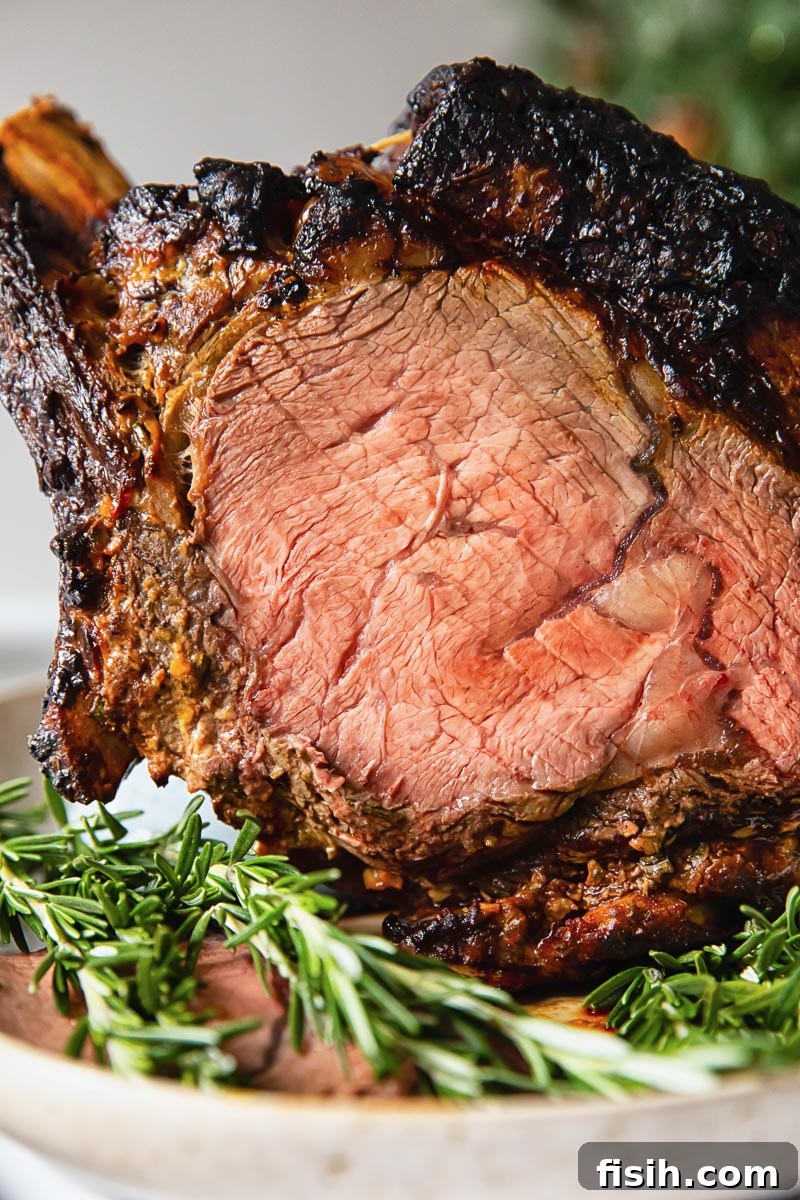
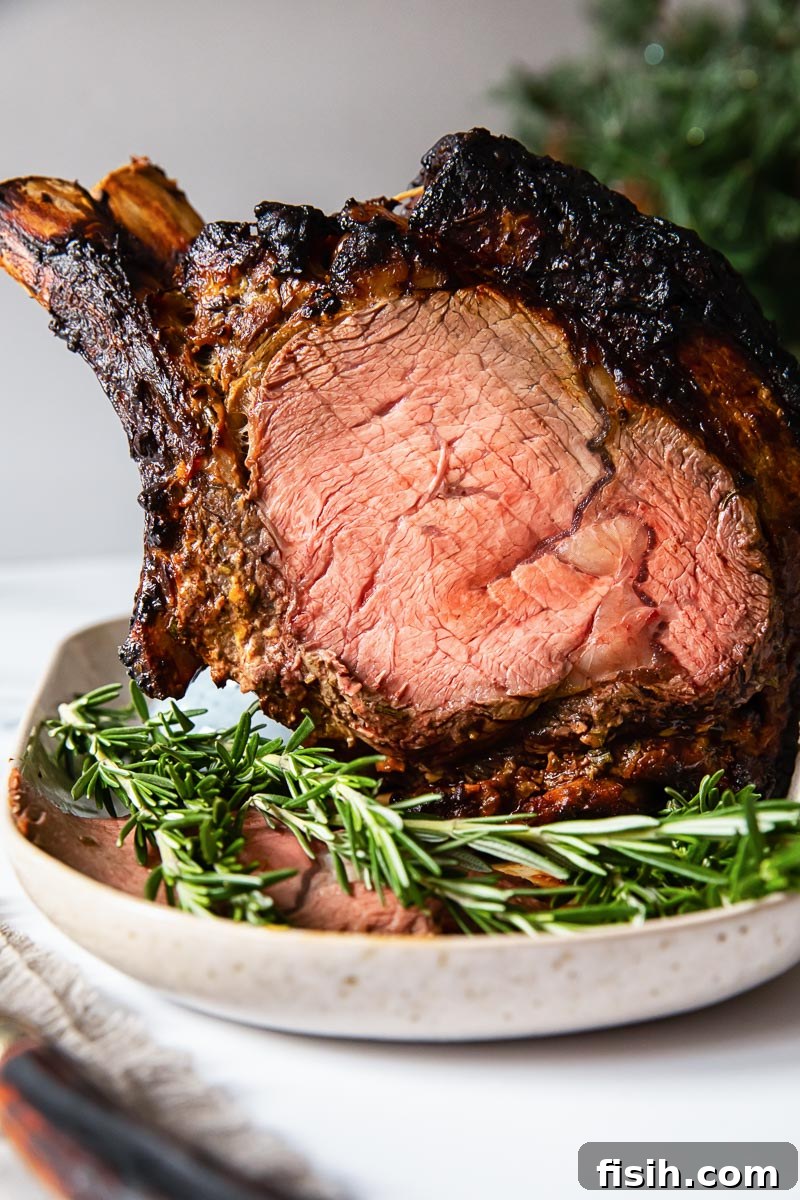
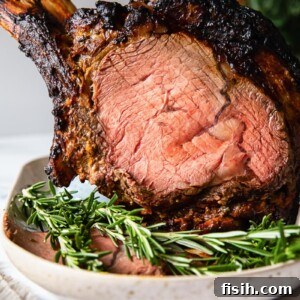
Elevate your holiday feast with the ultimate showstopper: a perfectly roasted Prime Rib, enhanced with a delectable honey mustard rub. This comprehensive guide, complete with expert tips and detailed instructions, ensures a spectacular culinary success that will impress every guest at your Christmas or New Year’s dinner. Prepare to create an unforgettable meal that combines exquisite flavor with elegant presentation, making your special occasions truly memorable.
To complete this regal centerpiece, we highly recommend serving it alongside our rich Creamy Mushroom Marsala Sauce and the comforting elegance of Rosemary Potatoes au Gratin. These pairings are designed to complement the prime rib’s rich flavors, creating a harmonious and indulgent dining experience. For more festive inspiration, explore our extensive Christmas recipe collection, featuring everything from main courses and delightful side dishes to festive party bites and decadent desserts.

There’s a universal appreciation for a well-executed roast dinner, and for many, the Prime Rib reigns supreme, particularly during the festive season. While dishes like roast pork and roast chicken are delightful regular features, Christmas often calls for something truly magnificent. The Prime Rib, often referred to as the “King of Roasts,” offers an unparalleled culinary experience, making it the ideal choice for your most celebrated holiday meals. This recipe is meticulously crafted to ensure your prime rib is not just cooked, but perfected.
Understanding Prime Rib: The King of Roasts
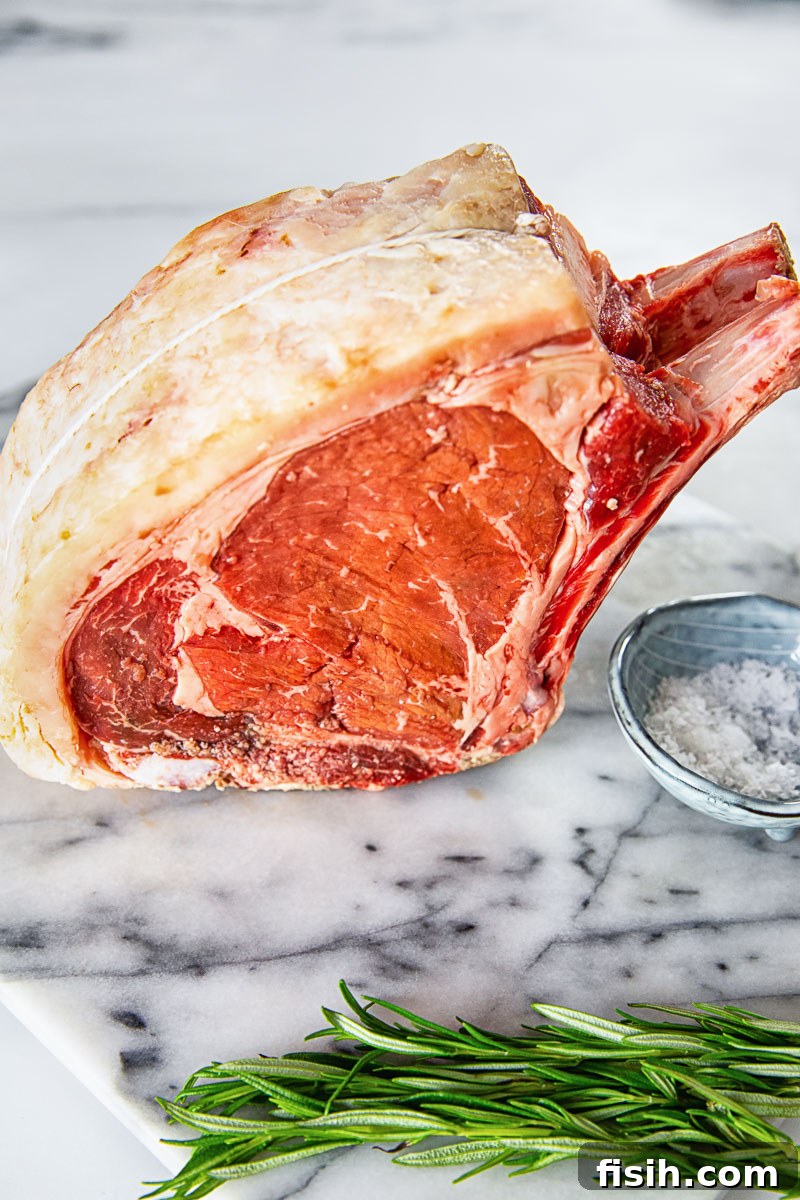
Prime Rib, also known as Standing Rib Roast or Rib of Beef (especially in the UK), is one of the most coveted and premium cuts of beef available. Sourced from the primal rib section of the cow, this cut is renowned for its exceptional tenderness, rich marbling, and succulent flavor. Its superior quality is precisely why it carries a higher price tag and is typically reserved for grand celebrations such as Christmas, New Year’s Eve, or other significant family gatherings.
This magnificent cut comes with bones attached, which contribute significantly to its flavor and even cooking. The number of bones can vary; for instance, a 2kg (4.5 lbs) piece with two bones will comfortably serve 6 people, offering generous portions of this luxurious meat. It’s important to distinguish prime rib from a single-bone ribeye steak. While a ribeye is undeniably delicious, it’s typically suited for fewer diners, whereas a full prime rib roast is designed to feed a crowd and make a statement.
The Secret to Flavor: Honey Mustard Rub
Even a cut as inherently flavorful as prime rib can benefit from a thoughtful enhancement, and that’s precisely where our exquisite honey mustard rub comes into play. This simple yet powerful mixture is designed to complement the beef’s natural richness without overpowering it. Crafted from a harmonious blend of honey, Dijon mustard, fresh garlic, fragrant rosemary, a drizzle of olive oil, and a touch of coarse sea salt, this rub creates an irresistible crust that locks in moisture and amplifies every bite.
When developing rubs for meat, especially larger roasts, it’s wise to include ingredients like honey, mustard, or even maple syrup. These not only introduce layers of complex flavor but also serve a practical purpose: their sticky consistency helps the herbs and spices adhere beautifully to the surface of the meat, ensuring even distribution of flavor and contributing to a gorgeous, caramelized exterior. The honey mustard combination is a classic for good reason, versatile enough for various beef cuts or even for glazing other meats like ham, demonstrating its timeless appeal and culinary effectiveness.
Mastering the Prime Rib Cooking Method
The thought of roasting a prime rib can sometimes feel daunting, primarily due to its significant cost and the pressure associated with holiday entertaining. However, rest assured that cooking prime rib to perfection is surprisingly straightforward. The inherent quality of this beef cut is largely responsible for delivering those coveted tender and juicy bites, making your job much easier than you might anticipate.
The first crucial step begins before the roast even enters the oven. Always remove the prime rib from the refrigerator approximately 45 minutes to 1 hour prior to cooking. Allowing the meat to come to room temperature ensures that it cooks more evenly throughout. If the interior of the roast remains chilled, it can significantly prolong cooking time and lead to uneven doneness, with the exterior potentially overcooking while the center struggles to reach the desired temperature. A room temperature start promotes a consistent internal cook.
Next, preheat your oven to a high temperature of 450°F (230°C). The initial high-heat roast is key to developing a beautiful, savory crust through the Maillard reaction, which contributes immense flavor and a delightful texture. This intense heat seals the exterior, effectively locking in the juices. After an initial 25 minutes at this high temperature, reduce the oven to a moderate 350°F (180°C) to allow the roast to cook gently and evenly through to its center. Continue roasting until an instant-read meat thermometer, inserted into the thickest part of the meat without touching the bone, registers 130°F (55°C) for a perfect medium-rare, or your preferred doneness.
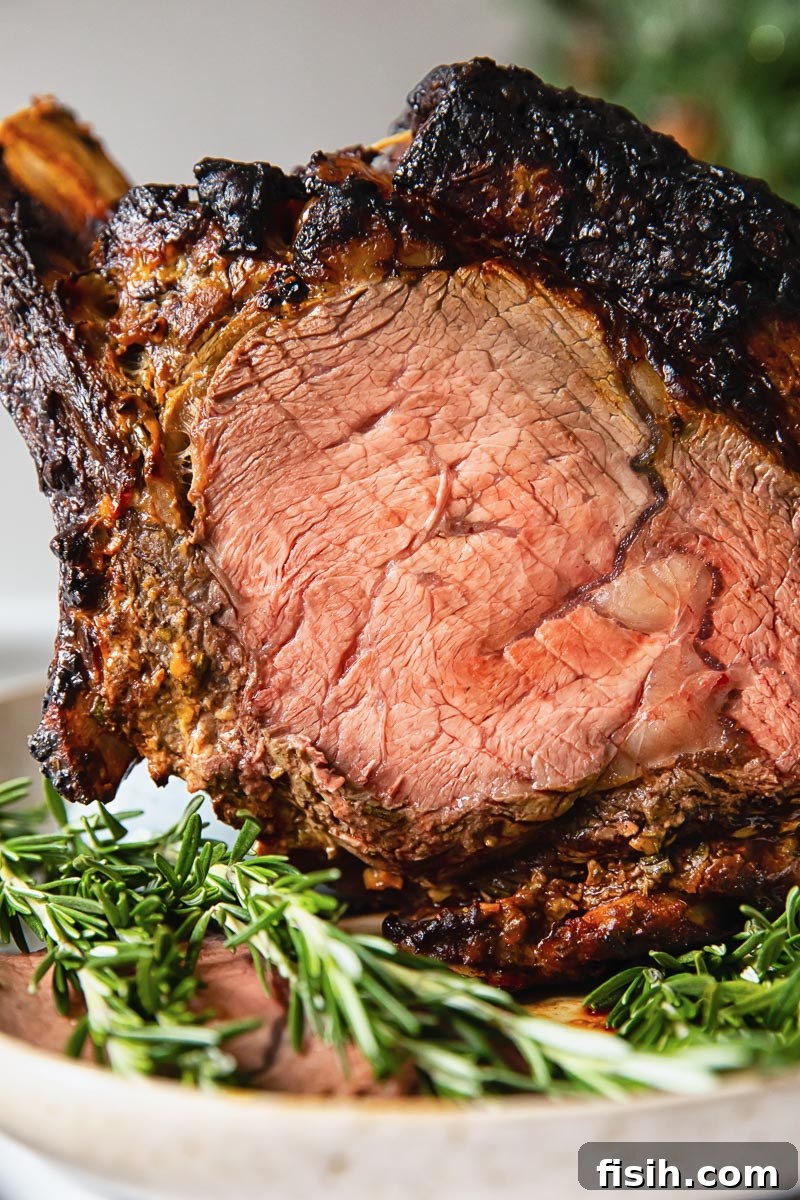
An important consideration is the presence of bones. Bones are excellent conductors of heat, meaning a bone-in roast will cook faster than a boneless one of the same weight. The most significant challenge in preparing prime rib is actually preventing it from overcooking. Overcooked prime rib can lose its signature tenderness and juiciness. Therefore, a reliable meat thermometer is not just recommended, it’s essential for achieving consistently optimal results. The ideal prime rib boasts a medium doneness, revealing a beautiful pink center when sliced, showcasing its exceptional texture and flavor.
Prime Rib Oven Temperature and Cooking Time Chart
As previously detailed, we employ a two-stage roasting process. Begin by searing the beef at a very high temperature of 450°F (230°C) for 25 minutes to develop a beautiful crust. Subsequently, reduce the oven temperature to 350°F (180°C) for the remainder of the cooking time. The total cooking duration will depend on the size of your roast and your desired level of doneness. Use the following chart as a guide, always relying on a meat thermometer for accuracy:
- Medium-Rare: Roast for approximately 15 minutes per pound. Aim for an internal temperature of 130-135°F (55-57°C).
- Medium: Roast for approximately 20 minutes per pound. Aim for an internal temperature of 135-140°F (57-60°C).
- Well-Done: Roast for approximately 25 minutes per pound. Aim for an internal temperature of 145-150°F (63-65°C).
Once the prime rib reaches your desired internal temperature, remove it from the oven immediately. This next step is perhaps the most critical for a truly succulent roast: resting. Cover the prime rib loosely with aluminum foil and allow it to rest undisturbed for a full 30 minutes. During this resting period, a phenomenon known as “carryover cooking” occurs, where the internal temperature of the roast will continue to rise by approximately 5 degrees. More importantly, resting allows the juices, which have migrated to the surface and center of the roast during the high-heat cooking, to redistribute evenly throughout the entire cut. Skipping this step results in juices flowing out when carved, leading to a drier, less flavorful roast. Resting guarantees a juicy, tender, and incredibly flavorful piece of beef, making all your efforts worthwhile.
Expert Tips for the Perfect Prime Rib
Achieving a truly perfect prime rib goes beyond just following a recipe; it involves understanding a few key principles and applying expert techniques:
- Meat Quality is Paramount: The final taste and texture of your roast are heavily influenced by the quality of the beef. While prime-grade prime rib can be an investment, its superior marbling and tenderness truly make a difference. Always aim for the best quality cut you can afford, ideally sourced from a reputable butcher who can offer guidance. Different countries have varying grading systems (e.g., Select, Choice, and Prime in the US), so don’t hesitate to ask your butcher for their recommendation.
- Bone-In vs. Boneless: Bones act as excellent heat conductors, meaning a bone-in roast will generally cook faster than a boneless one. This is crucial to remember to avoid overcooking.
- Tying the Roast: If your butcher hasn’t already done so, tying the roast yourself with kitchen twine helps it maintain a uniform shape, ensuring even cooking. You can also ask your butcher to remove the bones and then re-tie them to the roast; this allows for easier carving later while still benefiting from the bones acting as a natural roasting rack.
- Bring to Room Temperature: Always remove the prime rib from the refrigerator 45 minutes to an hour before cooking. This simple step ensures the meat cooks more evenly from edge to center.
- The Essential Rest: Do not skip the resting period after roasting. Loosely tent the prime rib with aluminum foil and let it rest for at least 30 minutes. This allows the internal juices to redistribute, resulting in a significantly more succulent and flavorful roast.
- Carving with Precision: For best results and presentation, use a very sharp carving knife. Always carve against the grain of the meat. This shortens the muscle fibers in each slice, making the meat incredibly tender and preventing it from appearing chewy. Aim for slices that are at least 1/2 inch (1 1/4 cm) thick.
Exquisite Serving Suggestions for Your Prime Rib
A magnificent prime rib roast deserves equally impressive accompaniments. Don’t forget to prepare a rich and flavorful sauce or gravy to complete your meal. While a classic Béarnaise Sauce offers a luxurious touch (though it can be a bit challenging), our easy homemade gravy recipe provides comforting familiarity. For a deeper, more complex flavor profile, consider our red onion gravy recipe, which adds a wonderful savory sweetness.
For side dishes, the possibilities are abundant. Simple yet satisfying options like fluffy herb and garlic mashed potatoes or perfectly crispy roast potatoes are always a perfect pairing. To truly elevate your spread, try our rich mashed potato casserole stuffed with mushrooms and caramelized onions, which conveniently can be prepared a day in advance. If you’re seeking another showstopper, our visually stunning Hasselback Potatoes with Gremolata will undoubtedly impress.
When serving such rich main courses and side dishes, I always strive for balance by including a lighter, more vibrant component. A refreshing and zingy winter salad featuring crisp red cabbage, hearty kale, and sweet pomegranate arils provides a delightful contrast. Alternatively, add a plate of vegetables with a punchy flavor, such as our savory Miso Roasted Carrots, which offer an umami-rich twist to traditional root vegetables.
Storage and Creative Leftover Ideas
One of the joys of cooking a generous prime rib roast is the delightful promise of leftovers. Properly stored, any remaining roast beef can be refrigerated for 3-4 days, ready to be transformed into an array of delicious new meals. Of course, you can always recreate a mini-roast dinner, but there’s ample room for culinary creativity.
For an indulgent lunch, my absolute favorite is a hearty Hot Roast Beef Sandwich, piled high with tender slices of beef. If you prefer something lighter yet equally satisfying, a vibrant Watercress and Roast Beef Salad with Creamy Horseradish Dressing offers a refreshing take. Leftover prime rib is also fantastic in beef stir-fries, tacos, or even a flavorful hash.
Reheating roast beef while preserving its tender, moist texture can be tricky, as overcooking can quickly dry it out. The best method involves gently warming it in an oven preheated to 300°F (150°C). Place the beef slices or pieces in an oven-safe dish with a small amount of beef stock or gravy to create moisture. Cover the dish with foil and heat until warmed through, typically 15-30 minutes, depending on the size of the pieces. Always use a thermometer to ensure it reaches a safe internal temperature (around 135-140°F / 57-60°C) without drying out.
More Holiday Main Dishes to Explore
- Blackcurrant Compote Glazed Ham
- Aromatic Spice Crusted Pork Roast (Buzhenina)
- Mushroom Wellington (Vegetarian)
- Roast Turkey
Honey Mustard Crusted Prime Rib Roast
Equipment
-
Meat thermometer
Ingredients
- 2kg/4.5 lbs Prime rib/rib of beef
For the Honey Mustard Rub
- 1 tbsp coarse salt
- 3 cloves garlic, minced
- 4-5 sprigs rosemary
- 2 tbsp Dijon mustard
- 2 tbsp honey
- 2 tbsp olive oil
Instructions
-
Take the beef out of the refrigerator. In a small bowl combine the minced garlic, chopped rosemary, coarse salt, honey, Dijon mustard and olive oil. Rub it all over the prime rib and let it sit at room temperature for 45 minutes to 1 hour to allow the meat to come to room temperature for more even cooking. Preheat the oven to 450F/230C.
-
Place the prime rib in a roasting pan fat side up. Roast in the preheated oven for 25 minutes. Reduce the temperature to 350F/180C and continue roasting for 40 minutes longer for the size of the beef specified in this recipe. Add 15 minutes for each additional pound of beef. (See the timing chart in the main body of the article.) The internal temperature of the meat should read 130F/55C for medium rare.
-
Take out of the oven and loosely cover with aluminium foil. Let the meat rest for 30 minutes before carving.
Video
Nutrition
Nutrition information is automatically calculated, so should only be used as an approximation.