

Butternut Squash Risotto with Sage and Goat Cheese: The Ultimate Comfort Food
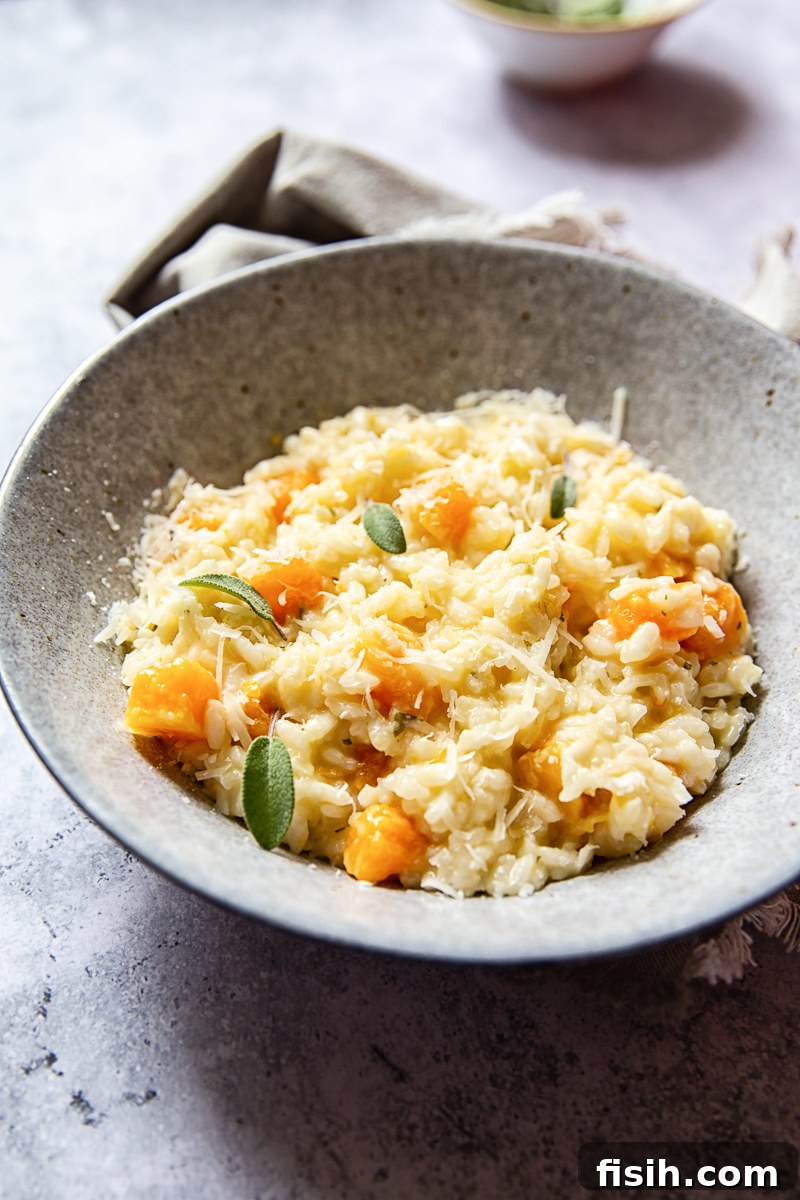
As the crisp air of autumn gives way to colder temperatures, our cravings naturally turn towards dishes that offer warmth, richness, and a comforting embrace. This Butternut Squash Risotto with Sage and Goat Cheese is the quintessential answer to those desires. It’s a delightful, satisfying, and remarkably easy-to-make dish that radiates warmth from the inside out. Far from being just a side, this recipe stands proudly as a meatless entrée capable of pleasing everyone at the table, from committed vegetarians to avid meat lovers.
There’s an undeniable allure to risotto – a culinary alchemy that transforms humble rice into a luxurious, creamy masterpiece. It’s not merely a meal; it’s an experience, a slow dance of stirring and simmering that culminates in pure comfort. And in this particular rendition, the harmonious blend of sweet, nutty butternut squash, the pungent tang of goat cheese, and the earthy aroma of fresh sage elevates it to something truly special, a perfect autumnal celebration in a bowl.
For another exquisite vegetarian option, explore our Spring Asparagus Risotto.
Why Risotto? A Journey to Creamy Perfection
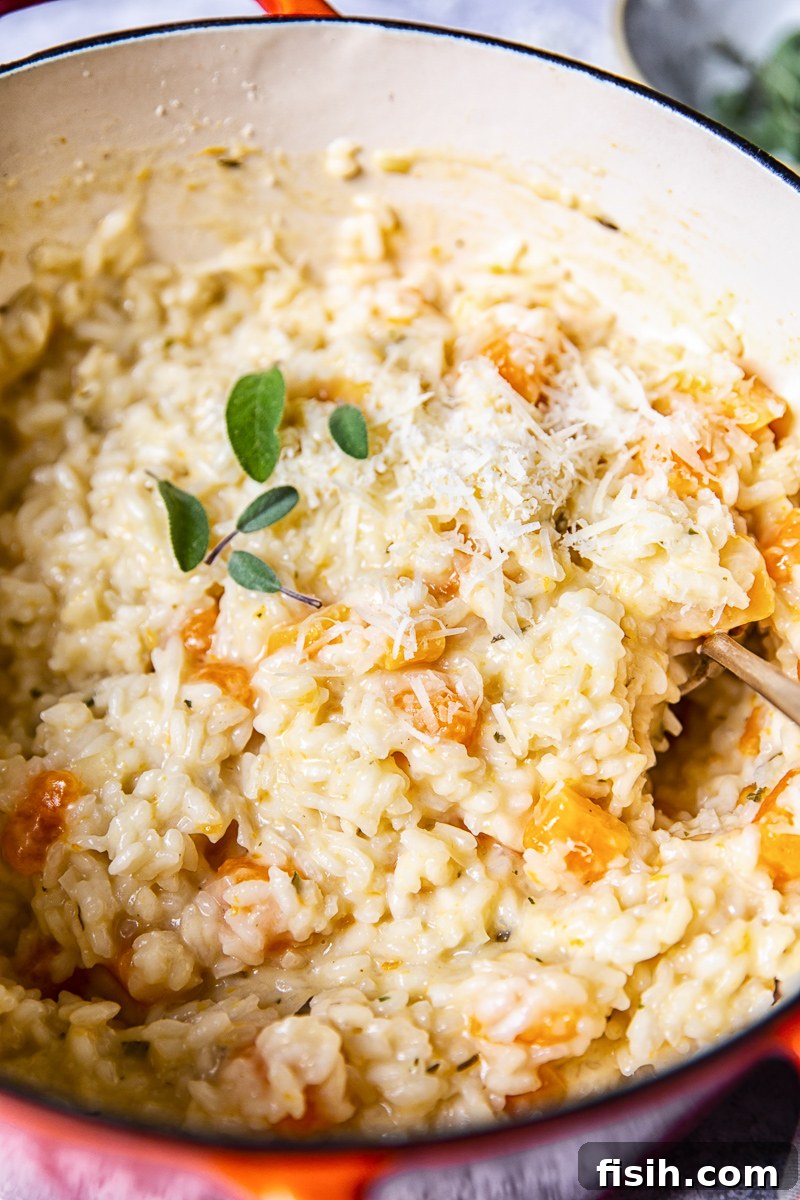
Risotto holds a unique charm in the world of Italian cuisine. At its heart, it’s a simple dish, yet the technique involved allows it to achieve an unparalleled level of creaminess and sophistication. The secret lies in the gradual addition of warm liquid while the rice is continuously, yet gently, stirred. This process encourages the risotto rice to slowly release its starches, creating a naturally velvety, unctuous sauce that coats every grain.
Like its pasta counterpart, risotto is a culinary blank slate, offering endless possibilities for adaptation and flavor experimentation. Once you’ve mastered the fundamental technique, you’ll find it incredibly easy to infuse your risotto with a myriad of seasonal ingredients and personal preferences. From vibrant spring vegetables to robust winter squash, the versatility of risotto knows no bounds.
Among our favorites are the hearty Chicken and Mushroom Risotto, an excellent one-pan meal for busy evenings, and the flavorful Prawn Risotto, perfect for seafood enthusiasts. While pumpkin risotto is a celebrated Italian classic, we’ve opted for seasonal butternut squash in this recipe. By enhancing its natural sweetness with the subtle tang of mild goat cheese, we’ve crafted a dish that not only meets but far exceeds expectations. The sweet butternut squash and creamy, slightly sharp goat cheese strike an exquisite balance in every spoonful of this rich, comforting risotto.
The Star Ingredients: Butternut Squash, Sage & Goat Cheese
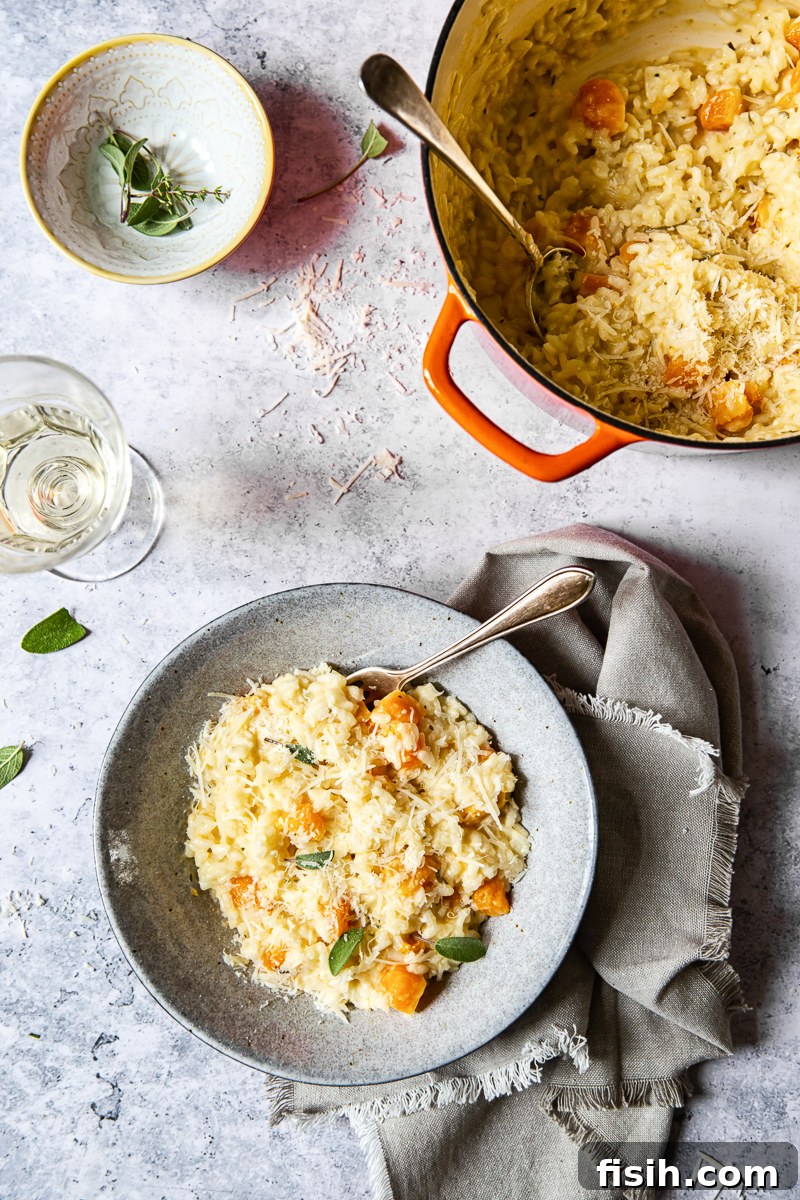
The magic of this particular risotto lies in the thoughtful combination of its star ingredients, each playing a crucial role in creating a complex yet perfectly cozy dish.
Butternut Squash: Sweetness and Depth
Butternut squash, with its vibrant orange flesh, brings a natural sweetness and a subtle nutty flavor to the risotto. When gently cooked, it softens beautifully, almost melting into the creamy rice. Beyond its delightful taste, butternut squash is packed with vitamins and antioxidants, adding a healthy boost to this indulgent meal. Its inherent mildness allows it to absorb and complement the other flavors without overpowering them.
Goat Cheese: Tangy Creaminess
The addition of goat cheese is what truly sets this risotto apart. Its distinct tangy and slightly earthy flavor provides a brilliant counterpoint to the sweetness of the butternut squash. As it melts into the hot risotto, it contributes an extra layer of creaminess and a sophisticated depth that elevates the entire dish. If you’re new to goat cheese, a mild variety is recommended to ensure a smooth introduction to its unique profile.
Fresh Sage: Aromatic Earthiness
Sage, a classic herb often paired with winter squash and other autumnal flavors, introduces a fragrant, earthy note that ties everything together. Its slightly peppery and pine-like aroma complements the richness of the cheese and the sweetness of the squash beautifully. Fresh sage is preferred for its vibrant flavor, but dried sage can be a suitable substitute if fresh is unavailable.
Together, these three ingredients create a surprisingly complex yet utterly harmonious flavor profile, making this butternut squash risotto a standout dish that’s both comforting and gourmet.
Mastering the Risotto Rice: The Key to Authentic Creaminess
The foundation of any truly great risotto is the right kind of rice. It’s tempting to use whatever rice you have on hand, but to achieve that signature creamy texture, selecting a specific risotto rice variety is non-negotiable. Common long-grain varieties like basmati or jasmine simply won’t yield the desired results, as they lack the necessary starch content.
Arborio Rice: The Accessible Choice
The most widely available and popular choice for risotto is Arborio rice. Characterized by its short, plump grains, Arborio has a high starch content that is crucial for creating that wonderfully creamy, velvety sauce we all love. It’s relatively easy to find in most grocery stores and provides a consistently excellent result for home cooks.
Carnaroli Rice: The Chef’s Favorite
Considered the “king of risotto rice” by many Italian chefs, Carnaroli is another traditional and highly regarded variety. While it might be a bit more expensive and harder to find outside of specialty stores, Carnaroli rice delivers an even creamier sauce and boasts a superior al dente texture—meaning it remains pleasantly firm to the bite even when the exterior is tender. Its larger grains are also more forgiving, making it a favorite for those aiming for perfection.
Other Varieties for the Adventurous Cook
Beyond Arborio and Carnaroli, other varieties like Baldo, Maratelli, Padano, Roma, and Vialone Nano exist. These are typically found in specialty Italian markets and offer slightly different characteristics in terms of creaminess and grain texture, appealing to those who wish to delve deeper into traditional risotto making.
Crucial Tip: Do NOT Wash Risotto Rice!
Perhaps the most important rule when working with risotto rice is to avoid washing it before use. Unlike other rice varieties where washing is standard practice to remove excess starch, for risotto, the starch is precisely what you need. It’s the magical element that, when gradually released during cooking, thickens the liquid to create the smooth, luscious sauce that defines a perfect risotto.
Essential Tips for a Flawless Butternut Squash Risotto
- Choose the Right Pot: Opt for a large, heavy-bottomed pot or a Dutch oven over a shallow pan. A deeper pot provides more consistent heat distribution and enough room for the rice to expand and absorb liquid evenly, preventing it from drying out too quickly at the edges.
- Select Quality Risotto Rice: As discussed, Arborio is the most accessible and affordable option, offering excellent creaminess. Carnaroli is a higher-quality choice, though it may be harder to find and more expensive. Avoid using regular long-grain rice, as it won’t achieve the desired texture.
- Never Wash the Rice: This bears repeating! The starch on the surface of risotto rice is vital for creating that signature creamy sauce. Washing it away would compromise the dish’s texture significantly.
- Incorporate a Splash of Wine: A dry white wine or Vermouth adds a layer of depth and acidity that balances the richness of the risotto. It deglazes the pan, introducing complex flavors that transform the dish from merely rich and cheesy to truly sophisticated and delicious. Cook until the wine is almost fully absorbed before adding stock.
- Use the Best Quality Stock Available: The stock is a primary flavor component, so its quality directly impacts the final taste of your risotto. While homemade stock is always superior, a high-quality store-bought chicken or vegetable stock will still make a significant difference. Heat your stock before adding it to the rice to maintain a consistent cooking temperature and prevent cooling the risotto down.
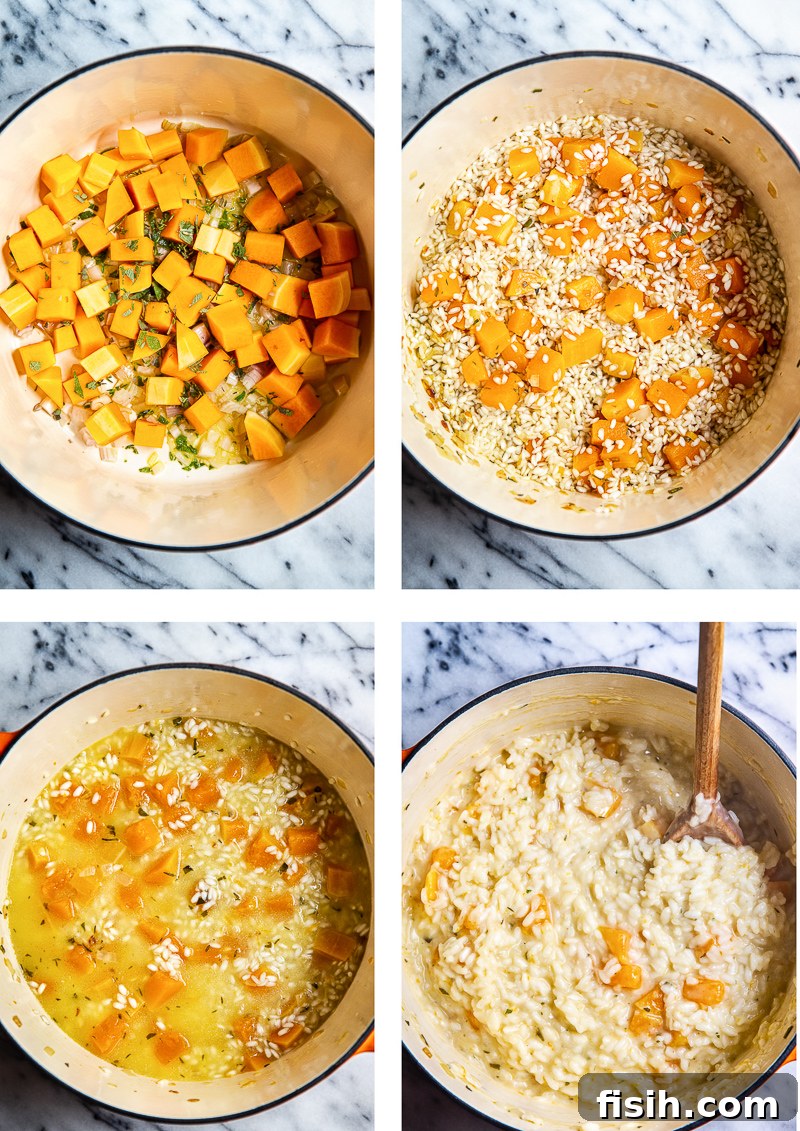
- Debunking the “Constant Stirring” Myth: Risotto is often perceived as a fussy recipe due to the myth of “constant stirring.” While stirring is important, it doesn’t need to be non-stop. After adding each ladleful of stock, stir for about 30 seconds to distribute the liquid and encourage starch release. Then, let the risotto gently simmer, stirring occasionally, until most of the liquid is absorbed before adding the next ladle.
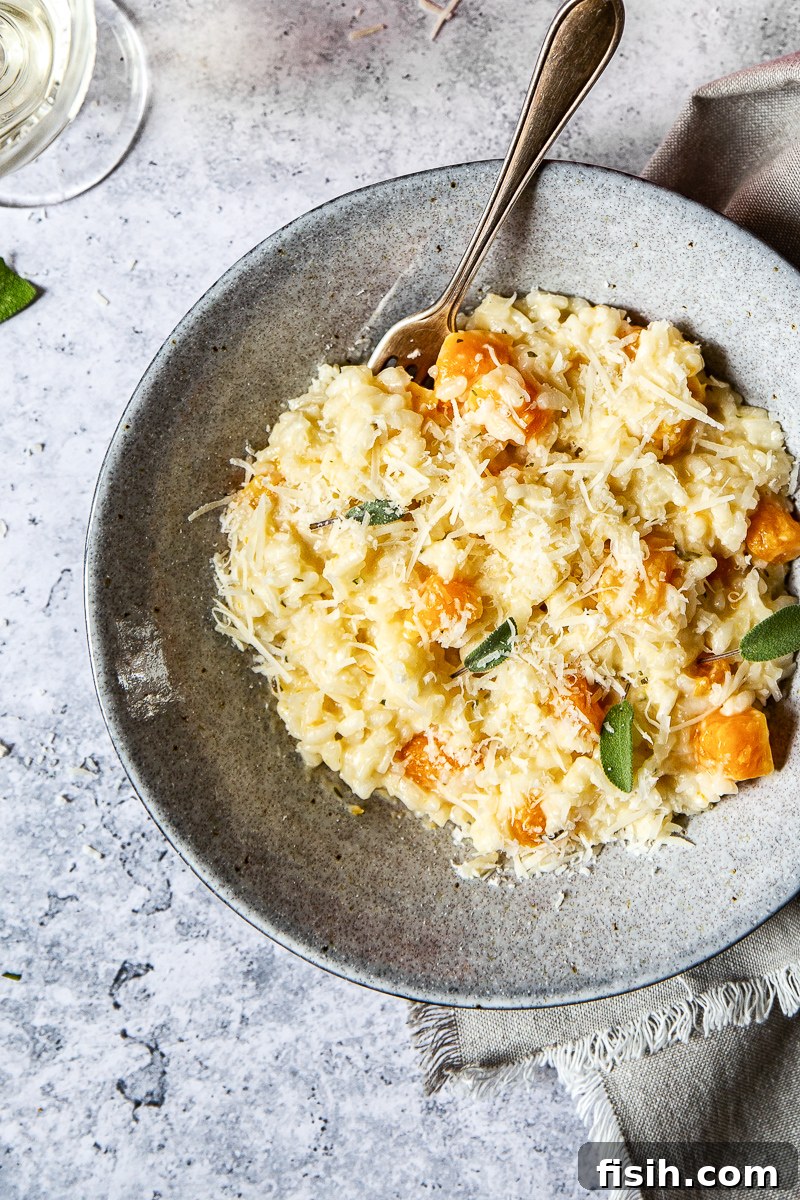
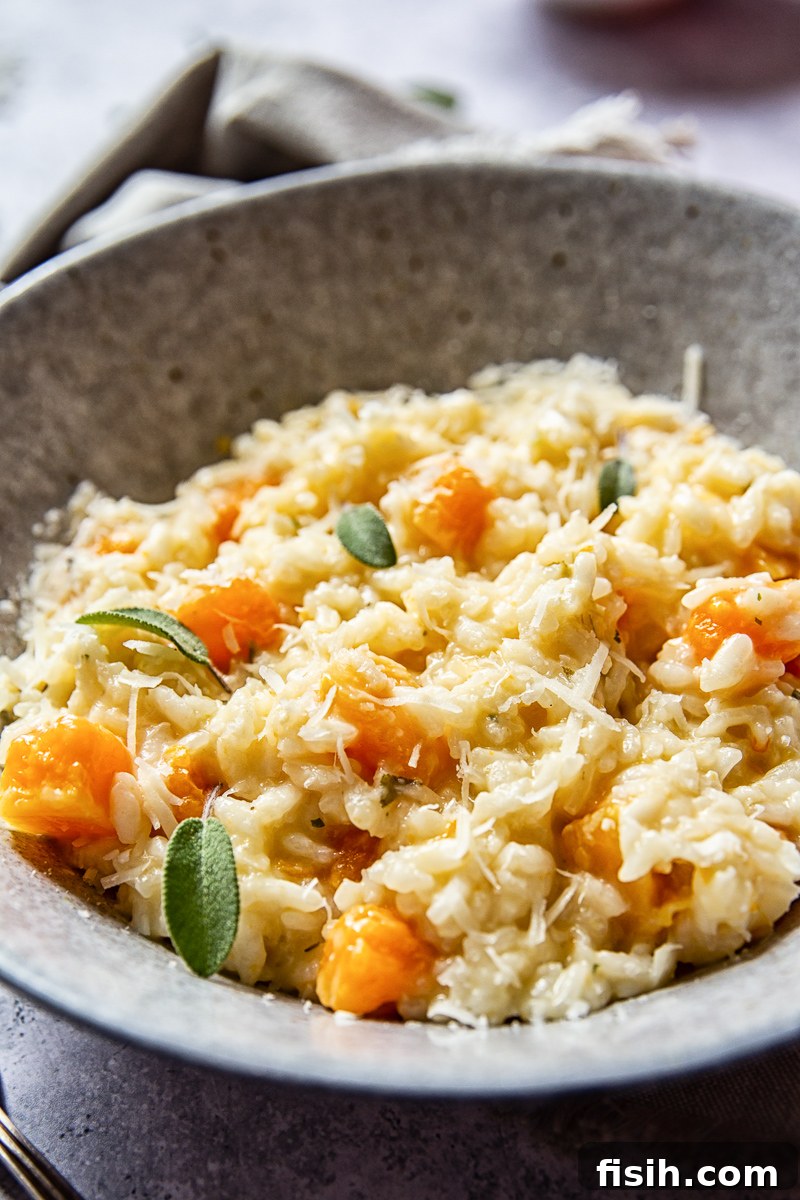
- Aim for Perfect Texture: A perfectly cooked risotto should be “all’onda” – meaning it has a loose, wave-like consistency that ripples rather than holds its shape when poured into a bowl. The rice grains should be “al dente,” cooked through but still retaining a slight bite in the center. If it’s soft like rice pudding, it’s overcooked.
- Maintain Medium Heat: Cook the risotto over medium heat. This ensures a constant, gentle simmer, allowing the rice to absorb the liquid steadily and release its starch without sticking or cooking too quickly on the outside while remaining raw inside.
- Season Throughout the Process: Don’t wait until the end to season. Add a pinch of salt when you introduce each new ingredient (onions, rice, wine). This layering of seasoning builds flavor. Always taste and adjust the seasoning at the very end, as risotto often requires a generous amount of salt for its flavors to truly shine.
- Address Dryness Post-Cooking: Rice continues to absorb liquid even after being removed from the heat. If you find your risotto too dry after resting, or if you’ve run out of stock, simply stir in a bit of boiling water (or extra warm stock) a tablespoon at a time until it reaches your desired creamy consistency.
Creative Variations and Substitutions
While this Butternut Squash Risotto recipe is perfect as is, it also serves as an excellent canvas for customization. Feel free to adapt it to your taste or what you have on hand.
- Herb Alternatives: If fresh sage isn’t available, dried sage works well, though you’ll use a smaller quantity (typically 1/3 of the fresh amount). Rosemary is another wonderful herb that pairs beautifully with butternut squash and can be substituted for sage, offering a slightly more resinous, earthy flavor.
- Cheese Swaps: If goat cheese isn’t to your liking or available, mild cream cheese can be used to add creaminess and a subtle tang. For a richer, more Italian flavor profile, consider mascarpone cheese or even a blend of Parmesan and a touch of ricotta.
- Adding Protein: To transform this vegetarian dish into a heartier, non-vegetarian meal, consider stirring in cooked pieces of rotisserie chicken, crispy bacon bits, or even diced and sautéed chorizo towards the end of cooking. These additions introduce extra flavor and texture.
- Wine Substitution: Dry white wine or Vermouth adds significant depth. If you prefer to avoid alcohol, a tablespoon of white wine vinegar diluted with a few tablespoons of vegetable stock can offer a similar acidic balance, though the complexity of flavor will be slightly different.
Perfect Pairings: What to Serve with Risotto
Risotto is often mistakenly relegated to a side dish, but its richness and hearty nature make it a perfect main course. In Italy, risotto is traditionally served as a “primo piatto” (first course) before a meat or fish dish. However, when serving this Butternut Squash Risotto as the main event, you really only need a simple, refreshing accompaniment.
The key to pairing with a creamy risotto is to choose something light and fresh that can cut through its richness. Fresh salads with bright, acidic vinaigrettes are ideal choices that provide a welcome contrast in both flavor and texture.
Our top recommendations include a vibrant Tomato Salad with Herb Vinaigrette and Feta, or the rustic charm of a Tuscan Panzanella Salad. For an even more classic Italian touch, a simple Caprese Salad with ripe tomatoes, fresh mozzarella, and fragrant basil is an exquisite choice.
Storage and Leftovers
In our household, risotto is such a beloved dish that leftovers are a rare luxury! However, if you do find yourself with a bit extra of this delicious butternut squash risotto, it stores quite well. Simply transfer it to an airtight container and refrigerate it. It will maintain its quality for 3-4 days.
Be aware that risotto tends to thicken considerably in the fridge as the rice continues to absorb liquid and the starches set. Leftovers can become a bit stodgy, but reheating is straightforward. When warming it up, we recommend adding a couple of tablespoons of water or extra stock per cup of risotto. Stir it in gradually to help loosen the sauce and restore its creamy texture.
While a microwave can be used for reheating, for the best results, gently warm the risotto in a saucepan over medium heat, stirring frequently until it’s heated through and has regained its desired consistency.
Butternut Squash Risotto with Sage and Goat Cheese Recipe
By Julia Frey of Vikalinka
Prep Time: 10 mins | Cook Time: 20 mins | Total Time: 30 mins | Servings: 4-6
Creamy risotto with goat cheese, sage and butternut squash.
Ingredients
- 200g (1 cup) butternut squash, peeled and diced
- 1 litre (4-4.5 cups) chicken or vegetable stock
- 2 tbsp olive oil
- 1 small onion, diced
- 4 sage leaves, chopped
- 2 sprigs fresh thyme, or 1 tsp dried thyme
- 300g (1.5 cups) Arborio Rice
- 125 ml (1/2 cup) dry white wine
- Salt to taste
- 2 tbsp mild goat cheese, or cream cheese
- 4 tbsp Parmesan cheese
Instructions
- Heat your stock and keep it simmering on the stove.
- Dice your peeled butternut squash into 1 cm cubes, chop your onion, sage, and take thyme leaves off the sprigs. Cook these in olive oil over low heat for 10 minutes with a pinch of salt until the butternut squash is nearly done.
- Add Arborio rice and cook, stirring, for 2 minutes to slightly toast the rice and coat it with olive oil. Add the wine and cook until most of it evaporates. Add another pinch of salt.
- Spoon a ladleful of stock, just enough to cover the rice. Adjust the heat so the risotto simmers gently. Continue adding stock in equal intervals each time the previous ladleful is absorbed. Keep stirring to release the starch and ensure your risotto is creamy. This process should take approximately 20 minutes.
- Take the risotto off the heat and stir in goat cheese, then grated Parmesan cheese. Taste again and adjust salt if needed.
Nutrition
- Calories: 425kcal
- Carbohydrates: 57g
- Protein: 13g
- Fat: 13g
- Saturated Fat: 3g
- Cholesterol: 13mg
- Sodium: 1617mg
- Potassium: 528mg
- Fiber: 3g
- Sugar: 6g
- Vitamin A: 5445IU
- Vitamin C: 13.3mg
- Calcium: 119mg
- Iron: 3.9mg
Nutrition information is automatically calculated, so should only be used as an approximation.
Tried this recipe? Let us know how it was!
Explore More Vegetarian Comfort Food Recipes
- Tomato Basil Spaghetti
- Cauliflower Potato Curry Aloo Gobi
- Savoury Buckwheat Bowl
- Roasted Mushroom Risotto
- Spinach and Artichoke Stuffed Spaghetti Squash