
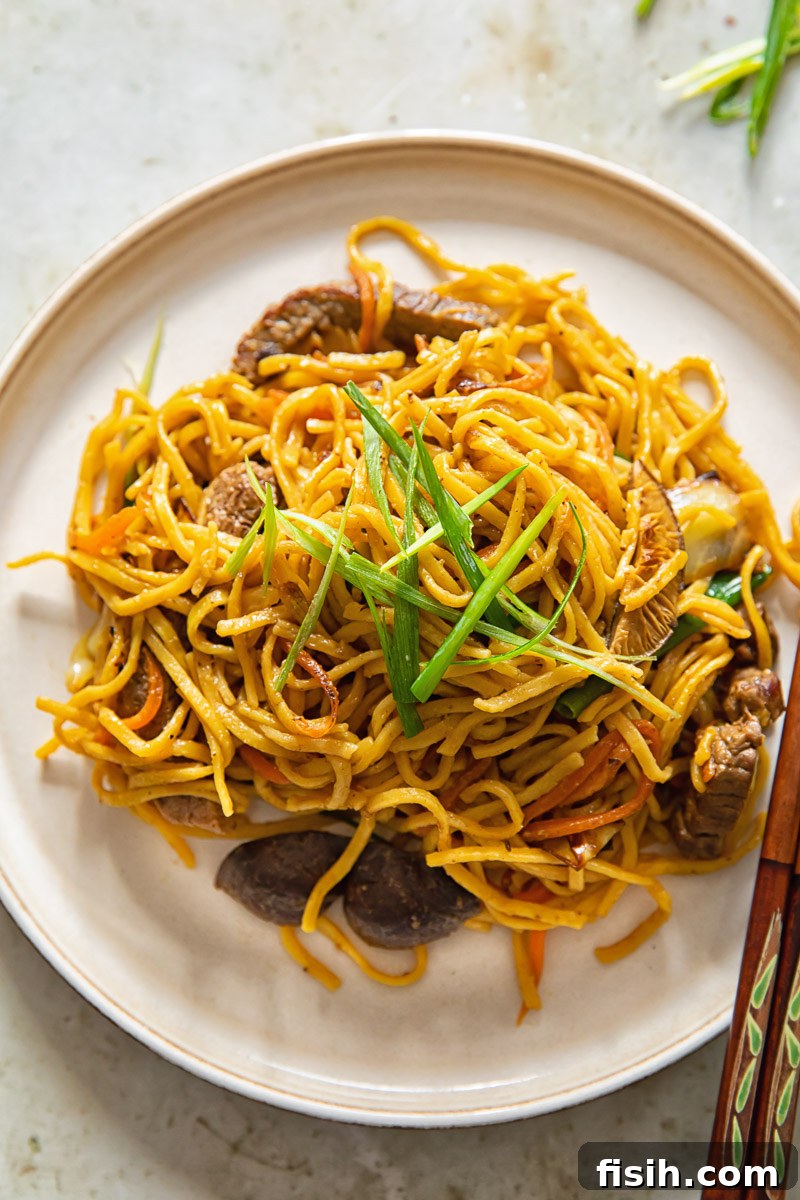
Imagine the perfect mouthful: tender, juicy beef strips mingling with perfectly cooked noodles, vibrant, crunchy vegetables, all coated in a savory-sweet, irresistible sauce. Now imagine creating that culinary masterpiece in your own kitchen, faster than ordering takeout and for a fraction of the cost. This isn’t just a fantasy; it’s the promise of this Quick Beef Yakisoba recipe. Get ready to elevate your home cooking and perhaps give your favorite Japanese restaurant a run for its money.
Craving more tantalizing noodle dishes? Explore Singapore Noodles for a spicier adventure, or for another beef-infused delight, try our Quick Gochujang Noodles with Beef. Don’t forget to check out our comprehensive Asian Recipe Collection for endless inspiration.
What is Yakisoba? A Journey into Japan’s Beloved Stir-Fried Noodles
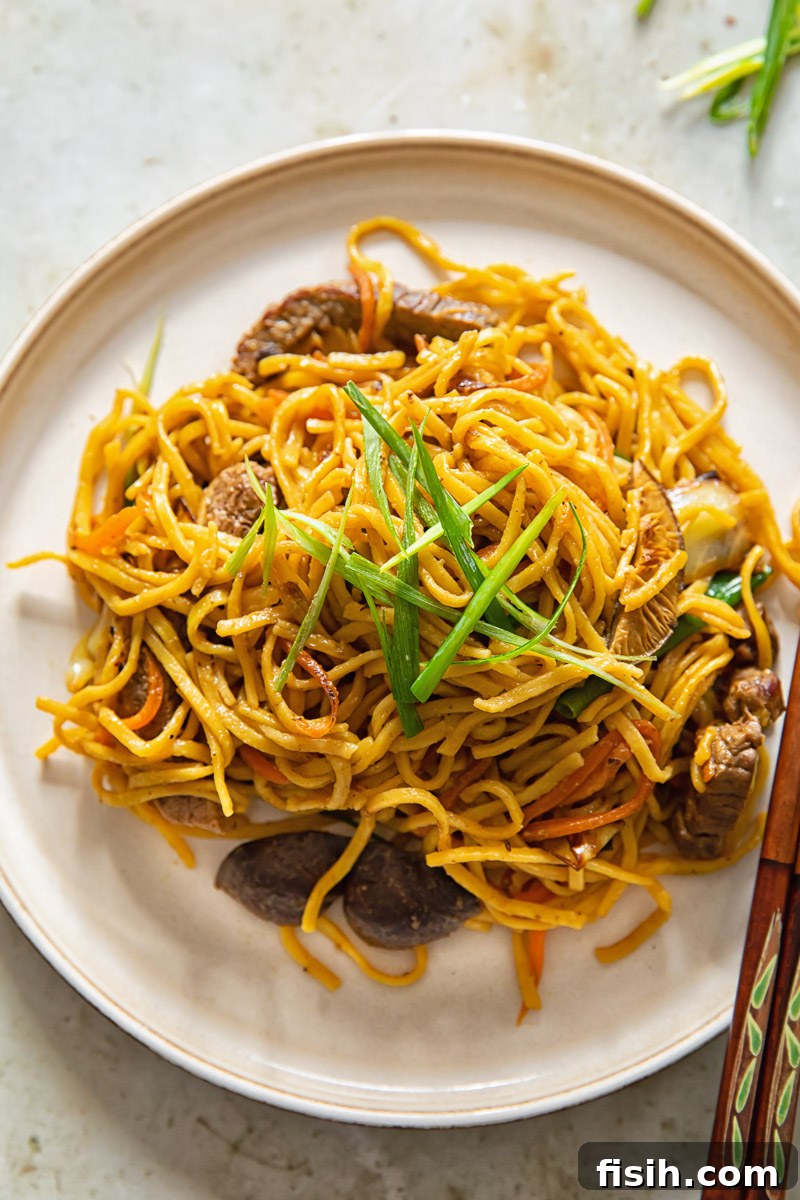
Yakisoba, literally meaning “stir-fried noodles,” is a quintessential Japanese street food that has captured hearts worldwide. Despite its seemingly long history, this vibrant dish is a relatively modern invention, gaining popularity in Japan less than a century ago. It’s celebrated for its dynamic blend of textures and flavors, typically featuring chewy noodles, an assortment of crisp vegetables, a protein like meat or a vegetarian alternative, and a distinctive sweet and savory yakisoba sauce.
The name “soba” often brings to mind thin, earthy buckwheat noodles. However, in the context of yakisoba, the noodles are actually made from plain wheat flour, resembling ramen noodles in texture and appearance. These versatile wheat noodles provide the perfect base for absorbing the rich sauce and complementing the other ingredients. While traditional yakisoba uses wheat noodles, don’t hesitate to experiment with other varieties like egg noodles if you prefer a different chew or mouthfeel.
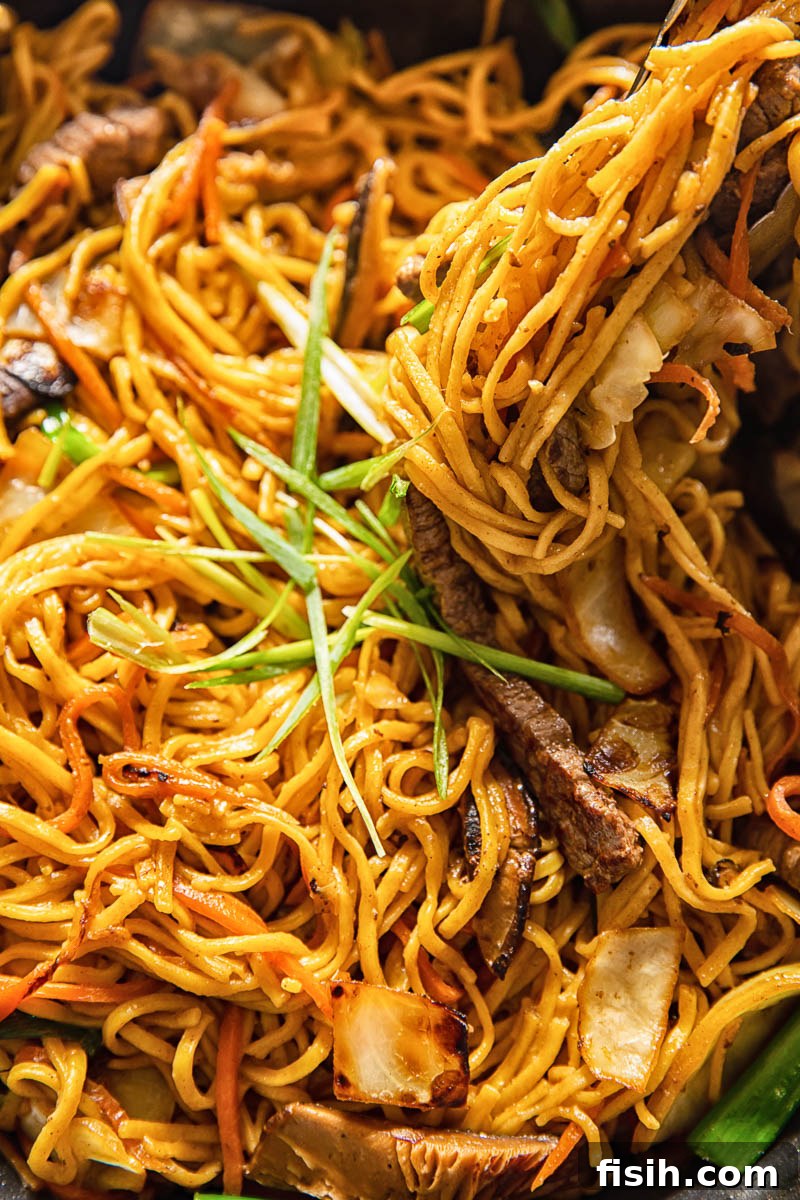
Our recipe focuses on a delicious beef yakisoba, but the beauty of this dish lies in its incredible flexibility. You can easily adapt it to your preferences or whatever ingredients you have on hand. Common protein variations include succulent chicken, tender pork, juicy prawns, or even plant-based options like firm tofu for a vegetarian twist. The same goes for your vegetables; the possibilities are endless!
For a classic crunch and earthy flavor, I often opt for shredded cabbage, julienned carrots, and sliced shiitake or button mushrooms. Bell peppers add a lovely sweet bite and vibrant color, especially if you have some to use up. To lean into more authentic East Asian flavors, consider adding bean sprouts for freshness and bok choy for a tender, leafy green element. The goal is a delightful mix of textures and tastes in every forkful.
Yaki Soba vs. Yaki Udon: A Noodle Battle Worth Experiencing
When it comes to stir-fried Japanese noodles, yakisoba often finds itself compared to yaki udon. While both are incredibly satisfying stir-fries featuring similar sauce profiles and an array of meats and vegetables, the fundamental difference lies in their star ingredient: the noodles. Yaki Udon, as its name suggests, is made with thick, smooth, and wonderfully chewy udon noodles. These robust noodles offer a distinctly different texture experience compared to the thinner wheat noodles of yakisoba, making yaki udon a truly delightful “slurper” dish. There’s no need to choose a winner; both are fantastic in their own right, and trying our Chicken Yaki Udon is highly recommended to appreciate the difference.
Crafting the Perfect Yakisoba Sauce: The Heart of the Dish
The magic of a great yakisoba lies in its signature sauce – a harmonious balance of sweet, savory, and tangy notes. My preferred method for an authentic and simple yakisoba sauce uses a classic Japanese trio, following an easy-to-remember 3:2:1 ratio for exceptional flavor depth. Understanding each component is key to mastering this essential element:
- Soy Sauce (3 parts): This fundamental ingredient brings essential saltiness and a rich, umami depth. It forms the backbone of countless East Asian sauces, marinades, and dips, providing an intense savory foundation for our yakisoba.
- Mirin (2 parts): A type of sweet rice wine, mirin adds a syrupy sweetness and a subtle tang that enriches the sauce. It’s renowned for imparting a beautiful glaze and delicious luster to dishes, making it an indispensable elegant seasoning. If you don’t have mirin, a dry sherry can be a suitable substitute, though it will alter the nuanced sweetness slightly.
- Tsuyu or Dashi Stock (1 part): This ingredient is the secret to enlivening the sauce with its distinct, savory sea-flavored essence. Tsuyu is a versatile Japanese soup base, often made from dashi (a stock derived primarily from bonito flakes and kombu kelp seaweed) blended with soy sauce and mirin. Dashi provides a profound umami flavor that beautifully cuts through the richness of the other sauce components, adding complexity and authenticity.
While this 3:2:1 trinity forms a fantastic base, yakisoba sauce recipes are incredibly adaptable. Some cooks might add a dash of tomato ketchup for extra tartness and depth, while others might introduce sriracha or chili garlic sauce for a spicy kick. Once you’re comfortable with this core blend, feel free to experiment with other flavors – a hint of grated ginger, minced garlic, a touch more sugar, or a splash of rice vinegar can all customize the sauce to perfectly suit your palate.
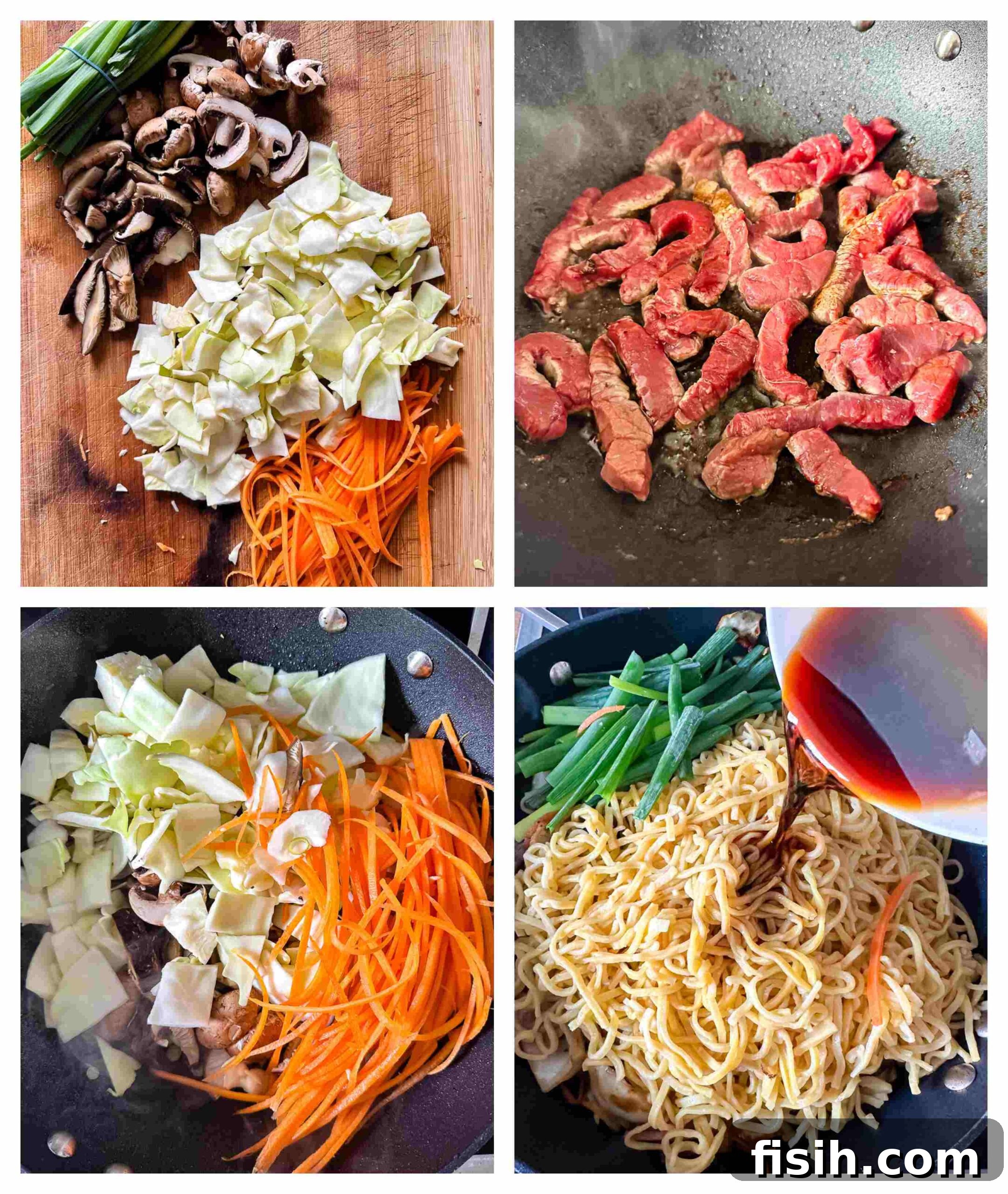
Essential Ingredients for Your Quick Beef Yakisoba
Creating a truly memorable Beef Yakisoba starts with selecting quality ingredients and preparing them thoughtfully. Here’s a closer look at the key components:
- Beef: Opt for lean, quick-cooking cuts like sirloin, rump, or even flank steak. The key to tender beef in a stir-fry is to slice it against the grain into thin, bite-sized strips. This ensures it cooks quickly and remains succulent.
- Noodles: As mentioned, plain wheat noodles are traditional for yakisoba. You can often find “yakisoba noodles” specifically in Asian markets, which are pre-cooked and simply need to be loosened. Otherwise, medium egg noodles or even ramen noodles (without the seasoning packet) work beautifully. Always cook them according to package directions, then rinse to prevent sticking.
- Vegetables:
- Cabbage: White cabbage is a staple, adding a refreshing crunch and sweetness when stir-fried.
- Mushrooms: Shiitake mushrooms offer a deep, earthy umami flavor and a meaty texture. Button mushrooms are a readily available and delicious alternative. Remember to remove tough stems from larger shiitakes.
- Carrots: Julienne carrots add vibrant color and a sweet crispness.
- Green Onions (Scallions): Use both the white parts, which are sautéed with other vegetables for aromatic depth, and the green parts, which are added at the end for fresh flavor and garnish.
- Optional Additions: Don’t limit yourself! Bell peppers (any color), broccoli florets, snap peas, or even bean sprouts can enhance both the nutritional value and visual appeal of your yakisoba. Ensure all vegetables are cut into uniform, bite-sized pieces for even cooking.
- Oil: A neutral-flavored oil with a high smoke point, such as vegetable oil or canola oil, is ideal for stir-frying.
- Sesame Oil: A drizzle of toasted sesame oil at the very end adds a wonderfully aromatic finish and depth of flavor.
Recipe Tips and Notes for Yakisoba Success
- Tsuyu/Dashi Substitute: If you’re struggling to find tsuyu or dashi stock at your local supermarket, look for it online in Asian specialty stores. As a readily accessible alternative, a good quality Worcestershire sauce can mimic some of the savory, umami notes, although the flavor profile will differ slightly.
- Mise en Place is Crucial: This is a fast-paced stir-fry, meaning everything happens quickly once you start cooking. It is absolutely essential to have all your steak, vegetables, and sauce ingredients prepped, sliced, and ready to throw into the wok or pan before you even turn on the heat. There’s no time to stop and chop mid-cook!
- Mushroom Prep: If you’re using fresh shiitake mushrooms, trim off their tough, woody stems as they can be unpleasant to chew. For smaller button mushrooms, simply slice them or leave them whole.
- Dried Shiitakes: Dried shiitake mushrooms are an excellent pantry staple and often easier to find. To use them, simply rehydrate them in a bowl of boiling water for 20-30 minutes until soft. Once rehydrated, squeeze out excess water, remove the tough stems, and slice them as you would fresh mushrooms.
- Hot Wok, Less Stick: Ensure your wok or large pan is screaming hot before adding oil and ingredients. This creates that desirable “wok hei” (breath of the wok) and helps prevent sticking, ensuring beautifully seared meat and crisp-tender vegetables.
- Don’t Overcrowd: Cook the beef and vegetables in batches if necessary, especially if you’re using a smaller pan. Overcrowding cools the pan down, leading to steamed instead of stir-fried ingredients.
Serving Suggestions for a Complete Meal
While Quick Beef Yakisoba is a fantastic one-pan meal, offering a perfect balance of protein, carbohydrates, and vegetables, you can certainly enhance the dining experience with a few thoughtful additions. For a truly authentic Japanese meal, consider serving it alongside a simple side of miso soup or a refreshing cucumber salad dressed with a light vinaigrette.
If you’re looking to expand the meal or cater to different dietary preferences, adding another regional dish can complement the flavors and textures beautifully. For an unexpected yet delicious pairing, our Hoisin Glazed Crispy Tofu offers a wonderful contrast in texture and a burst of savory sweetness, making it a surprisingly enjoyable option even for those who are new to tofu.
Storage and Reheating Leftover Yakisoba
Leftover stir-fries like Yakisoba are a fantastic next-day meal. Store any remaining portions in an airtight container in the refrigerator for 2-3 days. This ensures the flavors stay fresh and the ingredients retain their quality.
When you’re ready for Round Two, reheating is a breeze. Add a small amount of vegetable oil to a pan or wok and heat it over medium heat until shimmering. Add your leftover yakisoba and stir-fry for 5-7 minutes, breaking up any clumps of noodles, until everything is thoroughly heated through. A quick check to ensure the beef is piping hot is all it takes. It’ll be ready to enjoy again in no time!
Why You’ll Fall in Love with This Quick Beef Yakisoba
This Quick Beef Yakisoba recipe isn’t just about making a meal; it’s about unlocking a world of flavor and convenience. In just 20 minutes, you can create a dish that rivals your favorite Japanese takeout, without leaving your home or breaking the bank. It’s incredibly versatile, allowing you to customize proteins and vegetables to suit any preference or pantry. The rich, authentic sauce binds everything together, creating a symphony of sweet, savory, and umami notes that will have you coming back for more. Perfect for busy weeknights or a casual weekend treat, this Yakisoba is a testament to how quick and easy truly delicious home cooking can be.
More Noodle Recipes to Try
- Beef Chow Mein
- Easy Dan Dan Noodles
- Filipino Noodles with Pork and Shrimp (Pancit Canton)
- Prawn Noodle Stir Fry
- Vegan Dan Dan Noodles
Quick Beef Yakisoba
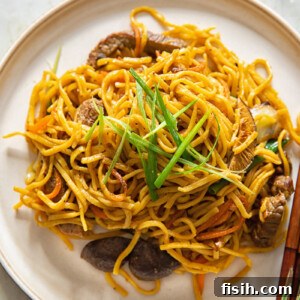
This quick and easy Beef Yakisoba, loaded with tender beef, vibrant vegetables, and savory sauce, is a weeknight dinner winner that will impress everyone.
Equipment
-
Carbon steel wok (or a large, heavy-bottomed frying pan)
Ingredients
- 250g / 8 oz dried medium egg noodles or Yakisoba noodles
- 1 tbsp vegetable oil
- Salt (for seasoning beef)
- 300g / 10 oz lean steak (such as sirloin or rump), thinly sliced against the grain
- 100g / 1 cup white cabbage, finely chopped into bite-sized pieces
- 100g / 1 cup shiitake mushrooms or button mushrooms, sliced (or a mix of both)
- 1 carrot, julienned
- 4 green onions, green parts cut into 2-inch pieces, white parts chopped
For the Yakisoba Sauce:
- 3 tbsp soy sauce
- 2 tbsp mirin (or dry sherry)
- 1 tbsp tsuyu/dashi stock (or Worcestershire sauce as a substitute)
- 1 tsp sesame oil (for drizzling)
Instructions
-
Prepare all your vegetables: finely slice the cabbage, cut the carrot into thin matchsticks. If using large shiitake mushrooms, trim off the tough stems; for smaller mushrooms, simply slice them or leave them whole. Cut the steak into thin, bite-sized pieces and season lightly with salt.
-
In a small bowl, whisk together the soy sauce, mirin, and tsuyu/dashi stock (or Worcestershire sauce) to create the yakisoba sauce. Set aside.
-
Cook the noodles according to their package instructions until al dente. Drain well and rinse briefly under cold water to prevent sticking, then set aside.
-
Heat the vegetable oil in a large wok or a spacious frying pan over high heat until shimmering. Add the seasoned steak and stir-fry for 1-2 minutes until it’s just seared on the outside. Do not overcrowd the pan; cook in batches if necessary.
-
Add the prepared cabbage, mushrooms, julienned carrots, and the chopped white parts of the green onions to the wok. Continue to stir-fry for 5-7 minutes, tossing frequently, until the vegetables are tender-crisp but still retain a slight bite. They should reduce in volume by about half.
-
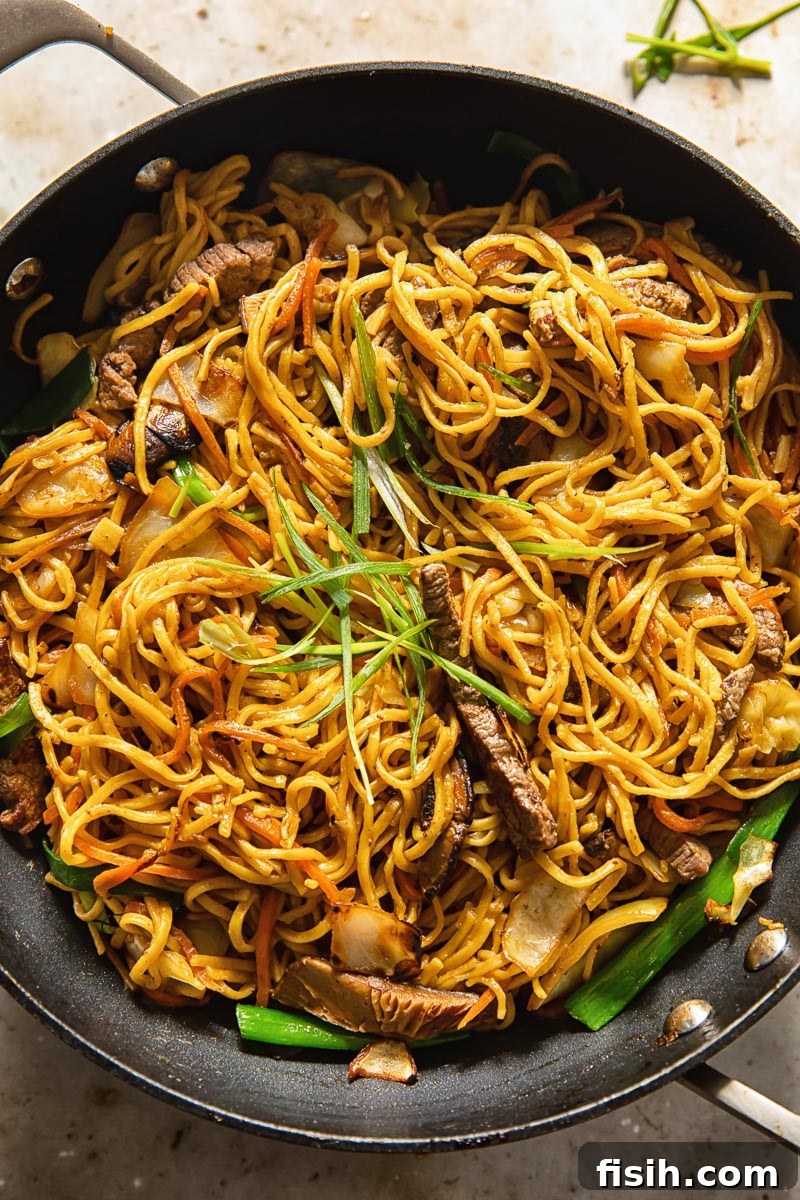
Add the cooked noodles and the green parts of the green onions to the wok with the beef and vegetables. Pour in the prepared yakisoba sauce. Toss everything together vigorously for 2-3 minutes, ensuring the noodles and all ingredients are evenly coated and heated through.
-
Remove from heat and drizzle with sesame oil just before serving. Serve immediately and enjoy your homemade Quick Beef Yakisoba!
Notes
Mushroom Tip: Dried shiitake mushrooms are a great option if fresh are hard to find. Rehydrate them by pouring boiling water over them and letting them soak for 20-30 minutes until softened. Always remove the tough stems from dried mushrooms before slicing and using.
Nutrition
Nutrition information is automatically calculated and should only be used as an approximation.