
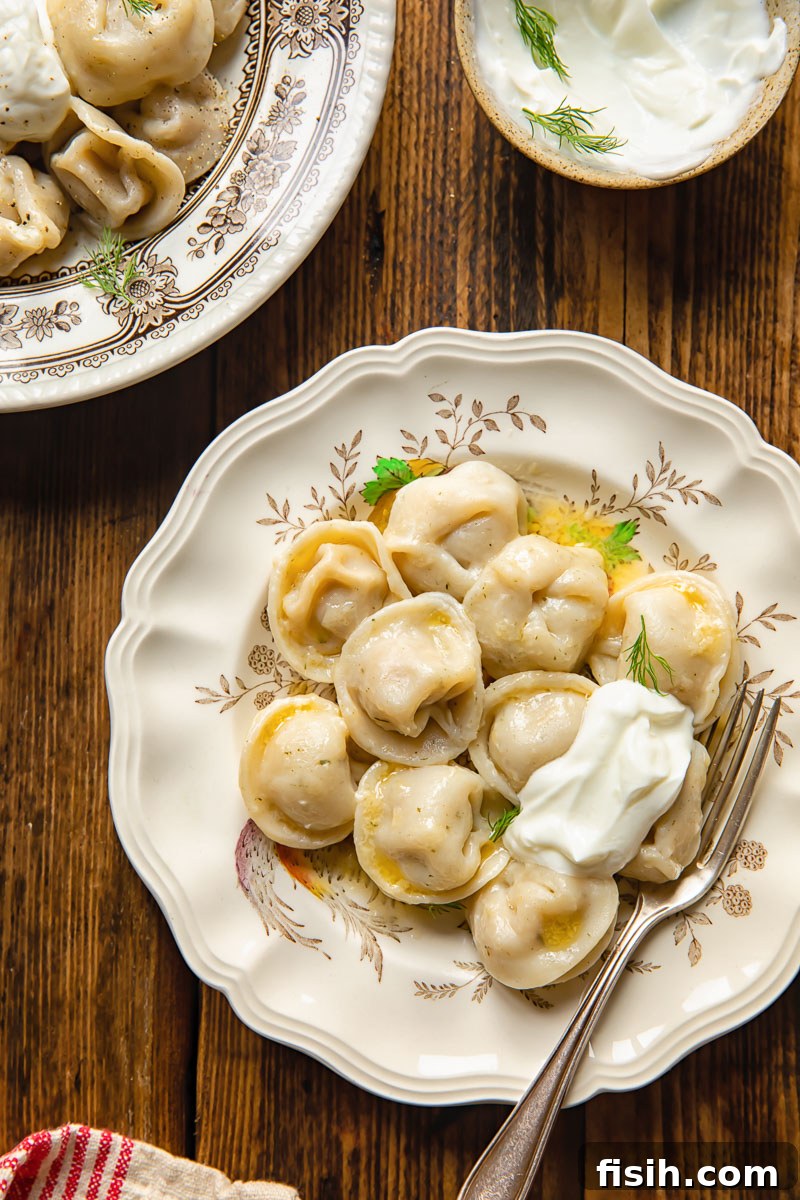
The Ultimate Guide to Authentic Siberian Pelmeni: A Culinary Journey into Russian Heartiness
Embark on a delightful culinary adventure with Pelmeni, the quintessential Russian meat dumplings that promise a burst of savory flavor in every bite. While the crafting of these delicate pockets of joy might seem intricate, it’s remarkably simpler than you imagine. Filled with a tender, juicy mix of seasoned beef and pork, and traditionally served with a generous dollop of sour cream, this recipe is destined to become a cherished family favorite in your home, just as it has been in countless Russian households for generations.
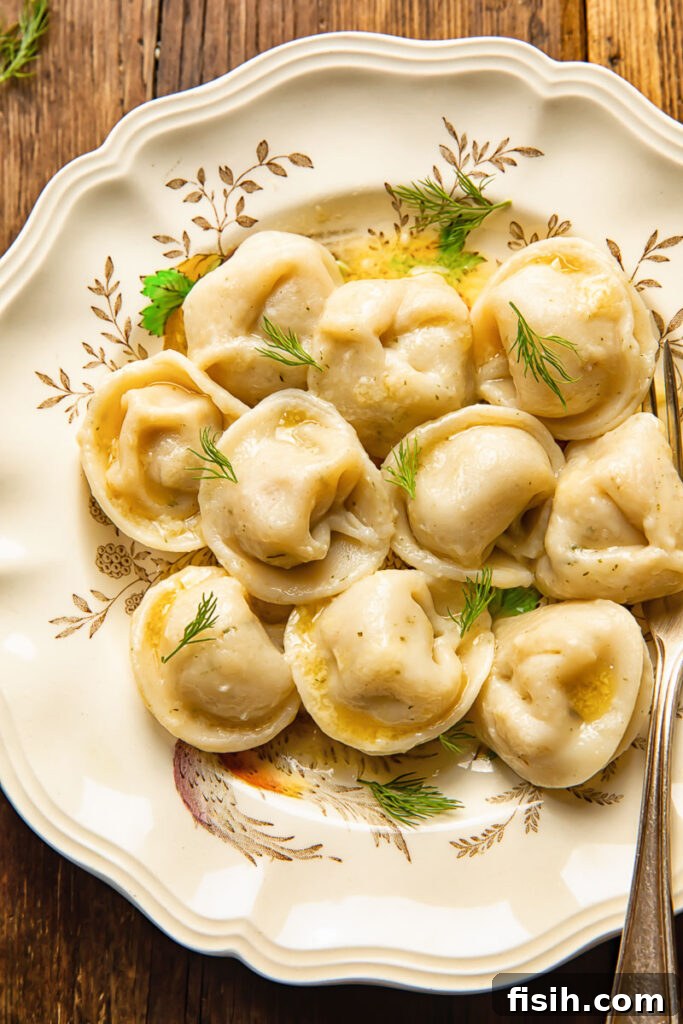
The mere sight of these little beauties brings a smile to my face! Sharing the art of making Siberian Pelmeni has been a long-held dream since the very beginning of my culinary blogging journey. There’s an undeniable emotional connection I hold for these humble meat dumplings. They were a constant presence in our family freezer, always ready to be transformed into a quick, comforting, and hearty meal. This tradition continues to this day; a selection of homemade pelmeni is always on hand, and never once have they been met with a complaint when gracing our table. And why would they? Each dumpling is a treasure trove of savory, tender, and incredibly juicy meat filling, enveloped in a delicate dough. Give them a try, and I guarantee they’ll claim a permanent spot on your family’s dining table too.
Discovering Siberian Pelmeni: Russia’s Beloved Dumplings
If you were to ask me what truly defines Russian cuisine, Pelmeni would undoubtedly sit atop my list. And if you inquired about my go-to comfort food, whether in moments of joy or sorrow, these meat dumplings would feature prominently. More importantly, if I were to choose one Russian dish to teach my children, Pelmeni would be my heartfelt answer. My own mother passed down this culinary wisdom when I was barely my daughter’s age, teaching me not just to make them, but to craft them “properly”—with beautifully crimped edges, a small detail that, while not strictly necessary, adds to the joy of making and eating them.
The exact origins of pelmeni in Russian cuisine remain somewhat shrouded in time, but it’s widely accepted that they made their way from Siberia, likely influenced by Chinese culinary traditions. What is undeniably clear, however, is their profound place in the nation’s heart. The word “pelmeni” itself is plural, signifying that no one ever stops at just one! These dumplings are adored by children and adults alike, holding the title of Russia’s most common frozen food. While store-bought versions are now more prevalent due to convenience, the magic of homemade pelmeni is a tradition worth preserving. Indeed, even I, despite my love for homemade, sometimes pick up a bag from my local Eastern European shop in London – they are truly ubiquitous!
Traditionally, pelmeni making is a deeply social event. It’s almost unheard of to make them alone. Historically, women from the extended family would gather, often over several days, to prepare vast quantities of these dumplings. This collective effort would result in an enormous stash, carefully frozen to provide hearty meals throughout the long, harsh Russian winter, embodying a spirit of community and sustenance.
Crafting Pelmeni: A Step-by-Step Guide
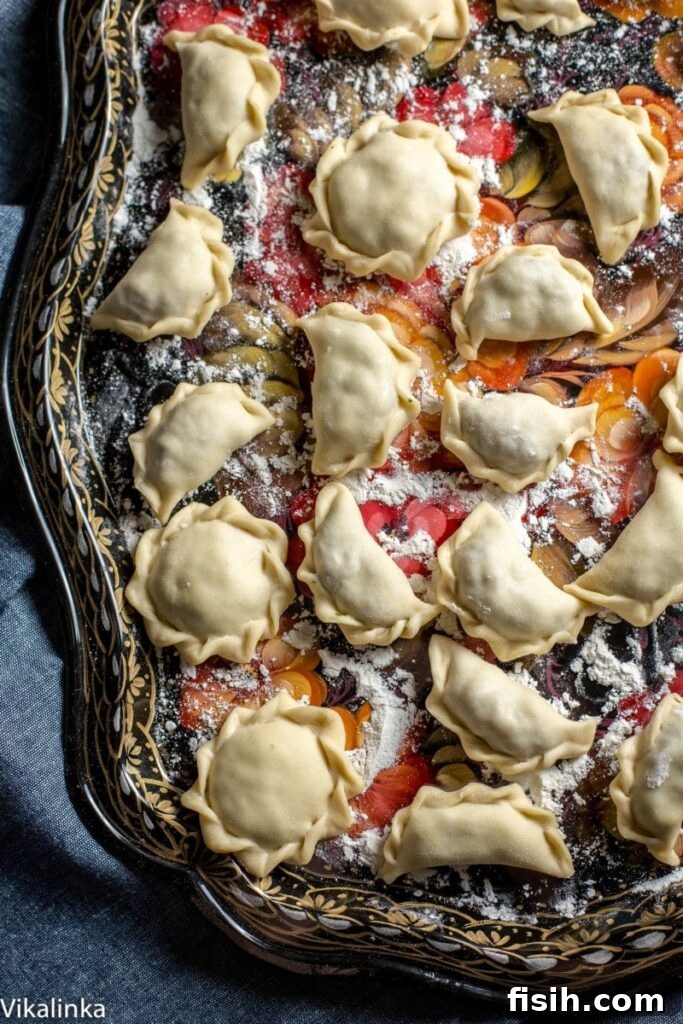
While the most traditional method for making pelmeni is entirely by hand, there are also specialized molds available that can dramatically expedite the process. For those seeking the authentic experience, I will guide you through the handmade method, though I’ll also share images of what mold-made pelmeni look like for comparison. The fundamental principle behind these meat-filled dumplings is straightforward and shares many similarities with various global dumpling traditions, from Chinese dumplings to Italian ravioli and tortellini. They are also close cousins to Eastern European delights like Polish pierogi and Ukrainian varenyky.
The primary distinction between pelmeni and their pierogi or varenyky relatives lies in their filling. While pierogi and varenyky can feature a variety of savory and even sweet fillings, pelmeni are exclusively savory. Furthermore, when meat is used in Polish pierogi, it is typically pre-cooked. In contrast, pelmeni fillings begin raw and cook encased within the dough, locking in all the delectable juices and flavors.
Essentially, pelmeni are thinly rolled pasta rounds, generously filled with a simple yet flavorful raw ground meat mixture, seasoned with salt and pepper, and then meticulously formed into their characteristic shapes. Once assembled, they are either boiled immediately for serving or frozen for future enjoyment. The best part? No specialized kitchen equipment is truly necessary. Forget the pasta machine; all you truly need is a rolling pin and your hands. Even a wine bottle can serve as a makeshift rolling pin in a pinch!
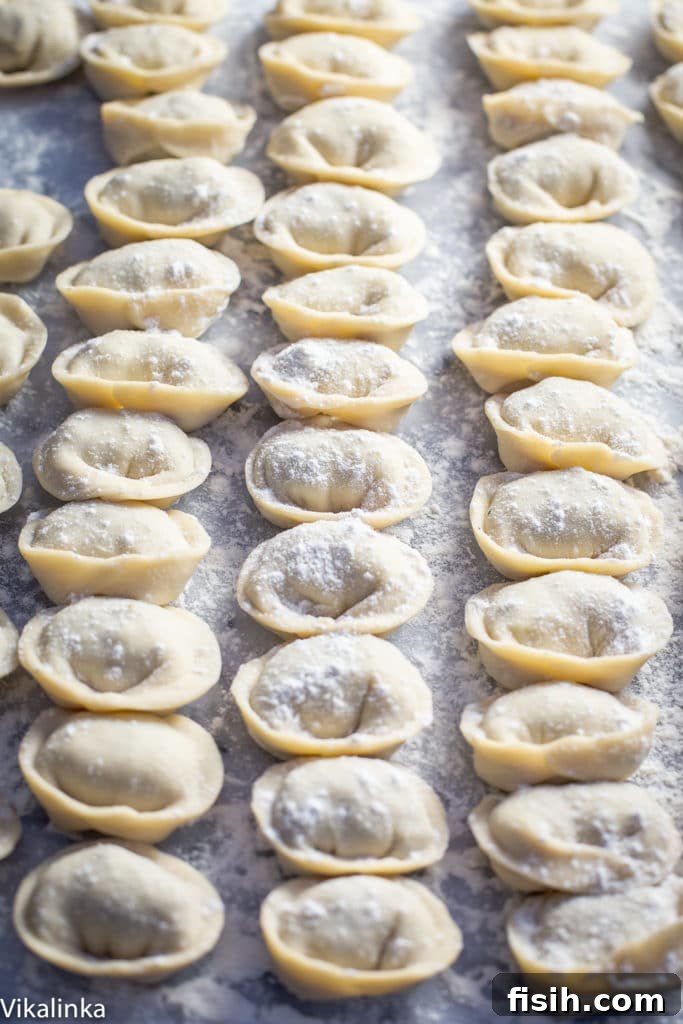
The most commonly recognized pelmeni shape, and the one you’ll often see, is a delicate half-moon. The ends are then carefully pinched together to form a small, round pelmen – yes, there is a singular form of the name, though it’s rarely used since no one ever eats just one!
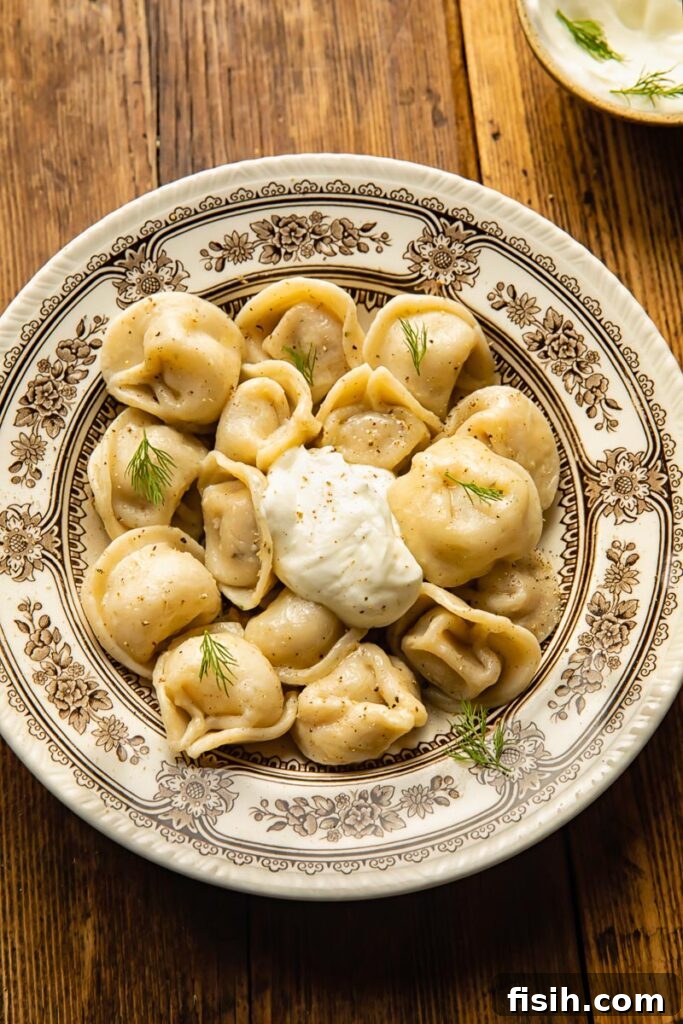
The Diverse Shapes and Flavors of Pelmeni Across Russia
Given Russia’s immense size and diverse landscapes, it’s only natural that culinary traditions, including pelmeni, would exhibit regional variations. While the classic meat filling (typically beef and pork) and the pinched half-moon shape are the most common, different parts of the country feature unique interpretations. For instance, pelmeni can be found stuffed with ingredients like mushrooms or even buckwheat, and folded into various shapes.
In the southwestern regions of Russia, close to the Ukrainian border (where my own grandmother hailed from), dumplings tend to be larger and often shaped more like Vareniki or Pierogi. When my family made pelmeni, we frequently opted for the half-moon shape, especially as we neared the end of a batch, as it allowed us to work through the dough more efficiently. These regional differences highlight the rich tapestry of Russian culinary heritage, with each variation offering a glimpse into local tastes and traditions.
Exploring Pelmeni Fillings: Beyond the Traditional
For any pasta lover, these meat dumplings are an absolute must-try. They are essentially a sublime form of meat-filled pasta, but not just any meat. The filling is so incredibly juicy that you’ll need to be careful, or it might just drip down your chin with that first delightful bite! The most prevalent and beloved filling for pelmeni is a carefully balanced combination of raw minced beef and pork, enhanced with finely chopped onion, garlic, salt, and pepper. However, in the colder northeastern regions of Russia, you might encounter more traditional meats like mutton and venison.
While not strictly traditional, many modern home cooks have also started using raw minced chicken for a lighter alternative. Beyond meat, historically, mushroom-filled pelmeni were a staple in the European part of Russia, where forests are abundant with wild mushrooms. This vegetarian option isn’t a modern innovation but a testament to the diverse and resourceful culinary past of the region.
As you’ll observe in the accompanying photographs, I’ve prepared both handmade pelmeni, showcasing the most common shapes, and those crafted with a special pelmeni mold. While the process of making pelmeni by hand does require a bit of time and patience, the rewards are immeasurable. It’s truly remarkable how such simple ingredients can coalesce to create such profoundly gorgeous and satisfying flavors!
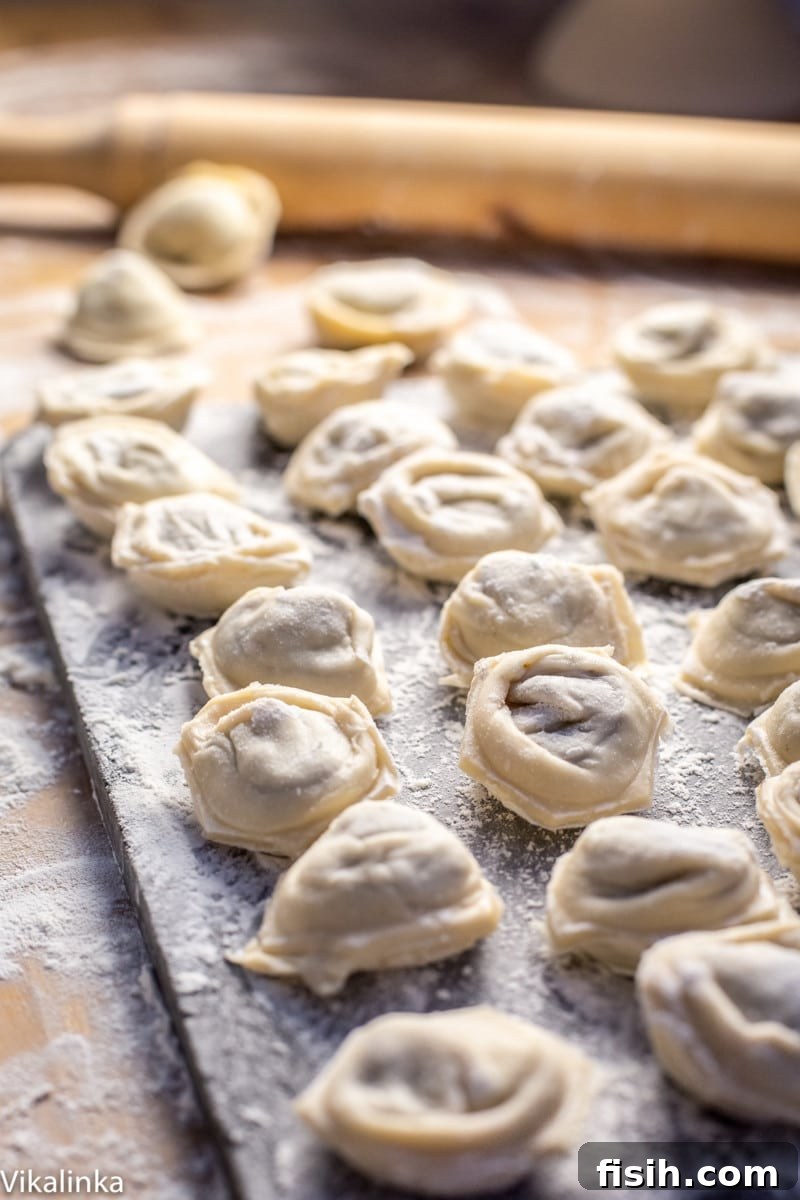
Essential Tips and Notes for Perfect Pelmeni
- While a mold offers the easiest path to consistent shapes, crafting pelmeni by hand is entirely achievable and incredibly rewarding. For hand-shaping, a simple cookie cutter or even the rim of a glass can be used to cut out dough circles.
- Achieving the ideal meat-to-dough ratio takes a little practice, but the golden rule is to fill them as generously as possible without tearing the delicate dough wrapper. Each individual pelmen should be delightfully juicy and plump, indicative of a perfect balance.
- To accurately gauge cooking time, observe the pelmeni carefully. They are generally cooked once they float to the surface of the boiling water. For fresh, handmade pelmeni of the size I typically make, cook for an additional 2-3 minutes after they float. If cooking from frozen, allow 3-5 minutes more after they rise to the top. Larger dumplings will naturally require a slightly longer cooking time. If you’re ever unsure, simply remove one, cut it open, and check that both the meat filling and the dough are thoroughly cooked through.
- While traditionally boiled, cooked pelmeni gain a wonderful textural twist when pan-fried. Simply melt some butter in a skillet over medium heat and fry the boiled dumplings until they achieve a beautiful golden hue and a slightly crispy exterior.
Delightful Serving Suggestions for Pelmeni
The core Pelmeni recipe remains consistent, but the ways people enjoy these dumplings are wonderfully varied. My personal preference is to serve them buttered, generously sprinkled with fresh dill and black pepper, and then dipped into creamy sour cream. My mother, however, prefers hers in a flavorful broth, almost like a hearty soup, which undeniably makes them even more filling and comforting.
Pelmeni also pair exceptionally well with dollops of tangy Dijon mustard alongside sour cream. To elevate the flavor profile even further, consider drizzling them with rich brown butter for a deep, nutty aroma. Some enthusiasts enjoy them with a touch of vinegar, while others have recently developed a fondness for serving them with soy sauce, showcasing the versatility of this classic dish.
Here’s a crucial pro tip for the ultimate pelmeni experience: eat each dumpling in a single mouthful. These little parcels become filled with a fantastically delicious broth as they cook, which will regrettably leak out if you cut them open. By savoring them whole, you’ll capture every exquisite drop of flavor and enjoy the full, juicy potential these dumplings have to offer. Beyond serving them as a main dish, you can also incorporate pelmeni into a comforting soup, treating them much like tortellini or wontons. I often adapt my standard chicken and dumpling soup recipe by simply swapping in pelmeni for the traditional dumplings.
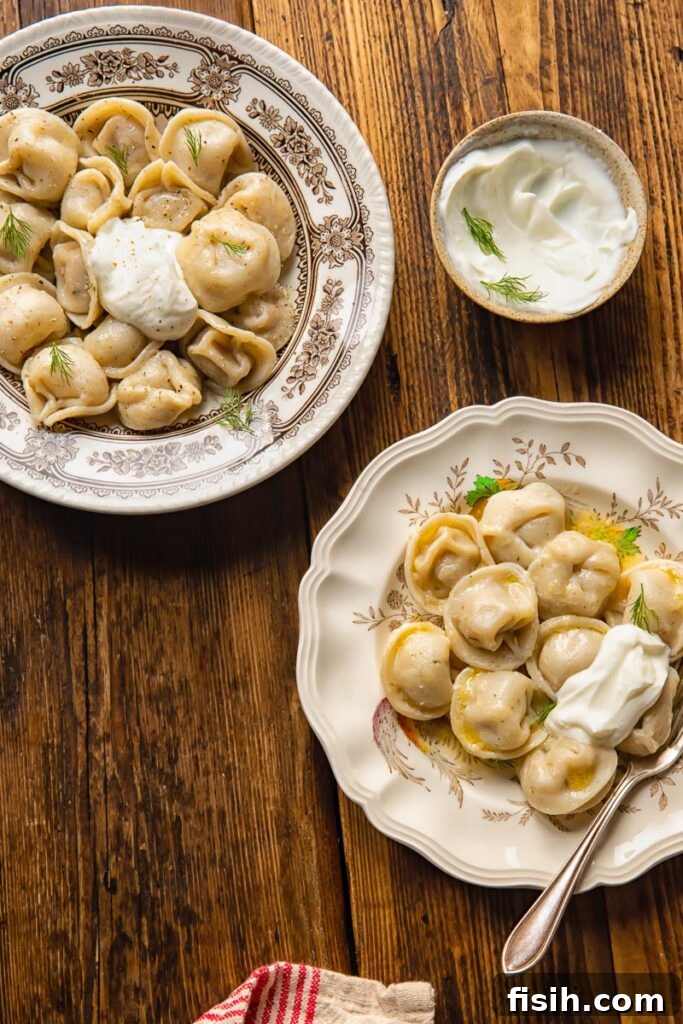
Storage and Leftovers: Preserving Your Pelmeni Harvest
Pelmeni are wonderfully filling, so it’s quite common to have extras. While they don’t keep particularly well once cooked, it’s always best to prepare only what you plan to eat fresh. The fantastic news is that they freeze exceptionally well, making them ideal for batch cooking!
If you have the time, making a large batch of pelmeni for freezing is a highly recommended practice. To freeze any uncooked extras, arrange them in a single layer on a well-floured baking sheet and place them in the freezer until solid. Once frozen, transfer them to an airtight container, adding a light sprinkling of flour between layers to prevent them from sticking together. Properly stored, frozen pelmeni can be kept for up to six months. When you’re ready to enjoy them, simply cook them directly from frozen; they will require about 5-7 minutes of boiling after they float to the surface.
More Eastern European Culinary Delights
- Borscht (Traditional Beet Soup)
- Hearty Beef Goulash
- Sauerkraut and Mushroom Vareniki
- Russian Honey Cake (Medovik)
Meat Dumplings Pelmeni
By Julia Frey of Vikalinka
Cook: 15 mins
Total: 1 hr 15 mins
Servings: 12 (Makes 120-130 pelmeni)
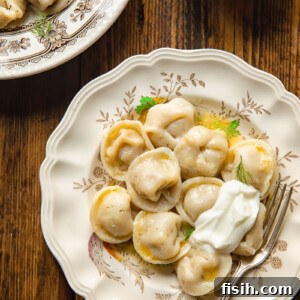
Russian meat dumplings Pelmeni are little pasta pockets filled with beef, pork and spices. Best served with sour cream and dill.
Ingredients
For the dough
- 360 g / 3 cups all purpose flour
- 1 tsp salt
- 1 large egg
- 225 ml / 1 cup cold water
For the meat filling
- 450 g / 1 lbs extra-lean ground beef
- 450 g / 1 lbs extra-lean ground pork
- 2 medium onions
- 4 cloves of garlic
- 125 ml / 1/4 cup water
- 1/2 bunch flat leaf parsley
- 1/2 bunch dill
- 2 tsp salt
- pepper (to taste)
- 2 bay leaves
- 2 tbsp butter
- sour cream (for serving)
- fresh dill or parsley (for serving)
Instructions
- In a food processor, pulse flour and salt. With the motor running, add the egg through the tube, followed by the cold water. Allow the processor to work for about a minute until the dough forms around the blade. Transfer the dough into a bowl, cover it with a tea towel, and let it rest for 30 minutes.
- Meanwhile, prepare the meat filling. In a large bowl, combine the ground beef, ground pork, salt, and pepper. Separately, in a food processor, blend the onions, garlic, parsley, dill, and water until finely chopped. Add this aromatic mixture to the meat.
- Use your hands to thoroughly combine the meat mixture. To test the seasoning, pinch off a small amount and form a tiny meatball. Fry this meatball and taste it to ensure the salt and spices are to your liking. Adjust seasoning if necessary.
- Divide the rested dough into four equal quarters and form each into a ball. Take one dough ball and roll it out on a well-floured surface into a thin sheet, approximately 1/16 inch in thickness. Keep the remaining dough covered to prevent it from drying out.
- Using a 2-3 inch cookie or scone cutter, cut out circles from the rolled dough. Place a teaspoon of meat filling slightly off-center on each dough circle. Fold the dough over to create a half-moon shape, then firmly pinch the edges shut with your fingertips. For a more decorative touch, go over the edge one more time, pinching the edges together with two fingers and a thumb, and twisting to form a ruffled edge. Continue this process with the remaining dough circles until both the dough and meat filling are used up.
- Set aside the desired amount of pelmeni for your immediate dinner. Freeze the remaining pelmeni in a well-floured, airtight container to prevent sticking.
- To cook, bring a large pot of salted water to a rapid boil. Add the 2 bay leaves. Carefully drop the pelmeni into the boiling water and stir gently to prevent them from sticking to the bottom of the pot. Once they float to the surface, continue to cook for an additional 3-5 minutes.
- Drain the cooked pelmeni thoroughly. Pour melted butter over them and gently stir or toss to ensure an even coating. Serve immediately with sour cream and a generous sprinkle of fresh chopped dill or parsley.
Notes
Boiled pelmeni can also be pan-fried in butter for a crispy texture.
Do not thaw frozen pelmeni before cooking. They should be boiled directly from frozen for 5-7 minutes after they float to the top of the pot.
Nutrition
Calories: 297kcal | Carbohydrates: 26g | Protein: 18g | Fat: 13g | Saturated Fat: 5g | Cholesterol: 69mg | Sodium: 653mg | Potassium: 312mg | Fiber: 1g | Sugar: 1g | Vitamin A: 137IU | Vitamin C: 3mg | Calcium: 22mg | Iron: 3mg
Nutrition information is automatically calculated, so should only be used as an approximation.