
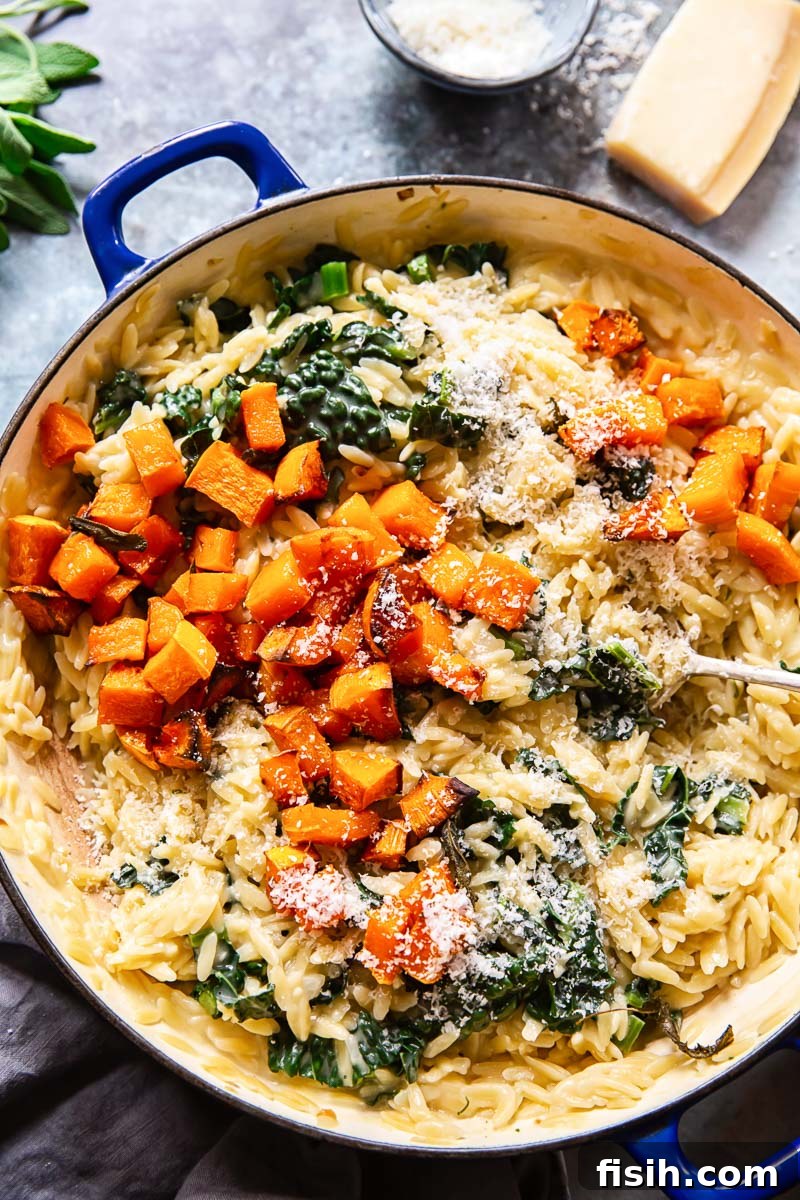
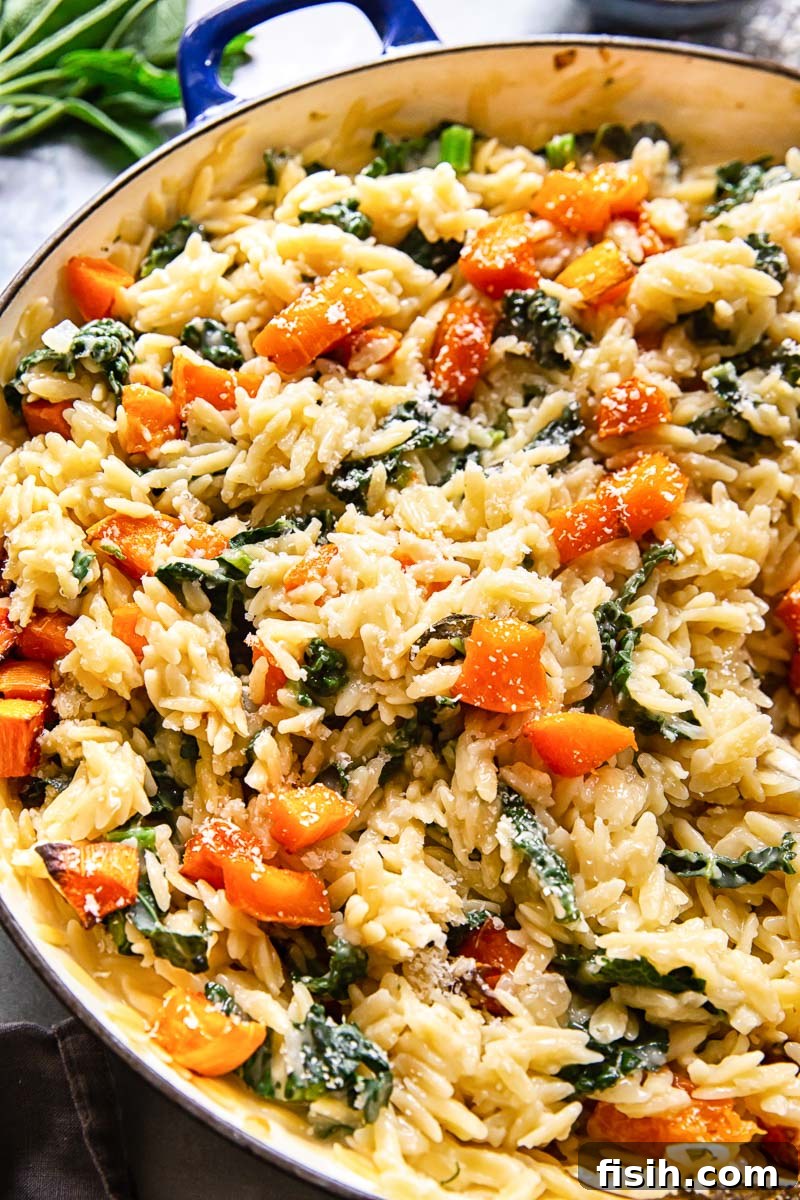
Indulge in a delicious and hearty fall dish with this creamy butternut squash orzo recipe. This creamy pasta with kale, fresh sage and Parmesan cheese ticks all the boxes! A delicious, full of nutrients and incredibly satisfying autumn favourite. Perfect for a cozy night in or a holiday gathering.
Embrace the comforting flavors of autumn with this exquisite Creamy Butternut Squash Orzo. This vegetarian pasta dish is not just a meal; it’s an experience, blending tender roasted butternut squash with al dente orzo, earthy kale, aromatic fresh sage, and rich Parmesan cheese. Perfect for a cozy weeknight dinner or an impressive holiday gathering, this recipe promises to be a satisfying and nutritious favorite that truly “ticks all the boxes.” Discover the joy of a wholesome, flavorful, and incredibly easy-to-make dish that celebrates the best of fall produce, offering warmth and comfort in every forkful.
If you’re a fan of luscious, one-pan pasta creations, you’ll definitely want to explore other delightful options. For another creamy and robust meal, consider giving our Creamy Chorizo and Spinach Orzo a try!
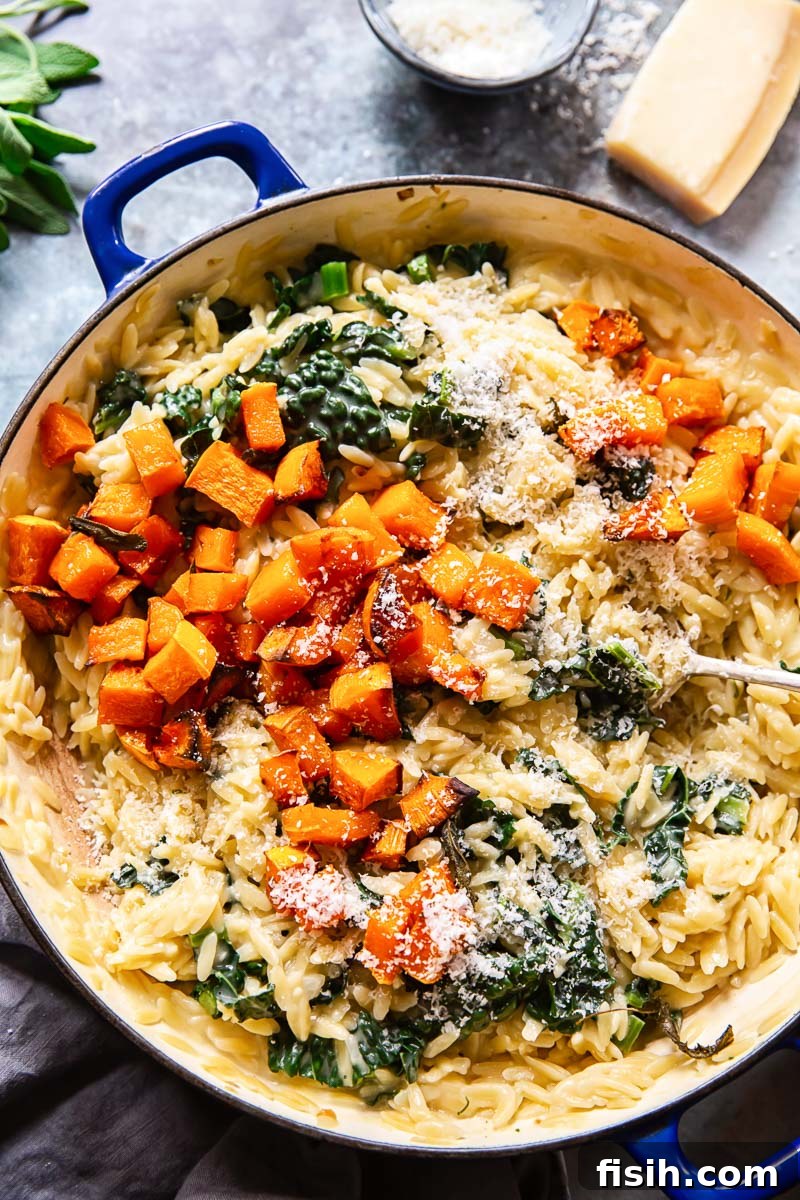
Pasta dishes have long been celebrated as weeknight heroes, and for good reason. Their unparalleled versatility and quick preparation times make them a staple in countless kitchens worldwide. From simple marinara to elaborate baked creations, pasta offers a canvas for endless customization, allowing you to cater to diverse tastes and dietary preferences. It’s truly a rare find to encounter someone who doesn’t appreciate a well-made pasta dish, especially when it delivers both comfort and nutrition.
However, pasta sometimes carries the unfair reputation of being high in carbohydrates and fat. While it’s true that pasta provides a significant source of energy through carbs, fat content is largely within your control. This perception often overlooks the potential for pasta to be a foundation for incredibly healthy and balanced meals when paired with the right ingredients. By focusing on fresh vegetables, lean proteins, and mindful fat choices, pasta can easily become a cornerstone of a balanced diet.
By incorporating vibrant, bold-tasting, and nutrient-rich components, pasta transforms into a wholesome and substantial meal option. This Creamy Butternut Squash Orzo recipe is a prime example of how you can create a fulfilling and healthy vegetarian dish that doesn’t compromise on flavor or satisfaction. When I first prepared this incredible meal, I was so impressed that I immediately texted my husband, excitedly proclaiming that something truly amazing awaited him at home. My exact words, I believe, were, “This orzo pasta is ridiculous. Sooooo tasty!” The joy of creating such a delightful and nutritious dish is something I can’t wait for you to experience firsthand in your own kitchen.
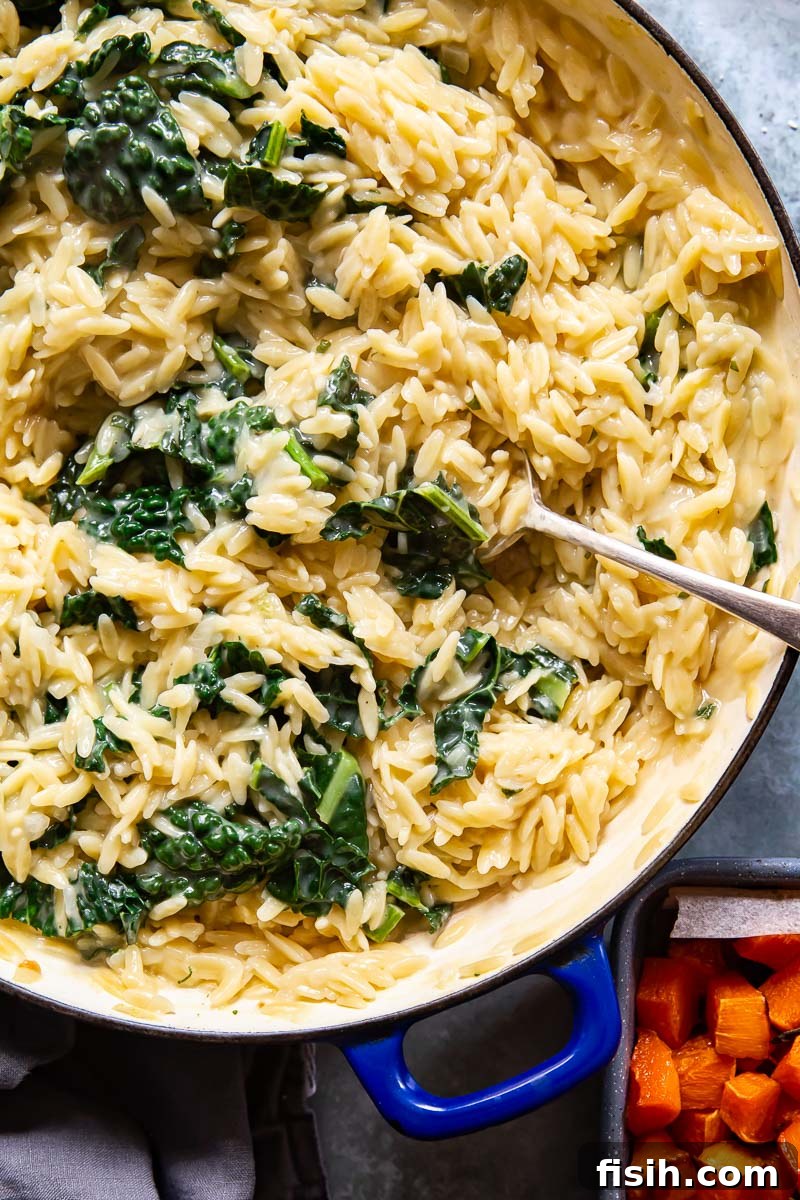
What is Orzo? Understanding This Versatile Pasta Shape
Despite its appearance, which often leads people to mistake it for rice, This is an affiliate link.orzo is, in fact, a delightful type of pasta. Its name, “orzo,” literally means “barley” in Italian, a charming reference to its small, grain-like shape rather than its ingredients. Just like other traditional pastas, orzo is primarily made from durum wheat semolina, giving it that familiar al dente texture when cooked properly. Its compact size makes it incredibly versatile and quick to cook, distinguishing it from larger pasta shapes and making it a fantastic ingredient for a myriad of dishes.
The beauty of orzo lies not only in its unique shape but also in its rapid cooking time, making it an excellent choice for busy weeknights when time is of the essence. Its small size allows it to effortlessly blend into various preparations, absorbing flavors beautifully and providing a comforting, tender bite. It excels particularly in hearty soups, where it adds a satisfying body, and in creamy, one-pot meals, such as the delightful recipe we’re exploring today. Its ability to absorb liquids and release starches also makes it perfect for creating rich, sauce-laden dishes.
Throughout my culinary adventures, I’ve used orzo in numerous creative ways, showcasing its adaptability beyond just a side dish. It has been the star of Lemon Chicken Orzo, Greek Chicken Orzo, Italian Sausage Orzo, Orzo with Meatballs, and even as the refreshing base for a Grilled Zucchini Orzo Salad. These examples highlight its remarkable versatility in transforming simple ingredients into extraordinary meals, fitting seamlessly into various cuisines and flavor profiles.
Crafting nutritious orzo recipes is remarkably straightforward. The key lies in selecting wholesome ingredients to accompany it. Our roasted butternut squash pasta is a testament to this, being both delicious and packed with essential nutrients, especially with the addition of fresh, vibrant butternut squash and wholesome kale. Orzo can be cooked using the same method as any other pasta: simply boil it in water or broth until it reaches that perfect al dente stage—tender yet firm to the bite—and it’s ready to be incorporated into your culinary masterpiece, soaking up all the wonderful flavors you pair it with.
Essential Ingredients for Your Creamy Butternut Squash Orzo
The foundation of this delectable Creamy Butternut Squash Orzo is built upon a relatively straightforward yet incredibly flavorful array of ingredients. You’ll need orzo pasta, shallots, garlic, fresh sage, butternut squash, kale, vegetable stock, and Parmesan cheese. This core list can also be easily adapted to suit your personal preferences or what you might have readily available in your pantry and refrigerator, allowing for flexibility and creativity in your cooking without compromising on taste or quality.
The Star: Butternut Squash
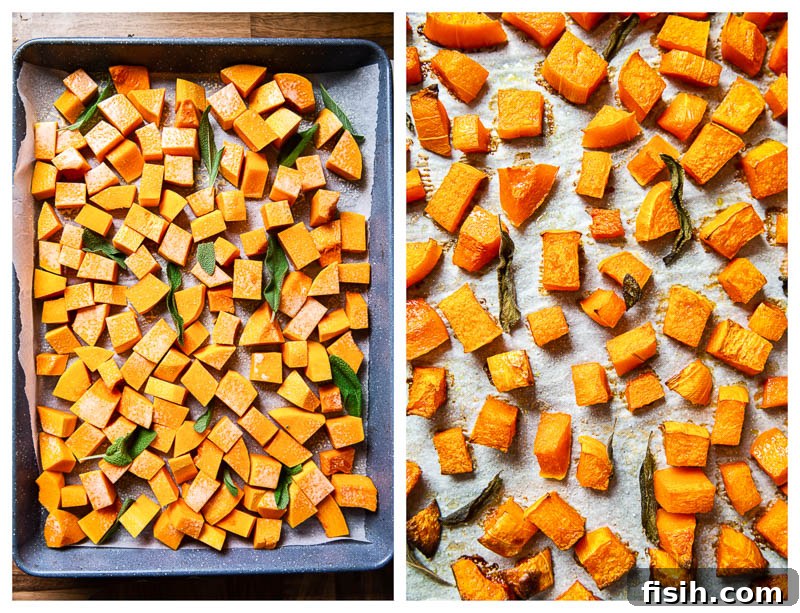
Butternut squash is undoubtedly the star of this autumnal dish, contributing a beautiful sweetness and creamy texture once cooked. Roasting the squash before adding it to the pasta is a crucial step that significantly enhances its natural sugars, creating a delightful caramelization and softening its texture to perfection. This simple preparation involves peeling, de-seeding, and cutting the squash into uniform bite-sized cubes. It’s a surprisingly easy process, requiring just a baking sheet and a sharp This is an affiliate link.knife to ensure even cooking. The roasting process not only makes the squash incredibly tender but also deepens its inherent flavor, adding a layer of warmth and complexity to the entire dish.
Leafy Greens: Kale and Substitutions
For the leafy green component, I particularly enjoy incorporating kale, especially cavolo nero (also known as Tuscan kale), for its robust, earthy flavor and nutrient-dense profile. Kale adds a wonderful textural contrast and a significant boost of vitamins and antioxidants to the creamy orzo. Its slightly bitter notes provide a lovely balance to the sweetness of the butternut squash. However, if kale isn’t your preference or readily available, you can easily substitute it with fresh spinach or Swiss chard. Both alternatives will wilt beautifully into the pasta, offering similar nutritional benefits and a touch of green vibrancy that makes the dish visually appealing and even more wholesome.
Aromatics and Flavor Enhancers
Shallots and garlic form the aromatic backbone of this dish, providing a savory depth that exquisitely complements the inherent sweetness of the squash. These ingredients are gently sautéed to release their fragrant oils, building a foundational layer of flavor. Fresh sage is another indispensable ingredient, infusing the dish with its distinct, earthy, and slightly peppery notes that truly evoke the comforting essence of fall. For the liquid base, high-quality vegetable stock is used to provide a rich and savory broth, allowing the orzo to absorb multiple layers of flavor as it cooks, resulting in a deeply satisfying pasta. Finally, freshly grated Parmesan cheese is absolutely essential for achieving that desired luxurious creaminess and adding a salty, umami finish that elegantly binds all the diverse elements of the dish together.
Versatile Vegetable Alternatives
While butternut squash is fantastic and perfectly seasonal, feel free to experiment with other roasted vegetables to customize this recipe to your liking. Pumpkin offers a similar sweet and earthy profile, making it an excellent seasonal alternative that can be prepared in the same way. Broccoli, roasted until slightly charred and tender-crisp, can provide a delightful texture and a slightly bitter counterpoint to the creamy pasta, adding another dimension of flavor. Carrots, sweet potatoes, or even parsnips could also be wonderful additions, each bringing their unique sweetness and earthiness. The key is to roast these vegetables first, as this crucial step caramelizes their natural sugars and mellows their flavors without compromising their nutritional value, ensuring they integrate perfectly into the creamy orzo and contribute to a well-rounded meal.
Crafting Your Creamy Butternut Squash Orzo: A Step-by-Step Guide
Creating this rich and creamy orzo dish is a straightforward process, designed for maximum flavor with minimal fuss. The secret to its luscious texture lies in how the orzo is cooked, allowing its natural starches to be released, much like a traditional risotto, but with a slightly simpler and more convenient technique perfect for any home cook.
Achieving Perfect Creaminess
To achieve that signature creaminess, it’s essential to stir the orzo occasionally during its cooking time. This gentle agitation helps the pasta release its natural starches into the cooking liquid, which in turn thickens the sauce and creates a velvety, luxurious consistency. This method ensures that the sauce naturally coats each tiny grain of orzo, enhancing the overall mouthfeel of the dish. Beyond the natural starches, a generous addition of freshly grated Parmesan cheese at the very end elevates the creaminess even further and infuses the dish with its irresistible salty, savory notes, making every bite truly decadent and profoundly satisfying.
While this one-pot pasta might remind you of a classic risotto due to its wonderfully creamy outcome, the cooking method differs slightly, making it arguably easier for a busy weeknight. In traditional risotto, rice is typically toasted in a dry pan before broth is gradually added in small increments, stirring continuously. For orzo, however, I’ve found it crucial and most effective to add the uncooked pasta directly to a pot of already boiling liquid—in this case, simmering vegetable stock. This approach is the most efficient way to prevent the small orzo grains from sticking to the bottom of the pan and clumping together, ensuring an even cook and a perfectly consistent, free-flowing texture.
The Cooking Process
Once the orzo is introduced to the simmering vegetable stock, it cooks remarkably quickly, typically taking only about 7-8 minutes to reach the perfect al dente stage—tender yet still retaining a slight bite. During this relatively short cooking window, remember to stir regularly and thoroughly. This frequent stirring is key to both releasing the starches for creaminess and preventing the orzo from sticking. If, towards the end of cooking, the mixture appears too thick for your liking, you can easily add an additional ½ cup of warm vegetable stock or water to achieve a more fluid, creamy, risotto-like consistency.
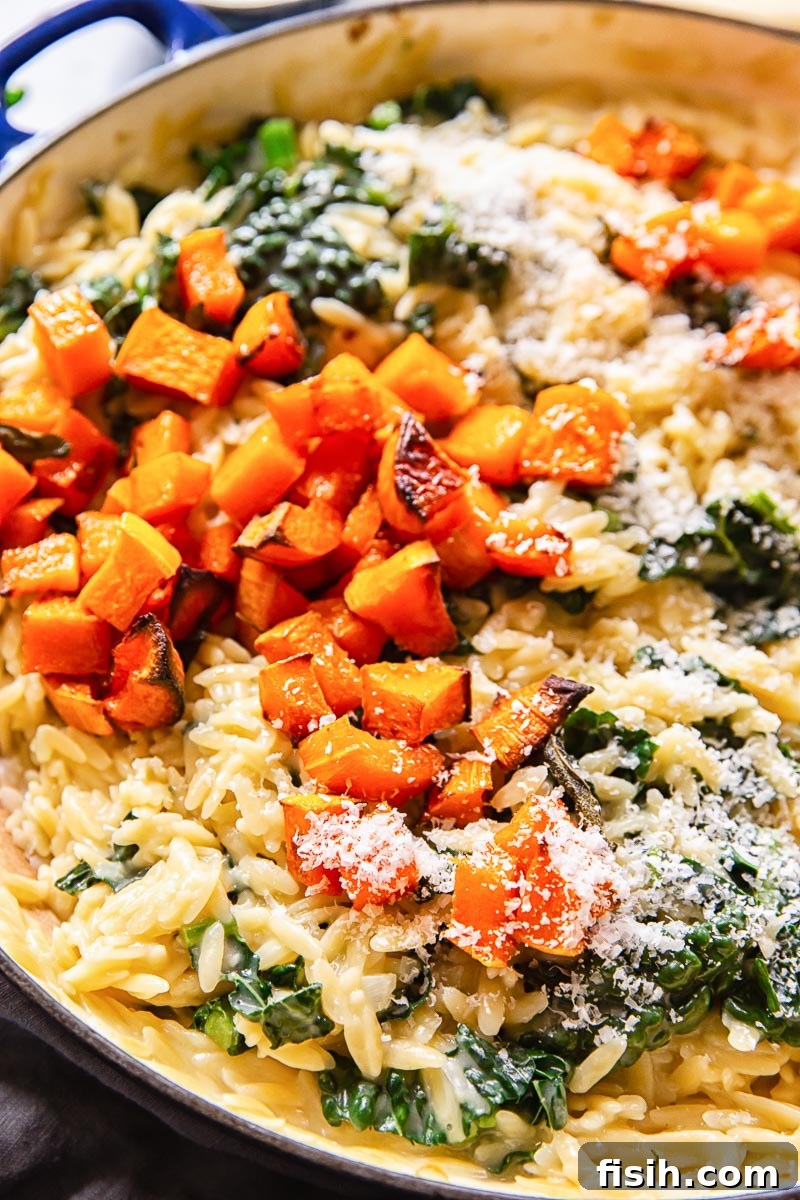
After the orzo is cooked to perfection, remove the pan from the heat. This is the ideal moment to stir in your freshly grated This is an affiliate link.Parmesan cheese. The residual heat from the pasta and sauce will melt the cheese beautifully, binding the sauce and adding a final touch of richness and depth. Finally, generously top your creamy orzo with the pre-roasted vegetables, such as the sweet and tender butternut squash, or perhaps roasted pumpkin or broccoli, bringing a burst of color, appealing texture, and concentrated flavor to each individual serving. Serve immediately and enjoy the comforting flavors.
Expert Recipe Tips and Notes for Perfect Orzo
- Mind the Heat for Aromatics: When sautéing the garlic and shallots, it’s absolutely crucial to use a low heat. Burnt garlic has an intensely bitter and unpleasant taste that can quickly ruin the entire dish, overpowering other delicate flavors. Cooking them gently over low heat allows them to soften beautifully, turn a lovely golden brown, and gradually release their full, nuanced flavors into the olive oil, creating a rich aromatic base for your pasta without any harsh notes.
- Customize Sauce Consistency: You are in complete control of your pasta sauce’s thickness, allowing you to tailor it precisely to your preference. If you enjoy a slightly looser, more flowing sauce that generously coats each piece of orzo, simply whisk in a small amount of extra warm vegetable stock or even water, a tablespoon at a time, until you achieve your desired consistency. This flexibility ensures your creamy orzo is just how you like it.
- Kale, Spinach, or Chard: While I personally love adding kale for its robust earthy flavor and exceptional nutritional benefits, it’s perfectly fine to omit it if you prefer a simpler dish or aren’t a fan of its texture. Alternatively, fresh spinach or Swiss chard are excellent substitutes, offering similar leafy green goodness and wilting beautifully into the warm pasta, adding color and nutrients.
- Prepare Kale Properly: If you choose to use kale, remember to meticulously remove the leaves from their tough, woodsy stalks before chopping. The stalks are significantly tougher and fibrous than the leaves and will not tenderize sufficiently within the quick cooking time of this dish, potentially affecting the overall texture and enjoyment.
- Butternut Squash Alternatives: Don’t limit yourself to just butternut squash! This recipe is wonderfully adaptable and encourages culinary creativity. You can use roasted pumpkin, carrots, broccoli, sweet potatoes, parsnips, or virtually any other roasted vegetable you enjoy. Roasting enhances their natural sweetness and caramelization, making them perfect complements to the creamy orzo.
- Freshly Grated Parmesan is Key: While pre-grated Parmesan cheese might offer a tempting convenience, it unfortunately contains anti-caking agents that prevent it from melting smoothly and also dull its nuanced flavor. For the best creamy texture, a truly flavorful salty hit, and that perfect melt-in-your-mouth experience, always opt for freshly grated Parmesan cheese from a block. The difference in taste and texture is undeniable.
Serving Suggestions: Elevate Your Orzo Experience
Like most pasta dishes, this Creamy Butternut Squash Orzo is at its absolute best when served fresh and piping hot. The delicate orzo maintains its ideal al dente texture immediately after cooking; with time, it tends to soften further, and the overall dish can become a bit gummy and overly thick as the starches continue to absorb liquid. Therefore, plan to enjoy this delightful meal right off the stove for the optimal culinary experience and perfect consistency!
For those who love to plan ahead and minimize cooking stress on busy days, you can certainly prepare components of this dish in advance. Roasting the butternut squash, for instance, can be done up to a day before you plan to serve the meal. This simple step significantly reduces active prep time on the day of cooking, allowing you to bring the entire dish together in less than 20 minutes. Having the roasted squash ready means you’re just a quick sauté of aromatics, a simmer of orzo, and a final stir away from a delicious and comforting meal.
I find this dish perfectly satisfying as a standalone vegetarian entrée. Its rich flavors, hearty ingredients, and complete nutritional profile make it a fulfilling meal all on its own. However, if you’re looking to add an extra layer of protein to your plate or satisfy meat-eaters, it pairs wonderfully with a light meat option. Consider serving it alongside my quick and easy Chicken Paillard in Sherry Caper Sauce for a more substantial and elegant meal. A simple side salad with a light vinaigrette dressing or some crusty artisan bread for soaking up every last bit of the delicious creamy sauce would also complement the orzo beautifully, completing the dining experience.
Storage and Leftovers: Tips for Enjoying Later
As with many pasta-based dishes, this creamy orzo is undeniably best when enjoyed immediately after preparation. Pasta naturally loses its coveted al dente bite and can become softer and the sauce thicker as it sits, absorbing more liquid. However, that doesn’t mean leftovers aren’t an option! If you find yourself with extra portions, they can be safely stored in an This is an affiliate link.airtight container in the refrigerator for up to 5 days. When reheating, a microwave works well; you might want to add a splash of vegetable stock or water and stir gently to loosen the sauce and restore some of its creamy consistency.
One important note to ensure the best possible leftover experience: avoid the temptation to freeze this dish. Pasta, especially creamy varieties like orzo, tends to become mushy, lose its appealing texture, and can separate after freezing and thawing. It will be very far from the desired al dente ideal, often resulting in an unappetizing experience. For optimal enjoyment, it’s best savored fresh or consumed from the refrigerator within a few days.
Explore More Delicious Vegetarian Dishes
- Mediterranean Pasta with Zucchini
- Mushroom Stroganoff
- Vegetarian Thai Green Curry
- Spaghetti alla Siciliana
Creamy Roasted Butternut Squash Orzo

Equipment
-
This is an affiliate link.Cast iron pan
-
This is an affiliate link.Enamel colander
Ingredients for 6 servings
- 2 tbsp This is an affiliate link.olive oil, divided
- 1 butternut squash, large, approximately 2 lbs/1 kg
- salt and pepper to taste
- 2 shallots, finely chopped
- 2-3 cloves garlic, minced
- 10 leaves sage, divided or 0.5 tsp dried sage
- 500g/ 2 ½ cups This is an affiliate link.orzo
- 1 litre + 250ml / 5 cups This is an affiliate link.vegetable stock, plus ½ cup if needed
- 100g / 1 cup kale, chopped, I used cavolo nero
- 50g / 3/4 cup This is an affiliate link.Parmesan cheese, freshly grated
Instructions
-
Preheat oven to 200°C (400°F). Peel, de-seed, and cut the butternut squash into bite-sized cubes. Season these cubes with salt, pepper, and 1 tablespoon of olive oil (or use a low-calorie cooking spray for a lighter option). Arrange the seasoned squash on a shallow baking pan, scatter 4-5 fresh sage leaves among them, and roast in the preheated oven at 200°C (400°F) for approximately 45 minutes, or until the squash is tender and beautifully golden brown with caramelized edges.
-
Approximately 20 minutes before the roasted squash is expected to be done, heat the remaining 1 tablespoon of olive oil in a deep pan or Dutch oven over low heat. Add the finely chopped shallots, minced garlic, and the remaining minced sage leaves. Sauté these aromatics gently over low heat for 2-3 minutes until they are fragrant and softened, taking meticulous care not to burn the garlic, which can impart a bitter taste.
-
Pour in the vegetable stock, add a pinch of salt, and stir in the chopped kale. Bring this mixture to a gentle boil, then add the orzo pasta. Cook the orzo according to package instructions, which typically takes about 7-8 minutes, until it is tender yet still al dente (firm to the bite). Throughout the cooking process, make sure to stir the orzo frequently to encourage the release of its starches, which contributes significantly to the creamy texture, and to prevent it from sticking to the bottom of the pan. If the mixture appears too thick for your preference, you can add an additional ½ cup of warm vegetable stock or water to achieve a perfectly creamy, risotto-like consistency. Once cooked, remove the pan from the heat, stir in the freshly grated Parmesan cheese, and adjust salt to taste. Finally, gently fold in or top generously with the roasted butternut squash before serving immediately for the best flavor and texture.
Notes
- Prevent Burnt Garlic: Always use low heat when sautéing garlic and shallots. Burnt garlic will impart an unpleasant bitter taste to your dish. Low heat allows them to soften, turn a golden color, and gently release their wonderful flavors into the oil.
- Adjust Sauce Thickness: The consistency of your pasta sauce is a matter of personal preference. If you prefer a looser sauce, simply add a small amount of extra stock or water, stirring until you reach your desired thickness and creamy texture.
- Kale Options: While I highly recommend kale for its earthy flavor and nutritional benefits, you can certainly leave it out if preferred. Fresh spinach or Swiss chard are excellent alternatives that will also wilt nicely into the dish, adding vibrant color and nutrients.
- Prep Kale Properly: Ensure you remove the tough, woody stalks from the kale leaves before chopping and adding them. The stalks will remain firm and chewy, detracting from the dish’s overall texture and creating an undesirable chewiness.
- Vegetable Versatility: Feel free to substitute butternut squash with other seasonal roasted vegetables. Pumpkin, carrots, broccoli, or even sweet potatoes are fantastic options that roast beautifully and complement the creamy orzo exceptionally well.
- Fresh Parmesan for Best Results: Avoid pre-grated Parmesan cheese as it often contains anti-caking agents that prevent it from melting properly and can diminish its flavor. For the best taste and a perfectly smooth, creamy melt, always use freshly grated Parmesan cheese from a block.
Nutrition
Nutrition information is automatically calculated, so should only be used as an approximation.
Tried this recipe?Let us know how it was!