
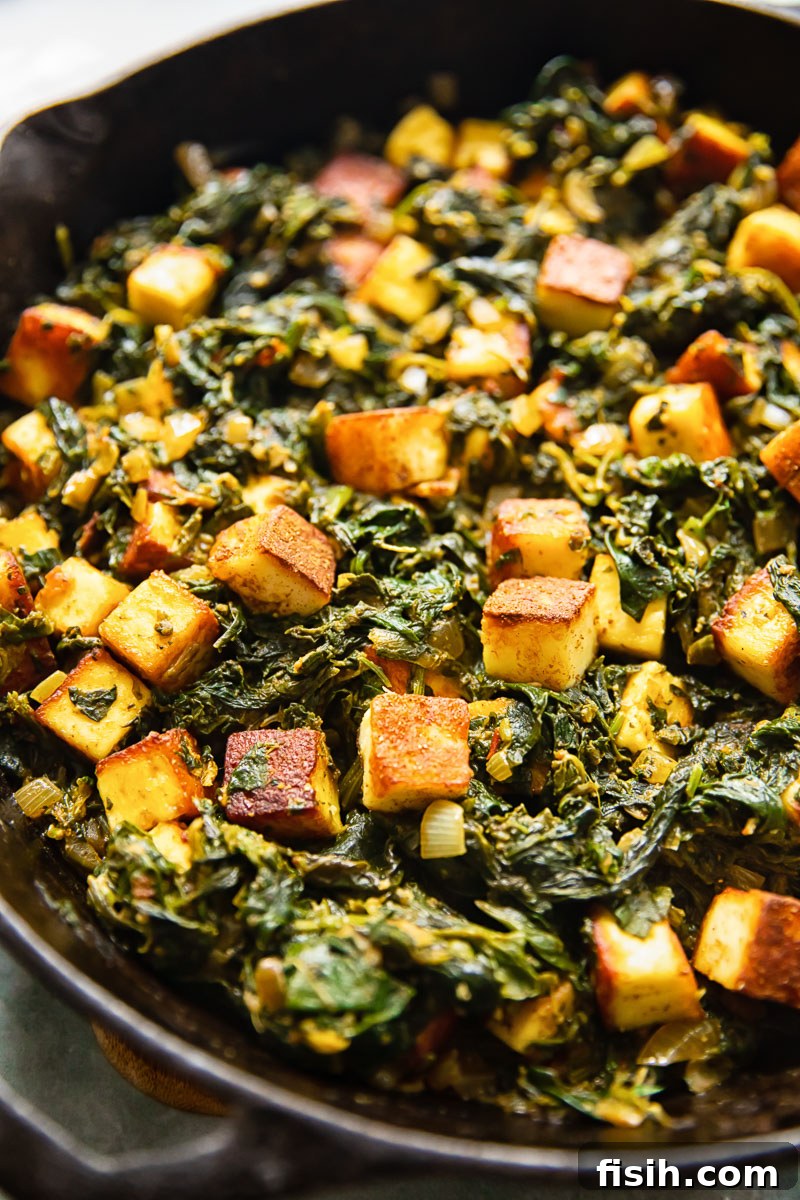
Easy Saag Paneer: A Vegetarian Delight of Spinach and Cheese
Experience the legendary taste of Saag Paneer, a vibrant Indian classic featuring tender spinach and soft, squeaky paneer cheese cooked to perfection with aromatic spices. This wholesome and deeply flavorful vegetarian dish is a staple in Indian cuisine, offering a comforting and satisfying experience that will undoubtedly elevate any meal. Master this incredible side dish in just a few straightforward steps and add a new dimension to your culinary repertoire.
If you’re a fan of paneer, don’t miss out on another exquisite creation: this tantalizing Paneer Tikka Masala, a flavorful main course that’s equally captivating!
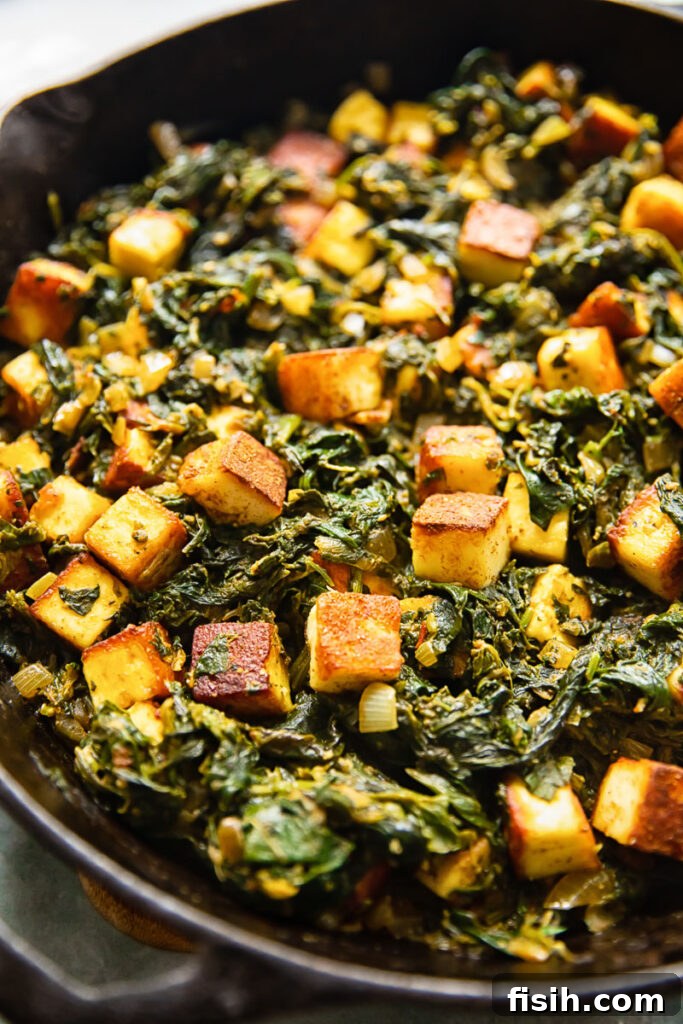
Saag Paneer is a testament to the magic that happens when simple ingredients come together in harmony. While its list of components is humble and devoid of extravagant surprises, the resulting dish is truly spectacular, delivering layers of savory flavor and a delightful texture that captivates the senses.
Spinach, often overlooked or met with skepticism, undergoes a remarkable transformation in this recipe. Bathed in a fragrant blend of spices, it develops a deep, earthy, and incredibly savory character that even the most discerning palates will appreciate. This robust flavor is beautifully complemented and balanced by the mild, creamy texture of paneer, creating an irresistible culinary synergy.
The outcome is a dish that has earned a cherished spot among my absolute favorites, and I am confident it will soon become one of yours too!
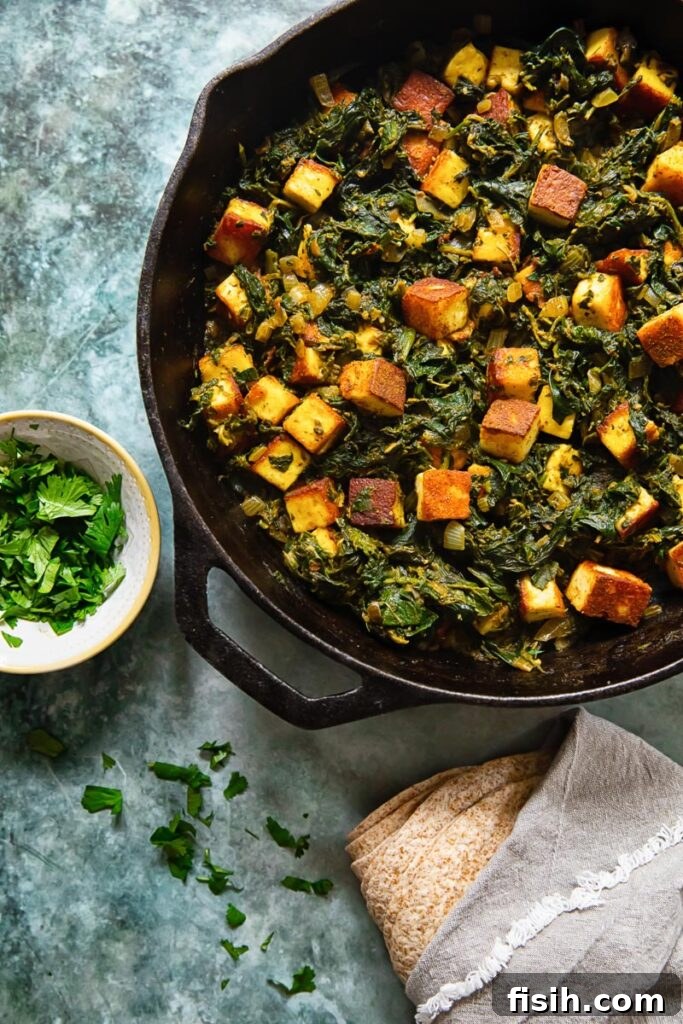
What is Saag Paneer? Understanding This Indian Staple
Saag Paneer is an iconic vegetarian dish originating from the rich culinary traditions of India. Hailing from the rural landscapes of northern India, this creamy, vibrant green dish has evolved from humble beginnings into a celebrated comfort food, gracing the menus of Indian restaurants and home kitchens across the globe. It’s a culinary hug in a bowl, known for its deep flavors and satisfying texture.
The name “Saag Paneer” itself tells a story. “Saag” is a generic term in Indian cuisine referring to any type of leafy greens. While spinach is the most common green used today, traditional saag can incorporate a diverse array of nutritious leaves such as mustard greens, fenugreek leaves (methi), collard greens, or even a mix of several. This flexibility allows for regional variations and seasonal adaptations, making each rendition uniquely delicious. “Paneer” is a fresh, non-melting cheese, a cornerstone of Indian vegetarian cooking, offering a delightful chewiness and a mild flavor that readily absorbs the vibrant spices it’s cooked with.
Saag Paneer vs. Palak Paneer: A Clarification
Often, the terms “Saag Paneer” and “Palak Paneer” are used interchangeably, leading to some confusion. While they are indeed very similar and share many characteristics, there’s a subtle distinction. Strictly speaking, “Palak” specifically means “spinach” in Hindi. Therefore, Palak Paneer explicitly refers to a dish made exclusively with spinach. Saag Paneer, as mentioned, is a broader category that can include spinach, but also encompasses other leafy greens. Another key difference is that while Palak Paneer recipes sometimes feature yogurt for tanginess and a lighter body, Saag Paneer often leans into the richness of cream or a creamier spinach base.
The Cornerstones of Saag Paneer: Paneer and Leafy Greens
- Paneer: This fresh, unaged, non-melting cheese is the heart of the dish. Made by curdling milk with lemon juice or vinegar, paneer has a firm yet crumbly texture and a distinctly mild, unsalted flavor. It’s increasingly accessible in supermarkets worldwide, a testament to its growing popularity. Paneer is fantastic for this recipe because it retains its shape beautifully when cooked, providing a pleasant textural contrast to the soft greens, and acts as a sponge, soaking up all the incredible flavors of the surrounding sauce. Its texture is somewhat similar to halloumi, though its taste is quite different, lacking the saltiness of halloumi and offering a more subtle, milky profile.
- Saag (Leafy Greens): As the “saag” component, spinach is packed with vitamins and minerals, offering a nutritious base. When cooked down, its slight bitterness mellows, and it contributes a wonderful earthy depth. Beyond spinach, experimenting with other greens can introduce new dimensions of flavor and nutrition. Mustard greens, for instance, offer a peppery bite, while fenugreek leaves bring a unique, slightly bitter, and aromatic note.
These two main ingredients form the foundation. The careful selection and combination of aromatic spices, along with other fresh elements, transform these simple components into an incredibly special and unforgettable side dish, or even a delightful main course.
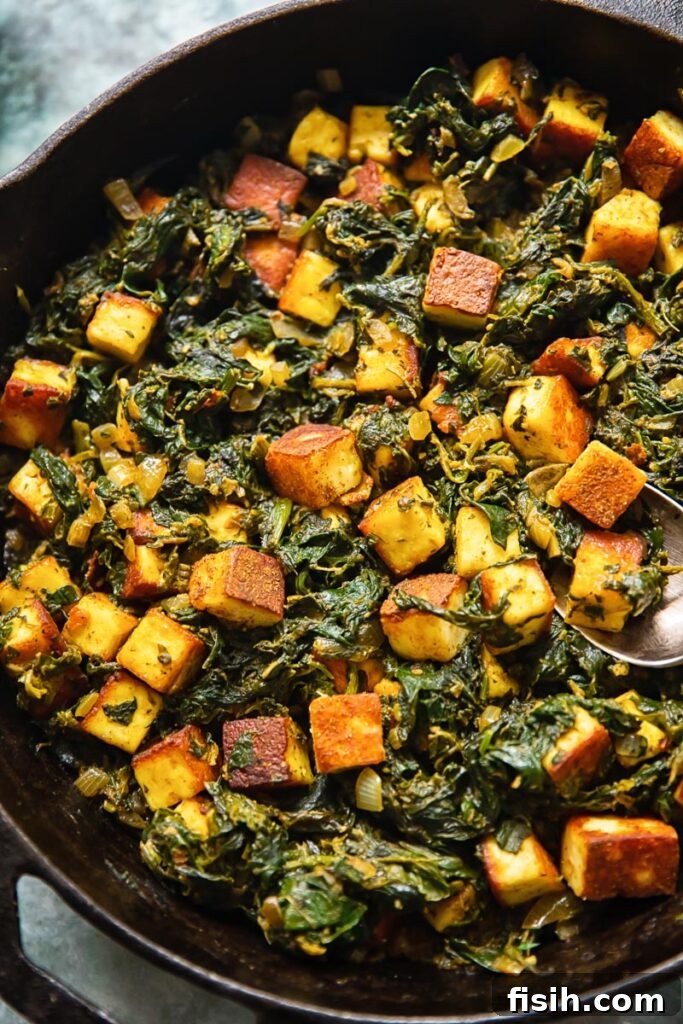
Crafting the Perfect Saag Paneer: A Step-by-Step Guide
Creating this authentic Saag Paneer is a rewarding experience, involving a few simple yet crucial steps that build incredible flavor. Precision and attention to detail will ensure your dish is as delicious as those found in the best Indian restaurants.
Step 1: Preparing and Frying the Paneer
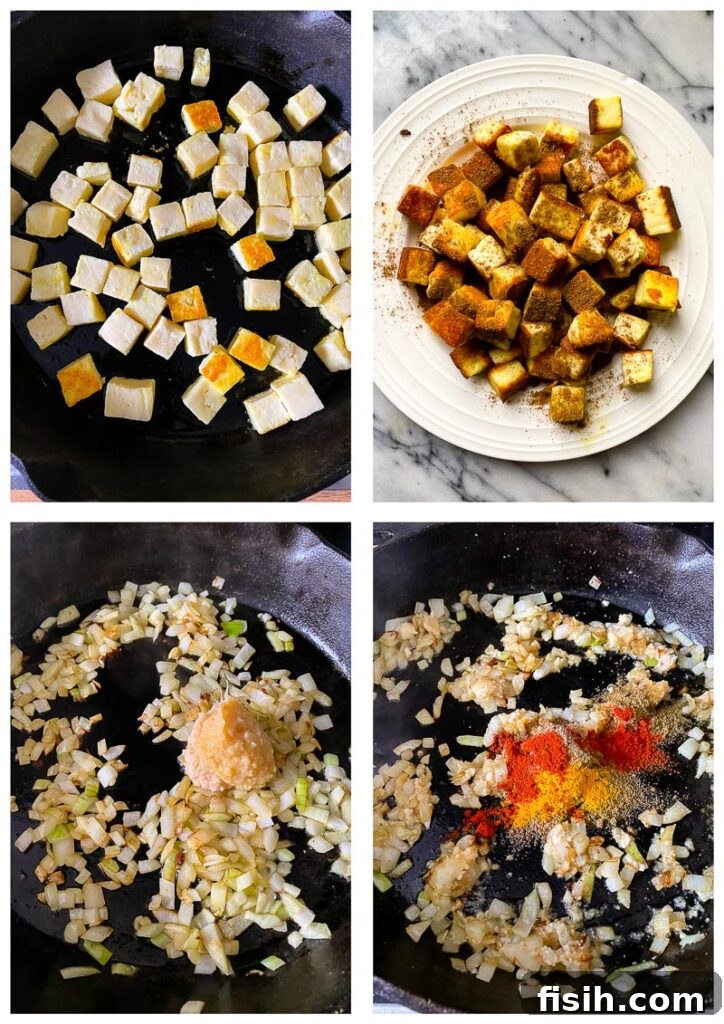
The journey to a perfect Saag Paneer begins with the paneer. Start by cutting your block of fresh paneer into uniform, bite-sized cubes. Uniformity ensures even cooking and browning. Heat a generous amount of ghee or oil in a sturdy frying pan over medium heat. Ghee (clarified butter) is traditionally preferred for its rich, nutty flavor and high smoke point, which prevents burning. Once the fat is hot, carefully add the paneer cubes to the pan.
It’s crucial to stay by the pan during this stage, as paneer can brown quickly and burn if neglected. Fry the paneer, turning the cubes frequently with tongs or a spatula, until they achieve a beautiful golden hue on all sides. This browning not only adds a lovely texture to the cheese – giving it that desirable “squeaky” quality – but also helps it better absorb the flavors of the curry. Once golden, remove the paneer from the pan and transfer it to a plate. Immediately sprinkle with a pinch of garam masala while it’s still warm; this allows the spice blend to adhere and infuse the paneer with an initial layer of aromatic flavor. Set the seasoned paneer aside until it’s ready to be incorporated back into the dish.
Step 2: Building the Aromatic Base
Using the same pan where you fried the paneer, allowing the residual flavors to deepen the curry, add the chopped onion. Cook the onion over low to medium-low heat for about five minutes, or until it softens and turns a translucent golden color. This slow cooking caramelizes the onions, developing a sweet and savory depth that is essential for the curry’s foundation.
Once the onions are ready, add the grated ginger and minced garlic (or garlic paste). Stir-fry for approximately 30 seconds, or until fragrant. Be careful not to burn the garlic, as this can introduce a bitter taste.
Next, it’s time to introduce the powdered spices: ground coriander, cumin, Kashmiri chili powder, and turmeric. Add them to the pan and stir constantly for about a minute. This process, known as “blooming” the spices, allows their essential oils to release into the hot oil, intensifying their aromas and flavors and creating a rich, fragrant paste.
Step 3: Simmering the Greens and Bringing it All Together
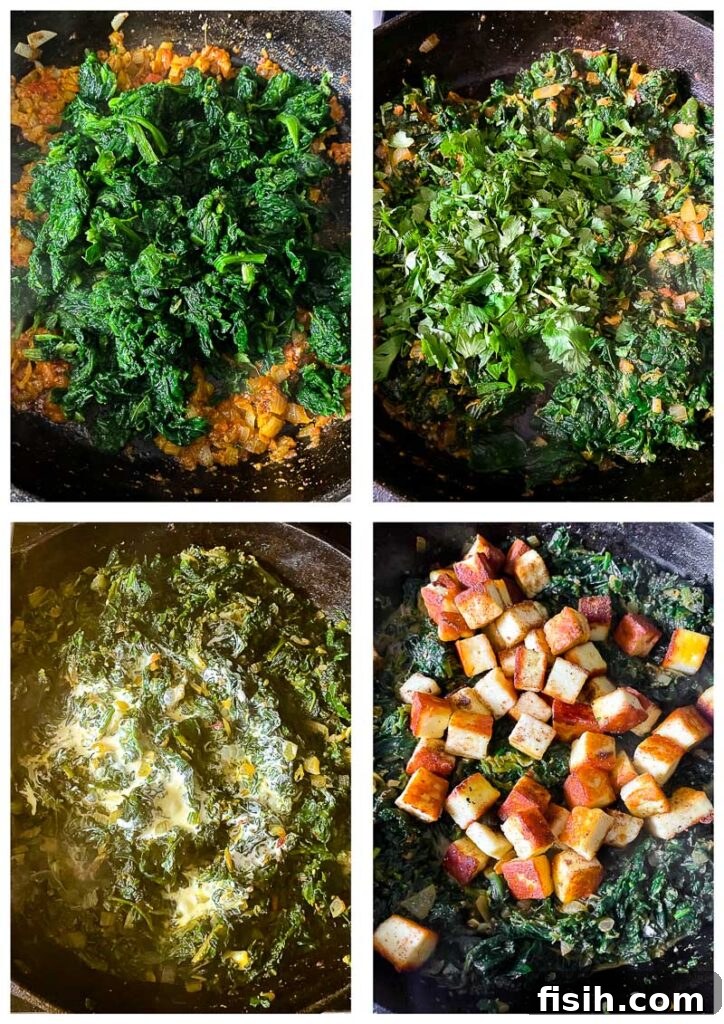
With the spices bloomed, add the grated tomato, defrosted and chopped spinach, fresh chopped cilantro (coriander), salt to taste, and water to the pan. Stir everything to combine thoroughly. Cover the pan with a lid and let the mixture simmer gently over low heat for 10 minutes. This allows the spinach to cook down, the tomato to break apart, and all the flavors to meld beautifully into a rich, cohesive sauce.
After 10 minutes, stir in the cream. Heavy cream or double cream adds a luxurious richness and silky texture to the saag, mellowing the spices and making the dish incredibly comforting. If using full-fat plain or Greek yogurt as an alternative, ensure it’s not low-fat to prevent curdling, and temper it slightly before adding. Finally, return the pre-fried paneer cubes to the pan. Stir gently to coat the paneer in the vibrant green sauce. Cover the pan once more and cook for an additional 5 minutes, allowing the paneer to absorb the full spectrum of flavors.
Your delicious Saag Paneer is now ready to be enjoyed!
Essential Recipe Tips for Perfect Saag Paneer
- Paneer Browning: Always keep a close watch on the paneer cheese when browning it. It can go from perfectly golden to burnt in a matter of seconds. Use medium heat and turn the paneer cubes often to ensure even browning. A non-stick pan can also be very helpful here.
- Cooking Fat Choice: Frying the paneer in ghee (clarified butter) imparts a distinct, nutty aroma and a deeper flavor profile to the dish. Ghee has a higher smoke point than most vegetable oils or butter, making it ideal for frying and preventing burning. If you don’t have ghee, a neutral vegetable oil can be used, but the flavor will be slightly different.
- Exploring Greens for “Saag”: While this recipe primarily uses spinach leaves, feel free to experiment with other leafy greens to create your unique “saag.” Excellent options include mustard greens for a slightly pungent kick, nutrient-rich kale, earthy fenugreek leaves, hearty collards, or vibrant Swiss chard. You can even use a blend of these greens for a more complex flavor.
- Chili Powder Alternatives: Kashmiri chili powder is known for its mild heat and vibrant red color. If you can’t find it, a good substitute is paprika. While paprika will lend a slightly smokier flavor, it provides a similar mild spice and beautiful red hue, contributing to the dish’s aesthetic appeal.
- Increasing the Heat: For those who prefer a spicier Saag Paneer, consider adding a thinly sliced and deseeded green chili along with the ginger and garlic. This introduces a fresh, fiery note. However, many traditional versions, including the one I personally fell in love with, opt for a milder profile, so this is an optional addition.
- Dairy Choices and Adjustments: The cream added towards the end of the cooking process contributes significantly to the dish’s richness and smooth texture. If you’re looking for a leaner or dairy-free version, you can omit the cream entirely; the dish will be drier but still flavorful. For a tangy twist, you can substitute cream with full-fat plain or Greek yogurt, but avoid low-fat versions as they tend to curdle when heated. Ensure the yogurt is at room temperature and stirred in gently to prevent separation.
- Fresh vs. Frozen Spinach: Both fresh and frozen spinach work well. If using fresh, you’ll need a much larger volume (it cooks down significantly). Ensure fresh spinach is thoroughly washed and any tough stems are removed. If using frozen, make sure it’s completely defrosted and squeezed of excess water to prevent a watery curry.
Serving Suggestions for Saag Paneer
Saag Paneer, at its heart, is a versatile Indian side dish, designed to complement and complete a larger meal. It pairs exquisitely with other classic Indian preparations such as a rich curry or a comforting dahl. To truly create a feast, serve it alongside a generous pile of warm, fluffy basmati rice and fresh, soft homemade naan or roti, perfect for scooping up the luscious spinach and paneer.
However, the beauty of Saag Paneer lies in its ability to shine as a standalone star. While not always traditionally served this way, Saag Paneer with just rice or naan makes for a wonderfully satisfying and lighter meal. It’s an excellent option for a weeknight dinner when you crave something flavorful yet relatively simple. For an added flourish, consider serving it with a dollop of fresh yogurt or raita, a sprinkle of fresh cilantro, or a squeeze of lemon juice to brighten the flavors.
Storage and Leftovers: Maximizing Flavor and Freshness
One of the many advantages of Saag Paneer is that it often tastes even better the day after it’s made, as the flavors have more time to meld and deepen. Proper storage is key to enjoying your leftovers safely and deliciously.
Store any leftover Saag Paneer in an airtight container in the refrigerator. It will keep well for up to 3-4 days. For longer storage, Saag Paneer freezes beautifully. Transfer it to a freezer-safe airtight container or heavy-duty freezer bag, leaving a little headspace for expansion, and freeze for up to three months. To reheat, first allow it to defrost completely in the refrigerator overnight. Once thawed, it can be gently reheated in a microwave or, for best results, in a large saucepan over medium-high heat on the stovetop, stirring occasionally until heated through. If the sauce seems too thick after reheating, you can add a splash of water or milk to reach your desired consistency.
More Delicious Indian-Inspired Recipes
- Dal Makhani (Black Lentil Curry)
- Easy Coconut Lentil Curry with Butternut Squash
- Mango Chicken Curry
- Egg Curry with Peas and Potatoes
Easy Saag Paneer
By Julia Frey of Vikalinka
Cook: 30 mins
Total: 40 mins
Servings: 6
Print Recipe
Tender spinach and squeaky paneer cooked with gentle spices.
Equipment
- Cast iron skillet
Ingredients
- 450g/1lb fresh paneer, cut into cubes
- 1 tbsp ghee, or vegetable oil
- 1 onion, chopped
- 1 tbsp ginger, grated
- 1 tbsp garlic paste, or 2 cloves minced
- ½ tsp Kashmiri chilli powder
- 1 tsp ground coriander
- 1 tsp cumin
- ½ tsp turmeric
- 1 tomato, grated
- 450g/1lb frozen spinach, defrosted and squeezed dry, chopped
- 15g/¼ cup fresh cilantro/coriander, chopped
- Salt to taste
- 120ml/½ cup water
- 4 tbsp whipping/double cream, or full-fat plain yogurt
Instructions
- Heat the ghee or oil in a frying pan over medium heat. Brown the paneer cubes until slightly golden on all sides, turning frequently. Remove to a separate plate, sprinkle with garam masala, and set aside.
- To the same pan, add the chopped onion and cook over low heat for 5 minutes until soft and slightly golden. Add the grated ginger and garlic, stir-fry for 30 seconds. Then, add the ground coriander, cumin, chilli powder, and turmeric. Stir for about 1 minute until the spices are fragrant.
- Add the grated tomato, defrosted chopped spinach, chopped cilantro/coriander, salt, and water. Stir to combine, then cover and cook over low heat for 10 minutes.
- Stir in the cream (or yogurt) and add the browned paneer cubes back into the pan. Cover again and cook for an additional 5 minutes, allowing all the flavors to marry. Serve hot.
Nutrition
Calories: 313kcal | Carbohydrates: 9g | Protein: 14g | Fat: 26g | Saturated Fat: 15g | Polyunsaturated Fat: 0.4g | Monounsaturated Fat: 2g | Cholesterol: 67mg | Sodium: 472mg | Potassium: 376mg | Fiber: 3g | Sugar: 2g | Vitamin A: 9211IU | Vitamin C: 9mg | Calcium: 482mg | Iron: 2mg
Nutrition information is automatically calculated, so should only be used as an approximation.
Tried this recipe?
Let us know how it was!