
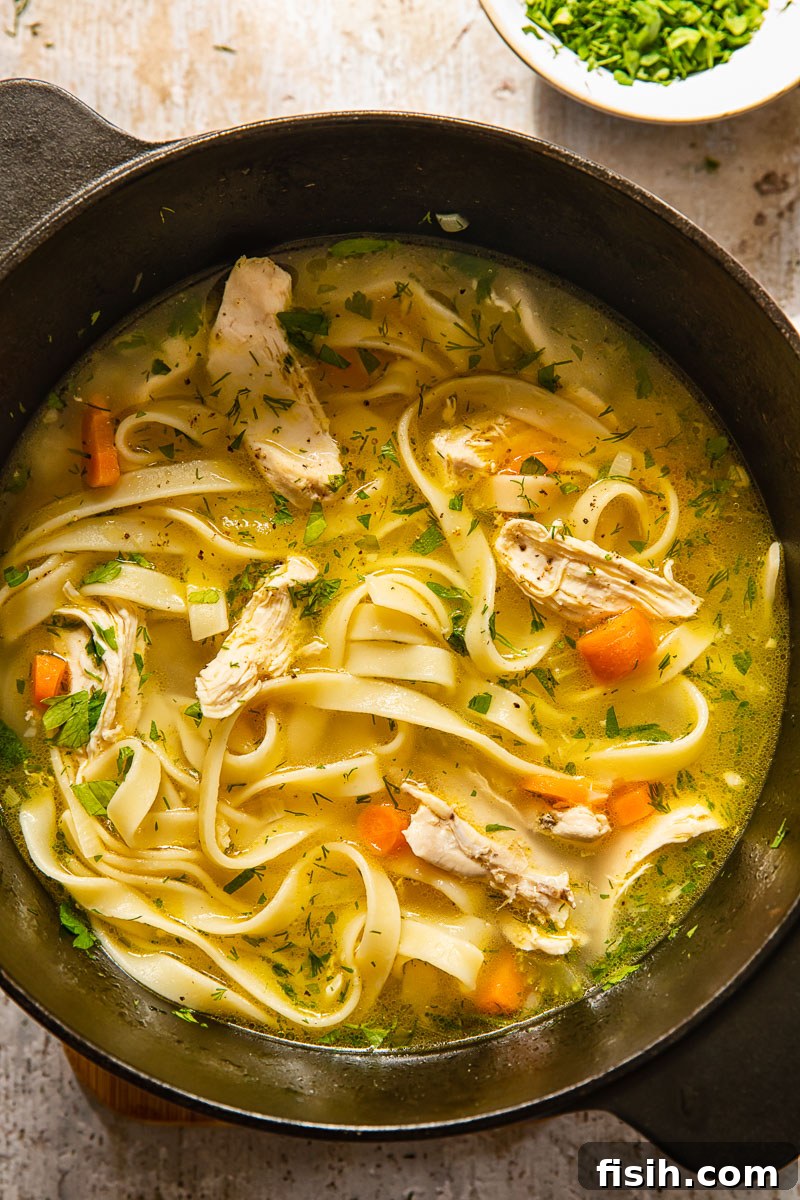
The Ultimate Guide to Homemade Chicken Noodle Soup: Comfort in Every Bowl
There are few dishes as universally cherished and deeply comforting as a bowl of homemade chicken noodle soup. It’s more than just a meal; it’s a warm hug on a cold day, a soothing balm for the soul when you’re feeling under the weather, and a nostalgic taste of childhood. The beauty of this iconic dish lies in its simplicity and the incredible depth of flavor that emerges when crafted from scratch. While many reach for canned versions, the difference between store-bought and homemade is truly incomparable, with the secret to its unparalleled taste undoubtedly residing in the rich, flavorful broth.
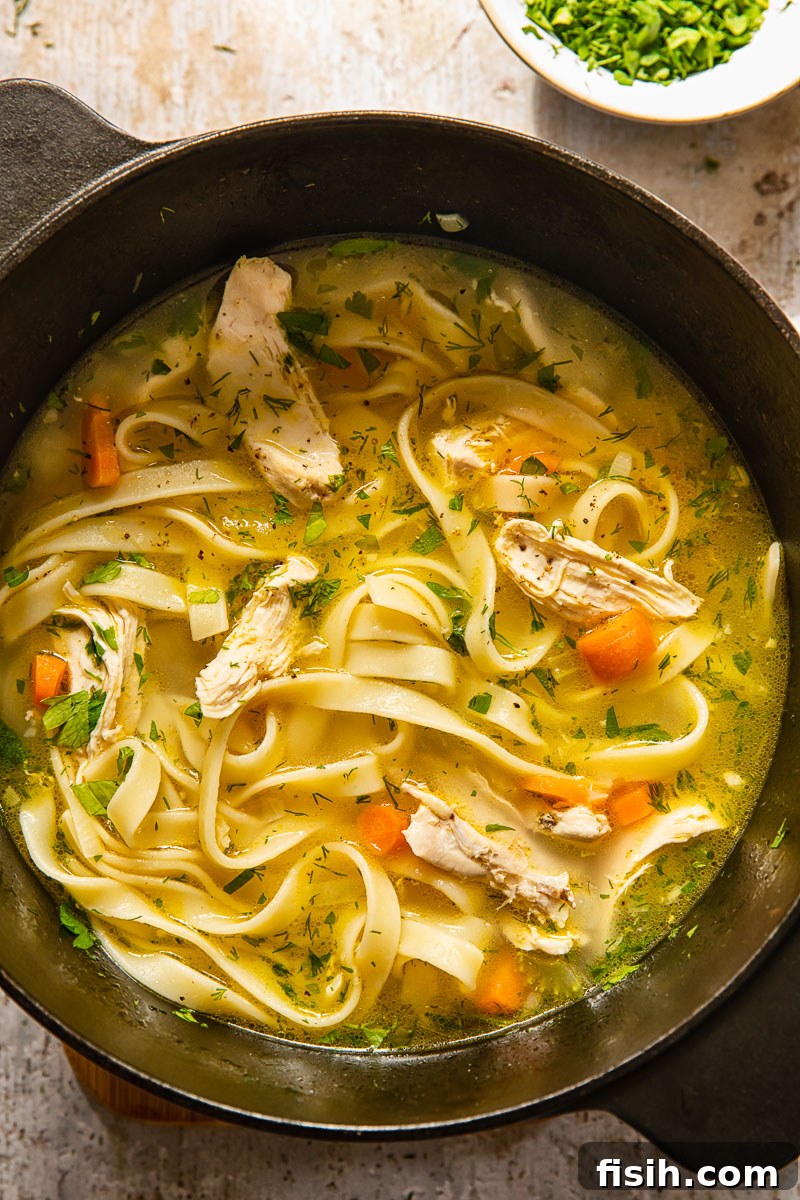
Chicken Noodle Soup evokes feelings of well-being, nourishment, and profound comfort. For many, it’s a culinary connection to cherished memories of mothers or grandmothers, who perfected their own versions of this beloved recipe. That familiar, heartwarming taste is often craved whenever life throws a curveball, be it a challenging day, a touch of illness, or even something as minor as inclement weather. This enduring appeal speaks volumes about the soup’s power to provide solace and remind us of simpler times.
The Heart of the Soup: The Broth
The foundation of any exceptional chicken noodle soup is its broth. This is where true flavor begins, and making a homemade stock is a game-changer. While it might sound daunting, creating your own chicken broth is far easier and quicker than many imagine. You don’t need hours simmering bones; a robust, flavorful stock can often be achieved in as little as 30 minutes, elevating your soup from good to extraordinary.
The key to a truly rich and aromatic broth lies in using chicken bones. Many home cooks prefer the convenience of boneless, skinless chicken breasts in their soup, and while perfectly acceptable for the meat component, they simply don’t contribute enough flavor to the stock itself. To maximize taste, I always recommend incorporating bone-in chicken pieces, such as thighs or drumsticks, into your broth-making process. These cuts, along with any leftover bones from a roast chicken, infuse the liquid with collagen and marrow, resulting in a deeper, more complex flavor and a wonderfully silky texture.
To further enhance your stock, add aromatic elements right from the start. Bay leaves, whole black peppercorns, and a good pinch of salt are excellent additions. As the stock simmers, you’ll notice impurities rising to the surface as foam. Skimming this off periodically is crucial for maintaining a clear, beautiful broth. For an exceptionally clean and polished finish, I always strain the broth through a fine-mesh sieve at the end of cooking. While this step is optional if you’re short on time, it makes a noticeable difference in the final presentation and mouthfeel of your soup.
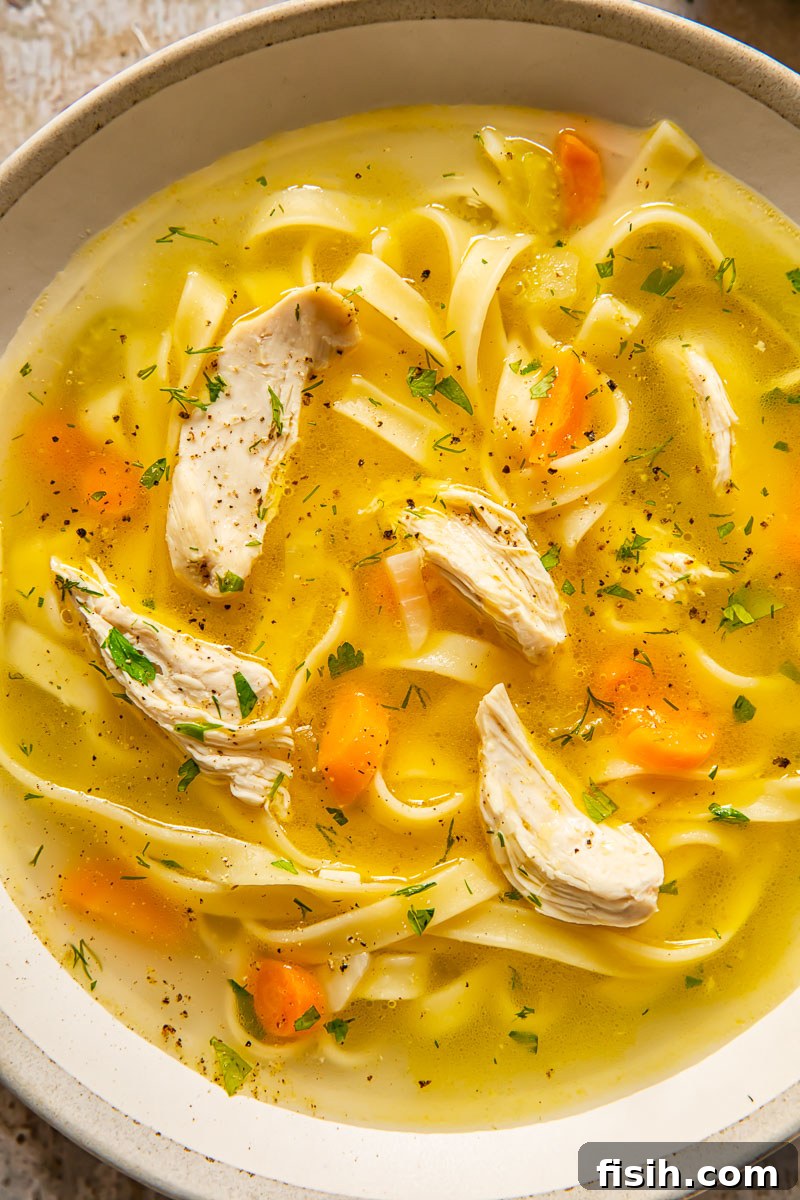
Crafting Your Noodles: An Optional but Rewarding Endeavor
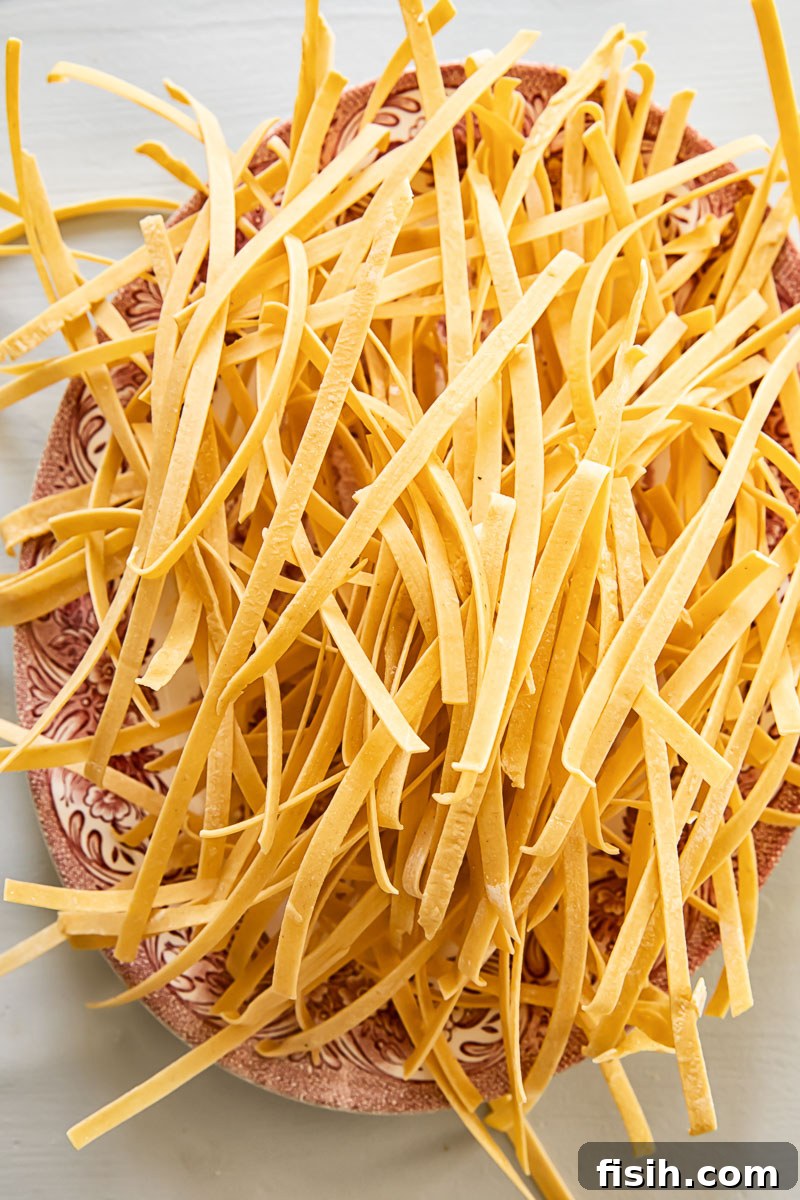
While quality store-bought egg noodles work beautifully, for the ultimate homemade chicken noodle soup experience, consider making your own noodles. Just like grandma used to! This step, while requiring a bit more time, adds an incomparable freshness and texture that truly sets the soup apart. If you have a slow afternoon to dedicate to kitchen pursuits, I highly recommend exploring a recipe for homemade fresh pasta. Modern kitchen tools, like a pasta machine, can make the process incredibly easy and quick. However, there’s a certain old-world charm and satisfying texture that comes from hand-rolling your noodles, just as my grandmother did. Those thicker, irregularly shaped hand-rolled noodles possess an incredibly satisfying chewiness that makes slurping them an absolute delight!
A Journey Through Time: The Rich History of Chicken Noodle Soup
Chicken noodle soup’s enduring presence in our lives is no accident; it has been a culinary staple for centuries, with its true origins tracing back across diverse cultures. Recipes similar to what we know today can be found in ancient Chinese, Jewish, and various European cuisines. This widespread and persistent popularity stems from the soup’s inherent practicality and nutritional benefits. It’s a clever way to stretch a relatively small amount of meat, extending it with readily available vegetables, filling noodles, and a flavorful broth to create a complete and satisfying meal. Historically, soup was also an ingenious method for utilizing tougher, older chicken meat that might be less palatable through other cooking techniques.
While the concept of chicken soup is ancient, its widespread popularity in North America saw a significant surge during and after World War II, largely due to the rapid growth of canned food production. Brands like Campbell’s made chicken noodle soup an accessible and convenient meal option for busy families. However, even the most ardent fans of canned soup would likely agree that it pales in comparison to the homemade version. The amazing depth of flavors, the freshness of ingredients, and the concentrated nutrition found in a soup made from scratch make it vastly superior to anything you’ll find on a supermarket shelf.
Despite its long history and many regional variations, the basic building blocks of chicken noodle soup have remained remarkably consistent. My personal recipe, which I’m delighted to share, is deeply influenced by my paternal grandmother’s Eastern European heritage. While rooted in a specific tradition, its fundamental flavors and comforting essence will resonate with anyone who grew up enjoying this beloved dish, whether in North America or elsewhere.
Recipe Tips and Notes
- As mentioned, the broth is the most delicious and essential part of any soup. I strongly advocate for making homemade stock whenever possible. It’s much simpler than it sounds, requiring minimal time – mine often takes only 30 minutes.
- The main ingredient for achieving a rich, flavorful broth is chicken bones. While boneless chicken breasts are great for eating, they don’t impart enough flavor to the stock. That’s why I include two bone-in chicken thighs alongside the breasts, ensuring maximum flavor extraction for your broth.
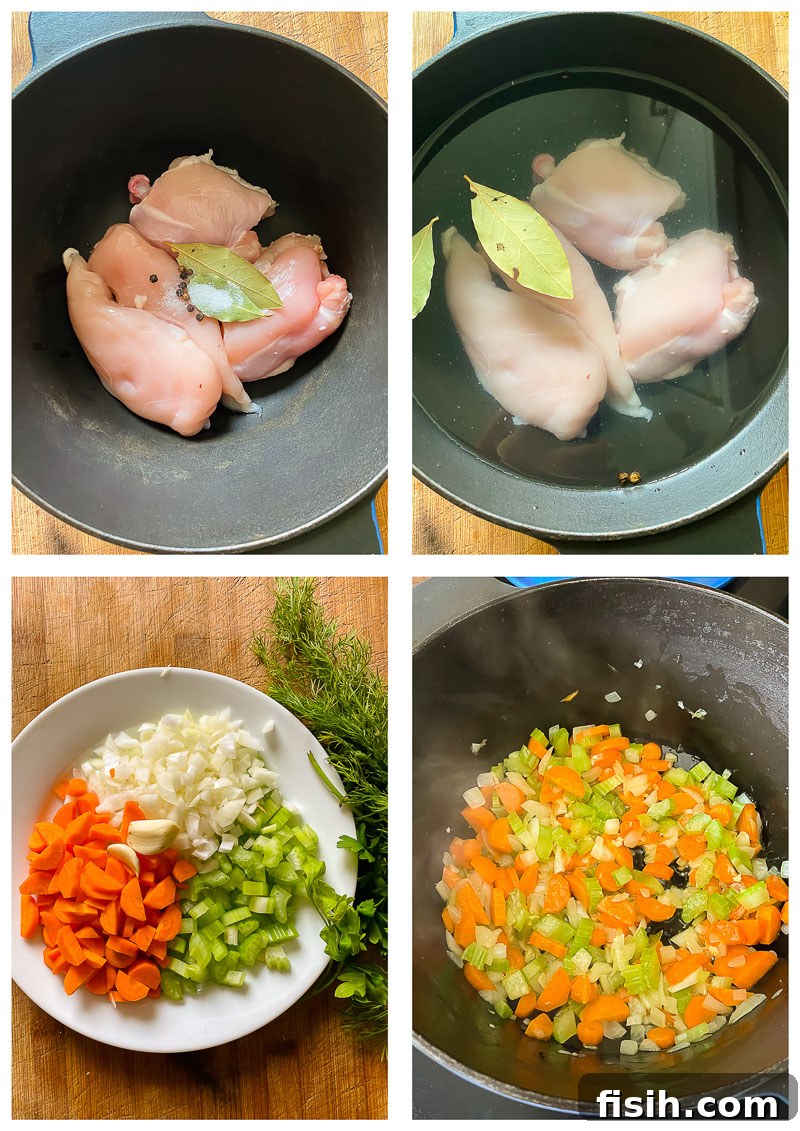
- To start your stock, add a couple of bay leaves, whole peppercorns, and salt to the pot. Always skim off any impurities that float to the top; this helps keep the broth beautifully clear. After cooking, I also strain the broth through a sieve for an extra-clear result, though this step is optional if you’re pressed for time.
- I begin with the classic trio of vegetables – onion, celery, and carrot – for the base flavor of the soup. However, I can never resist adding a clove of garlic, just as my mother always did, along with a generous sprinkle of fresh dill and parsley.
- Sautéing these vegetables in butter before adding the broth adds another delightful layer of richness and depth to the soup’s flavor profile.
- Add the noodles towards the very end of the cooking process and cook them for no longer than 7-8 minutes. This ensures they remain perfectly al dente and prevents them from becoming overcooked and mushy.
- Serve your soup with an extra sprinkling of fresh herbs. They are readily available even in winter and are an inexpensive way to brighten any soup or stew, adding a burst of freshness that reminds us of vibrant summer days.
Serving Suggestions for a Complete Meal
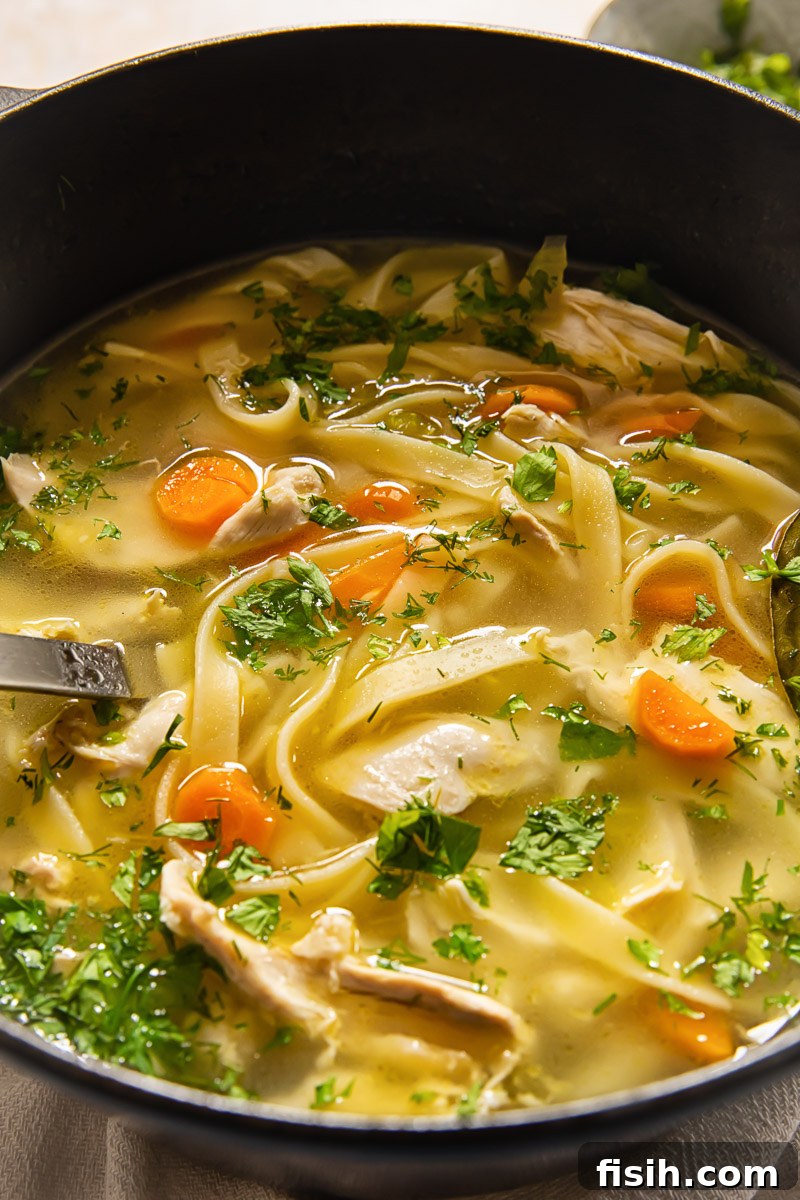
This versatile soup is perfect for either lunch or dinner. When serving it as a satisfying main course, I highly recommend pairing it with a slice of crusty bread to soak up all the delicious broth. My easy No Knead Oven Bread or a hearty slice of Sourdough Bread would make the meal even more delicious and filling.
For a classic and utterly winning combination, consider serving your chicken noodle soup alongside a gourmet sandwich. I have several sandwich recipes that would be heavenly companions to this comforting soup, including a savory Maple BLT, a comforting Ham and Cheese Toastie, or a flavorful Focaccia Sandwich. The contrast of the warm, brothy soup with a delicious sandwich creates a perfectly balanced and incredibly satisfying meal.
Storage and Leftovers: Maximizing Your Comfort Food
Homemade chicken noodle soup is ideal for meal prepping, offering a convenient and wholesome lunch or dinner option throughout the week. It stores beautifully in an airtight container in the refrigerator for 3-4 days, allowing you to enjoy its comforting flavors whenever you wish.
Freezing is also an option for longer-term storage, extending its shelf life up to three months. However, there’s an important caveat: noodles tend to become unpleasantly soggy and lose their texture after being frozen and reheated in soup. The simple solution is to freeze the soup without the noodles. When you’re ready to enjoy it, bring the defrosted soup to a boil, then add uncooked noodles directly to the pot and cook according to package instructions (typically 7-8 minutes). You might also want to add a splash of extra stock or water when reheating the frozen soup, as it can thicken slightly upon freezing.
Explore More Chicken Soup Recipes
- Creamy Chicken Bacon Gnocchi Soup
- Chicken and Dumpling Soup
- Creamy Chicken Wild Rice Soup
- Thai Chicken Noodle Soup
- Chicken Mushroom Soup with Bulgar
Homemade Chicken Noodle Soup
Equipment
-
Cast iron Dutch oven
Ingredients
- 2 litres/8 cups cold water
- 2 skinless, boneless chicken breasts
- 2 skinless bone-in chicken thighs
- 3 bay leaves
- 4-5 whole peppercorns
- 1 tsp salt
- 1 tbsp butter
- 1 carrot
- 1 onion
- 1 stalk celery
- 1 clove garlic
- 125g/4 oz egg noodles
Instructions
-
To the soup pot, add 2 chicken breast and 2 chicken thighs, 2 bay leaves, the peppercorns and a pinch of salt. Pour in cold water and set to boil over medium heat. Once it boils, lower the heat to simmer and cook for 30 minutes with a lid slightly ajar. Make sure to skim the foam off the top to keep the broth clear.
-
At the end of the cooking time, remove the chicken and set aside to cool. Shred with two forks into bite-sized pieces. Strain the broth through a sieve to remove the impurities, the bay leaves and the peppercorns. Set the clarified broth aside till needed.
-
In the same pot melt the butter and saute the onions, celery and carrots for 5 minutes over medium heat, then add 1 pressed garlic clove and cook briefly for 30 seconds. Pour the broth over the vegetables, and add the chicken back to the pot, bring everything to a boil. Then add the noodles and cook for 8-10 minutes until al dente. Sprinkle with fresh dill and parsley before serving.
Nutrition
Nutrition information is automatically calculated, so should only be used as an approximation.