
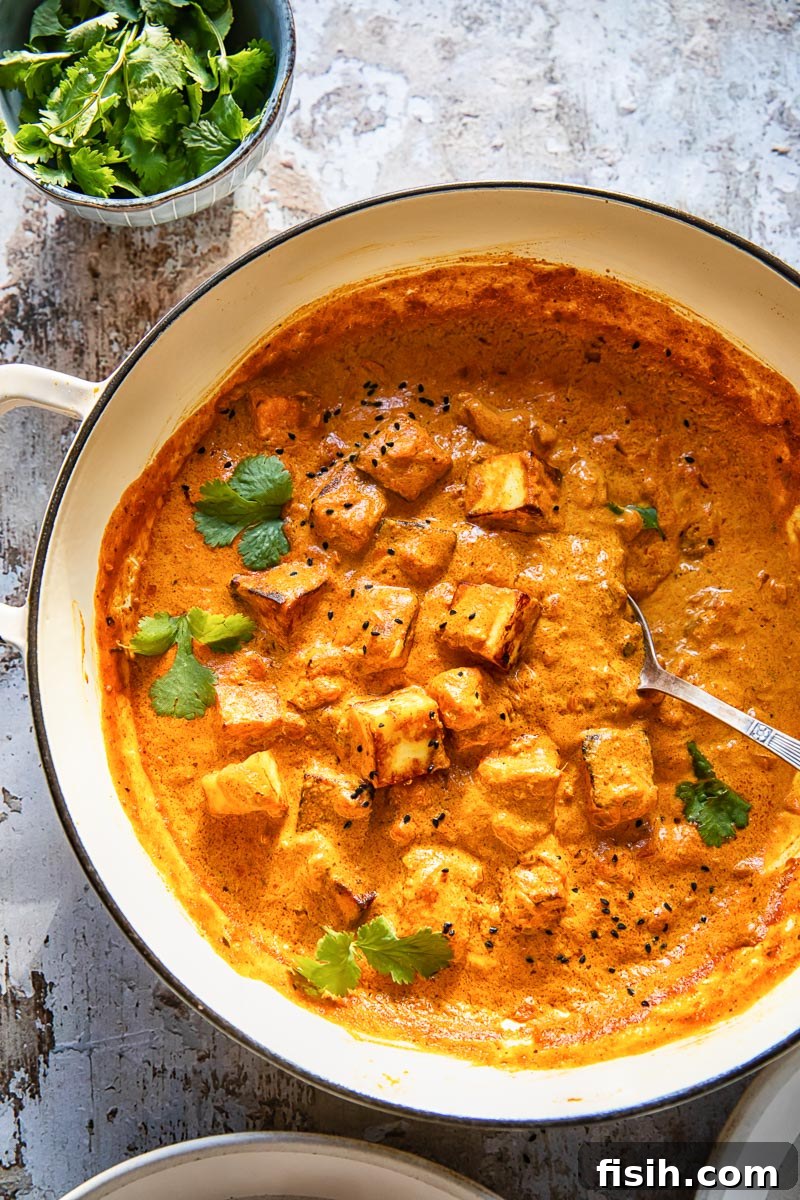
Experience the rich, creamy, and undeniably delicious flavors of India with our incredible Paneer Tikka Masala recipe. This vegetarian take on the beloved classic offers all the satisfying tang and aromatic spice of traditional tikka masala, brilliantly adapted for a meat-free delight. It’s a hearty, comforting meal that proves vegetarian dishes can be just as exciting and flavorful!
For those who adore the vibrant taste of tikka masala, explore our Chicken Tikka Masala for a traditional option, or dive into another fantastic vegetarian choice with our Vegetable Tikka Masala with Potatoes and Cauliflower!
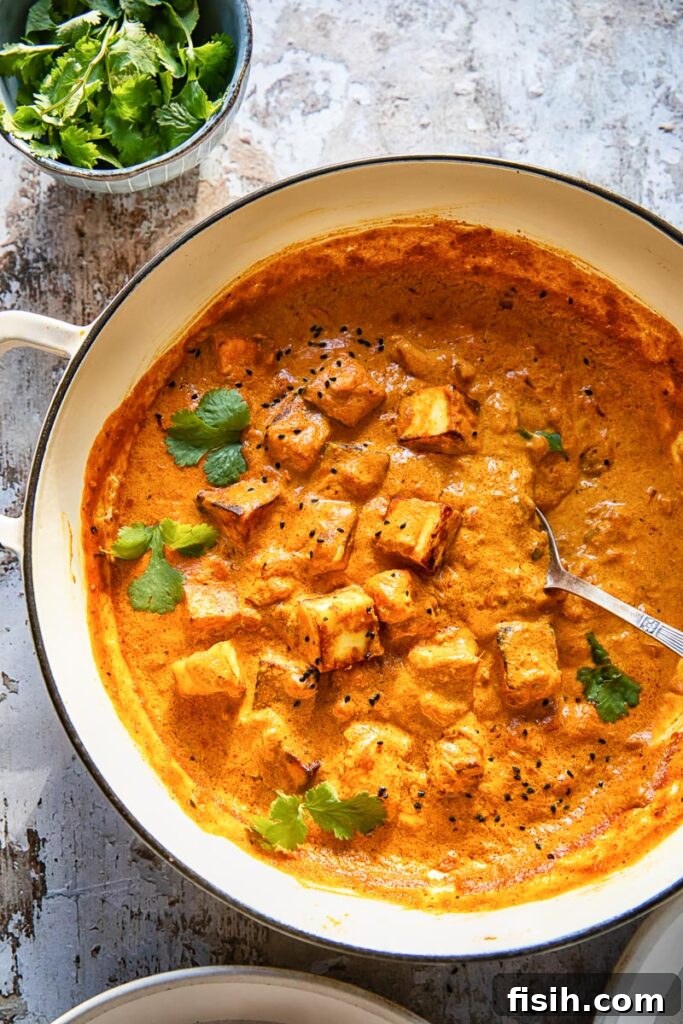
There’s a special magic in a beautifully crafted curry. For as long as I can remember, Indian curry has been my ultimate comfort food, a go-to dish for a much-needed pick-me-up. The local Indian takeaway knew my order by heart, but discovering how simple and enjoyable it is to prepare these exquisite flavors at home has been a culinary game-changer.
Tikka masala stands out as an absolute classic, celebrated worldwide for its complex array of delicious flavors, captivating aroma, and visually appealing rich color. Its ability to transform simple ingredients into a gourmet experience makes it an ideal candidate for home cooking. This recipe not only delivers on taste but is also remarkably fun to prepare, bringing the heart of Indian cuisine right into your kitchen.
The Allure of Tikka Masala
My passion for Indian cuisine runs deep, often making it my first choice when seeking truly comforting and satisfying food. Indian culinary traditions boast a long and revered history of vegetarianism, which means the array of exquisite meat-free options is truly boundless. This rich heritage ensures that vegetarian dishes are not merely alternatives but integral, celebrated parts of the cuisine.
Tikka masala, in particular, has achieved an iconic status across the globe. Its origins are a subject of fascinating debate and various theories. Some believe this flavorful curry emerged from India, a more recent creation that nonetheless pays homage to the country’s ancient culinary principles. This theory suggests it naturally evolved within India’s diverse gastronomic landscape, incorporating familiar spices and cooking techniques.
However, another widely popular theory posits that tikka masala was born in the United Kingdom. Legend has it that an ingenious Indian chef, seeking to appease a customer’s request for “chicken with gravy,” improvised by adding a mild, creamy tomato-based sauce to his marinated chicken tikka. This creative culinary moment supposedly gave birth to the delightful tikka masala we cherish today, a dish that beautifully bridges British and Indian palates.
Regardless of its precise origin, the essence of tikka masala lies in its magnificent sauce. This vibrant, perfectly spiced gravy is characterized by its smoky undertones, a delightful tang, and a luxurious creamy texture that coats every ingredient it touches. It’s this same versatile sauce that works wonders with paneer, infusing the mild Indian cheese with its deeply satisfying, complex flavors. The creamy consistency combined with the subtly sharp taste creates a truly harmonious and immensely gratifying culinary experience.
Discovering Paneer: The Versatile Indian Cheese
Paneer, a fresh cheese originating from the Indian subcontinent, is traditionally crafted from cow or buffalo milk. Unlike many Western cheeses, paneer is non-melting, allowing it to maintain its structural integrity even under high heat, which makes it an ideal candidate for curries and stir-fries. Its pleasantly soft yet firm texture offers an amazingly satisfying chew when cooked correctly, providing a delightful contrast to the creamy sauce.
One of paneer’s most remarkable qualities is its ability to absorb flavors like a sponge. It holds its shape beautifully throughout the cooking process, allowing each cube to soak up just enough of the rich curry sauce to deliver an explosion of flavor with every bite. This characteristic makes paneer an exceptionally convenient and delicious replacement for meat in a wide variety of curries and other Indian dishes. Its versatility extends beyond curries, as it can be grilled, fried, crumbled, or used in desserts, showcasing its adaptability across a whole range of recipes.
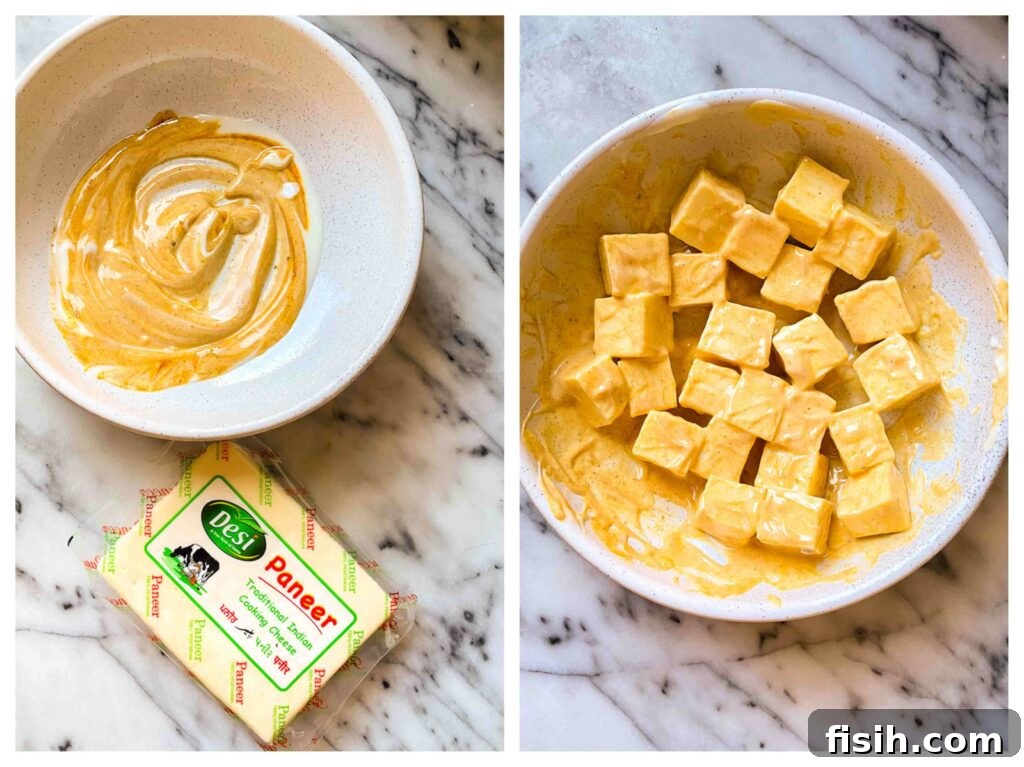
Traditional chicken tikka masala relies on a flavorful marinade of yogurt and spices to tenderize and infuse the chicken. Paneer, too, benefits immensely from a similar marination process. By allowing it to steep in a blend of yogurt and aromatic spices, the cheese becomes deeply flavored and acquires an even more tender texture, enhancing its overall appeal in the finished dish.
In this particular Paneer Tikka Masala recipe, the paneer undergoes a quick but effective marination. Cubes of paneer are tossed in a mixture of creamy yogurt and potent curry paste for just twenty minutes. This brief period is sufficient for the paneer to absorb the initial layers of flavor. Following marination, the paneer is lightly browned over medium heat until it develops a beautiful golden crust. This crucial step not only adds an appealing visual dimension but also creates a slight crispness on the exterior, complementing its soft interior, before it’s set aside to await its grand re-entry into the bubbling curry.
Crafting Your Homemade Paneer Tikka Masala
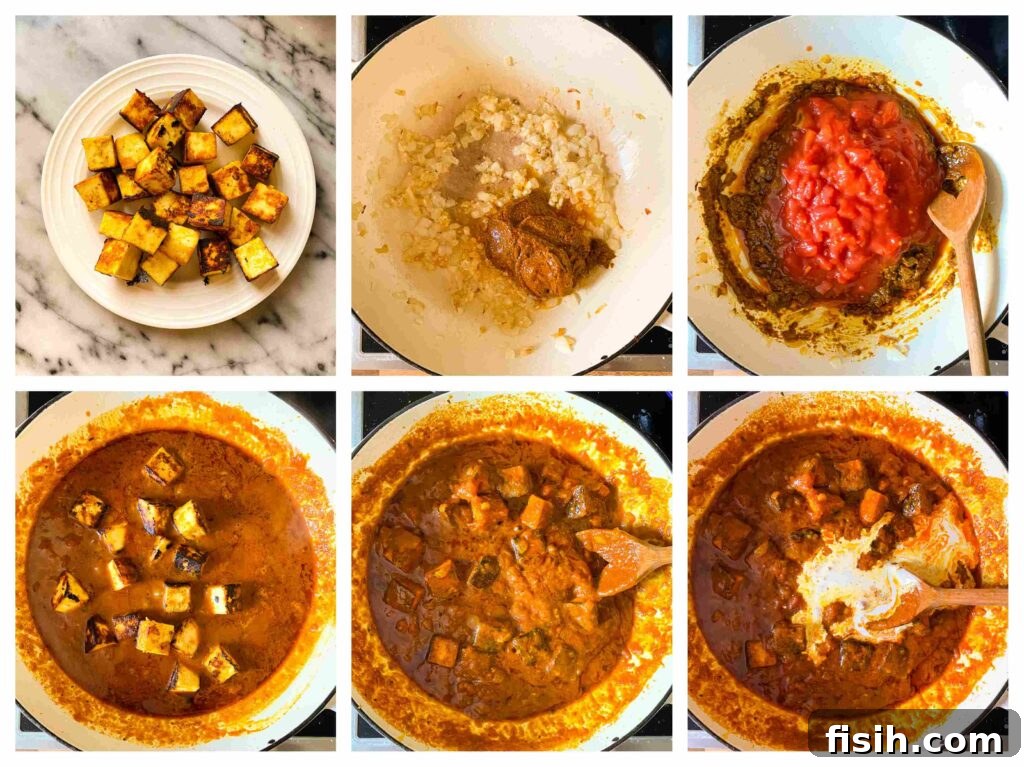
Creating this flavorful Paneer Tikka Masala takes a little time, but the process is straightforward and incredibly rewarding. The journey begins with preparing the star of our dish: the paneer. First, cut your paneer into even cubes, ensuring they cook uniformly. Gently toss these cubes in a vibrant mixture of creamy yogurt and aromatic tikka masala paste. Allow the paneer to marinate for approximately 20 minutes; this brief soak is enough to infuse the cheese with a burst of flavor. Once marinated, heat a pan over medium heat with a touch of oil and lightly fry the paneer on each side until it achieves a beautiful golden hue. This step adds texture and deepens its flavor. Remove the browned paneer to a plate and set it aside.
Next, begin building the rich sauce. In the same pan, add a little more oil and heat it over medium heat. Introduce the finely chopped onion and sauté it gently for 7-10 minutes, or until it softens and turns translucent, releasing its sweet aroma. Then, add the fragrant ginger paste and minced garlic, cooking for just another minute until their pungent flavors mellow and become aromatic. Be careful not to burn the garlic.
Now, it’s time to bring in the main flavor base. Stir in the tikka masala curry paste, allowing it to cook for a few minutes until all the spices are wonderfully fragrant and heated through. Pour in a quarter cup (125ml) of water and the chopped tomatoes, stirring well to combine. Bring the mixture to a gentle boil, then reduce the heat to a simmer. Carefully return the browned paneer to the pan, nestling the cubes into the sauce. Cover the pan with a lid and let it all simmer together for 20 minutes, allowing the flavors to meld and deepen beautifully. This slow simmer is key to developing the complex taste of the curry.
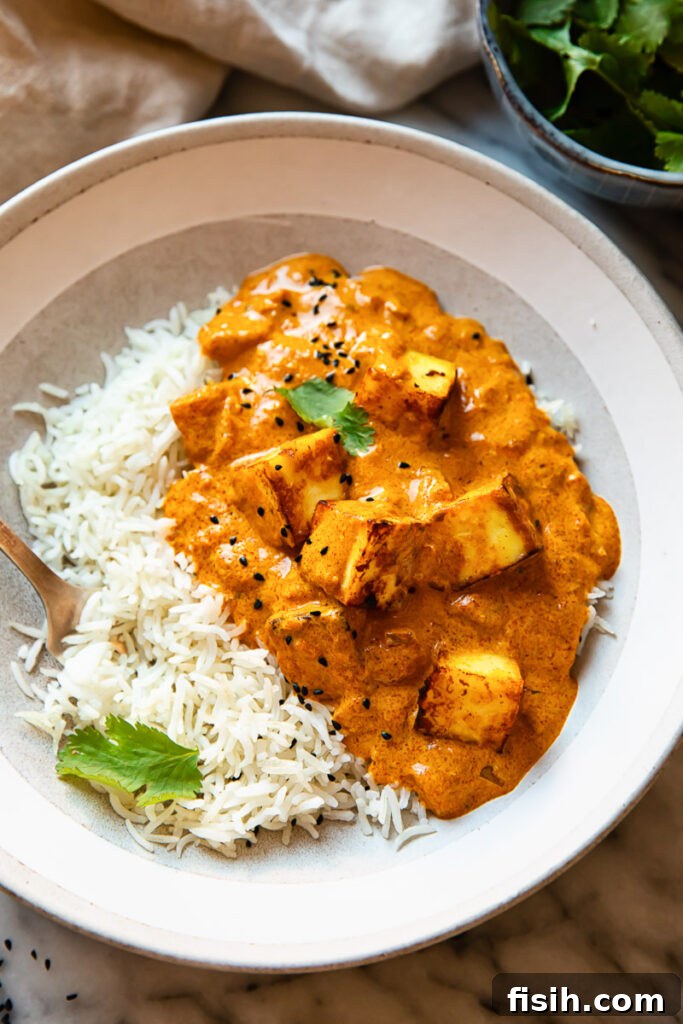
To finish, pour in the heavy cream (or double cream) and stir in the brown sugar, which balances the tanginess of the tomatoes and adds a subtle sweetness to the sauce. Give it a final gentle stir until everything is perfectly combined and heated through. Before serving, sprinkle generously with fresh chopped cilantro (coriander) for a burst of freshness and a vibrant garnish. Serve hot and enjoy your homemade Paneer Tikka Masala!
Expert Recipe Tips and Notes
- Paneer Preparation: For best results, cut your paneer into evenly sized cubes. This ensures they cook uniformly and develop a consistent golden-brown crust. Keep a close eye on the paneer while frying, as it can burn quite quickly due to its sugar content. A lovely golden hue is what you’re aiming for, not a dark char.
- Fat Choice: While vegetable oil works perfectly, consider using ghee (clarified butter) for an authentic Indian flavor profile. Ghee boasts a higher smoking point than regular butter, making it excellent for frying, and imparts a unique nutty richness that elevates the curry’s taste. You can even make your own at home!
- Curry Paste vs. Homemade: For most home cooks, a good quality store-bought tikka masala paste is a fantastic time-saver and delivers excellent results. Crafting your own paste from scratch requires an extensive array of spices, many of which you might not use frequently. Don’t hesitate to rely on a reliable jarred paste for convenience and consistent flavor.
- Fresh Herbs: The addition of fresh cilantro (coriander) at the end isn’t just for garnish; it introduces a wonderful burst of fresh, herbaceous flavor that brightens the entire dish. While not strictly essential, it significantly enhances the overall experience and adds an inviting visual appeal when sprinkled generously over the hot curry.
- Adjusting Spice Levels: If you prefer a spicier curry, consider adding a pinch of cayenne pepper or a chopped green chili along with the ginger and garlic. For a milder version, you can reduce the amount of tikka masala paste slightly or add an extra splash of cream at the end.
- Tomato Quality: Using good quality canned chopped tomatoes or fresh ripe tomatoes will make a noticeable difference in the depth of your sauce. Look for fire-roasted canned tomatoes for an extra layer of smoky flavor.
- Thickening the Sauce: If your curry sauce appears too thin after simmering, you can let it cook uncovered for a few extra minutes to reduce and thicken slightly. Alternatively, stir in a teaspoon of cornstarch mixed with a tablespoon of water, then simmer until thickened.
Serving Suggestions for an Indian Feast
Paneer Tikka Masala is a star dish that pairs beautifully with a variety of accompaniments, making it perfect for creating a memorable Indian feast. To truly elevate the experience, consider serving it alongside other complementary curries. A must-have for any Indian meal, in my opinion, is a good Indian pickle – especially a zesty lime pickle – which adds a tangy, spicy counterpoint to the rich curry. Excellent quality pickles can be found in the international aisle of most sizable grocery stores.
For the perfect carbohydrate base, paneer tikka masala is traditionally and exquisitely served with fluffy basmati rice. For an elegant twist with a hint of sweetness, try it with coconut rice. No Indian meal is complete without warm, pillowy naan bread. Whether enjoyed on its own to scoop up the delicious sauce or served alongside rice, naan is fantastically good and wonderfully absorbent.
I’m also a huge advocate for incorporating delicious side dishes to round out a meal like this. Hearty options like red lentil dahl or the creamy dal makhani are personal favorites that add protein and fiber. Alternatively, a side of spiced roasted baby potatoes (aloo chat) offers a delightful textural contrast and another layer of savory flavor, completing your homemade Indian dining experience.
Storage and Leftovers: Savoring Your Curry Longer
One of the best qualities of curries, including this Paneer Tikka Masala, is that they often taste even better the next day. This is because the spices and flavors have additional time to meld and deepen, resulting in a more harmonious and complex taste. To store, transfer any leftover curry to an airtight container and refrigerate it promptly. It will remain delicious and safe to eat for 3-4 days.
For longer storage, paneer tikka masala can be frozen for up to six months. However, be aware that freezing can sometimes alter the texture of the paneer, potentially making it a little crumbly or slightly tougher upon thawing and reheating. To minimize this, ensure the curry is completely cooled before freezing in an airtight, freezer-safe container. When you’re ready to enjoy it again, it’s best to let the frozen curry thaw completely in the refrigerator overnight before reheating. This gentle thawing process helps preserve the integrity of both the sauce and the paneer.
Whether you’re reheating from the refrigerator or after thawing, paneer tikka masala can be conveniently warmed up in the microwave. However, for the best texture and flavor, reheating on the stovetop is highly recommended. Use a medium to medium-high heat, stirring occasionally, until the curry is piping hot throughout. If the sauce appears too thick after storage, add a splash of water or a little milk or cream to achieve your desired consistency.
Explore More Vegetarian Curry Recipes
- Coconut Lentil Curry with Butternut Squash
- Chickpea and Butternut Squash Curry
- Cauliflower and Potato Curry (Aloo Gobi)
★
★
★
★
☆
Paneer Tikka Masala Recipe
Julia Frey of Vikalinka
25
35
1
6
Equipment
-
Cast iron casserole dish
Ingredients
- 250g/9oz paneer, cubed
- 1 tbsp vegetable oil
- 2 tbsp plain yogurt
- 1 tsp tikka masala paste (for marinating paneer)
- 1-2 tsp vegetable oil (for cooking curry)
- 1 large onion, chopped
- 1 tbsp grated fresh ginger
- 1 clove garlic, minced
- 125ml/1/2 cup tikka masala paste (for curry sauce)
- 400ml/14oz canned chopped tomatoes
- 125ml/1/2 cup double cream/heavy cream
- 3 tsp brown sugar
- Fresh cilantro/coriander, chopped, for garnish
Instructions
-
In a bowl, mix 2 tbsp yogurt and 1 tsp tikka masala paste. Add the cubed paneer and marinate for 20 minutes. Heat 1 tbsp vegetable oil in a pan over medium heat. Brown the marinated paneer until golden on all sides, then remove to a plate and set aside.
-
Add 1-2 tsp fresh vegetable oil to the same pan. Add the chopped onion and cook for 7-10 minutes until softened and translucent. Stir in the grated ginger and minced garlic, and cook for another minute until fragrant.
-
Add 125ml/1/2 cup of tikka masala curry paste to the pan and cook for 2-3 minutes, stirring constantly, until thoroughly heated. Pour in 1/4 cup (125ml) water and the chopped tomatoes. Bring the mixture to a boil, then reduce the heat to a simmer. Return the browned paneer to the pan.
-
Cover the pan with a lid and let the curry simmer gently for 20 minutes, allowing the flavors to fully develop. Finally, stir in the double/heavy cream and brown sugar. Mix until well combined and heated through. Garnish with fresh chopped cilantro/coriander before serving hot.
Nutrition
Carbohydrates: 85g |
Protein: 17g |
Fat: 13g |
Saturated Fat: 7g |
Polyunsaturated Fat: 2g |
Monounsaturated Fat: 3g |
Cholesterol: 28mg |
Sodium: 2811mg |
Potassium: 3746mg |
Fiber: 21g |
Sugar: 52g |
Vitamin A: 6017IU |
Vitamin C: 186mg |
Calcium: 688mg |
Iron: 20mg
Nutrition information is automatically calculated, so should only be used as an approximation.
Tried this recipe?
Let us know how it was!