
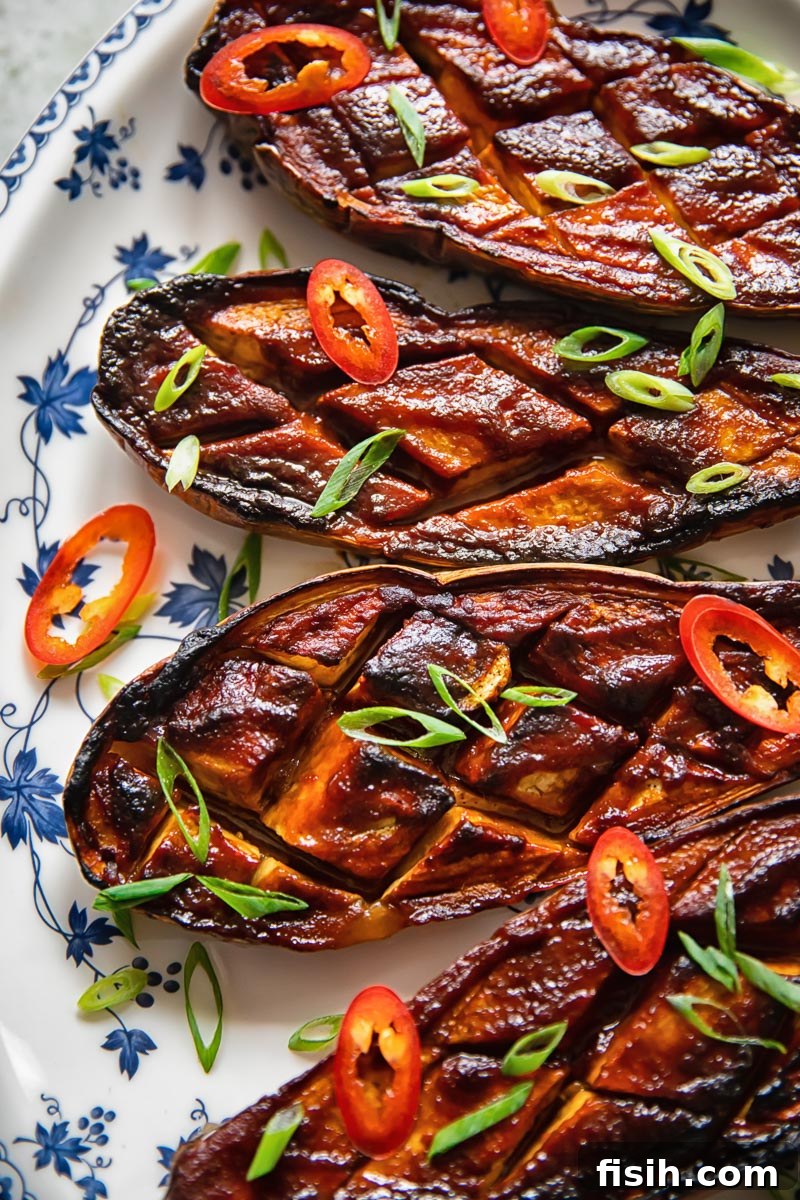
Unveiling the Umami: The Ultimate Miso Aubergine (Eggplant) Recipe
Embark on a culinary journey to the Far East with Miso Aubergine, a dish that transforms a humble vegetable into an extraordinary gastronomic delight. Miso, a revered and ancient Japanese ingredient, is celebrated not only for its profound umami flavor but also for its remarkable health benefits. In this versatile vegan recipe, it acts as a magical catalyst, turning ordinary aubergine (eggplant) into a soft-centered, sticky-glazed masterpiece that captivates the palate. Whether served as a show-stopping main course or a compelling side dish, this Miso Aubergine recipe promises an authentic taste of Japanese cuisine, simplified for your kitchen.
Beyond being just a meal, Miso Aubergine can be the star of a Japanese-inspired banquet. Pair it with complementary dishes like a quick and easy Beef Yakisoba or a refreshing Noodle Salad to create a truly memorable dining experience.
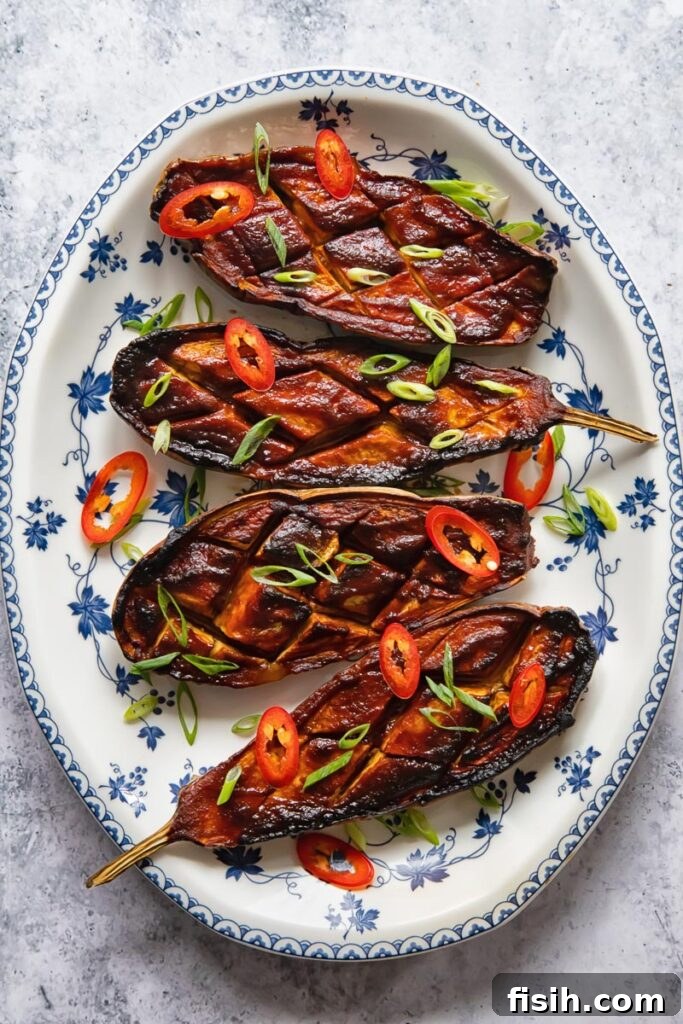
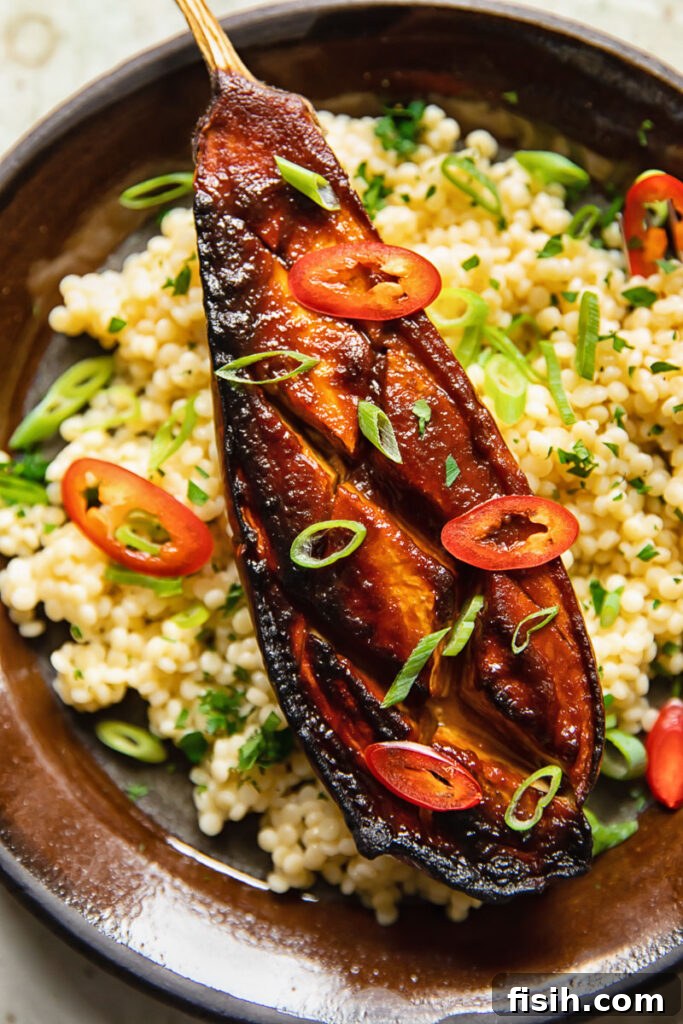
The transformation of aubergine in this recipe is truly remarkable. A thoroughly roasted aubergine, when cooked to perfection, develops a surprisingly silky and creamy texture that melts in your mouth. This characteristic creaminess, combined with a sweet, savory, and sticky miso glaze, elevates it far beyond any ordinary aubergine preparation. There’s a symphony of flavors and textures ready to burst forth from its dark purple skin, a testament to centuries of refined East Asian cooking wisdom that celebrates depth and balance.
Miso Glazed Aubergine: A Culinary Classic Reimagined
Known in Japan as Nasu Dengaku, the traditional method for preparing this dish often involves flame-roasting aubergines over an open fire. This technique imparts a distinct crisp, charred, and smoky skin, expertly cradling the incredibly silky flesh within. Achieving this level of mastery over an open flame is, as any barbecue enthusiast will attest, a refined skill that takes years of dedicated practice. Moreover, depending on your climate and outdoor setup, fire cooking isn’t always a practical option for everyday meals.
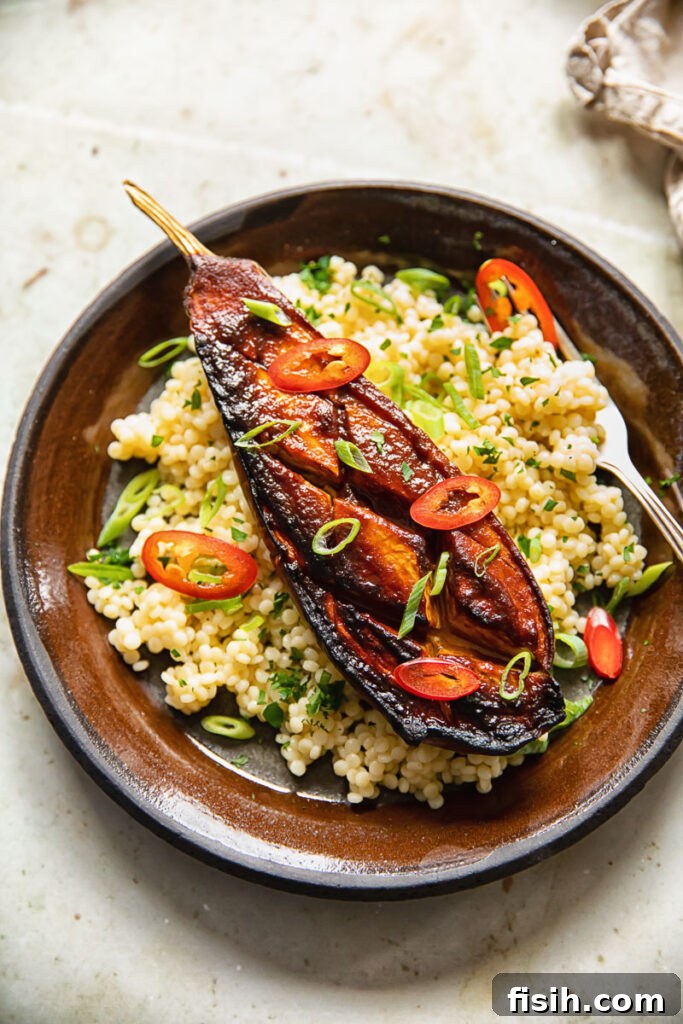
Our adapted method, however, embraces a more accessible, lo-fi, and hands-off approach without sacrificing any of the exquisite flavors. With just a few minutes of preparation – whisking together your vibrant miso glaze and artfully scoring the aubergines – you can effortlessly slide them into a modern oven. This allows you to sit back and anticipate the culinary magic unfolding. Beyond its convenience, oven-roasting your aubergine offers a subtly different, yet equally enchanting, flavor profile. While flame-charring can sometimes lean towards bitter notes, a gentle oven roast allows the edges to beautifully caramelize, developing a sweet, almost sticky-toffee-like glaze. This gentle caramelization perfectly complements the rich, savory, and umami-infused aubergine flesh, creating a balanced flavor experience that is simply irresistible.
The Essence of Miso: A Fermented Superfood
Miso, a traditional Japanese seasoning, is much more than just a paste; it’s a living food, rich in history, culture, and flavor. Made from fermented soybeans, often with rice, barley, or other grains, miso has been a staple in East Asian cuisine for centuries. Its fermentation process contributes to its incredible depth of flavor – the renowned “umami” – and imbues it with a wealth of health benefits, including probiotics that support gut health and a rich profile of vitamins and minerals.
The expansive world of miso can initially seem confusing, with literally hundreds of different types available, each offering a unique tonal range from mellow and mild to pungent and profoundly funky. Much like appreciating fine coffee or wine, understanding miso involves recognizing its diverse characteristics. Choosing the right miso can significantly impact the final flavor of your dish.
Navigating the World of Miso: Your Guide to Varieties
Here are some of the most common miso varieties you’ll readily find in stores outside of East Asia, along with insights into their distinctive tastes and ideal culinary applications:
- White Miso (Shiro Miso): This variety boasts a high white rice content and the shortest fermentation time among misos, resulting in a mild, sweet, and mellow flavor. Its light color and delicate taste make it perfect for miso soups, light salad dressings, marinades for delicate fish or vegetables, and even some sweet applications where a subtle umami note is desired.
- Yellow Miso (Shinshu Miso): Often made with white rice or barley, yellow miso offers a balanced, semi-sweet, and earthy profile. It’s incredibly versatile and finds its place in both savory and subtly sweet dishes. Its slight saltiness and robust flavor can add an intriguing depth to glazes for roasted vegetables, stir-fries, and can even provide an unexpected edge to desserts like chocolate brownies or ice cream.
- Red Miso (Aka Miso): Characterized by a higher ratio of soybeans to rice and a longer fermentation period, red miso delivers a saltier, tangier, and more robust flavor. Its deeper color and stronger profile make it ideal for heartier dishes, dark sauces, rich marinades for meats, braises, and robust soups where a pronounced miso flavor is desired. It can stand up to stronger ingredients without being overwhelmed.
- Brown Miso (Mame Miso): Primarily made with brown rice and fermented for the longest duration (often two years or more) in traditional wooden barrels, brown miso is the most profound and complex of these varieties. It offers an intensely rich, earthy, and savory flavor with deep umami notes. Due to its powerful taste, brown miso is best used sparingly in robust stews, hearty glazes, deeply savory sauces, and any dish where you want a truly impactful miso presence.
With this understanding, you’re well on your way to becoming a miso master!
Recipe Tips for Perfection
- Selecting the Perfect Aubergine: While a large, plump, and firm aubergine might seem tempting, for this recipe, opt for small to medium-sized ones. Smaller aubergines tend to be less bitter, contain fewer seeds, and cook more quickly and evenly, ensuring a consistently soft and tender center without any spongy texture.
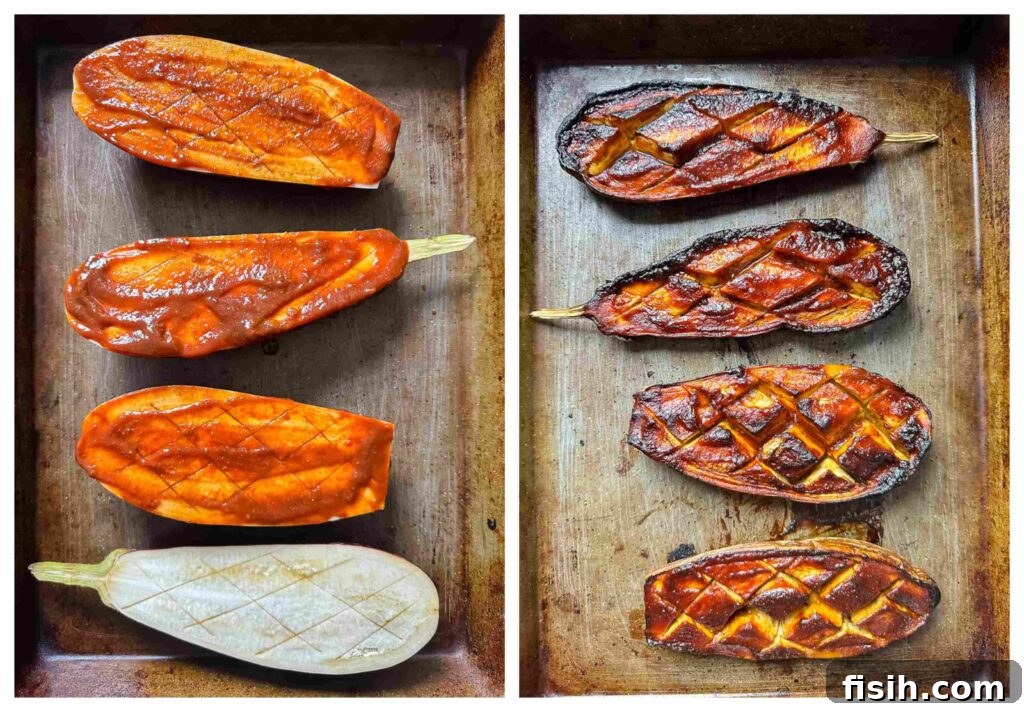
- Mastering the Scoring Technique: Score the flesh of the aubergine deeply in a criss-cross pattern. This crucial step allows the flavorful miso glaze to penetrate deeply into the aubergine, infusing every bite with rich taste. Be careful not to perforate the skin; this will help retain moisture, preventing the aubergine from drying out and ensuring a deliciously slippery and creamy interior.
- The Art of Basting: For an exceptionally flavorful and uniformly textured aubergine, baste it halfway through the cooking process. Brushing the glaze over the aubergine as it roasts helps to build up that irresistible sticky, caramelized crust and ensures that the flavors are consistent throughout, making every mouthful an absolute delight.
- Chilli Paste Alternatives: Feel free to customize the spice level and flavor profile of your glaze by substituting alternative chili pastes. I personally love using Gochujang for its unique sweet and subtly smoky notes. However, if you prefer a fiery kick, Sriracha or Sambal Oelek are excellent choices that will add a vibrant punch to your Miso Aubergine.
Versatile Serving Suggestions
Miso Glazed Aubergine is incredibly versatile, making it a perfect component for a variety of meals. I could happily enjoy an entire roasted aubergine as a fulfilling main dish on its own. It pairs beautifully with plain white rice, or for an extra layer of flavor, consider rice delicately seasoned with a touch of fresh ginger and thinly sliced spring onion. Add a side of sautéed Chinese greens for a complete and wholesome meal. Alternatively, serve it alongside a vibrant Asian Noodle Salad with Peanut Dressing for a refreshing and hearty option.
For those seeking a more substantial and contrasting experience, crispy Chicken Katsu Curry makes an excellent partner. The satisfying crunch of the chicken provides a delightful textural contrast to the silky smooth, tender aubergine, offering the best of both worlds. Beyond these, Miso Aubergine also shines as an accompaniment to grilled fish, steamed dumplings, or even as a flavorful topping for a vegan rice bowl with edamame and avocado. Its rich umami profile means it can elevate almost any Asian-inspired meal.
Storage and Leftovers: Enhancing Flavor Over Time
One of the many delights of Miso Glazed Aubergine is how well it keeps, and often, how its flavors deepen and meld even further over time. Any leftover glazed aubergine can be stored in an airtight container in the refrigerator for 2-3 days. During this time, the aubergine continues to marinate in the rich miso glaze, resulting in an even richer and more complex taste profile when you next enjoy it. To reheat, simply return the aubergine to a preheated oven at 180°C (350°F) for about 10-15 minutes, or until it is thoroughly warmed through. While a microwave can be used for convenience, oven reheating will help retain the glaze’s sticky texture and prevent the aubergine from becoming too soft. This makes it an excellent option for meal prepping, allowing you to enjoy a delicious, healthy, and flavorful meal even on busy days.
More Easy Vegetable Side Dishes You’ll Love
- Miso Butter Roasted Cabbage Wedges
- Air Fryer Baked Sweet Potato
- Braised Red Cabbage
- Butternut Squash Casserole (Gratin)
Miso Aubergine (Eggplant)

Ingredients
- 2 aubergines/eggplants, medium
- 1 tbsp white miso paste
- 1 tsp Gochujang paste
- 1 tbsp brown sugar
- 1 tbsp soy sauce
- 1 tbsp mirin
- 1 tbsp vegetable oil
Instructions
-
Preheat your oven to 200°C (400°F). In a small bowl, whisk together the white miso paste, Gochujang paste, brown sugar, soy sauce, mirin, and vegetable oil until a smooth and consistent paste forms. This will be your flavorful glaze.
-
Carefully cut the aubergines in half lengthwise. Using a sharp knife, deeply score the flesh in a criss-cross pattern, making sure not to cut through the skin. This scoring allows the glaze to penetrate deeply and cook evenly. Generously spread the prepared miso glaze all over the cut side of each aubergine half. Place them cut-side up on a baking sheet.
-
Bake the aubergines in the preheated oven for 35-40 minutes, or until the flesh is tender and the glaze is beautifully caramelized and sticky. Halfway through the cooking time (around 20 minutes), gently baste the aubergines with any accumulated glaze on the baking sheet to enhance the flavor and create an even stickier coating.
-
Once cooked, remove from the oven and serve immediately. Garnish generously with sliced red chilies for a touch of heat and vibrant green onions for freshness. This delectable Miso Aubergine is perfect served over a bed of fluffy white rice or light couscous, making for a truly satisfying meal.
Nutrition
Carbohydrates: 20g
Protein: 3g
Fat: 1g
Saturated Fat: 0.1g
Polyunsaturated Fat: 0.3g
Monounsaturated Fat: 0.1g
Sodium: 448mg
Potassium: 551mg
Fiber: 7g
Sugar: 12g
Vitamin A: 59IU
Vitamin C: 5mg
Calcium: 27mg
Iron: 1mg
Nutrition information is automatically calculated, so should only be used as an approximation.