
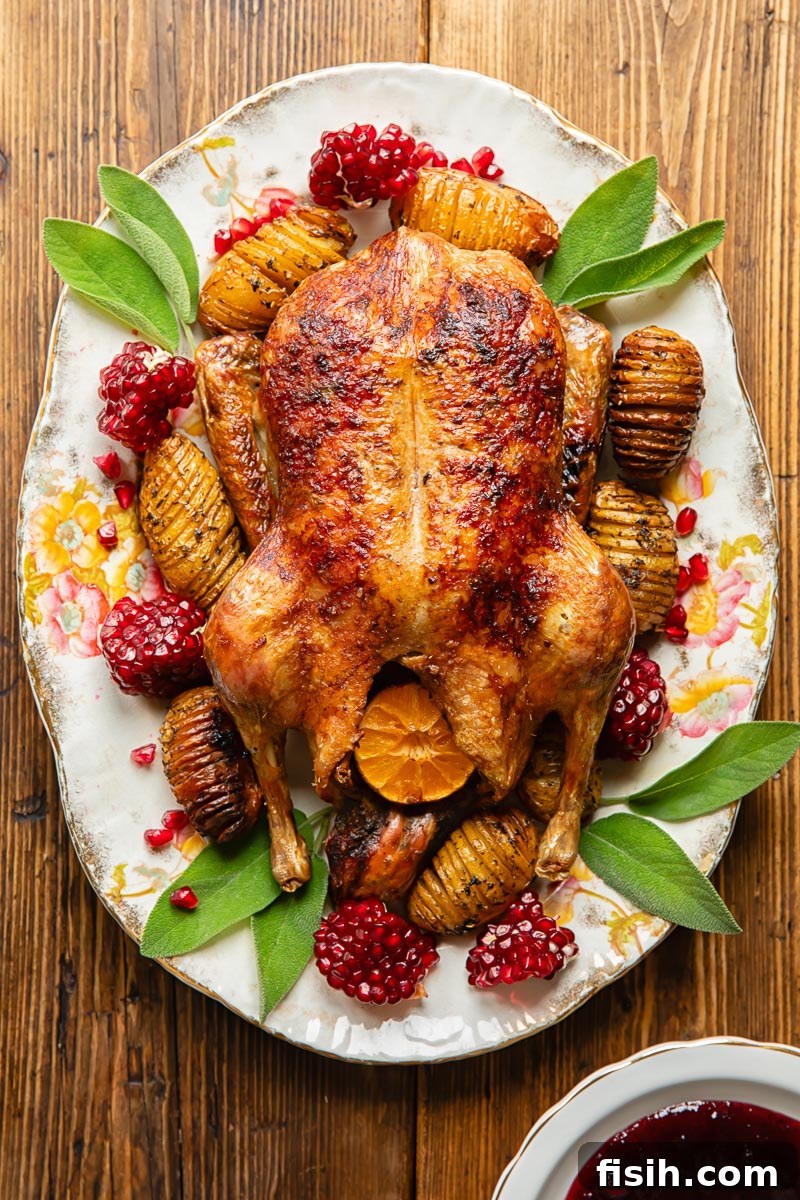
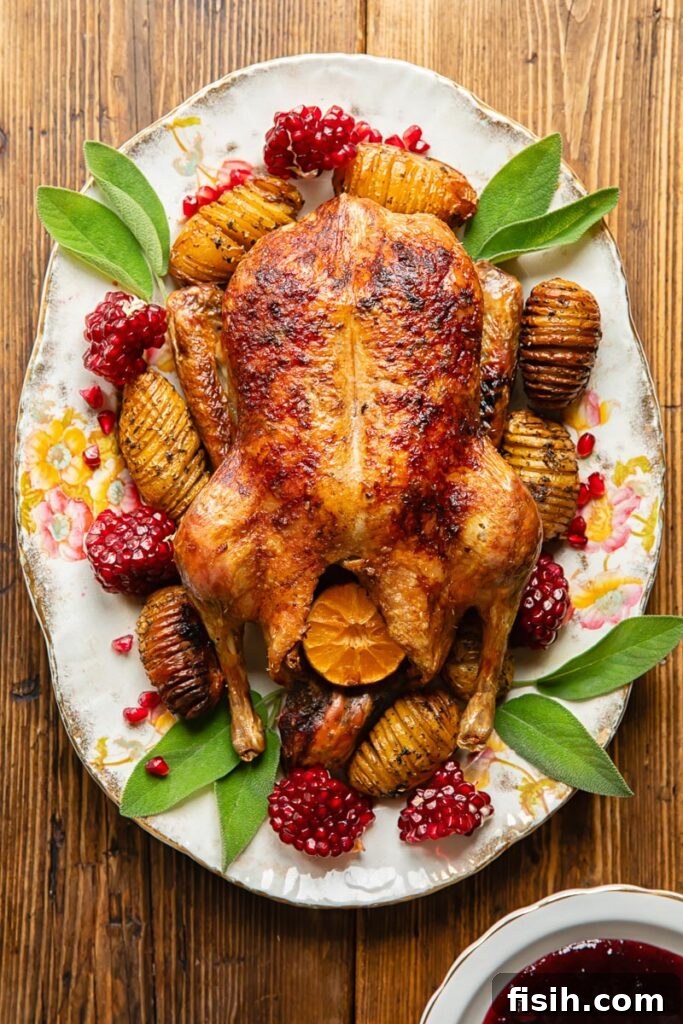
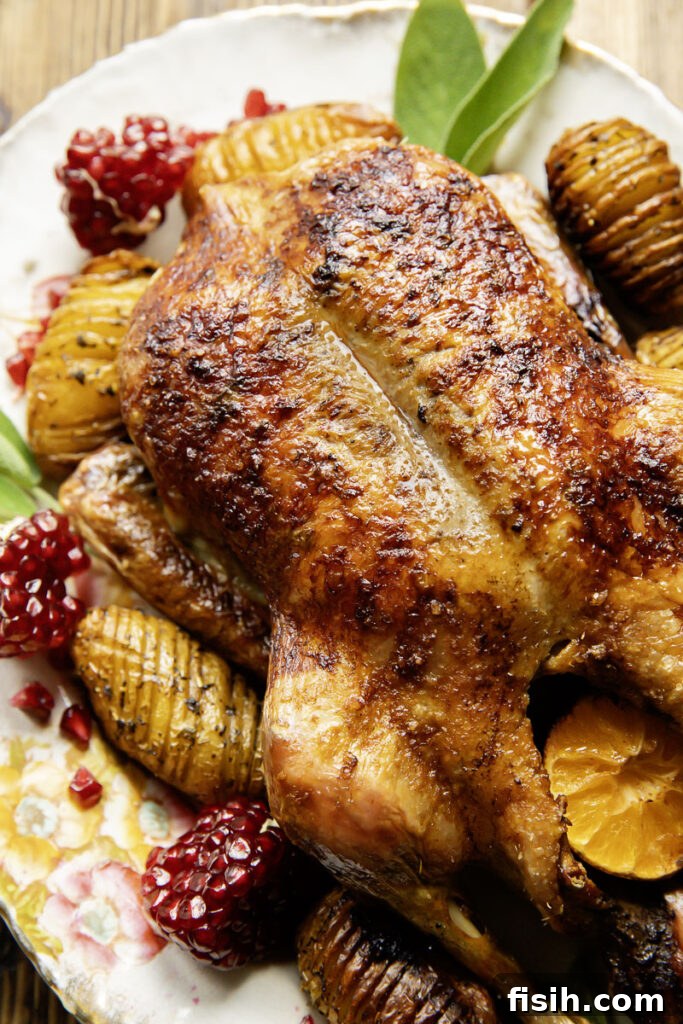
Elevate your festive table with this exquisitely refined roasted duck, perfectly complemented by a vibrant, sweet-tart port cranberry sauce. A magnificent and elegant alternative to the traditional Christmas roast turkey, this succulent duck recipe is ideal for intimate family gatherings or smaller celebrations. Imagine rich, tender duck meat with perfectly crispy skin, brilliantly contrasted by a ruby-red sauce bursting with winter berry flavors. Simply add your cherished festive trimmings for a truly unforgettable holiday meal.
Should the allure of this spectacular roast duck recipe ignite a passion for poultry, consider exploring other delightful fowl dishes. For a quick yet gourmet lunch, a seared duck breast sandwich offers a luxurious experience. I personally love layering mine with tender artichoke hearts and sweet roasted red peppers, all nestled within a rustic, chewy ciabatta roll. It’s a sophisticated twist on a classic, showcasing duck’s versatility beyond the holiday roast.
Roasted Duck: The Ultimate Festive Centrepiece
There’s an undeniable magic to roasted duck, especially when it takes center stage at your Christmas dinner. While turkey often reigns supreme, duck offers a distinctive charm and an array of benefits that make it an exceptional choice for holiday entertaining. Let me share why I believe roasted duck is truly a superior option for your festive feast:
- Perfectly Portioned for Smaller Gatherings: For families of four, or even six, a whole roasted duck is an absolute game-changer. Unlike oversized turkeys that often lead to an overwhelming amount of leftovers, a duck provides a satisfying meal without the excess. This means no frantic attempts to cram multiple containers into an already packed refrigerator, no uncomfortable overeating, and significantly less food waste. It’s a celebration of quality over quantity, ensuring every bite is savored.
- Rich, Satisfying Dark Meat: The dark meat of a roasted duck is intensely flavorful and wonderfully satisfying, offering a welcome change from the often drier, milder taste of traditional roast turkey. Its deep, savory notes and robust texture provide a luxurious culinary experience that truly feels special and indulgent, making it a memorable centerpiece for any holiday spread.
- Unrivaled Moisture and Tenderness: One of duck’s most appealing characteristics is its generous layer of fat. This isn’t just a guilty pleasure; it’s a built-in basting mechanism. As the duck roasts, this luscious fat renders down, constantly moistening the meat from within, ensuring every slice remains incredibly juicy and tender. The result is a fowl that consistently delivers on succulence, far surpassing other poultry in its inherent moistness.
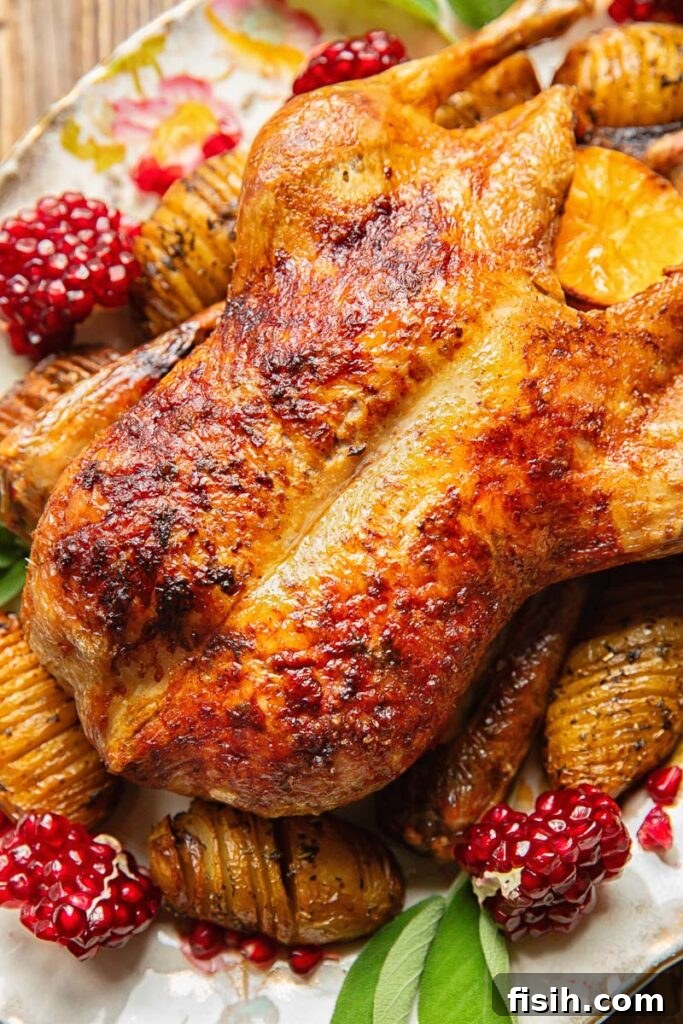
- Achieving the Ultimate Crispy Skin: The skin of a perfectly roasted duck is a true delicacy. Through careful preparation and roasting, it transforms into an incredibly thin, almost translucent, golden-brown crisp. Seasoned simply with salt, this wafer-thin skin provides a delightful textural contrast to the tender meat and is often considered the highlight of the dish. It’s a culinary reward for your efforts.
- The Golden Elixir: Duck Fat Roasted Potatoes: This is arguably the most brilliant holiday cooking hack! As the duck roasts, it releases a bounty of flavorful fat into the pan below. Instead of discarding this precious rendered fat, you can strategically use it to roast your potatoes simultaneously. The potatoes absorb the rich, savory essence of the duck fat, emerging from the oven with an unbeatable crisp exterior and a fluffy, flavorful interior. It’s a decadent side dish that cooks itself, saving you oven space and adding incredible depth of flavor.
- An Occasion-Worthy Treat: Given its slightly higher price point compared to other poultry, roasted duck naturally feels like a more exclusive and celebratory dish. Serving duck elevates any meal into a special occasion, signaling a moment of indulgence and culinary delight. It’s a luxurious choice that makes guests feel truly honored and adds a touch of gourmet sophistication to your holiday table.
My unique roast duck recipe masterfully brightens the inherent game-bird flavor with the aromatic essences of Christmassy mandarin halves and fresh garlic. By tucking these fragrant ingredients into the duck’s cavity, they release a delicate, perfumed steam during roasting. This internal infusion not only keeps the meat exceptionally juicy but also imbues it with a subtle, citrusy aroma that beautifully complements the duck’s richness.
The Symphony of Flavors: Port and Cranberry Sauce
Roasted duck is frequently paired with fruits that offer a contrasting tartness, such as cherries or oranges. While duck pairs wonderfully with a variety of accompaniments, as we transition into the heart of cranberry season, the classic pairing of port and cranberry emerges as an irresistible choice. These two ingredients are time-honored Christmas flavors, and when combined, they create a gleaming, garnet-red sauce that elevates this roasted duck recipe in truly remarkable ways.
Port, a sweet and fortified wine, boasts a luxurious, almost syrupy consistency. It carries deep, mulled notes reminiscent of raspberries, rich chocolate, and warm cinnamon, creating a profile that is both sweet, comforting, and deeply warming. This complex sweetness provides a beautiful counterpoint to the wintry cranberries, which are known for their distinct tartness and vibrant, bright acidity. The contrast is what makes this pairing so dynamic.
The marriage of port and cranberries results in a gloriously sweet and sour sauce that performs a magnificent culinary feat: it lifts the duck from the depths of its inherent gaminess. Instead of weighing down the rich bird, the sauce provides a tangy counterpoint, making the entire dish feel lighter, more balanced, and ultimately, more digestible. Its bold flavor profile stands up perfectly to the duck’s richness without overpowering it.
Remarkably, this show-stopping sauce is incredibly simple to prepare. It involves merely five key ingredients, gently simmered together in a pan. The mixture boils and bubbles down, transforming into a soft, yet still beautifully textured, ruby-red sauce. The cranberries retain some of their delightful shape and pop, adding visual appeal and a burst of fresh flavor with every spoonful. It’s a testament to how straightforward ingredients can yield an extraordinary result.
Expert Roasting Tips for a Flawless Duck
- Understanding Duck’s Composition: When raw, ducks appear invitingly plump and meaty. However, a significant portion of their volume comes from bone and a substantial layer of fat. It’s crucial to remember that much of this fat will melt away during roasting. Plan your portions accordingly, knowing that a single duck will yield less meat than its uncooked appearance might suggest.
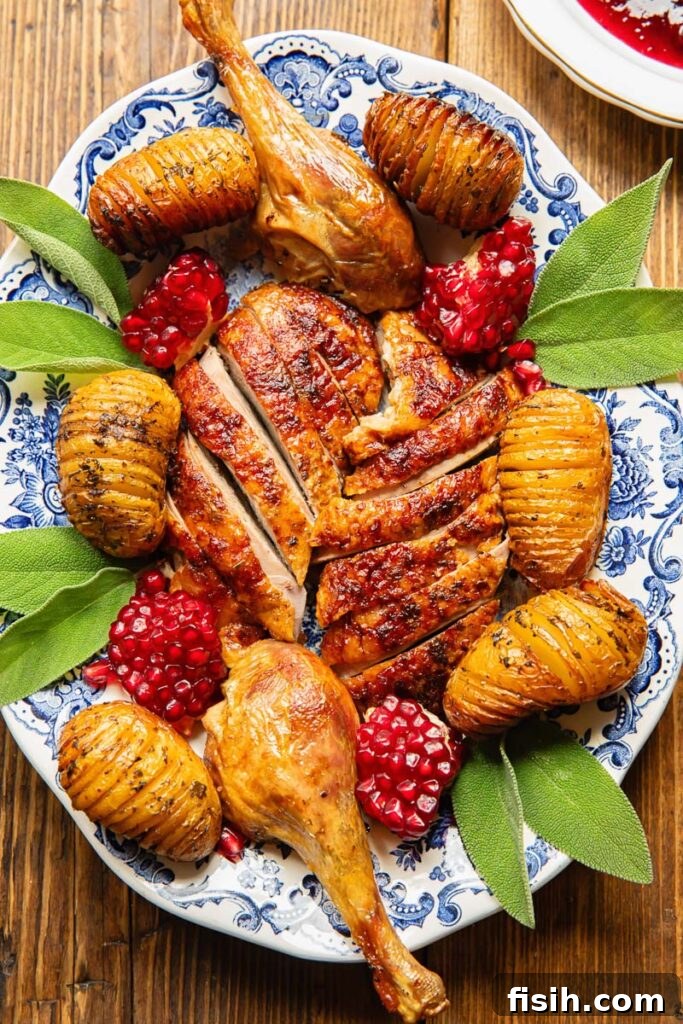
- Portioning for Your Family: A standard whole roast duck, once carved, typically yields two generous breasts and two succulent leg quarters. When served alongside a selection of classic holiday side dishes, this makes an ideal and satisfying meal for a family of four. For slightly larger groups, it provides ample meat for 4-6 servings, depending on appetites and the number of accompanying dishes.
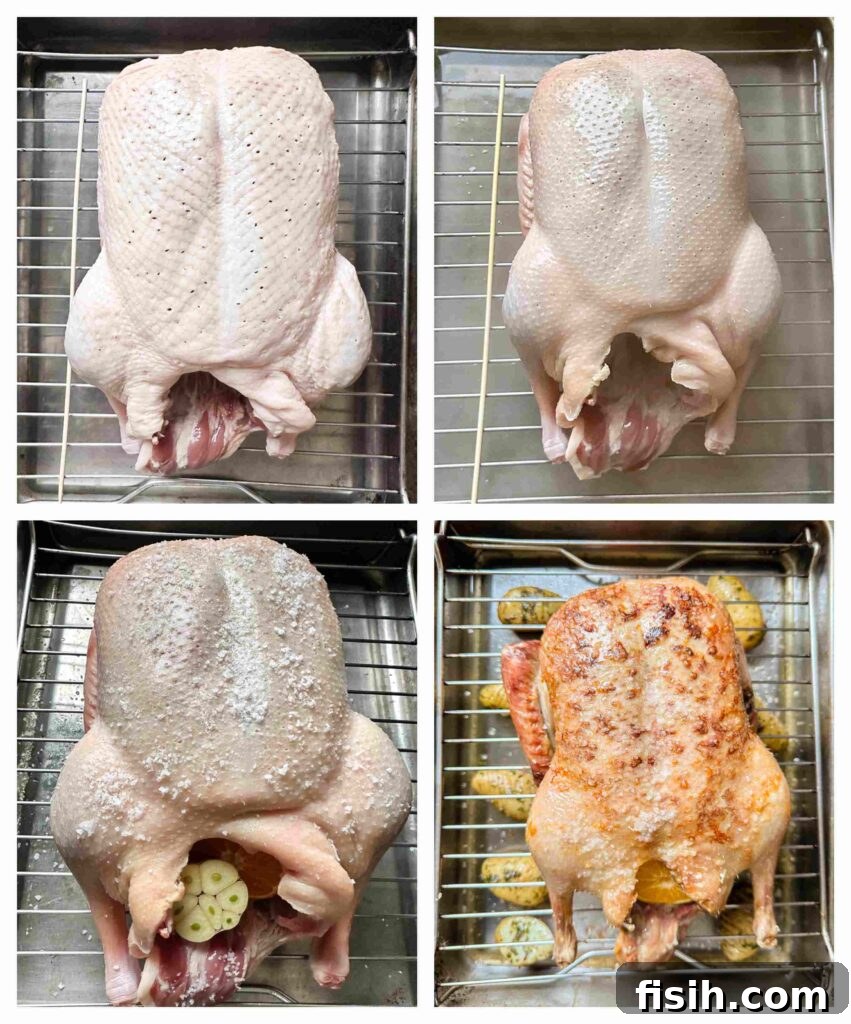
- Rendering the Fat for Crispy Skin: To achieve that coveted, delightfully crispy skin, proper fat rendering is key. Before roasting, carefully prick the skin all over, focusing on the fattier areas like the breast and the top of the legs. Use a sharp skewer or a fork, being careful not to pierce the meat itself. This allows the abundant fat to escape and drain into the roasting pan below, leaving behind a crisp, golden skin.
- Maximizing Duck Fat Usage: Don’t let that precious rendered fat go to waste! Position the duck on a sturdy wire rack set inside your roasting pan. This ingenious setup serves two purposes: it elevates the duck, preventing the underside from becoming soggy in the draining fat, and it creates a ready-made vessel for roasting potatoes. The duck fat collects directly beneath, perfectly prepped for your sides.
- The Ultimate Duck Fat Roast Potatoes: About an hour before your duck’s cooking time concludes, add your par-boiled, roast-ready potatoes directly into the pan, submerging them in the bubbling duck fat. This brilliant maneuver truly kills two birds with one stone (pun intended!). The potatoes will roast to perfection, developing an incredibly crunchy exterior and an unctuously rich, duck-flavored interior. This decadent side dish not only saves time but adds an unparalleled depth of flavor to your festive meal.
- The Boiling Water Secret to Crispy Skin: For a truly exceptional shield of crispy skin, employ this revolutionary technique: carefully pour an entire kettle of boiling water over the uncooked bird. This process tightens the skin and helps to open the pores. Afterward, pat the duck completely dry with paper towels before seasoning and roasting. This step is a game-changer, resulting in a remarkably crisp and brittle skin that crackles with every bite.
- Infusing Flavor and Moisture from Within: To ensure a supremely flavorful and juicy duck, I highly recommend stuffing its cavity. Halves of a mandarin orange and a head of garlic, sliced to expose the cloves, are excellent choices. As the duck roasts, these aromatics release their essences, infusing the bird with incredible flavor from the inside out and helping to keep the meat moist. Don’t forget a generous seasoning of coarse salt all over the skin to enhance the crispness and flavor.
- A Tangy Counterpoint: While traditional homemade gravy is always a welcome addition to any roast, consider switching up the flavors for duck. My vibrant port cranberry sauce offers a tart and tangy profile that beautifully counterbalances the signature richness of roasted duck. Its bright acidity cuts through the fat, creating a more balanced and exciting flavor experience.
Elevating Your Feast: Serving Suggestions for Roasted Duck
Crafting the perfect Christmas roast duck dinner offers delightful culinary flexibility, presenting two distinct paths to an unforgettable meal. Each approach emphasizes different aspects of flavor and texture, ensuring a harmonious pairing with your succulent duck and port cranberry sauce.
First, there’s the more conventional and comforting route, a collection of beloved holiday classics designed to complement the rich duck meat. This typically includes: velvety roast potatoes, either lovingly cooked in the rendered duck fat for unparalleled flavor or, to save precious oven space, crispy air fryer potatoes; a selection of two vibrant vegetables, such as earthy roasted rainbow carrots with pistachios for a touch of sweetness and crunch, alongside refreshing lemon garlic green beans for a hint of brightness; and, of course, a good, classic gravy served on the side for those who prefer a traditional touch.
Alternatively, explore a lighter and less conventional approach that emphasizes fresh, sharp, and lively flavors. This path might feature: fresh and herby hasselback potatoes with gremolata, offering a beautiful texture and aromatic zest, or simply boiled new potatoes tossed with butter and fresh parsley for understated elegance. To truly cut through the rich, strong-tasting, and aromatic duck, pair it with a vibrant winter salad, such as a crisp red cabbage, kale, and pomegranate salad. I personally lean towards these sharp, bright flavors, as they create an exciting contrast with the rich duck and sing in harmony with the tangy port cranberry sauce, resulting in a meal that feels both indulgent and refreshingly balanced.
Storage and Leftover Brilliance: Making the Most of Your Holiday Meal
Due to the delightful nature of a roasted duck, which typically yields a more moderate amount of meat compared to larger birds, it’s quite likely that there won’t be many leftovers to speak of. However, on the off chance that you do have some succulent duck meat remaining, it can be covered tightly and stored in the refrigerator for 3-4 days. Cooked duck meat makes for fantastic additions to salads, sandwiches, or even a quick duck stir-fry.
The port and cranberry sauce, however, is an absolute marvel that deserves to be carefully preserved. This versatile condiment is a sandwich-loving wonder, and it boasts excellent keeping qualities. It will become even more flavorful as it rests. Serve it cold on Boxing Day, generously slathering it onto leftover ham, cheese, or bacon sandwiches for a gourmet touch. Alternatively, place a pot of this gleaming sauce on your cheese board, where its sweet and tart notes will beautifully complement various cheeses. Stored in an airtight container, this exceptional sauce will keep perfectly in the refrigerator for up to 10 days, allowing you to enjoy its festive flavors long after the main meal.
Other Delightful Roast Recipes to Try
- Perfect Roast Potatoes
- Classic Pork Loin Roast with Gravy
- Roast Chicken with Jerusalem Artichokes and Lemons
- Pork Roast with Warm Persimmon Sauce
Roasted Duck with Port Cranberry Sauce

Equipment
- Roasting pan with wire rack
- Meat thermometer
- Saucepan
Ingredients
- 1 whole duck, 1.5 – 1.7kg / 3.5 – 4lbs
- 1 head of garlic
- 1 mandarin orange
- 2 tsp coarse salt
For the sauce
- 500g / 4 cups cranberries, fresh or frozen
- 300g / 1 1/2 cup sugar
- 1 mandarin orange, zest and juice
- 125ml / 1/2 cup port or Marsala wine
Instructions
- Preheat the oven to 200C/400F. Remove the giblet bag from the duck and discard. Place the duck breast-side up on a wire rack inside a roasting pan. Prick the skin of the fatty parts of the duck, particularly the breast and top of the legs, with a sharp skewer. Boil a full kettle of water and carefully pour it all over the duck. Let it dry for 20-30 minutes. Then pour the water out of the pan and thoroughly pat the duck dry with a paper towel. Rub the entire bird with coarse salt. Slice the garlic bulb in half, exposing the cloves, and place it inside the duck’s cavity. Do the same with the mandarin orange, placing its halves inside.
- Roast in the preheated oven for 1 hour and 45 minutes if the duck weighs 1.5-1.7kg (3.5-4lbs). If your duck is a different weight, adjust the timing accordingly: allow 20 minutes per pound plus an additional 10 minutes. The internal temperature of the duck breast should reach at least 74C/165F, and the juices should run clear when pierced with a knife.
- While the duck is roasting, prepare the port cranberry sauce. In a medium pot, combine the cranberries, sugar, water, and the juice and zest of one mandarin orange or clementine. Bring to a boil over medium heat until the cranberries begin to pop. Lightly mash them directly in the pot with the back of a spoon and continue to boil for 5 minutes longer.
- Add the port or Marsala wine and cook for another 5 minutes, allowing the flavors to meld and the alcohol to cook off slightly. Remove the sauce from the heat and let it cool completely. The sauce will naturally thicken as it cools and will become even thicker when refrigerated.
- Once the duck is cooked, remove it from the oven and allow it to rest for 20-30 minutes before carving. This resting period is crucial for the juices to redistribute, ensuring a tender and flavorful bird.
Nutrition
Nutrition information is automatically calculated, so should only be used as an approximation.