
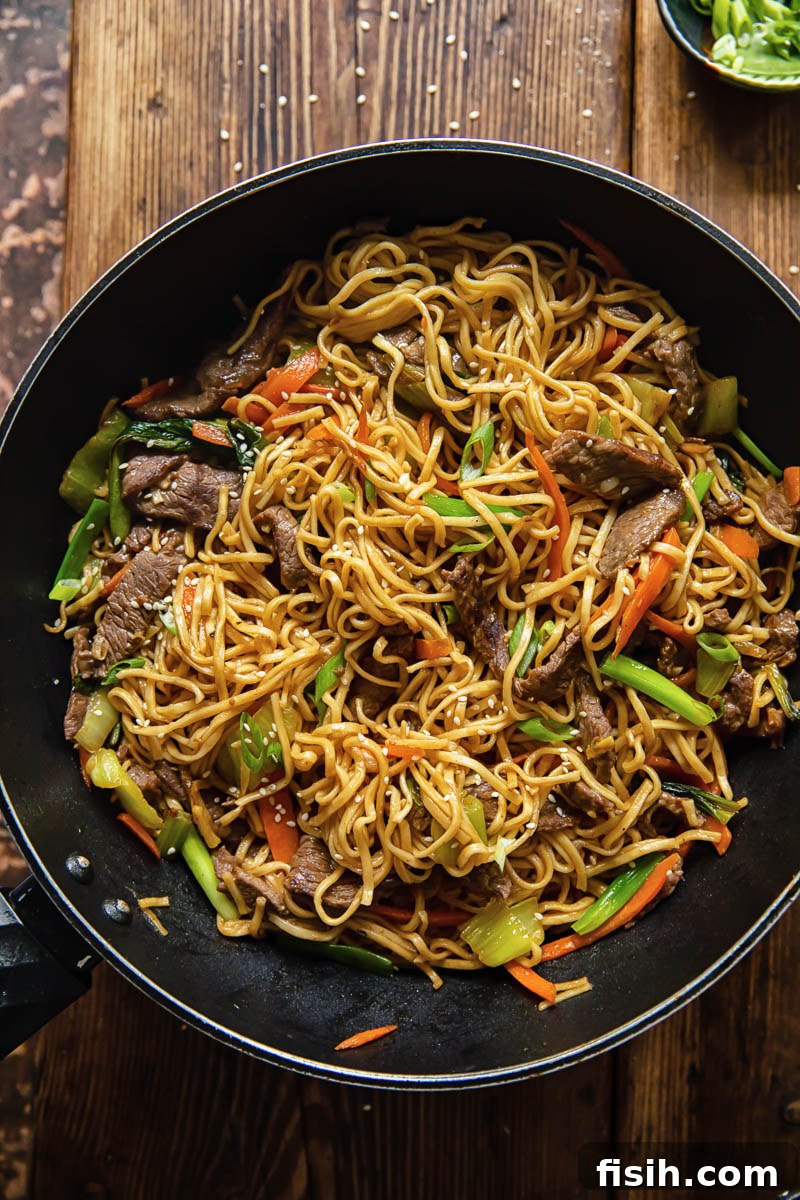
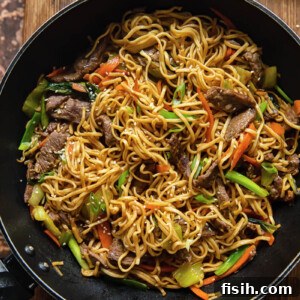
Experience the vibrant flavors and swift preparation of homemade Beef Chow Mein, a classic Chinese stir-fried noodle dish. This recipe promises a delectable, restaurant-quality meal, packed with tender beef, crisp vegetables, and springy egg noodles, all coated in a savory, aromatic sauce. Best of all, you can have this nutritious and incredibly satisfying dish on your table in under 30 minutes, making it a perfect choice for busy weeknights or when you crave authentic Asian cuisine without the takeout wait.
For an excellent appetizer to complement your Chow Mein, consider our irresistible Salt and Pepper Shrimp, offering a delightful crunch and burst of flavor.
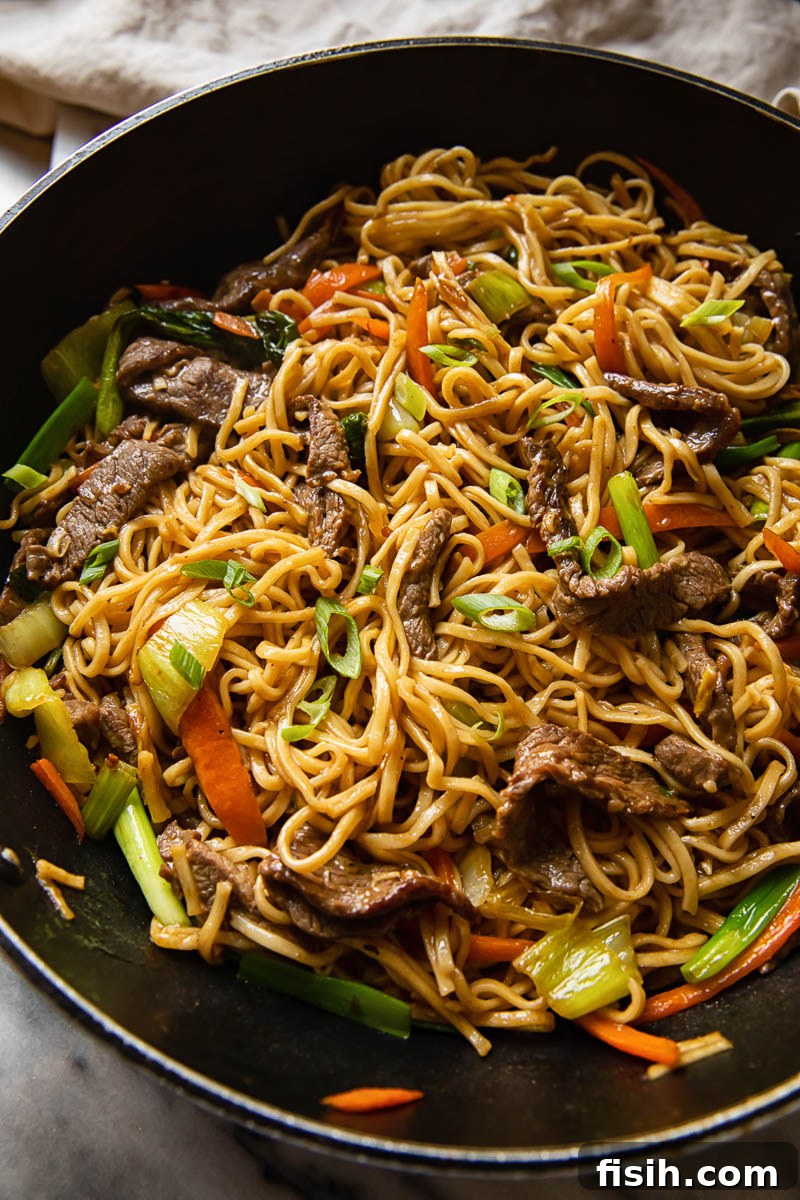
Demystifying Asian Home Cooking: From Intimidation to Inspiration
For many home cooks, including myself, the thought of preparing authentic Asian cuisine can feel daunting. The complex flavor profiles, specialized ingredients, and unique cooking techniques often seem like barriers to entry. However, my travels and immersive experiences in Asia, observing local chefs and home cooks, completely transformed my perspective. What I discovered was a cooking philosophy rooted in simplicity, fresh ingredients, and efficient techniques.
The secret to mastering dishes like Asian noodles and stir-fries lies not in intricate recipes, but in understanding a few fundamental principles. As the old adage goes, “practice makes perfect,” but what truly empowers a cook is grasping the core methodology that yields consistently perfect results. Once you understand the underlying techniques, you unlock a world of culinary possibilities, allowing you to recreate beloved dishes with confidence and flair.
A key differentiator in Asian cooking, especially for noodle and stir-fry dishes, is the application of intense heat. Unlike many European cooking styles that often favor slower, gentler heat, Asian stir-frying thrives on rapid cooking at very high temperatures. This method ensures that vegetables retain their vibrant color and delightful crunch, and meats are seared quickly to lock in juices and tenderness. The combination of thinly sliced ingredients and blistering heat is crucial, allowing each bite to deliver a satisfying texture contrast and a burst of fresh flavor that truly defines classic Asian cuisine.
What Exactly is Chow Mein? Unpacking the Famous Fried Noodles
The term “Chow Mein” itself provides a direct clue to its essence: it literally translates to “fried noodles.” This doesn’t imply an excessive amount of oil, but rather underscores the necessity of high heat and quick cooking to achieve that characteristic texture and flavor. While there are various regional interpretations of Chow Mein – some featuring crispy noodles, others with softer, saucier ones – this recipe focuses on the widely loved, soft-style Beef Chow Mein, known for its savory sauce that perfectly coats every strand of noodle and piece of filling.
The beauty of homemade Chow Mein lies in its versatility and the fresh vibrancy it offers compared to takeout. Beyond the noodles, a classic Chow Mein typically incorporates a medley of fresh vegetables and a protein source. While this recipe highlights succulent beef, the dish is wonderfully adaptable. You can easily substitute the beef with chicken, pork, shrimp, or even make it vegetarian with tofu, adapting it to your dietary preferences or what you have on hand. For those seeking a lighter, equally delicious alternative, our Easy Shrimp Chow Mein offers a fantastic option.
It’s important to note a crucial tip for achieving optimal results when making Chow Mein: avoid doubling the recipe in a single pan. Overcrowding the pan dramatically lowers the temperature, preventing proper stir-frying and leading to steamed, rather than fried, ingredients. This results in soggy vegetables and less flavorful meat. If you need to serve more people, it’s always better to cook multiple batches to maintain that essential high heat and achieve the perfect texture and “wok hei” – the distinct smoky flavor imparted by a well-seasoned wok cooked at high temperatures.
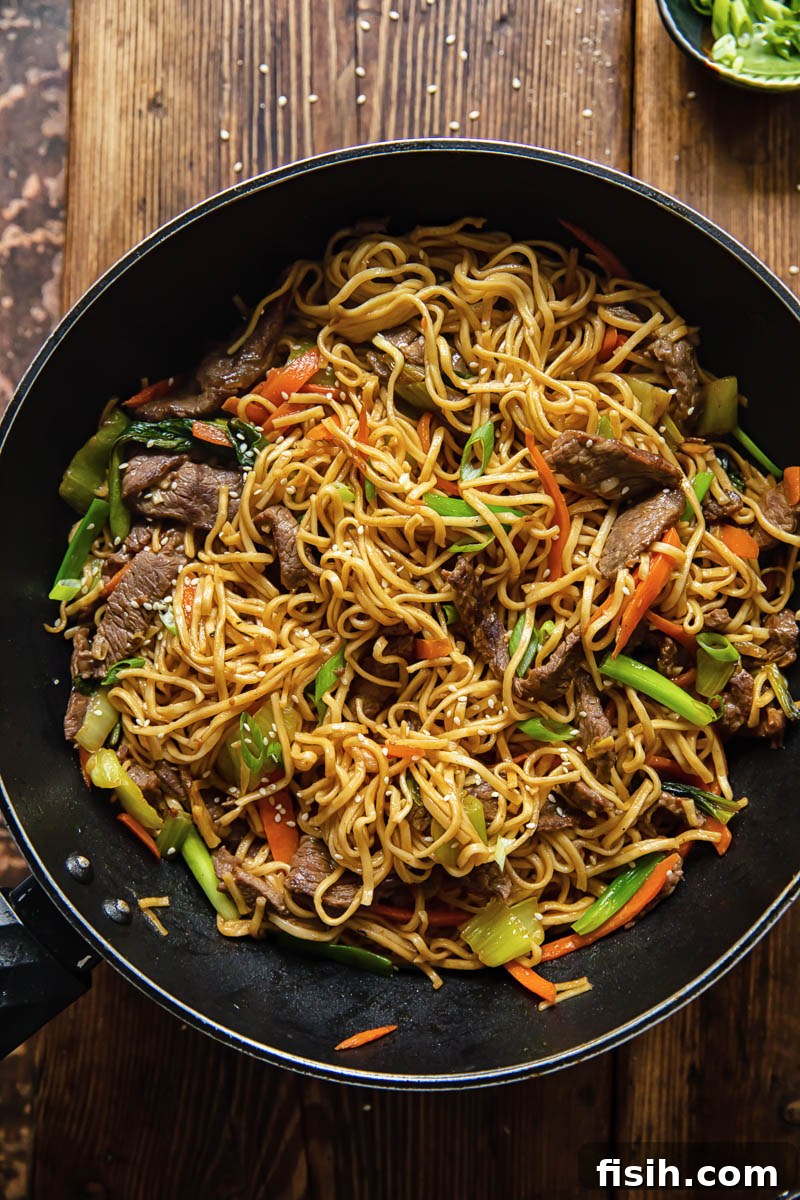
Choosing the Perfect Noodles for Your Chow Mein
The foundation of any great Chow Mein lies in its noodles. For this classic dish, Asian medium egg noodles are the preferred choice. These noodles are readily available in most supermarkets, often found in the refrigerated Asian food section or dried in the ethnic food aisle. They are known for their springy texture and ability to absorb the rich flavors of the sauce without becoming mushy.
When preparing your noodles, always follow the package instructions carefully, as cooking times can vary slightly between brands and whether they are fresh or dried. Generally, dried egg noodles only require about 3-4 minutes to cook to al dente perfection. Once cooked, it’s crucial to drain them thoroughly and rinse them under cold water. This stops the cooking process, prevents them from sticking together, and removes excess starch, ensuring they remain separate and ideal for stir-frying.
Selecting the Freshest Vegetables for Your Stir-Fry
One of the best aspects of Chow Mein is the vibrant array of vegetables you can incorporate, adding both nutrition and delightful textures. Feel free to use any vegetables you love, but for a classic stir-fry, it’s best to prioritize those that cook relatively quickly or can be prepared to facilitate rapid cooking. Excellent choices include bok choy (or baby bok choy), napa cabbage, snow peas, thinly sliced red and yellow bell peppers, and, of course, thinly julienned carrots.
Don’t shy away from using denser vegetables like broccoli or cauliflower, but a little pre-planning goes a long way. To ensure they achieve the desired crisp-tender texture without prolonging the stir-frying process, blanch them briefly before adding them to the wok. The easiest method is to cook them in the same pot as your noodles for about 3-4 minutes. This partial cooking softens them just enough, allowing them to finish perfectly in the hot wok alongside the other ingredients.
Other fantastic vegetable additions that are quick to cook include mushrooms (shiitake or cremini), snap peas, bamboo shoots, and water chestnuts. For an extra burst of freshness and crunch, consider adding a handful of bean sprouts right at the end of the cooking process. Remember, the goal is vegetables that are cooked through but still retain a slight bite – crisp-tender is the key to an authentic Chow Mein.
Crafting the Irresistible Chow Mein Sauce
It’s an open secret that the sauce is the true heart and soul of any Chow Mein dish. It’s the magical elixir that transforms simple noodles, beef, and vegetables into the harmonious, umami-rich meal we all crave. The right sauce provides that unmistakable flavor profile we associate with authentic Chinese Chow Mein, balancing savory, sweet, and slightly tangy notes.
The good news for home cooks is that all the essential ingredients for a stellar Chow Mein sauce are widely available at most local supermarkets. Chances are, many of them are already staples in your fridge or pantry. Key components include rich This is an affiliate link.Oyster Sauce, which provides a deep, savory, and slightly sweet base; This is an affiliate link.Dark Soy Sauce, essential for its darker color and richer, more concentrated flavor compared to regular soy sauce; a touch of sugar or honey to balance the savory notes; a pinch of white pepper for its subtle warmth and aroma; and a drizzle of fragrant sesame oil to finish the dish with its distinctive nutty essence.
For those seeking to elevate their homemade Chow Mein to truly authentic heights, consider splurging on This is an affiliate link.Chinese Cooking Wine, specifically Shaoxing Wine or Shaohsing Wine. This aromatic rice wine adds an unparalleled depth of flavor and complexity that is hard to replicate. A bottle will last you for ages, and its impact on the authenticity of your Asian dishes is truly special, making it a worthwhile investment for any enthusiastic cook.
Expert Tips for Chow Mein Perfection
- **Aromatics are Key:** Beyond the main ingredients and the sauce, any authentic Chinese recipe heavily relies on fresh aromatics like ginger, garlic, and green onions. While fresh ingredients always deliver the most vibrant flavor, if you’re short on time, high-quality jarred This is an affiliate link.garlic paste and This is an affiliate link.ginger paste can be excellent time-savers without sacrificing too much flavor.
- **The Power of Mise en Place:** Chow Mein is a remarkably fast dish to prepare; once you turn on the heat, things move very quickly. The actual frying process takes mere minutes. Therefore, it is absolutely crucial to have all your ingredients prepared, sliced, and measured before you even light the stove. This “mise en place” (everything in its place) ensures a smooth, stress-free cooking experience and prevents anything from burning while you’re scrambling to chop.
- **Precision Slicing:** To achieve the perfect texture, cut all vegetables into small, bite-sized pieces. For denser vegetables like carrots, it’s even more important to slice them very thinly, ideally into matchsticks. A This is an affiliate link.julienne peeler is an invaluable tool for effortlessly creating uniform, thin strips that cook evenly and quickly.
- **Thinly Sliced Meat for Tenderness:** In traditional Chinese cooking, meat is often used sparingly, serving more as a flavor enhancer than the main centerpiece. It is always sliced very thinly to ensure tenderness and rapid cooking. For your beef, freezing the steak for about 30 minutes before slicing will firm it up considerably, making it significantly easier to cut into those delicate, thin ribbons. This technique, often called “velveting,” also contributes to a wonderfully tender final product.
- **Avoid Overcooking Vegetables:** Resist the temptation to cook your vegetables for too long. Overcooked vegetables will lose their vibrant color, become mushy, and detract from the delightful texture of Chow Mein. If they are cut into small, thin pieces as recommended, they require only a very short time in the hot wok to become crisp-tender. Trust the process and your quick stir-frying technique!
Serving Suggestions for Your Homemade Beef Chow Mein
One of the many joys of Beef Chow Mein is that it’s a complete and satisfying meal all in one pan. With a perfect balance of protein from the beef, carbohydrates from the noodles, and a rich array of nutritious vegetables, there’s no real need to prepare additional side dishes. This makes it a fantastic “win” for those evenings when you want a wholesome meal without a lot of fuss or extra cleanup.
However, a few simple garnishes can elevate both the presentation and the flavor. I always love to sprinkle my finished Chow Mein with a generous handful of toasted sesame seeds and freshly chopped green onions (the green parts). The sesame seeds add a lovely nutty aroma and a slight crunch, while the green onions provide a fresh, pungent counterpoint that brightens the entire dish.
For those who enjoy customizing their spice and salt levels, I recommend bringing extra condiments to the table. A small bowl of regular soy sauce allows individuals to add more umami to their liking, and a bottle of This is an affiliate link.sriracha is perfect for those who desire an extra spicy kick. These small additions can turn a delicious meal into a personalized culinary adventure.
Storage and Reheating Your Chow Mein Leftovers
Leftover Beef Chow Mein is a treasure! If you find yourself with extra, simply transfer any cooled noodles to an This is an affiliate link.airtight container and refrigerate for 3-4 days. For reheating, the simplest method is to use a microwave, warming until heated through. You can also reheat gently in a pan over medium heat with a splash of water or broth to loosen the noodles and sauce.
For longer storage, Chow Mein freezes remarkably well. Portioned leftovers can be frozen for up to 2-3 months. When ready to enjoy, thaw overnight in the refrigerator and then reheat using your preferred method. To ensure food safety, it’s always best practice to refrigerate or freeze any leftovers within two hours of cooking.
More Favorite Asian Noodle Dishes to Explore
- Singapore Noodles
- Easy Dan Dan Noodles
- Chicken Yaki Udon
- Filipino Noodles Pancit Canton
Beef Chow Mein
Pin Recipe
Print Recipe
This Beef Chow Mein comes together in less than 30 minutes. A delicious and healthy homemade version of the Chinese classic dish.
Equipment
-
This is an affiliate link.Carbon steel wok
-
This is an affiliate link.Julienne peeler
Ingredients
- 1 tbsp cornstarch, heaping
- 2 tsp This is an affiliate link.soy sauce
- 2 tbsp This is an affiliate link.Shaoxing wine (Chinese cooking wine) or dry sherry
- 450g/1 lbs rump/sirloin steak, sliced very thinly
- 340g/12 oz Asian medium egg noodles
- 2 tbsp vegetable oil
- 2-3 green onions
- 2 cloves garlic, minced
- 1 inch ginger root, sliced into thin matchsticks or grated
- 1 carrot, julienned
- 1 large bok choy or two baby bok choy, sliced
- 1 tsp sesame seeds, for garnish
For the Sauce
- 1 tbsp This is an affiliate link.dark soy sauce
- 2 tbsp This is an affiliate link.oyster sauce
- 2 tsp sugar
- 1/2 tsp white pepper
- 1-2 tsp sesame oil
- salt to taste
Instructions
-
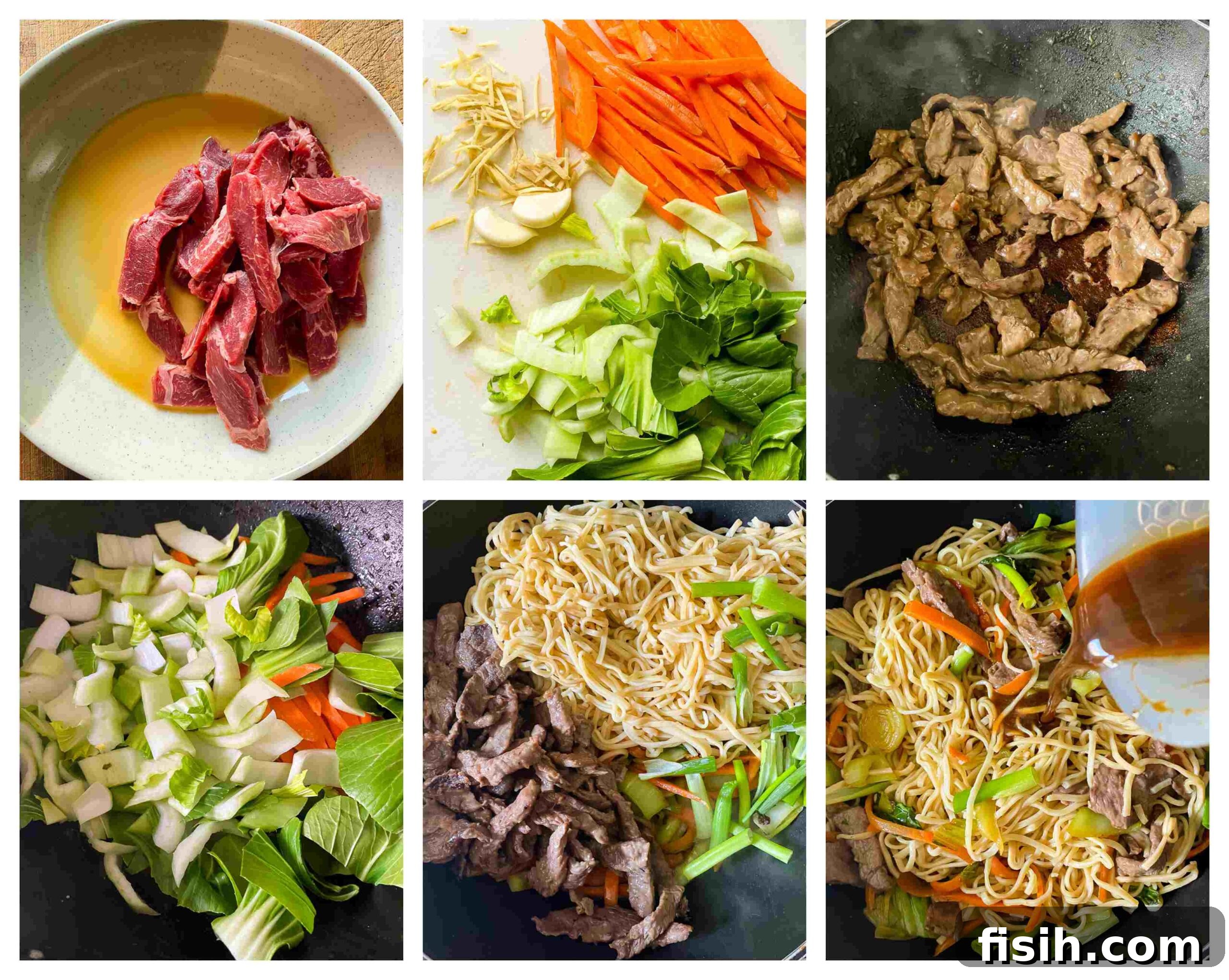
In a medium bowl, combine the cornstarch, soy sauce, and Shaoxing wine to create a marinade. Slice the rump or sirloin steak into very thin strips, no thicker than 1/4 inch. For easier slicing, you can freeze the steak for about 30 minutes beforehand to firm it up. Add the thinly sliced beef to the marinade and set aside while you prepare the remaining ingredients.
-
Bring a large pot of water to a rolling boil. Cook the Asian medium egg noodles according to the package instructions until al dente (typically 3-4 minutes for dried noodles). Drain the noodles thoroughly, rinse them under cold water to prevent sticking, and set them aside.
-
While the noodles are cooking, prepare your vegetables. Julienne the carrot into thin matchsticks. Slice the bok choy, separating the white stems from the green leaves. Cut the green parts of the green onions into 3-inch pieces, and thinly slice the white parts.
-
In a small bowl, whisk together the oyster sauce, dark soy sauce, sugar, white pepper, and sesame oil to create your Chow Mein sauce. Set this aside, ready to be added to the wok.
-
Heat 1 tablespoon of vegetable oil in a wok or a very large, heavy-bottomed pan over high heat until shimmering. Add the marinated beef strips in a single layer (cook in batches if necessary to avoid overcrowding) and stir-fry for 5-7 minutes, or until deeply browned and cooked through. Remove the cooked beef from the pan and transfer it to a separate plate.
-
Add the remaining 1 tablespoon of vegetable oil to the same wok. Add the chopped white parts of the green onions, minced garlic, and grated ginger. Stir-fry for about 30 seconds over medium heat until fragrant. Then, add the julienned carrots and sliced bok choy (white parts first, then green leaves). Continue to stir-fry for 3-5 minutes over medium-high heat until the vegetables are cooked but still firm and crisp-tender.
-
Return the cooked beef and drained noodles to the wok with the vegetables. Add the green parts of the green onions. Pour the prepared sauce evenly over all the ingredients. Toss vigorously, using tongs, to combine everything thoroughly and coat all the noodles and vegetables with the savory sauce. Continue to stir-fry for another 1-2 minutes, ensuring all ingredients are warmed through. Taste and add a pinch of salt if needed, as soy sauce and oyster sauce already contribute significant salinity. Serve immediately, garnished with sesame seeds.
Nutrition
Calories: 526 kcal |
Carbohydrates: 74g |
Protein: 37g |
Fat: 8g |
Saturated Fat: 2g |
Polyunsaturated Fat: 1g |
Monounsaturated Fat: 3g |
Cholesterol: 69mg |
Sodium: 1717mg |
Potassium: 1018mg |
Fiber: 4g |
Sugar: 6g |
Vitamin A: 11990 IU |
Vitamin C: 97mg |
Calcium: 275mg |
Iron: 4mg
Nutrition information is automatically calculated and should only be used as an approximation.
Tried this recipe?Let us know how it was!