
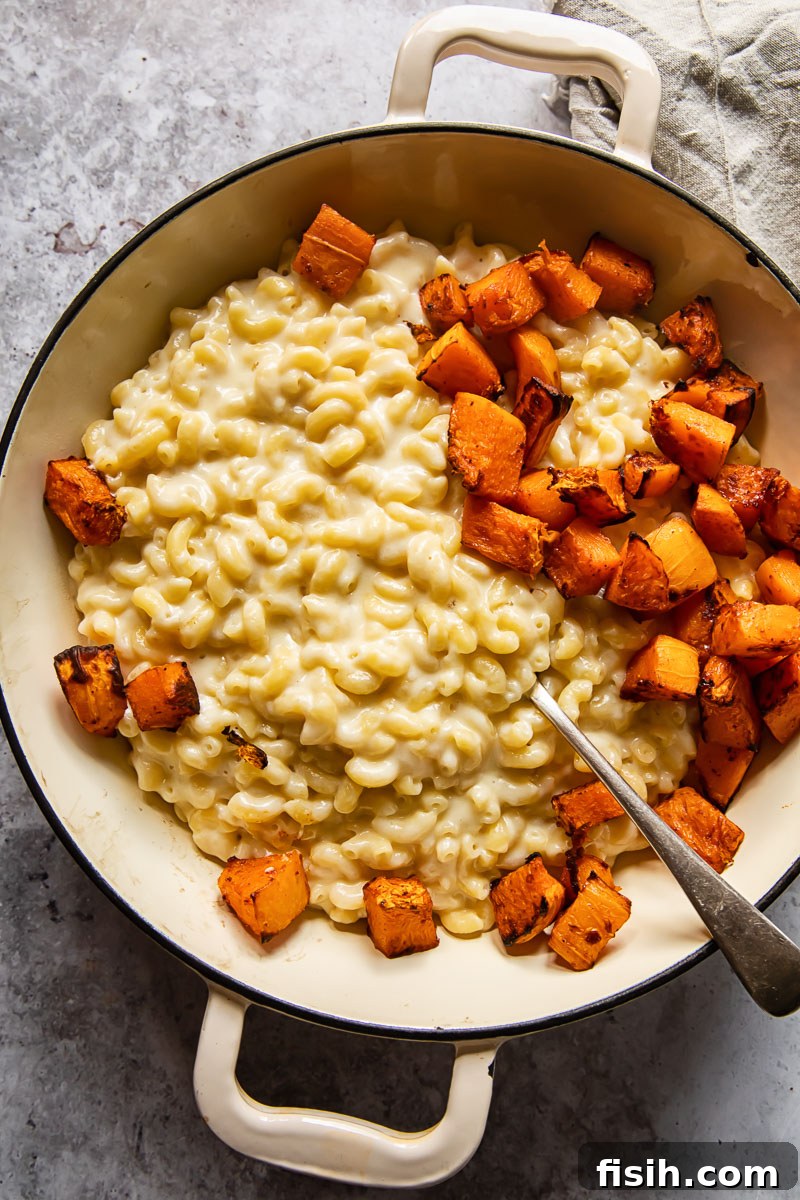
Butternut Squash Mac and Cheese: A Harmony of Sweet, Savory, and Creamy Delight
In the realm of comfort food, few dishes hold a place as cherished as macaroni and cheese. It’s a nostalgic staple, a culinary embrace that transcends generations. But what if we told you that this beloved classic could be elevated to new heights, infused with a symphony of sweet, smoky, and earthy flavors? Welcome to the world of Butternut Squash Mac and Cheese – an innovative twist that marries the silky richness of a creamy cheese sauce with the vibrant allure of roasted butternut squash. This seemingly unlikely combination creates an incredibly satisfying balance, transforming a familiar favorite into a truly special culinary experience.
For those who appreciate the art of mac and cheese reinvention, you might also enjoy our decadent Creamy Brie Mac and Cheese, offering another sophisticated take on this timeless dish.
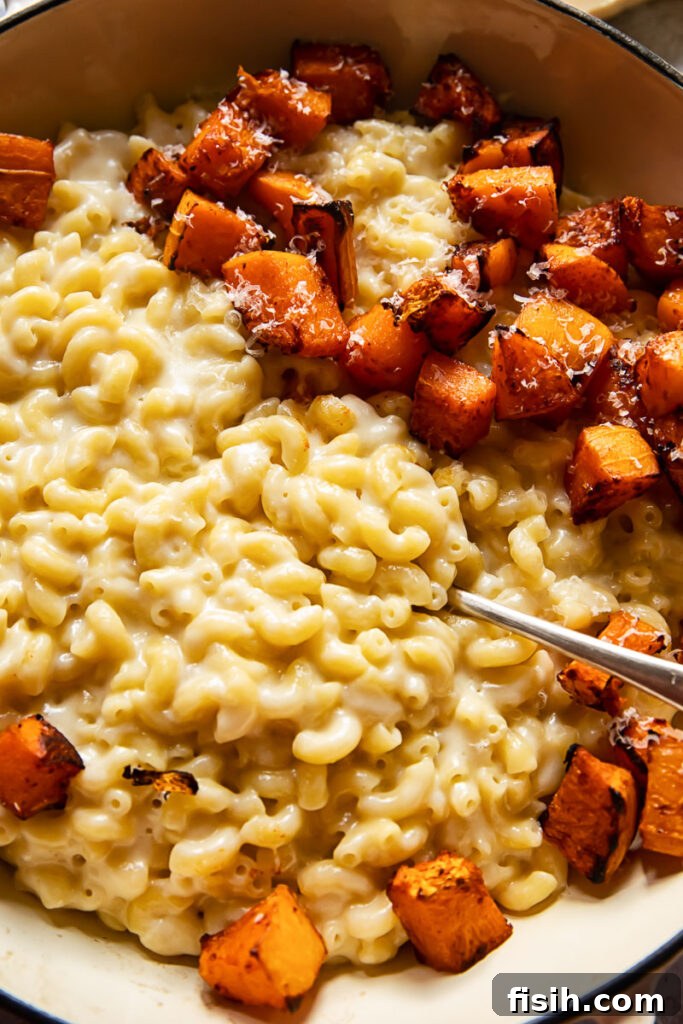
Macaroni and cheese, in its purest form, is a guaranteed crowd-pleaser. The combination of tender pasta enveloped in a rich, cheesy sauce is, for many, the epitome of comfort dining. And while the classic rendition is perfect in its simplicity, there’s an exciting world of possibilities when you dare to innovate. We’ve seen delightful variations that incorporate different cheeses, luxurious additions like truffle, wholesome vegetables like broccoli, or savory meats such as smoky kielbasa. Each addition brings a new dimension, proving that even the most cherished dishes can benefit from a creative touch.
For this particular recipe, we turn our attention to one of autumn’s most beloved vegetables: butternut squash. Its naturally sweet, tender flesh, especially when roasted to perfection, adds an incredible depth of flavor and a beautiful color to the dish. Roasting concentrates its inherent sugars, caramelizing the edges and imparting a subtle smokiness that pairs unexpectedly well with the creamy, sharp notes of cheddar cheese. The result is a gourmet mac and cheese that feels both familiar and refreshingly new, proving that sometimes, the best upgrades come from nature’s bounty.
The Magic of Roasted Butternut Squash
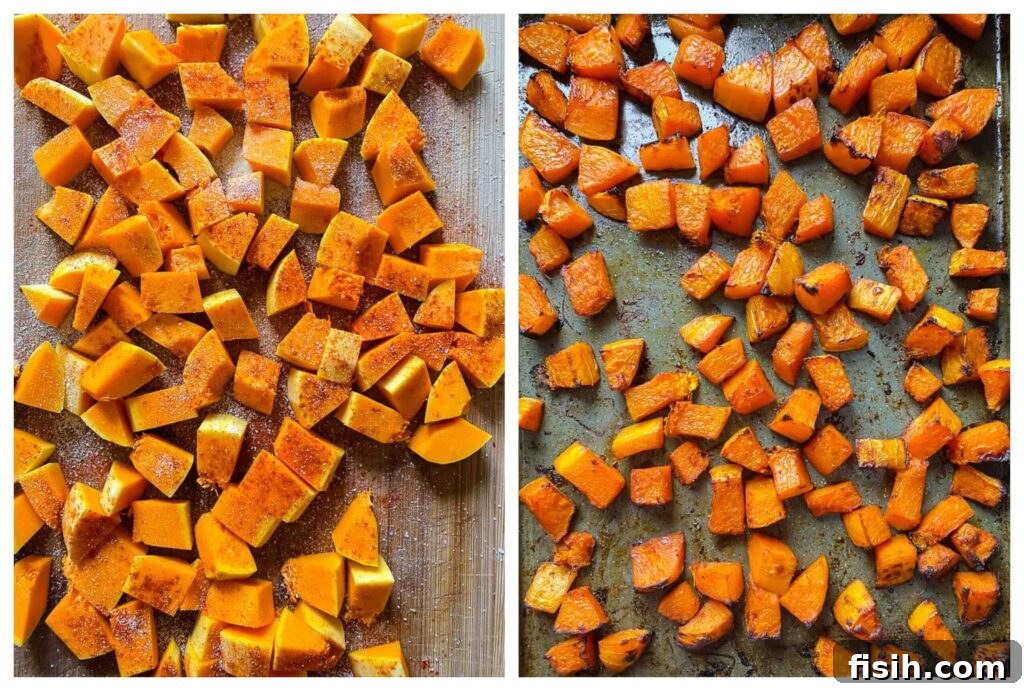
Roasting is arguably one of the finest methods for cooking vegetables, and butternut squash is no exception. This technique goes beyond simply cooking the squash; it transforms its flavor profile entirely. The high heat of the oven coaxes out the squash’s natural sugars, leading to beautiful caramelization on its surface. This process deepens its sweetness, adds a rich, nutty complexity, and creates a tender, almost melt-in-your-mouth texture that is simply irresistible.
While other cooking methods like boiling or steaming are quicker, they often result in a less flavorful, more watery product. Roasting requires a little more time and patience, but the enhanced flavors and textures are unequivocally worth the wait. It’s an investment in taste that truly pays off, yielding a depth of character that no other method can quite match.
When preparing butternut squash for roasting, peeling is a common practice, and one that many prefer for a smoother eating experience. However, it’s not strictly essential. If the skin is relatively thin, it will soften beautifully in the oven and is perfectly edible. For a more refined texture in your mac and cheese, peeling ensures every bite is uniformly tender. Whether peeled or not, ensure your squash is cut into evenly sized pieces. This uniformity is key to ensuring every chunk cooks at the same rate, preventing some pieces from becoming mushy while others remain undercooked.
Beyond its starring role in this mac and cheese, roasted butternut squash is incredibly versatile. It makes a fantastic side dish on its own, a vibrant addition to grain bowls and salads, or a flavorful base for creamy soups. It’s also packed with nutritional benefits, including high levels of Vitamin A, Vitamin C, and fiber, making it a healthy and delicious ingredient to incorporate into your diet regularly.
Crafting Your Butternut Squash Mac and Cheese
Making this elevated mac and cheese is a straightforward process, broken down into a few key steps that can even be managed concurrently. The result is a dish that comes together seamlessly, rewarding you with rich, comforting flavors.
Step-by-Step Guide:
- Prepare and Roast the Butternut Squash: Begin by preheating your oven to 200°C (400°F). Take one half of a butternut squash (approximately 450g or 1lb). Carefully peel it, scoop out the seeds and stringy bits, and then cut the flesh into uniform 2-inch cubes. The other half can be saved for another delicious recipe. In a bowl, toss the squash cubes with a generous drizzle of extra virgin olive oil, a pinch of salt, a teaspoon of smoked paprika, and a teaspoon of garlic powder. This seasoning blend will enhance the squash’s natural sweetness with a hint of warmth and smokiness. Spread the seasoned squash in a single layer on a large, rimmed baking sheet. Roast for 40-45 minutes, or until the squash is beautifully tender and caramelized golden-brown around the edges.
- Cook the Macaroni: While the squash is roasting, bring a large pot of salted water to a rolling boil. Add your macaroni pasta and cook according to package directions, but aim for slightly under-al dente (about 1-2 minutes less than recommended). This ensures the pasta won’t become mushy when combined with the hot sauce. Drain well and set aside.
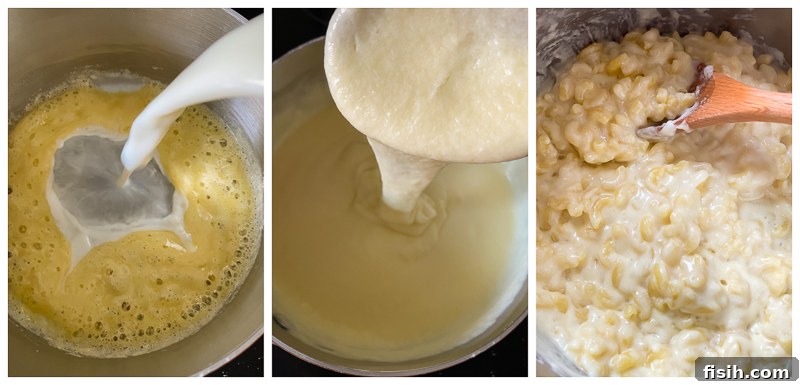
- Create the Velvety Cheese Sauce: In a small saucepan, melt two tablespoons of butter over medium heat. Once melted, sprinkle in two tablespoons of all-purpose flour to create a roux. Whisk continuously for 5-7 minutes, cooking out the raw flour taste and achieving a pale, nutty aroma. This is crucial for a smooth sauce. Gradually whisk in 500ml (2 cups) of milk, pouring slowly to prevent lumps. Continue to cook, stirring frequently, for about 5 minutes. The sauce will progressively thicken and become wonderfully creamy. Remove the saucepan from the heat and stir in 360g (3 cups) of shredded sharp cheddar cheese until it has fully melted and integrated into the sauce. Season with salt to taste, remembering that cheddar is already quite salty.
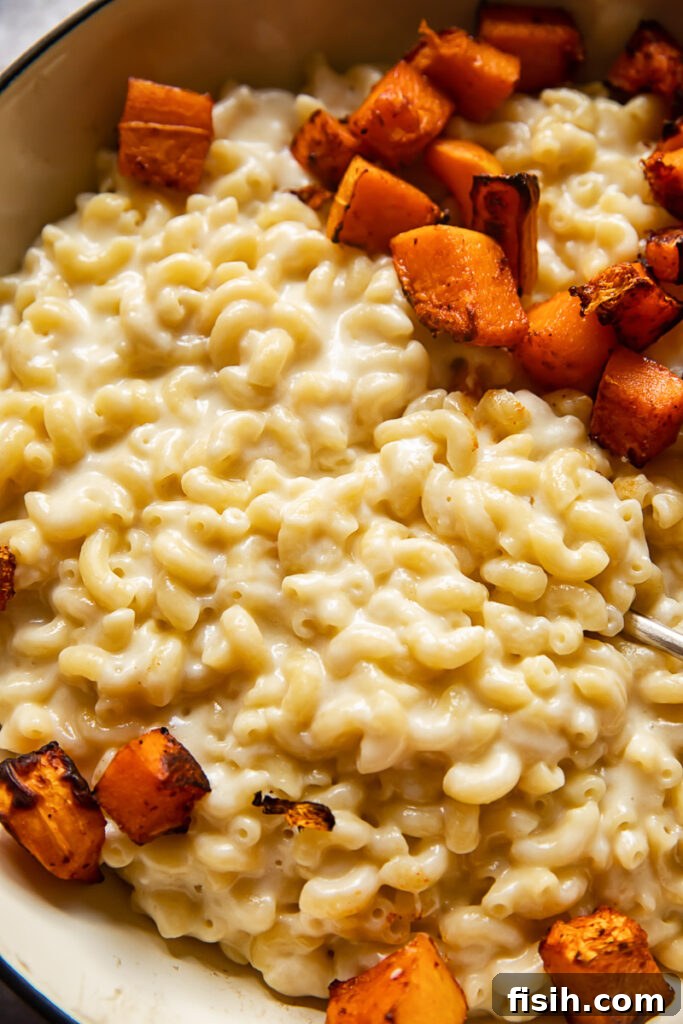
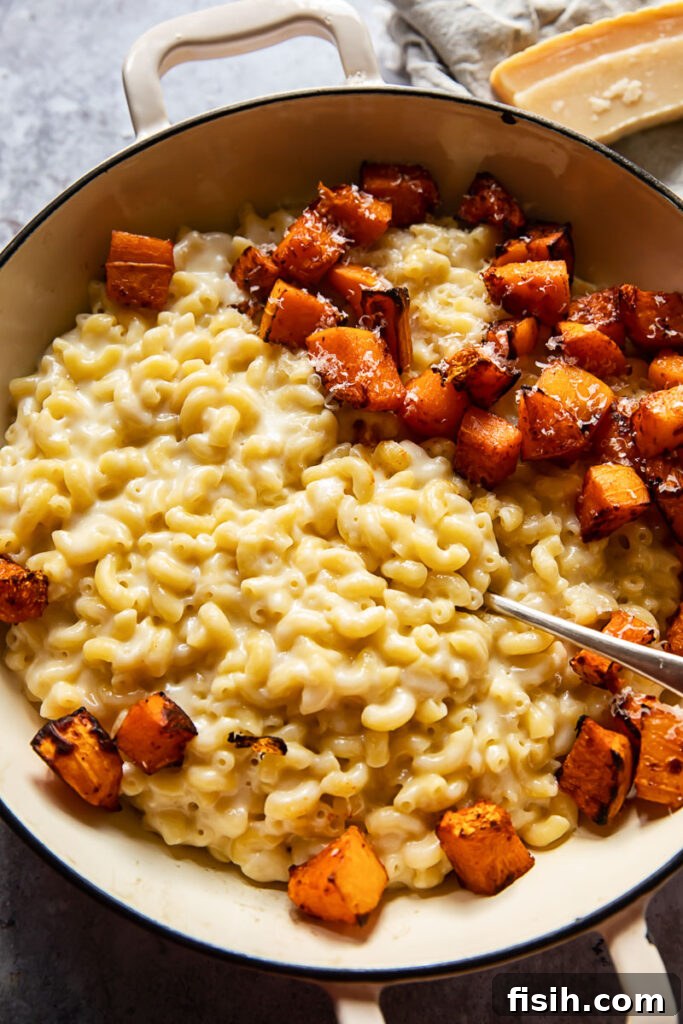
- Combine and Serve: Once your pasta is cooked and drained, add it directly to the warm cheese sauce. Stir gently to ensure every piece of macaroni is thoroughly coated in the luxurious sauce. Finally, spoon the roasted butternut squash cubes over the mac and cheese. You can gently fold some of the squash into the pasta or leave it as a topping for contrasting textures and colors. Serve immediately and enjoy!
Recipe Tips and Notes for Perfect Mac and Cheese
- Grate Your Own Cheese: For the smoothest, most luxurious cheese sauce, always grate your own cheese from a block. Pre-shredded cheeses often contain anti-caking agents like cellulose, which prevent them from melting properly and can result in a grainy sauce. A little extra effort here makes a huge difference in texture.
- Choose Your Cheese Wisely: An aged or sharp cheddar cheese will impart a significantly richer and more complex flavor to your mac and cheese than a mild one. Consider combining cheddar with a touch of Gruyere or Monterey Jack for added depth and creaminess.
- Pasta Variety: While traditional macaroni elbows are classic, this recipe is flexible. Any short, sturdy pasta shape will work beautifully. Good alternatives include fusilli (corkscrews), penne, orecchiette, or even cavatappi, which all have nooks and crannies perfect for holding onto that delicious sauce.
- Al Dente is Key: For a mac and cheese that holds its structure and doesn’t turn mushy, especially if you plan to bake it briefly after assembly, slightly undercook your pasta. Boil it for 1-2 minutes less than the package instructions suggest. The pasta will continue to absorb liquid and soften in the warm sauce.
- Uniform Squash Cubes: When preparing the butternut squash, strive for roughly similar sizes for all your cubes. This ensures even cooking, so every piece becomes tender at the same time, preventing some from being overcooked while others are still firm.
- Flavor Boost: For an extra layer of flavor, consider adding a pinch of nutmeg to your cheese sauce. It’s a classic pairing with dairy and enhances the overall aroma. A dash of hot sauce or a pinch of cayenne pepper can also add a subtle kick if you enjoy a little heat.
- Make Ahead Option: You can roast the butternut squash and make the cheese sauce a day in advance. Store them separately in airtight containers in the refrigerator. When ready to serve, cook the pasta, gently reheat the sauce, and combine everything.
Serving Suggestions for a Complete Meal
This Butternut Squash Mac and Cheese is incredibly hearty and wholesome, often standing perfectly well on its own as a complete meal thanks to its combination of carbohydrates, dairy, and vegetables. However, a few thoughtful additions can elevate the dining experience, adding contrasting textures, fresh flavors, or a protein boost.
- A Touch of Spice: A sprinkle of freshly cracked black pepper or a pinch of red pepper flakes adds a subtle warmth and balances the richness of the dish.
- Crispy Bread: A side of hot and crispy garlic bread is an eternal favorite. Whether you make it quickly in an air fryer or slowly in the oven, its crunchy texture and garlicky aroma are the perfect accompaniment. A crusty baguette or a slice of cornbread would also be excellent.
- Fresh Green Salad: To cut through the richness, a simple, vibrant salad is always a good idea. A classic garden salad with a light vinaigrette provides freshness and crunch. Alternatively, a refreshing Caprese salad with ripe tomatoes, fresh mozzarella, and basil offers a taste of Italian sunshine.
- Added Protein: For a more substantial meal, consider pairing your mac and cheese with a lean protein. Grilled chicken, baked salmon, or even crispy bacon bits sprinkled over the top can add a savory dimension.
- Steamed Vegetables: Lightly steamed broccoli florets or green beans offer a gentle contrast in texture and a boost of nutrients without overpowering the main dish.
Storage and Leftovers
While leftovers of this delicious mac and cheese might be a rarity, it’s good to know how to properly store and reheat them to enjoy every last bite.
Any remaining portions can be transferred to an airtight container and stored in the refrigerator for up to 4 days. For longer storage, mac and cheese can be frozen for up to 2-3 months. To freeze, allow the dish to cool completely, then portion it into freezer-safe containers. Thaw overnight in the refrigerator before reheating.
When reheating, you have a few options: The microwave is the quickest method; heat in 1-minute intervals, stirring in between, until warmed through. For a stovetop reheat, transfer the mac and cheese to a saucepan over low heat, adding a splash of milk or cream to restore its creamy consistency. Stir gently and continuously until it’s heated through. While the oven is a possibility, be mindful that it can sometimes dry out the sauce. If using the oven, cover the dish with foil and bake at a lower temperature (around 150°C/300°F) until warmed, uncovering for the last few minutes if you desire a crispy top.
More Creamy Vegetarian Pasta Dishes to Explore
- Homemade Alfredo Sauce
- Vegetarian Mushroom Carbonara
- Lemon Garlic Pasta with Broccoli and Asparagus
- Roasted Cherry Tomato Pasta with Burrata
Butternut Squash Mac and Cheese
By Julia Frey of Vikalinka
Prep Time: 10 mins
Cook Time: 50 mins
Total Time: 1 hr
Servings: 6
A creamy macaroni and cheese paired with smoky and sweet butternut squash.
Equipment
- Casserole dish
- Enamel colander
Ingredients
- 450g/1lb butternut squash (approximately half), cubed
- 2 tbsp olive oil, extra virgin
- 1 tsp smoked paprika
- 1 tsp garlic powder
- 2 tbsp butter
- 2 tbsp flour
- 500ml/2 cups milk
- 360g/3 cups shredded cheddar cheese
- Salt to taste
- 450g/1lb macaroni
Instructions
- Preheat the oven to 200°C/400°F. Peel, cut, and deseed the butternut squash. Cut one half into 2-inch cubes and reserve the other half for another use. Toss the squash with the mixture of salt, smoked paprika, garlic powder, and the olive oil. Roast in the preheated oven on a large, rimmed baking sheet for 40-45 minutes or until tender and golden.
- While the squash is roasting, make the cheese sauce and cook the macaroni. Melt the butter in a small saucepan over medium heat, then blend in flour with a wire whisk. Continue cooking for 5-7 minutes while stirring the entire time, then gradually add milk and stir until smooth.
- Cook the sauce for 5 minutes, it will gradually thicken. Continue stirring with a wire whisk to avoid lumps. When the sauce is the desired consistency, take it off the heat and stir in cheddar cheese until melted, then stir to combine.
- Drain the pasta and add directly to the sauce, stirring to combine thoroughly. Then top with the roasted butternut squash.
Notes
- You will have better results by grating your own cheese rather than using pre-grated cheese. This is because pre-grated cheese often has cellulose added to prevent clumping in the package, which prevents proper melting. Grating your own cheese will result in the smoothest sauce.
- An mature or sharp cheddar cheese is going to bring a lot more flavor to the dish.
- Any short pasta can be substituted for macaroni, such as fusilli or penne.
- It can be difficult to achieve al dente pasta when it is baked. The trick is to take it out of the boiling water before it has fully cooked. Take a couple of minutes off the boiling time listed on the package as it will continue to soften as it bakes.
- Cut the butternut squash into roughly similar sizes before roasting to ensure that all pieces cook at a similar rate.
Nutrition
Carbohydrates: 73g |
Protein: 28g |
Fat: 33g |
Saturated Fat: 16g |
Polyunsaturated Fat: 2g |
Monounsaturated Fat: 10g |
Trans Fat: 0.2g |
Cholesterol: 80mg |
Sodium: 851mg |
Potassium: 624mg |
Fiber: 4g |
Sugar: 8g |
Vitamin A: 8994IU |
Vitamin C: 16mg |
Calcium: 585mg |
Iron: 2mg
Nutrition information is automatically calculated, so should only be used as an approximation.
Tried this recipe? Let us know how it was!