
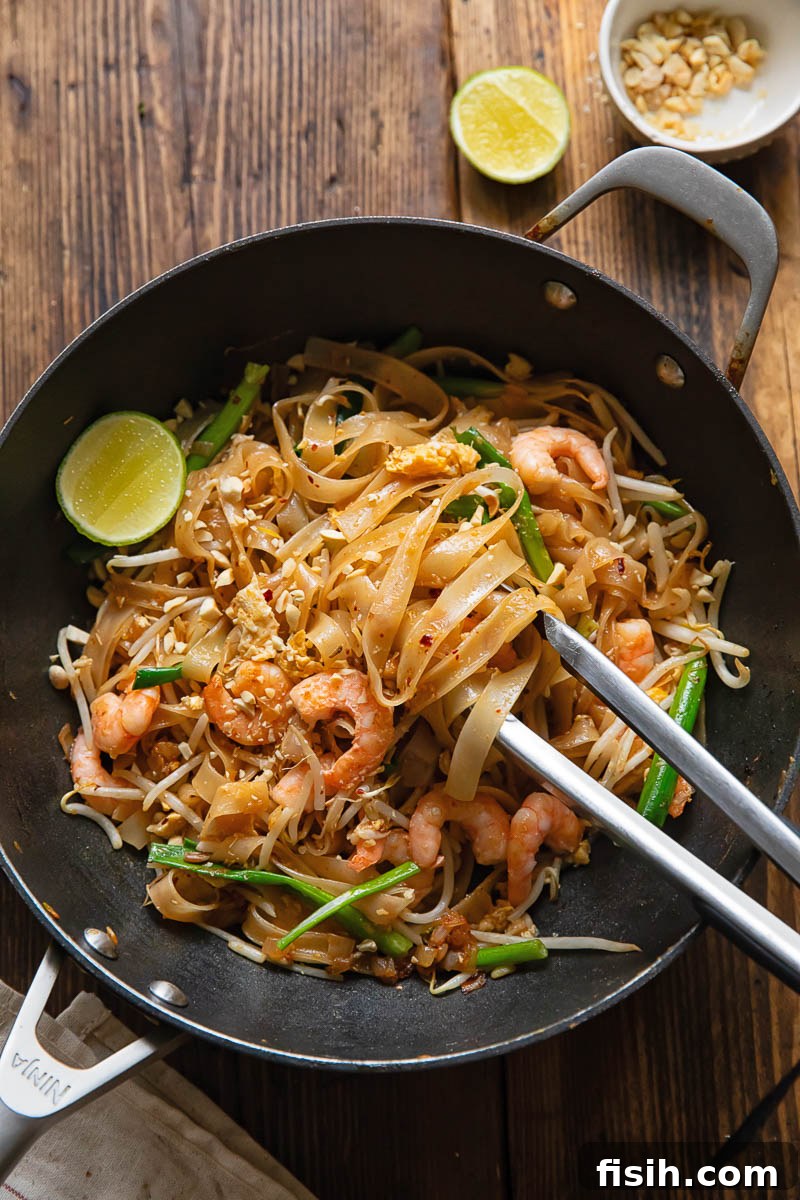
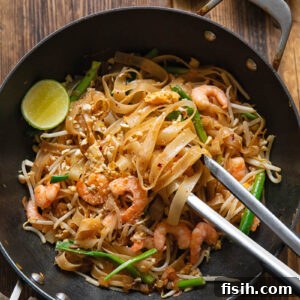
Welcome to the ultimate guide for creating the most tantalizing and authentic Shrimp Pad Thai right in your own kitchen! This isn’t just a recipe; it’s a passport to the bustling street food scene of Bangkok, delivering an explosion of sweet, salty, sour, and spicy flavors in every forkful. Imagine a dish that is budget-friendly, lightning-fast to prepare, packed with high-quality protein, requires minimal effort, and tastes unbelievably delicious. That’s the magic of this Shrimp Pad Thai recipe. Designed for efficiency and maximum flavor, it promises a vibrant culinary experience that will transport your taste buds across the globe in under 30 minutes. Get ready to master Thailand’s national dish with confidence and flair!
Why You’ll Love This Shrimp Pad Thai Recipe
In today’s fast-paced world, finding a meal that ticks all the boxes – delicious, nutritious, quick, and affordable – can feel like a culinary quest. This homemade Shrimp Pad Thai effortlessly accomplishes it all, making it an ideal choice for busy weeknights, aspiring home cooks, and anyone craving an authentic taste of Thailand.
- Quick & Easy Cooking: Time is a precious commodity, and this recipe respects that. With just about 15 minutes of prep and 15 minutes of cook time, you can have a gourmet-quality meal on the table faster than ordering takeout. The stir-fry method ensures rapid cooking, perfect for those evenings when hunger strikes but time is short. The simplicity of the process, mainly involving quick chopping and stir-frying, makes it accessible even for novice cooks.
- Budget-Friendly Meal: Once you’ve stocked your pantry with a few essential Asian ingredients – which will last for many meals – Pad Thai becomes an incredibly economical dish. Shrimp, noodles, and fresh vegetables are generally affordable, offering a satisfying and wholesome meal without breaking the bank. It’s a smart way to enjoy diverse flavors without the hefty restaurant price tag, making it perfect for students or families managing their food budget.
- Nutritious & Wholesome: Don’t let the speed fool you; this dish is a powerhouse of nutrition. Loaded with lean protein from shrimp and eggs, healthy fats from peanuts, and a good dose of vitamins from fresh lime and bean sprouts, it’s a balanced meal that fuels your body. The combination of ingredients contributes to satiety and provides essential nutrients, proving that fast food can indeed be good food.
Beyond these practical benefits, this Shrimp Pad Thai offers a delightful escape from the mundane, bringing exotic flavors and aromas into your home. If you’re looking for other exquisite Thai dining experiences that are still centered around rice noodles and shrimp, consider exploring a rich Thai Red Curry with Prawns and Snow Peas, perhaps served alongside a fragrant Coconut Rice for a truly indulgent feast.
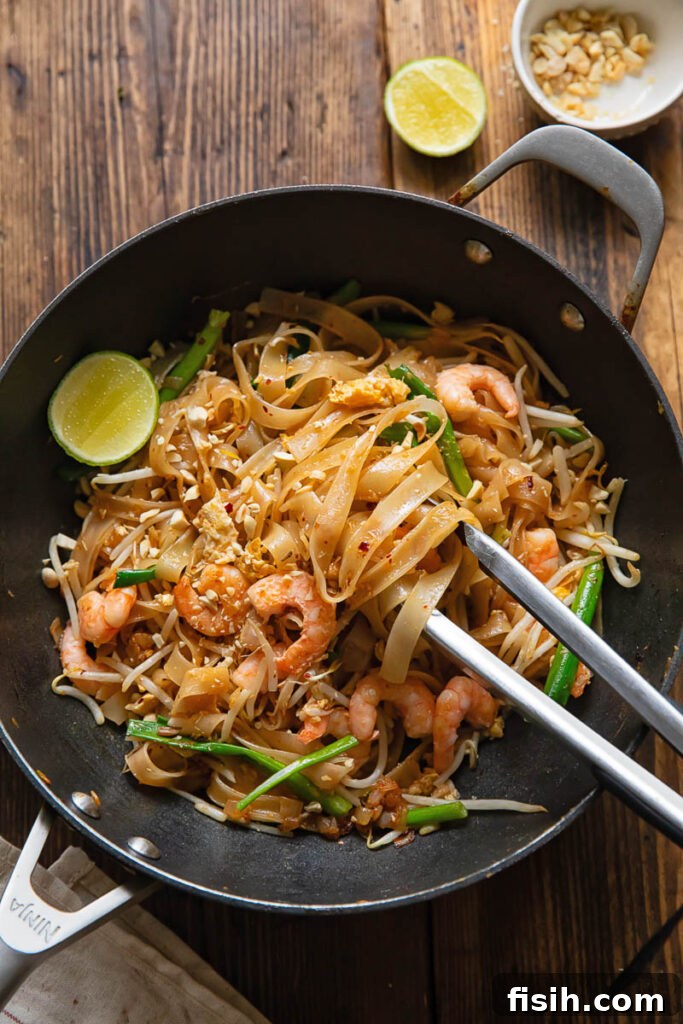
Unveiling Authentic Pad Thai: Thailand’s National Treasure
Pad Thai is more than just a noodle dish; it’s a culinary icon, celebrated as Thailand’s national dish and beloved worldwide. Its name, literally meaning ‘Thai stir-fry,’ hints at its simple origins but belies the complex symphony of flavors it delivers. While traditional Thai homes often boast both an indoor and an outdoor kitchen – the latter perfect for the vigorous, smoky stir-frying essential to dishes like Pad Thai – you can achieve remarkable authenticity in any Western kitchen with the right techniques and ingredients.
The true essence of an authentic Pad Thai lies in its exquisite balance of the four fundamental Thai flavors: sweet, salty, sour, and spicy. This harmonious blend creates a truly addictive taste profile that keeps you coming back for more. Each component plays a crucial role in achieving this balance, transforming simple ingredients into a dish of profound depth and satisfaction. Understanding these core elements is the first step to mastering your homemade Pad Thai.
The Essential Elements of a True Pad Thai
To truly appreciate and recreate the magic of Pad Thai, it’s important to understand the role each ingredient plays in contributing to its distinctive flavor and texture. Here’s a breakdown of the key components:
- Thai Rice Noodles: The foundation of the dish. Flat, thin rice noodles are preferred for their ability to absorb the rich sauce while maintaining a pleasant chewiness. The secret to perfect Pad Thai noodles is to soak them in hot water until mostly softened, rather than boiling them. This prevents them from becoming mushy and ensures they finish cooking perfectly in the wok.
- The Signature Sauce (Sweet, Salty, Sour, Spicy): This is where the magic happens.
- Sweet: Traditionally from palm sugar, which offers a caramel-like depth. Light brown sugar is an excellent and readily available substitute.
- Salty: Achieved through fish sauce, a pungent yet essential ingredient that provides an umami punch and significant depth of flavor.
- Sour: The distinctive tang comes from tamarind purée. It’s crucial to use purée, not Indian tamarind sauce, as the latter is often too sweet and lacks the necessary sourness for an authentic Thai taste.
- Spicy: Provided by chili flakes, allowing you to adjust the heat level to your personal preference.
- Fresh Shrimp & Protein Power: Large, succulent shrimp (prawns) are the classic protein choice for Pad Thai, adding a delicate sweetness and tender texture. However, the versatility of Pad Thai allows for easy protein swaps. Chicken, duck, or tofu are all excellent alternatives that absorb the sauce beautifully.
- Crunchy Bean Sprouts: Added both within the stir-fry and as a fresh garnish, bean sprouts provide a vital textural contrast and a refreshing vegetable element. Their crispness is essential to the authentic Pad Thai experience.
- Silky Scrambled Egg: Lightly beaten eggs are cooked directly in the wok alongside the noodles, creating a wonderfully silky, just-scrambled texture that coats the noodles and adds richness.
- Aromatic Garlic & Shallots: These aromatic staples form the flavor base of the stir-fry, contributing a pleasingly pungent and savory layer that awakens the palate.
- Toasted Peanuts & Fresh Lime: Crushed roasted peanuts offer a nutty crunch and additional protein, a hallmark of Thai cuisine. Fresh lime wedges are served on the side, ready for squeezing over the finished dish, adding a burst of bright acidity that cuts through the richness and enhances all the other flavors.
This world-famous rice noodle recipe is a testament to the power of balanced flavors and efficient cooking. With minimal chopping or mixing, it’s a high-protein, relatively low-budget dish that truly delivers on taste. What’s not to love about a meal that offers so much with such little fuss?
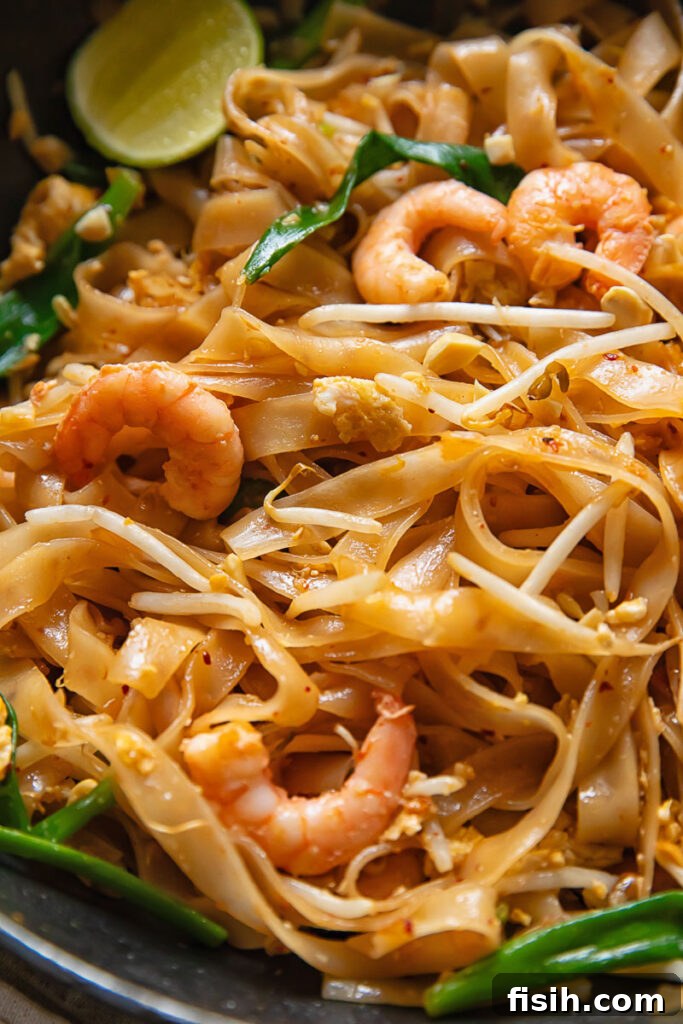
Pro Tips for the Perfect Pad Thai
Achieving restaurant-quality Pad Thai at home is entirely possible with a few key insights and techniques. These tips will help you navigate the cooking process and ensure a delicious outcome every time.
- Mastering the Noodles: Soak, Don’t Boil: This is perhaps the most crucial tip. Delicate Thai rice noodles should never be boiled, as they can quickly become gummy and overcooked. Soaking them in hot water for 30-40 minutes (depending on thickness) is sufficient to soften them to a chewy al dente texture. They will finish cooking perfectly in the wok, absorbing the sauce without losing their integrity.
- The Secret to the Sauce: Tamarind Purée: The sour component of Pad Thai is distinctive and essential. Always opt for tamarind purée, which is pure, concentrated tamarind pulp. Avoid Indian tamarind sauce or chutney, as these are typically much sweeter and lack the sharp, tangy sourness required for an authentic Thai flavor profile.
- Customizing Your Protein: While shrimp (prawns) are traditional, feel free to substitute with your preferred protein. Thinly sliced chicken breast, duck, or firm tofu all work exceptionally well. Ensure your chosen protein is cooked quickly and removed from the wok before adding other ingredients to prevent overcooking and maintain tenderness.
- Sourcing Authentic Ingredients (and Smart Substitutions):
- Dried Shrimp: Traditionally, a small amount of chopped dried shrimp is added for an extra layer of umami. While I often skip it for convenience, if you can find them, add about 3 tablespoons, chopped, along with the shallots and garlic for an even richer flavor.
- Palm Sugar: Authentic Pad Thai uses palm sugar for its unique caramel notes. However, light brown sugar is an excellent and widely available substitute that provides a similar depth of sweetness.
- The Power of Fresh Garnishes: Be generous with your bean sprouts and chopped roasted peanuts. They provide essential crunch, freshness, and nutty flavor that elevate the entire dish. Fresh lime wedges for squeezing are non-negotiable – the citrus brightens all the flavors.
- Speed is Key: Prep Ahead: Pad Thai cooks incredibly fast. To avoid scrambling and ensure a smooth cooking process, measure and prepare all your ingredients (chop vegetables, mix the sauce, soak noodles) *before* you even turn on the heat. This “mise en place” approach will make the stir-frying a breeze and guarantee perfectly cooked results.
Serving Suggestions: Experience Thai Street Food at Home
Imagine yourself transported to the vibrant, aromatic streets of Bangkok, sitting on a tiny, white plastic stool next to the scorching hot wok where your Shrimp Pad Thai was just prepared. You’d likely be savoring every mouthful with a simple disposable fork and spoon from a polystyrene tray, absorbing the lively atmosphere. To complete this authentic experience, you might sip on a refreshing fruit shake, made with blended fresh fruit and ice, or perhaps a strikingly orange, sweet iced Thai milk tea.
You can recreate this magical street food vibe right in your own dining area. Serve your freshly made Pad Thai immediately, garnished generously with extra chopped peanuts and a fresh lime wedge. For a truly immersive meal, consider pairing it with other classic Thai street food-inspired dishes. Still feeling peckish, or simply unable to resist the alluring aromas emanating from imaginary neighboring stalls? A refreshing yet spicy Som Tam (Green Papaya Salad) offers a zesty counterpoint, while Mini Thai Fishcakes or savory Grilled Chicken Skewers (Satay, perhaps?) make for excellent appetizers. Or, if you’re like most Pad Thai enthusiasts, you might just want more noodles!
Storage & Reheating Your Shrimp Pad Thai
This delectable egg, shrimp, and noodle dish is excellent for meal prep or enjoying as leftovers. Store any remaining Pad Thai in an airtight container in the refrigerator for 2-3 days. To reheat and maintain its deliciousness, you have a couple of options:
- Microwave Method: Reheat in the microwave for approximately 60 seconds. For best results, consider removing the shrimp for the first 30 seconds of reheating and adding them back in for the final 30 seconds. This prevents the shrimp from becoming tough or rubbery.
- Wok Reheating Method: For a fresher taste, stir-fry the leftover Pad Thai in a wok with a splash of water and a squeeze of fresh lime juice over medium heat. Toss gently until heated through. Always ensure the shrimp (and any other protein) is heated to a food-safe temperature of 70°C (158°F) before serving.
Explore More Shrimp Stir Fry Recipes
If you’ve fallen in love with the quick and flavorful world of shrimp stir-fries, we have plenty more recipes to satisfy your cravings:
- Easy Shrimp Chow Mein
- Sweet Chili Shrimp Stir Fry
- Speedy Sesame Shrimp Stir Fry
- Shrimp and Broccoli Stir Fry
Shrimp Pad Thai
Print Recipe
Equipment
- Wok
Ingredients
- 200g / 7oz flat rice noodles
- 300g / 11oz large shrimp (prawns)
- 2½ tbsp tamarind purée, not sauce!
- 3 tbsp fish sauce
- 3 tbsp light brown sugar, or palm sugar
- 2 tbsp vegetable oil, divided
- 1 shallot, chopped
- 3 cloves garlic, minced
- Chilli flakes, to taste (I used 1 tsp)
- 4 green onions, green parts only, cut into 2-inch lengths
- 2 eggs, lightly beaten
- 200g / 2 cups beansprouts
- 35g / 1/4 cup roasted peanuts, chopped
- 1 lime, cut into wedges
Instructions
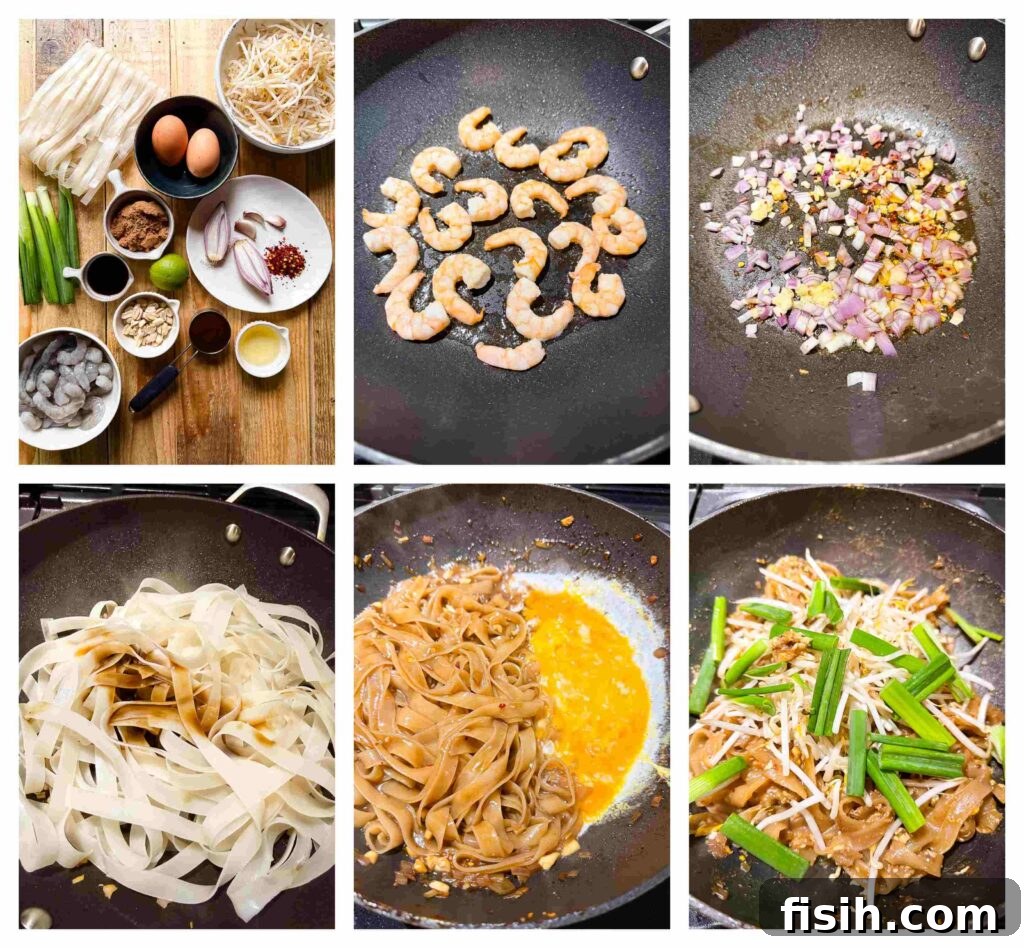
- Soak the rice noodles in hot water for 30-40 minutes until mostly softened. Meanwhile, mix the tamarind purée, fish sauce, and light brown sugar in a small bowl and set aside, allowing the sugar to dissolve.
- In a large wok, heat 1 tablespoon of vegetable oil over medium-high heat. Add the shrimp and cook until they turn pink on each side, about 1-2 minutes per side. Remove the shrimp from the wok immediately and set them aside in a bowl.
- Add the remaining 1 tablespoon of vegetable oil to the same wok. Add the chopped shallot, minced garlic, and chilli flakes. Stir-fry for about 1 minute until fragrant.
- Drain the softened noodles (a little clinging water is fine) and add them to the wok along with the mixed sauce. Stir-fry for 1-2 minutes, tossing continuously until the noodles are well coated, soft, yet still retain a pleasant chewiness.
- Push the noodles to one side of the wok, creating a clear space. Pour the lightly beaten eggs into this empty space. Let the eggs cook for about 30 seconds until they begin to set, then gently pile the noodles over them. Cook for a few more seconds until the eggs are mostly set but still soft. Lightly toss everything together to combine the eggs with the noodles.
- Add the bean sprouts, green onions, and the cooked shrimp back into the wok. Add half of the chopped roasted peanuts. Toss everything gently for about 30 seconds, just until the green onions are slightly wilted but the bean sprouts remain crisp. Remove from heat immediately.
- Serve the Shrimp Pad Thai hot, garnished with the remaining chopped peanuts and fresh lime wedges for squeezing.
Nutrition
Calories: 409kcal | Carbohydrates: 66g | Protein: 20g | Fat: 8g | Saturated Fat: 2g | Polyunsaturated Fat: 2g | Monounsaturated Fat: 3g | Trans Fat: 0.01g | Cholesterol: 176mg | Sodium: 1656mg | Potassium: 458mg | Fiber: 4g | Sugar: 16g | Vitamin A: 393IU | Vitamin C: 13mg | Calcium: 114mg | Iron: 2mg
Nutrition information is automatically calculated, so should only be used as an approximation.
Nutrition information is automatically calculated, so should only be used as an approximation.