
Discover Bath, England: An Enchanting Escape to a Historic UNESCO City
There are cities that capture your imagination from the moment you hear about them, and Bath, England, is undoubtedly one of them. For years, its name echoed with promises of unparalleled beauty and a history so rich it felt tangible. A friend, having spent her formative years amidst England’s rolling hills and ancient towns, once painted a vivid picture of Bath’s stunning architecture and captivating past, cementing its place on my mental travel wishlist. The opportunity finally arose for my partner, Brad, and me to enjoy a much-needed weekend escape, generously gifted by a dear friend who offered to mind our children. The only real dilemma was deciding on the destination. Our hearts were initially pulled towards a quick international city break, with Rotterdam being a strong contender, yet the practicalities of our demanding work schedules and the yearning for genuine relaxation subtly nudged us towards a domestic retreat. The thought of spending half our precious time battling airport queues and security lines seemed counterproductive to the quiet rejuvenation we truly craved.
After much deliberation, the decision was made to explore the wonders closer to home. Bath presented itself as the perfect compromise: a relatively quick and scenic drive from our base in London, promising an experience that felt worlds away without the travel complexities. And honestly, I still can’t believe we ever hesitated. From the moment we set foot on its cobblestone streets, we were utterly enchanted by Bath’s distinctive grace, profound elegance, and the palpable sense of history that permeates every corner. It offered a refreshing, much slower pace of life than the relentless hustle we had grown accustomed to in London. This gentle rhythm was precisely what our tired bodies and busy minds craved, allowing us to truly unwind and reconnect.
Our days unfolded like a dream, filled with discoveries at every turn. We marvelled at the ancient Roman Bath ruins, walking in the footsteps of those who sought healing and solace centuries ago. It felt like stepping back in time, witnessing the architectural ingenuity and social customs of a bygone era. One morning, we charmingly stumbled upon what we later learned was one of Jane Austen’s favourite walking routes – a delightful, serendipitous discovery for any literature enthusiast. Each evening concluded with leisurely dinners, savoring delectable cuisine in charming eateries, making us feel as though we hadn’t a single care in the world. This entire experience of spending amazing, uninterrupted time together in such a magnificent setting was a truly invaluable gift. I sincerely hope these photographs convey a fraction of the city’s magic, but better yet, I wholeheartedly encourage you to plan your own trip to Bath soon. It’s a journey you won’t regret.
Exploring the Enduring Allure of Bath: A UNESCO World Heritage Gem
Bath’s designation as a UNESCO World Heritage site is a testament to its exceptional cultural significance and universal value. This prestigious status isn’t just a label; it’s an acknowledgment of the city’s unique blend of Roman history and Georgian architecture, elements that together create a distinctive urban landscape found nowhere else. The city’s charm lies in its harmonious integration of these two powerful historical periods, offering visitors a layered experience that ranges from ancient thermal springs to elegant neoclassical facades. Beyond its major landmarks, Bath captivates with its intimate scale, pedestrian-friendly streets, and the soothing presence of the River Avon, which gracefully meanders through its heart. It’s a city designed for discovery, where every turn reveals a picturesque view, a hidden lane, or a historical plaque waiting to tell its story.
Stepping Back in Time: The Roman Baths
The Roman Baths are, without question, the pulsating heart of Bath’s historical legacy and an absolute must-visit. These remarkably preserved ancient thermal spa complex stand as a profound testament to Roman engineering and their sophisticated approach to public health and leisure. Constructed around natural hot springs, the complex served not only as a bathing and social centre but also as a temple to the goddess Sulis Minerva. As you explore the site, you’ll walk on original Roman pavements, gaze into the emerald green waters of the Great Bath, and wander through chambers where ancient Romans once soaked, socialised, and worshipped. The museum portion of the site beautifully displays artefacts and interactive exhibits, bringing to life the stories of the people who used these baths over two millennia ago. The ingenious plumbing systems and the sheer scale of the complex are truly awe-inspiring, offering a tangible connection to an empire that shaped much of Western civilisation.
Georgian Grandeur: A Symphony in Stone
Beyond its Roman foundations, Bath truly blossomed during the 18th century, becoming the epicentre of Georgian society, fashion, and architecture. This era gifted the city its iconic honey-coloured limestone buildings, meticulously arranged into sweeping crescents, elegant squares, and majestic terraces. The Royal Crescent, a magnificent curve of 30 Grade I listed terraced houses, is perhaps the most famous example, an architectural masterpiece that perfectly embodies the grandeur and ambition of Georgian design. Nearby, The Circus, a circular space surrounded by three curved terraces of townhouses, creates a visually stunning and intellectually stimulating urban puzzle. These structures were not merely homes but symbols of status and sophistication, designed by visionary architects like John Wood the Elder and Younger, who transformed Bath into a fashionable resort town for the elite. Walking through these streets feels like stepping onto the set of a period drama, each building telling tales of balls, intrigues, and the elegant social rituals of the past.
Literary Echoes: Jane Austen’s Bath
For fans of English literature, Bath holds a special resonance, primarily through its strong association with Jane Austen. The city served as her home for several years and, more importantly, provided the backdrop and inspiration for two of her beloved novels, Northanger Abbey and Persuasion. Austen keenly observed the social dynamics and follies of Bath’s fashionable society, immortalising its promenades, assembly rooms, and grand houses in her witty prose. Visitors can immerse themselves in her world by visiting the Jane Austen Centre, which offers an engaging insight into her life and times in Bath. You can even join guided walking tours that trace the routes she would have taken, bringing her characters and stories to vivid life. Discovering her “favourite morning walk” was a truly delightful moment, forging an unexpected and personal connection to one of history’s most celebrated authors.
The Majestic Bath Abbey: A Spiritual Landmark
Dominating the city’s skyline with its magnificent Perpendicular Gothic architecture, Bath Abbey stands as another pivotal landmark. Often referred to as the “Lantern of the West” due to its numerous large windows, the Abbey has a history stretching back to the Anglo-Saxon period, although the current structure dates primarily from the 15th and 16th centuries. Its stunning fan vaulted ceiling is a breathtaking sight, and the intricate carvings, particularly the “ladder of angels” on the west front, tell stories of dreams and aspirations. Climbing the Abbey Tower offers panoramic views of the city, providing a unique perspective on the Roman Baths below and the surrounding Georgian landscape. The Abbey remains an active place of worship and a central hub for community events, its spiritual presence palpable amidst the bustling city.
The Complete Bath Experience: Beyond the Landmarks
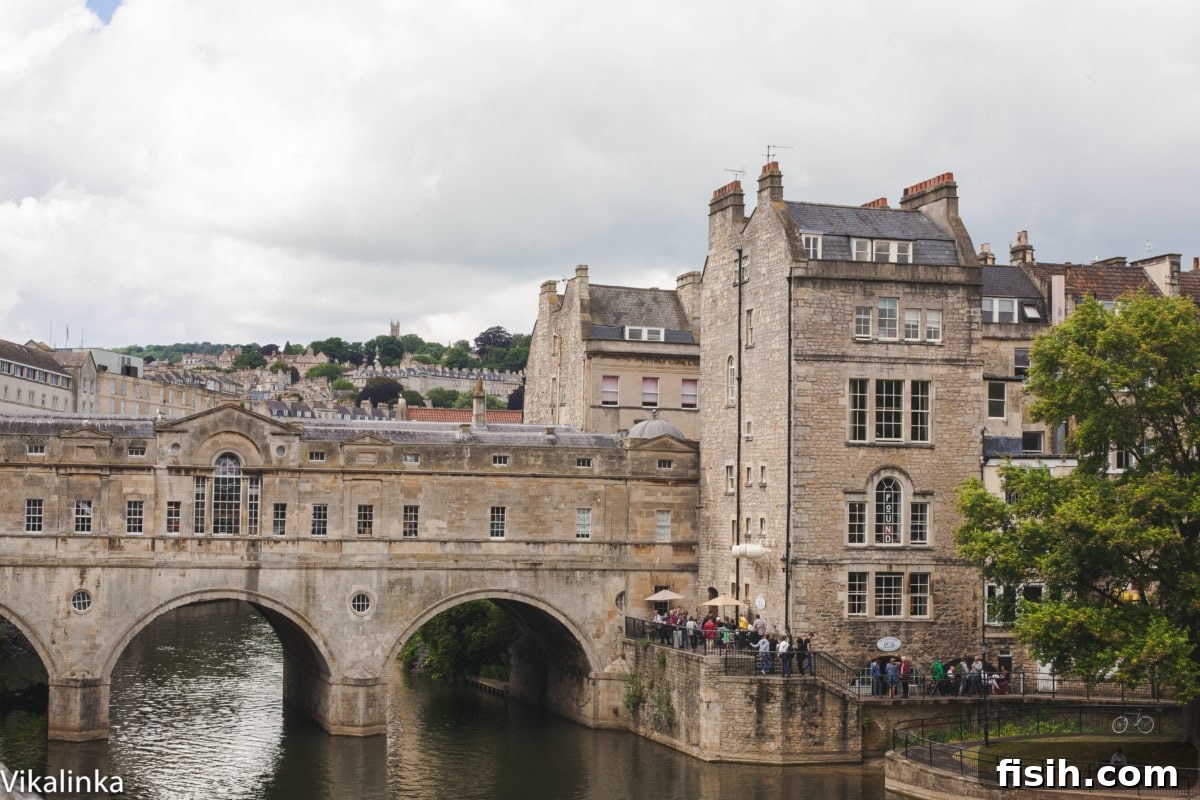
While the Roman Baths, Georgian architecture, and Bath Abbey form the historical backbone of the city, Bath offers a much broader and richer experience. The city’s atmosphere is uniquely serene yet vibrant, a blend that encourages both peaceful reflection and lively engagement. One of the most enchanting aspects is simply wandering its streets, discovering independent boutiques, art galleries, and quaint cafes tucked away in charming alleys. The Pulteney Bridge, one of only four bridges in the world with shops built along its full span on both sides, is another architectural marvel and a great spot for unique souvenirs or a delightful coffee overlooking the Weir. For a truly unique and relaxing experience, the modern Thermae Bath Spa provides the opportunity to bathe in the mineral-rich thermal waters that originally attracted the Romans, offering rooftop views of the city as you soak.
A Culinary Journey and Vibrant Culture
Bath’s culinary scene is as diverse and delightful as its history. From traditional English tearooms serving exquisite afternoon tea – a must-do for any visitor – to contemporary fine dining restaurants, gastropubs, and international eateries, there’s something to satisfy every palate. The focus on fresh, local produce is evident, and the city’s independent spirit shines through in its array of unique dining establishments. Beyond food, Bath boasts a thriving arts and culture scene, with various festivals throughout the year, live music venues, and theatres like the Theatre Royal Bath, which has been entertaining audiences for over two centuries. This cultural vibrancy ensures that there’s always something happening, whether you’re seeking a quiet evening or an engaging performance.
Practicalities for Your Bath Getaway
Planning your trip to Bath is straightforward. As we discovered, its accessibility from London makes it an ideal choice for a weekend escape. Regular train services connect London Paddington to Bath Spa station in just over an hour, offering a comfortable and scenic journey. If driving, be aware of the city’s compact nature and opt for park and ride services, as central parking can be limited. The best time to visit depends on your preferences: spring and autumn offer pleasant weather and fewer crowds, while summer brings lively street performances and festivals. Even in winter, Bath sparkles with festive markets and a cozy, inviting atmosphere. We recommend at least two full days to truly appreciate the main attractions and allow ample time for leisurely exploration and spontaneous discoveries. Consider booking accommodations in advance, especially during peak seasons, as Bath’s popularity means hotels and guesthouses fill up quickly.
A Final Invitation to Experience Bath
Our weekend in Bath was a beautiful reminder of the simple joys of travel and the profound beauty that lies within England’s historic cities. The blend of ancient history, stunning Georgian architecture, literary connections, and a wonderfully relaxed pace created an unforgettable escape. It allowed us to shed the stresses of daily life, immerse ourselves in rich culture, and truly enjoy each other’s company. Bath is more than just a collection of impressive landmarks; it’s an atmosphere, a feeling, an experience that rejuvenates the soul. We left feeling refreshed, inspired, and already planning our return. So, take these photos as a visual invitation, but let the city’s timeless charm be the true call to action. Discover Bath for yourself – you’ll understand why it continues to captivate hearts, centuries after its thermal springs first drew visitors seeking solace and wonder.