
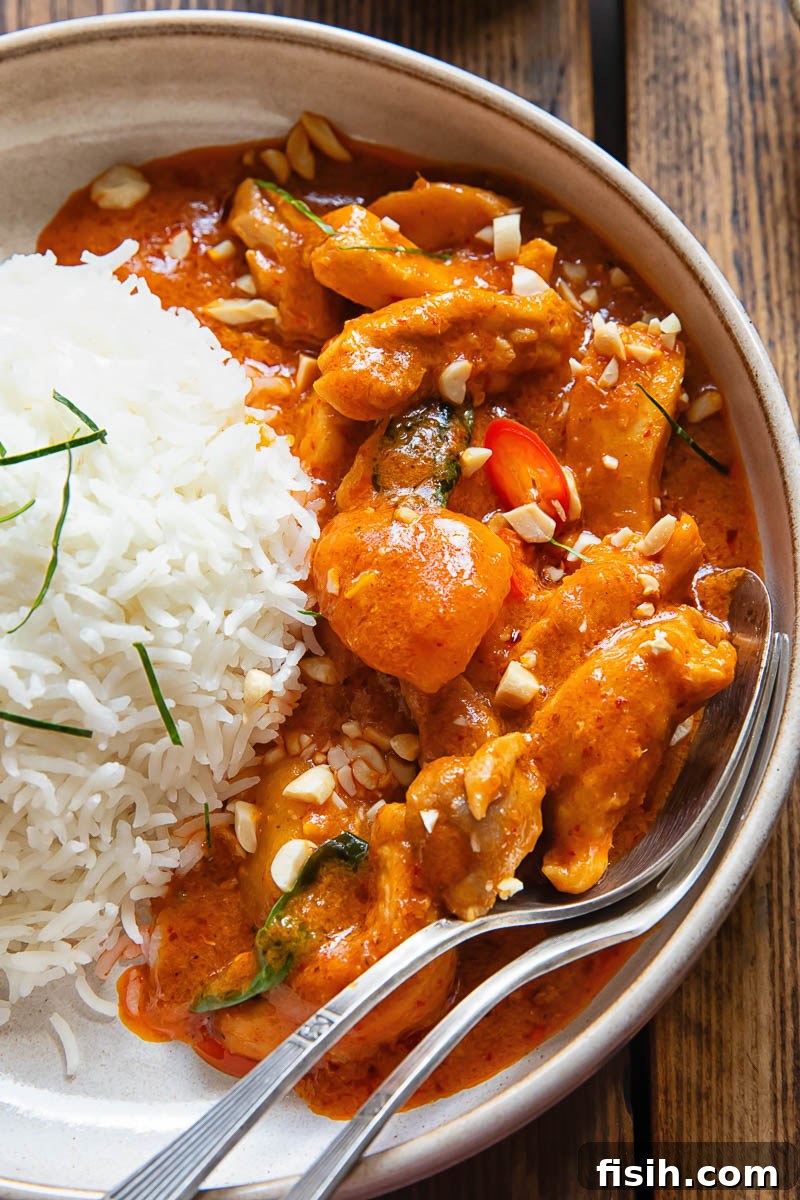
Easy Chicken Panang Curry: Authentic Thai Flavor in Under an Hour
Craving the rich, aromatic flavors of Thailand but short on time? This easy Chicken Panang Curry is your answer! Forget complex recipes or a overflowing spice rack; this recipe relies on a single jar of high-quality authentic Thai curry paste, making it a true “chuck-in-one” dish that comes together faster than you can say “kawp khun ka” (thank you!). Experience a delicious, mild Thai curry that will transport your taste buds straight to Southeast Asia.
Note on Allergens: This recipe contains nuts. For a peanut-free and spicy Thai chicken curry, consider our braised coconut curry chicken thighs, featuring juicy bone-in thighs in a rich red curry sauce with the added goodness of green beans and red peppers.
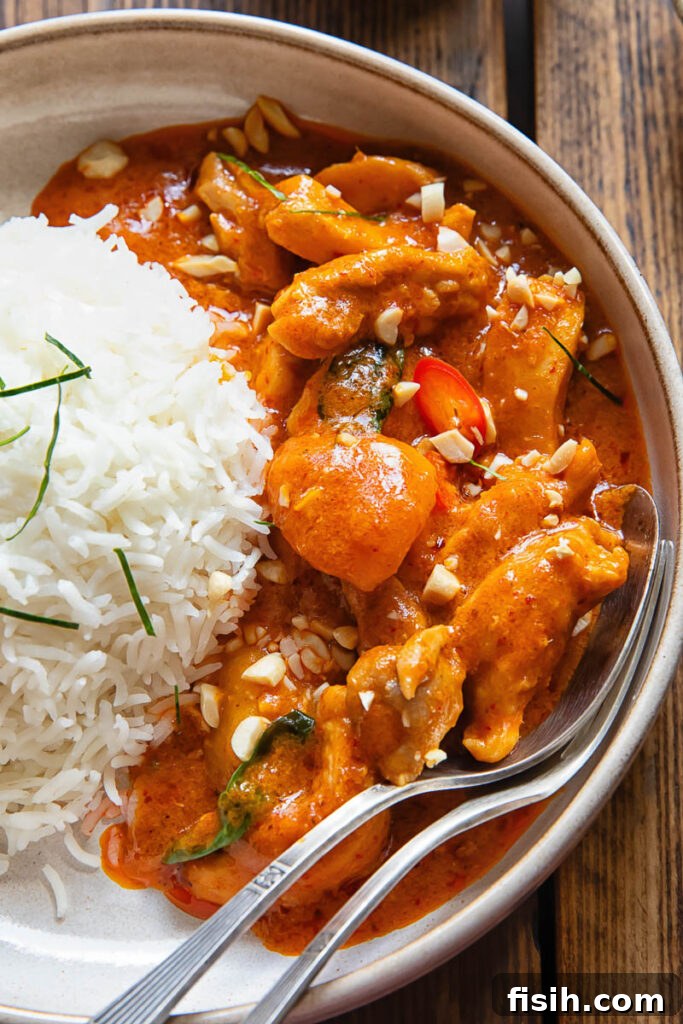
Can you truly imagine a culinary world without the vibrant, diverse tastes of Thai cuisine? For many, such a thought conjures up a rather bland and uninspired reality. My personal journey into the exhilarating world of Thai food began somewhat later in life, specifically in 2000, during my stay in Manila, Philippines. Up until then, I was primarily familiar with the distinct salty and sour notes characteristic of Filipino dishes. However, it was the explosive symphony of chilies, herbs, and spices found in Thai curry that utterly captivated me and forever changed my palate. I was instantly hooked, and a deep appreciation for these chili-forward creations took root.
Fast forward fourteen years, and after extensive “research” through countless restaurant visits and delightful taste-testing sessions, I finally shared my first Thai-inspired creation on my blog: Thai Red Curry with Prawns and Snow Peas. This particular dish remains a cherished favorite, a true one-pot wonder that masterfully combines succulent noodles, juicy shrimp, and an abundance of fresh vegetables. It’s a testament to the convenience and incredible flavor that Thai cooking offers, making it a perfect starting point for anyone looking to explore these fantastic flavors. I highly encourage you to try it yourself!
What is Panang Curry? Unveiling a Thai Favorite
Panang curry stands out among its Thai counterparts for its distinctive mildness, making it an excellent choice for those who appreciate flavor without an overwhelming level of heat. Originating from the central region of Thailand, Panang (sometimes spelled Phanaeng) is characterized by its thick, rich, and creamy coconut milk-based sauce. Unlike the fiery kick of red or green curries, Panang achieves its balanced profile through a more modest amount of chilies, generously complemented by the sweetness of ground peanuts and the bright, zesty aroma of makrut (kaffir) lime leaves. This harmonious blend creates a deeply satisfying and aromatic experience that is both comforting and exotic.
The texture of Panang curry is another defining feature. It’s typically thicker than other Thai curries, designed to cling beautifully to the protein and vegetables it accompanies, delivering a burst of flavor in every bite. This isn’t a soupy curry; it’s a luscious, velvety sauce that truly defines the dish. The addition of peanuts not only tempers the spice but also provides a subtle nutty undertone and a delightful textural contrast, elevating the overall complexity of this beloved Thai classic.
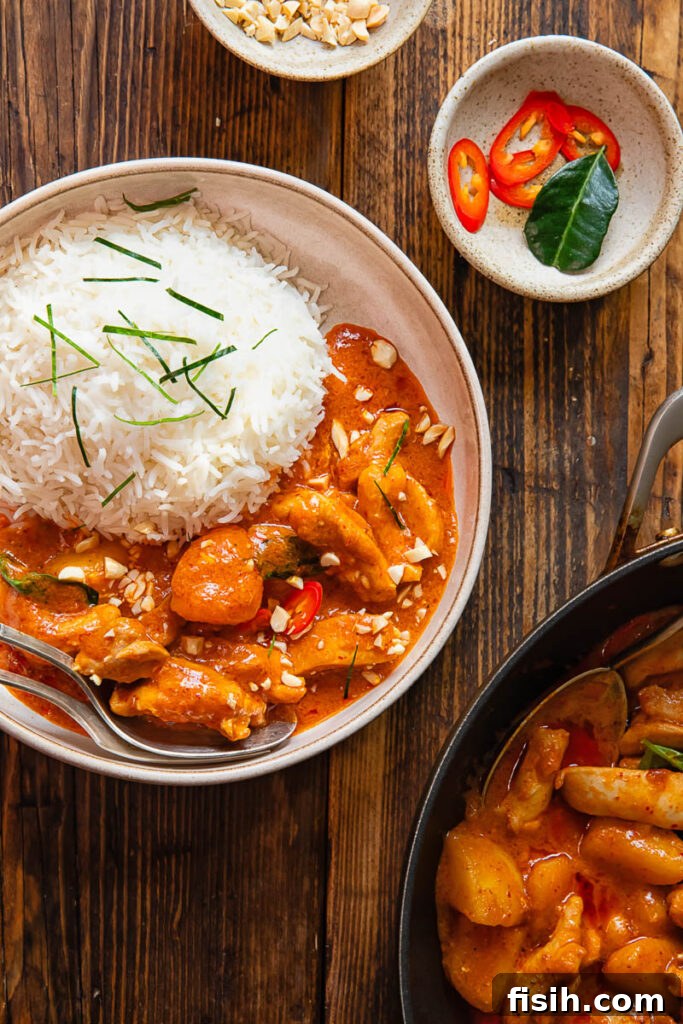
Essential Panang Curry Ingredients: Crafting Authentic Flavor
The secret to a truly great Panang curry, especially a quick and easy one, lies in the quality of your ingredients. Let’s delve into what makes this dish sing:
The Heart of the Curry: Panang Curry Paste
While the idea of grinding and blitzing a homemade paste from scratch is appealing to some, it’s perfectly acceptable, and often recommended for convenience, to use a high-quality ready-made Panang curry paste. As someone who appreciates both authenticity and efficiency, I often reach for brands like Maesri or Mae Ploy. These are not shortcuts; they are trusted by Thai cooks themselves and offer an incredibly authentic flavor profile. You can typically find them in Asian supermarkets or the international aisle of larger grocery stores. If Maesri isn’t available, Mae Ploy is an excellent and widely stocked alternative.
The paste itself is a master blend of classic Thai aromatics and spices: vibrant red chilies (don’t be fooled by the “mild” tag, it still brings a pleasant warmth), bright and citrussy lemongrass, distinct makrut (kaffir) lime zest/peel, gingery galangal, and savory shrimp paste for a depth of umami. These fresh, top-note flavors are beautifully grounded by earthy cumin and coriander. A generous dose of pungent garlic and sweet shallots rounds out this complex flavor base, creating the signature taste of Panang.
Creamy Foundation: Coconut Milk
For the luxurious, thick, and creamy texture that defines Panang curry, full-fat, unsweetened coconut milk is non-negotiable. It provides the richness and velvety mouthfeel that lighter versions simply cannot replicate. Opt for a good quality brand for the best results, as this forms the backbone of your sauce.
The Protein: Chicken Thighs
Chicken is a traditional and highly favored protein in Panang curry recipes. We recommend boneless, skinless chicken thighs, cut into bite-sized pieces. Chicken thighs retain moisture beautifully during cooking, resulting in tender, flavorful morsels that absorb the curry sauce wonderfully. While chicken breast can be used, it tends to dry out more easily. For those looking for alternatives, thinly sliced beef, pork, or even firm tofu make excellent substitutions.
The Unexpected Star: Potatoes
While potatoes might not be a traditional inclusion in every Panang curry, they are a fantastic addition to this recipe, and I highly encourage you to try them! They add wonderful bulk to the dish, making it more filling and economical, especially when feeding a hungry crowd. More importantly, potatoes act like little sponges, soaking up the rich, aromatic sauce and becoming incredibly flavorful and tender. Small, waxy potatoes are ideal for holding their shape. Other vegetables like bell peppers, green beans, or bamboo shoots can also be added for extra nutrition and texture.
Flavor Enhancers: Kaffir Lime Leaves, Fish Sauce, and Chili
To further enhance the aromatic complexity, I’ve embellished the coconut milk and curry paste base with extra makrut (kaffir) lime leaves. These leaves contribute an unparalleled bright, citrusy perfume that is central to Thai cuisine. If fresh kaffir lime leaves are hard to find, Thai basil can be used as a fragrant alternative. A splash of fish sauce is crucial for balancing the flavors, adding a savory depth (umami) that rounds out the curry without making it taste “fishy.” And for those, like my family, who enjoy a touch more warmth, an extra red chili, thinly sliced, can be added.
The Finishing Touch: Peanuts
Chopped peanuts are essential for bringing a delightful sweetness and an irresistible crunchy texture that contrasts beautifully with the spicy and saucy nature of Thai curries. They are a signature component of Panang curry and should not be skipped. If you love peanuts in your Thai food, you’ll also adore them in recipes like som tam salad, yellow chicken curry, and Thai red curry.
Allergy Alert: It’s important to be aware that some pre-prepared Panang curry pastes may contain peanuts or peanut butter as part of their ingredients. If you are cooking for someone with a peanut allergy, always check the label carefully before use. For a guaranteed peanut-free option, our braised coconut curry chicken thighs recipe is an excellent choice.
Expert Recipe Tips and Notes for Perfect Panang Curry
- Choose Quality Paste: The foundation of this curry’s flavor comes from the paste. Invest in a good quality, authentic Thai Panang curry paste. Brands like Mae Ploy and Maesri are reliably authentic and widely recommended by professional and home cooks alike.
- Embrace Full-Fat Coconut Milk: For a truly rich, velvety sauce and a luxurious mouthfeel, always opt for full-fat, unsweetened coconut milk. Lighter versions will result in a thinner, less satisfying curry.
- Don’t Skip the Potatoes: While unconventional to some, potatoes are a fantastic addition. They not only add substance and make the meal more satisfying but also beautifully absorb the incredible flavors of the curry sauce. Their tender texture is a delightful contrast.
- Maximize Kaffir Lime Flavor: Fresh kaffir lime leaves are a key aromatic. Bruise or tear them before adding to the curry to release their intense citrusy fragrance. Don’t forget to julienne a few extra leaves for a vibrant, aromatic garnish at the end.
- Thai Basil as a Substitute: If fresh makrut (kaffir) lime leaves are difficult to source in your area, fresh Thai basil makes an excellent aromatic substitute. It offers a slightly different, anisy flavor profile but still complements the curry beautifully.
- Balance with Fish Sauce: Taste your curry before adding fish sauce. It’s used to provide savory depth and saltiness. Start with a small amount and adjust to your preference, as pastes can vary in salt content.
What to Serve with Your Delicious Panang Chicken Curry
A well-chosen accompaniment can elevate your Panang Chicken Curry from excellent to extraordinary. The rich, creamy, and slightly sweet nature of Panang curry pairs beautifully with a variety of side dishes. Here are some of our top recommendations:
Rice: The Essential Companion
No Thai curry is complete without rice. It serves as the perfect neutral canvas to soak up every last drop of the flavorful sauce.
- Coconut Rice: For an extra layer of tropical indulgence, prepare simple, fragrant Instant Pot Coconut Rice. The subtle sweetness and richness of the coconut rice further enhance the curry’s inherent creaminess, creating a truly harmonious pairing.
- Jasmine Rice: If you prefer a lighter touch or feel that coconut rice would be “coconut overkill,” fluffy jasmine rice is the classic and most versatile choice. Its delicate aroma and tender grains complement the curry without competing for attention.
- Thai Sticky Rice: For a more traditional Thai experience, especially if you enjoy eating with your hands, steamed Thai sticky rice (Khao Niao) offers a satisfying chewy texture and distinct flavor.
Fresh and Uplifting Salads: A Perfect Counterpoint
While stir-fried vegetables are common in some Asian cuisines, I personally find that a fresh, vibrant, and tangy salad provides a more invigorating contrast to the richness of Thai curries. These spicy and sour Asian-inspired offerings cleanse the palate beautifully:
- Green Papaya Salad (Som Tum): This iconic Thai salad offers a perfect balance of spicy, sour, sweet, and salty flavors with a satisfying crunch. Its freshness cuts through the curry’s richness beautifully.
- Korean Carrot Salad: A simple yet flavorful salad with a tangy, garlicky dressing that provides a refreshing crunch and a hint of spice.
- Smashed Cucumber and Miso Salad: Light, crisp, and infused with umami, this salad offers a cool and refreshing element that balances the warmth of the curry.
You could also consider lightly steamed or stir-fried green vegetables like broccoli, bok choy, or asparagus for a simpler, healthy addition.
Storage and Leftovers: Enjoying Your Panang Curry Later
This Panang Chicken Curry recipe is not only delicious freshly made but also excellent for meal prepping and enjoying as leftovers. The flavors often deepen and meld beautifully overnight.
- Refrigeration: Any leftover Thai chicken curry should be transferred to an airtight container and stored in the refrigerator for up to 3-4 days. Ensure it cools completely before sealing and refrigerating.
- Freezing: This Panang chicken curry is also an ideal candidate for batch cooking. Simply double or triple the quantities and freeze portions for future quick meals. Once cooked and cooled, transfer the curry to freezer-safe containers or bags. It will keep well in the freezer for up to 3 months.
- Reheating: To reheat from frozen, thaw the curry in the refrigerator overnight. Reheat gently on the stove top over medium-low heat, stirring occasionally, until thoroughly heated through. You may need to add a splash of coconut milk or water if the sauce has thickened too much during storage. Always ensure the chicken and potatoes are piping hot before serving.
More Delicious Chicken Curry Recipes to Explore
If you loved this Panang Chicken Curry, you might enjoy exploring other flavorful chicken curry variations from around the world:
- Yellow Chicken Curry with Potatoes
- Chinese Chicken Curry
- Chicken Katsu Curry
- Mango Chicken Curry
Why You’ll Love This Easy Panang Chicken Curry
This Panang Chicken Curry recipe truly delivers on flavor, convenience, and satisfaction. Here’s why it’s destined to become a staple in your weeknight rotation:
- Authentic Taste, Simplified: Thanks to high-quality store-bought paste, you get all the complex, aromatic flavors of traditional Thai Panang without the labor-intensive prep.
- Quick & Easy: With only 10 minutes of prep and 30 minutes of cook time, a restaurant-quality meal is on your table in under an hour. Perfect for busy weeknights or when you need a delicious meal without fuss.
- Mild & Approachable: It’s the perfect Thai curry for those who prefer milder spice levels, offering warmth and flavor without overwhelming heat. Easily adjustable if you prefer a bit more kick!
- One-Pot Wonder: Minimizing dishes is always a win! This recipe cooks mostly in one pan, making cleanup a breeze.
- Nutritious & Filling: Packed with lean protein from the chicken, essential fats from coconut milk, and wholesome carbohydrates from potatoes, it’s a well-rounded and satisfying meal.
- Customizable: Easily add more vegetables, adjust the spice level, or swap proteins to suit your taste and what you have on hand.
Dive into the vibrant world of Thai cuisine with this effortlessly delicious Panang Chicken Curry. It’s a comforting, flavorful, and incredibly simple dish that promises to impress!
Frequently Asked Questions About Panang Curry
Is Panang curry spicy?
Panang curry is generally considered the mildest of the main Thai curries. It uses fewer chilies than red or green curries and is balanced by the sweetness of peanuts and the aromatic makrut lime leaves. While it has a pleasant warmth (often a 7/10 in flavor intensity, not necessarily heat), it’s usually very approachable for those sensitive to spice.
What is the difference between Panang and Red curry?
Both Panang and Red curry share some common ingredients like red chilies, lemongrass, and galangal. However, Panang curry is typically thicker, creamier, and milder. It uniquely incorporates ground peanuts, giving it a subtle sweetness and nutty flavor, and a stronger emphasis on makrut lime leaves. Red curry, conversely, is usually spicier, often brighter in color, and doesn’t traditionally include peanuts.
Can I make Panang curry vegetarian or vegan?
Absolutely! To make Panang curry vegetarian or vegan, you can substitute the chicken with firm tofu, tempeh, or a medley of vegetables like bell peppers, bamboo shoots, mushrooms, and green beans. Be sure to use a vegetarian/vegan curry paste (check labels, as some contain shrimp paste) and replace the fish sauce with a vegan fish sauce alternative or a dash of soy sauce and lime juice for umami and tang.
What kind of chicken is best for Panang curry?
Boneless, skinless chicken thighs are highly recommended for Panang curry. They stay moist and tender during the simmering process, absorbing the rich flavors of the sauce beautifully. Chicken breast can also be used, but it has a tendency to dry out more easily; if using breast, ensure it’s cut into uniform pieces and not overcooked.
How do I know if my curry paste is authentic?
Look for brands that are commonly used in Thailand, such as Maesri or Mae Ploy. Authentic pastes typically list ingredients like red chili, lemongrass, galangal, kaffir lime peel, and shrimp paste (for non-vegan versions). Avoid pastes with excessive fillers or artificial colors/flavors. The aroma should be fresh and vibrant.
Panang Chicken Curry
Ingredients
- 100g / 1/3 cup panang curry paste
- 1 tbsp vegetable oil
- 400g / 14 oz coconut milk
- 500g / 1 lb chicken thighs, skinless and boneless, cut into bit-sized pieces
- 2 small potatoes, peeled and cut into bit-sized chunks
- 2 kaffir lime leaves
- 1 tsp fish sauce
- 1 red chilli
- 1 tbsp peanuts, chopped
- a few Thai basil leaves, for garnish
Instructions
-
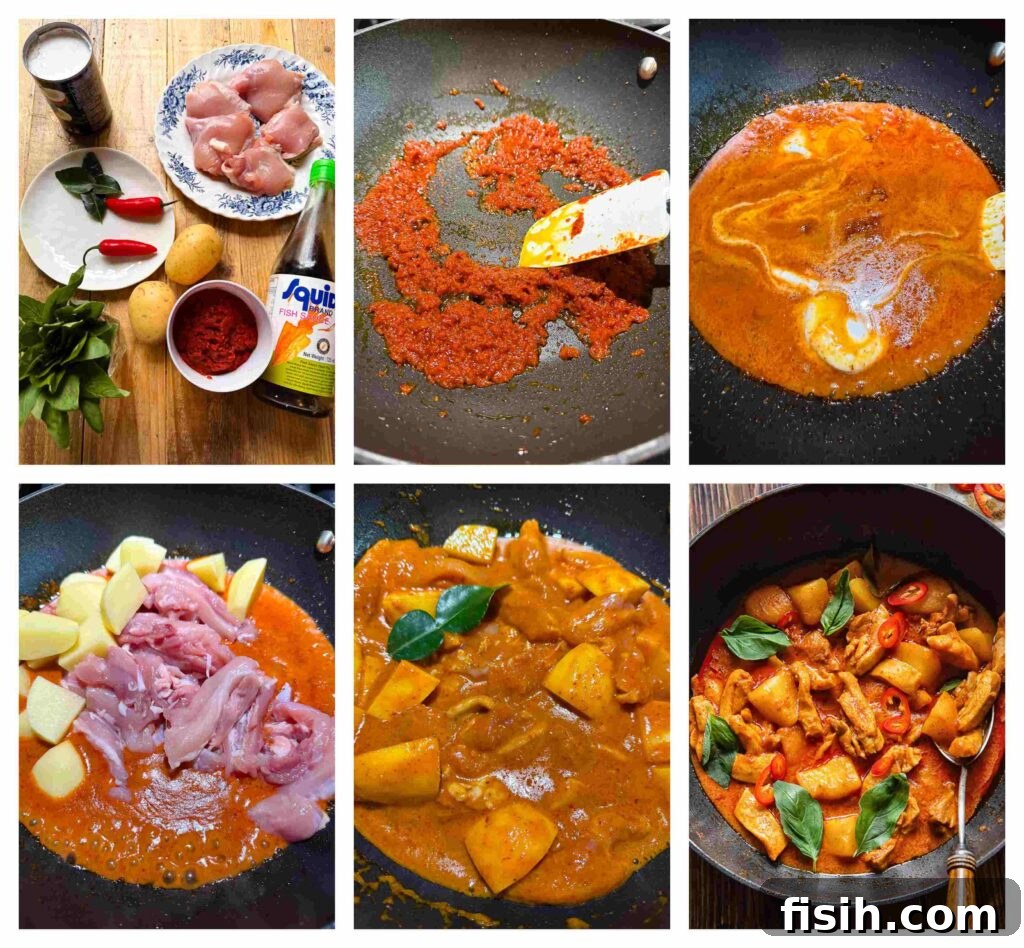
In a large frying pan or a wok, stir-fry the curry paste with 1 tbsp of vegetable oil over medium heat until its aromatic flavor is released, about 1-2 minutes. Then gradually add the coconut milk, stirring constantly to combine until smooth.
-
Now add the chicken and potato pieces along with the kaffir lime leaves. Bring the liquid to a gentle simmer, then reduce the heat to low and continue cooking for 25 minutes, or until the chicken is cooked through and the potatoes are tender. The sauce should also have reduced and thickened by about half.
-
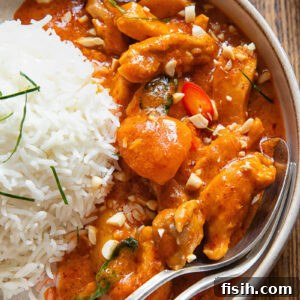
Taste the sauce and add the fish sauce if needed to balance the flavors with a savory, umami note. Serve your Panang Chicken Curry hot with fluffy jasmine rice or coconut rice. Garnish generously with thinly sliced red chilies, fresh Thai basil leaves, and a sprinkle of chopped roasted peanuts just before serving.
Nutrition
Carbohydrates: 16g |
Protein: 17g |
Fat: 30g |
Saturated Fat: 17g |
Polyunsaturated Fat: 4g |
Monounsaturated Fat: 7g |
Trans Fat: 0.1g |
Cholesterol: 82mg |
Sodium: 165mg |
Potassium: 680mg |
Fiber: 2g |
Sugar: 3g |
Vitamin A: 2766IU |
Vitamin C: 19mg |
Calcium: 52mg |
Iron: 4mg
Nutrition information is automatically calculated, so should only be used as an approximation.
Tried this recipe?Let us know how it was!