
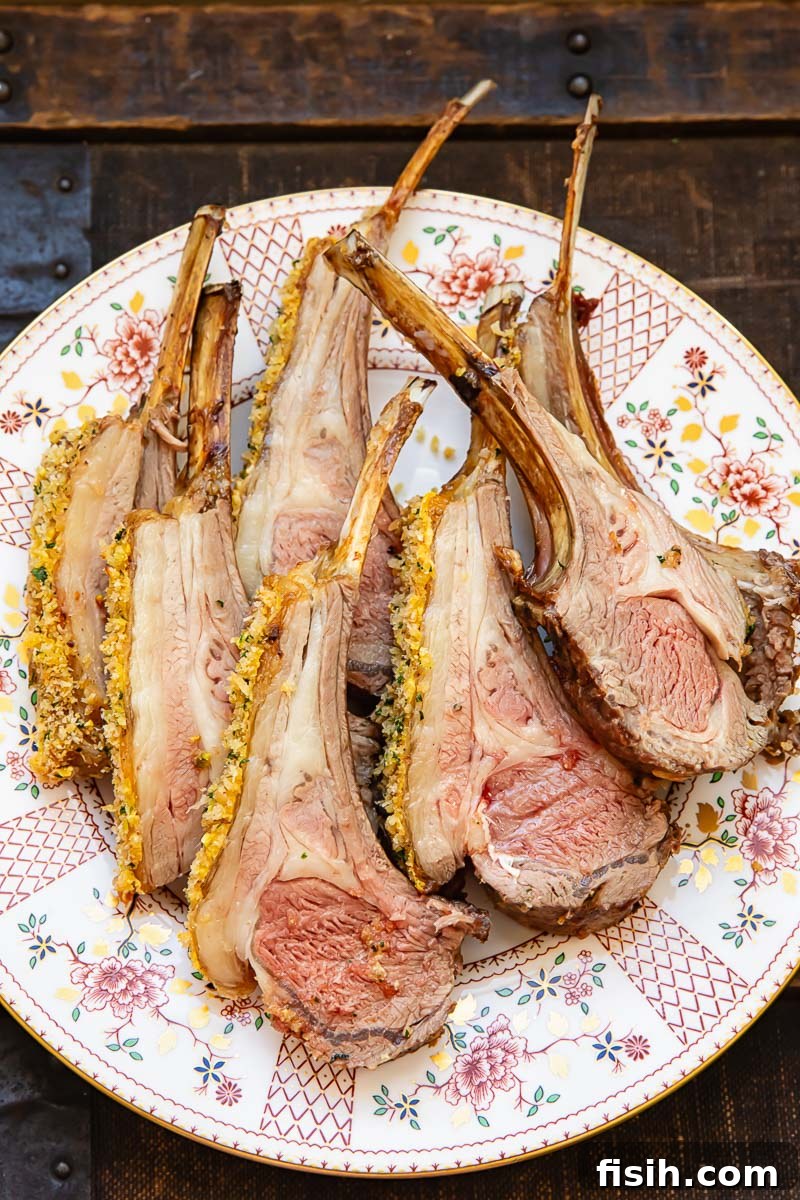
Searching for the ultimate show-stopping dish for your next special gathering? Look no further than this exquisite Rack of Lamb with Pistachio Herb and Garlic Crumb. This recipe promises a heartbreakingly tender roast that serves as a truly jaw-dropping centrepiece, guaranteed to impress every guest at your table. The best part? This sensational seasonal dish requires a mere 35-minutes of active oven time, making it surprisingly achievable for even ambitious home cooks. Prepare to delight your family and friends with minimal fuss and maximum flavour!
This particular rack of lamb recipe is expertly scaled to generously serve 2-4 individuals, positioning it as an ideal choice for a more intimate Sunday lunch, a romantic dinner, or a smaller festive celebration. Should your plans involve a grander Easter gathering or a larger family feast, and you still wish to showcase the unparalleled quality of premium Spring lamb, a whole roast leg of lamb with mint sauce offers a more substantial and equally impressive alternative. A leg of lamb can comfortably feed between 6-8 diners, ensuring everyone gets a taste of spring’s finest meat. Whichever cut you opt for, lamb remains a quintessential culinary highlight of the spring season, celebrated for its unique flavour and tender texture.
Embracing the Flavors of Spring: The Magic of Seasonal Lamb
As winter’s cold embrace finally loosens its grip, the English countryside undergoes a breathtaking transformation, awakening with a symphony of vibrant colours and burgeoning life. Spring has truly arrived, painting the landscape in a myriad of cheerful hues. Bold yellow daffodils proudly emerge from the thawing soil, while cheerful blue tits flit energetically amongst the budding hedges, and delicate white magnolias bloom elegantly in countless gardens. Beyond the visual feast, the pastures come alive as fresh green grass unfurls across the fields like a glorious, verdant carpet, signalling a crucial and productive time for agriculture and, consequently, for the production of exceptional quality meat.
This lush, nutrient-rich grass plays a pivotal role in shaping the exquisite quality of lamb. The months of February and March traditionally mark the culmination of the lambing season across the UK. During this critical period, ewes graze freely and heartily on the abundant, tender new grass, producing rich, nourishing milk that is vital for sustaining their newborn lambs. It is this natural, milk-fed period of growth and development that imbues the lamb with its truly unique characteristics and highly sought-after tenderness and flavour.
Just a few weeks following the lambing season, this extra special “Spring lamb” becomes readily available for consumption. True Spring lamb is distinctively young, incredibly tender, and predominantly milk-fed, boasting a flavour profile and melt-in-your-mouth texture that are unparalleled by any other meat. Its delicate taste and remarkable tenderness make it a truly seasonal treat, eagerly anticipated and available only once a year here in the UK. This limited availability makes it an eagerly anticipated culinary event for discerning food lovers and professional chefs alike.
It’s important for consumers to understand the distinction between different types of lamb, particularly regarding their diet. While UK-produced lamb is typically grass-fed for much of its life, benefiting from the country’s verdant pastures, lamb produced in the United States is primarily grain-fed. This fundamental difference in diet results in varied characteristics. Grass-fed lamb from the UK tends to possess a more pronounced, nuanced flavour, often described as richer and slightly gamey, alongside a leaner profile. In contrast, grain-fed lamb from the US typically offers a milder, somewhat sweeter taste and a slightly fattier texture. Understanding these distinctions can greatly assist you in choosing the lamb that best aligns with your culinary preferences and desired flavour outcome.
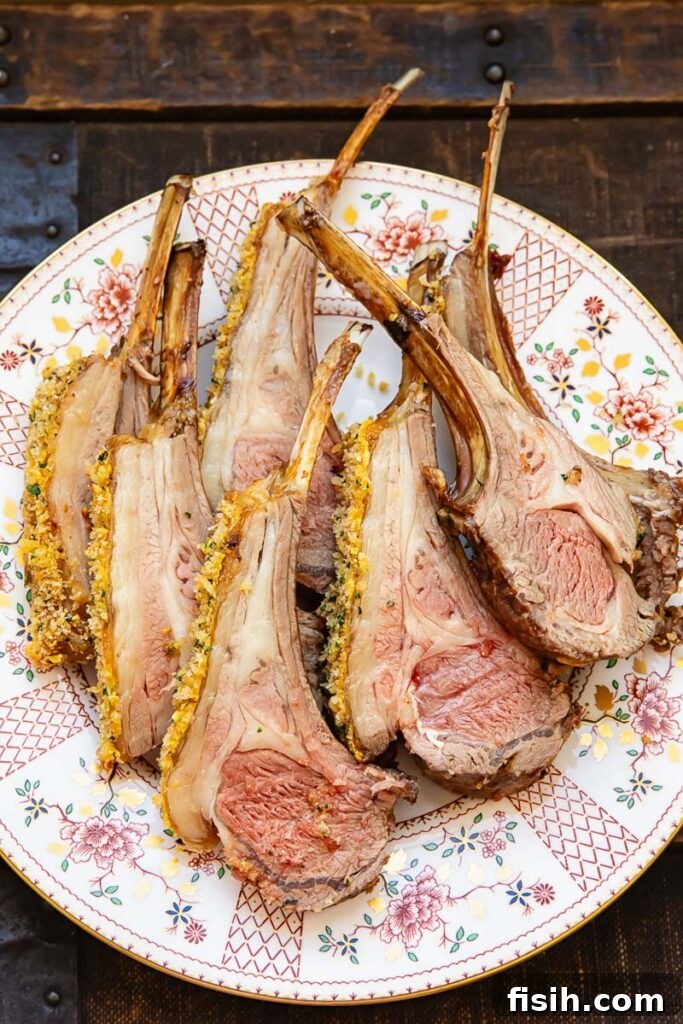
Given that my Welsh neighbours are globally renowned for producing some of the finest lamb worldwide – a true testament to their traditional, sustainable farming methods and the pristine quality of their rolling pastures – I never miss an opportunity to feature this magnificent meat, particularly during the festive period of Easter. This year, as always, I am absolutely thrilled to be serving a truly delicious and dramatic rack of lamb, meticulously paired with an abundant array of the freshest seasonal vegetables I can source. This careful combination aims to create a truly memorable feast that not only tantalizes the taste buds but also beautifully celebrates the very best of spring’s natural bounty.
Crafting the Perfect Herb-Crusted Rack of Lamb: Flavors and Techniques
The distinctive charm of grass-fed lamb lies deeply embedded in its truly unique and complex flavour profile. It tastes, quite simply, grassy, but with an elegance that sets it apart. For those with a keen nose and an appreciative palate, you might even detect subtle pastoral notes that are a direct reflection of its diet and environment: delicate hints of wild heather, the sweet undertones of clover, the slight bitterness of dandelion, and even traces of wild garlic and various aromatic herbs that flourish in its natural pasture. This inherent complexity in the meat itself is precisely why certain classic flavour combinations work so exquisitely to elevate and complement lamb.
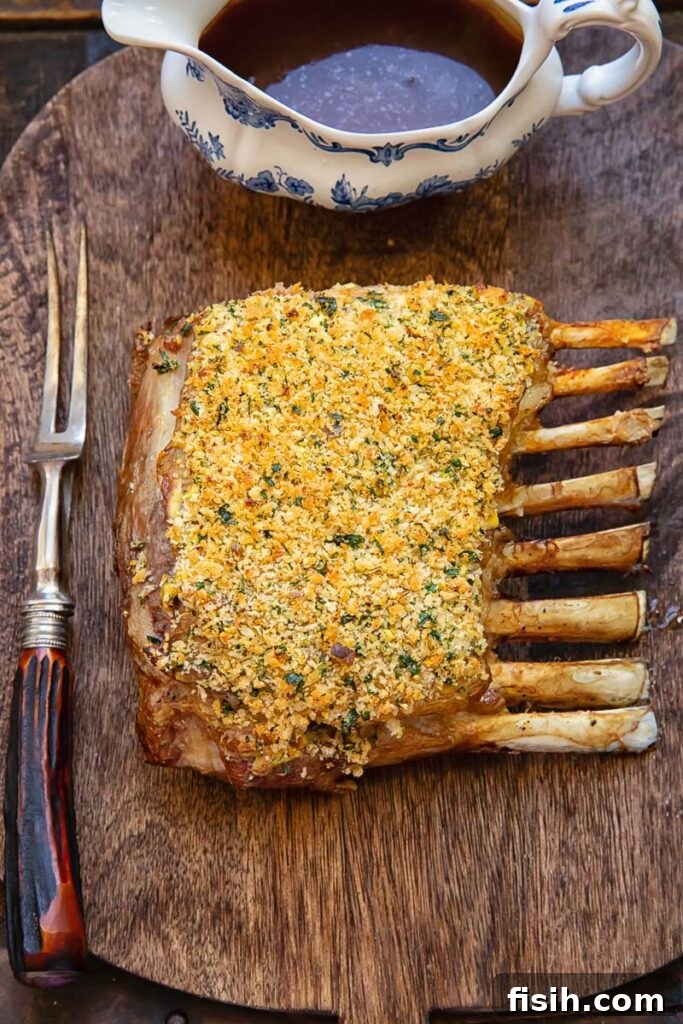
This particular roast lamb recipe is meticulously crafted to perfectly complement the rich, heady, and nuanced character of the meat. It achieves this exquisite balance through the strategic use of robust garlic, which is both inserted into the lamb and incorporated into the crust, infusing the entire dish with a deep, savoury base. The true star of the show, however, is the crunchy, aromatic crumb. This harmonious blend features piney pistachios, which offer a delightful crunch, a subtle sweetness, and a beautiful green hue. Vibrant, fresh parsley contributes a much-needed grassy freshness, cutting through the richness, while rich, milky butter binds all these elements together. This ensures a luxurious mouthfeel and a burst of flavour with every single bite, creating a truly unforgettable textural and taste experience.
The pairing of meat and mustard has long been celebrated as a classic culinary marriage, and in this recipe, mustard serves a dual, indispensable purpose. Beyond its well-loved tangy flavour contribution, it acts as a crucial adhesive, expertly holding the delightful and fragrant crumb mixture firmly to the lamb’s surface. I’ve specifically chosen Dijon mustard for this particular dish. I find its nuanced, less abrasive profile to be superior to the sharper, more pungent English mustard, which could potentially overpower the delicate lamb. Furthermore, while whole grain mustard is delicious in other contexts, its coarse texture would interfere with the desired crispness of the Panko breadcrumbs and finely chopped nut texture in this crust, making smooth Dijon the absolute ideal choice here.
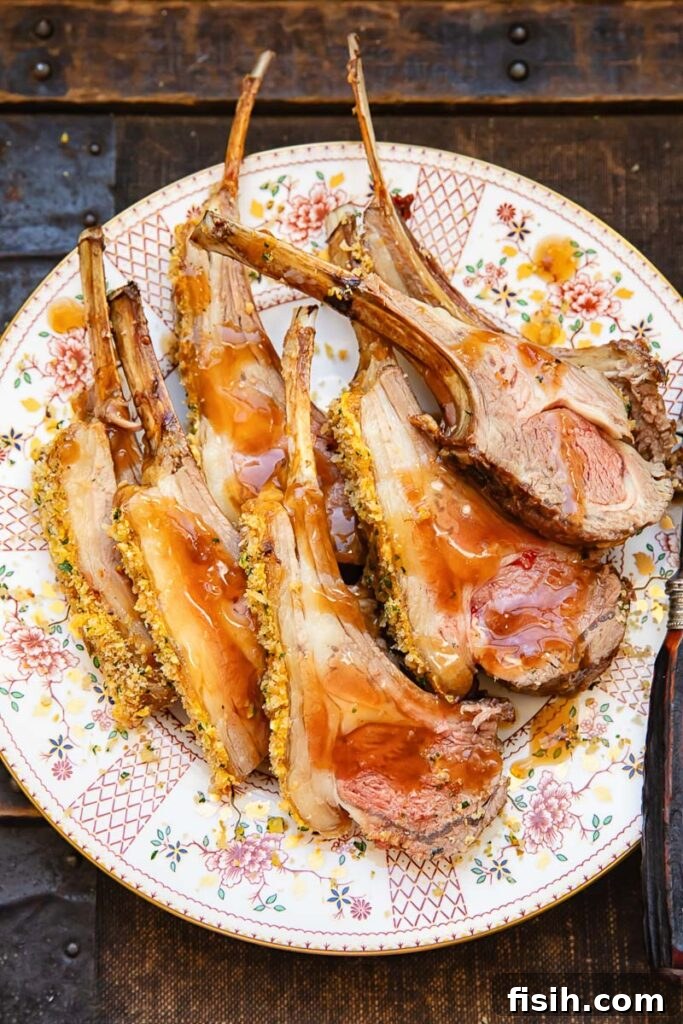
Even though the lamb itself, when cooked correctly, is devastatingly succulent and incredibly tender, a delicate lick of perfectly prepared gravy truly completes the experience and brings all the flavours together. It is absolutely vital, however, not to overpower the precious, delicate flavour of the lamb with a heavy or overly robust gravy. Therefore, my accompanying gravy recipe is intentionally simple, designed to be light yet deeply flavourful, never too thick or heavy. Its purpose is to enhance, not overshadow, ensuring the lamb remains the undisputed, shining star of your plate, allowing its natural goodness to truly sing.
Essential Tips for Roasting Rack of Lamb to Perfection
- Precision with Temperature is Key: Rack of lamb cooks exceptionally hot and fast, making internal temperature monitoring crucial. To achieve the perfect medium-rare (60°C/140°F internal temperature), which ensures maximum tenderness and juiciness, always use a reliable meat thermometer. Insert it into the thickest part of the meat, being careful to avoid touching the bone, for the most precise reading. For a medium roast, aim for 65°C/150°F.
- Ensuring Crust Adhesion: Dijon mustard is indispensable in this recipe not only for its tangy flavour but also for its role as an excellent binder for the herb crust. If you’re not a fan of mustard, a thin, even layer of honey or even a lightly beaten egg white can serve as an effective sticky substitute to ensure your delicious crumb adheres beautifully and evenly to the lamb.
- Crafting a Flavourful Gravy: Never underestimate the impact of a well-made gravy. While the meagre lamb drippings from a rack can contribute some flavour, they are often sparse and sometimes overly fatty for a truly balanced and delicious gravy. For the richest, deepest flavour, always start with a high-quality beef or chicken stock as your base. This will create a robust, savoury sauce that complements, rather than overwhelms, the delicate lamb.
- The Critical Resting Period: Once your rack of lamb is perfectly roasted, it is absolutely crucial to allow it to rest for at least 10-15 minutes before you begin carving. This vital step enables the meat’s internal juices, which have migrated to the centre during cooking, to redistribute throughout the entire cut. This ensures that every single slice is incredibly tender, moist, and succulent. Tent the lamb loosely with foil during this time to keep it wonderfully warm.
- Achieving the Perfect Golden Crust: For that irresistible, beautifully golden, and wonderfully crispy crumb topping, a quick broil (or grill) at the very end of the cooking process is the secret. However, vigilance is key here: keep a very close eye on the lamb under the broiler, as the delicate crumbs can transition from perfectly golden to unfortunately burnt in a matter of mere seconds.
Perfect Pairings: What to Serve with Your Herb-Crusted Lamb
This stunningly seasonal herb-crusted rack of lamb deserves to be complemented by an equally thoughtful and vibrant selection of seasonal side dishes. To truly round off the meal, a delightful dessert is also highly recommended. My Easter Sunday table, meticulously designed to celebrate the natural bounty and fresh flavours of spring, typically features a colourful and harmonious array of accompaniments, very much like this:
- Buttery New Potatoes with Spring Onions: Simple yet utterly sublime, freshly boiled new potatoes, tossed generously with melted butter and garnished with fresh, finely sliced spring onions, offer a delicate, earthy flavour and a wonderfully creamy texture. This classic side perfectly complements the richness of the lamb, and the crisp freshness of the spring onions beautifully echoes the arrival of spring.
- Savoy Cabbage Gratin or Miso Butter Roasted Cabbage Steaks: For a hearty and flavourful green vegetable side, you have two excellent choices. Opt for a comforting Savoy cabbage gratin, which is rich and creamy with a deliciously cheesy topping, providing a wonderful textural contrast. Alternatively, for a more modern and intensely flavourful twist, consider miso butter roasted cabbage wedges. The latter delivers a fantastic umami depth and a tender-crisp texture that stands up beautifully to the robust flavours of the lamb.
- Roasted Asparagus and Radishes with Mustard Vinaigrette: Celebrate spring’s finest produce with brilliantly colourful and vibrant roasted asparagus and radishes. The tender-crisp texture of the asparagus combined with the delightful peppery bite of the radishes, all brightened by a zesty mustard vinaigrette, offers a refreshing and lively contrast to the richness of the lamb, both in flavour and visual appeal.
- Maple Glazed Young Carrots or Purple Sprouting Broccoli with Lemon and Garlic: Sweet, tender, and naturally vibrant maple glazed young carrots add a touch of natural sweetness and a beautiful splash of orange to your plate. As an alternative, or in addition, consider purple sprouting broccoli with lemon and garlic. This option provides a slightly nutty flavour and a pleasant, firm bite, bringing a fresh, verdant, and zesty element to the entire meal.
- Classic Rhubarb Crumble: To conclude the meal on a perfectly sweet and tart note, a classic, comforting, and generously custard-drenched rhubarb crumble is an unbeatable choice. Its comforting warmth and tangy rhubarb filling beautifully cleanse the palate after a rich lamb dinner, providing a nostalgic and utterly satisfying end to your spring feast.
Storage and Creative Leftover Ideas for Lamb
A rack of lamb, typically featuring eight individual chops, is often considered a perfectly sized roast for a family of four, conveniently yielding two succulent chops per person. In most cases, this dish is so incredibly delicious and satisfying that leftovers are a truly rare occurrence! However, it is important to note that due to its delicate and inherently tender nature, this particular cut of meat does not fare exceptionally well when stored cold for extended periods. The meat tends to dry out and toughen, sadly diminishing its exquisite qualities and original tenderness if simply reheated.
That being said, should you find yourself with an unexpected chop or two leftover, you can certainly store the remaining roast lamb. To best preserve its quality and make future use easier, it’s advisable to remove the meat from the bones first – this not only saves valuable refrigerator space but also allows for more versatile re-use. Place the lamb slices in an airtight container and refrigerate promptly, where it will safely keep for 3-4 days. While it may not retain the exact pristine tenderness of freshly roasted lamb, it remains perfectly edible and flavourful for various creative culinary adventures.
The best and most delicious way to repurpose leftover lamb is by incorporating it into dishes where it can be gently reheated or served cold, allowing its rich flavour to meld beautifully with other ingredients without the risk of overcooking or drying out further. Consider these delightful and resourceful options:
- Hearty and Warming Soups: Finely slice or shred the cold lamb and gently stir it into a comforting lamb and barley soup, or a rich, flavourful vegetable soup. Add the lamb during the final minutes of cooking to simply warm it through, preserving its texture.
- Comforting and Robust Stews: Add cubed pieces of leftover lamb to a simmering stew. The moist, slow-cooking environment of a stew will help prevent any further drying and allow the lamb to absorb the rich, aromatic flavours of the sauce, becoming incredibly tender once more.
- Fragrant and Exotic Curries: Transform your leftovers into a mildly spiced, aromatic lamb curry. Slice the cold meat and add it towards the end of the cooking process, allowing it to heat through gently without losing its succulence, creating a quick, flavourful, and satisfying meal.
- Gourmet Sandwiches or Wraps: Thinly slice the cold lamb and layer it with fresh greens, a dollop of homemade mint sauce, and perhaps some crumbled feta cheese or a tangy relish in a sandwich, baguette, or wrap for a quick, delicious, and satisfying lunch.
- Warm and Wholesome Salads: Combine tender slices of lamb with roasted seasonal vegetables, a hearty grain like couscous or quinoa, and a light, zesty vinaigrette for a delicious and nutritious warm salad, perfect for a lighter dinner.
By thoughtfully integrating your leftover lamb into these varied and delicious dishes, you can ensure that absolutely none of this precious and flavourful meat goes to waste, extending its enjoyment well beyond the initial celebratory feast.
More Savoury Roast & Slow Cooker Recipes to Try
- Slow Cooked Mississippi Pot Roast
- Slow Cooker Lamb in Red Wine Sauce
- Pulled Lamb Birria Tacos (Slow Cooker Recipe)
- Spatchcock Roast Chicken in Breadcrumbs and Potatoes
Rack of Lamb with Pistachio Herb and Garlic Crumb Recipe
By Julia Frey of Vikalinka
Prep time: 10 mins
Cook time: 40 mins
Total time: 50 mins
Servings: 4 people
Ingredients
For the Lamb
- 1 rack of lamb (approx. 1kg / 2 lbs), fresh trimmed
- 1 large garlic clove, thinly sliced
- Salt and freshly ground black pepper, to taste
For the Crumb
- 1 tbsp unsalted butter
- 30g / 1/3 cup Panko breadcrumbs
- 1 clove garlic, minced
- A pinch of salt
- 2 tbsp fresh parsley, chopped finely
- 2 tbsp pistachios, chopped finely
- 1 tbsp Dijon mustard
For the Gravy
- 125ml / 1/2 cup dry white wine or rosé wine
- 250ml / 1 cup good quality beef stock or chicken stock
- 1 tbsp cornstarch (also known as cornflour)
- 1/2 tbsp cold water (for mixing with cornstarch to make a slurry)
Instructions
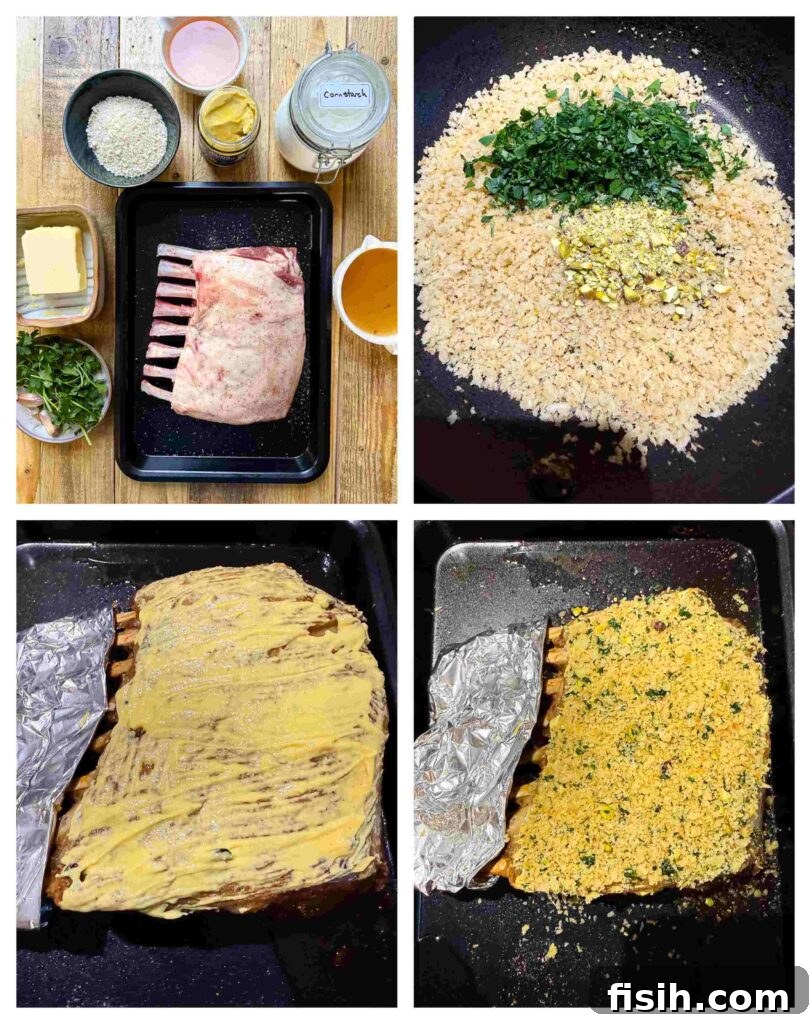
- Prepare and Roast the Lamb: Begin by preheating your oven to 230°C (450°F). Take the trimmed rack of lamb and, using the tip of a sharp knife, make small, shallow slits all over the meaty part. Insert the thin slices of garlic into these slits, distributing them evenly. Season the entire lamb rack generously with salt and freshly ground black pepper. Place the lamb on a roasting pan, ensuring the ribs are facing downwards. Cover the exposed rib bones with aluminum foil to prevent them from burning during roasting. Roast the lamb in the preheated oven for 25-30 minutes, or until an internal meat thermometer, when inserted into the thickest part of the meat (avoiding the bone), registers 60°C (140°F) for a perfect medium-rare. Once cooked to your desired doneness, carefully remove the lamb to a clean cutting board and allow it to rest while you prepare the herb crust and gravy.
- Prepare the Pistachio Herb Crumb: While the lamb is in the oven, prepare the delightful crumb. Melt the butter in a small frying pan over medium heat. Add the minced garlic and Panko breadcrumbs to the pan. Toast the mixture, stirring constantly and diligently, until the breadcrumbs turn a beautiful golden brown and become fragrant. Immediately remove the pan from the heat to prevent burning. Season the crumb mixture with a pinch of salt, then stir in the fresh, finely chopped parsley and the finely chopped pistachios until thoroughly combined. Set this aromatic crumb aside.
- Crust and Broil for Perfection: Change your oven setting to broil (or grill, depending on your oven model). Evenly brush 1 tablespoon of Dijon mustard over the fatty, meaty side of the rested lamb rack. Carefully and firmly press the prepared pistachio herb crumb mixture onto the mustard-coated surface, ensuring it adheres well to create an even crust. Return the lamb to the oven, placing it under the broiler for just 1-2 minutes. This step requires close attention: watch carefully, as the crumbs can go from perfectly golden to unfortunately burnt in a matter of seconds. Once the crumb is beautifully golden brown and crispy, immediately remove the lamb from the oven and let it rest for a further 15 minutes. This second resting period is absolutely crucial for ensuring the lamb remains incredibly juicy and tender.
- Prepare the Gravy Base: While the lamb is resting, you can quickly prepare the simple yet flavourful gravy. If there are any significant lamb drippings at the bottom of the roasting pan, carefully transfer them to a small saucepan, making sure to discard any excess fat. If your roasting pan yielded minimal drippings or mostly fat, you can simply skip transferring the drippings and proceed directly to the next step using just stock as your base.
- Finish the Gravy: To the saucepan (whether it contains drippings or is empty), add the white wine. Bring the wine to a steady simmer and let it reduce in volume by half. This process concentrates the wine’s flavour and allows any alcohol to cook off. Then, pour in the good quality beef or chicken stock and let it simmer gently over medium heat for a few minutes to warm through. In a small separate bowl, whisk together the cornstarch with the cold water to create a smooth, lump-free slurry. Gradually whisk this cornstarch slurry into the simmering gravy. Continue to simmer, stirring constantly with a whisk, until the gravy thickens to your desired consistency – typically a light, flowing sauce. You should aim for approximately 250 ml (1 cup) of finished gravy.
- Carve and Serve: To carve the magnificent rack of lamb, use a very sharp knife to slice precisely between the bones, creating individual, perfectly portioned chops. Serve the hot lamb chops immediately with the warm, luscious gravy and your chosen array of vibrant, seasonal side dishes. Enjoy this truly exquisite spring feast!
Nutrition Information
Nutrition information is automatically calculated, based on approximate ingredient values, and should therefore only be used as an approximation per serving:
- Calories: 585 kcal
- Carbohydrates: 11g
- Protein: 21g
- Fat: 48g
- Saturated Fat: 21g
- Polyunsaturated Fat: 4g
- Monounsaturated Fat: 19g
- Trans Fat: 0.1g
- Cholesterol: 102mg
- Sodium: 317mg
- Potassium: 452mg
- Fiber: 1g
- Sugar: 1g
- Vitamin A: 274 IU
- Vitamin C: 3mg
- Calcium: 53mg
- Iron: 3mg
Tried this recipe?Let us know how it was!