
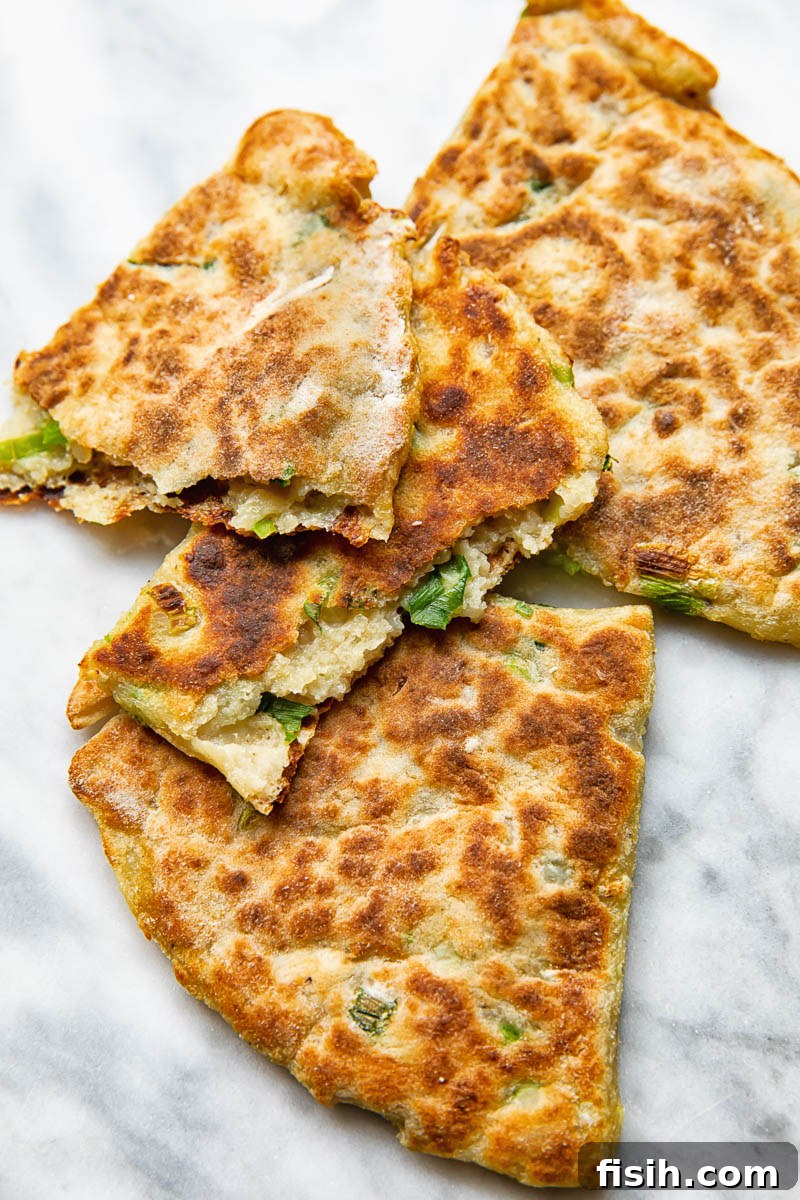
Are you searching for a unique, comforting, and incredibly versatile dish that transcends traditional categories? Look no further than Irish Potato Farls. These delightful griddle breads sit somewhere between a savory pancake, a fluffy potato cake, and a hearty slice of bread. They are the ultimate budget-friendly comfort food, adaptable for any meal and any time of day. Crafted from simple mashed potato and flour, these satisfyingly dense yet surprisingly light quarters are a true taste of Irish heritage, ready to grace your breakfast plate, complement your dinner, or become a butter-drenched snack. This March, celebrate St. Patrick and the rich culinary traditions of Ireland by serving these beloved farls.
While you’re exploring Irish culinary delights, you might also enjoy the rustic charm of Honey Buckwheat Soda Bread, often also served in farl form. It’s one of the quickest bread recipes to prepare, often ready in under an hour, and can be easily adapted to be gluten-free, offering another fantastic option for your Irish-inspired feast.
Discover the Charm of Irish Potato Farls: A Culinary Journey
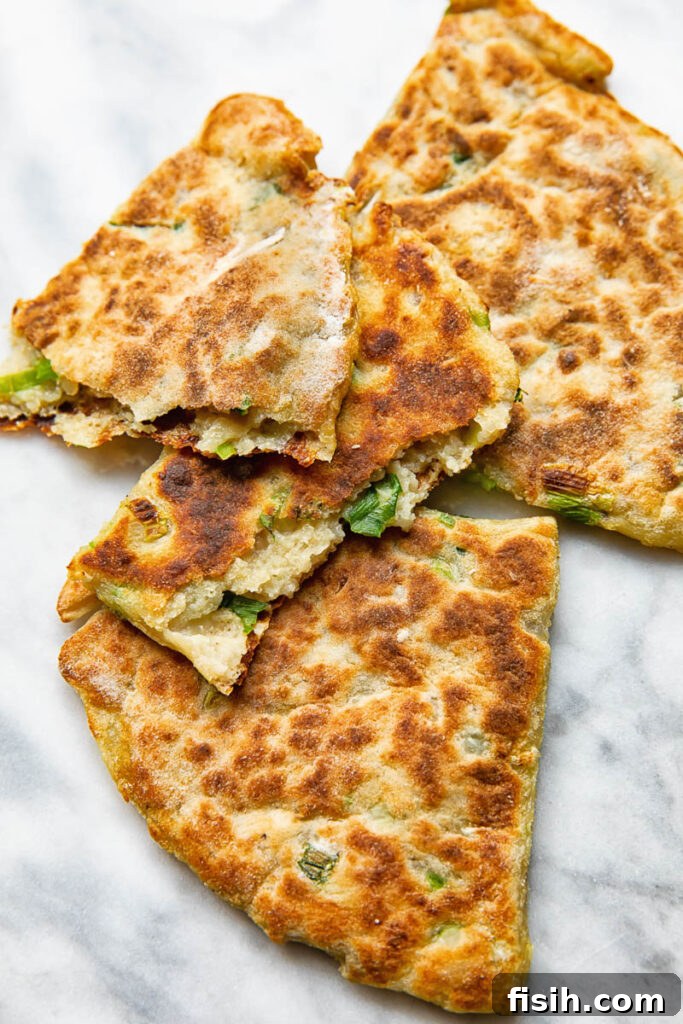
For those of us with a keen interest in language and culture, encountering an unfamiliar word often sparks curiosity. When I first stumbled upon the term ‘potato farls,’ my immediate thought was: what does ‘farl’ actually mean? It turns out, the answer takes us right to the heart of its traditional preparation: ‘farl’ literally means ‘four parts’ in Gaelic. This simple etymology perfectly describes the distinctive appearance of this Irish staple.
A potato farl, much like its cousin the soda farl, is characterized by a deep cross cut into the round of dough before cooking, dividing it into four clear quarters. This practice is steeped in tradition and folklore, with beliefs ranging from allowing the fairies to escape to blessing the loaf. Practically, this iconic cross makes the farl incredibly easy to pull apart and share, embodying the communal spirit of Irish hospitality.
Known by various names across Ireland – potato cakes, potato bread, or simply farls – this thrifty delight is a testament to resourceful home cooking. At its core, it’s a simple flatbread made from mashed potatoes, flour, a touch of baking soda, baking powder, and seasoning. Potato farls offer a quick and satisfying solution for using up leftover mashed potatoes, transforming them into a delicious new meal. They also provide a speedy and less labor-intensive alternative to baking traditional yeast bread, making them a household favorite for generations.
While this recipe brilliantly utilizes leftover mashed potato, I often find myself making a fresh batch of perfectly fluffy mash specifically for these farls. Starting with freshly prepared, well-seasoned mashed potatoes ensures the lightest, most tender texture, resulting in flatbreads that are truly exceptional. The subtle potato flavor shines through, creating a comforting and versatile base for countless meal possibilities.
Expert Recipe Tips for Perfect Potato Farls
- Choose the Right Potatoes: For the best results, always opt for floury (starchy) potatoes like King Edward, Russet, or Maris Piper. These varieties break down easily when mashed, creating a light and fluffy base essential for tender farls. Waxy potatoes, on the other hand, can lead to a gummy texture.
- Season Your Mash Generously: The flavor of your farls heavily depends on how well you season the mashed potatoes. Don’t be shy with salt, freshly ground black pepper, and a generous knob of butter. This initial seasoning is crucial for a rich and delicious final product.
- Consider Adding Green Onions: To my palate, potato cakes can sometimes benefit from an extra layer of flavor. The addition of finely sliced green (spring) onions provides a welcome tangy kick and a hint of freshness. While this isn’t strictly traditional for everyone, it’s a delightful enhancement. Feel free to omit them if you prefer a classic taste or if some diners might object to a slight twist on tradition.
- Mastering the Dough: The potato farl dough is naturally soft and can be quite sticky due to the high potato content. To prevent it from adhering to your work surface and rolling pin, use plenty of flour for dusting. Lightly flour both your surface and your rolling pin before you begin, and re-flour as needed. This will ensure smooth rolling and easy handling.
- Dry Frying for Authenticity: Potato farls are traditionally cooked by dry frying in a pan without oil. This method gives them their characteristic light browning and prevents them from becoming greasy. Use a good quality non-stick frying pan, dusted with a little flour, to achieve the perfect golden patches.
- The Secret to Puffiness: For beautifully puffed-up farls, cover the pan with a lid (or even a plate if you don’t have one) for the initial 2 minutes of cooking on the first side. The trapped steam helps the farls to expand and become wonderfully light and airy inside.
Versatile Ways to Enjoy Your Irish Potato Farls
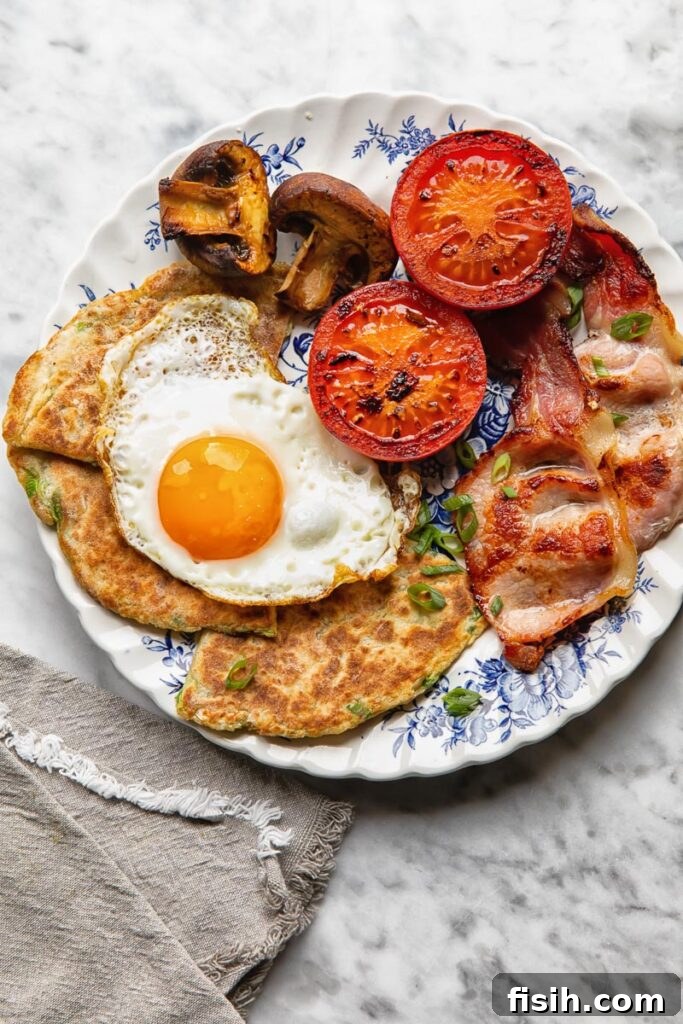
While potato farls are a traditional cornerstone of a full Irish breakfast or an Ulster fry (a hearty Northern Irish breakfast), their incredible flavor and versatility mean they shouldn’t be restricted to just one meal. Once you taste these delicious potato flatbreads, you’ll want to pair them with everything!
Beyond the traditional fry-up, farls are a perfect companion for virtually any egg-based breakfast or brunch. Imagine them alongside a light and fluffy French omelette, soaking up the rich flavors of a spicy shakshuka, or nestled next to a savory portion of my Spanish-inspired breakfast casserole with sausage, chorizo, and eggs. For a lighter option, they’re simply divine with a perfectly poached egg, fresh tomatoes, and wilted spinach. If you’re aiming for poached egg perfection, consult my eggs benedict recipe for handy tips.
But the deliciousness of potato farls extends far beyond the breakfast table. They make for an irresistibly tasty hot snack when simply slathered with butter, perhaps a sprinkle of chives, or even a dollop of jam for a sweet-and-savory twist. For main meals, their comforting texture and earthy flavor make them an ideal accompaniment to hearty dishes. They go exceptionally well with warming soups like Curried Roasted Parsnip Soup and robust stews. Naturally, they are a must-have with Irish beef stew, but they also complement an easy chicken stew or any rich, slow-cooked meal beautifully. Their ability to absorb flavors makes them a fantastic alternative to traditional bread or mashed potatoes.
Whether you’re hosting a festive St. Patrick’s Day celebration, preparing a comforting family meal, or simply looking for a delightful snack, Irish potato farls are a guaranteed crowd-pleaser that brings a piece of Ireland to your table.
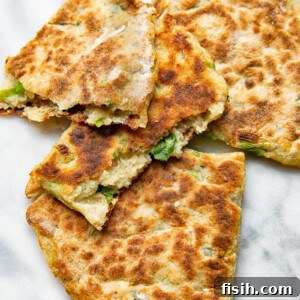
Storage and Reheating Tips for Potato Farls
One of the many advantages of Irish potato farls is how well they store, allowing you to enjoy their comforting taste even days after preparation. Freshly made farls will keep beautifully in an airtight container in the refrigerator for up to 3 days. When you’re ready to enjoy them again, there are several easy reheating methods. You can pan-fry them on the stovetop, either without additional butter for a crisper exterior or with a knob of butter for extra richness. Alternatively, and perhaps most conveniently, since they are a flatbread, you can simply pop them into a toaster for a quick and satisfying reheat, achieving a lovely crispness.
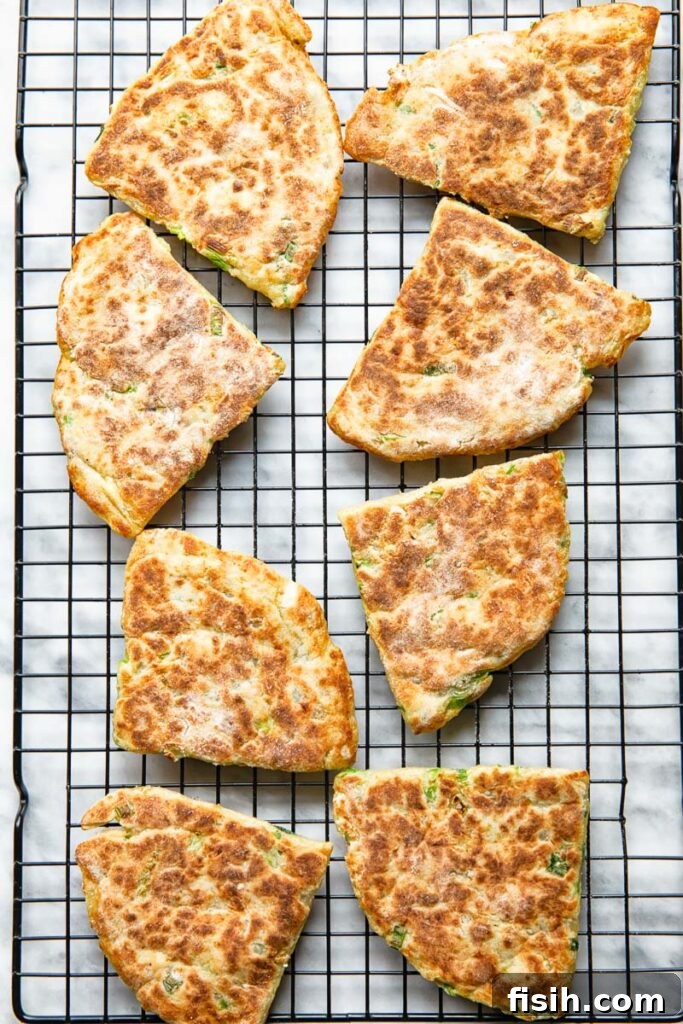
If you find yourself with an abundance of farls, don’t worry about them going to waste – they freeze exceptionally well! The slender breads can be neatly stacked, separated by squares of parchment paper to prevent sticking, and then frozen in an airtight bag or container for up to 3 months. The best part? There’s absolutely no need to defrost them before reheating. When you’re ready for a quick meal or snack, simply take them straight from the freezer and either pan-fry until golden and heated through or toast them directly from frozen. This makes them an excellent make-ahead option for busy mornings or spontaneous cravings.
Other Delicious Side Dishes to Try
- Lemon Butter Green Beans
- Irish Mashed Potatoes (Champ Recipe)
- Jacket Potato with Spicy Baked Beans and Chimichurri Sauce
- Honey Garlic Roasted Parsnips
Irish Potato Farls
Julia Frey of Vikalinka
10 mins
25 mins
35 mins
4 people
Equipment
-
Large pot
-
Potato masher
-
Non-stick frying pan
Ingredients
- 250g / 1 medium floury (starchy) potato, such as King Edward or Russet
- 25g / 1 tbsp butter
- 75g / 1/2 cup + 1 tbsp all purpose / plain flour, plus extra for rolling out
- 1 tsp baking powder
- 1 tsp baking soda
- 2 / 1/4 cup sliced green onions
- Salt and black pepper to taste
Instructions
-
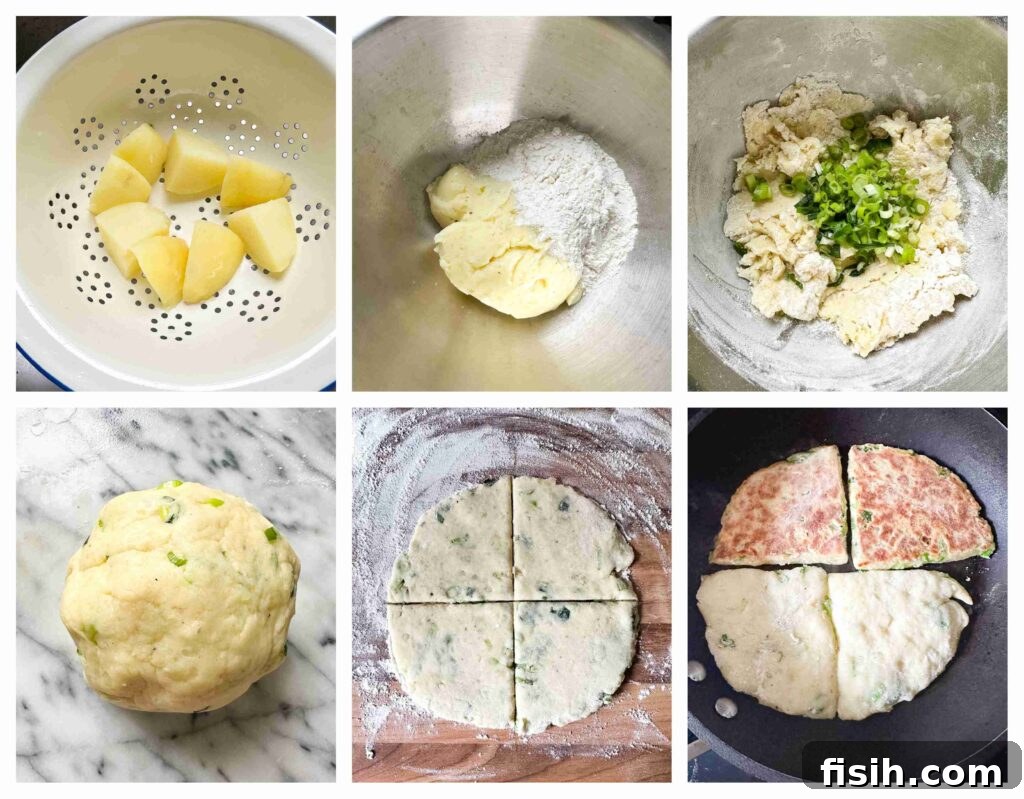
Peel and cut the potatoes into quarters, then boil them in salted water until very tender. Drain and steam dry for a couple of minutes, then mash with a potato masher, mix in butter and a pinch of salt and pepper to taste and cool to room temperature.
-
To the bowl with mashed potatoes add the flour, baking powder and baking soda and sliced green onions, mix to form a dough. It should come away from the sides of the bowl. Loosen with a bit of milk if too dry or add a tablespoon of flour if too wet. Divide the dough in half and shape into balls.
-
On a floured surface roll out one ball of the dough into a disk about 1 inch thick and cut into quarters.
-
Fry on a hot and dry pan for 4 minutes on one side or until you see golden patches, cover with a lid for a couple of minutes for the farls to puff up, flip and cook for 3 minutes longer. Repeat with the remaining dough.
Nutrition
Calories: 165kcal
|
Carbohydrates: 27g
|
Protein: 3g
|
Fat: 5g
|
Saturated Fat: 3g
|
Polyunsaturated Fat: 0.3g
|
Monounsaturated Fat: 1g
|
Trans Fat: 0.2g
|
Cholesterol: 13mg
|
Sodium: 319mg
|
Potassium: 400mg
|
Fiber: 1g
|
Sugar: 1g
|
Vitamin A: 217IU
|
Vitamin C: 5mg
|
Calcium: 60mg
|
Iron: 2mg
Nutrition information is automatically calculated, so should only be used as an approximation.
Tried this recipe?Let us know how it was!