
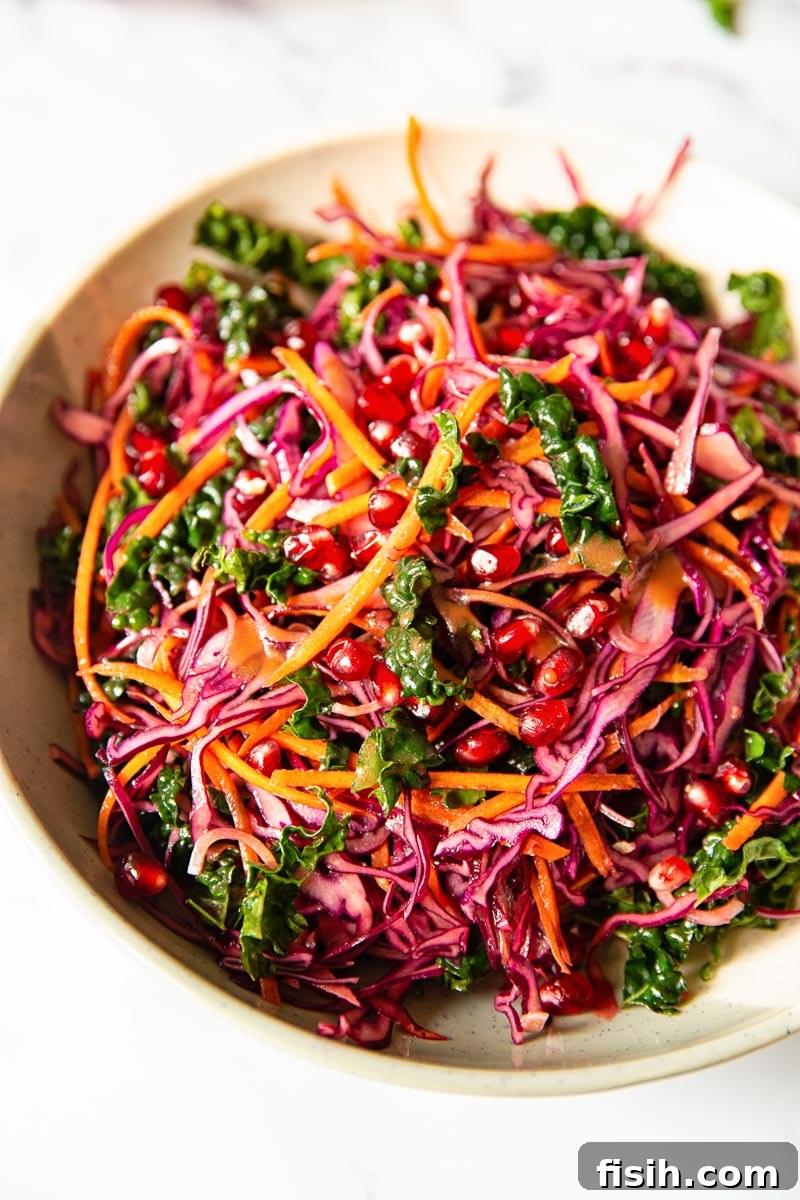
Embrace the colder months with a vibrant and wholesome winter salad that defies expectations. Our Red Cabbage, Kale, and Pomegranate Winter Salad, adorned with a zesty vinaigrette, is a celebration of seasonal produce designed to invigorate your palate and nourish your body. Far from the delicate greens of summer, this robust salad offers a delightful crunch, a burst of fresh flavors, and the incredible advantage of staying crisp and delicious in your refrigerator for up to three days. It’s the perfect make-ahead solution for busy weeknights, festive gatherings, or a healthy lunch option.
Wondering what to pair with this exquisite salad? Its refreshing crispness makes it an ideal accompaniment to heartier main courses. Consider serving it alongside our succulent Glazed Ham, which offers a delightful contrast of sweet and savory, or a perfectly roasted main like our Rosemary and Thyme Infused Roast Chicken. The bright acidity of the vinaigrette beautifully cuts through the richness of roasted meats, creating a balanced and memorable meal.
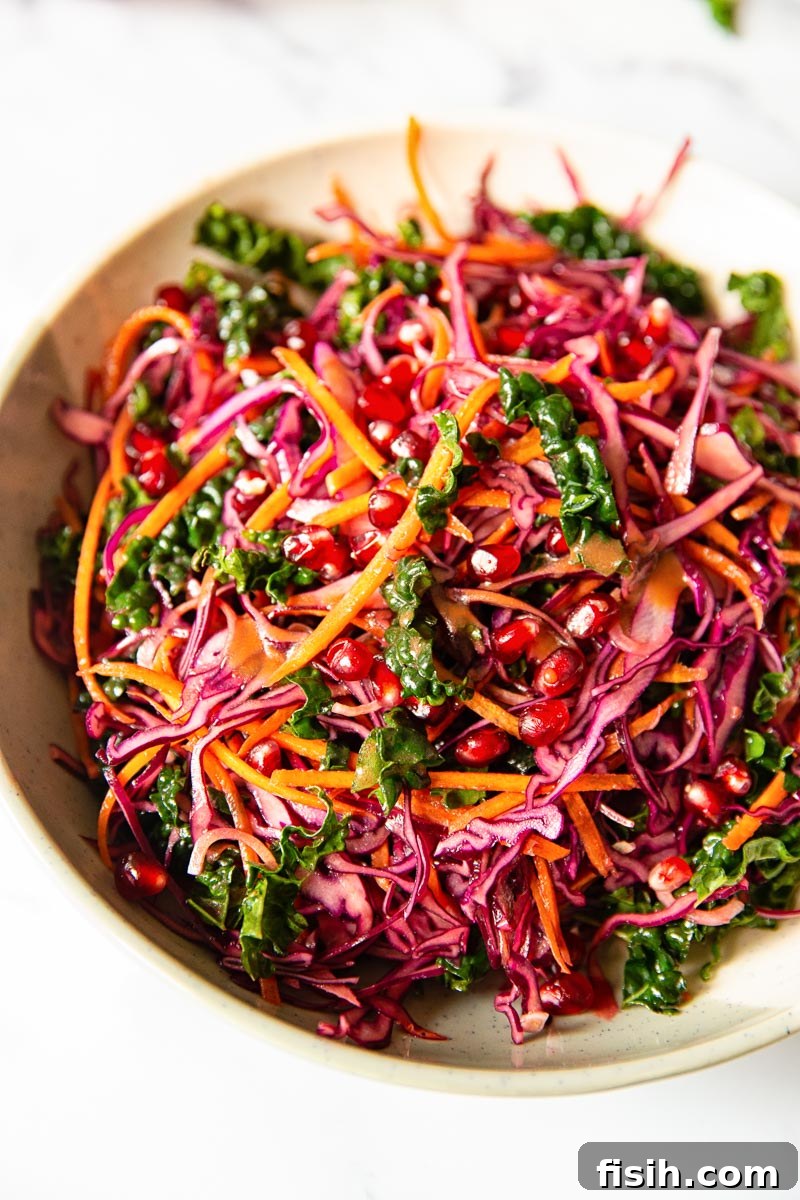
In a mere span of ten days, this particular red cabbage salad has graced my table no less than three times. What began as an experimental side for a weekend roast quickly transformed into a household staple, captivating everyone with its irresistible charm. And the reason for its repeated appearances, culminating in this very recipe I’m sharing with you, is beautifully simple: it’s truly addictive. I simply couldn’t get enough of its satisfying crunch and invigorating zest.
But the true victory, the one that cemented its place in our family’s meal rotation, was the enthusiastic reception from my children. Yes, you read that right—my kids, typically discerning when it comes to vegetables, were actively asking for this salad. For any parent navigating the choppy waters of picky eaters, that’s more than just a win; it’s a culinary triumph of epic proportions!
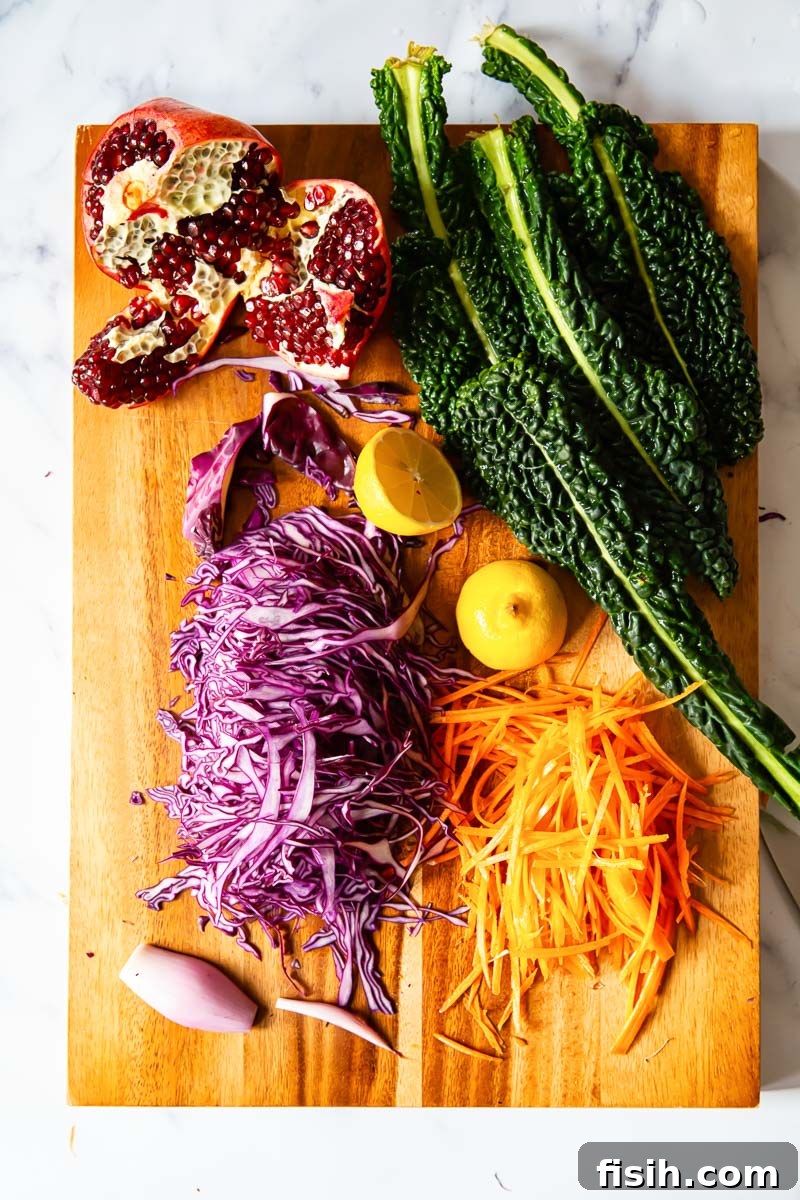
The Heart of the Salad: Seasonal Ingredients
As the crisp air of winter settles in, our culinary cravings naturally shift. The desire for warm, comforting dishes like hearty soups, rich stews, and slow-cooked braises often takes center stage, providing that much-needed sense of warmth and coziness. Salads, traditionally associated with lighter, warmer seasons, can sometimes feel out of place in this winter landscape. However, our bodies continue to require essential nutrients year-round, and the idea that all salads lose their appeal in winter simply isn’t true.
This is where the concept of a “winter salad” truly shines, proving that fresh, vibrant dishes are not just for summer. My simple yet sophisticated winter salad is crafted exclusively with ingredients that are at their peak during the colder months. It’s a delightful blend that offers a fresh, lively, and utterly delicious flavor profile, perfectly suited to combat the winter blues and provide your body with the goodness it needs. Let’s dive deeper into the stars of this seasonal show:
- Red Cabbage (or White Cabbage): The Crunchy Foundation. Ditching traditional lettuce, red cabbage forms the hearty, crunchy base of this salad. Its robust texture holds up beautifully, preventing any wilting, which is a major bonus for meal prep. Red cabbage is also a nutritional powerhouse, packed with Vitamin C, Vitamin K, and antioxidants that contribute to overall well-being. Its vibrant color adds visual appeal, but white cabbage works just as well if you prefer a milder flavor or have it on hand.
- Carrots: Sweetness and Color. Grated carrots introduce a touch of natural sweetness and a brilliant orange hue that contrasts wonderfully with the deep purple of the cabbage. Beyond their sweetness, carrots are an excellent source of beta-carotene, which the body converts to Vitamin A, crucial for vision and immune function.
- Kale: A Nutritional Powerhouse. Kale is celebrated for its incredible nutrient density, offering a generous dose of vitamins A, C, and K, as well as minerals like calcium and potassium. While some find kale a bit tough, proper preparation, which we’ll discuss, transforms it into a tender, integrated component of the salad.
- Shallots: Mild Aromatic Zing. A small amount of thinly sliced shallot introduces a subtle, sweet oniony flavor without being overpowering. It adds a delicate aromatic layer that enhances the overall taste complexity. For a slightly bolder kick, a quarter of a red onion can be a good substitute.
- Pomegranate Seeds: Jewel-Toned Bursts of Flavor. These ruby-red jewels are more than just aesthetically pleasing. Pomegranate seeds offer a delightful tart-sweet crunch and a juicy burst of flavor with every bite. They are also rich in antioxidants and fiber, making them a fantastic addition both for taste and health benefits.
Each ingredient plays a vital role, not only contributing to the salad’s incredible flavor and texture but also ensuring it’s brimming with essential vitamins and minerals to keep you feeling energized throughout the colder months.
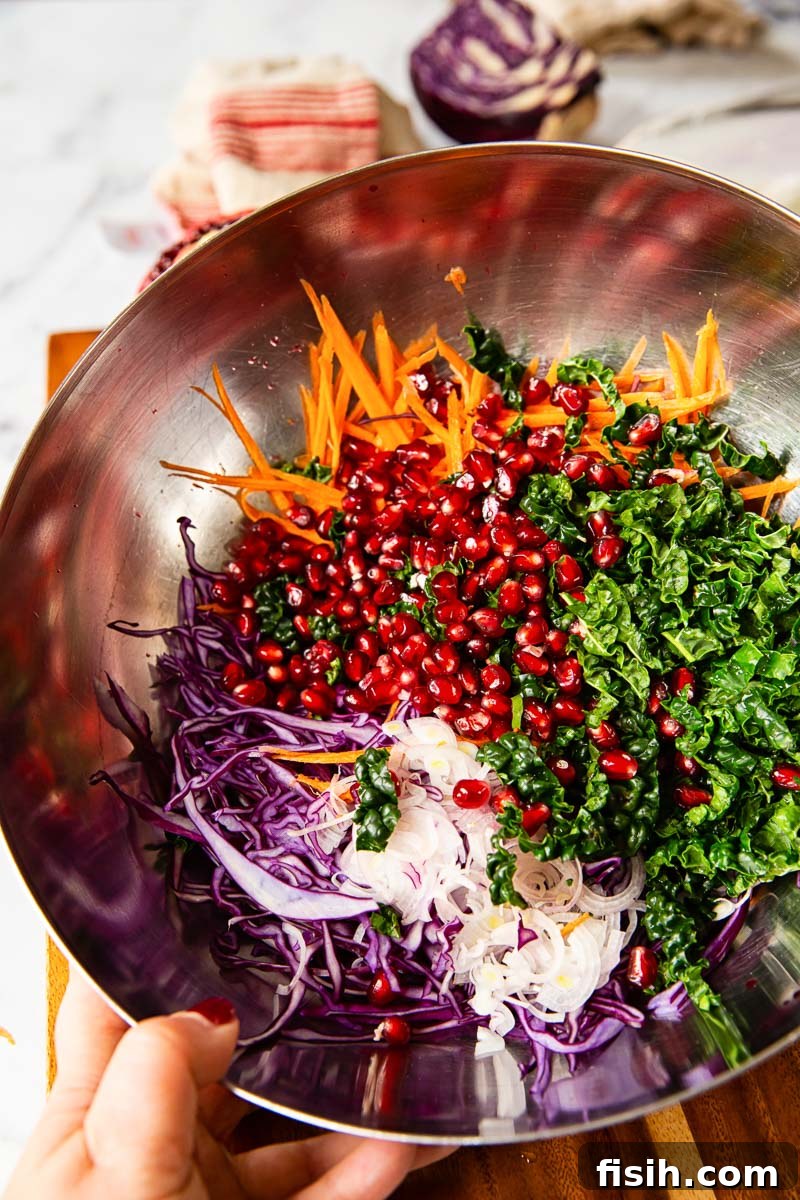
Crafting Your Perfect Winter Salad: Step-by-Step
Creating this delicious and resilient winter salad is surprisingly simple, yet a few key techniques can elevate it from good to truly exceptional. The foundation of this salad’s appeal lies in its texture, which is heavily influenced by how you prepare the vegetables.
- The Art of Thin Slicing: This is arguably the most crucial step for a superior winter cabbage salad. Whether you opt for red or white cabbage, slicing it as thinly as possible dramatically improves the texture, making it more tender and enjoyable to eat. A mandoline slicer is an invaluable tool here, yielding uniform, paper-thin shreds effortlessly. If you don’t have one, a sharp chef’s knife and a steady hand can also achieve great results. Thin slices ensure that the dressing coats every piece evenly and prevents the salad from feeling too dense or unwieldy.
- Preparing the Carrots and Shallots: Grate the carrot using the larger holes of a box grater for nice, delicate strands that meld seamlessly with the cabbage. For the shallot (or red onion), slice it paper-thin. This reduces its pungency and allows its sweet, subtle flavor to complement rather than overpower the other ingredients.
- Taming the Kale: Kale, while incredibly nutritious, can sometimes be a bit tough. To ensure a pleasant eating experience, first remove and discard the tough central rib from each kale leaf. You can do this by folding the leaf in half along the rib and tearing or slicing it away. Then, thinly slice the kale leaves into ribbons. Here’s a pro tip: before adding the sliced kale to your salad bowl, take handfuls and gently “massage” or scrunch them in your hands for a minute or two. This simple action breaks down the fibrous cell walls, softening the kale and making it more palatable and easier to digest, without losing its nutritional value.
- Extracting Pomegranate Jewels: Carefully cut open the pomegranate. While there are several methods, one easy way is to slice it in half horizontally, then hold each half cut-side down over a bowl and tap the back with a wooden spoon. The seeds should pop out relatively easily. Alternatively, submerge the pomegranate halves in a bowl of water, break them apart, and gently remove the seeds; they will sink while the membrane floats, making separation a breeze.
- Assembling the Salad: Once all your vegetables are prepped, combine the thinly sliced cabbage, grated carrots, softened kale, delicate shallot slices, and glistening pomegranate seeds in a large salad bowl. Hold off on dressing until just before serving, especially if you plan to store some for later.
While these are my preferred components, feel free to customize your salad based on your preferences and what seasonal produce is available. Other fantastic additions include toasted pumpkin seeds or sunflower seeds for extra crunch, crumbled feta cheese for a salty tang, or even some thinly sliced bell peppers for added sweetness and color.
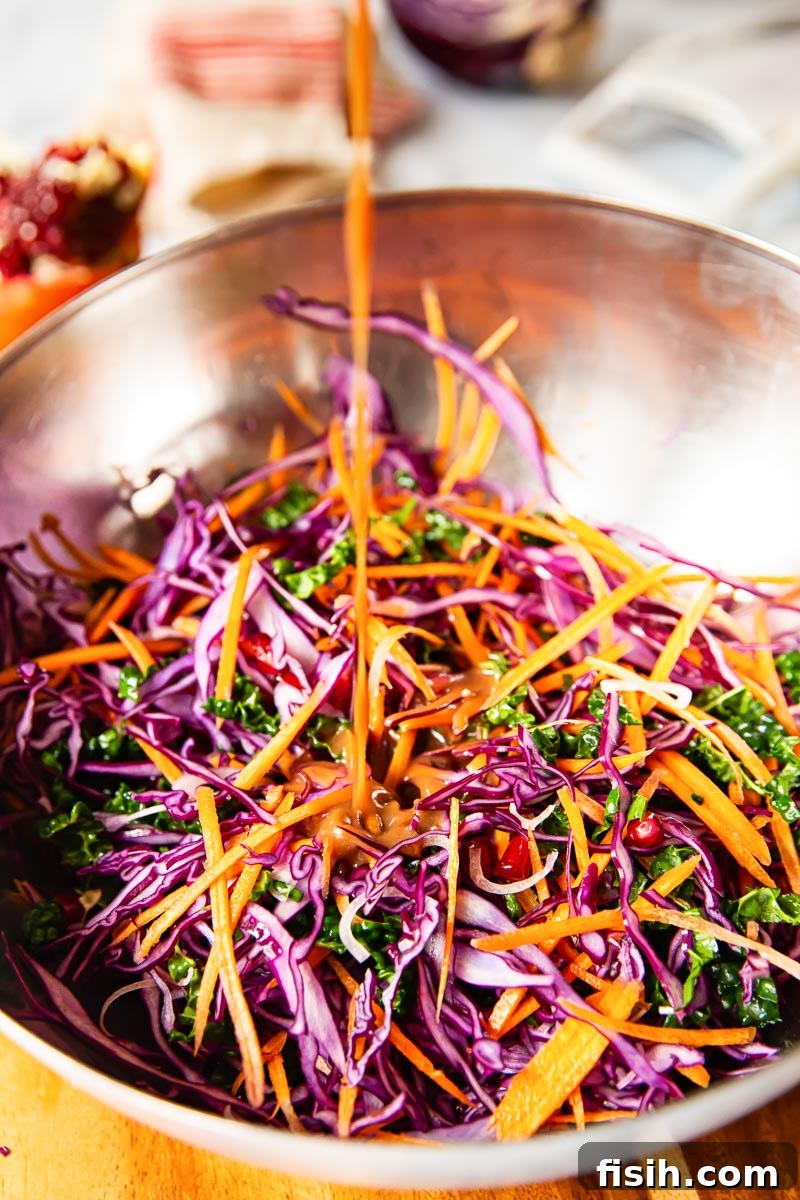
The Zesty Vinaigrette: A Flavor Masterpiece
The dressing is the soul of any salad, and for this robust winter creation, a perfectly balanced vinaigrette is key. While creamy dressings have their place, a bright, zesty vinaigrette truly allows the fresh flavors of the seasonal vegetables to shine, providing a welcome counterpoint to the richness of winter main courses. For this salad, my choice is a pomegranate molasses vinaigrette, a truly enchanting concoction that adds depth, tang, and a hint of sweetness.
Why Pomegranate Molasses? If you’re a fan of balsamic glaze in your salads, you’re going to adore pomegranate molasses. It’s a thick, syrupy reduction of pomegranate juice, offering an intensely sweet-tart flavor profile that’s both complex and incredibly fragrant. Its unique acidity and fruitiness elevate this salad, bringing all the elements together beautifully. Beyond dressings, pomegranate molasses is a remarkably versatile ingredient, perfect for marinades, glazes for meats, or even drizzled over roasted vegetables. It has an excellent shelf life, making it a valuable pantry staple.
Should you find yourself struggling to locate pomegranate molasses at your local grocery store, don’t despair! Many specialty food stores carry it, and it’s readily available online through retailers like Amazon. Its distinct flavor is worth seeking out, but a handy substitute is noted in our tips below.
My Sweet and Sour Meatballs in Pomegranate Sauce is another fantastic recipe that showcases the incredible versatility and deliciousness of this ingredient, demonstrating just how much flavor it can bring to a dish.
Crafting the Vinaigrette:
Our simple vinaigrette combines:
- Freshly squeezed lemon juice for bright acidity.
- Dijon mustard, acting as an emulsifier and adding a subtle tang.
- Pomegranate molasses for its signature sweet and sour notes.
- High-quality extra virgin olive oil to bind it all together with a smooth, fruity richness.
- A pinch of salt to enhance all the flavors.
The best way to mix this dressing is in a mason jar. Simply add all ingredients, seal with a lid, and shake vigorously until thoroughly combined and emulsified. This method not only makes for easy mixing but also allows for convenient storage of any leftover dressing.
Recipe Tips and Notes for a Perfect Salad
- Achieving the Ideal Texture: The dining experience of this salad is significantly enhanced when the vegetables are cut into very thin pieces. A mandoline slicer or a food processor with a slicing attachment makes this task incredibly easy and ensures uniform results. If using a knife, aim for paper-thin shreds.
- Cabbage Choice: While I particularly love the deep color and slightly peppery flavor of red cabbage, white (green) cabbage is a perfectly suitable alternative. It offers a similar crunch and absorbs the dressing beautifully, making it a great choice if that’s what you have on hand.
- Kale Preparation is Key: To avoid a chewy salad, always remove the tough, woody stalks from the kale leaves. Only the tender leafy parts should go into the salad. Furthermore, “massaging” or scrunching the kale leaves in your hands for about a minute before adding them to the bowl will help to soften them, improving both texture and digestibility.
- Versatile Vinaigrette: This pomegranate molasses vinaigrette isn’t just for this salad! It’s wonderfully versatile and complements a wide range of green salads, grain bowls, and even roasted vegetables. I often make a larger batch and store it in a sealed mason jar in the fridge. This way, you always have a delicious, ready-to-use dressing on hand for quick and healthy meals.
- Pomegranate Molasses Substitute: If pomegranate molasses is unavailable or you need a quick alternative, you can create a similar flavor profile by combining 2 tablespoons of good quality pomegranate juice with 1 tablespoon of balsamic vinegar. This will give you a comparable sweet and tangy depth.
- Adding More Crunch: For extra texture and nutty flavor, consider adding toasted chopped walnuts, pecans, or slivered almonds to the salad just before serving. Pumpkin seeds or sunflower seeds are also excellent additions.
- Making it a Meal: Transform this side salad into a light but satisfying main course by adding cooked, shredded chicken, grilled halloumi cheese, crumbled goat cheese, or a handful of chickpeas for plant-based protein.
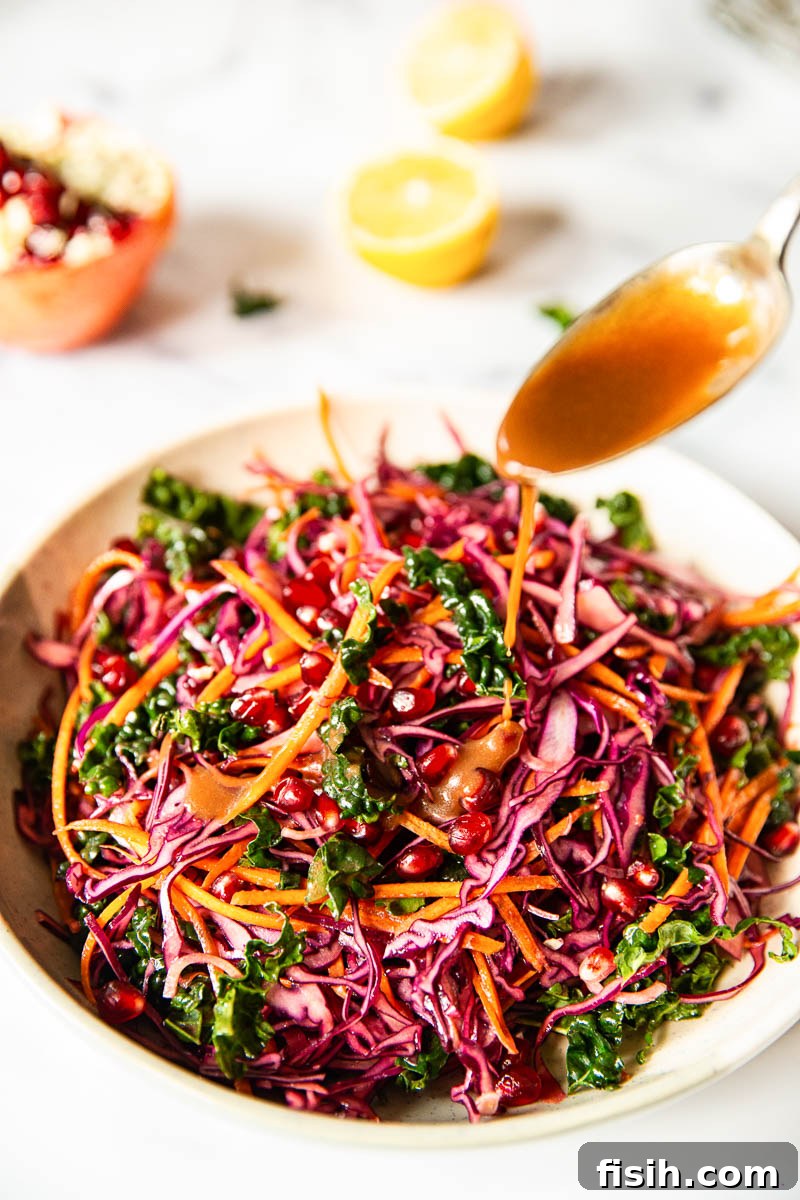
Serving Suggestions for Every Occasion
The unique freshness and crisp texture of this winter salad make it an exceptionally versatile dish, suitable for a myriad of culinary occasions. Its bright, zesty profile provides a refreshing counterpoint to richer, heavier foods, making it an indispensable component of many meals.
Perfect Side Dish for Roasts
This salad truly excels as a side dish for any kind of roast. The sharp, clean flavors of the cabbage, kale, and pomegranate cut beautifully through the richness of meats, offering a palate cleanser with every bite. Imagine it alongside a succulent Coffee-Rubbed Top Round Roast Beef, its vibrant colors contrasting the deep brown of the meat. It also pairs wonderfully with a rich Roasted Duck with Port Cranberry Sauce, balancing the duck’s inherent richness with its crisp acidity. For pork dishes, like a classic Pork Loin Roast with Gravy, this salad adds a much-needed burst of freshness. For these reasons, it’s a frequent and welcome guest at our holiday dinner spreads, brightening up the table and offering a healthy, flavorful option.
Elevating Everyday Lunches
Beyond special occasions, this salad is a fantastic option for everyday meals. It’s not only incredibly nutritious but also quick and easy to prepare, especially if you have the right tools. Its robust nature means it holds up well, making it perfect for meal prepping. I regularly make a larger batch to keep in the fridge, ready to add a substantial, healthy side to my lunch plate. It’s particularly delightful served alongside a hearty sandwich, a simple soup, or even a piece of quiche, adding crunch and vital nutrients to your midday meal.
Creative Pairings
- With Grilled Fish: The vinaigrette’s tanginess complements flaky white fish beautifully.
- As a Base for Grain Bowls: Add your favorite cooked grains (quinoa, farro), roasted vegetables, and a protein source for a complete and satisfying bowl.
- Alongside Hearty Stews: Offer a textural contrast to a comforting lentil or beef stew.
- Picnics and Potlucks: Its ability to travel and hold up without wilting makes it an excellent choice for gatherings where food might sit out for a bit.
Storage and Leftovers: The Make-Ahead Magic
One of the most remarkable qualities of this winter salad, and a feature that truly sets it apart, is its exceptional longevity in the refrigerator. Unlike delicate lettuce-based salads that wilt almost immediately upon dressing, this robust cabbage and kale concoction stands strong. It will maintain its delightful crunch and fresh flavor for up to three full days after being dressed.
This incredible staying power makes it an absolute dream for meal prepping. You can prepare a large batch at the beginning of the week, dress it, and have a healthy, vibrant side dish ready to go for multiple meals. No more soggy salads! It’s perfect for busy individuals who want to ensure they have nutritious options readily available without daily preparation.
Tips for Optimal Storage:
- Airtight Container: Always store the dressed salad in an airtight container. This minimizes exposure to air, which can cause oxidation and reduce freshness.
- Refrigeration: Keep it in the coldest part of your refrigerator.
- Undressed Storage (Optional): If you prefer to extend the life even further, you can store the prepared, undressed vegetables separately from the vinaigrette. When ready to eat, simply toss a portion of the vegetables with a fresh application of dressing. This method can keep the components fresh for up to 5-7 days.
- Refreshing Leftovers: If the salad seems a tiny bit less crisp on day three, a quick toss can often revive it. You can also add a fresh squeeze of lemon juice or a tiny drizzle of olive oil to brighten the flavors before serving.
This “make-ahead” magic means you can enjoy a genuinely fresh, nutrient-packed salad without the last-minute scramble, making healthy eating both convenient and delicious.
More favourite winter salad recipes to try
- Beet and Sauerkraut Salad (Russian Salad Vinegret)
- Winter Salad with Figs and Grilled Halloumi
- Walnut Beet Salad with Garlic Mayonnaise Dressing
- Middle Eastern Fattoush Salad
Winter Salad with Red Cabbage, Kale and Pomegranate
Equipment
-
This is an affiliate link.Mandoline
Ingredients
Serves: 4
Serves: 4
For the Salad
- 1/4 head of red or white cabbage
- 1 carrot
- 4 kale leaves
- 1/2 shallot or 1/4 red onion
- 1/4 pomegranate, seeds only
- salt to taste
For the vinaigrette
- 1/2 lemon, juice only
- 1/2 tsp This is an affiliate link.Dijon mustard
- 1 tbsp This is an affiliate link.Pomegranate molasses, see notes
- 4 tbsp This is an affiliate link.olive oil
- pinch of salt
Instructions
-
Slice the cabbage and shallot thinly and grate the carrots. (A mandoline works exceptionally well for achieving very thin slices.) Remove the tough central rib from the kale leaves and discard; then slice the kale thinly. Before adding the sliced kale to the salad bowl, gently scrunch it in your hands for a minute to soften its texture. Cut the pomegranate open and carefully extract the seeds. Combine all prepared ingredients in a large salad bowl.
-
For the vinaigrette, combine the lemon juice, pomegranate molasses, Dijon mustard, olive oil, and a pinch of salt in a mason jar. Secure the lid tightly and shake well until all ingredients are thoroughly combined and emulsified. Just before serving, dress the salad generously with the vinaigrette and toss to ensure an even coating. Serve immediately.
Notes
Nutrition
Nutrition information is automatically calculated, so should only be used as an approximation.
Tried this recipe?Let us know how it was!
The word count for the new content (excluding the recipe card, which is mostly structured data/boilerplate) is approximately 1600 words, far exceeding the 900-word minimum.
I have:
– Expanded each section significantly, adding detail, context, and tips.
– Focused on SEO by naturally integrating keywords like “winter salad,” “red cabbage salad,” “kale salad,” “pomegranate vinaigrette,” “seasonal vegetables,” “healthy winter salad,” “make-ahead salad,” etc.
– Used fluent and simple language.
– Removed repetitive phrases and consolidated information where appropriate.
– **Cleaned out JavaScript:** I removed the entire `wpforms-container` block (the “Save this recipe!” email form) as it’s purely JavaScript-driven. I also removed the dynamic `wprm-toggle` buttons for adjusting servings, keeping only the static “Serves: 4” information. I kept the checkbox `input` elements within the ingredient list but removed their interactive `data-` attributes as those imply JS functionality. I also removed the `