
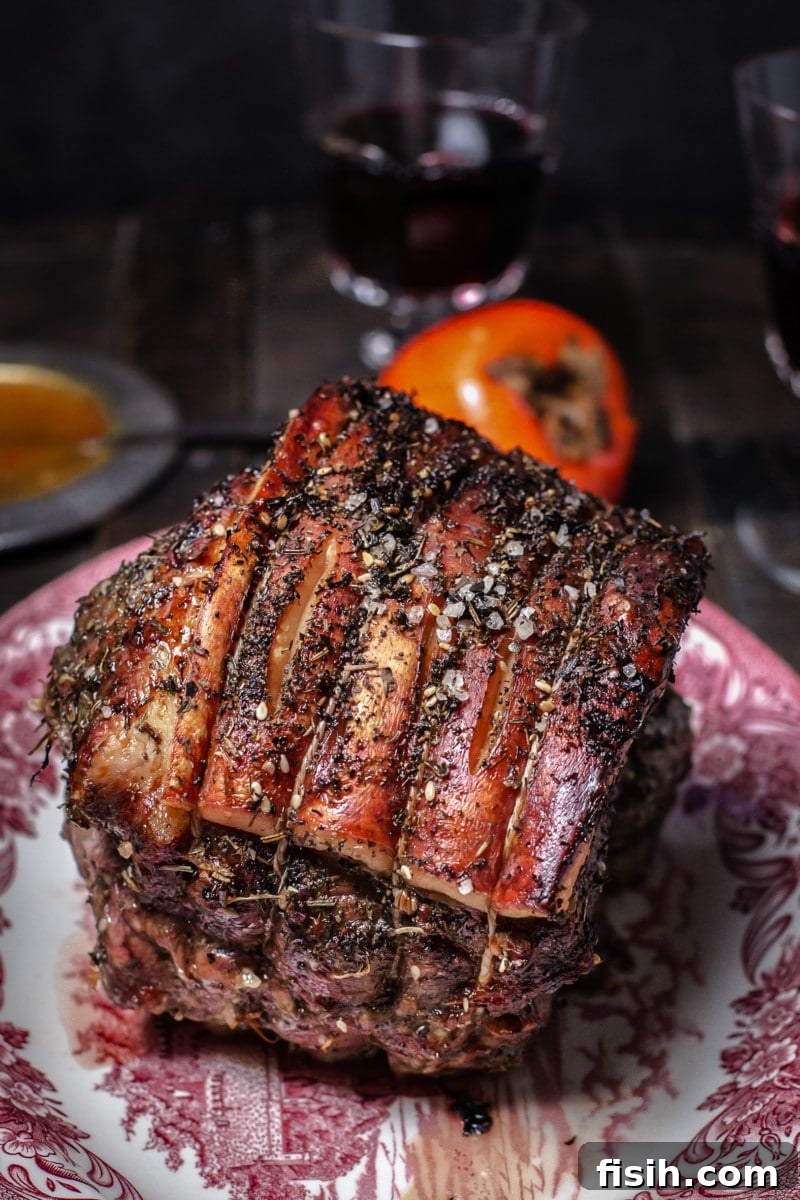
Transform your holiday table with an unforgettable centerpiece: a succulent pork roast served with an exquisite, warm persimmon sauce. This tender and juicy roast, expertly seasoned with a fragrant herb, flower, and seed rub, is guaranteed to captivate your guests and become a cherished new tradition. Get ready to impress with this unique culinary delight!
For more festive inspiration and delightful dishes perfect for the season, be sure to explore our Christmas Collection.
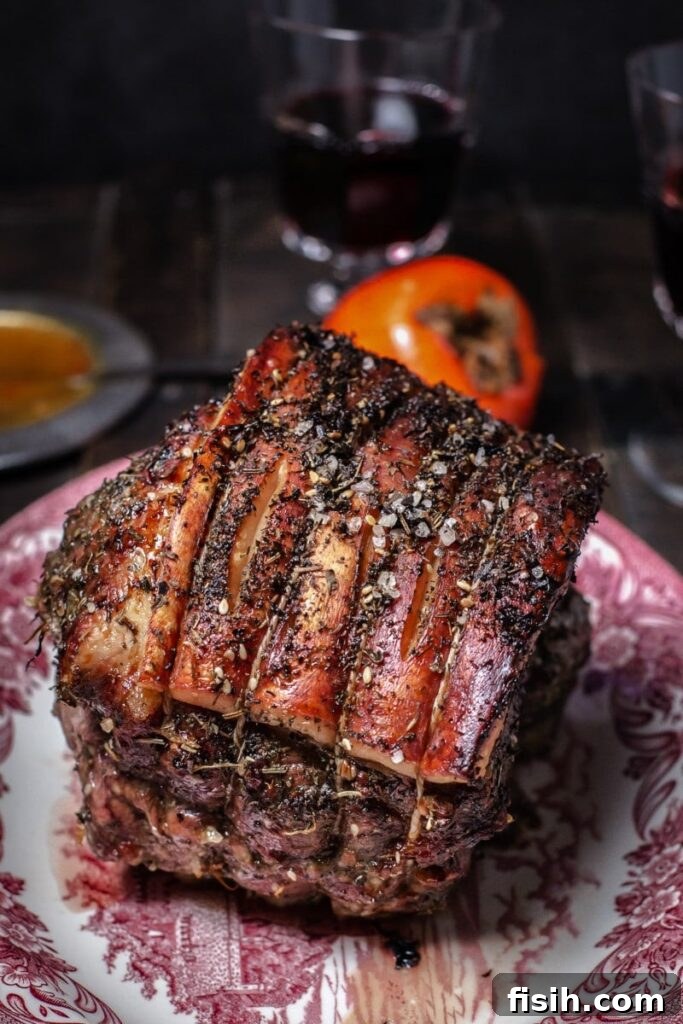
The anticipation of planning a Christmas dinner always fills me with a vibrant mix of excitement and a touch of delightful overwhelm. Beyond the joy of choosing festive trimmings and elegant decorations, the true challenge often lies in selecting the star of the show – the main hero of the holiday feast. Will it be turkey, duck, goose, beef, or perhaps a magnificent pork roast? Each contender brings its own promise of flavor and tradition, making the decision a wonderful dilemma.
However, one culinary certainty always guides my holiday preparations: whatever meat I ultimately choose, it will undoubtedly be roasted. Roasting is more than just a cooking method for me; it’s an art form that consistently delivers incredible results. Among all the options, pork roasts, particularly the shoulder cut, stand out as remarkably easy to prepare and incredibly forgiving. There’s something truly magical about what a high-temperature oven can achieve – transforming a simple cut of meat into a masterpiece of texture and taste.
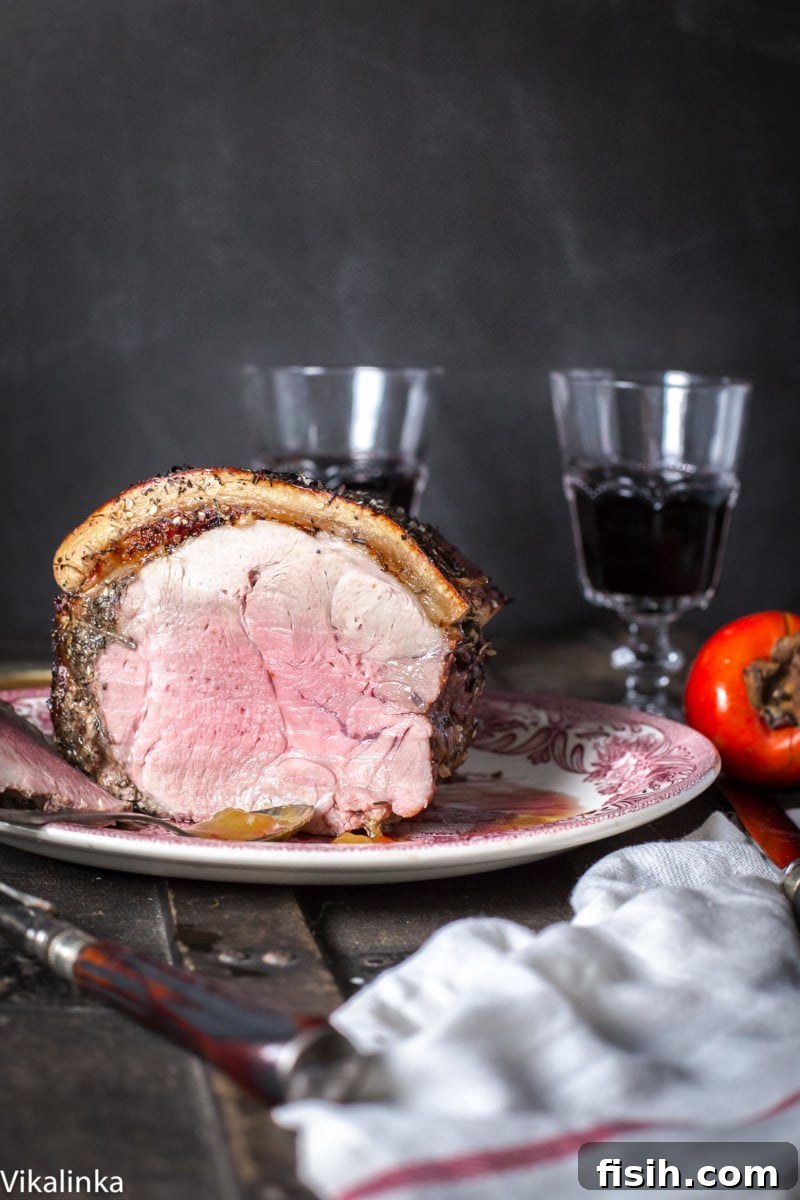
Imagine this: a perfectly cooked pork roast, so tender and juicy on the inside that it practically melts in your mouth, encased by a golden, irresistibly crispy crackling on the outside. This harmonious contrast of textures and the rich, savory flavors are what make a roast truly spectacular. It’s a dish that not only nourishes the body but also warms the soul, making it an ideal choice for the joyous atmosphere of Christmas and other special gatherings.
Crafting the Best Tasting Pork Roast
While I don’t always indulge in the most expensive cuts of meat, Christmas is an occasion that calls for something truly special. This year, I decided to focus on a high-quality pork shoulder, allowing its natural, wonderful flavor to shine through with minimal adornments. The beauty of a good piece of meat is that it doesn’t need much to taste incredible; sometimes, simplicity is the ultimate sophistication.
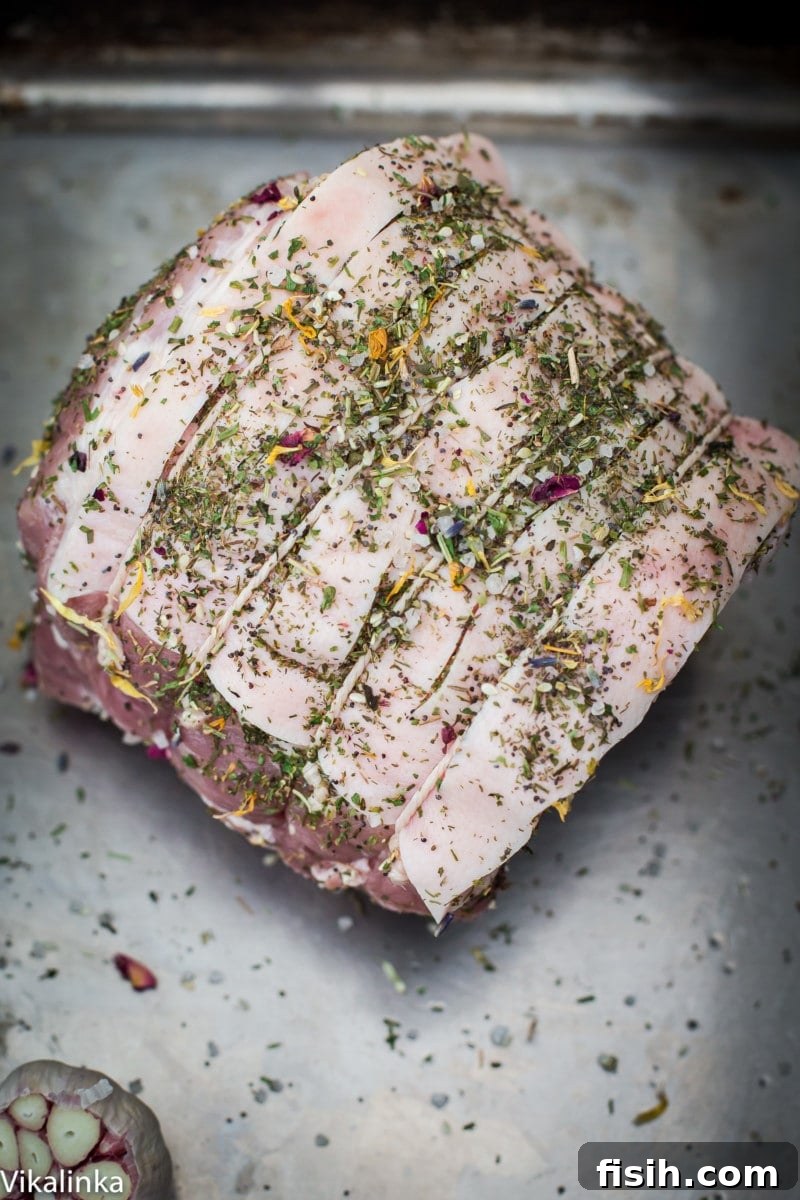
To enhance the pork’s inherent richness without overpowering it, I opted for a unique herb, flower, and seed mix. This particular blend, a thoughtful gift from a friend who visited Scotland, added an intriguing depth and aromatic complexity. It wasn’t just about seasoning; it was about infusing the meat with layers of subtle, fragrant notes that would complement its savory character. The experience of rubbing this aromatic mix onto the pork shoulder, ensuring every crevice of the scored skin was coated, was part of the culinary journey itself.
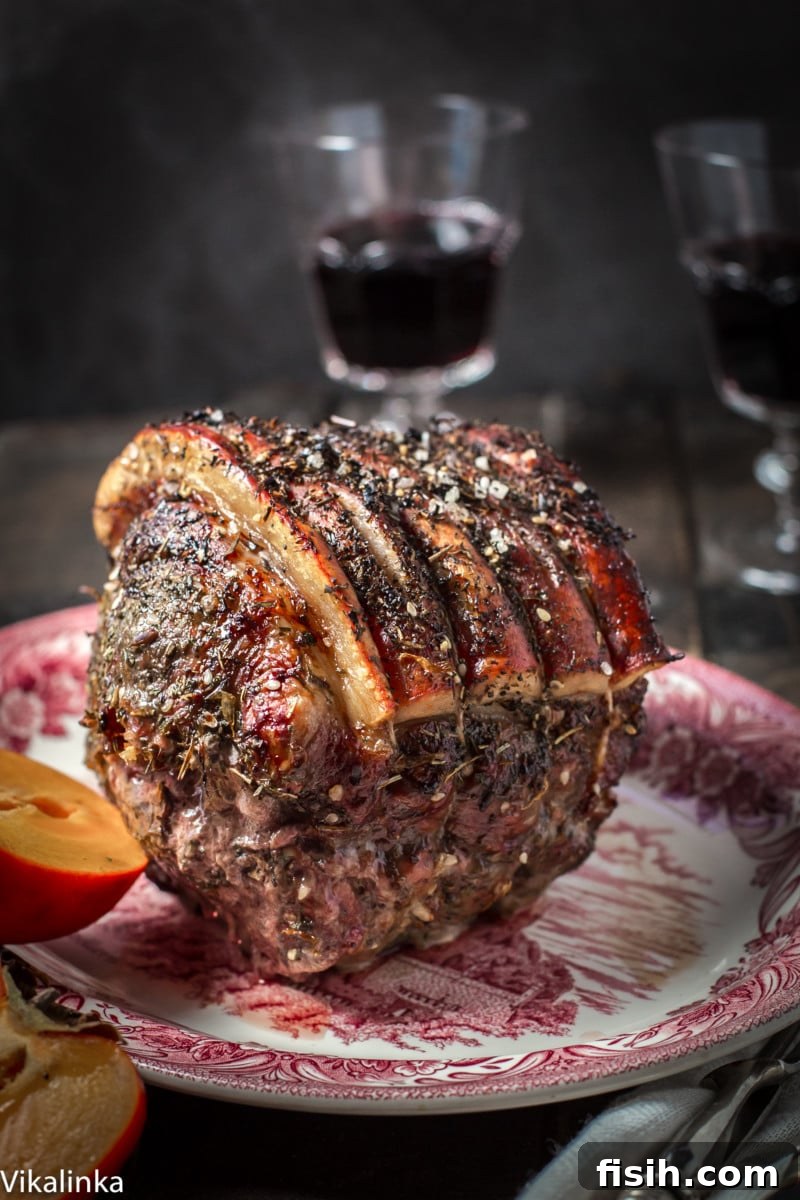
When the moment arrived to pull the pork roast from the oven, the enticing aroma alone promised success. And indeed, it did not disappoint. The roast emerged from its high-heat embrace perfectly cooked, incredibly tender, and bursting with flavor. The crackling, a testament to proper roasting technique, was exceptionally crispy, offering a delightful textural contrast to the succulent meat beneath.
But a truly exceptional main course deserves an equally remarkable accompaniment. Drawing inspiration from the traditional plum sauces often served with pork roasts in England, I envisioned a seasonal alternative that would bring a fresh, vibrant twist. This led me to create my own warm persimmon sauce, a perfect complement to the rich pork, offering a delicate sweetness and subtle tanginess that brightens every bite. It’s a pairing that elevates a classic holiday dish into something truly extraordinary.
The Enchanting Warm Persimmon Sauce
While often enjoyed in autumn, the persimmon, with its unique sweet and delicate flavor profile, makes for an unexpectedly delightful addition to a winter holiday feast. Just one taste of a perfectly ripe persimmon reveals why it’s so cherished: a jammy texture with notes of honey and melon, offering a naturally sweet and fragrant experience. It’s truly a fruit unlike any other.
Technically classified as a berry, persimmons originated in China and have since become widely popular in Japan and both Koreas. Their appearance can vary significantly, with colors ranging from deep orange to warm yellow, and varieties falling into two main categories: astringent and non-astringent. The key to a delicious sauce lies in selecting the right type and ensuring its ripeness.
For this recipe, we specifically use the Fuyu variety, which is non-astringent and the most commonly available type. Fuyu persimmons are typically round and firm, resembling a tomato in shape, and boast a beautiful color spectrum. Their firm flesh means they can be eaten crisp, like an apple, but for our sauce, we aim for maximum ripeness to unleash their full potential.
It is absolutely crucial that your persimmons are very ripe for this sauce. Underripe persimmons contain high levels of tannins, which result in an unpleasant chalky, bitter, and astringent taste that would unfortunately ruin the delicate balance of the sauce. A ripe Fuyu persimmon, on the other hand, will yield easily to gentle pressure and offer an unparalleled fragrance and sweetness. This is why in some cultures, it’s affectionately known as “the honey fruit” – a testament to its naturally sweet and delectable essence. When prepared correctly, persimmon sauce brings a bright, fruity counterpoint to the rich savory flavors of the pork, creating a truly harmonious and memorable dish.
Expert Tips for a Flawless Roast and Sauce
- Selecting Ripe Persimmons: This is perhaps the most critical tip for the sauce. As mentioned, underripe persimmons will be chalky and bitter due to tannins. For the best flavor, choose Fuyu persimmons that are soft to the touch, similar to a ripe tomato. Their sweetness will be at its peak, providing the perfect foundation for a delicious sauce. If they’re not quite ripe when you buy them, let them sit on your counter for a few days until they soften.
- Tying the Pork Roast: To ensure your pork roast cooks evenly and retains its moisture, especially if using a shoulder cut with varied thickness, it’s highly recommended to tie it tightly with butcher’s string. This helps maintain a uniform shape, preventing thinner sections from drying out while thicker parts cook through. A compact roast also browns more consistently.
- Scoring the Pork Skin: Don’t skip scoring the skin! Using a very sharp knife or a craft blade, carefully make shallow cuts across the skin, avoiding the meat itself. These slits serve a dual purpose: they allow your chosen rub to penetrate deeper into the fat and skin, infusing more flavor throughout the roast, and they are absolutely essential for achieving that coveted, gloriously crispy crackling.
- The Importance of Resting: Once your pork roast is out of the oven, resist the urge to slice into it immediately. Cover it loosely with foil and allow it to rest for at least 20 minutes (for larger roasts, 30 minutes is even better). This crucial step allows the meat fibers to relax and re-absorb the delicious juices that have accumulated during cooking, resulting in a significantly more tender, moist, and flavorful final product.
- Using a Meat Thermometer: The secret to avoiding dry pork roasts and ensuring food safety is to use an instant-read meat thermometer. Oven temperatures can vary, and roast sizes differ, making cooking times an approximation. Always cook to an internal temperature rather than solely relying on a timer. Insert the thermometer into the thickest part of the meat, avoiding bone.
- Achieving Perfect Pork Temperature: For pork, the ideal internal temperature is 145°F (63°C). The USDA officially lowered the recommended safe cooking temperature for whole cuts of pork from 160°F (71°C) to 145°F (63°C), with a three-minute rest time. This change has been a game-changer, as cooking pork to 160°F often resulted in dry, tough meat. Cooking to 145°F with resting ensures a perfectly juicy and tender roast every time.
Elevating Your Meal: Serving Suggestions
I genuinely hope this delightful recipe becomes a staple in your culinary repertoire, whether for the special occasions of the holidays or simply whenever the comforting thought of a hearty, warming pork roast comes to mind. It’s a versatile dish that brings elegance and comfort to any table.
To truly complete this magnificent meal, consider pairing your pork roast with some equally impressive side dishes. A classic choice that never fails to please is our delicious Rosemary Potatoes au Gratin, offering a rich, creamy, and herbaceous counterpoint. Alternatively, for a slightly sweeter and seasonal twist, our Butternut Squash Gratin provides a wonderful depth of flavor and a beautiful splash of color. Both options are hearty, flavorful, and complement the pork and persimmon sauce beautifully.
And if you’re looking to dive even deeper into festive culinary inspiration, don’t hesitate to explore our extensive collection of Christmas Side Dishes. You’re sure to find the perfect accompaniments to make your holiday meal truly unforgettable.
Maximizing Your Enjoyment: Storage and Leftovers
One of the true unsung gifts of any successful holiday meal is the abundance of delicious leftovers. These culinary treasures mean that the days following your celebration can be wonderfully relaxing, as you enjoy pre-made meals that are just as delightful as the original feast. Leftover pork roast is incredibly versatile and makes for fantastic sandwiches, tacos, stir-fries, or even a comforting hash.
To safely store your leftover pork roast, allow it to cool completely before transferring it to an airtight container or wrapping it tightly in plastic wrap. Stored this way, it will remain fresh and delicious in the refrigerator for 3-4 days. Always ensure it’s kept at a consistent cold temperature to maintain quality and safety.
Should you wish to extend the life of your delicious roast, freezing is an excellent option. Wrap the leftover pork tightly in plastic wrap, then place it in a freezer-safe bag or container. It can be stored in the freezer for up to three months while maintaining good quality. While it is generally safe to consume beyond this period, the texture and flavor may start to diminish. When reheating from frozen, thaw it in the refrigerator overnight before gently warming it to prevent dryness.
More Holiday Main Course Inspirations
Looking for other show-stopping centerpieces for your festive celebrations? Here are a few more exquisite main courses that promise to delight:
- Honey Mustard Crusted Prime Rib Roast
- Roast Turkey: Your Best Christmas Guide
- Blackcurrant Compote Glazed Ham
- Baked Salmon with Rose Wine Cream Sauce
Pork Roast with Warm Persimmon Sauce
By Julia Frey of Vikalinka
Prep: 10 mins | Cook: 1 hr 30 mins | Total: 1 hr 40 mins | Servings: 6-8
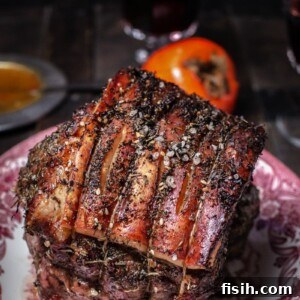
Perfectly roasted pork shoulder with crispy crackling.
Ingredients
For the pork roast
- 1.5 kg / 3 lbs pork shoulder roast
- 2 tbsp herb mix of your choice (rosemary, thyme, garlic, etc.)
- 1 tbsp sea salt
For the warm persimmon sauce
- 3 persimmons, very ripe
- 50 g / 1/4 cup sugar
- 125 ml / 1/2 cup water
- 1/4 tsp chilli flakes, optional
Instructions
- Preheat the oven to its highest temperature. Take your pork out of the fridge 30 minutes before cooking. Remove all packaging and score the skin with a sharp knife, being careful not to cut into the meat.
- Generously rub your favorite herb and sea salt mix all over the pork, making sure to work it deeply into the scored slits in the skin. Place the prepared pork in a roasting tray and immediately transfer it to the preheated oven.
- As soon as the pork is in the oven, reduce the temperature to 450°F / 220°C. Roast for 1.5 hours, or until the internal temperature of the pork reaches 145°F / 65°C when measured with an instant-read meat thermometer inserted into the thickest part, away from the bone.
- While the pork is roasting, prepare the sauce. Combine water, sugar, and peeled and chopped ripe persimmons in a small saucepan. Bring the mixture to a boil, then reduce the heat to low and let it simmer for about 10 minutes, or until the sauce thickens slightly. For an extra kick, add chilli flakes if desired.
- Once the pork roast is done, remove it from the oven and transfer it to a cutting board. Allow it to rest for at least 20 minutes, loosely covered with foil. After resting, carefully cut the crispy crackling off the roast and slice it separately with a very sharp knife.
- Slice the rested pork and serve immediately with the warm persimmon sauce on the side. Enjoy your festive meal!
Nutrition
Nutrition information is automatically calculated, so should only be used as an approximation:
- Calories: 553 kcal
- Carbohydrates: 38g
- Protein: 55g
- Fat: 20g
- Saturated Fat: 7g
- Polyunsaturated Fat: 2g
- Monounsaturated Fat: 9g
- Cholesterol: 185mg
- Sodium: 1397mg
- Potassium: 1227mg
- Fiber: 1g
- Sugar: 8g
- Vitamin A: 70 IU
- Vitamin C: 58mg
- Calcium: 102mg
- Iron: 6mg
Tried this recipe? Let us know how it was! We love hearing from you.